What is a Humidity Controller? Classification and Quotation for Comprehensive Moisture Control Solutions 2026
13/04/2026
A humidity control system operates based on a closed-loop feedback principle. It is similar to how a thermostat controls an air conditioner to maintain temperature. Instead of temperature, a humidity controller focuses on Relative Humidity (RH), which is the percentage of water vapor present in the air compared to the maximum amount the air can hold at the same temperature. The core of this system consists of three main components: a humidity sensor, a central controller, and moisture treatment equipment (a dehumidifier or a humidifier). The sensor continuously measures the actual humidity in the space. This data is sent to the controller. The controller compares the measured value with the desired humidity value (called the setpoint) established by the user. If the actual humidity is higher than the setpoint, the controller commands the dehumidifier to operate. If the actual humidity is lower, it activates the humidifier. This process occurs continuously, creating an automated control mechanism that helps stabilize the microclimate within a closed environment.
Impact of temperature changes on moisture control efficiency
Temperature and relative humidity are closely related. Warmer air can hold more water vapor than colder air. This is a basic physical principle. This means that if the absolute amount of water vapor in the air remains constant, but the temperature rises, the relative humidity will decrease. Conversely, when the temperature drops, the relative humidity will increase.
A practical example in a warehouse:
Daytime: The temperature rises due to the outside heat. The air inside the warehouse warms up. The relative humidity can drop from 60% to 50% even though the amount of water vapor remains unchanged.
Nighttime: The temperature drops. The air in the warehouse cools down. The relative humidity will spike, potentially from 50% to 70% or higher. When the relative humidity reaches 100%, water vapor condenses into droplets on product surfaces, walls, and ceilings. This "sweating" phenomenon causes serious damage.
Therefore, an effective humidity control system must account for the temperature factor. Professional systems often integrate temperature sensors for smart control or operate in tandem with air conditioning systems to comprehensively stabilize the microclimate.
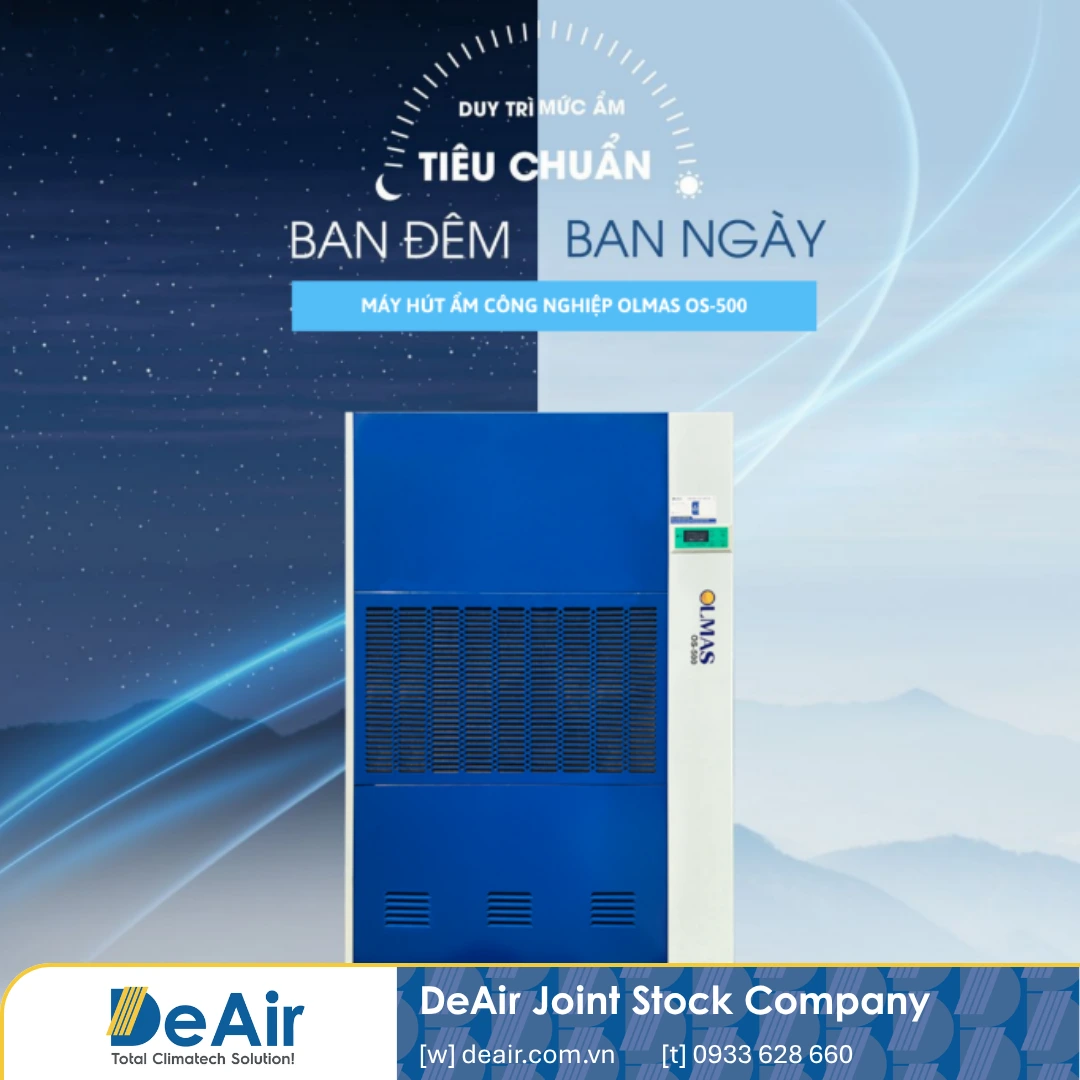
Olmas OS-500 effectively controls humidity for warehouses and factories all day long
Comparing humidity controllers: residential, industrial, and specialized by environment
Not all humidity controllers are the same. Choosing the wrong type can lead to waste and inefficiency. They are classified into three main categories.
Residential humidity controllers: Usually portable dehumidifiers with built-in controllers. Small capacity, simple design. Primarily applied to small spaces such as bedrooms, living rooms, and offices (under 80m²). The limitation is that they lack sufficient capacity for factories, are not durable in harsh industrial environments, and have a narrow and less accurate control range.
Industrial humidity controllers: The system includes a separate controller and a high-capacity dehumidifier/humidifier. Made of durable materials (powder-coated steel, stainless steel). Capable of operating 24/7. Widely applied in manufacturing plants, goods storage warehouses, basements, and drying rooms. The biggest advantages are high capacity, high durability, and the ability to connect to a central control system (PLC).
Specialized humidity controllers: Custom-designed for specific applications. For example, machines for swiftlet farming require high humidification capacity and durability in corrosive environments. Machines for electronic component drying rooms need the ability to dehumidify to ultra-low levels (under 10% RH). Mainly applied in swiftlet houses, cleanrooms, cold storage, and laboratories.
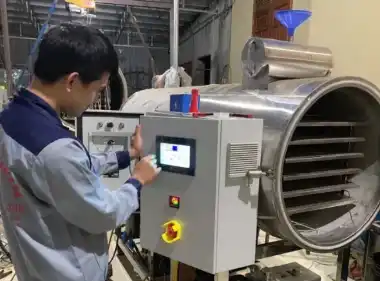
Industrial humidity controller in cold storage and production lines
In an industrial environment, stabilizing the microclimate is not just a matter of preservation but a decisive factor in product quality and production efficiency. A humidity controller acts as the brain for the entire air treatment system, ensuring parameters remain within allowable limits. The automated control system in these environments must ensure humidity is maintained at an almost constant level, regardless of external impacts. Residential solutions are completely unable to meet these stringent requirements.
Automatic humidity control devices for swiftlet houses and cleanrooms
Swiftlet houses and cleanrooms are two typical examples demonstrating the importance of precise humidity control.
Application in swiftlet houses: Swiftlets only nest and reproduce in highly humid and stable environments, ideally between 80% and 90% RH. The system includes an accurate humidity sensor, a controller, and an ultrasonic or high-pressure misting humidifier. The controller receives signals from the sensor and automatically turns the humidifier on/off to keep the humidity within the ideal range. This automated control frees the swiftlet house owner from manual intervention, ensuring a perfect living environment for the birds 24/7, thereby increasing the yield and quality of bird's nests.
Application in cleanrooms: Production environments for electronic microchips and medical devices require humidity to be controlled between 40% and 50% RH. Too low humidity (<30%) causes static electricity, which can damage sensitive microchips. Too high humidity (>60%) creates conditions for bacterial growth and causes corrosion. The solution here is to equip a precise control system connected to an industrial humidifier and a cleanroom dehumidifier. The controller will maintain humidity within a very narrow margin, ensuring a safe production environment and internationally standardized product quality.
Residential dehumidifiers – Basic solutions for small spaces
A residential dehumidifier is a useful device in the home. They help keep living spaces dry and airy on high humidity days, protect electronics and wooden furniture from damage, and prevent the growth of mold that affects health. Most of these machines have a built-in humidity sensor and a simple control panel, allowing the user to set the desired humidity (usually at 40%, 50%, 60% levels).
However, it is necessary to understand their limitations:
Limited capacity: They are only effective in small, enclosed spaces (under 40-80m²). They cannot process the massive amount of moisture in a factory or warehouse.
Low durability: The plastic casing and internal components are not designed for continuous 24/7 operation in dusty and harsh industrial environments.
Low accuracy: Built-in sensors and controllers lack high precision, making them unsuitable for applications requiring small tolerances such as laboratories or pharmaceutical manufacturing.
Therefore, residential machines are a good solution for families, but they absolutely cannot replace specialized industrial humidity control systems.
Residential dehumidifiers are a basic solution for small spaces in the home
Quotation, installation, and maintenance costs of humidity controllers in Vietnam
When investing in an industrial humidity control system, the cost includes more than just the price of the equipment. The total investment cost is a combination of many factors: machine price (depending on capacity, brand, and technology), system consulting and design costs, auxiliary materials costs (ducts, electrical wires, brackets), labor costs for installation, and subsequent operational and maintenance costs.
Reference prices by capacity and application
The investment cost for a humidity control system varies greatly. To give you an overview, DeAir provides reference prices based on scale and application.
Solutions for small spaces (under 100m²): Primarily applied to small laboratories, document storage rooms, and equipment rooms. The system usually includes a small-capacity or semi-industrial dehumidifier. Reference costs range from 20,000,000 VND to 50,000,000 VND.
Solutions for medium factories and warehouses (100m² - 500m²): Applied in finished goods warehouses, garment factories, printing workshops, and agricultural storage. The system includes one or more high-capacity industrial dehumidifiers and may require a simple ductwork system. Reference costs fall between 70,000,000 VND and 200,000,000 VND.
Specialized, large-scale solutions (over 500m² or special requirements): Applied for cold storage, cleanrooms, and food and pharmaceutical production lines. Complex system structure, potentially integrating PLC, HMI, and comprehensive ductwork. Reference costs start from 250,000,000 VND and up, depending on the project's complexity.
Note: The figures above are for reference only. For an accurate quote, a site survey and detailed technical calculation are required.
DeAir is a reputable provider of moisture control solutions for businesses
Olmas - A reliable partner providing professional moisture control solutions for businesses
Reputable contractors and common after-sales policies
Choosing a reputable contractor is a crucial factor in securing your investment. A reliable supplier will have the following characteristics:
Consulting and design capacity: They have a team of experienced engineers capable of conducting on-site surveys, listening to your needs, and designing the most suitable solution, rather than just selling an off-the-shelf product.
Genuine and diverse products: They are official distributors of reputable brands, providing products with clear origins (CO, CQ) and a variety of models and capacities for you to choose from.
Professional installation technical team: Installation, especially of ductwork and electrical connections, requires high skill to ensure the system operates at its designed efficiency.
Clear after-sales policies:
Warranty: The standard warranty period for industrial machines is usually 12-24 months.
Maintenance: Providing periodic maintenance service packages to ensure the machine always operates well and extends its lifespan.
Technical support: Commitment to responding to and resolving issues in the fastest possible time.
DeAir is proud to be a provider that meets all the above criteria, ready to become a trusted partner in delivering professional moisture control solutions. For a comprehensive solution consultation and a detailed quote for your project, contact our experts today.
INVEST IN A COMPREHENSIVE MOISTURE CONTROL SYSTEM TODAY!
Do not let humidity fluctuations affect the quality of your products and machinery. Contact DeAir right away for an expert survey and the design of the most suitable solution!


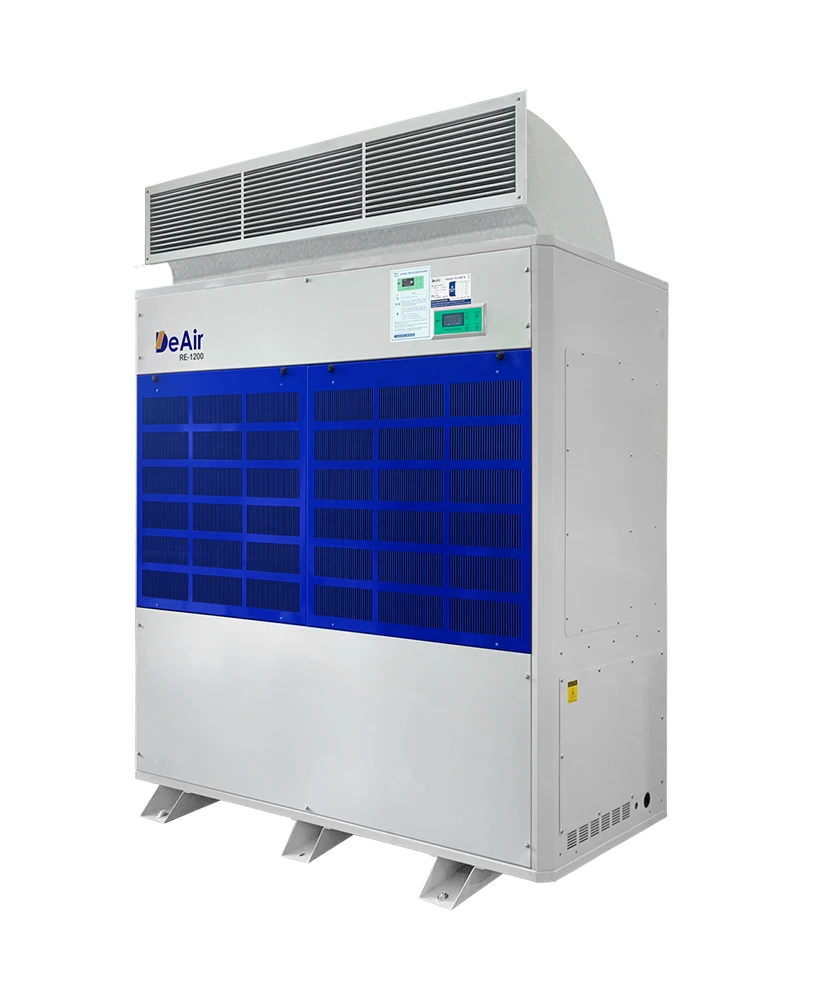 DeAir.RE
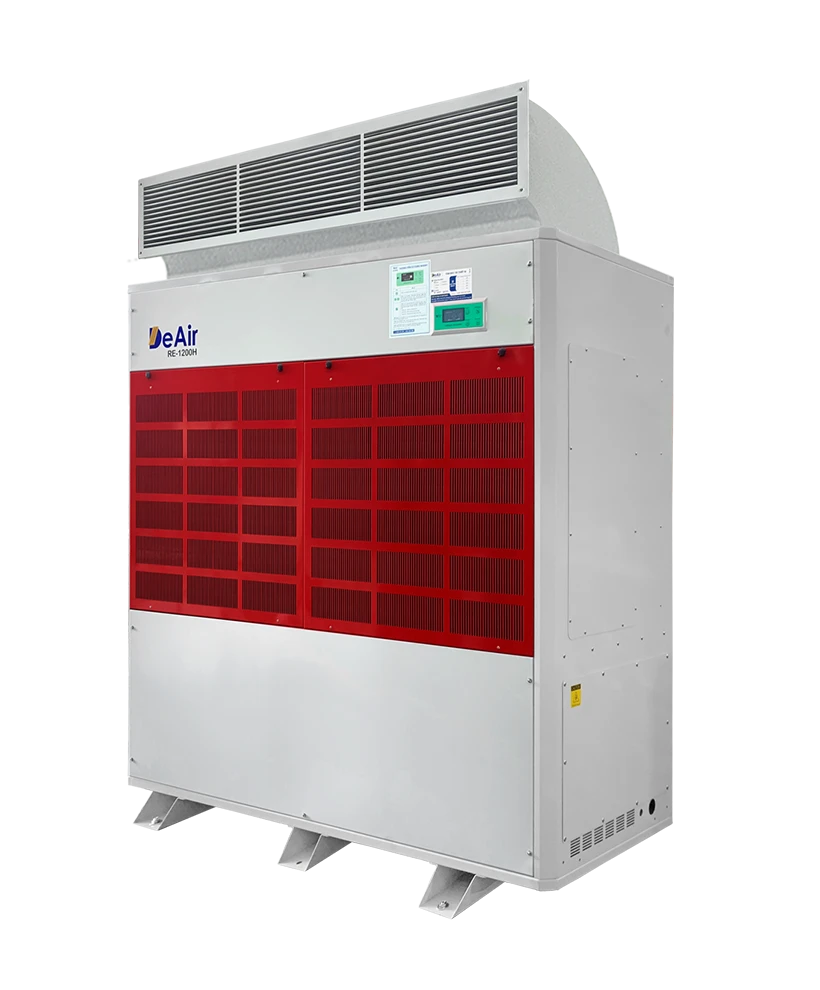 DeAir.RE-H
 DeAir.RE-INOX
 DeAir.CRE
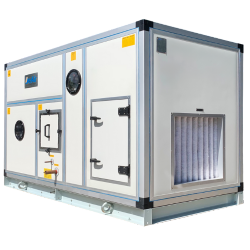 Dezenno
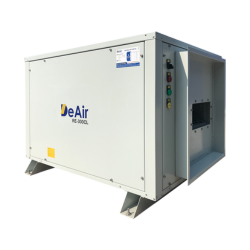 DeAir.RE-CL
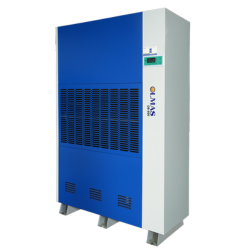 Olmas-OS
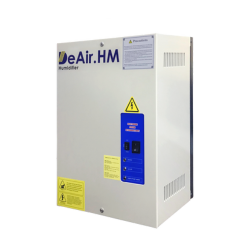 DeAir.HM
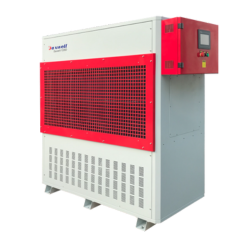 Daxwell
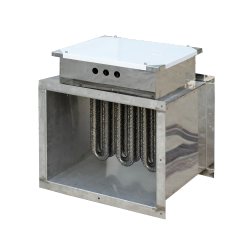 DeAir.Heat
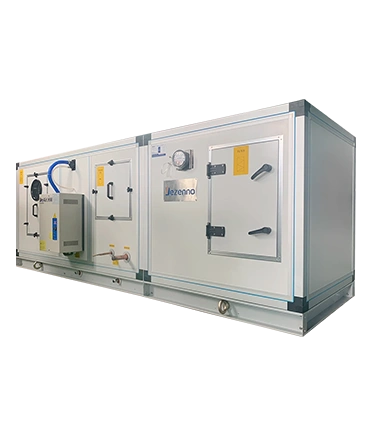 AHU
AHU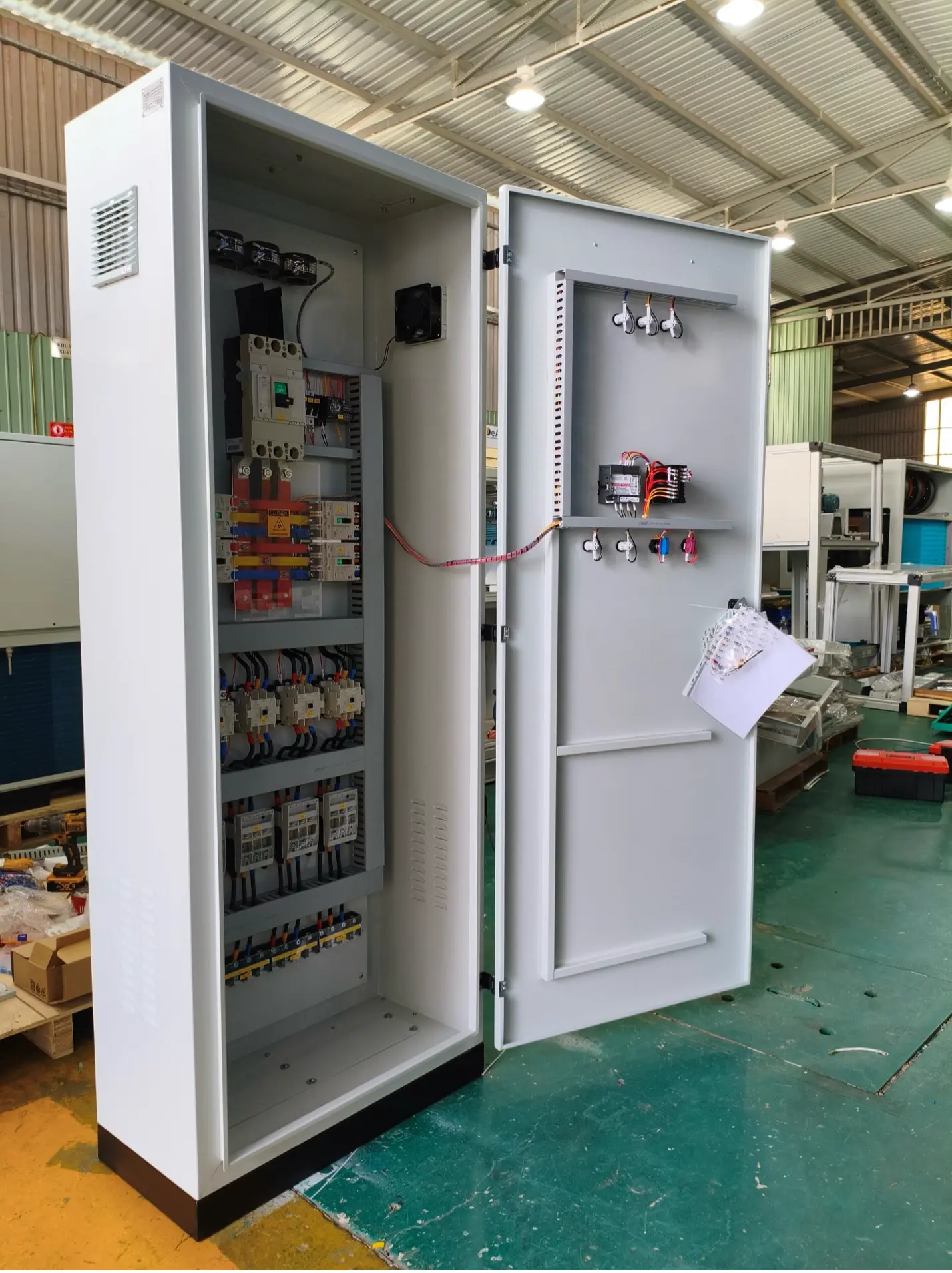




![[Case Study] DeAir Installs DeAir.De Rotor Humidity Control System for Pharmaceutical Plant in Binh Duong](https://deair.com.vn/thumbs/news/2023_04/ban_giao_may_cho_duoc_bd/[270x153-cr]image1-1024x772.jpg__cv.webp "[Case Study] DeAir Installs DeAir.De Rotor Humidity Control System for Pharmaceutical Plant in Binh Duong")

![[Review & Guide] Olmas OS-300: The New Humidity Control "Warrior" for Medium to Large Warehouses](https://deair.com.vn/thumbs/news/huong_dan_su_dung_may_olmas_21/[270x153-cr]vtm06440.png "[Review & Guide] Olmas OS-300: The New Humidity Control \"Warrior\" for Medium to Large Warehouses")