Decoding the "Nemesis" of Ice & Frost: Dezenno Desiccant Rotor Dehumidifiers for Cold Storage in 2026
04/03/2026
The 2026 Cold Chain and the "Invisible Enemy" Called Ice & Frost
The year 2026 is witnessing an explosion in cold chain logistics serving the export of agricultural/seafood products and pharmaceutical storage. However, cold storage managers constantly face a massive headache dealing with an invisible yet devastating enemy: Humidity condensing into ice and frost.
Every time the loading doors open, warm and humid outside air rushes in. In a deep-freeze environment, this moisture instantly turns into thick fog and forms heavy ice on walls, ceilings, and evaporators. To completely solve this problem, conventional dehumidification technologies have proven "powerless," making way for the ultimate technological solution: Dezenno Desiccant Rotor Dehumidifiers.
1. 4 Devastating Consequences of Humidity in Cold Storage
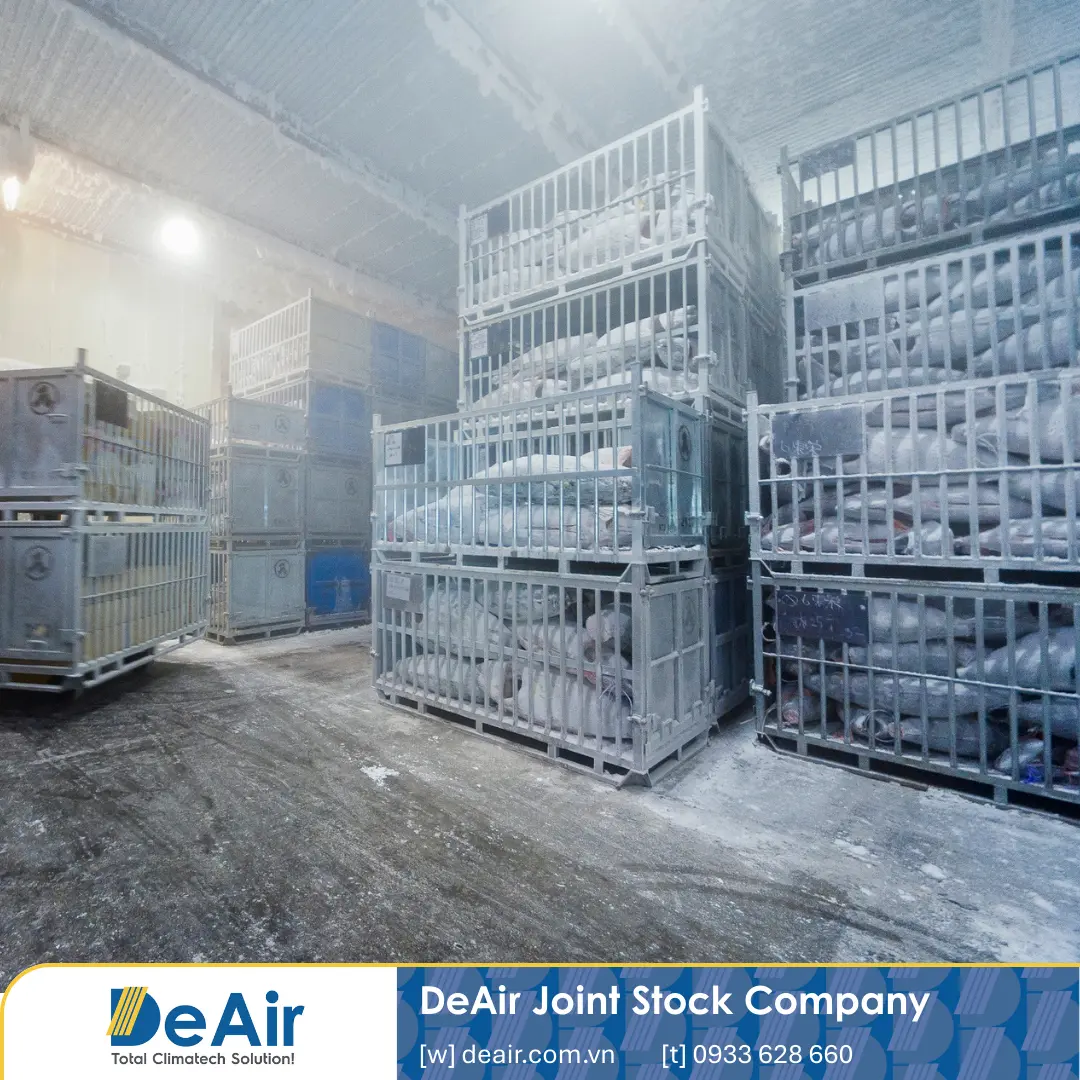
Thick ice accumulating on ceilings and cooling coils - The direct result of lacking a specialized moisture treatment system.
When humidity is poorly controlled, cold storage facilities face massive operational damages:
Reduced Cooling Efficiency & High Energy Costs: Ice buildup on the evaporator coils acts as an insulator. The system is forced to run continuous electrical "defrost" cycles, causing electricity bills to skyrocket and shortening the compressor's lifespan.
Occupational Safety Hazards: Condensation and ice on the floor create a surface as slippery as a skating rink, posing severe risks of forklift accidents or personnel injuries.
Packaging and Product Damage: Carton boxes stored in foggy environments absorb water, lose their structural integrity, and collapse. Labels peel off easily, which is strictly prohibited under Pharmaceutical Storage Standards (GSP/GMP).
Impaired Visibility: Thick fog generated every time the warehouse doors open severely hinders barcode scanning and slows down the loading/unloading process.
2. Why Do Compressor (Condensation) Dehumidifiers Fail at Low Temperatures?
Many businesses make the costly mistake of using standard industrial dehumidifiers (compressor/condensation type) for cold storage. The principle of these machines is to use a refrigerant compressor to cool the condenser coils so water drips down.
The Failure Point: When ambient temperatures drop below 10°C (especially in deep-freeze rooms from -10°C to -25°C), the water vapor touching the dehumidifier's cooling coils freezes instantly before it can form a droplet. The coils become completely blocked by ice. At this point, the machine must stop dehumidifying to run a defrost cycle, dropping its actual moisture removal efficiency to near 0%.
3. The Power of Dezenno Desiccant Rotor Dehumidifiers
To treat humidity in sub-zero temperatures, the global industry standard is Desiccant Rotor Technology. The Dezenno Dehumidifier lineup represents the pinnacle of this technology in Vietnam.
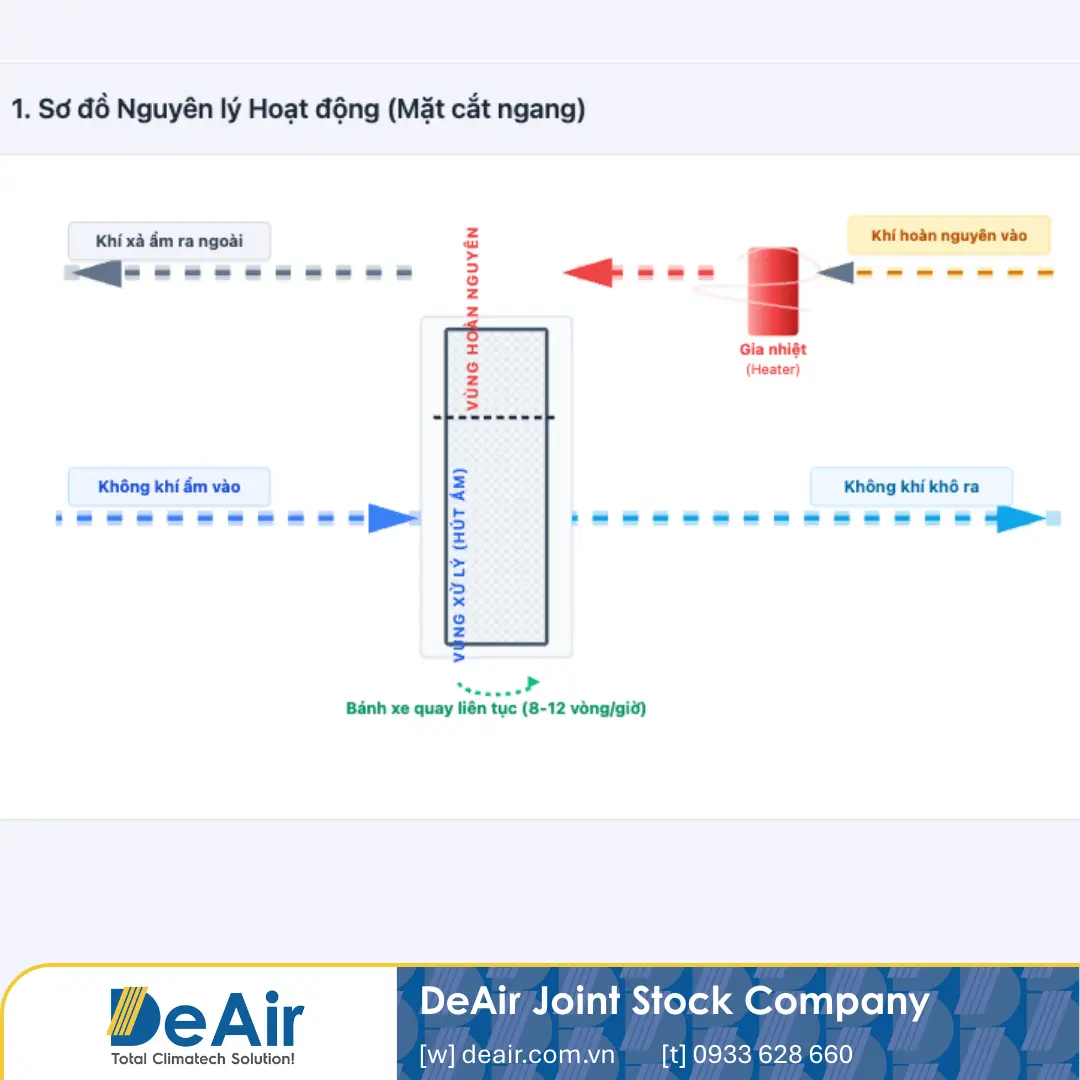
The Rotor wheel, impregnated with chemical desiccants, continuously rotates to absorb moisture and is heated for regeneration.
The "Limitless" Operating Principle:
The machine does not use a refrigeration compressor. Its heart is a massive honeycomb-structured wheel, deeply impregnated with a powerful desiccant compound (like Silica Gel or Lithium Chloride).
Humid air from the cold room passes through the wheel, where moisture is trapped within the honeycomb structure via a chemical reaction (Adsorption). The wheel rotates continuously, moving the moisture-laden section into the "Regeneration" zone.
In the regeneration zone, an extremely hot airstream (heated by electrical resistance) blows through, evaporating the trapped water and expelling it directly outside the warehouse via ductwork.
The Absolute Advantage: The machine operates powerfully, maintaining an ultra-high moisture removal capacity regardless of the room temperature dropping to -30°C. It has the ability to control extremely low dew points, bringing the room humidity down to ultra-dry levels (below 10% RH), completely eradicating the environment that creates fog and ice.
4. Infographic: Why Cold Storage MUST Use Rotor Dehumidifiers
COLD STORAGE DEHUMIDIFICATION COMPARISON
Criteria
Condensation Dehumidifier (Compressor)
Dezenno Desiccant Rotor Dehumidifier
Ideal Operating Temp
Above 15°C (Only for cool rooms/factories).
Performs flawlessly from -30°C to 40°C.
Defrost/Freezing Issue
Coils freeze constantly; must stop to defrost.
Zero freezing, continuously dehumidifies 24/7.
Achievable Humidity Level
Only reaches a minimum of roughly 40% RH.
Reaches ultra-dry levels: 1% - 10% RH.
5. Why is DeAir the Top Moisture Treatment Contractor in 2026?
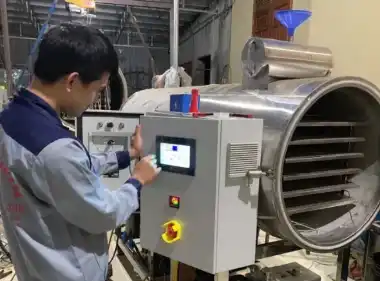
A Dezenno Desiccant Dehumidification system constructed by DeAir, integrating return air ducts for a GSP-compliant cold room.
Selecting a contractor to design and supply a Desiccant Rotor system is highly complex. DeAir is proud to be the strategic partner chosen by hundreds of factories in 2026 due to:
Genuine Dezenno Representative: Our equipment utilizes the world's most advanced Proflute (Sweden) rotor wheels, boasting an absorption lifespan of up to 10 years without degradation.
Advanced Engineering & Calculation Capabilities: Moisture loads in cold storage are notoriously difficult to calculate. DeAir engineers use specialized software to compute infiltration (door opening frequency), personnel load, and initial product moisture content. This ensures we select the exact machine capacity—preventing energy waste from oversized units and preventing condensation from undersized ones.
Rapid After-Sales Service: Understanding that a cold chain cannot afford downtime, DeAir guarantees warranty and troubleshooting response within 24 hours. (Read more: DeAir's On-Site Maintenance Campaign).
Conclusion: Investing in a cold storage dehumidifier using Dezenno Desiccant Rotor technology is a strategic move to protect your inventory, save massive amounts of money on "defrosting" electricity, and meet international cold chain storage standards.
Eradicate Cold Room Ice & Frost Today
Contact DeAir's engineering team for a site survey and to receive a completely FREE cold storage moisture treatment system design layout!


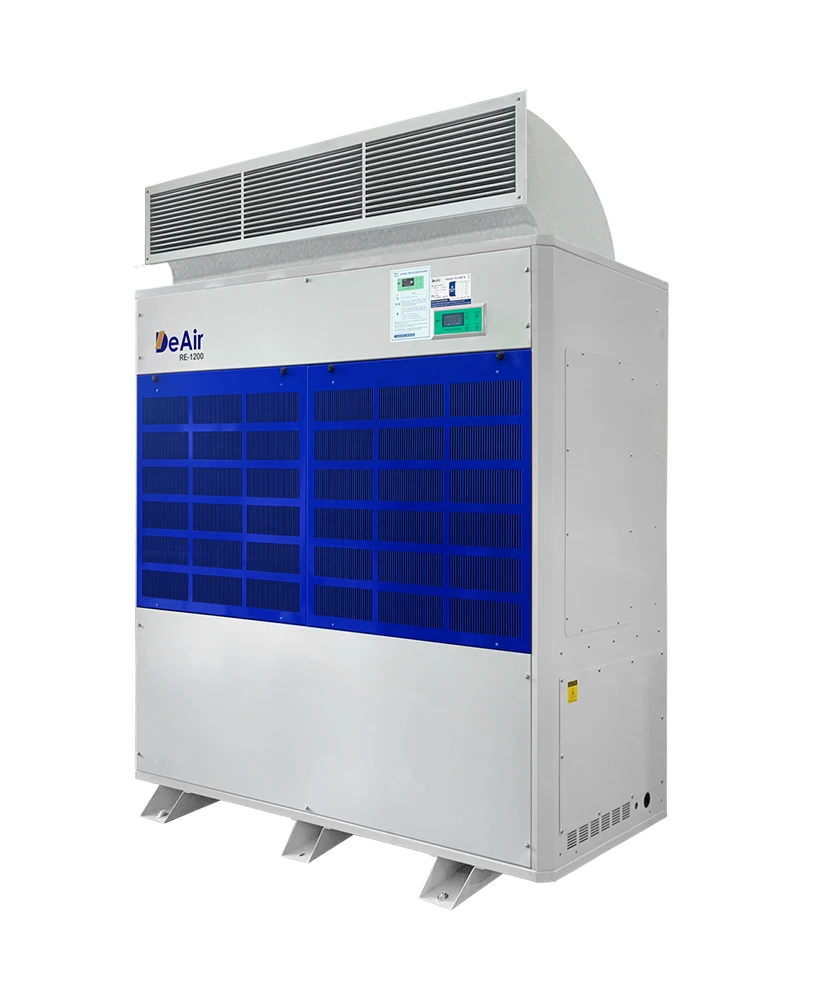 DeAir.RE
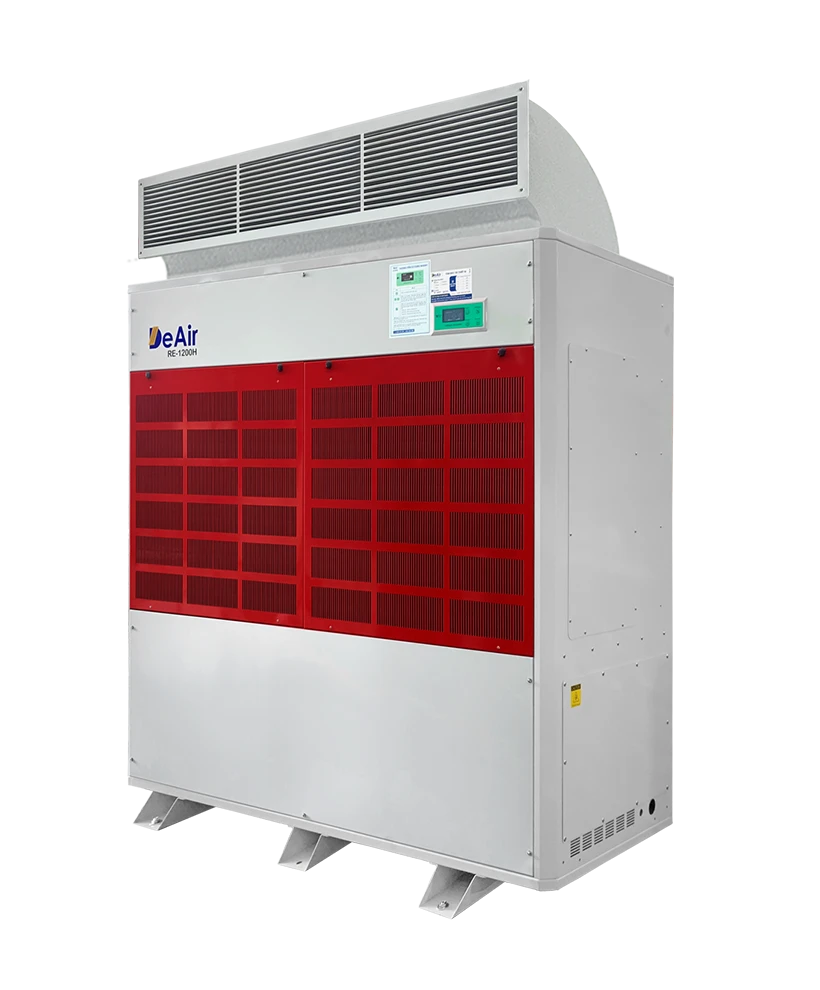 DeAir.RE-H
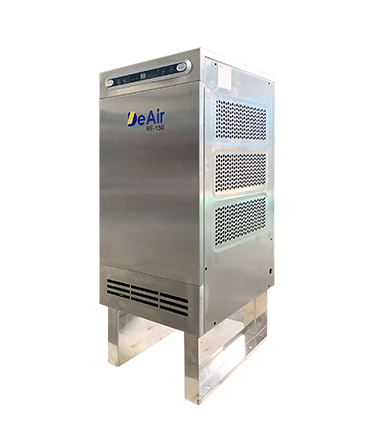 DeAir.RE-INOX
 DeAir.CRE
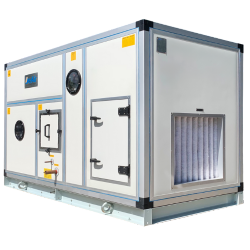 Dezenno
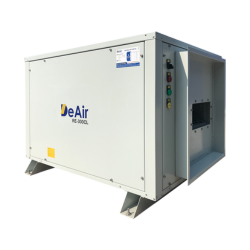 DeAir.RE-CL
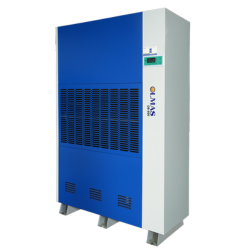 Olmas-OS
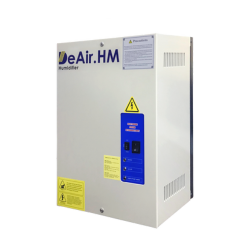 DeAir.HM
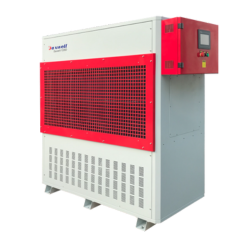 Daxwell
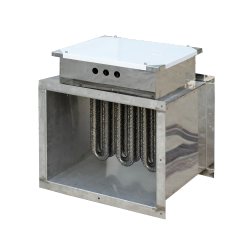 DeAir.Heat
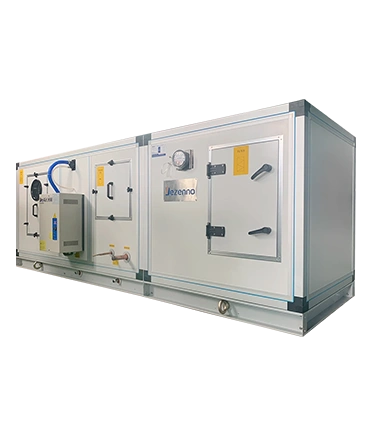 AHU
AHU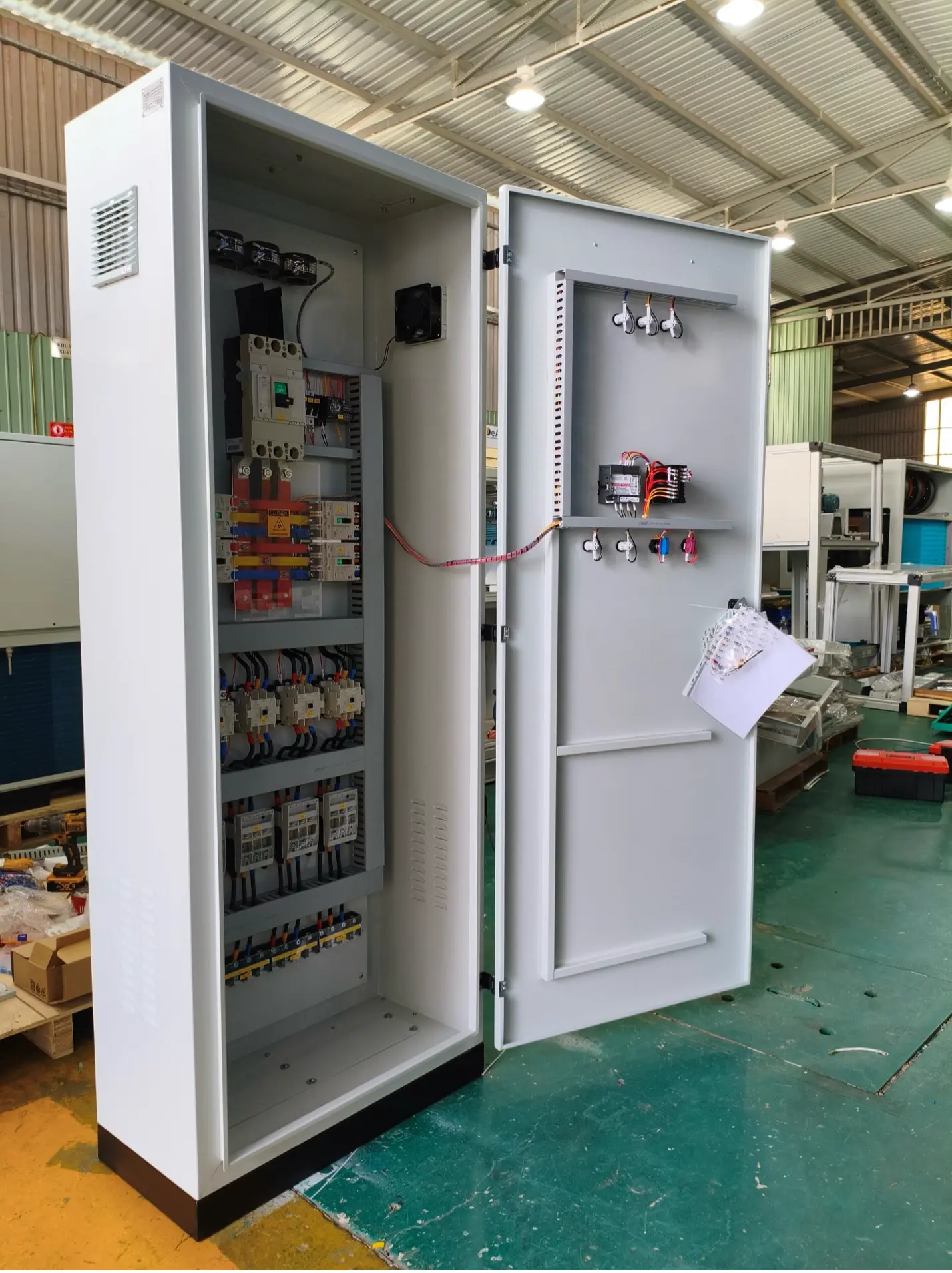







![[Case Study] DeAir Installs DeAir.De Rotor Humidity Control System for Pharmaceutical Plant in Binh Duong](https://deair.com.vn/thumbs/news/2023_04/ban_giao_may_cho_duoc_bd/[270x153-cr]image1-1024x772.jpg__cv.webp "[Case Study] DeAir Installs DeAir.De Rotor Humidity Control System for Pharmaceutical Plant in Binh Duong")

![[Review & Guide] Olmas OS-300: The New Humidity Control "Warrior" for Medium to Large Warehouses](https://deair.com.vn/thumbs/news/huong_dan_su_dung_may_olmas_21/[270x153-cr]vtm06440.png "[Review & Guide] Olmas OS-300: The New Humidity Control \"Warrior\" for Medium to Large Warehouses")