The Silent Killer: Condensation on factory ceilings and cold equipment is the primary vector for cross-contamination (Listeria, Salmonella), directly threatening HACCP/BRC certifications and national food safety compliances.
Systemic HVAC Flaw: Conventional air conditioning only handles sensible cooling and cannot suppress the room's dew point. Below 15°C, standard cooling coils will freeze over, rendering them powerless against the massive latent loads generated by washdown processes.
DeAir's Comprehensive Solution: Beyond supplying the Dezenno Desiccant Rotor Dehumidifier to generate ultra-dry air, DeAir engineers custom ceiling ductwork to create a "dry air blanket," stopping condensation in processing rooms and preventing frost build-up at IQF tunnel entrances.
In high-end food processing sectors (such as export poultry, deli meats, and seafood), strict low-temperature maintenance is mandatory. Processing rooms typically operate between 10°C and 15°C, while Individual Quick Freezing (IQF) zones plummet to -35°C to -40°C. However, the combination of these sub-zero or chilled temperatures and the massive water vapor emissions from slaughtering, blanching, or CIP (Clean-In-Place) washdown procedures creates a nightmare for Plant Managers: Condensation.
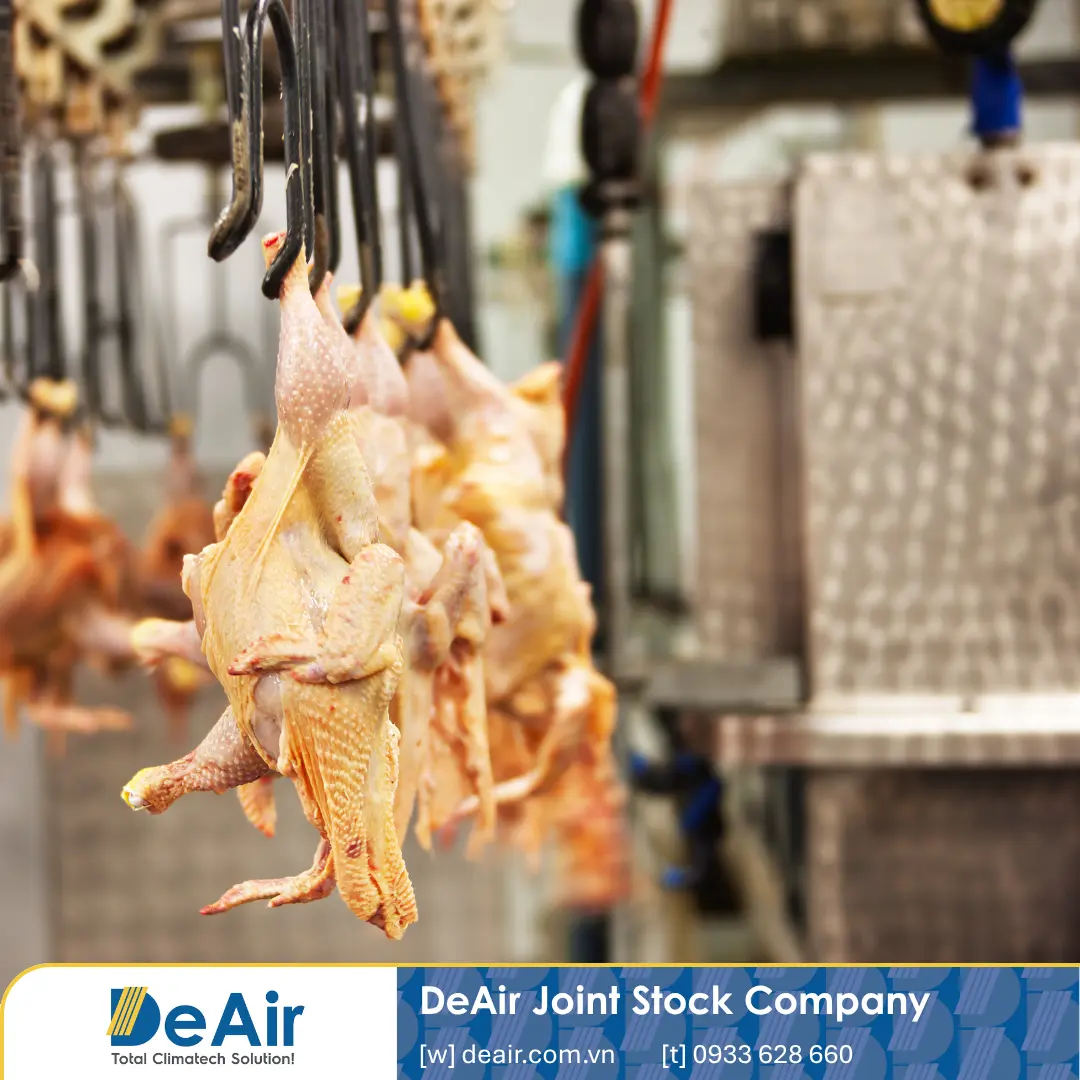
Inside the processing zone of a premium poultry slaughterhouse—where steam and vapor continuously challenge refrigeration systems.
1. The Physics and 3 Disastrous Consequences of Condensation
Thermodynamically, when moisture-laden air contacts a cold surface (one with a temperature lower than the air's Dew Point), the excess water vapor immediately desublimates into physical water droplets. In meat processing facilities, these cold surfaces are typically insulated panel ceilings, partition walls, or stainless steel piping.
If not addressed with specialized industrial equipment, condensation triggers three severe operational cascading failures that completely compromise quality control protocols:
Cross-Contamination (Drip Hazard): Water droplets accumulating on the ceiling act as the perfect incubator for dangerous pathogens like Listeria monocytogenes and Salmonella. When these droplets drip onto the poultry cutting lines below, the entire batch becomes contaminated. This is a direct violation of the National Technical Regulation QCVN 02-09:2009/BNNPTNT on veterinary hygiene conditions for poultry slaughterhouses.
Paralyzed IQF Freezing Lines: At the inlet and outlet gates of rapid IQF freezing tunnels, infiltrating humid air instantly flashes into solid ice. This frost accumulation jams the mesh conveyor belts, glazes over the evaporator coils, and drastically reduces freezing capacity, violating TCVN 9771:2013 on the code of practice for the processing and handling of quick frozen foods.
Occupational Health & Safety Hazards: Constant dripping renders epoxy floors dangerously slippery, while suspended fog reduces visibility, posing a direct threat to workers operating sharp implements and mechanical saws.
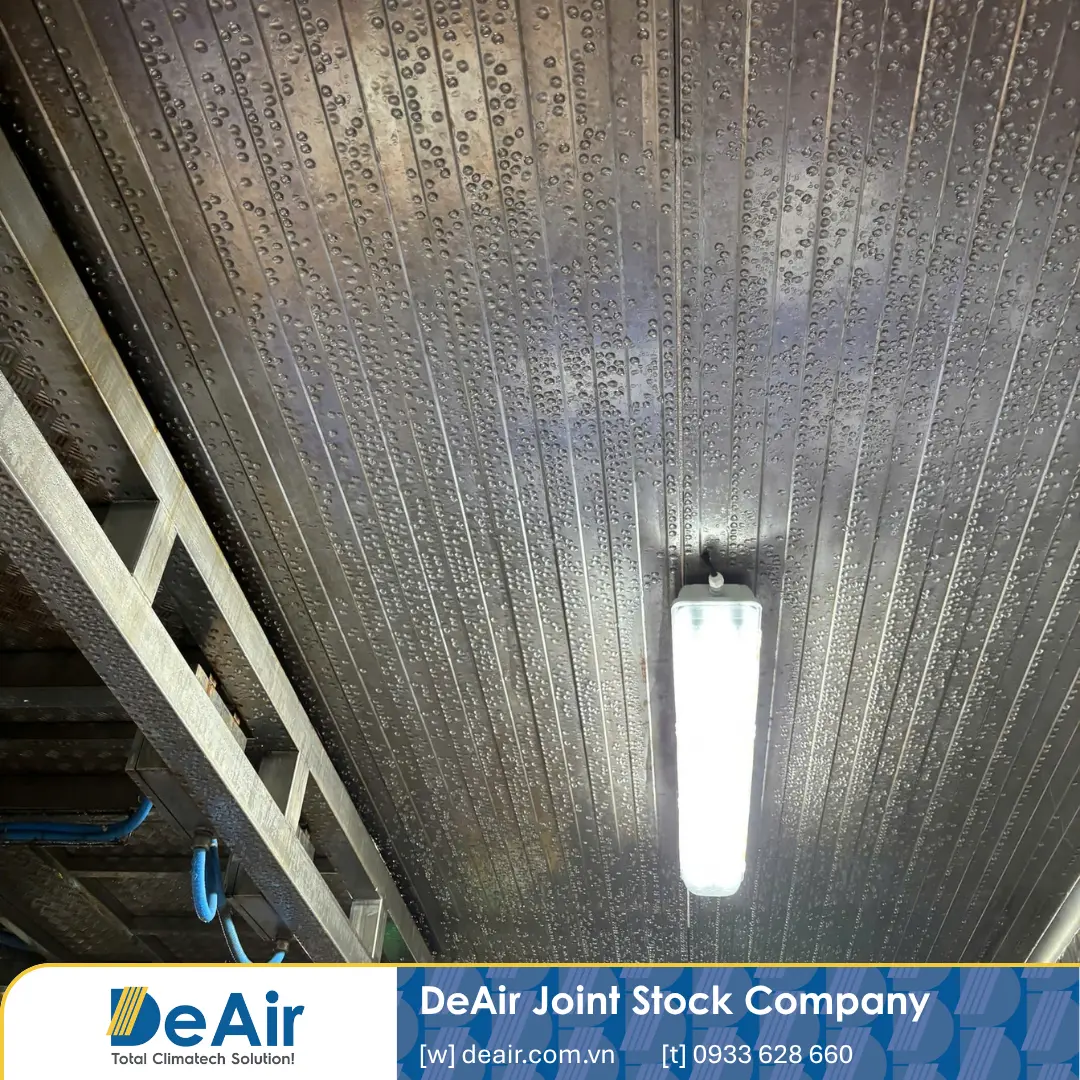
Condensation dripping from a factory ceiling—the "invisible assassin" causing cross-contamination of exposed food products below.
2. Why Conventional HVAC Systems are Conceptually "Powerless"
A common, yet catastrophic, misconception among Plant Managers is: "We just need to turn the central AC down to a lower temperature, and the room will dry out." This is a fundamental engineering error. Commercial HVAC systems are designed primarily to manage sensible heat loads (cooling the air), not to force extreme dew point depressions.
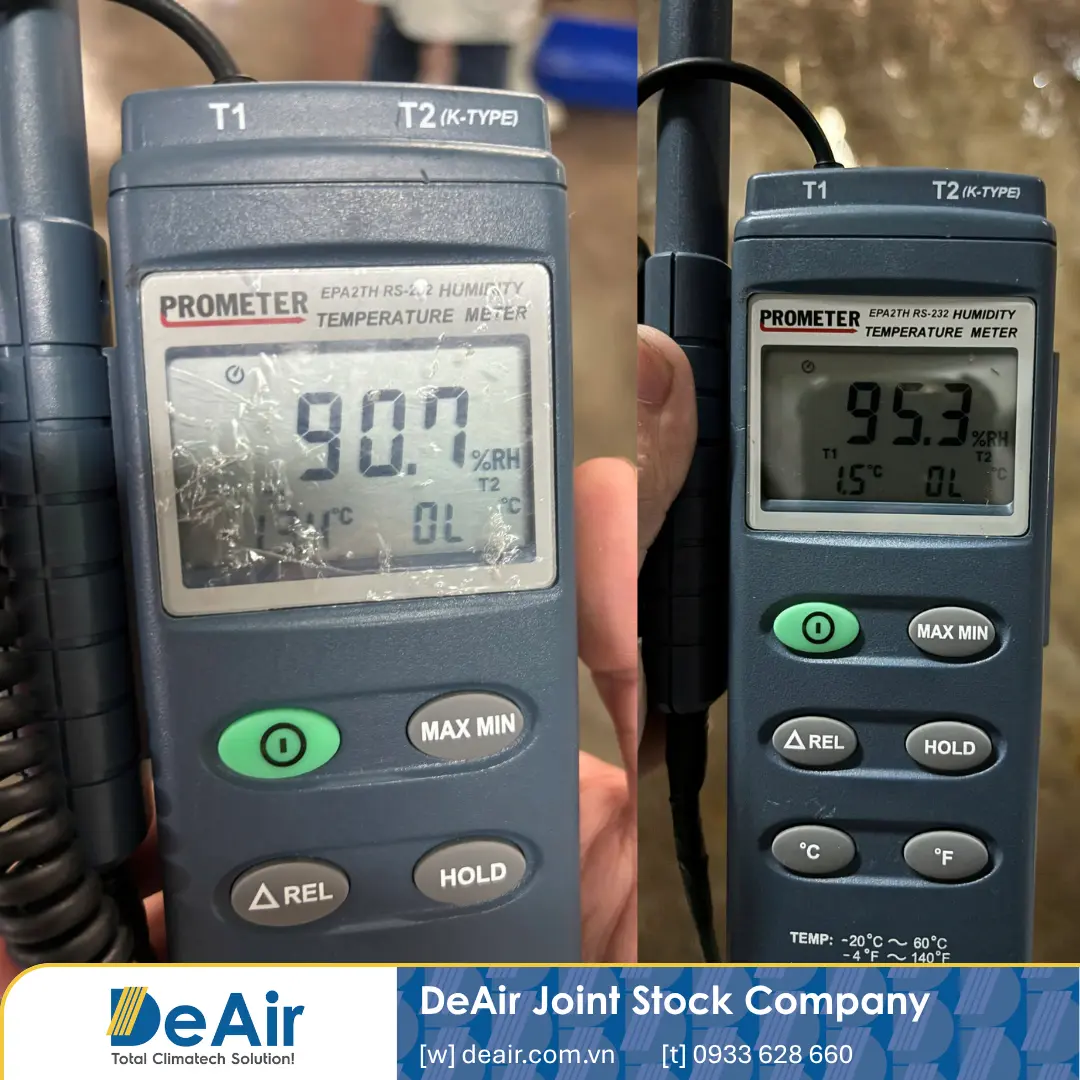
At room temperatures hovering between 10°C and 15°C, the air is already cold, but its relative humidity can easily spike to 90% - 95% RH. In this psychrometric zone, the cooling coils of standard AC units (or basic mechanical condensing dehumidifiers) will instantly form a thick layer of ice, choking off airflow and completely paralyzing their ability to extract water.
Sensors confirm that despite ambient temperatures of 10°C - 15°C, relative humidity surges to 90% - 95%, causing conventional ACs to freeze over and fail.
To resolve condensation at its root, there is only one valid physical principle: The dew point of the ambient air must be lowered below the temperature of the coldest surface in the room (such as the panel ceiling or stainless steel housing).
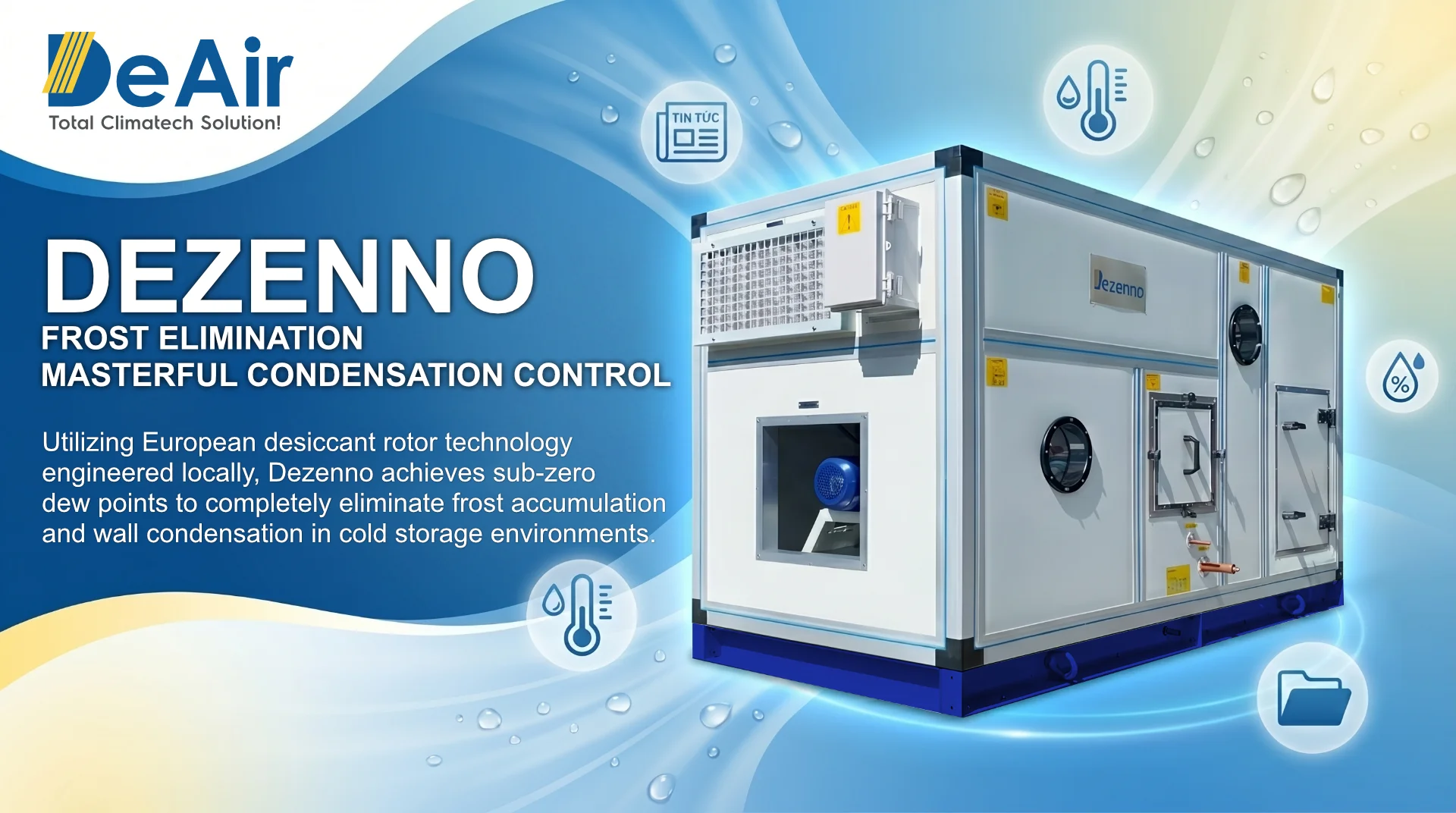
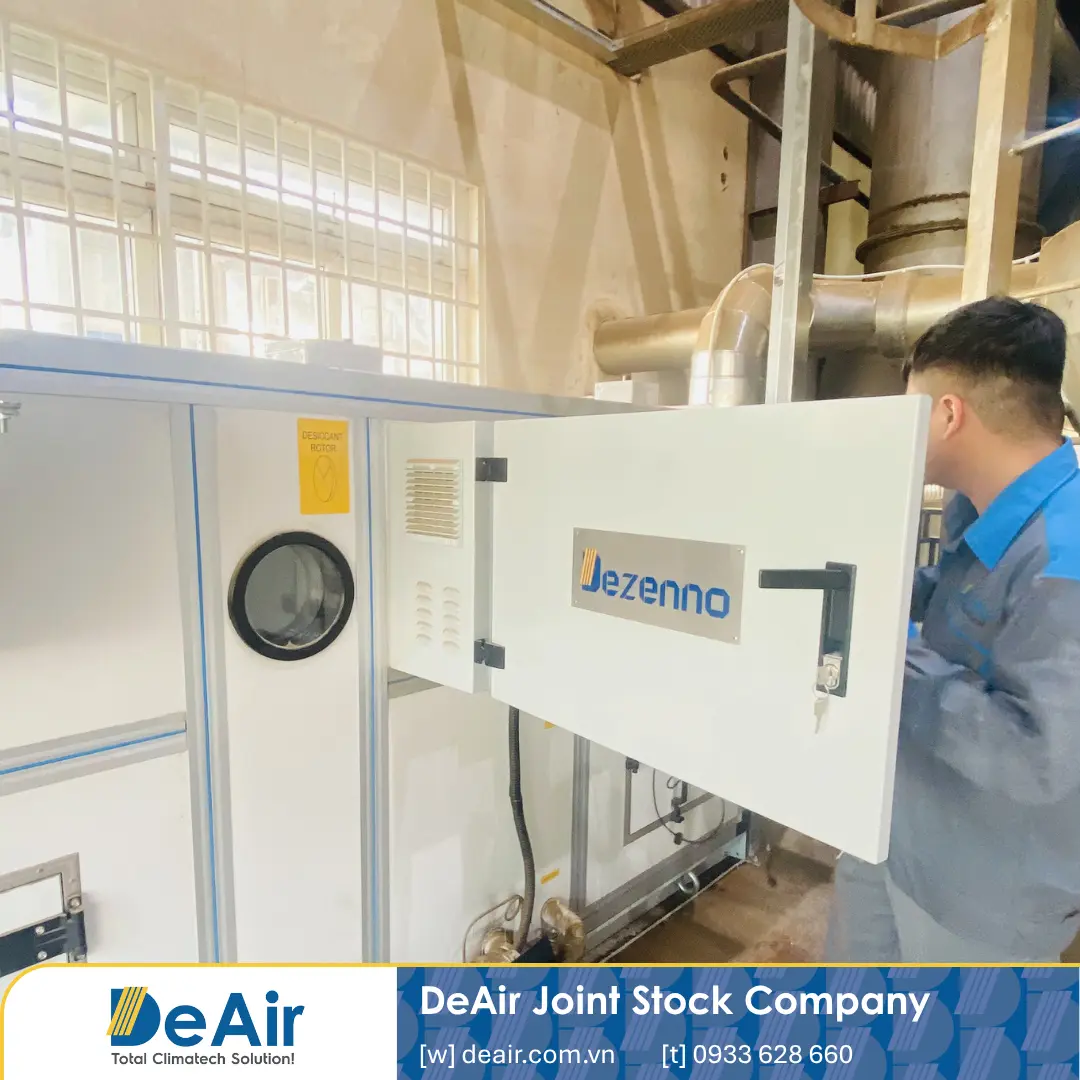
Instead of relying on flawed condensation methods, DeAir deploys the Dezenno Industrial Desiccant Rotor Dehumidifier. This unit utilizes a honeycomb-structured active wheel impregnated with super-adsorbent Silica Gel or Zeolite. Operating purely on physicochemical adsorption, it strips water molecules out of the air even in sub-zero or near-freezing environments (0°C to 15°C) without ever encountering coil freeze-ups.
The Dezenno Desiccant Rotor Dehumidifier aggressively lowers the dew point, completely intercepting the risk of condensation in cold food plants.
4. The "Soul" of the Solution: Ductwork Design and Dry Air Routing
The distinction between a standard equipment vendor and an elite MEP expert like DeAir lies in air distribution. Purchasing a high-capacity dehumidifier and placing it in the corner of a room is futile, as moisture diffusion is highly erratic. The dehumidifier is merely the "heart" that generates dry air; the ductwork is the "vascular system" that delivers it to the exact coordinates requiring protection.
Based on the specific layout of machinery, washing stations, and conveyor lines in your facility, DeAir’s engineering team designs a bespoke ductwork infrastructure:
In the Poultry Processing Room: Engineers calculate static pressure drops and design ceiling-mounted duct networks equipped with specialized slot diffusers. Ultra-dry air from the Dezenno unit is blown to sweep closely along the surface of the panel ceiling, forming a "Dry Air Blanket." This invisible barrier intercepts rising steam and moisture, preventing it from ever touching the cold ceiling and forming droplets.
At the IQF Freezing Zone: Dry air nozzles are directed squarely at the loading and unloading apertures. This generates localized positive pressure, actively repelling humid ambient air from entering the freezing tunnel and eliminating ice formation on the mesh belts.
Worker Ergonomics and Safety: Air velocities and acoustic levels are strictly calibrated to ensure cold, dry drafts are not blown directly into operators' workstations, avoiding thermal shock or skin dehydration.
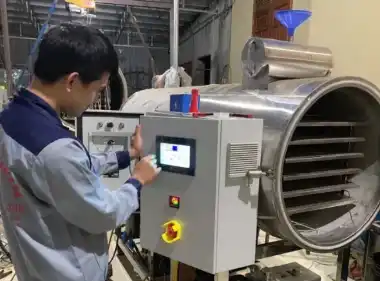
A DeAir engineer on-site fine-tuning airflow volumes and dew point parameters, ensuring the system integrates 100% flawlessly with the factory's operational layout.
5. Sustainable Economic Efficiency (ROI) & National Compliance
Deploying the Dezenno rotor complex combined with intelligent ductwork yields immediate and measurable Return on Investment (ROI) for food processing enterprises:
Unfailing Audit Compliance: 100% dry ceilings and equipment environments ensure the facility easily passes rigorous QA/QC audits, satisfying the National Standard TCVN 7047:2020 on Frozen Meat and securing export passports to the most demanding international markets.
Maximizing IQF Productivity: Quick-freezing systems operate continuously without mesh belt jams. This minimizes the frequency of electric defrost cycles, saving hundreds of millions of VND annually in compressor utility expenditures.
👉 To explore similar psychrometric challenges within the seafood processing sector, we invite enterprises to review our specialized technical briefing: Dew Control Solution for Seafood Factories.
Eradicate Condensation Anxiety with the Experts
Condensation is not a "natural phenomenon you must accept"—it is a microclimate engineering failure that can be permanently resolved. Do not let microscopic water droplets dismantle your multi-million-dollar quality assurance framework.
Contact the DeAir Engineering Division today to dispatch our specialists to your site for dew point mapping, custom ductwork design, and the deployment of a fully optimized turnkey dehumidification solution.
Regulatory Frameworks & Reference Standards: [1] National Technical Regulation QCVN 02-09:2009/BNNPTNT on veterinary hygiene conditions for poultry slaughterhouses. [2] National Standard TCVN 7047:2020 – Frozen Meat. [3] National Standard TCVN 9771:2013 (CAC/RCP 8-1976, Rev.3-2008) – Code of practice for the processing and handling of quick frozen foods.


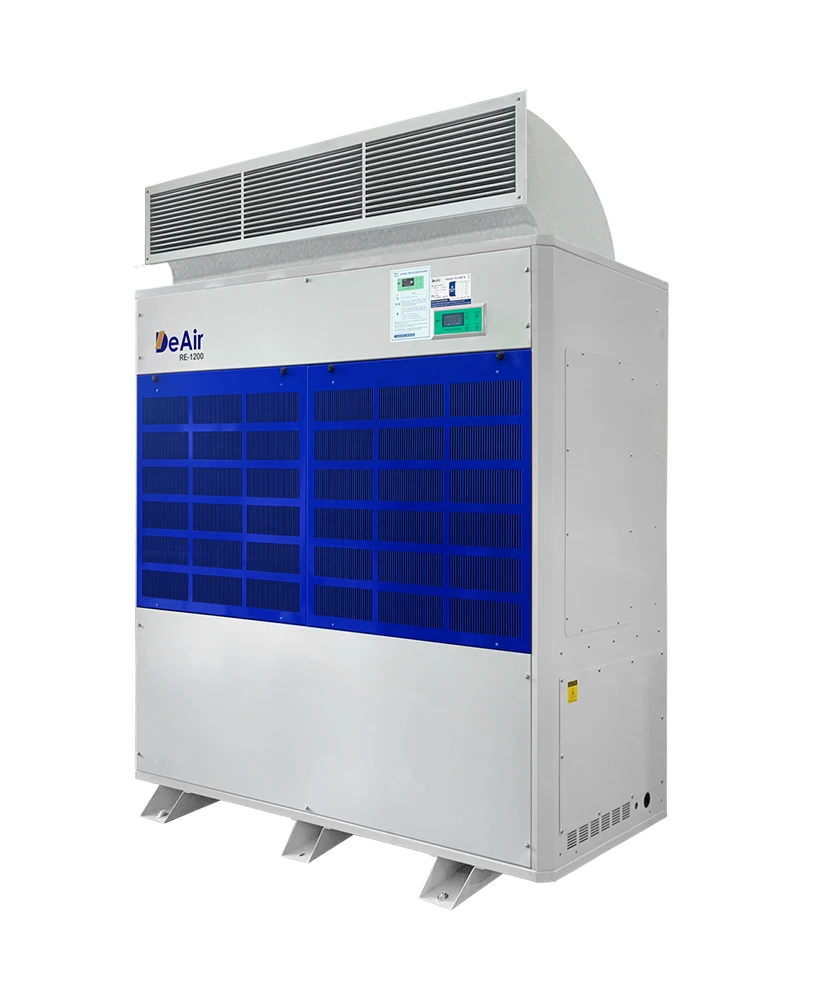 DeAir.RE
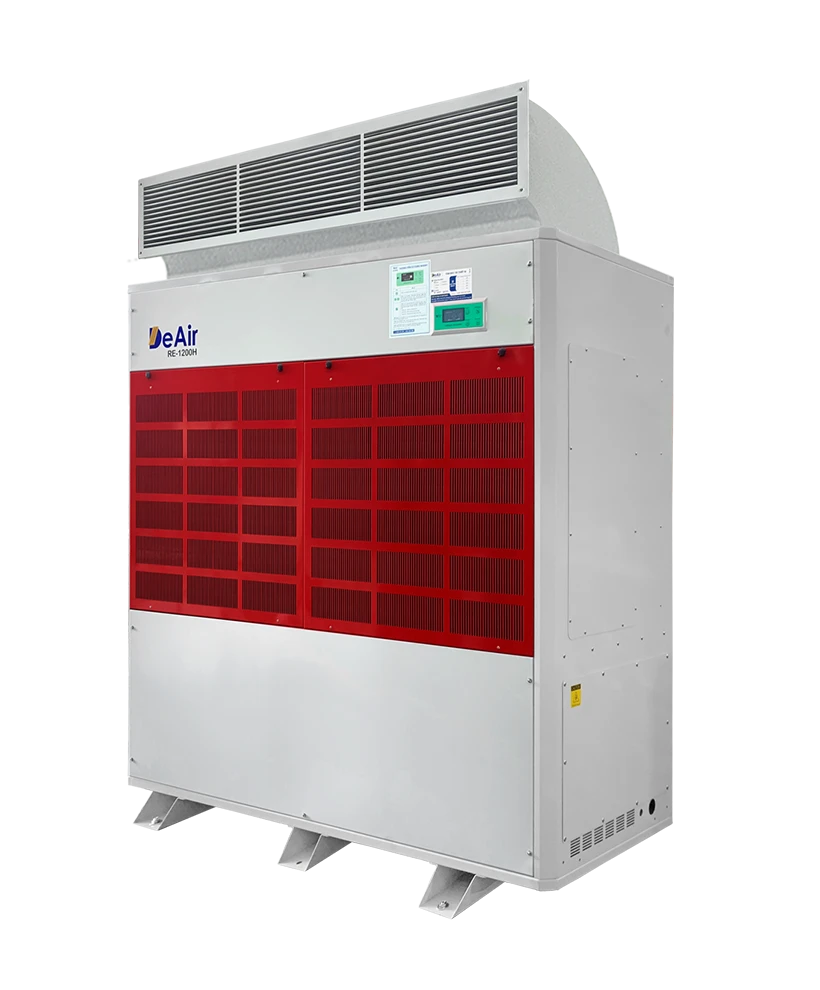 DeAir.RE-H
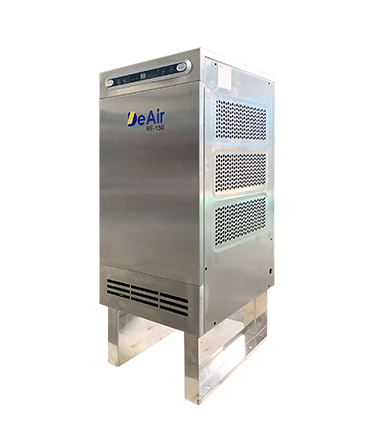 DeAir.RE-INOX
 DeAir.CRE
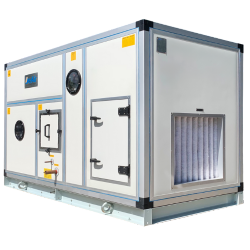 Dezenno
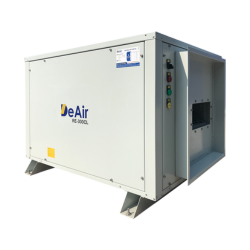 DeAir.RE-CL
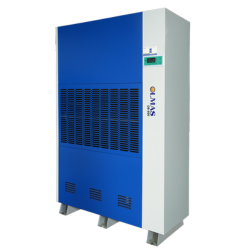 Olmas-OS
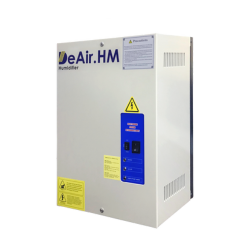 DeAir.HM
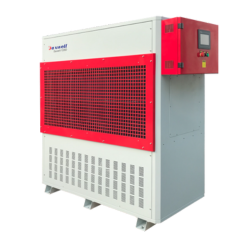 Daxwell
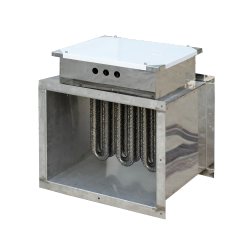 DeAir.Heat
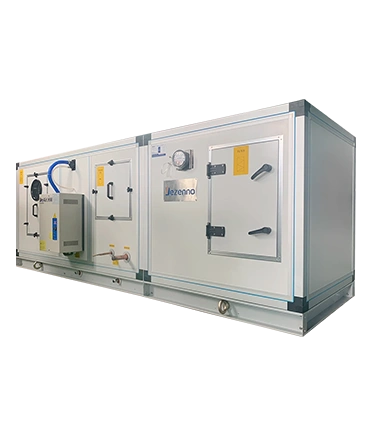 AHU
AHU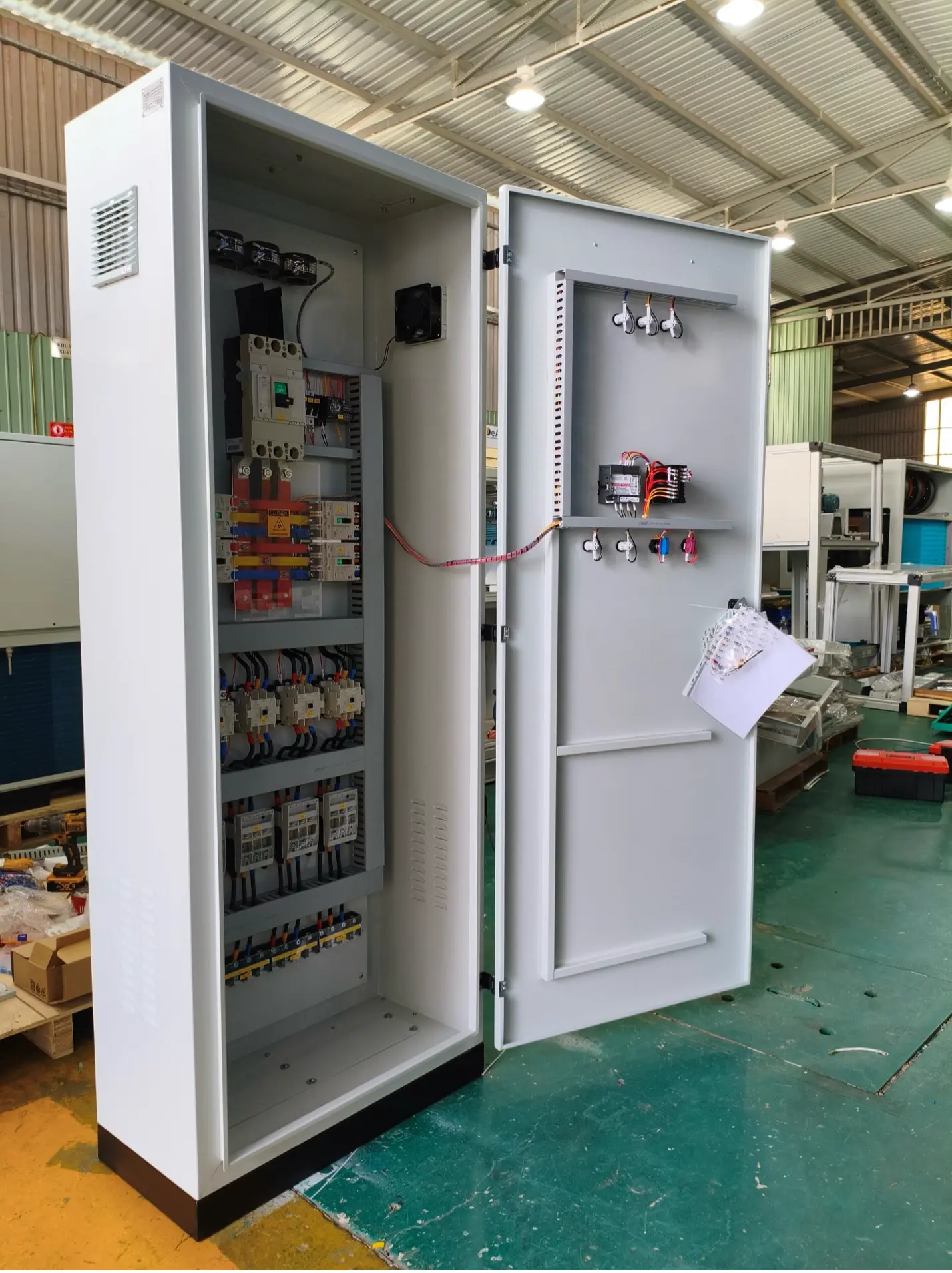





![[Case Study] DeAir Installs DeAir.De Rotor Humidity Control System for Pharmaceutical Plant in Binh Duong](https://deair.com.vn/thumbs/news/2023_04/ban_giao_may_cho_duoc_bd/[270x153-cr]image1-1024x772.jpg__cv.webp "[Case Study] DeAir Installs DeAir.De Rotor Humidity Control System for Pharmaceutical Plant in Binh Duong")
![[Review & Guide] Olmas OS-300: The New Humidity Control "Warrior" for Medium to Large Warehouses](https://deair.com.vn/thumbs/news/huong_dan_su_dung_may_olmas_21/[270x153-cr]vtm06440.png "[Review & Guide] Olmas OS-300: The New Humidity Control \"Warrior\" for Medium to Large Warehouses")