Industrial Sludge Drying: Reducing Waste Disposal Costs by 70% with Daxwell Heat-Pump Dryers
14/04/2026
Industrial Sludge Drying: Reducing Waste Disposal Costs by 70% with Daxwell Heat-Pump Dryers
Key Takeaways:
Financial Pain Point: Even after mechanical pressing, industrial sludge still contains 70% - 80% water. Businesses are paying billions in disposal fees (calculated by kg/ton) for this excess "water."
Legal Pressure: Sludge classification and treatment (hazardous vs. non-hazardous) are strictly monitored under national environmental regulations.
Daxwell Solution: Heat-pump drying technology evaporates water, reducing sludge weight and volume by up to 70%.
Closed-Loop Tech: Zero emission of foul odors or toxic gases. Condensed water is returned to the treatment system, helping plants achieve ESG green drying standards.
For Factory Directors and EHS (Environment, Health, and Safety) Managers, industrial sludge is more than just an operational hurdle—it is a severe "financial hemorrhage." When waste collection fees are calculated by total weight, transporting water-soaked sludge for disposal is a massive waste of resources. Discover how Daxwell Heat-pump sludge drying technology acts as a "weight-loss" machine to optimize your business profits.
1. The "Financial Bleeding" of Paying to Dispose of Water
Industrial sludge is the inevitable byproduct of production and centralized wastewater treatment operations. Despite utilizing the most advanced mechanical dewatering equipment (filter presses, belt presses, or centrifuges), the output sludge faces a physical limit: it remains 70% to 80% water.
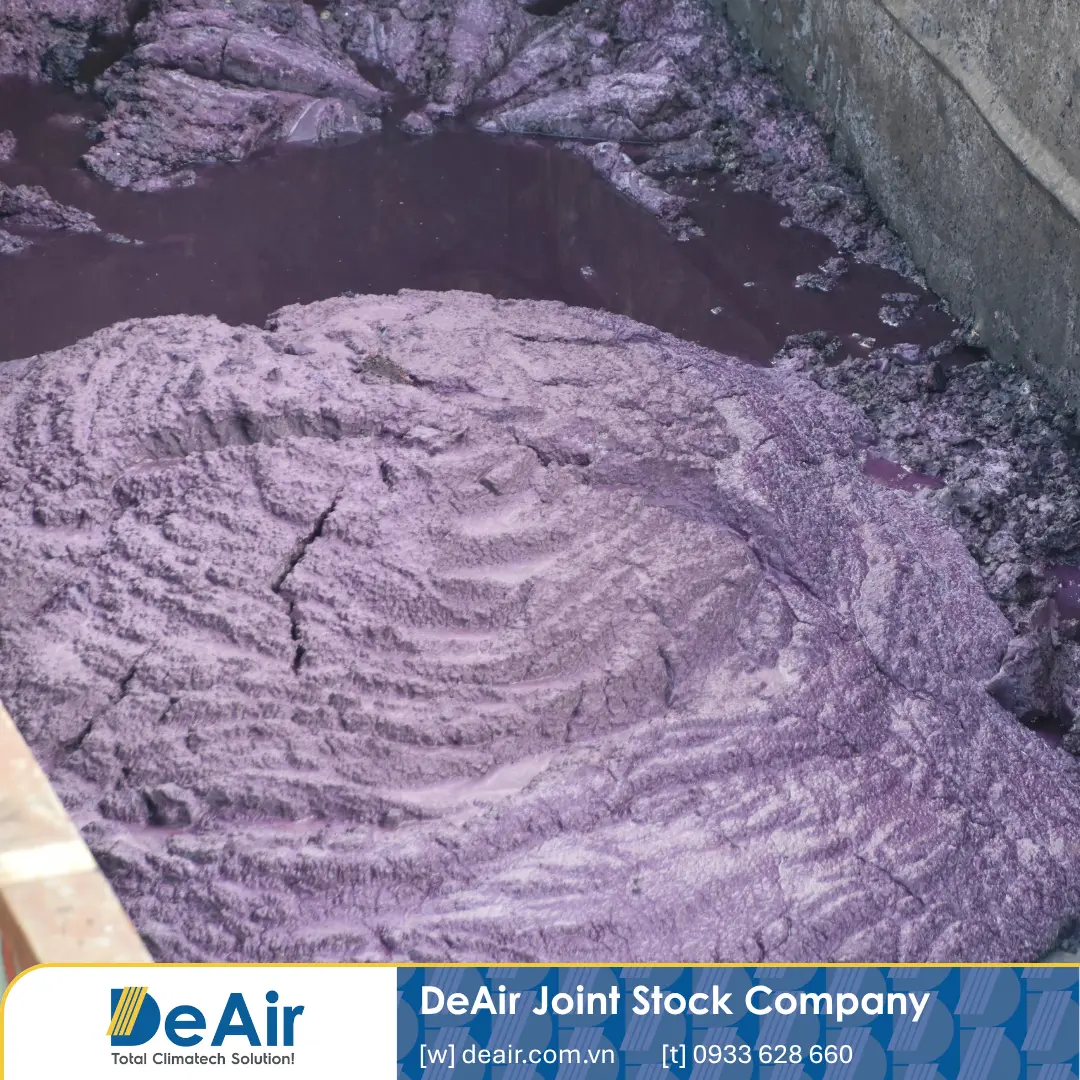
Sludge after mechanical pressing still retains an enormous amount of water (approx. 70% - 80%).
This is where the financial pain begins. Waste management entities calculate disposal fees based on total mass (kg/ton). This means businesses are throwing billions of VND away every year just to pay for the transport and destruction of worthless water trapped within the sludge. Furthermore, storing wet sludge on-site generates foul odors, degrading the quality of the workspace.
2. Legal Sludge Classification & Pressures on Businesses
Currently, under government directives in industrial hubs, all sludge must be collected and treated safely. Specifically, national technical regulations (such as Vietnam's QCVN 50:2013/BTNMT regarding hazardous thresholds for sludge) have clearly defined the boundaries:
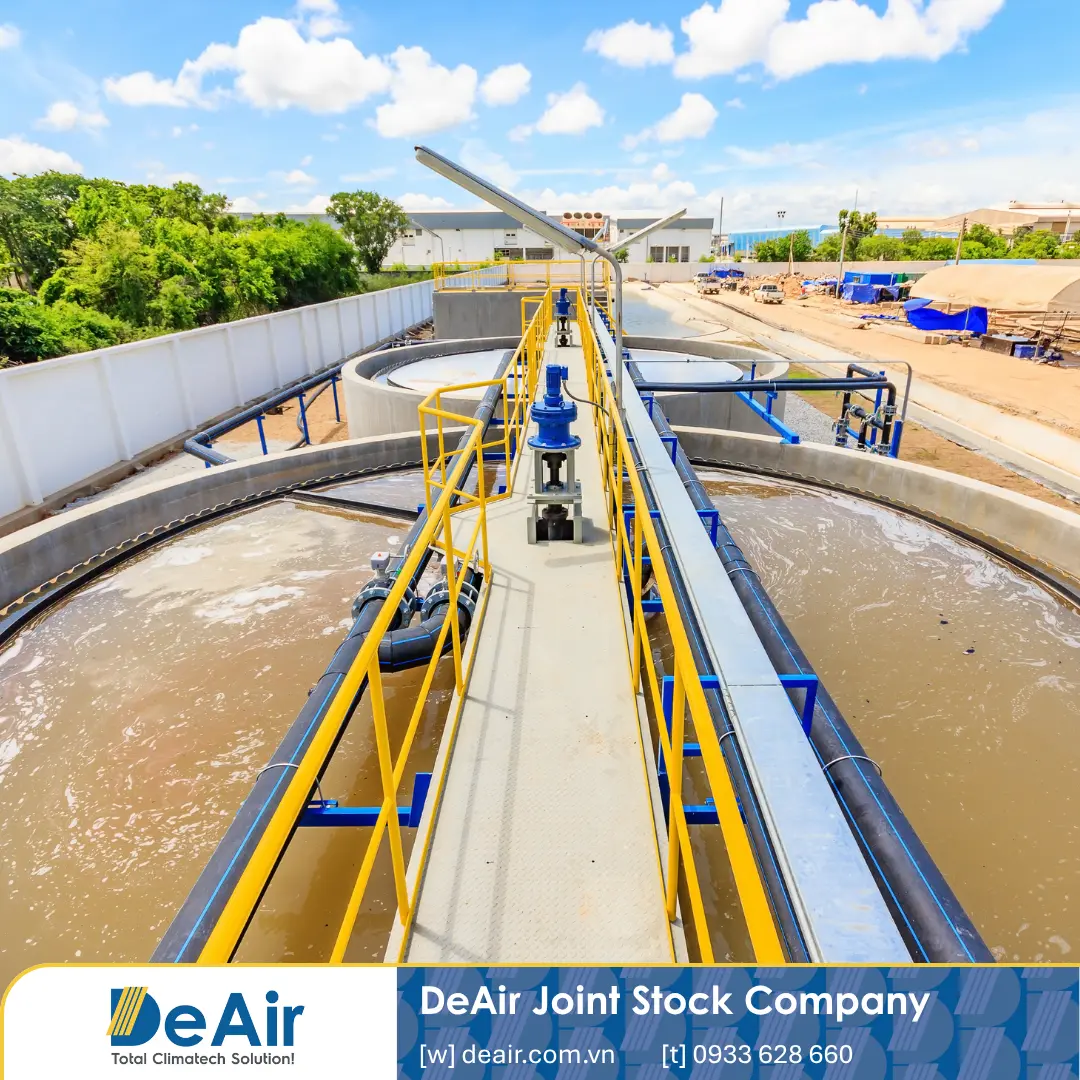
Wastewater treatment systems continuously generate sludge that requires strict management.
Non-hazardous Industrial Sludge: Contains toxic substances below regulated thresholds (typically found in food and paper industries). While the per-kg disposal cost is lower, the sheer volume generated daily consumes massive storage space.
Hazardous Sludge: Exceeds heavy metal or toxic chemical thresholds (common in electroplating, textile dyeing, and printing). This type is strictly controlled; disposal fees for specialized destruction are several times higher.
Regardless of the sludge type, shrinking its volume and weight before handing it over to third-party contractors is the only viable solution for a plant's financial budget.
3. Daxwell Heat-Pump Dryer: The Closed-Loop Sludge "Weight-Loss" Machine
The Daxwell Heat-pump sludge dryer solves this problem through high-intensity dehumidification and a strictly closed-loop cycle.
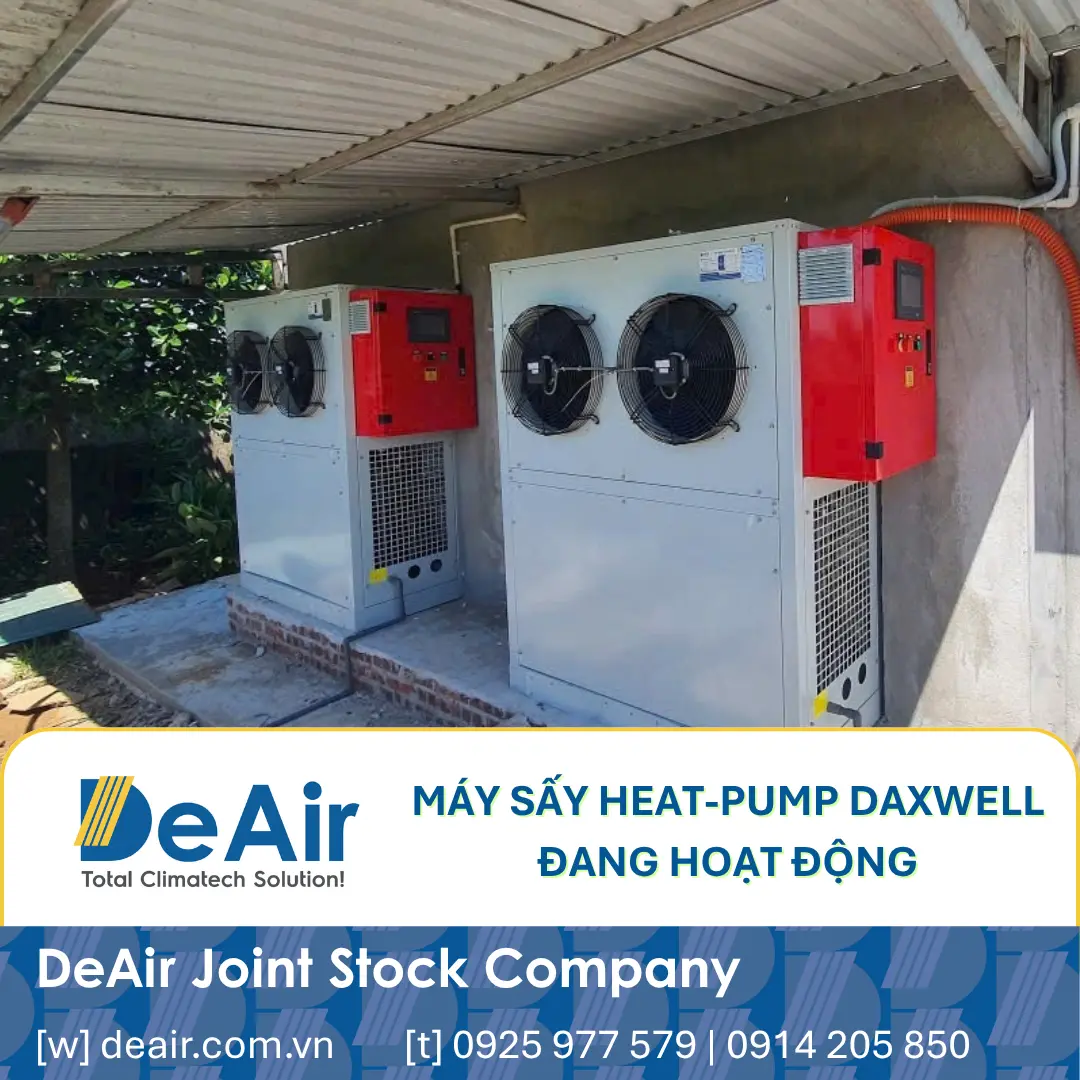
Daxwell heat-pump dryers operate in a closed loop, recovering water and preventing odor emissions.
Powerful Moisture Extraction: The machine generates hot, dry air (approx. 60°C - 75°C) that penetrates sludge trays. This heat evaporates water hidden deep within the sludge's honeycomb structure. Consequently, sludge weight and volume can be reduced by 60% to 70% from its original state.
100% Closed-Loop Technology - Zero Odor: Unlike sun-drying or incineration which release toxic gases, Daxwell dryers operate in a completely enclosed chamber. Chemical-laden water vapor from the sludge passes through a cold coil, condensing into liquid form. This wastewater is then piped back to the plant's treatment tanks. No foul odors or toxic gases escape into the workshop.
4. Comprehensive Solutions for Key Industrial Sectors
Daxwell's sludge drying application provides practical value across various specialized industries:
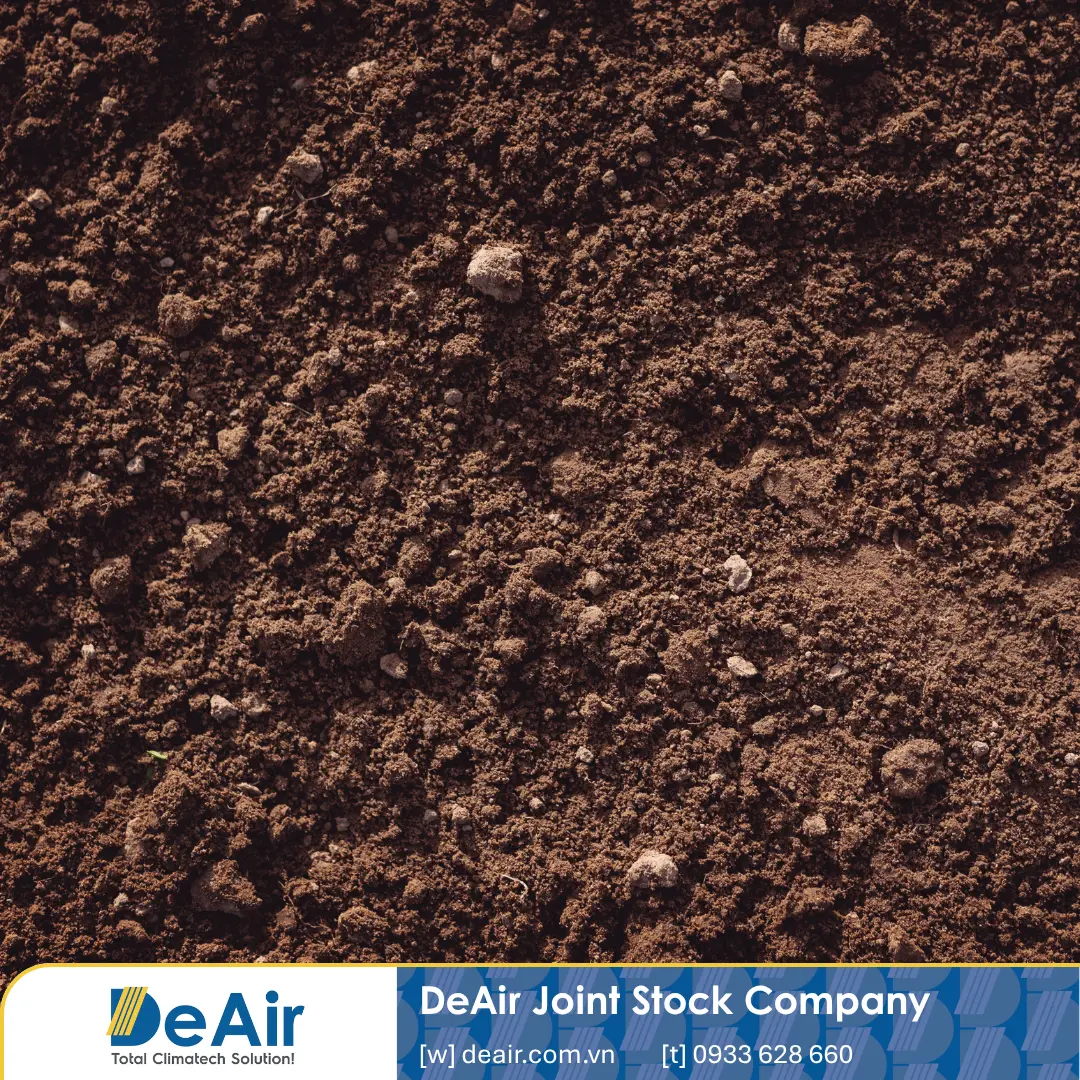
Sludge after drying becomes solidified, loose, easy to bag, and reduced by 70% in volume.
Electroplating Industry: Sludge contains hazardous heavy metals. Thorough drying solidifies and locks in metal ions, preventing leakage into the environment and significantly reducing the volume of expensive-to-treat hazardous waste.
Textile & Dyeing Industry: Sludge is soaked in dyes and cleaning chemicals. Drying with Daxwell turns sludge into granules or hard blocks, eliminating colored water seepage in storage areas and making bagging easy.
Food & Seafood Processing Industry: Biological sludge carries a terrible decomposition odor. Closed-loop drying eliminates odors entirely while transforming the dried sludge into a potential raw material for organic fertilizer or biomass fuel for boilers.
5. 3 Reasons Why Directors and EHS Managers Choose Daxwell
1. Rapid Return on Investment (ROI)
The massive savings from a 70% reduction in monthly waste disposal bills allow for the depreciation of equipment investment within just 6 to 12 months.
2. Safe & Energy-Efficient
Similar to the advantages in boiler alternative drying technology, heat-pump dryers consume very little power and eliminate explosion risks by not using open flames.
3. International Environmental Compliance
Helps plants comply with the law, maintains a clean workshop environment, and easily passes rigorous environmental audits from international partners and conglomerates.
Turn Waste Burdens into Profitable Investments
Industrial sludge drying is no longer an "imposed cost"—it has become a smart investment strategy to optimize a plant's core operational budget.
We invite EHS Managers and Factory Directors to contact DeAir directly for a site survey and to receive a detailed ROI Calculation for your sludge treatment system!
References: [1] Government News Portal: Directives on management and safe treatment of sludge in cities and provinces. [2] QCVN 50:2013/BTNMT - National technical regulation on hazardous thresholds for sludge from water treatment processes.


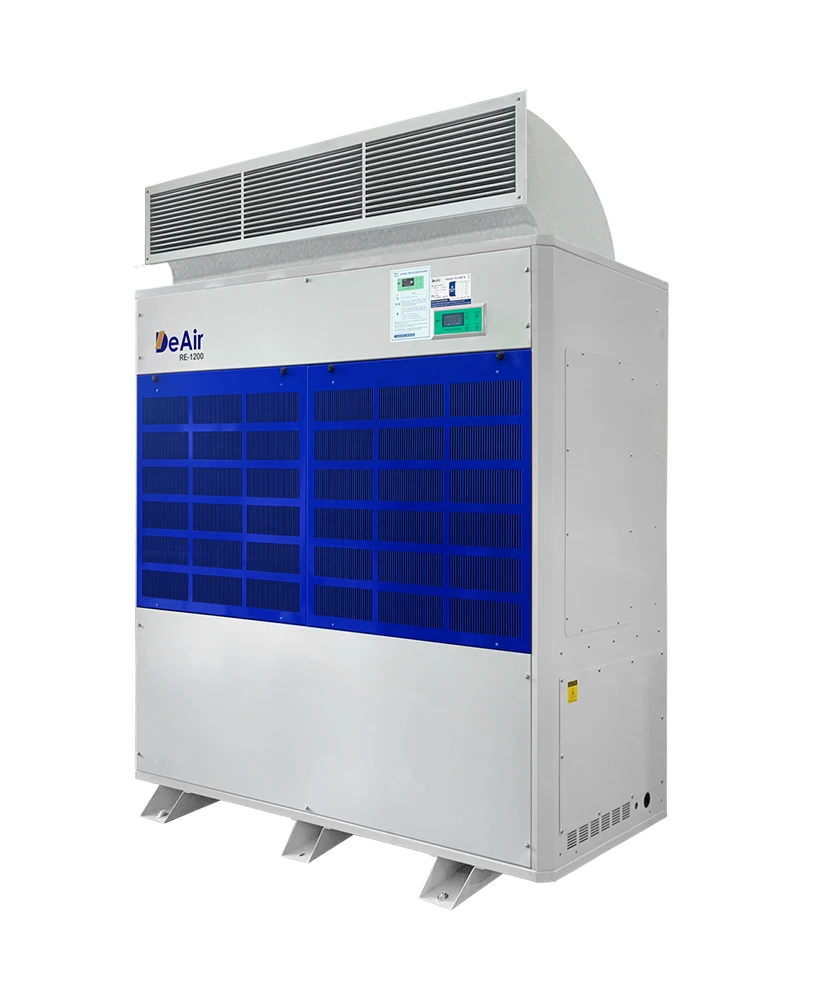 DeAir.RE
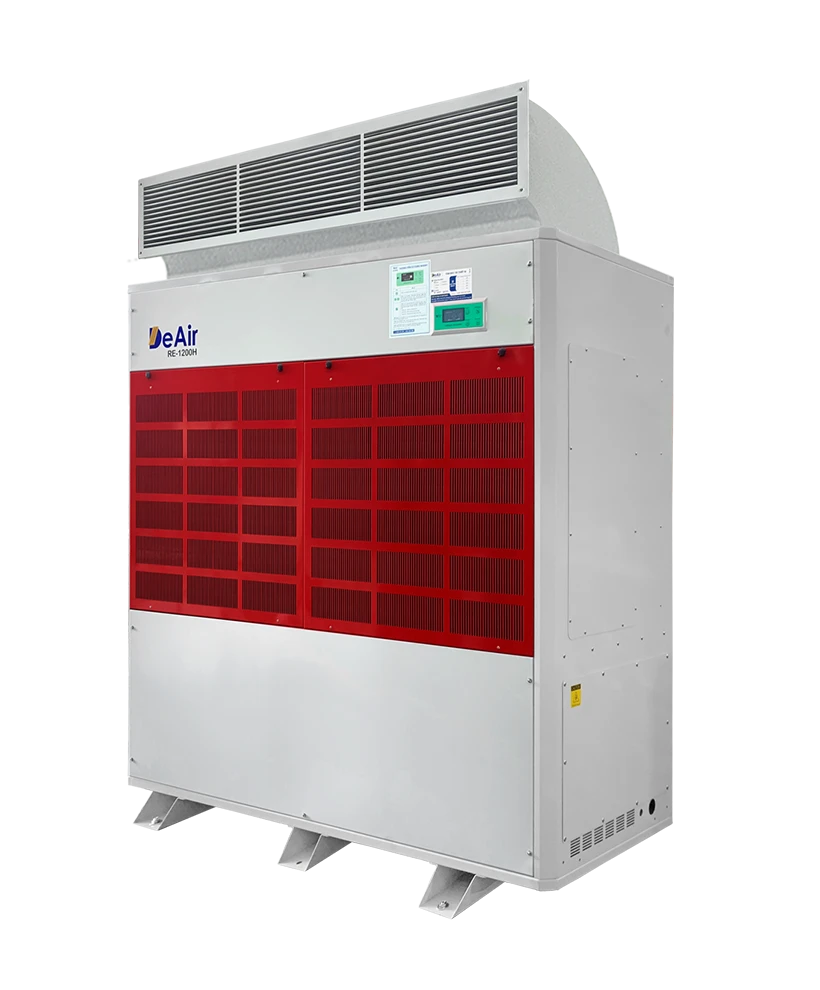 DeAir.RE-H
 DeAir.RE-INOX
 DeAir.CRE
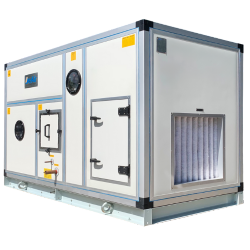 Dezenno
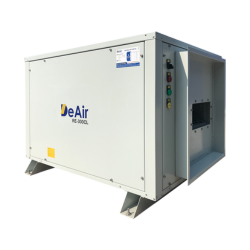 DeAir.RE-CL
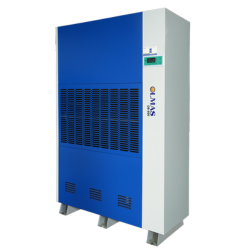 Olmas-OS
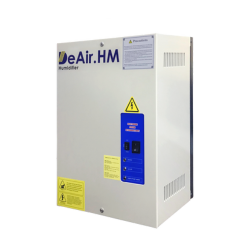 DeAir.HM
 Daxwell
 DeAir.Heat
 AHU
AHU


![[Case Study] DeAir Installs DeAir.De Rotor Humidity Control System for Pharmaceutical Plant in Binh Duong](https://deair.com.vn/thumbs/news/2023_04/ban_giao_may_cho_duoc_bd/[270x153-cr]image1-1024x772.jpg__cv.webp "[Case Study] DeAir Installs DeAir.De Rotor Humidity Control System for Pharmaceutical Plant in Binh Duong")
![[Review & Guide] Olmas OS-300: The New Humidity Control "Warrior" for Medium to Large Warehouses](https://deair.com.vn/thumbs/news/huong_dan_su_dung_may_olmas_21/[270x153-cr]vtm06440.png "[Review & Guide] Olmas OS-300: The New Humidity Control \"Warrior\" for Medium to Large Warehouses")