Dehumidifiers for the Food Industry: A Comprehensive Humidity Control Solution
08/04/2026
Dehumidifiers for the food industry are not just devices that remove water vapor from the air. They are precise microclimate control systems, an indispensable quality management tool in any modern food plant or processing facility. Their role is to maintain relative humidity (RH) in a production or storage space at a specific and stable setpoint.
Air humidity directly affects the physical and chemical properties of food. Each product has a different level of sensitivity, but generally, negative effects include:
Caking and clumping: Powdered ingredients such as sugar, salt, flour, milk powder, and spices are highly hygroscopic. When air humidity exceeds the threshold, powder particles absorb water and stick together to form hard lumps. This condition causes difficulties in dosing and mixing, affecting the quality of the final product.
Loss of crispness: Products requiring high crispness such as biscuits, snacks, cereals, and dried agricultural products will become "soggy" when exposed to a humid environment. Water vapor in the air will seep into the product, altering its structure and losing its most important sensory value.
Changes in color and flavor: Humidity can promote undesirable chemical reactions in food, leading to products changing color or losing their characteristic flavor, reducing commercial value.
Powdered ingredients are highly prone to clumping when exposed to high humidity environments
The risks of not controlling humidity in food factories
Failure to control humidity in food production and storage environments will lead to serious financial and legal risks.
Microbial growth: This is the biggest risk. Humidity above 60% RH is an ideal condition for mold, yeast, and bacteria to multiply. They not only spoil the product but can also produce dangerous toxins (mycotoxins), causing poisoning to consumers. This can lead to massive product recalls, severely damaging brand reputation.
Non-compliance with food safety standards: Quality management systems like HACCP, ISO 22000, and BRC all have strict regulations on controlling the production environment, including humidity. Non-compliance can result in a company losing its certification, missing export opportunities, and facing penalties from authorities.
Damage to machinery and facilities: High humidity causes water condensation on cold surfaces. To thoroughly resolve this issue, businesses often turn to food factory anti-condensation solutions. Otherwise, condensation will lead to rust and corrosion of machinery, equipment, and steel structures in the factory.
High humidity causes severe rust and corrosion to machinery and factory equipment
Areas requiring dehumidifiers in the food processing line
Humidity control needs to be implemented in many critical areas within a food plant to ensure a closed and safe process.
Raw material storage: This is where all problems begin. Dry ingredients like flour, sugar, and seeds need to be stored in a low-humidity environment to prevent caking and mold before entering production.
Mixing and processing room: Humidity in this area affects the blendability of ingredients and the operation of machinery.
Drying room or cooling area: After drying, products are very dry and prone to reabsorbing moisture. Controlling humidity in the cooling area prevents this phenomenon.
Packaging room: This is the final stage to protect the product. The air in the packaging room must be dry to ensure no excess moisture is trapped inside the packaging, helping to extend the shelf life.
Food storage warehouse (finished products): Maintaining stable humidity in the finished product warehouse is the final step to ensure products reach consumers with the best quality.
Ceiling-mounted dehumidifiers applied directly in the baking and drying production line
Popular industrial dehumidifiers in the food industry today
Currently, two main technologies are widely applied, each with its own pros, cons, and scope of application. These are refrigerant (condensation) dehumidifiers and Heat pump dehumidifiers. The choice of technology depends on factors such as the operating temperature of the area to be controlled, desired humidity, and investment budget.
Refrigerant Dehumidifiers – suitable for finished product storage
Refrigerant dehumidifiers operate on the cooling principle. Humid air is drawn into the machine and passes over an evaporator coil (cold coil). Here, the air is cooled below its dew point, causing the water vapor in the air to condense into a liquid and flow out through a drainage pipe. The dry, cold air stream then passes over the condenser coil (hot coil) to be slightly rewarmed before being blown back into the room.
Advantages:
Low initial investment cost: Compared to other technologies, refrigerant dehumidifiers usually have a more reasonable price.
Effective at room temperature: Operates well and efficiently in the temperature range of 20°C to 35°C.
Disadvantages:
Reduced performance at low temperatures: When the ambient temperature drops below 15°C, the machine's efficiency decreases significantly. Below 5°C, the cooling coil can freeze, rendering the machine almost inoperative.
Suitable applications: This line of machines is the optimal choice for finished food storage warehouses operating at room temperature or cool storage, packaging areas, or production workshops with no low-temperature requirements.
Heat Pump Dehumidifiers – the energy-saving solution
Heat pump dehumidifiers are essentially an improved version of refrigerant dehumidifiers, designed to optimize energy use. The operating principle is still condensing moisture by cooling the air. However, the core difference is that heat pump technology allows for the recovery and reuse of the heat generated during the cooling process. This is also a key factor in creating a sustainable ESG green drying solution. Instead of wasting heat into the environment, this system utilizes that heat to assist in reheating the dry air stream before blowing it out.
Advantages:
Energy saving: Can save 30% to 50% of electricity compared to conventional refrigerant dehumidifiers of the same capacity, significantly reducing long-term operating costs.
Environmentally friendly: Lower electricity consumption also means reduced CO2 emissions.
Disadvantages:
Higher investment cost: Due to more complex technology, the initial cost of heat pump dehumidifiers is higher than refrigerant ones.
Still limited by low temperatures: Similar to refrigerant machines, the performance of heat pump machines also decreases when operating at low temperatures.
Applications: Suitable for large-scale factories and workshops operating continuously, where electricity cost is a crucial factor to consider.
Heat pump dehumidifier technology helps businesses save 30% to 50% on electricity consumption
Criteria for choosing the right dehumidifier for food processing plants
Choosing a dehumidifier for the food industry is a vital technical decision. Two core criteria must be prioritized: dehumidification capacity and machine material. Carefully considering these two criteria will help businesses invest in a suitable, efficient, and safe solution.
Dehumidification capacity based on area and required humidity
Dehumidifier capacity is measured in liters/day or kg/hour. Choosing the right capacity is the deciding factor for efficiency. If the capacity is too small, the machine will run continuously without achieving the desired humidity. If the capacity is too large, it will waste investment and electricity costs.
Calculating capacity requires considering the following factors:
Space volume: Length x width x height of the workshop or warehouse.
Current humidity and desired humidity: The larger the difference, the higher the required capacity.
Moisture load: The amount of moisture entering the space from various sources, including:
Air infiltration: Every time a door is opened.
Products: Fresh food carries a lot of water.
People: Breath and sweat of workers.
Production processes: Steam rising from cooking and washing processes.
To calculate exact capacity, an actual site survey by specialized engineers is always required
Anti-corrosive materials suitable for food environments
The environment in food factories often has high humidity and contains corrosive agents (salts, organic acids). Furthermore, equipment must be cleaned regularly with chemicals. Therefore, the material of the dehumidifier is an extremely important criterion.
Casing: The casing should be made of 304 Stainless Steel or high-quality powder-coated steel. 304 Stainless Steel is the top choice because of its excellent corrosion resistance, rust prevention, smooth surface, ease of cleaning, and compliance with international food safety standards.
Heat exchanger coils: Should be coated with an anti-corrosion layer (e.g., Blue Fin, Gold Fin) to increase lifespan and maintain heat exchange efficiency, especially important in seafood industry applications where the air contains a lot of salt.
Choosing a machine with the right materials ensures the equipment does not become a breeding ground for bacteria and can operate durably in harsh environments.
DeAir custom-designs specialized anti-corrosive Stainless Steel casings, suitable for food production environments
Practical applications of dehumidifiers in various food processing sectors
Dehumidifiers for the food industry are not a one-size-fits-all solution. These applications span the entire production chain, from the input raw material warehouse, through processing stages, to the packaging room and finished food storage. Here are some typical examples:
Agricultural processing industry (drying): For products like dried fruits, cashews, coffee, and macadamia nuts, controlling humidity after the drying process is crucial. After leaving the drying oven, the product is very dry and tends to strongly absorb moisture from the surrounding environment. Dehumidifiers help maintain a dry environment in the cooling and packaging areas, ensuring the product retains its crispness, prevents mold, and extends shelf life.
Confectionery industry: Humidity is the enemy of confectionery. It makes candies melt and stick together. It makes biscuits and snacks soggy, losing their sensory value. Modern dehumidification systems have proven their superiority through many practical projects, typically the Bao Hung confectionery factory dehumidifier project. Dehumidifiers are used in dough mixing rooms, baking rooms, and especially packaging rooms to ensure products are always dry.
Seafood industry: In cold storage for seafood, humidity control helps prevent excessive frost buildup on the cooling coils, helping them operate more efficiently and save electricity. For dried seafood products like dried fish and dried shrimp, dehumidifiers prevent mold growth and keep products from becoming damp, maintaining quality.
Fruit and vegetable processing industry: In fruit and vegetable preparation and packaging rooms, reducing air humidity helps dry the product surface, limiting the growth of rotting microorganisms, thereby prolonging freshness and storage time.
DeAir dehumidification system installed directly on the production line of Bao Hung confectionery factory
Quotes and suppliers of industrial dehumidifiers for the food industry
Once the needs are identified, the next step is to find a reputable supplier and request a quote. The investment cost for an industrial dehumidification system is not just the price of the equipment. It includes consultation, design, transportation, installation, and after-sales policies. The market currently has many reputable dehumidifier brands, among which highly rated brands like DeAir can be mentioned, and DeAir is one of the specialized units advising and providing these solutions.
Brands and choices:
When researching, you will encounter various industrial dehumidifier brands. DeAir specializes in providing and consulting on solutions from top brands, ensuring products have clear origins and full quality certifications (CO, CQ). We help customers choose products with the most suitable capacity and features for their specific applications, from refrigerant dehumidifiers for warehouses to other specialized solutions.
Professional installation consulting, warranty, and technical support services:
This is the differentiating factor of a professional supplier.
Consulting & Design: DeAir's team of engineers will conduct a direct site survey, measure, and calculate to provide the most optimal solution, ensuring efficiency and cost savings.
Installation: Installation, especially of the ductwork system (if any), needs to be carried out by skilled technicians to ensure the system operates as designed.
Warranty & Maintenance: We provide a genuine 24-month warranty policy and periodic maintenance packages to help the system always operate stably and durably.
Technical support: Committed to prompt support in case of incidents, ensuring no disruption to customers' production activities.
CONTACT US FOR COMPREHENSIVE DEHUMIDIFICATION SOLUTIONS
Protect food quality and optimize your production line today. Our team of experts is always ready to survey and configure the most accurate machine for your factory.


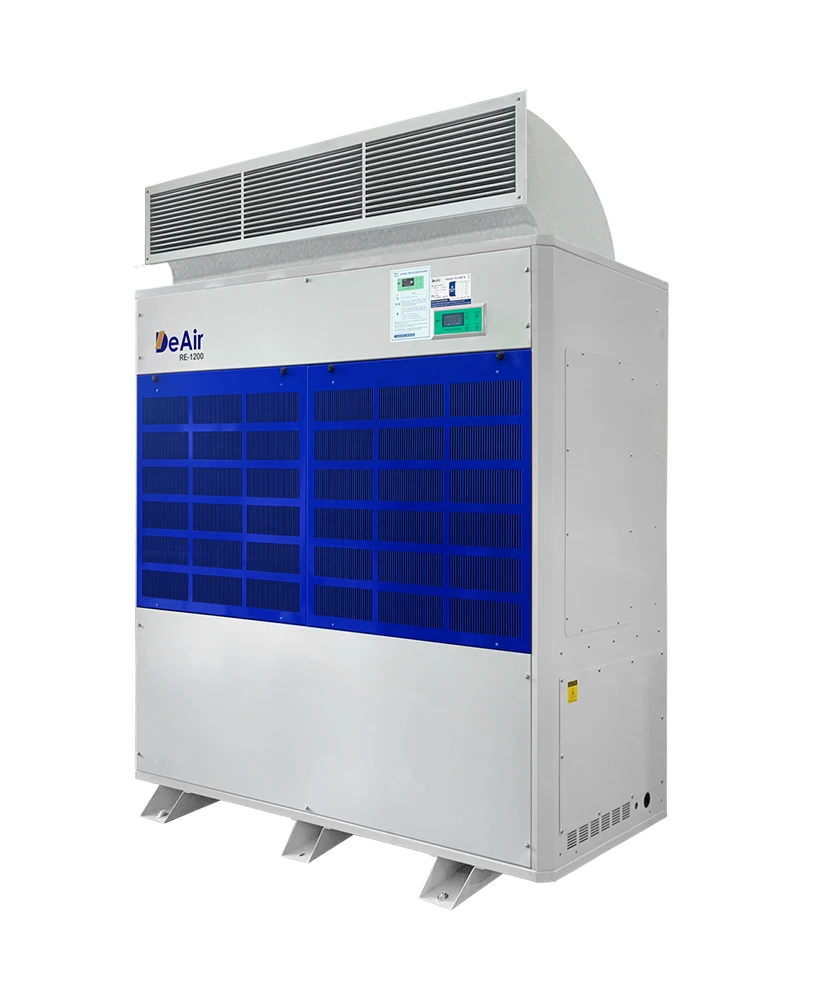 DeAir.RE
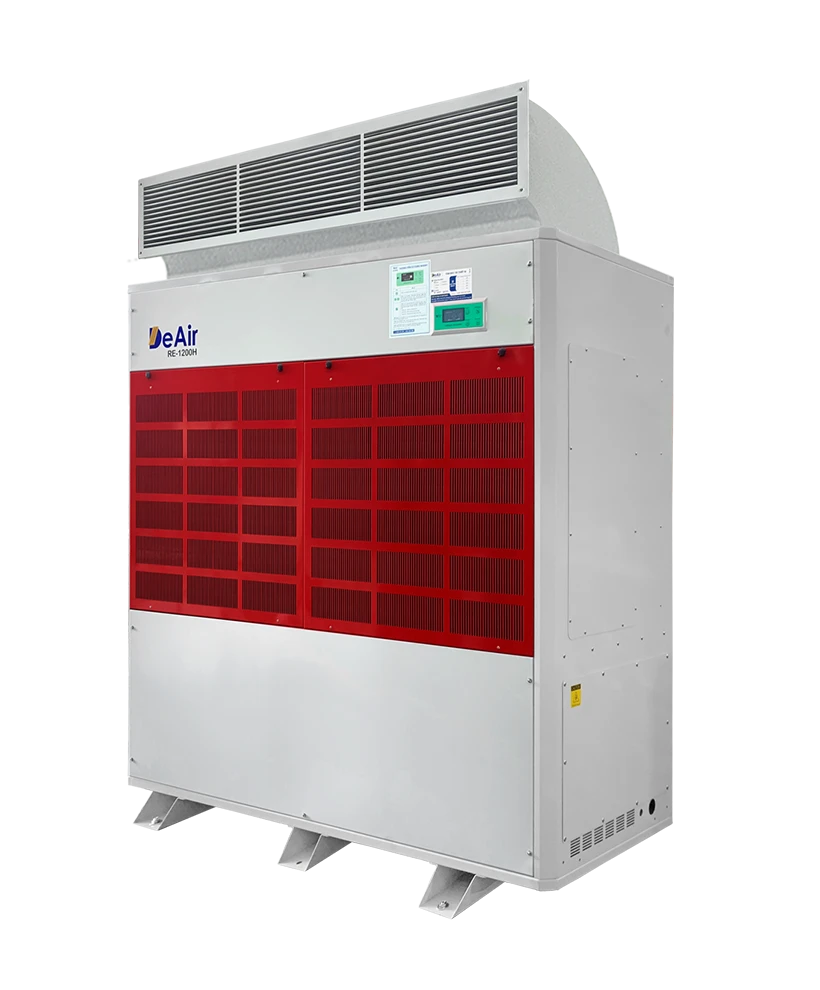 DeAir.RE-H
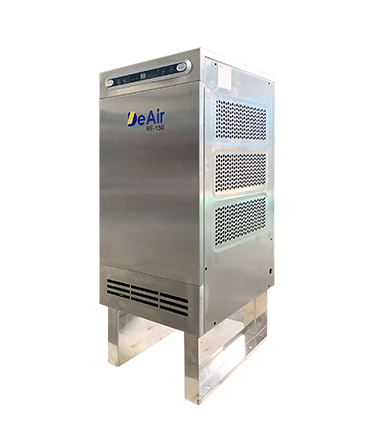 DeAir.RE-INOX
 DeAir.CRE
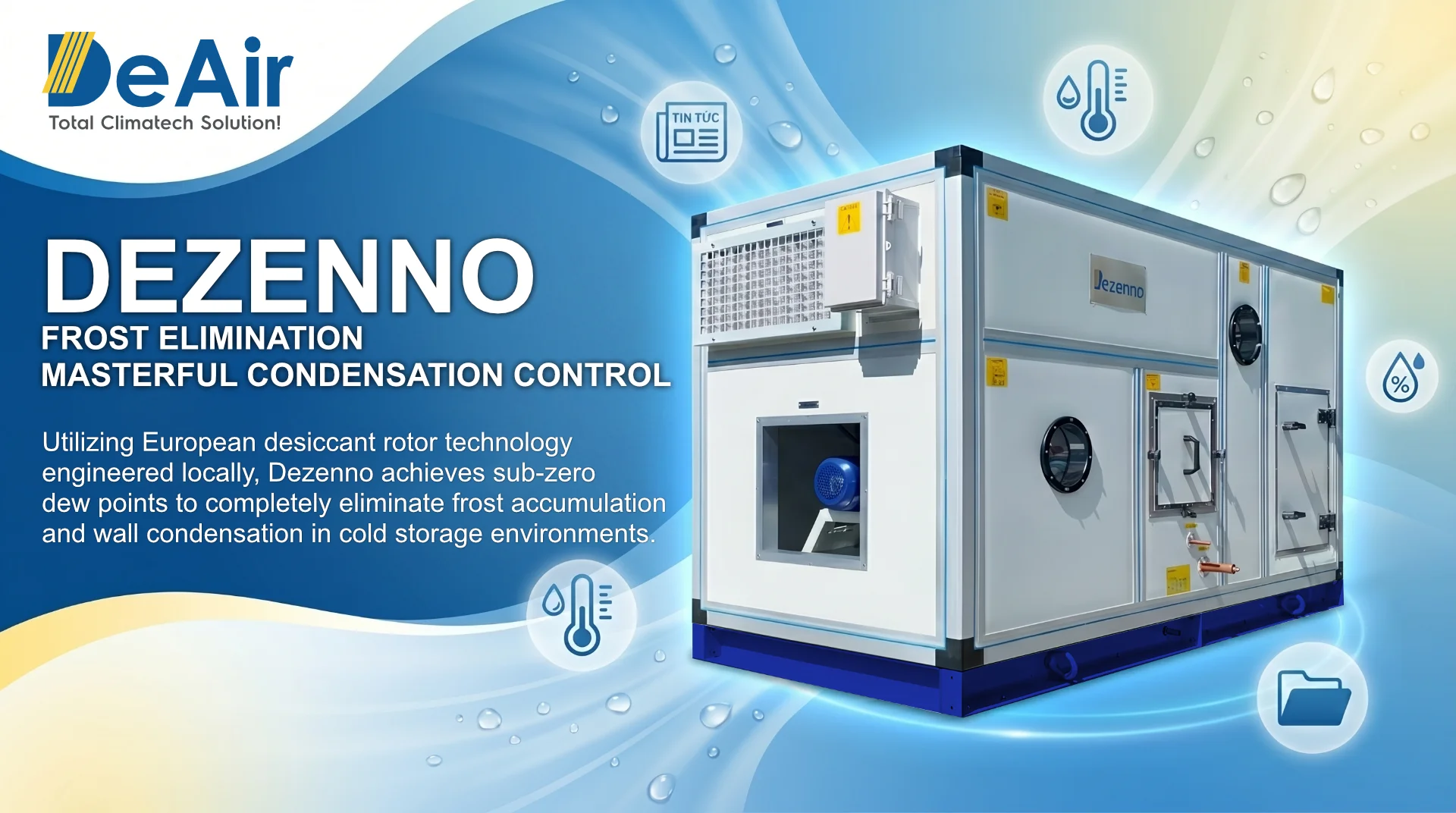
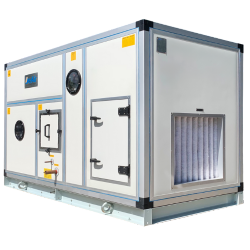 Dezenno
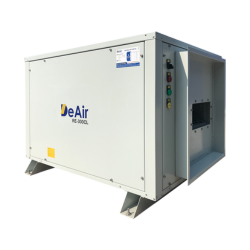 DeAir.RE-CL
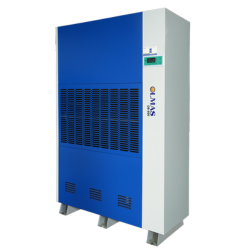 Olmas-OS
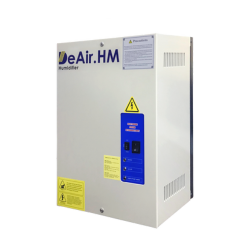 DeAir.HM
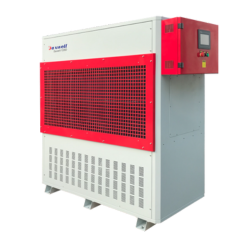 Daxwell
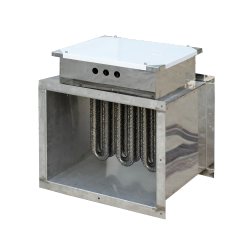 DeAir.Heat
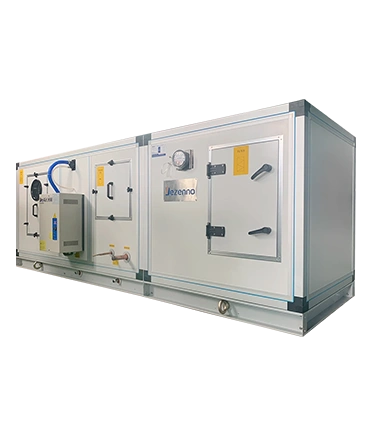 AHU
AHU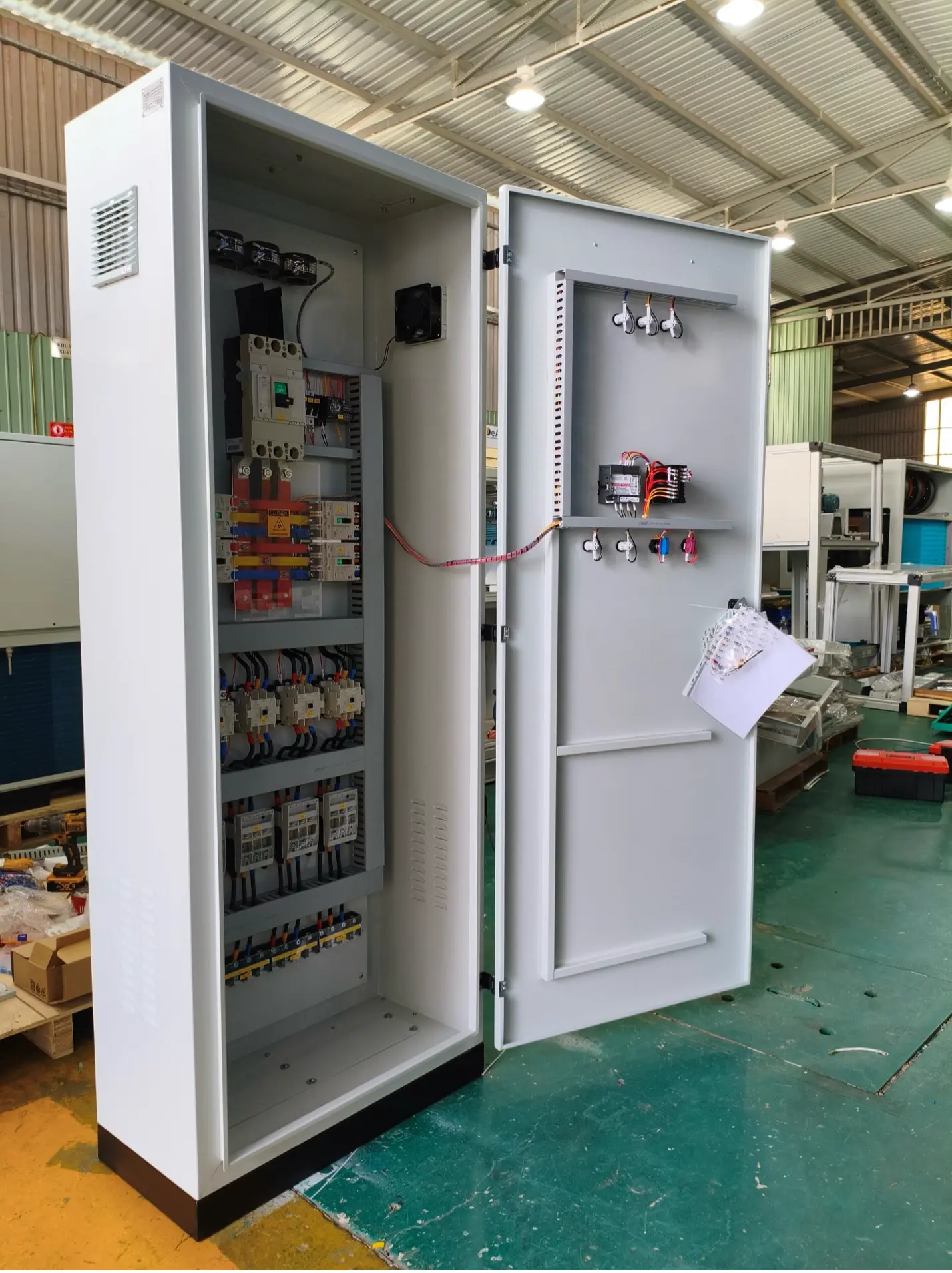









![[Case Study] DeAir Installs DeAir.De Rotor Humidity Control System for Pharmaceutical Plant in Binh Duong](https://deair.com.vn/thumbs/news/2023_04/ban_giao_may_cho_duoc_bd/[270x153-cr]image1-1024x772.jpg__cv.webp "[Case Study] DeAir Installs DeAir.De Rotor Humidity Control System for Pharmaceutical Plant in Binh Duong")
![[Review & Guide] Olmas OS-300: The New Humidity Control "Warrior" for Medium to Large Warehouses](https://deair.com.vn/thumbs/news/huong_dan_su_dung_may_olmas_21/[270x153-cr]vtm06440.png "[Review & Guide] Olmas OS-300: The New Humidity Control \"Warrior\" for Medium to Large Warehouses")