Temperature and Humidity Control Standards for GSP-Compliant Pharmaceutical Warehouses
22/05/2026
Temperature and Humidity Control Standards for GSP-Compliant Pharmaceutical Warehouses
Key Takeaways:
Critical Compliance Risk: Pharmaceutical warehouses failing to meet strict temperature (15°C - 30°C) and humidity (Max 70%) metrics risk product degradation, herbal mold, and severe regulatory penalties, including the revocation of GSP certificates during post-inspection audits.
HVAC Limitations: Central air conditioning (VRV/Chiller) systems cannot effectively strip moisture from large spaces. Once the target temperature is reached, the compressor cycles off, pushing the warehouse into a "cold-wet" state that triggers condensation on pallet wrap.
Industrial Engineering: Implementing DeAir.RE industrial dehumidifiers combined with engineered ductwork ensures dry air is uniformly distributed to every dead zone within high-rack racking systems.
Isothermal Technology (DeAir.CRE): A premier dehumidification solution where the discharged dry air carries no added heat, maintaining an absolutely stable warehouse temperature while cutting HVAC cooling loads by up to 30%.
While small-scale retail pharmacies can get by with one or two residential dehumidifiers, central warehouses storing raw medical materials and finished pharmaceuticals across thousands of square meters present a completely different engineering challenge. Managing climate control for a pharmaceutical manufacturing facility, particularly within GSP-compliant (Good Storage Practices) pharmaceutical warehouses, is both a product quality safeguard and a vital legal necessity. A single prolonged seasonal humidity spike can breach regulatory thresholds, exposing businesses to catastrophic financial and operational liabilities.
1. 3 "Fatal" Pain Points of Humidity Contamination in Pharmaceutical Warehouses
An unmonitored storage facility will immediately expose inventory to three core risks:
Pharmaceutical warehouses spanning thousands of square meters require systematic industrial air handling to eliminate moisture accumulation in structural dead zones.
Packaging Failure & Finished Product Degradation: Relative humidity exceeding 70% causes carton boxes to sag and lose structural integrity, triggering pallet collapses. Furthermore, powdered medications and softgel capsules absorb ambient moisture, leading to clumping, microbial mold outbreaks, and severe active pharmaceutical ingredient (API) degradation.
Catastrophe for Traditional Herbal Materials: Raw herbal materials and natural extracts are exceptionally hygroscopic. Failing to preserve them within strict safety bounds invites pest infestations, fermentation, and white mold growth, forcing the total destruction of material batches worth billions of VND.
Risk of License Revocation During Post-Inspection Audits: Inspectorates from the Ministry of Health or local Departments of Health thoroughly audit data loggers. Discovering humidity spikes that lack documented Corrective and Preventive Actions (CAPA) leads to heavy fines, operational shutdowns, or permanent GSP certificate revocation.
2. Technical Standards Mandated by the Ministry of Health (Circular 36/2018/TT-BYT)
Under the prevailing Good Storage Practices framework set by Circular 36/2018/TT-BYT, standard controlled drug storage must satisfy the following criteria:
Metric
Ministry of Health Requirement
Practical Safe Buffer Limit
Temperature (T)
15°C - 30°C
20°C - 25°C
Relative Humidity (RH)
Maximum 70%
60% - 65%
The Large-Scale Space Challenge: Holding a sub-65% RH target inside a small 20m² room is trivial. However, uniform humidity management within a 5,000m² facility featuring 12-meter high ceilings and dense Selective or VNA racking arrays is incredibly difficult. Air currents get obstructed easily, creating stagnant pockets prone to moisture buildup.
3. Why Central Air Conditioning (VRV/Chiller) is Insufficient
Many facility operators try to economize by relying strictly on air conditioning systems to handle dehumidification via "Dry" mode. This represents a classic design error in pharmaceutical warehousing:
Thermostatic Compressor Cycling: Once the warehouse air hits the temperature setpoint (e.g., 25°C), the air conditioner's compressor shuts down to save power. However, the ambient relative humidity can remain dangerously high at 80%.
The "Cold-Wet" Environment Status: This operational mismatch leaves the warehouse filled with cold, moisture-saturated air. Water vapor then condenses on epoxy floors, plastic pallet stretch wrap, and panel walls, fostering widespread mold growth.
Severe Energy Inefficiency: Forcing air conditioners to overcool space simply to strip out moisture triples the utility expenditure compared to deploying a dedicated industrial dehumidifier.
4. The DeAir Solution: Uniform Control via Isothermal Technology
To effectively separate system functions—where air conditioners manage thermal loads and specialized dehumidifiers handle moisture extraction—DeAir engineers design two industrial systems tailored for GSP warehouses:
Every quadrant of a GSP warehouse must receive even dry air distribution via structured ductwork.
System Option 1: DeAir.RE Industrial Dehumidifier + Ductwork Integration
Ideal for massive finished product storehouses. High-capacity DeAir.RE units, processing hundreds of liters of moisture per day, are situated above the ceiling or outside the main room. The dry air stream is distributed via insulated ductwork, flowing through high-tier racking aisles to eliminate any dead zones. More on these principles can be explored under our humidity solutions for GMP pharmaceutical plants.
System Option 2: Premium Flagship Engineering - DeAir.CRE Isothermal Dehumidifier
Standard condensation dehumidifiers discharge a substantial amount of warm reheat air, raising the warehouse temperature by 2-3°C and forcing AC units to run continuously to offset the heat load. To counter this, DeAir engineered the DeAir.CRE Isothermal Dehumidifier.
Featuring an auxiliary heat exchanger (either air-cooled or water-cooled via a cooling tower), the CRE cools down the dry discharge air so it re-enters the space at **neutral ambient room temperature (Isothermal)**. This specialized advancement reduces the total thermal cooling load of the facility's central HVAC system by up to 30%.
*Note: For specialized raw herbal storehouses requiring deep humidity control below 40%, DeAir implements the Dezenno Rotor Dehumidifier series to leverage optimized desiccant absorption.
5. Frequently Asked Questions (FAQ)
Q1: How do you calculate the required dehumidification capacity for a 10-meter high GSP warehouse?
Answer: Precision scaling relies strictly on the total warehouse volume (m³), never the flat square footage. In addition, secondary parameters like door opening frequency (forklift traffic), personnel sensible/latent moisture loads, and seasonal outdoor ambient infiltration are processed through specialized modeling software to define the exact liter-per-hour machine rating.
Q2: Is the installation of a DeAir.CRE system intrusive enough to stop warehouse operations?
Answer: Not significantly. The main machinery is typically stationed in mechanical mezzanines or outside the core storage area. Ductwork integration and drop-point balancing are executed by DeAir's installation teams during night shifts or weekend periods to guarantee zero disruptions to daily product movement.
Safeguard Your Multi-Billion VND Assets Against Compliance Risks
Investing in an industrial humidity management system for a GSP-compliant pharmaceutical warehouse serves as a lifetime insurance policy for highly valuable medical assets and the foundational operating license of your firm.
We invite enterprise owners and project investors to contact DeAir's expert engineering corps today to secure an on-site evaluation, airflow diagnostic simulation, and a tailored isothermal ducted dehumidifier blueprint!
Regulatory & Legal References: [1] Ministry of Health of Vietnam - Circular 36/2018/TT-BYT Prescribing Good Storage Practices for drugs and drug materials. [2] WHO (World Health Organization) - Annex 9: Guide to good storage practices for pharmaceuticals (Preservation guidelines and climate risk mapping).


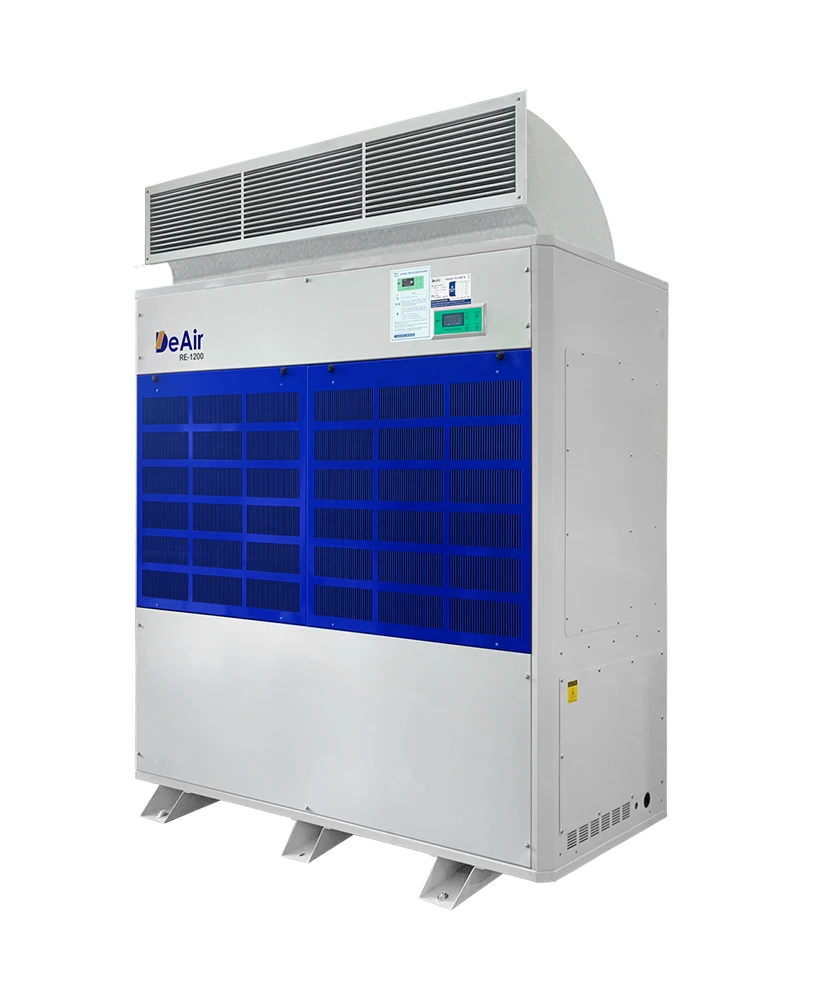 DeAir.RE
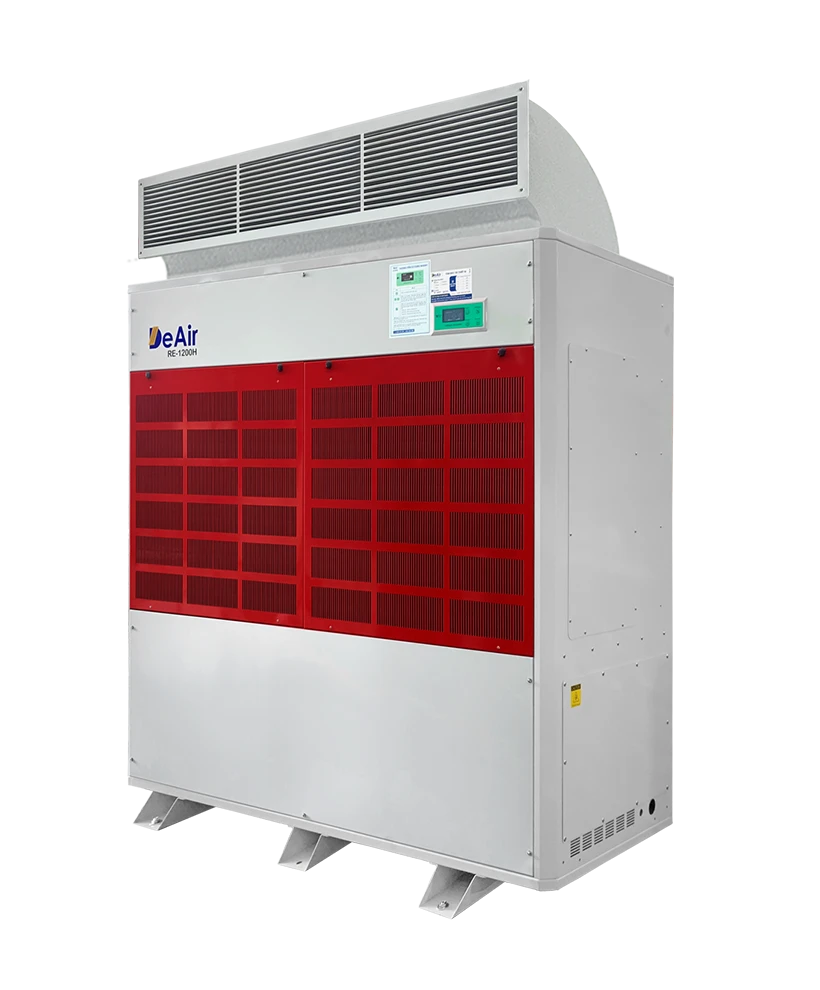 DeAir.RE-H
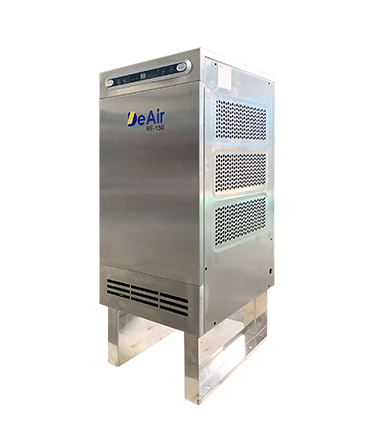 DeAir.RE-INOX
 DeAir.CRE
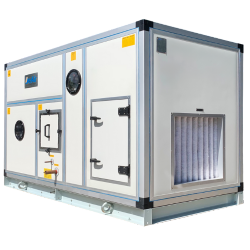 Dezenno
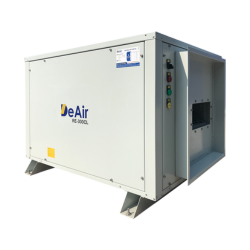 DeAir.RE-CL
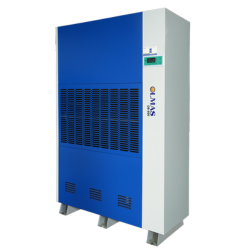 Olmas-OS
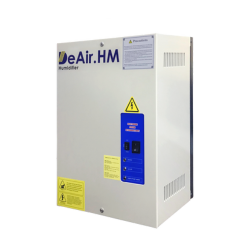 DeAir.HM
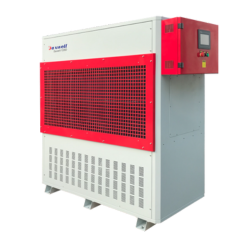 Daxwell
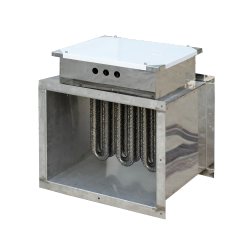 DeAir.Heat
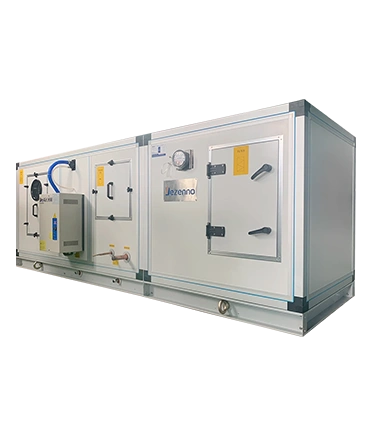 AHU
AHU







![[Case Study] DeAir Installs DeAir.De Rotor Humidity Control System for Pharmaceutical Plant in Binh Duong](https://deair.com.vn/thumbs/news/2023_04/ban_giao_may_cho_duoc_bd/[270x153-cr]image1-1024x772.jpg__cv.webp "[Case Study] DeAir Installs DeAir.De Rotor Humidity Control System for Pharmaceutical Plant in Binh Duong")

![[Review & Guide] Olmas OS-300: The New Humidity Control "Warrior" for Medium to Large Warehouses](https://deair.com.vn/thumbs/news/huong_dan_su_dung_may_olmas_21/[270x153-cr]vtm06440.png "[Review & Guide] Olmas OS-300: The New Humidity Control \"Warrior\" for Medium to Large Warehouses")