Drying Paper Cores & Hard Trays: The "Golden Hardness" Solution & Anti-Deformation with Daxwell Heat-Pump Dryer
03/12/2025
The Challenge of "Hardness" in Paper Core & Tray Production
In the paper packaging industry, especially in the production of paper tubes/cores and molded pulp trays, Compressive Strength is a vital standard. Unlike drying thin paper rolls, these products have a thick, multi-layered structure containing a significant amount of adhesive glue.
Improper drying leads to two disasters: tubes becoming soft and easily dented when winding PE film/fabric/paper, or delamination due to high heat "killing" the glue too quickly. This article introduces the Daxwell Heat-Pump Drying solution, the key to balancing Moisture Removal Speed and Structural Integrity.
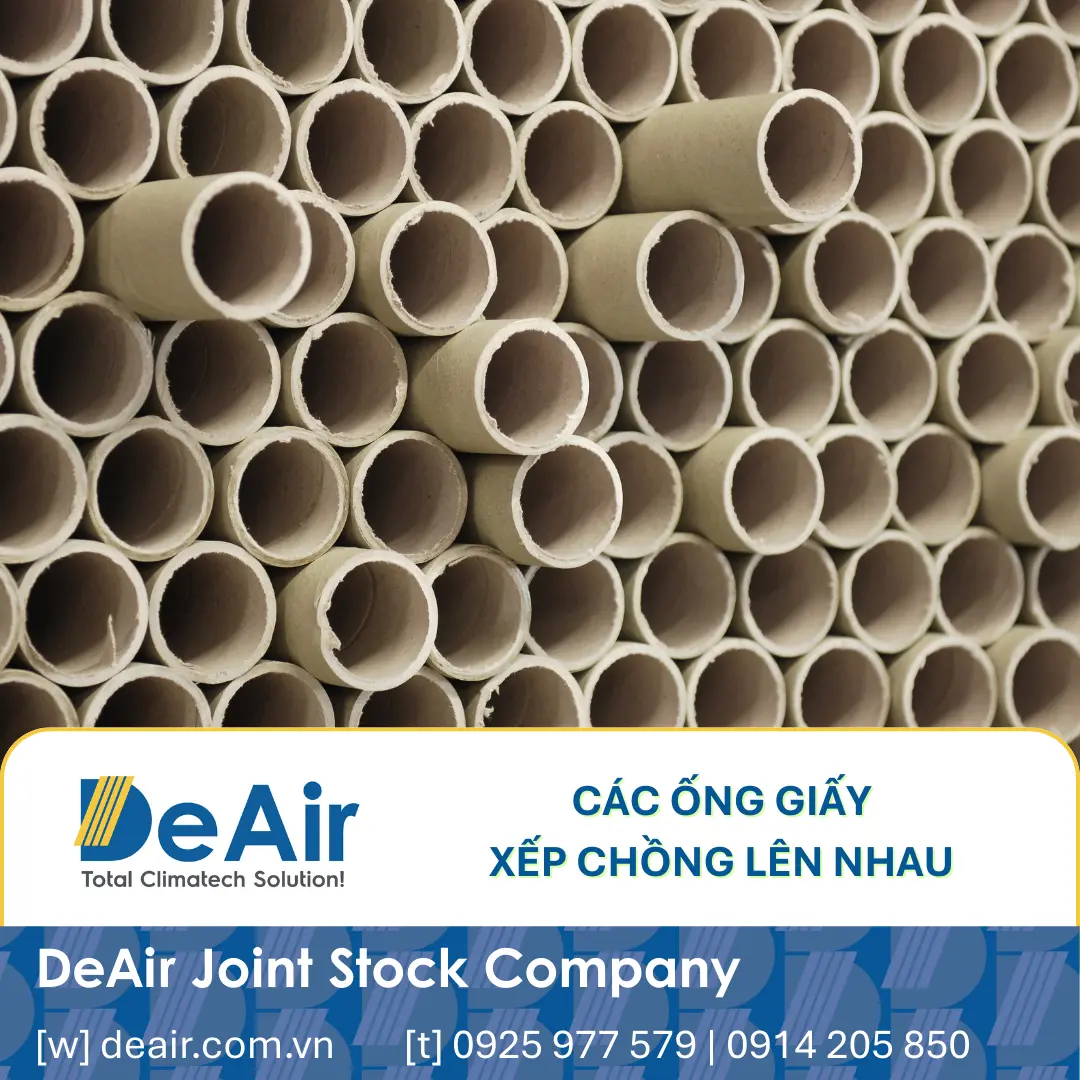
Paper cores achieving standard hardness help protect goods and optimize the packaging stage.
1. Technical Characteristics: Why Are Paper Cores & Trays Hard to Dry?
Thick Structure and Adhesive Layers
Paper cores are wound from multiple layers of kraft paper bonded by glue. Moisture is trapped deep within these glue layers and the paper core. According to standards from TAPPI (Technical Association of the Pulp and Paper Industry), water must migrate from the core to the surface via moisture diffusion before evaporating. This process takes time and requires precise temperature control.
Risks of "False Drying" and "Deformation" from Improper Drying
Sudden High Heat Drying (Kilns/Resistance): The tube surface dries and hardens too quickly (Case Hardening phenomenon), creating a shell that traps internal moisture. The result is "false drying"—the tube feels hard but becomes soft again after a few days as moisture from the core seeps back out.
Uneven Drying: Causes non-uniform shrinkage, making tubes oval (out of round) and paper trays warped, making them impossible to stack.
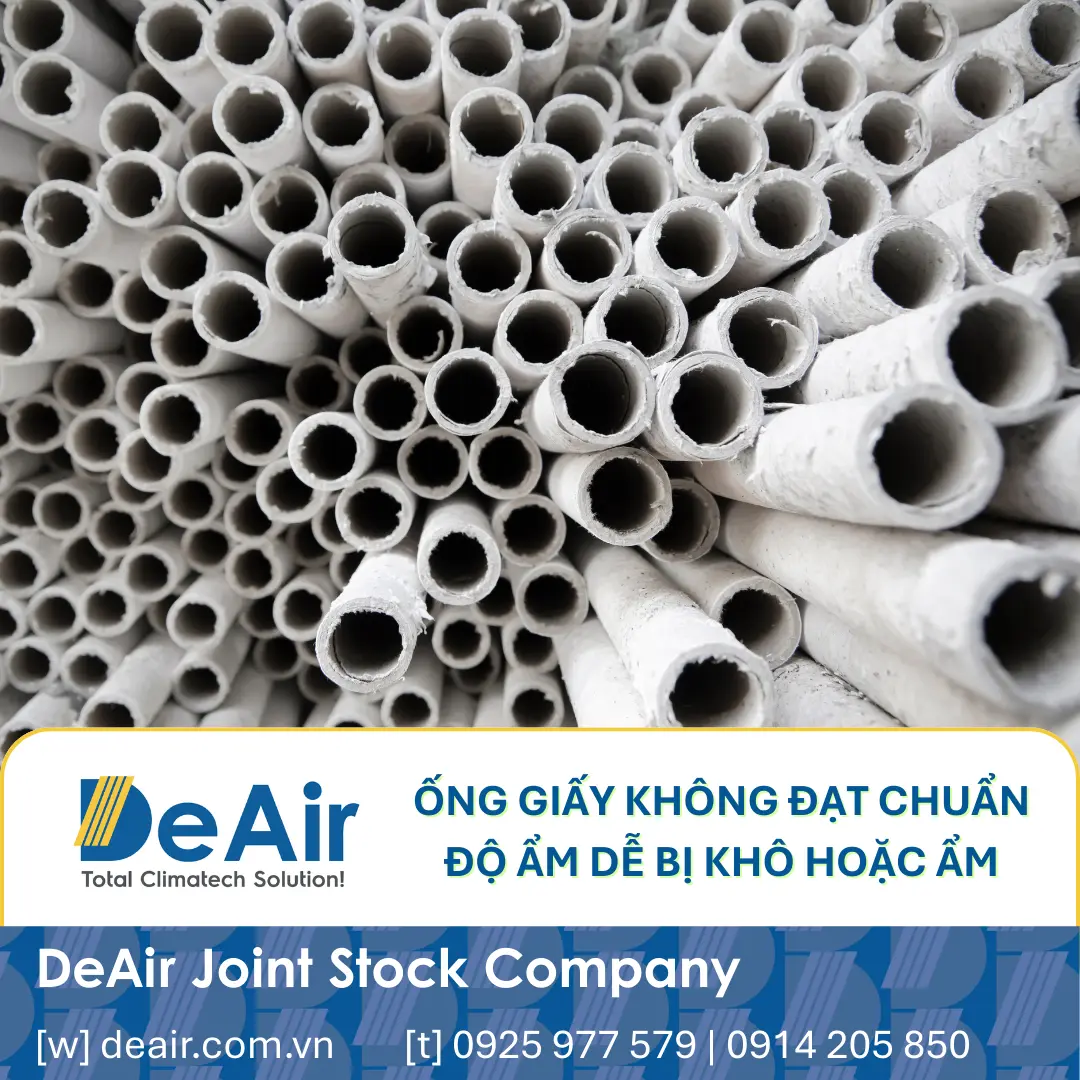
Defective paper tubes due to improper humidity standards cause major losses for manufacturers.
2. Daxwell Heat-Pump Solution: Cold Drying Tech for "Golden Hardness"
Dehumidification Drying Principle
Instead of "heating" the air like traditional ovens, the Daxwell dryer works by drying the air (reducing humidity to below 20%) and blowing a stream of dry, warm air (40-55°C) continuously through the product. The large vapor pressure difference between the product (high) and the drying air (low) "pulls" water from deep within the glue layers out slowly and thoroughly.
Results Achieved on the Product
Maximum Hardness: The glue dries gradually, tightly bonding the paper layers, increasing both vertical and horizontal compressive strength.
No Deformation: Low temperature (below 60°C) prevents thermal shock to the paper, maintaining a perfectly round shape (for tubes) or flat shape (for trays).
3. Actual Paper Core Drying Process with Daxwell Machine
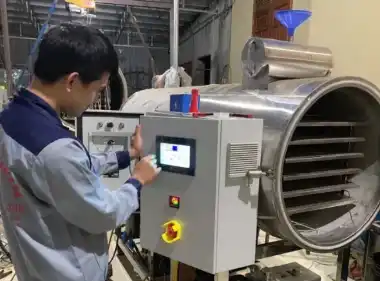
The video below records the actual paper tube drying process at a customer's factory using a Daxwell dryer:
Video: Industrial paper tube drying process using Daxwell heat-pump dryer.
Step 1: Smart Stacking: Paper tubes are stacked vertically or horizontally on specialized trolleys, with spacing to allow air to flow inside the tubes, drying both the inner and outer surfaces.
Step 2: Heating & Surface Moisture Removal (40-45°C): Gently warms the tubes, helping the glue to start stabilizing without thermal shock.
Step 3: Deep Drying & Extraction (50-55°C): The most critical stage. The Daxwell machine maintains low ambient humidity (<20%) to draw moisture out from the core.
Step 4: Cooling & Stabilization: Helps the paper tubes set their hardness and prevents moisture regain immediately upon exiting the oven.
4. The Economic Efficiency Equation for Packaging Factories
Energy Savings: Compared to resistance drying, the Daxwell Heat-Pump dryer has a COP > 3, saving 50-60% of electricity consumption.
Reduced Scrap Rate: Completely eliminates the issue of warped, delaminated tubes that must be discarded, saving paper and glue materials.
Shortened Inventory Time: Products dry quickly and properly, ready for immediate shipping or use, accelerating capital turnover.
5. Frequently Asked Questions (FAQ)
1. How long does it take to dry a 10-15mm thick paper tube?
Drying time depends on the thickness and type of glue used. With Daxwell Heat-Pump technology, the average drying time for tubes about 10-15mm thick is usually 12-18 hours to achieve core dryness.
2. Does the dryer dry the innermost layer of glue?
Yes. Thanks to the dehumidification drying principle creating a vapor pressure difference, the Daxwell machine can "pull" moisture from deep within the paper and glue layers to the outside, ensuring uniform drying from the inside out.
3. Compare Heat-pump drying vs. Sun drying for paper tubes?
Sun drying is completely weather-dependent, tubes easily collect dust, and uneven drying leads to deformation. Heat-Pump drying is proactive 24/7, clean, and ensures perfectly round tubes that meet industrial hardness standards.
Free Test Drying at DeAir!
Want to verify the hardness of your paper tubes after drying with a Daxwell machine? Bring your product samples to the DeAir Lab, and we will test dry them completely free of charge.


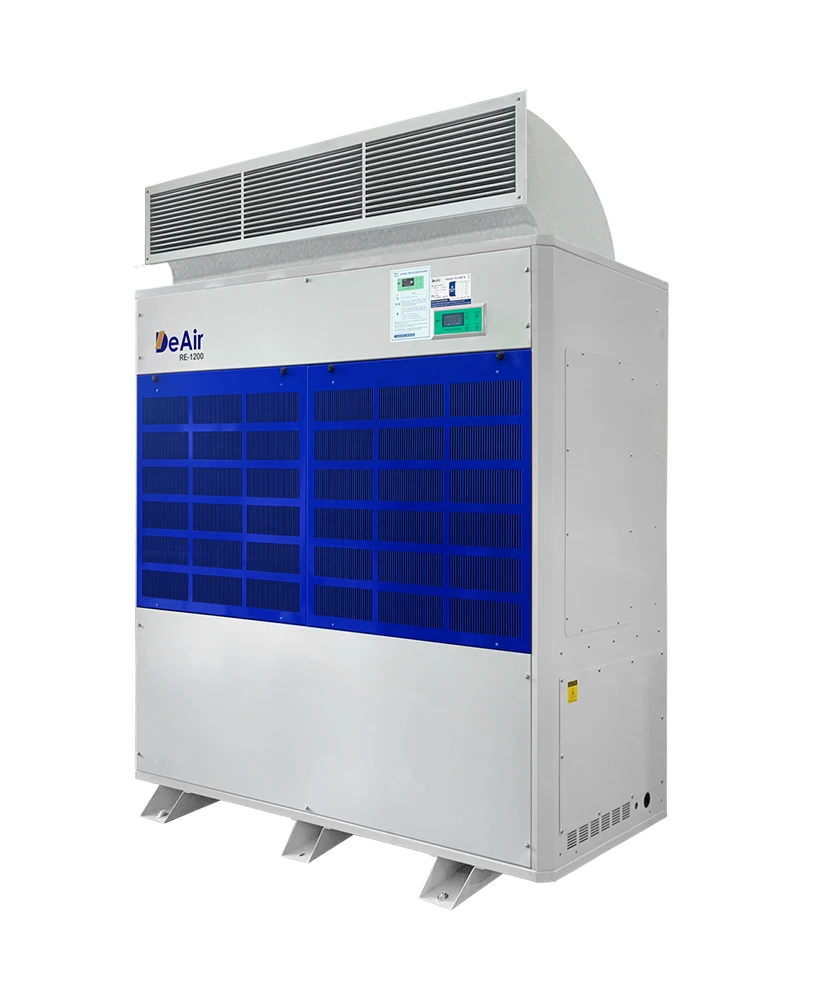 DeAir.RE
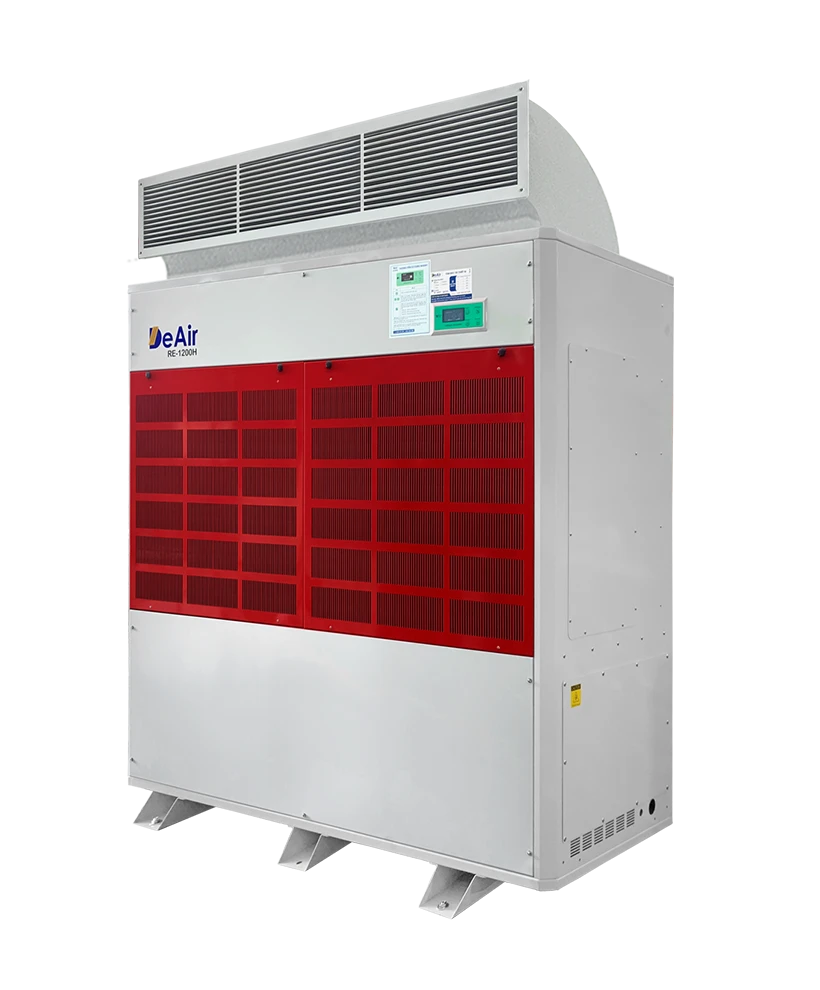 DeAir.RE-H
 DeAir.RE-INOX
 DeAir.CRE
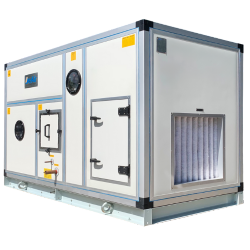 Dezenno
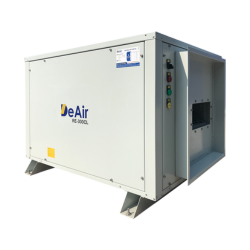 DeAir.RE-CL
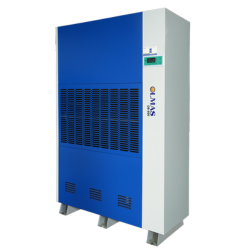 Olmas-OS
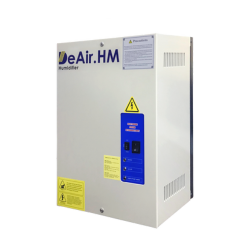 DeAir.HM
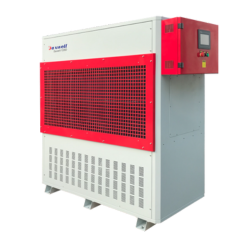 Daxwell
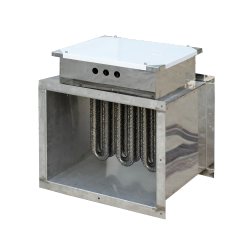 DeAir.Heat
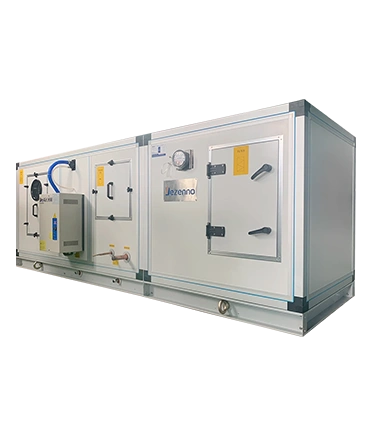 AHU
AHU





![[Case Study] DeAir Installs DeAir.De Rotor Humidity Control System for Pharmaceutical Plant in Binh Duong](https://deair.com.vn/thumbs/news/2023_04/ban_giao_may_cho_duoc_bd/[270x153-cr]image1-1024x772.jpg__cv.webp "[Case Study] DeAir Installs DeAir.De Rotor Humidity Control System for Pharmaceutical Plant in Binh Duong")

![[Review & Guide] Olmas OS-300: The New Humidity Control "Warrior" for Medium to Large Warehouses](https://deair.com.vn/thumbs/news/huong_dan_su_dung_may_olmas_21/[270x153-cr]vtm06440.png "[Review & Guide] Olmas OS-300: The New Humidity Control \"Warrior\" for Medium to Large Warehouses")