Eliminating Odor in Seafood Drying with Daxwell Closed-Loop Dryers
13/04/2026
Eliminating Odor in Seafood Drying with Daxwell Closed-Loop Dryers
Key Takeaways:
The Pain Point: Traditional seafood drying kilns exhaust directly into the environment, causing pungent fishy odors that lead to continuous resident complaints and regulatory fines.
Daxwell Solution: Applying the ESG green drying solution with 100% closed-loop heat pump technology.
Deodorizing Mechanism: No hot air is exhausted into the environment. Moisture and foul odors are condensed into liquid and routed directly to the wastewater treatment system.
Benefits: 100% elimination of odor emissions, ensures food safety, saves 70% in electricity, and protects the business's operating license.
In the dried seafood processing industry (seasoned fish, squid, dried shrimp), the hardest puzzle is not the drying technique itself, but odor control. Emitting a pungent fishy smell into residential areas not only affects the community but also poses a massive legal risk to the business. Daxwell's closed-loop drying technology is the "key" helping factories operate sustainably and meet today's strictest environmental standards.
1. Alarm Over Odor Pollution in Seafood Processing Plants
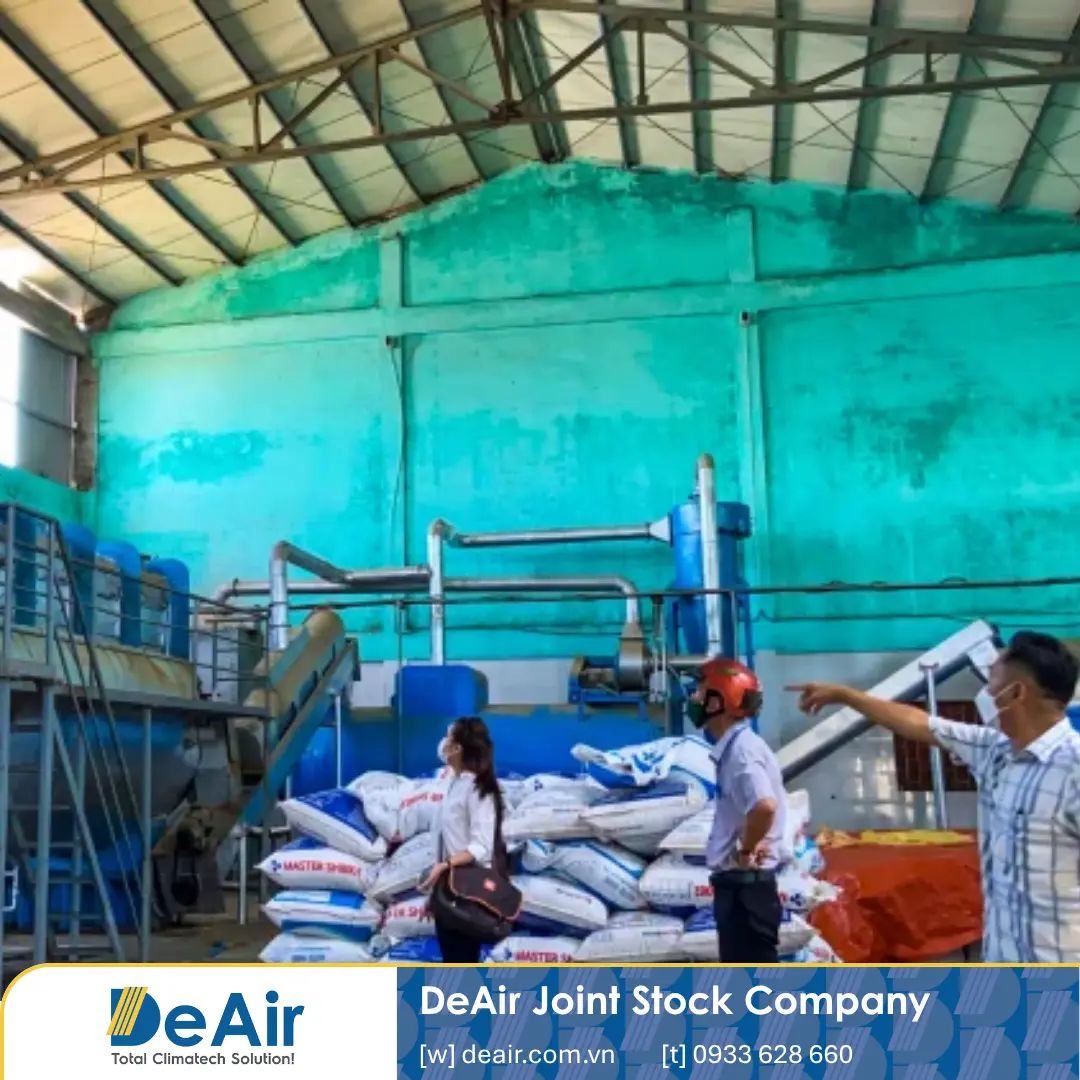
Odor pollution from seafood processing plants, especially fish drying and fishmeal facilities, is becoming a pressing issue in many localities. According to reports from reputable press agencies:
Tuoi Tre Newspaper reported on residents' intense frustration when factories emit pungent odors, severely affecting their daily lives.
Da Nang Newspaper and Agriculture & Environment news sites continuously report on factories being inspected, fined, and ordered to suspend operations due to their failure to control fishy exhaust emissions.
Air pollution and pungent fishy odors are the main reasons many seafood factories are forced to suspend operations.
If the technology is not upgraded, businesses will not only lose their reputation but also face the risk of permanent closure.
2. Why Are Traditional Drying Kilns the "Culprit" Behind Odors?
Traditional thermal drying kilns operate on an "Open-loop" principle. The machine draws in fresh air, heats it up, and blows it across the surface of the seafood. After absorbing moisture and odor-causing molecules (from protein and spices), this air stream is exhausted straight into the sky.
The foul odor travels far with the exhaust, especially during the rainy season or on calm days. The fishy smell lingers around residential areas, creating severe stagnation and pollution. This is the fatal flaw of outdated drying technologies.
3. Daxwell Dryers: Closed-Loop Technology - Zero Odor Emissions
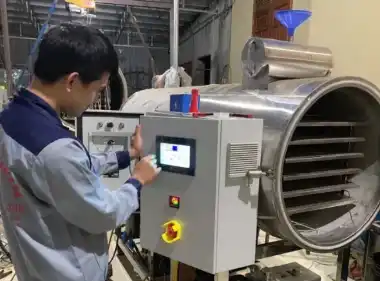
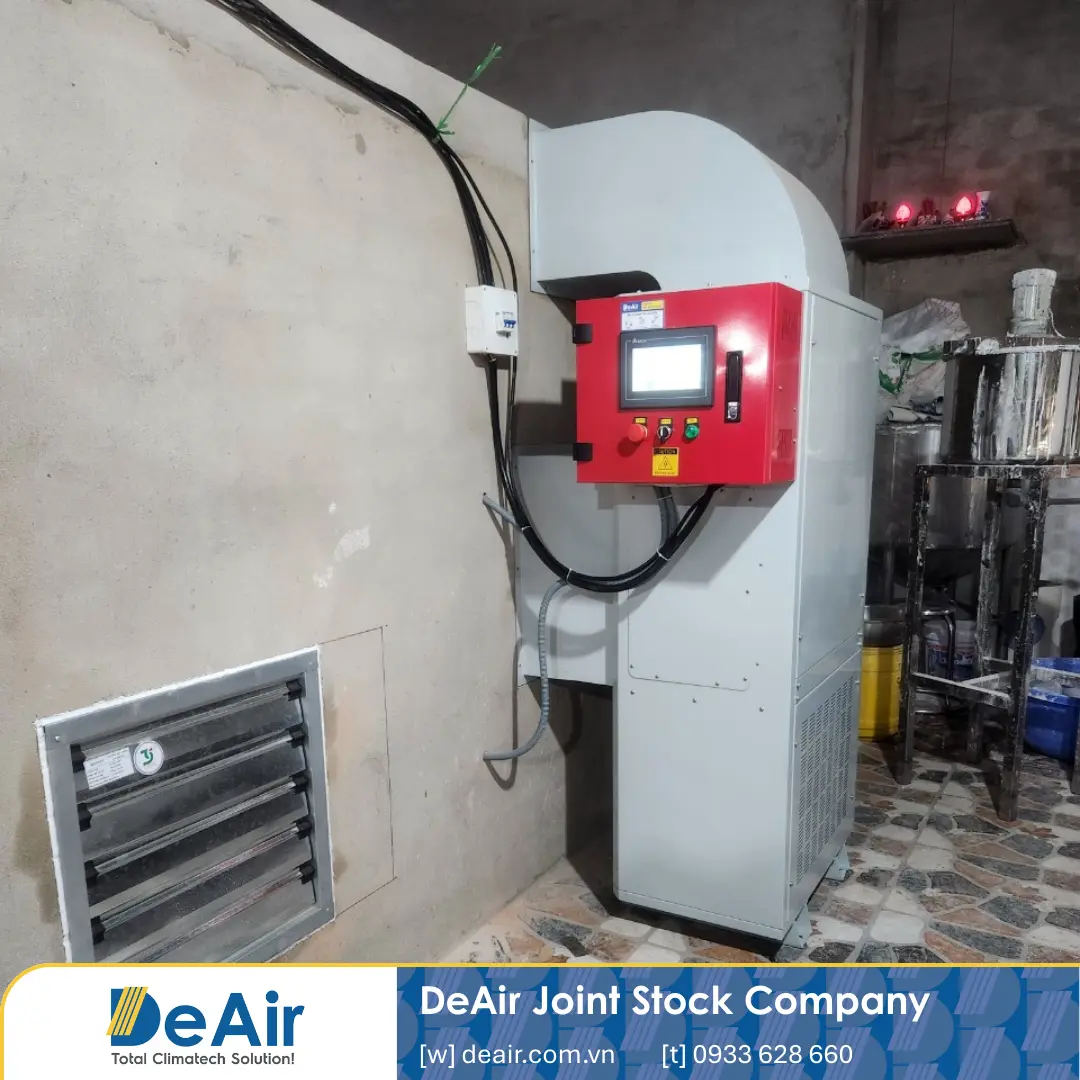
The Daxwell Heat-pump Dryer completely changes the game with its "Closed-loop" technology. The drying air is 100% continuously circulated inside the drying chamber and the machine, without any exhaust vents leading to the outside environment.
The Daxwell dryer can be flexibly connected to existing drying rooms, turning them into odorless closed-loop drying systems.
Traditional Open Drying
♨️ ➔ ☁️
Draws air ➔ Heats ➔ Exhausts fishy odor straight into the environment.
Daxwell Closed Drying
♻️ ➔ 💧
Closed air circulation ➔ Condenses odor into water ➔ Discharges into the drain.
At the Daxwell machine's cold coil, the moisture containing the fishy smell is condensed into liquid water. This water is piped directly into the factory's centralized wastewater treatment system. As a result, no foul odor is released into the air, allowing the factory to operate smoothly even in the middle of a residential area.
4. Dual Benefits: Achieving ESG Standards and Optimizing Profits
Investing in Daxwell closed-loop dryers is a strategic step helping businesses achieve ESG (Environmental, Social, and Governance) standards - the "ticket" to entering international supply chains:
Environmental (E): Zero exhaust emissions, no odor pollution, reduces electricity consumption by 70%.
Social (S): Builds good relationships with the surrounding community, avoiding public outrage and disputes.
Food Quality: Low-temperature drying (usually under 60°C) helps seafood retain its natural color, perfect chewiness, and nutritional content without being overcooked.
5. Practical Applications: From Seafood to Regional Specialties
Daxwell's technology is not limited to seafood. The system's flexibility allows customization for various factory types:
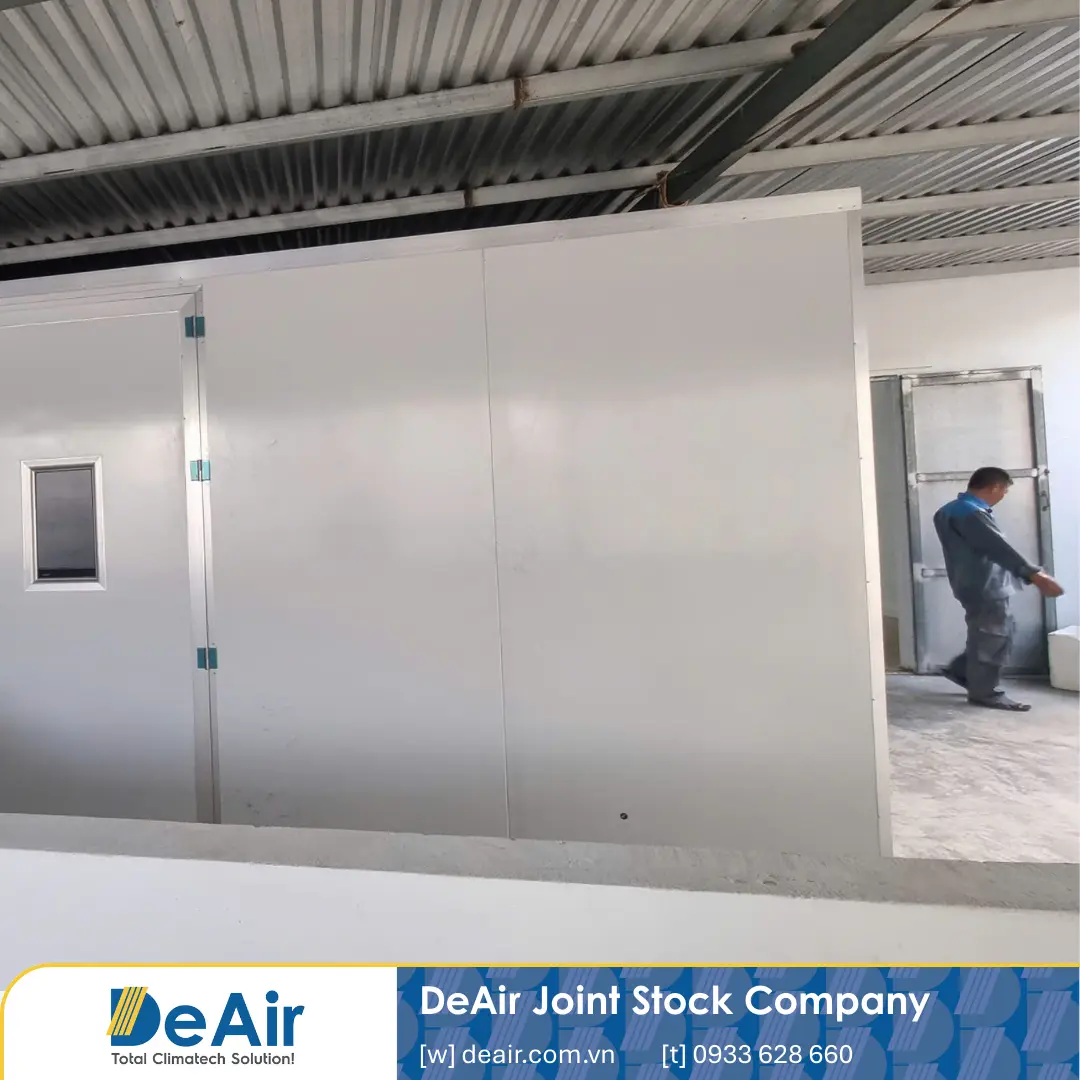
A closed Panel drying room combined with the Daxwell machine preserves product flavor and prevents heat and odor from escaping.
For instance, in the rice paper drying project in Binh Dinh, applying Daxwell dryers helped the facility maintain continuous production throughout the rainy season, ensuring absolute hygiene without affecting the surrounding environment.
6. Frequently Asked Questions (FAQ)
1. Does a closed-loop dryer cause the fish to steam and dry slowly?
Answer: Absolutely not. The Daxwell dryer integrates a powerful cold block dehumidification system. The humidity inside the chamber is constantly kept low, allowing water in the seafood to escape even faster than conventional thermal drying methods, without the need for exhaust.
2. How do the operating costs of Daxwell dryers compare to electric resistance kilns?
Answer: Daxwell heat pump dryers save 60% to 70% in electricity. Thanks to the circulating heat recovery mechanism, the machine only consumes a very small amount of power to run the compressor and fans, instead of continuously heating resistance coils.
3. Does the condensed water from the dryer smell bad?
Answer: Yes, this water carries the fishy smell of the seafood. However, because it is in liquid form, it is extremely easy to handle. You simply connect the discharge pipe directly to the factory's existing wastewater treatment system. This is the most thorough and civilized treatment method available today.
End Odor Pollution - Protect Your Operating License
Don't let foul odors halt your business operations. Investing in Daxwell closed-loop drying technology is the "golden" solution for businesses to reach export markets and live in harmony with the community.
Contact DeAir's team of experts immediately for a site survey and consulting on the most optimal odorless seafood drying system!


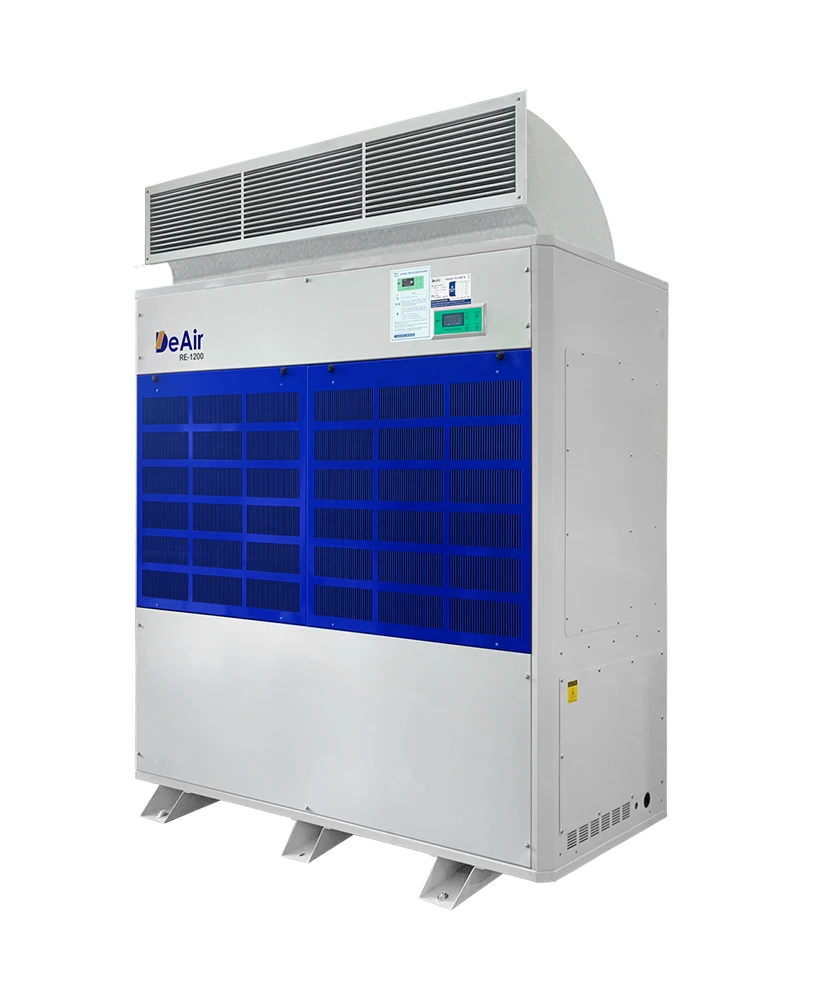 DeAir.RE
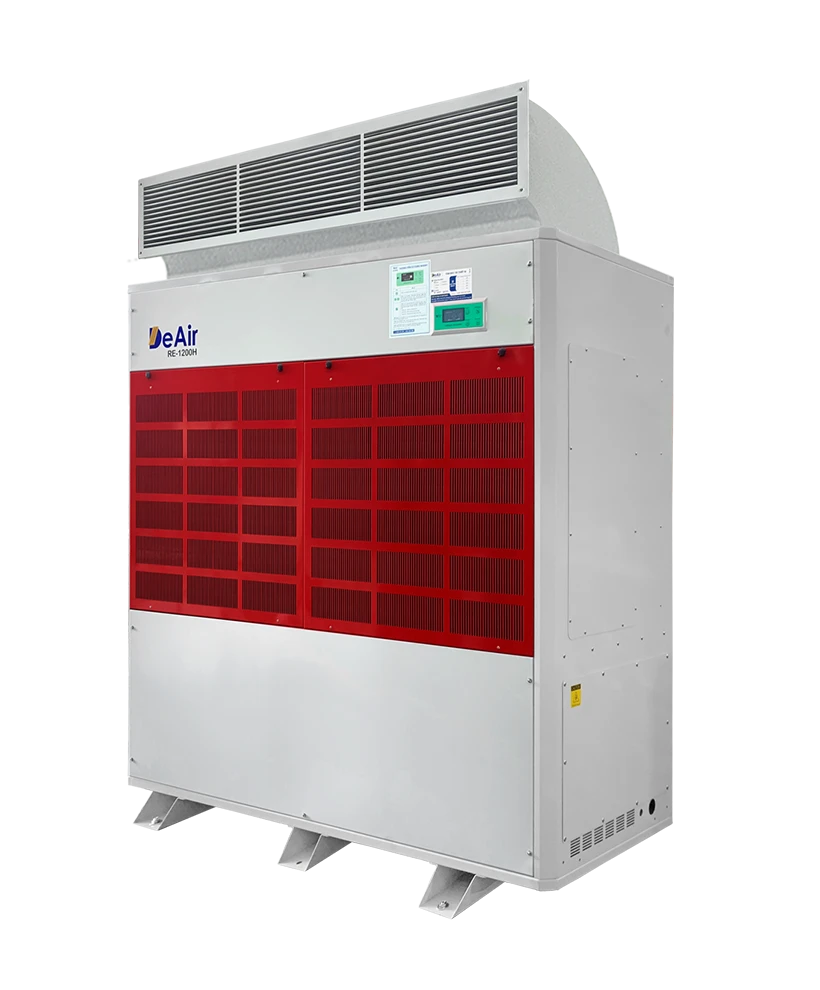 DeAir.RE-H
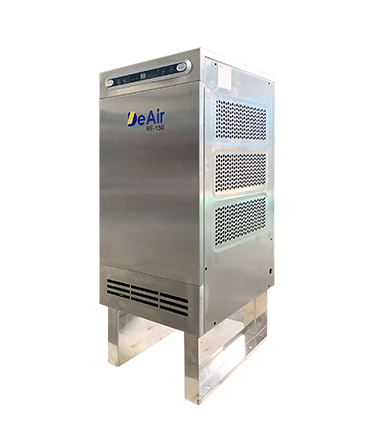 DeAir.RE-INOX
 DeAir.CRE
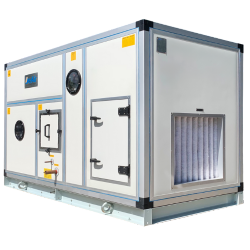 Dezenno
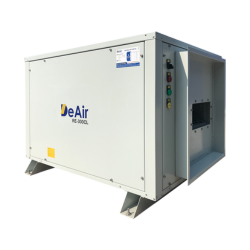 DeAir.RE-CL
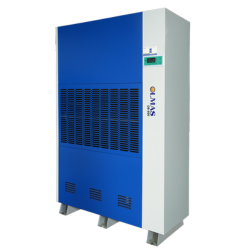 Olmas-OS
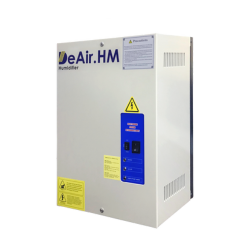 DeAir.HM
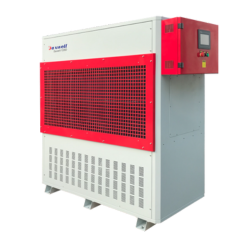 Daxwell
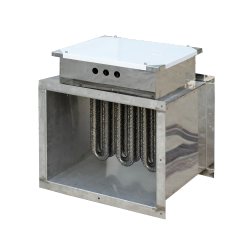 DeAir.Heat
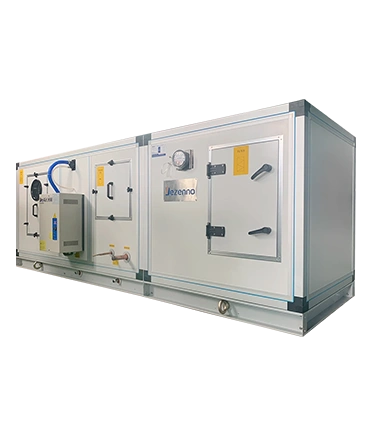 AHU
AHU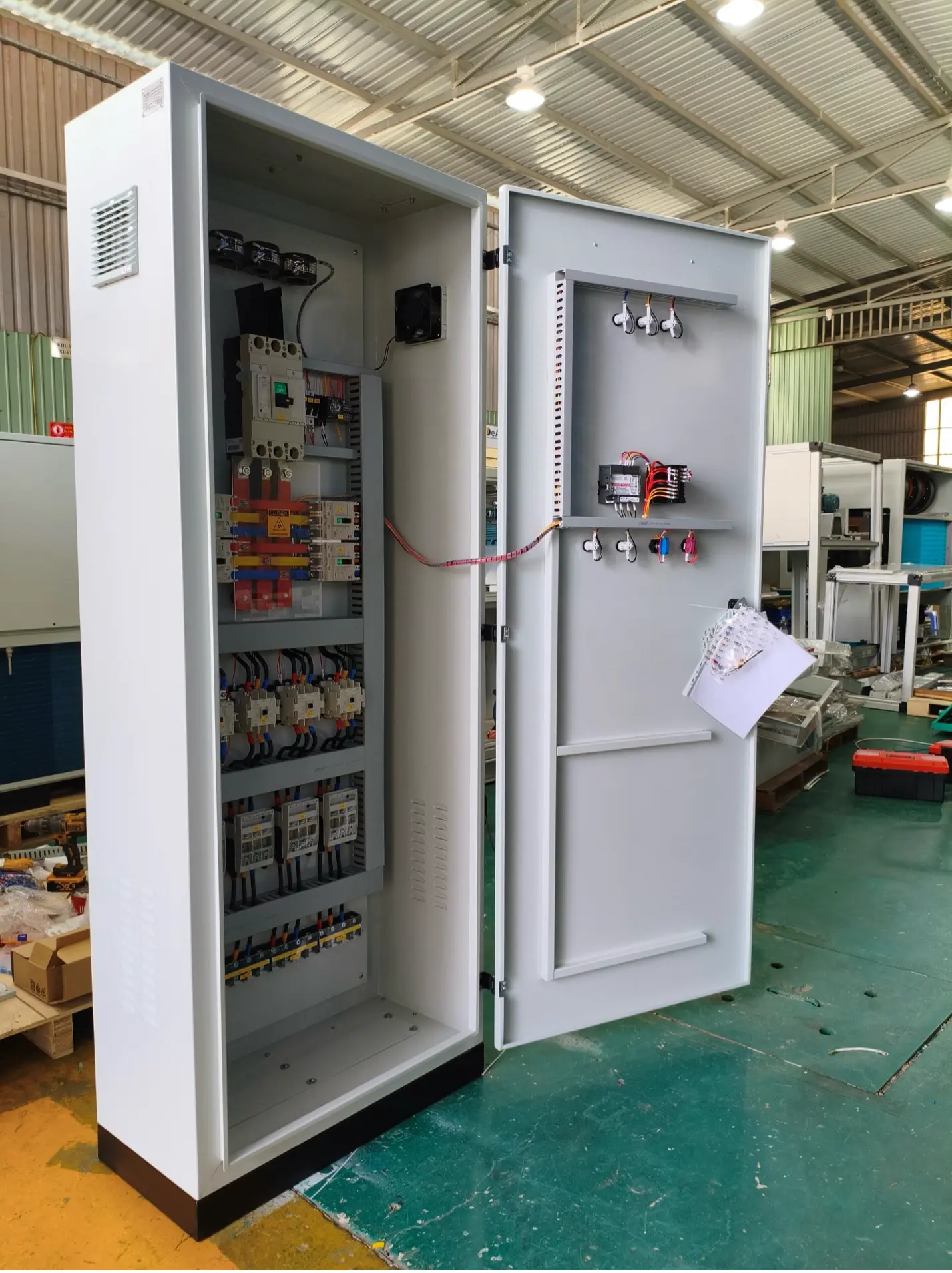






![[Case Study] DeAir Installs DeAir.De Rotor Humidity Control System for Pharmaceutical Plant in Binh Duong](https://deair.com.vn/thumbs/news/2023_04/ban_giao_may_cho_duoc_bd/[270x153-cr]image1-1024x772.jpg__cv.webp "[Case Study] DeAir Installs DeAir.De Rotor Humidity Control System for Pharmaceutical Plant in Binh Duong")
![[Review & Guide] Olmas OS-300: The New Humidity Control "Warrior" for Medium to Large Warehouses](https://deair.com.vn/thumbs/news/huong_dan_su_dung_may_olmas_21/[270x153-cr]vtm06440.png "[Review & Guide] Olmas OS-300: The New Humidity Control \"Warrior\" for Medium to Large Warehouses")