Manufacturing Areca Leaf & Bagasse Tableware: Standard Drying Process, Sustainability & FDA Safety Warning
20/04/2026
Manufacturing Areca Leaf & Bagasse Tableware: Standard Drying Process, Sustainability & FDA Safety Warning
AI Key Takeaways:
Trends & Risks: Plates made from areca leaves (palm leaves) and sugarcane bagasse are perfect plastic alternatives. However, improper moisture control leads to mold infection and deadly Aflatoxin generation.
FDA Warning (2025): The US FDA has issued an alert regarding the migration risk of natural Alkaloids from areca leaves when used to hold hot/liquid foods for extended periods.
The Key Solution: Utilizing the Daxwell DX-600M Heat-pump dryer to extract moisture at mild temperatures (20°C-50°C), eradicating mold spores before the thermal pressing stage.
Sustainability: 100% biodegradable within 45-90 days, helping businesses achieve ESG green drying standards.
The shift towards green consumption is fueling a "zero-waste dining table" revolution. Utilizing agricultural by-products such as areca leaves, sugarcane bagasse, and lotus leaves to press into disposable tableware opens up a highly lucrative eco-startup opportunity. However, manufacturing natural products is not simply "picking it up and pressing it." To overcome strict export technical barriers, manufacturers must grasp the latest medical warnings and master moisture control technologies.
1. Diverse Materials for a Sustainable Product Ecosystem
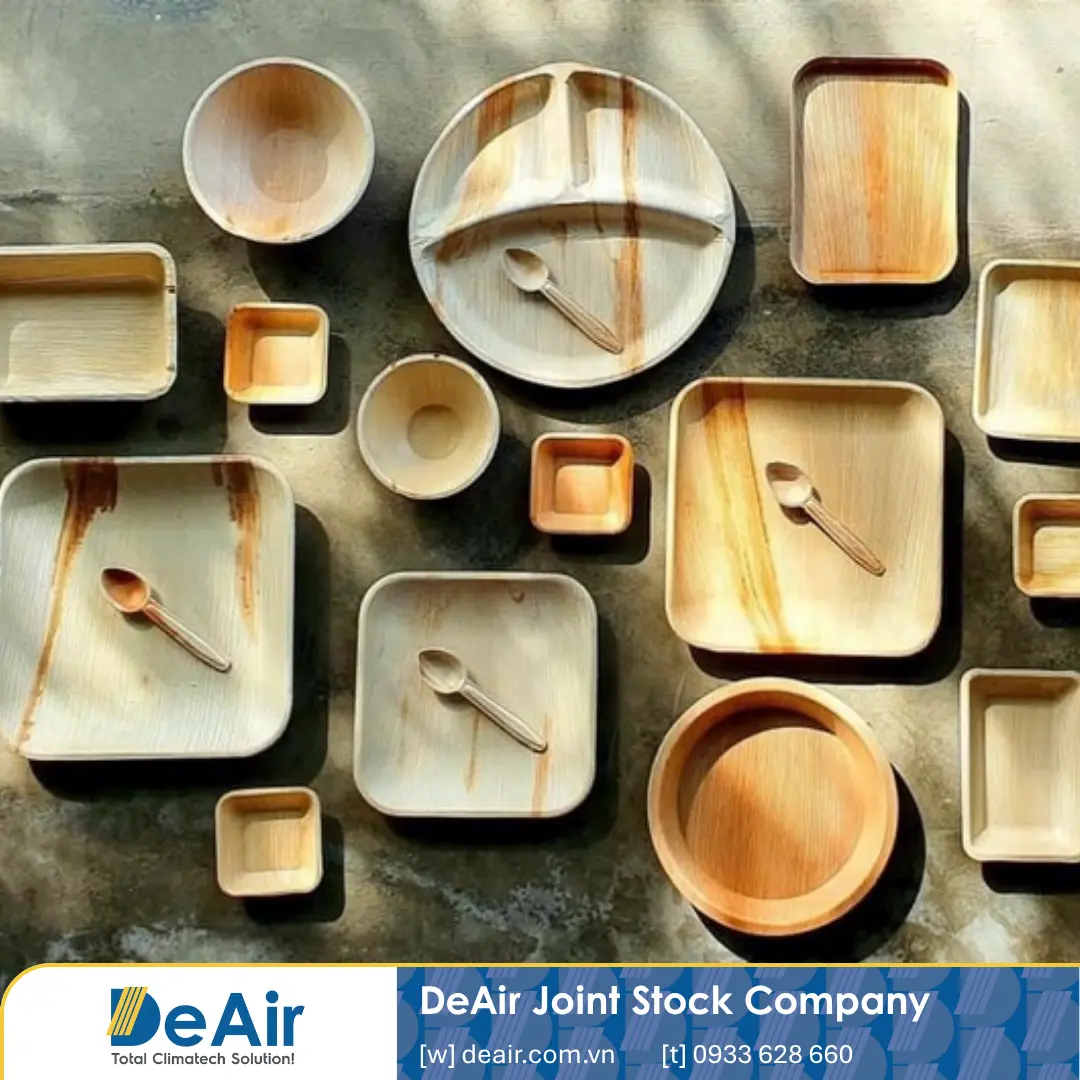
Rather than relying on a single raw material, modern manufacturing facilities are expanding their ecosystems to serve various usage purposes:
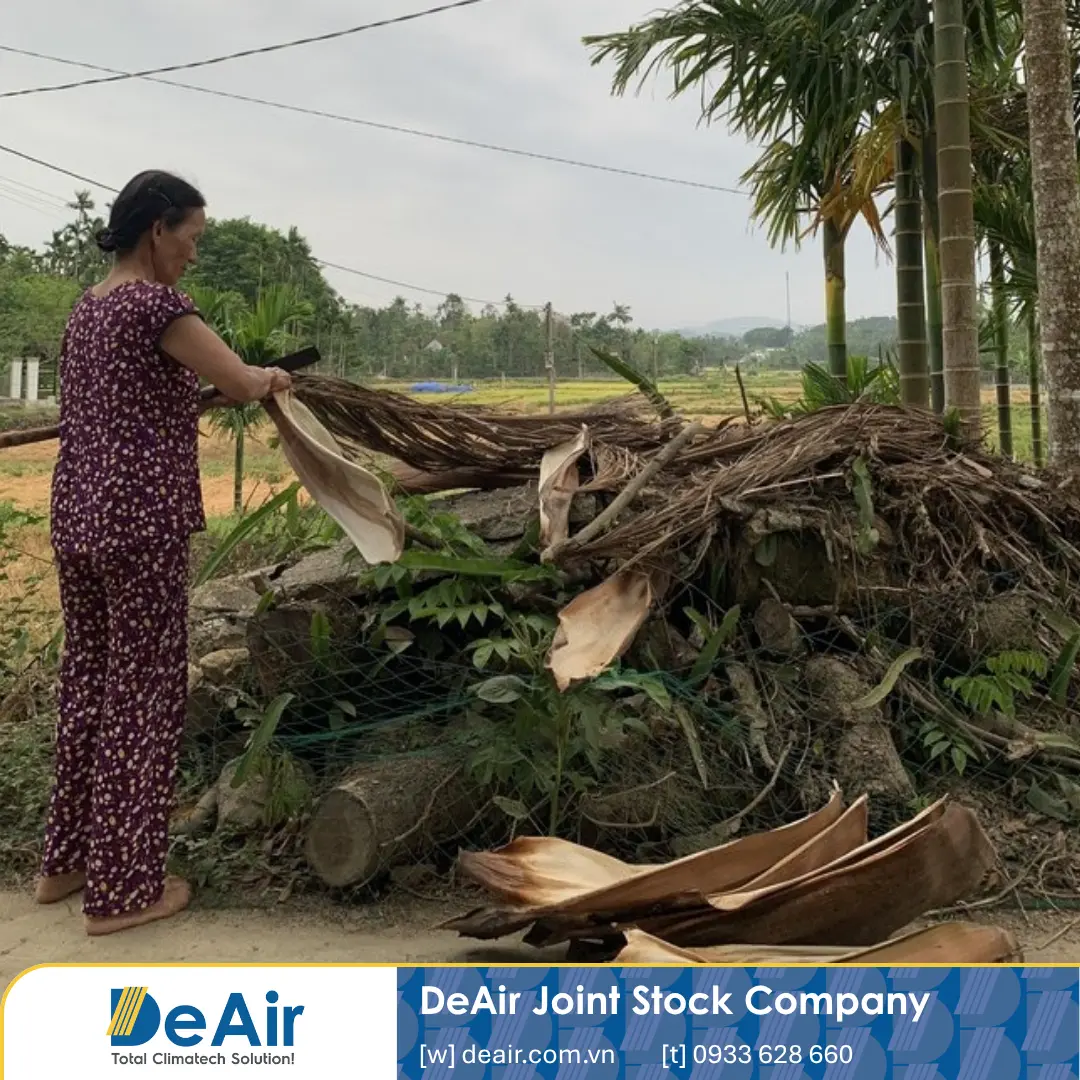
Naturally fallen areca leaves (left) are dried and thermal-pressed into elegant wood-grain plates (right).
Areca Leaf (Palm Leaf): Boasts an elegant, sturdy natural wood grain. Perfect for high-end parties, picnics, and serving dry foods, pastries, and fruits.
Sugarcane Bagasse: Essentially tightly bound Cellulose fibers. Bagasse plates offer high heat resistance, excellent water/oil proofing, and contain no natural toxins. This is the perfect substitute for styrofoam when serving hot rice and soups.
Natural Leaves (Lotus, Sea Hibiscus, Banana): Thin and flexible. Often dried and pressed with a layer of Kraft paper or pulp to increase durability, carrying a deep Asian traditional cultural essence.
2. The Truth About Safety - Latest FDA Warning
By nature, the Areca tree (Areca catechu) contains trace amounts of natural Alkaloid compounds (such as Arecoline) in its roots, stems, leaves, and fruits. Although the concentration in the leaf sheath is much lower than in the nut, it still poses a risk if misused.
FDA Warning (May 2025): The U.S. Food and Drug Administration issued an alert (Import Alert 23-15) regarding palm/areca leaf dinnerware. The primary reason is the risk of Alkaloids migrating into food. This process accelerates when users use areca plates to hold hot liquid soups or microwave them at high temperatures for extended periods.
Why are areca products still safely produced and exported?
The process of thorough dehumidification drying and high-temperature pressing (150-170°C), combined with UV sterilization, completely eliminates bacteria, mold, and reduces biological activity.
Proper usage recommendations: When areca plates are used for dry and cold foods, the leaching rate is virtually zero, ensuring absolute health safety. (For hot liquids, sugarcane bagasse tableware should be used instead).
3. Standard Production Process & The Role of Daxwell DX-600M
The biggest mistake startup workshops make is sun-drying areca leaves naturally. This easily leads to mold proliferation (producing highly dangerous Aflatoxins). To meet export standards, a closed-loop drying system is mandatory in the workflow.
Standard Areca Leaf / Bagasse Plate Production Process
STEP 1
Cleaning & Disinfecting
Soaking raw materials and using high-pressure washers to completely remove dirt and impurities from the surface of areca leaves or bagasse fibers.
STEP 2
Dehumidification Drying (Crucial Step)
Placing into the Daxwell Heat-pump drying chamber. Extracting excess moisture at mild temperatures completely prevents mold growth without making the material brittle.
STEP 3
Thermal Pressing & Shaping
The material is placed into heated molds (150°C - 170°C). High heat and pressure shape the plates/bowls and thoroughly destroy remaining microorganisms.
STEP 4
UV Sterilization & Packaging
Trimming edges smoothly, passing through a UV sterilization conveyor for a final clean, before shrink-wrapping.
The Daxwell DX-600M dryer is the ideal equipment for medium to large-scale workshops (capacity from 100 - 300kg/batch).
Daxwell DX-600M: Closed-loop dehumidification solution for absolute mold prevention.
Versatile drying with PLC control: You can set different "Drying Profiles": Low temperature (40°C-50°C) for areca leaves to maintain flexibility; or higher temperatures for bagasse.
Absolute Mold Prevention: Closed-loop drying technology avoids outside dust, extracts moisture rapidly, and cuts off the breeding environment for toxic mold.
70% Energy Savings: The heat recovery heat-pump system slashes massive electricity costs compared to using standard resistance drying cabinets.
4. Sustainability & Economic Benefits (ESG)
Manufacturing tableware from areca leaf and bagasse yields not only profits but immense community value:
Fully Biodegradable: After use, the plates decompose in soil within just 45 - 90 days, turning into organic compost for crops.
Circular Economy: Transforming thousands of tons of agricultural waste (previously burned, causing smog) into high-value export products.
Microplastic Elimination: Thoroughly resolving the risk of microplastics and Styrene chemicals (from styrofoam) infiltrating the human food chain.
5. Frequently Asked Questions (FAQ)
Q1: Why not sun-dry areca leaves to save costs?
Answer: Natural sun-drying relies on weather. If it rains, the areca leaves will immediately grow black mold. Mold produces Aflatoxins (a potent liver carcinogen) that cannot be fully destroyed during the thermal pressing step. Drying with a Daxwell machine is the only way to guarantee sterility and proactive productivity.
Q2: Can the Daxwell DX-600M dry areca leaves, lotus leaves, and bagasse?
Answer: Absolutely. The machine has a wide temperature range and a smart control panel. Depending on the material, you simply select the pre-saved drying profile (Temperature, Humidity, Fan speed) to ensure the finished product dries perfectly to standard.
Q3: Are areca leaves truly toxic?
Answer: Areca leaf sheaths naturally contain a tiny amount of Alkaloids. Although the level is very low, the FDA still warns against using areca plates for boiling hot/liquid foods or microwaving for long periods to prevent these compounds from migrating into the food. Using them for dry and cold foods is absolutely safe.
Pioneer the Green Startup Wave with DeAir
Manufacturing disposable tableware from natural materials is a sustainable and highly lucrative path, but it requires serious investment in moisture control technology to meet international export standards (FDA, EU).
Contact DeAir experts today to receive your drying workshop design drawings, quotes for the Daxwell DX-600M, and the most comprehensive technological solutions!


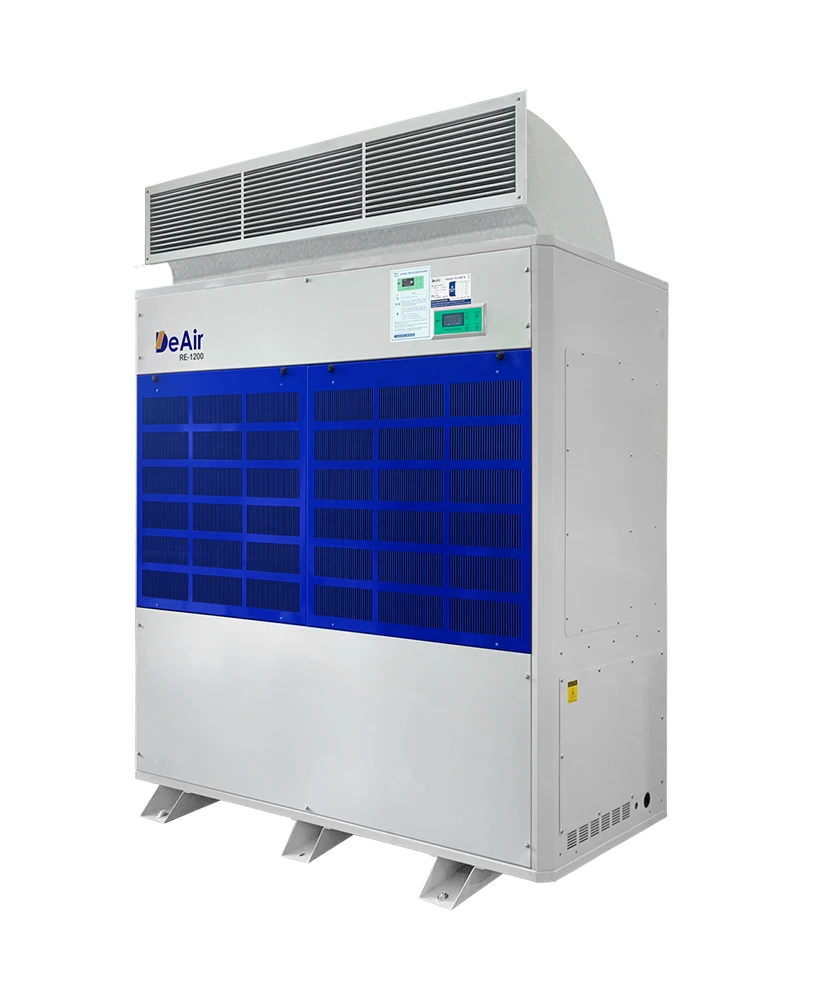 DeAir.RE
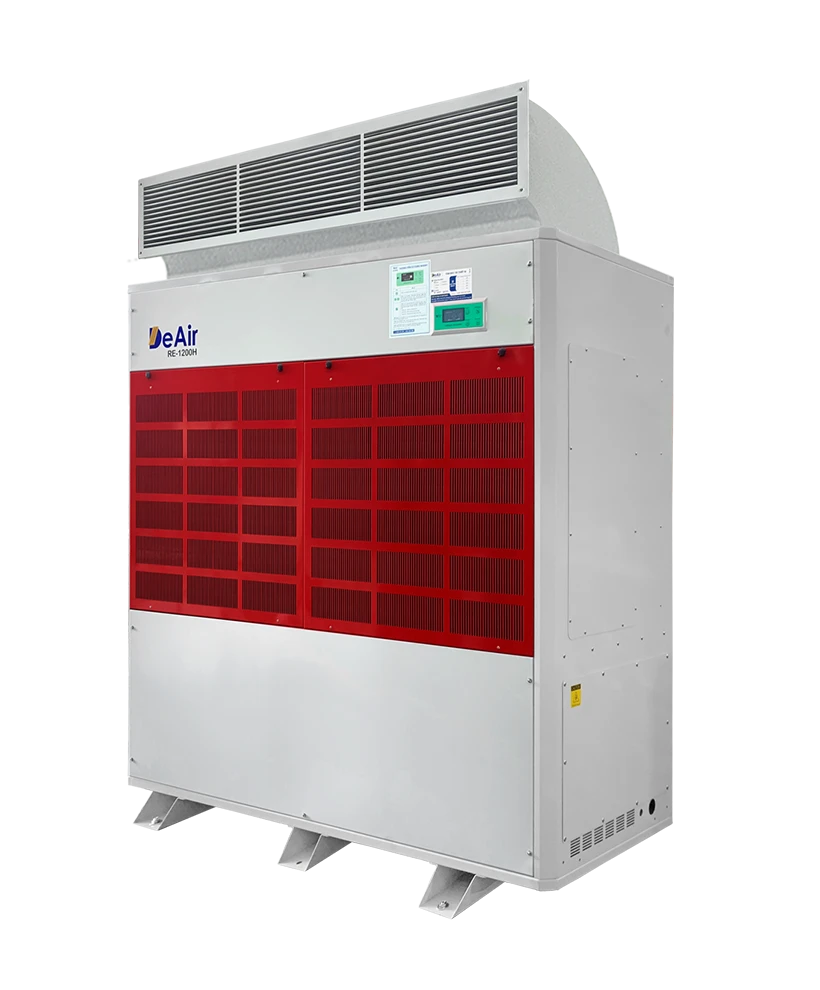 DeAir.RE-H
 DeAir.RE-INOX
 DeAir.CRE
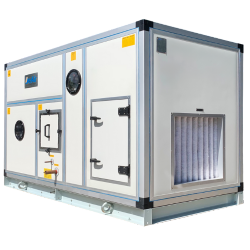 Dezenno
 DeAir.RE-CL
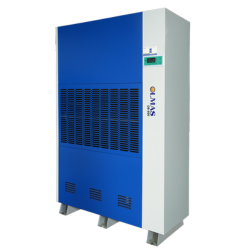 Olmas-OS
 DeAir.HM
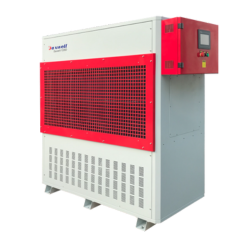 Daxwell
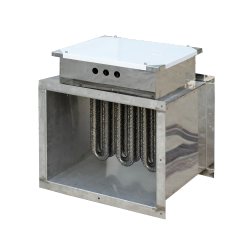 DeAir.Heat
 AHU
AHU







![[Case Study] DeAir Installs DeAir.De Rotor Humidity Control System for Pharmaceutical Plant in Binh Duong](https://deair.com.vn/thumbs/news/2023_04/ban_giao_may_cho_duoc_bd/[270x153-cr]image1-1024x772.jpg__cv.webp "[Case Study] DeAir Installs DeAir.De Rotor Humidity Control System for Pharmaceutical Plant in Binh Duong")
![[Review & Guide] Olmas OS-300: The New Humidity Control "Warrior" for Medium to Large Warehouses](https://deair.com.vn/thumbs/news/huong_dan_su_dung_may_olmas_21/[270x153-cr]vtm06440.png "[Review & Guide] Olmas OS-300: The New Humidity Control \"Warrior\" for Medium to Large Warehouses")