Cotton Spinning Machines & The Humidity Problem: When to Dehumidify, When to Humidify?
12/12/2025
The Heart of the Textile Industry and the "Pulse" of Humidity
Spinning is considered the heart of the textile industry. However, the performance of modern cotton spinning lines (such as Ring Spinning or Open-end) depends heavily on an invisible environmental factor: Humidity.
Factory owners often struggle with a dual scenario: In the dry season, fibers break constantly due to static electricity and dust flies everywhere; in the humid season, cotton becomes sticky and wraps around rollers (lapping), causing machine stoppages. So what is the solution? This article analyzes a "2-way" humidity control strategy (Dehumidifying & Humidifying) to optimize spinning mill productivity.
A stable production environment is the key for spinning machines to operate at full capacity.
1. What is the "Golden Humidity" for Cotton Spinning?
Cotton is a natural fiber with high hygroscopic properties. The moisture content of cotton fibers directly affects tensile strength, elasticity, and static charge accumulation. According to recommendations from Uster Technologies (the global standard in fiber testing), relative humidity (RH) needs to be controlled differently at each stage:
Ring Spinning Section:55 - 65% RH (This is the most critical stage for firm, shiny yarn).
2. Infographic: Humidity Balance Chart in Textiles
Stage
Ideal Humidity (RH%)
Risks of Deviation
Raw Material Store
50 - 60%
Too Humid: Mold, yellowing.
Carding
45 - 55%
Too Humid: Difficulty separating impurities.
Roving
50 - 60%
Too Dry: Loose sliver coils.
Ring Spinning
55 - 65%
Too Dry: Breakage, Static. Too Humid: Roller Lapping.
3. Double Risk: Consequences of Humidity Imbalance
When Air is Too DRY (< 50% RH) - Need HUMIDIFIER
In the dry season, low humidity causes a series of serious problems:
Static Electricity: Cotton fibers accumulate opposite charges and repel each other, causing the yarn to become hairy, tangled, and difficult to wind.
Brittle Fibers, Easy Breakage: Cotton loses moisture, becomes weak and brittle, increasing the breakage rate, reducing machine productivity, and creating significant waste.
Fly Waste: Dry, broken fibers create airborne dust (fly waste), which clings to machine sensors causing errors and affecting worker health.
Low humidity is the leading cause of yarn breakage and static electricity in textile mills.
When Air is Too HUMID (> 70% RH) - Need DEHUMIDIFIER
Conversely, in the humid season (especially in Northern Vietnam), high humidity causes other issues:
Roller Lapping: Cotton fibers absorb too much moisture and become sticky, wrapping tightly around the rubber rollers of the spinning machine, forcing workers to stop the machine to manually disentangle them.
Raw Material Mold: Stored cotton bales becoming damp will grow mold, causing fibers to turn yellow and reducing commercial value.
4. DeAir's Total Solution: Warehouse Dehumidification - Factory Humidification
To solve this "sometimes dry, sometimes humid" problem, DeAir provides a specialized 2-way humidity control solution:
Humidification Solution for Production Floor
Use the DeAir.HM Industrial Humidifier system (Ultrasonic or High-Pressure Mist technology). This system sprays micron-sized mist particles into the air, helping to:
Instantly eliminate static electricity.
Cool the factory (reduce 3-5°C), creating a comfortable working environment.
Settle cotton dust, making the air cleaner.
DeAir ultrasonic humidifiers help maintain the ideal 60-65% humidity for spinning workshops.
Dehumidification Solution for Raw Material Warehouse
For cotton bale storage or stages requiring dryness, businesses need to equip the DeAir heat-pump dehumidifier line. With advanced heat pump technology, this device helps maintain warehouse humidity at a safe level (<60%) with the lowest electricity cost, preventing mold and cotton clumping due to moisture.
5. Frequently Asked Questions (FAQ)
1. Which type of humidifier should be installed for a textile mill: Ultrasonic or High Pressure?
Both are good. Ultrasonic machines create finer mist and save more electricity but require clean RO water. High Pressure machines are suitable for very large areas, tolerate dust better, but are noisier.
2. How to know if the current humidity in the factory meets the standard?
Industrial humidity sensors need to be installed at multiple locations in the factory (start, middle, and end of the line) for monitoring. DeAir's system has a central control cabinet that accurately displays these parameters.
Increase Productivity - Reduce Yarn Breakage!
Don't let the weather affect your yarn quality. Contact DeAir today for the most optimal 2-way humidity control solution (Dehumidifying & Humidifying).


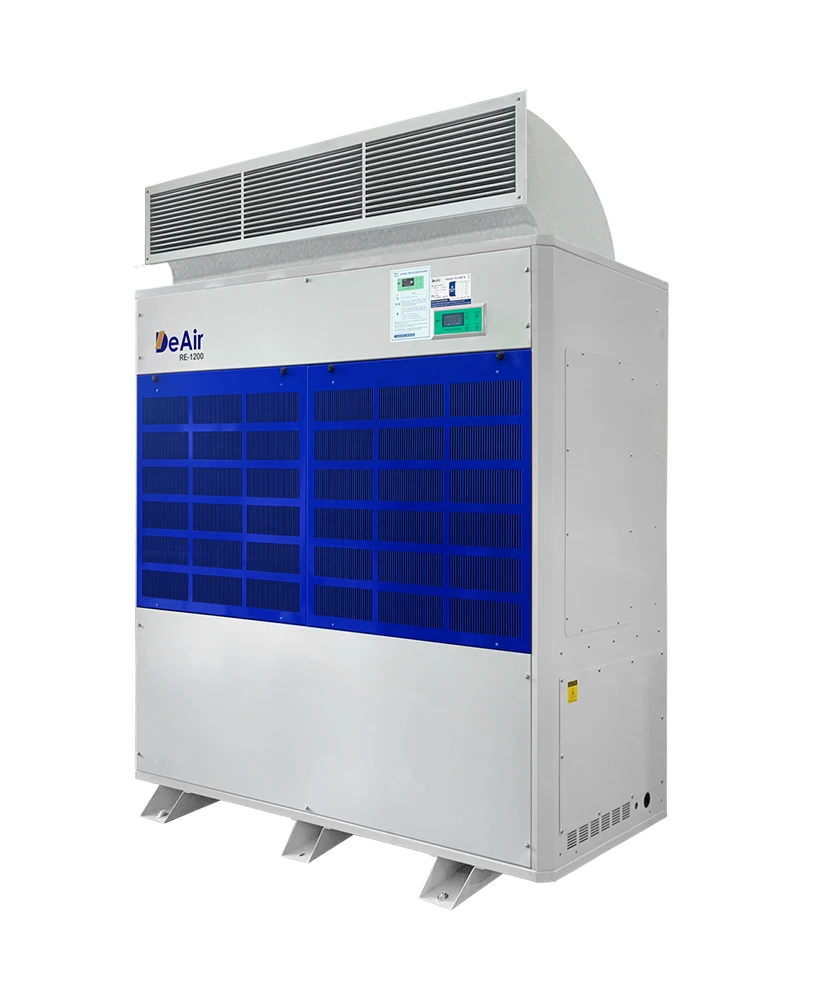 DeAir.RE
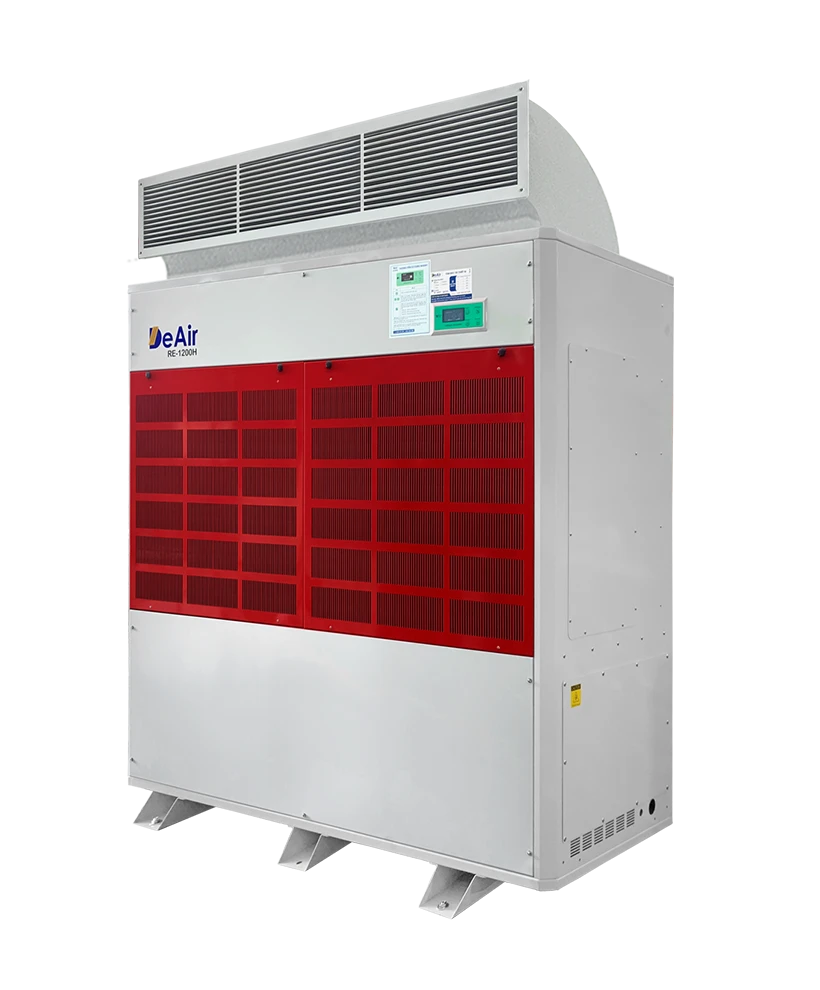 DeAir.RE-H
 DeAir.RE-INOX
 DeAir.CRE
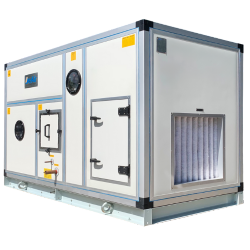 Dezenno
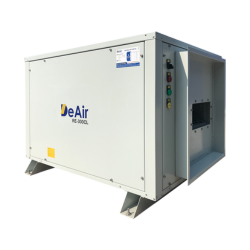 DeAir.RE-CL
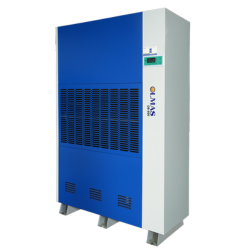 Olmas-OS
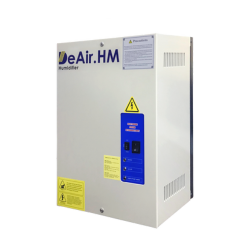 DeAir.HM
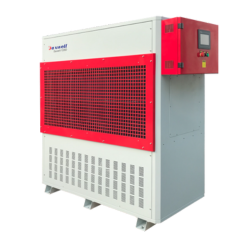 Daxwell
 DeAir.Heat
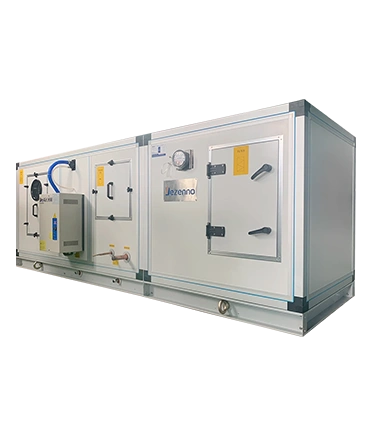 AHU
AHU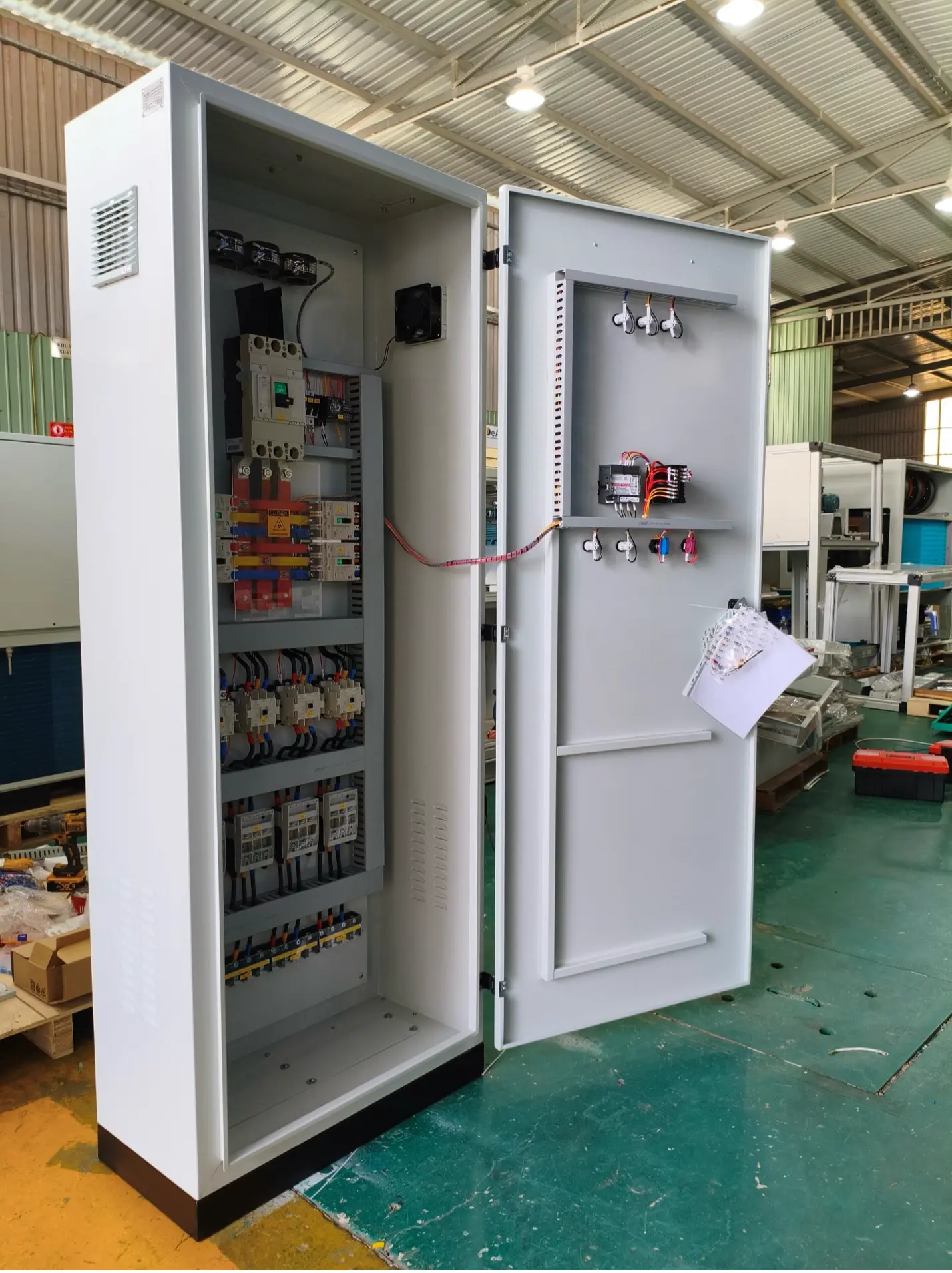









![[Case Study] DeAir Installs DeAir.De Rotor Humidity Control System for Pharmaceutical Plant in Binh Duong](https://deair.com.vn/thumbs/news/2023_04/ban_giao_may_cho_duoc_bd/[270x153-cr]image1-1024x772.jpg__cv.webp "[Case Study] DeAir Installs DeAir.De Rotor Humidity Control System for Pharmaceutical Plant in Binh Duong")

![[Review & Guide] Olmas OS-300: The New Humidity Control "Warrior" for Medium to Large Warehouses](https://deair.com.vn/thumbs/news/huong_dan_su_dung_may_olmas_21/[270x153-cr]vtm06440.png "[Review & Guide] Olmas OS-300: The New Humidity Control \"Warrior\" for Medium to Large Warehouses")