Don't Lose Export Contracts at the Final Hurdle: Humidity Control for Seafood Packaging & Labeling Areas
11/05/2026
Don't Lose Export Contracts at the Final Hurdle: Humidity Control Solutions for Seafood Packaging & Labeling Areas
Key Takeaways:
The "Fatal" Loophole: Many factories excel in freezing but fail in the packaging area due to high humidity causing product surface condensation (sweating).
Financial & Legal Risks: This phenomenon leads to peeling labels (loss of traceability), soggy cartons, and the risk of failing international audits (BRCGS, FDA) due to mold.
Technical Solution: Using a DeAir industrial dehumidifier to lower the air's dew point below the product's surface temperature, completely eliminating condensation.
Return on Investment (ROI): Save on wasted packaging costs, accelerate packaging speed (no manual wiping required), and absolutely protect brand reputation internationally.
In the export seafood processing industry, businesses often readily invest tens of billions of VND in cleanrooms, processing areas, and IQF freezers. However, the final stage that determines the "face" of the shipment—the Packaging Area—is frequently overlooked regarding humidity control. Frozen goods brought out instantly suffer from condensation, causing tape to fail, labels to peel, and cartons to turn mushy. Do not let your premium seafood shipments be rejected by partners or fail international audits just because of a packaging error at the final hurdle!
1. 3 Financial & Legal Pain Points in the Seafood Packaging Area
To convince Plant Managers or QA/QC Directors, we must look directly at the obvious damages when packaging area humidity goes uncontrolled:
Peeling Labels & Traceability Errors: Dew-covered PE/PA bags prevent labels from adhering properly and cause barcodes to smudge. Missing or inaccurate traceability information is a severe violation that prompts immediate rejection from EU/US customs.
Soggy Cartons & Collapsed Pallets: Carton paper is highly hygroscopic. In environments with >80% humidity, a carton's load-bearing capacity drops by over 50%. When stacked on pallets, bottom cartons are easily crushed, damaging the products inside.
Audit Failure Risks (BRCGS, IFS, FDA): A damp packaging area is an ideal breeding ground for mold on ceilings and panel walls. This is a "Critical" non-conformity that will cause a factory to instantly fail international food safety inspections.
A compliant packaging area must maintain dry packaging and firmly adhered labels to ensure traceability.
2. Physical Decoding: Why is the Packaging Area Prone to "Sweating"?
Unlike the cold storage environment, which is already controlled at sub-zero temperatures, the packaging area is an intersection of highly complex temperature differences.
The root of the problem is the Dew Point Phenomenon: When seafood blocks emerge from deep freezers (-18°C to -25°C), their surface temperature is extremely low. Upon contacting the air in the packaging area (typically maintained at 15°C - 20°C but with high humidity, over 80%), the massive amount of water vapor in the warm air instantly condenses into water droplets on the cold surface of the product packaging.
Mechanism of Controlling "Sweating" in the Packaging Area
❌ WITHOUT DEHUMIDIFIER
Packaging Area Air Humidity: > 85%
Dew Point Temperature: High (Around 14°C)
Product Surface Temp: -18°C
Result: Product temperature is lower than the Dew Point. Water vapor condenses instantly. Packaging gets soaked; tape loses adhesion.
✅ WITH DEAIR DEHUMIDIFIER
Packaging Area Air Humidity: Controlled at 50%
Dew Point Temperature: Lowered significantly
Product Surface Temp: -18°C
Result: Air is stripped of excess moisture, lowering the dew point. PE film surfaces remain completely dry and ready for labeling.
3. The DeAir Solution: Absolute Dryness, Brand Protection
To permanently resolve surface condensation, the factory needs a system capable of extracting excess water vapor from the air at low temperatures. The DeAir.RE Industrial Heat-pump Dehumidifier is the perfect choice:
Maintain the Golden Humidity (50% - 55%): The machine runs automatically via smart sensors, continuously drawing in humid air, cooling it to condense the water for drainage, and then blowing dry, warm air back into the room.
Specialized Design for Seafood Industry: Seafood environments contain high levels of salt and highly corrosive moisture. DeAir units are built with premium 304 Stainless Steel casings and Epoxy-coated condenser coils to prevent oxidation, ensuring the highest industrial hygiene standards.
Ensure Ambient Temperature: Unlike using electrical resistance heaters (which would thaw frozen goods), the DeAir heat pump simultaneously dehumidifies while keeping the packaging area temperature stable and cool (15-20°C).
4. ROI (Return on Investment) for Packaging Area Humidity Control
Many business owners mistakenly view a dehumidifier as an "expense," but in reality, it is an "investment" that yields direct profitability:
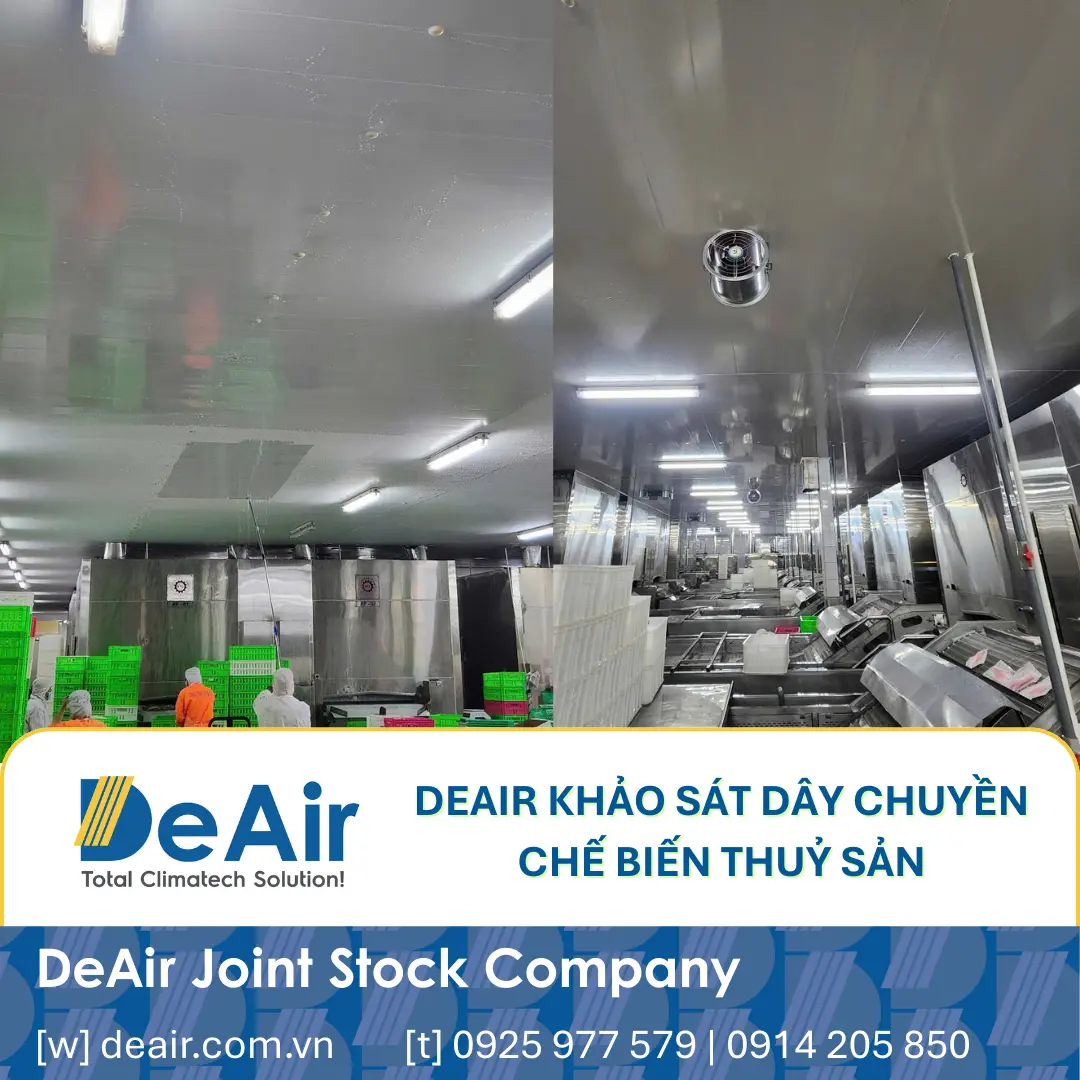
DeAir experts conduct field surveys to deliver the most precise humidity control strategies.
Save on Packaging Materials: Drastically eliminate hundreds of millions of VND annually spent discarding soggy, torn cartons and reprinting smudged labels.
Accelerate Packaging Lines: Workers no longer waste time manually wiping dry every PE film before applying labels and boxing. Packaging productivity increases by 20-30%.
Protect Brand Reputation: Shipments arrive at EU/US ports with pristine, square cartons and intact barcode labels, strengthening trust with international supermarket chains and easily passing annual Audits.
5. Frequently Asked Questions (FAQ)
Q1: Why not use Air Conditioners in "Dry" mode for the packaging area?
Answer: Air conditioners are only effective at dehumidifying when room temperatures are above 25°C. In packaging environments (15°C - 20°C), the evaporator coil will quickly freeze over if run continuously in Dry mode, causing the machine to lose its water extraction capability while consuming massive electricity. DeAir specialized dehumidifiers feature an auto-defrost mechanism, operating reliably at low temperatures.
Q2: Will the dehumidifier casing rust in a seafood environment?
Answer: Common machines on the market made of galvanized steel will rust within months due to salt vapor. However, DeAir's models specifically designed for the seafood sector are constructed with premium 304 Stainless Steel and Epoxy-coated coils, ensuring absolute corrosion resistance.
Q3: Will the installation affect the plant's current operations?
Answer: No. DeAir engineers will calculate the airflow and arrange ceiling-mounted machines or ductwork so it does not occupy floor space. Installation is done swiftly during night shifts or off-days to ensure zero disruption to production.
Elevate Your Export Packaging Standards
The packaging stage is the "face" of your export product. Do not let the premium quality of the seafood inside be undervalued just because of a flimsy carton and a smudged label outside.
Contact DeAir's team of expert engineers immediately for a free on-site survey and a specialized dehumidification system design for your plant's packaging area!
Medical & Quality Management References: [1] BRCGS (British Retail Consortium Global Standards) - Issue 9: Requirements for controlling environmental risks, ceilings, walls, and preventing condensation in food packaging areas. [2] FDA (Food and Drug Administration) - Food Safety Modernization Act (FSMA) regarding traceability risk controls due to labeling errors.


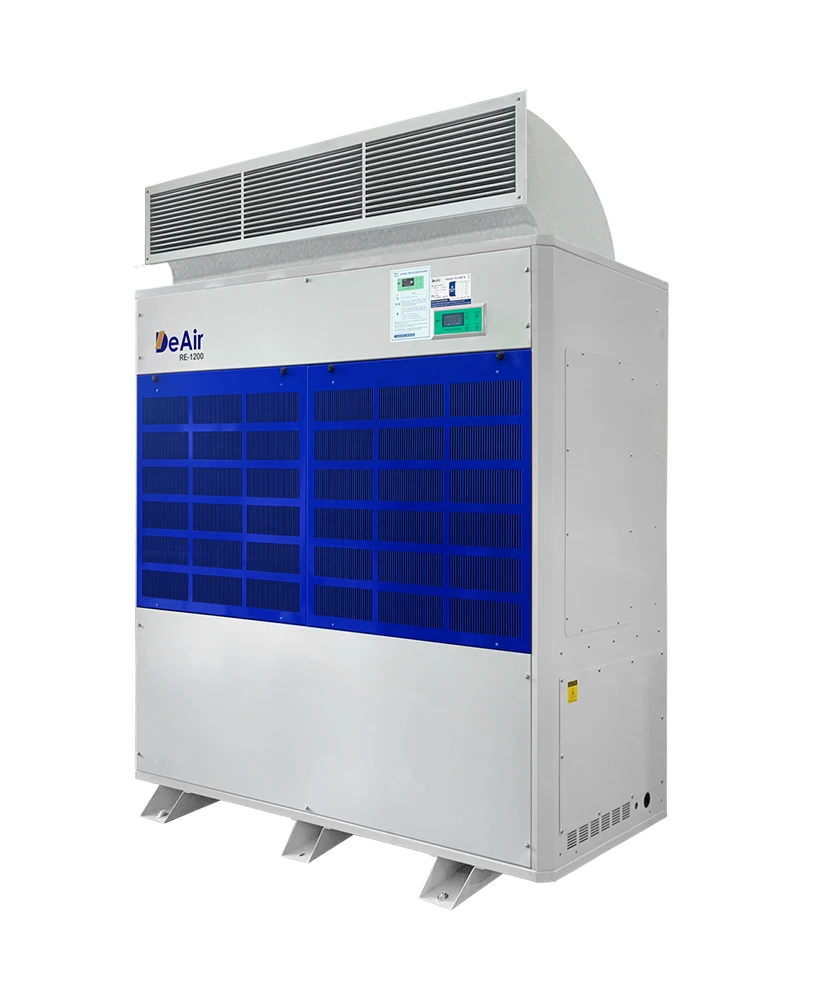 DeAir.RE
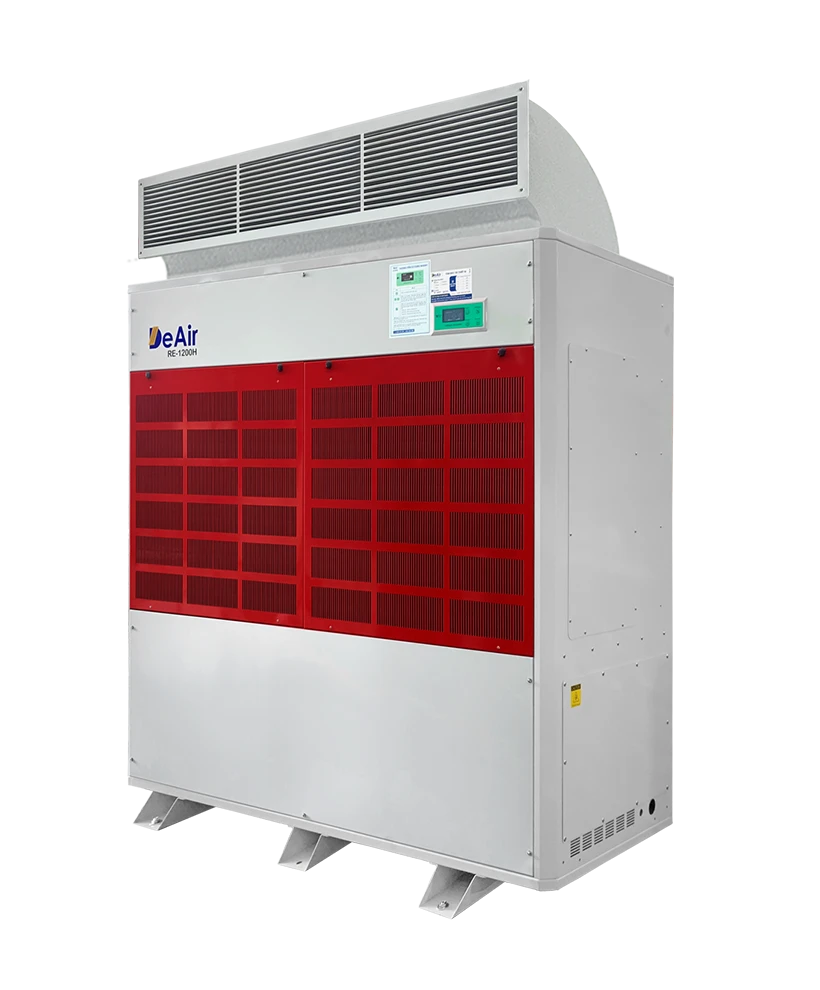 DeAir.RE-H
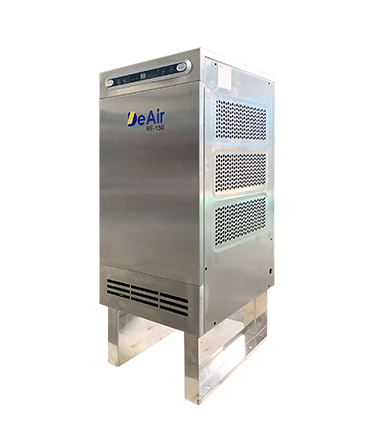 DeAir.RE-INOX
 DeAir.CRE
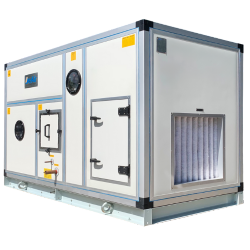 Dezenno
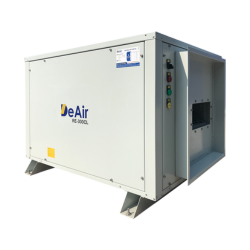 DeAir.RE-CL
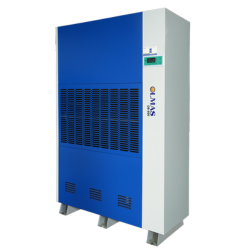 Olmas-OS
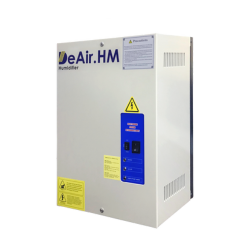 DeAir.HM
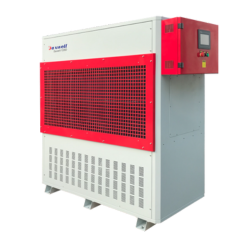 Daxwell
 DeAir.Heat
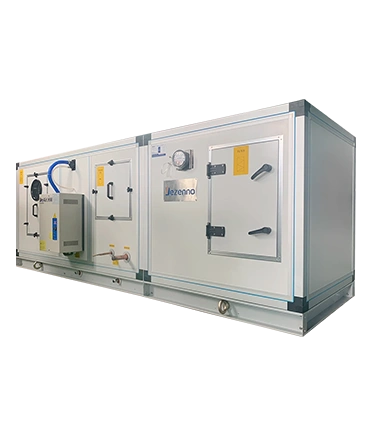 AHU
AHU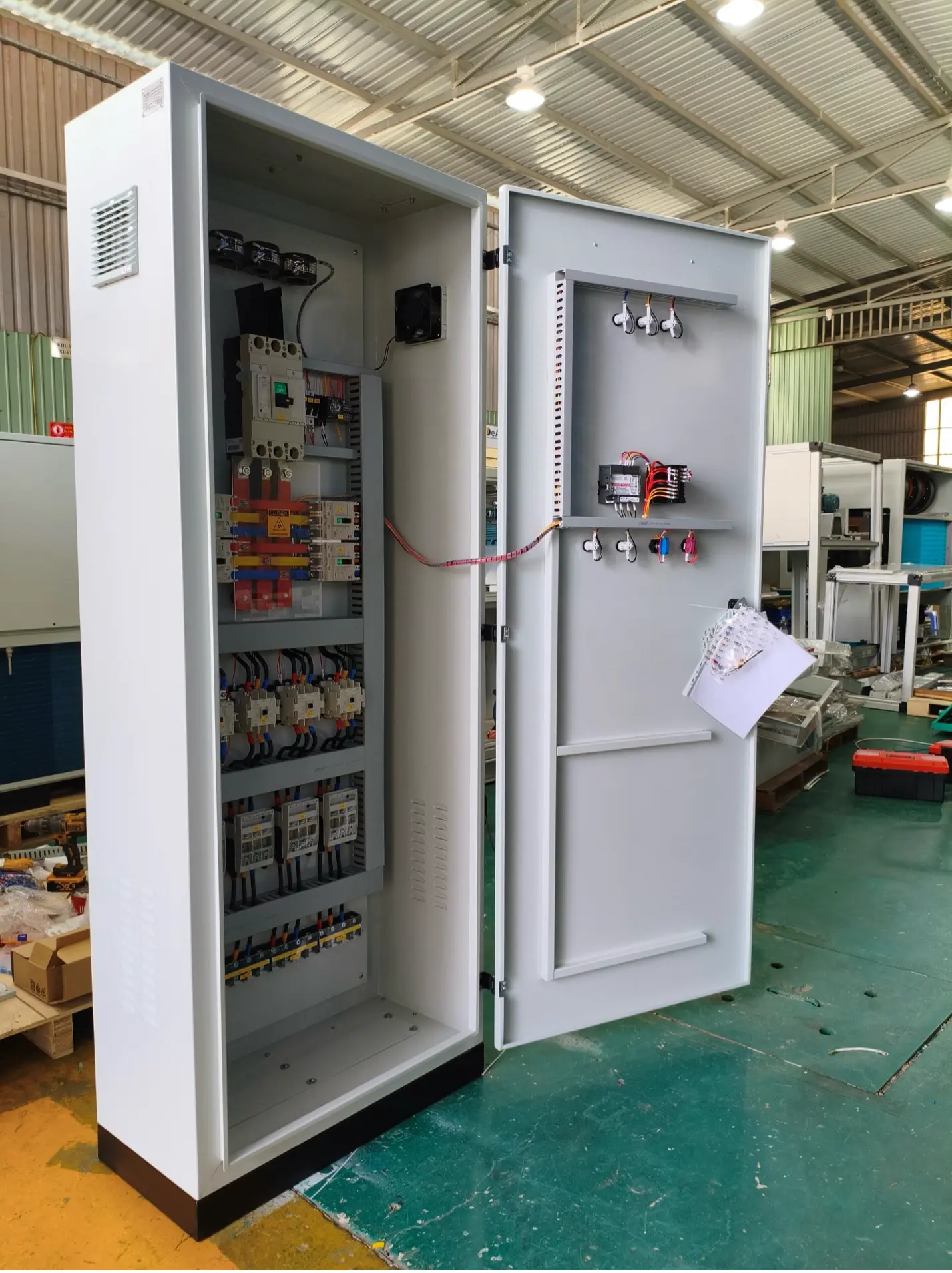






![[Case Study] DeAir Installs DeAir.De Rotor Humidity Control System for Pharmaceutical Plant in Binh Duong](https://deair.com.vn/thumbs/news/2023_04/ban_giao_may_cho_duoc_bd/[270x153-cr]image1-1024x772.jpg__cv.webp "[Case Study] DeAir Installs DeAir.De Rotor Humidity Control System for Pharmaceutical Plant in Binh Duong")
![[Review & Guide] Olmas OS-300: The New Humidity Control "Warrior" for Medium to Large Warehouses](https://deair.com.vn/thumbs/news/huong_dan_su_dung_may_olmas_21/[270x153-cr]vtm06440.png "[Review & Guide] Olmas OS-300: The New Humidity Control \"Warrior\" for Medium to Large Warehouses")