Context: A plastic pellet Quality Control (QC) room requires precise humidity control to ensure accurate physical and mechanical testing results.
The Challenge: Low humidity (<40% RH) causes static electricity, affecting weighing and testing; high humidity (>60% RH) causes pellets to absorb moisture, skewing test results.
The Solution: DeAir.HM-30S electrode humidifier, seamlessly integrated with the existing air conditioning system, providing precise humidity control within ±3% RH.
The Result: The QC room consistently maintains 50±5% RH, ensuring stable test results and saving installation costs by leveraging the existing HVAC infrastructure.
1. The Importance of Humidity Control in Plastic Pellet QC Rooms
1.1. The Impact of Humidity on Plastic Pellets
Ambient humidity has a direct and profound impact on the physical and mechanical properties of plastic pellets, especially engineering plastics like PA (Polyamide), PC (Polycarbonate), ABS, and PET.
⚠️ NEGATIVE IMPACTS OF UNCONTROLLED HUMIDITY
Low Humidity (<40% RH): Causes static electricity buildup, making pellets stick to equipment, complicating precise weighing, and affecting test accuracy.
High Humidity (>60% RH): Causes pellets (especially PA, PC, ABS) to absorb moisture, altering their mechanical properties and leading to inconsistent, skewed test results.
1.2. International Standards: ISO 291 & ASTM D618
International standards for plastic testing mandate strict environmental control conditions:
📋 STANDARD REQUIREMENTS
ISO 291: Temperature 23±2°C and humidity 50±5% RH for plastic testing.
ASTM D618: Specifies standard conditions of 23°C and 50% RH for testing the mechanical properties of plastics.
Mandatory Requirement: Test samples must be conditioned in a controlled environment prior to testing.
1.3. The Practical Problem
Standard air conditioning systems only provide cooling and cannot actively control humidity. This leads to significant daily fluctuations, especially during dry seasons (humidity drops below 40% RH) or rainy seasons (humidity spikes above 70% RH).
2. The Solution: DeAir.HM-30S Electrode Humidifier
2.1. Why Choose Electrode Technology?
✅ SUPERIOR ADVANTAGES OF ELECTRODE TECHNOLOGY
High Precision: Controls humidity within ±3% RH, meeting the strict demands of QC laboratories.
Hygienic: No humidifier pads to replace; only periodic electrode cleaning is required.
Cost-Effective Operation: High efficiency with low power consumption.
Safety: Automatic shut-off during low water levels, preventing overflow.
Sterile Steam Generation: Water is boiled to create steam, ensuring a hygienic environment for laboratories.
2.2. DeAir.HM-30S Technical Specifications
Humidification Capacity: 30 kg/h (720 kg/day).
Coverage Area: Suitable for rooms of 200-400 m² (depending on ceiling height).
Control System: PLC integrated with humidity and temperature sensors.
Connectivity: Easily integrates with existing HVAC/Air Conditioning systems via BMS signals or operates independently.
DeAir implemented a professional installation process, demonstrating superior technical capability in integrating humidification systems into existing infrastructure:
3.1. Survey & Integration Planning
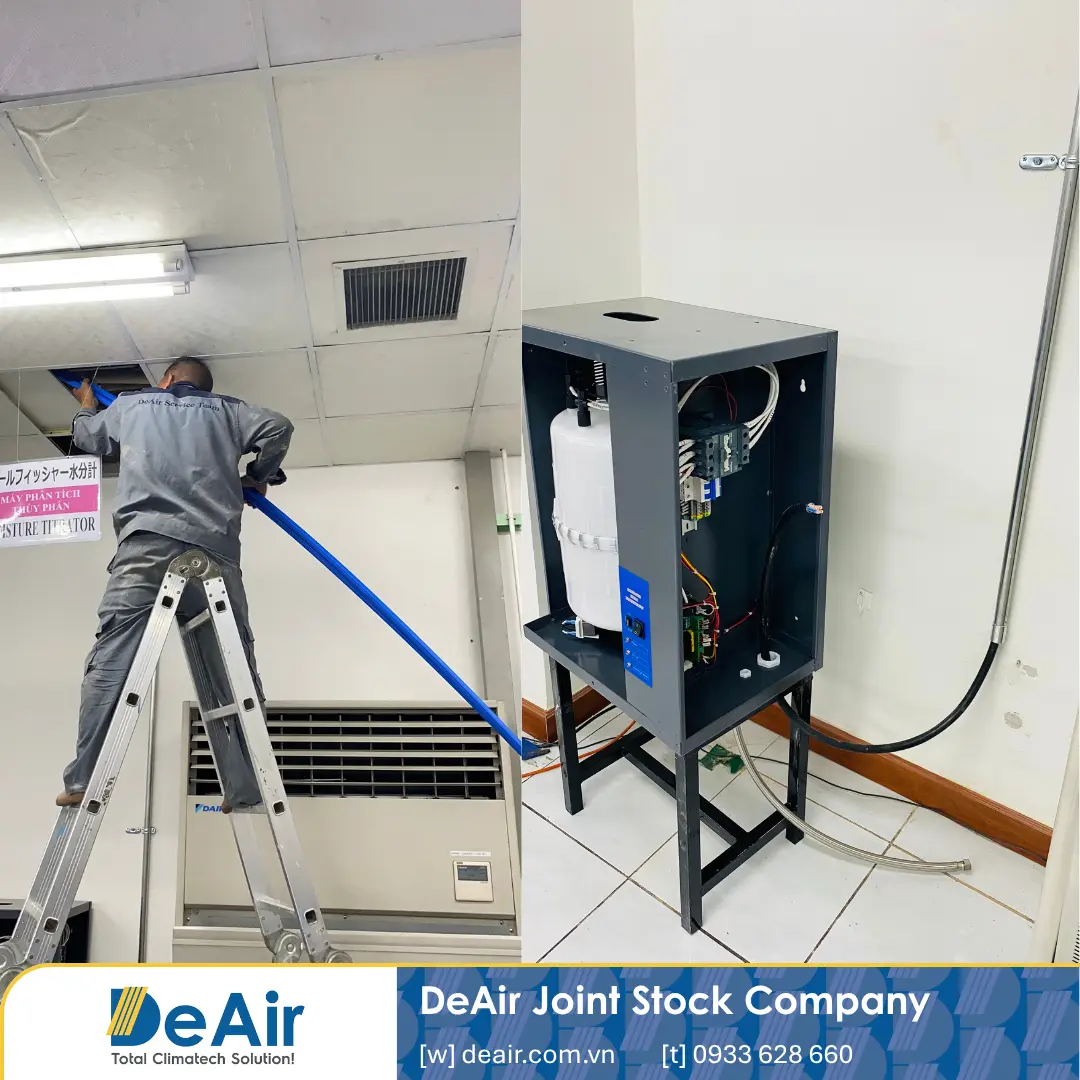
DeAir engineers surveyed the site, evaluated the capacity of the existing air conditioning system, calculated the required airflow to distribute steam evenly throughout the room, and planned the steam duct connection to the return air duct of the AC unit.
DeAir technicians installing the DeAir.HM-30S electrode humidifier at the optimal position in the QC room.
3.2. System Installation
The DeAir technical team executed professional installation tasks:
Placement: Positioned the humidifier near the air conditioning unit to optimize duct routing.
Water Connection: Connected the automatic water supply (with solenoid valve) and safe drainage system.
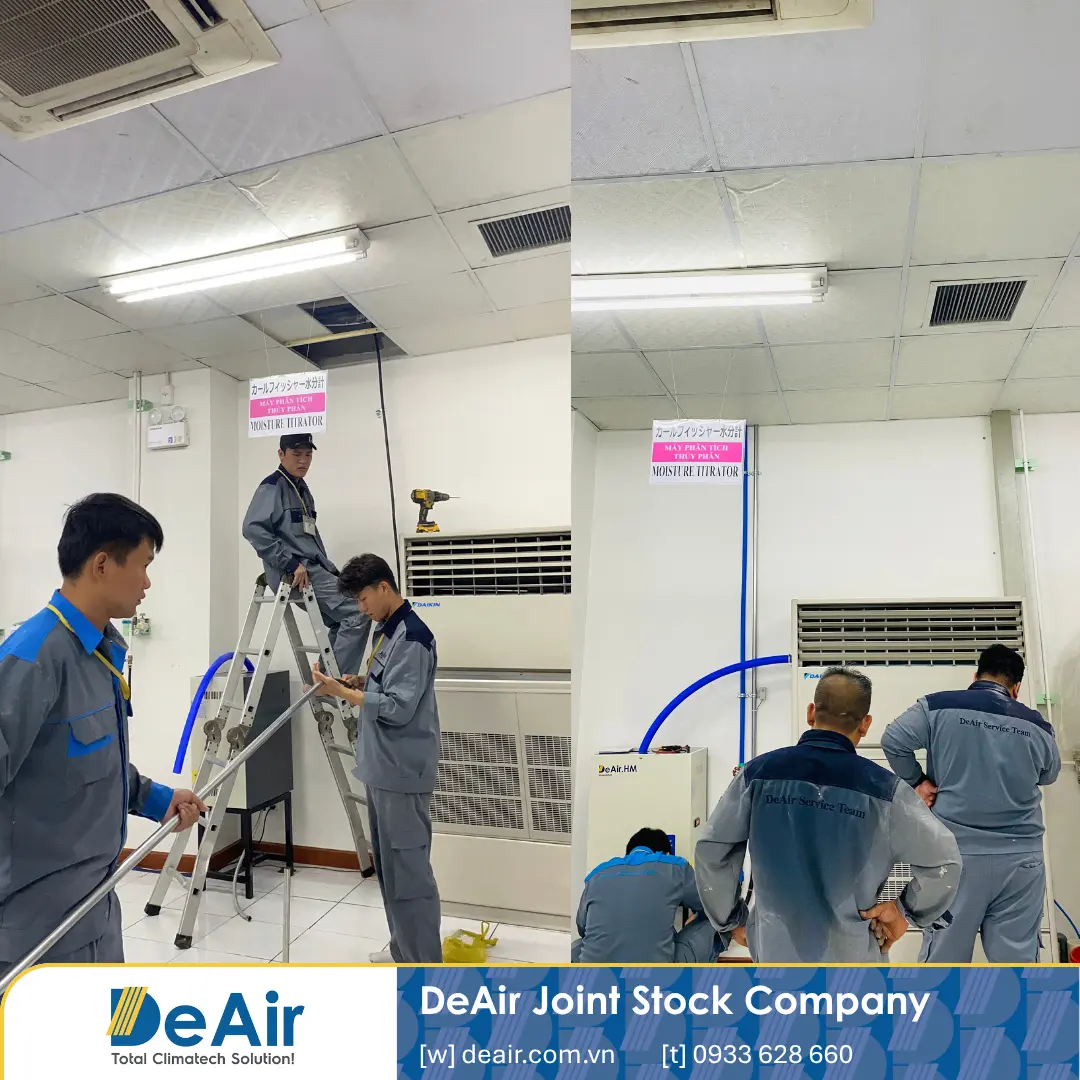
Duct Connection: Installed the steam distribution pipe into the AC's return air duct, ensuring the steam is thoroughly mixed before being blown into the room.
Electrical & Control Connection: Wired the 380V/3-phase power supply and connected the room's humidity/temperature sensors.
DeAir technician connecting the humidifier to the existing air conditioning system and conducting a test run.
3.3. Test Run & Calibration
After completing the installation, the technical team proceeded with:
System test runs to check for water or steam leaks.
Calibration of the target humidity setpoint (50% RH).
Verification of humidity uniformity at various locations within the QC room.
Training QC staff on equipment operation and parameter monitoring.
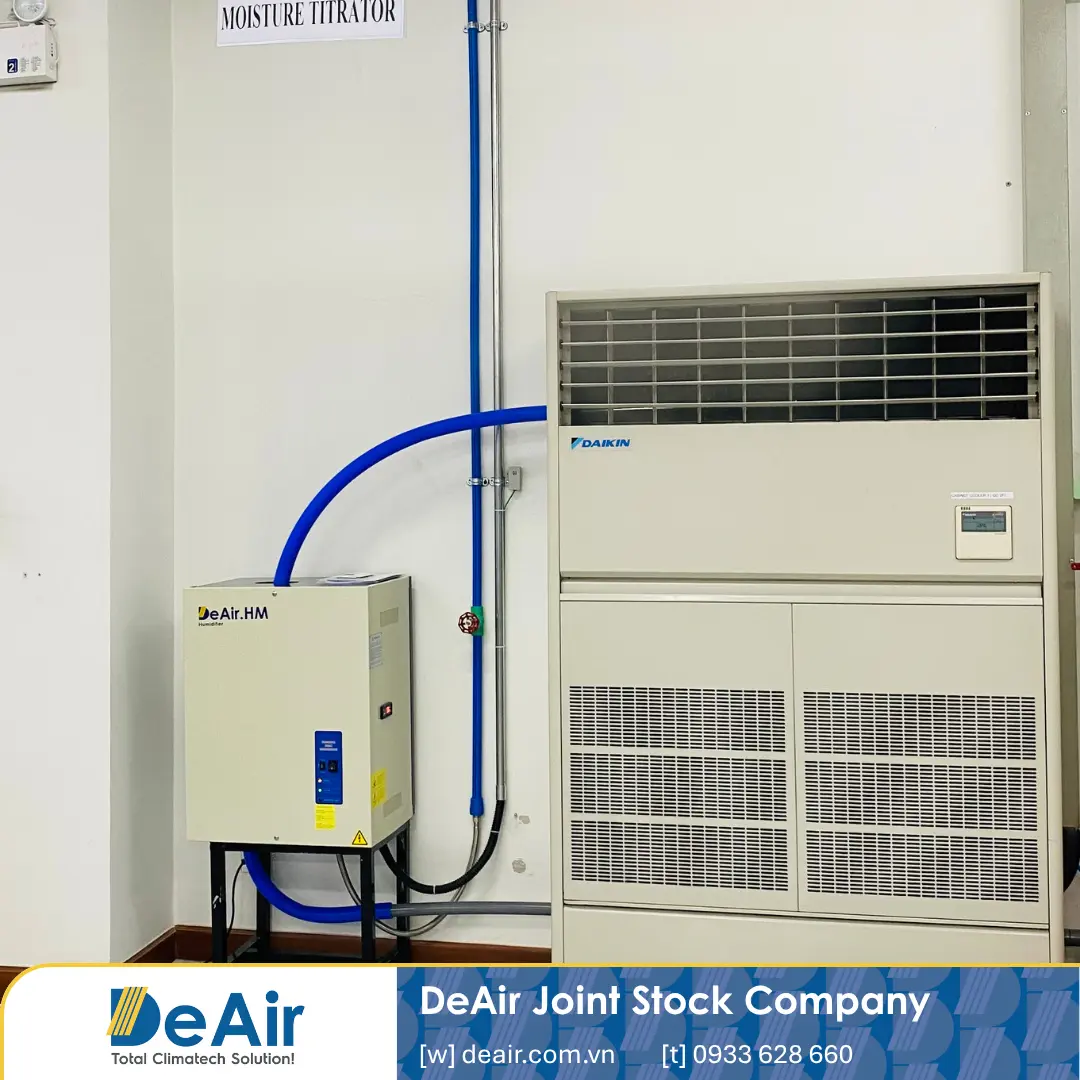
The DeAir.HM-30S humidifier system is fully installed and ready for stable operation in the plastic pellet QC room.
4. Achieved Results
4.1. Technical Performance
QC room humidity is stably maintained at 50±5% RH, with temperature at 23±2°C.
The system operates quietly, fully meeting designed technical specifications.
Seamless integration with the existing air conditioning system without disrupting operations.
4.2. Quality Assurance
Plastic pellet test results (tensile, compression, impact) are stable and highly reproducible.
Full compliance with ISO 291 / ASTM D618 standards for plastic testing.
Complete elimination of static electricity and moisture absorption issues in test samples.
4.3. Economic Impact
Leveraged the existing air conditioning system, saving the significant capital expenditure of installing a new AHU.
Low operating costs due to the high efficiency of electrode technology.
Reduced testing errors, saving costs on test samples and time.
5. Infographic: QC Room With vs. Without Humidifier
📊 COMPARISON: QC ROOM WITH VS. WITHOUT HUMIDIFIER
Criteria
Without Humidifier
With DeAir.HM-30S
Humidity Stability
High fluctuation (30-70% RH)
Stable at 50±5% RH
Test Results
Inconsistent, skewed data
Accurate, highly reproducible
Static Electricity
High (during low humidity)
Completely eliminated
Test Equipment Lifespan
Reduced due to static damage
Extended
Standard Compliance
Fails ISO/ASTM requirements
Fully compliant with ISO 291 / ASTM D618
Investment Cost
Low (but ineffective)
Optimized (leverages existing HVAC)
6. Frequently Asked Questions (FAQ)
Q1: Why use an electrode humidifier instead of an ultrasonic (mist) humidifier?
Electrode humidifiers generate steam by boiling water, ensuring sterile vapor, which is ideal for high-hygiene laboratory environments. In contrast, ultrasonic humidifiers can disperse bacteria and water minerals into the air, making them unsuitable for QC rooms. Additionally, electrode technology offers higher accuracy (±3% RH) and easier maintenance.
Q2: Will integrating this with the existing air conditioner damage the AC unit?
Not at all. DeAir designs professional integration systems where steam is distributed into the return air duct of the AC. The high airflow in this duct ensures the steam is thoroughly mixed before entering the room. The system is carefully calculated to avoid overloading the existing AC unit.
Q3: Does the machine require frequent maintenance?
The DeAir.HM-30S electrode humidifier features simple maintenance. The electrodes require periodic cleaning (typically replaced after 2-3 cleanings) to maintain optimal steam generation efficiency. DeAir provides bi-annual scheduled maintenance services to ensure the system always operates stably and efficiently.
Q4: Is the DeAir.HM-30S suitable for humidity-sensitive plastic pellets?
Yes. With a capacity of 30 kg/h and precise humidity control of ±3% RH, the DeAir.HM-30S is the ideal solution for humidity-sensitive plastics like PA, PC, ABS, and PET. The system ensures the environment is maintained at 50±5% RH, in strict compliance with ISO 291 / ASTM D618 standards, guaranteeing accurate and highly reproducible test results.
Ensure Accurate Test Results for Your QC Room!
With the DeAir.HM-30S electrode humidifier intelligently integrated into your existing HVAC system, DeAir commits to delivering precise humidity control environments that meet ISO/ASTM standards for your plastic pellet QC room.
Contact us now for an optimal solution consultation!


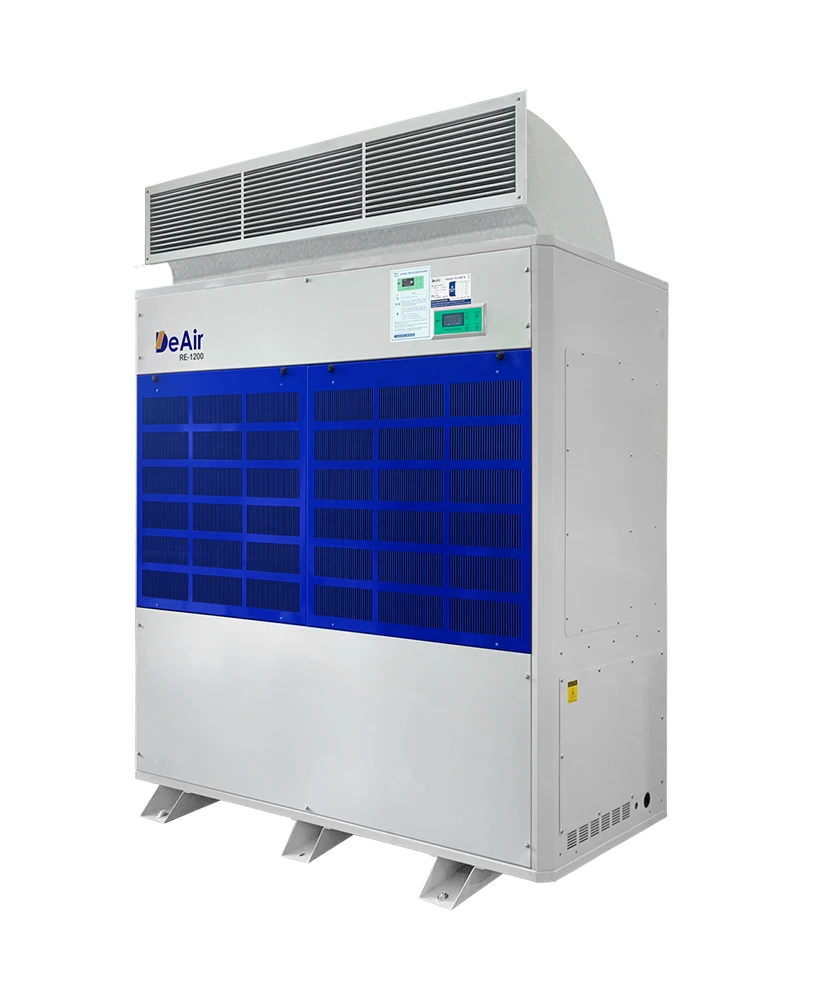 DeAir.RE
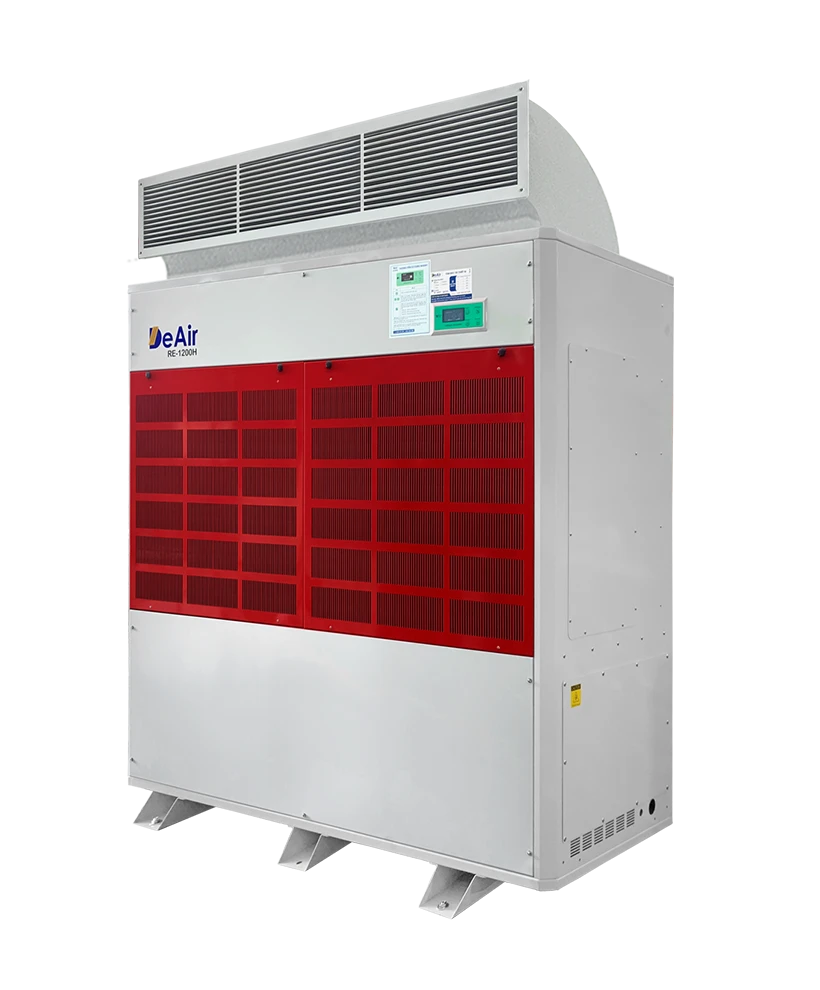 DeAir.RE-H
 DeAir.RE-INOX
 DeAir.CRE
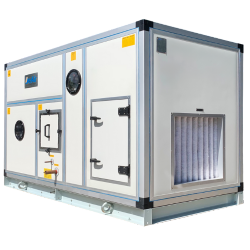 Dezenno
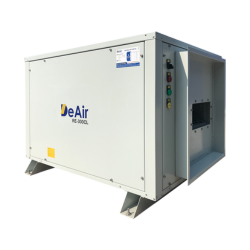 DeAir.RE-CL
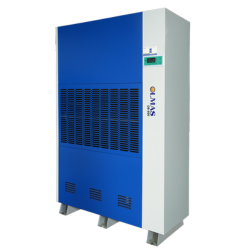 Olmas-OS
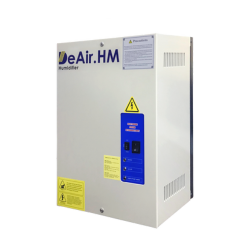 DeAir.HM
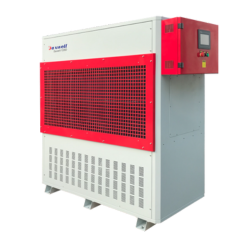 Daxwell
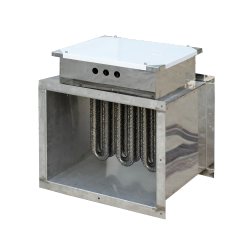 DeAir.Heat
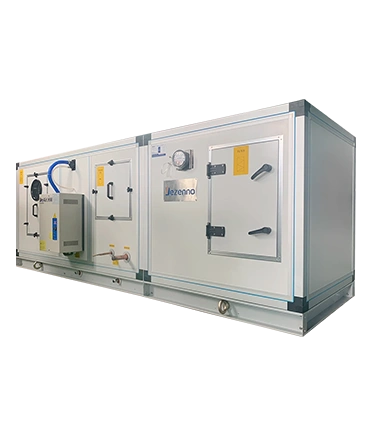 AHU
AHU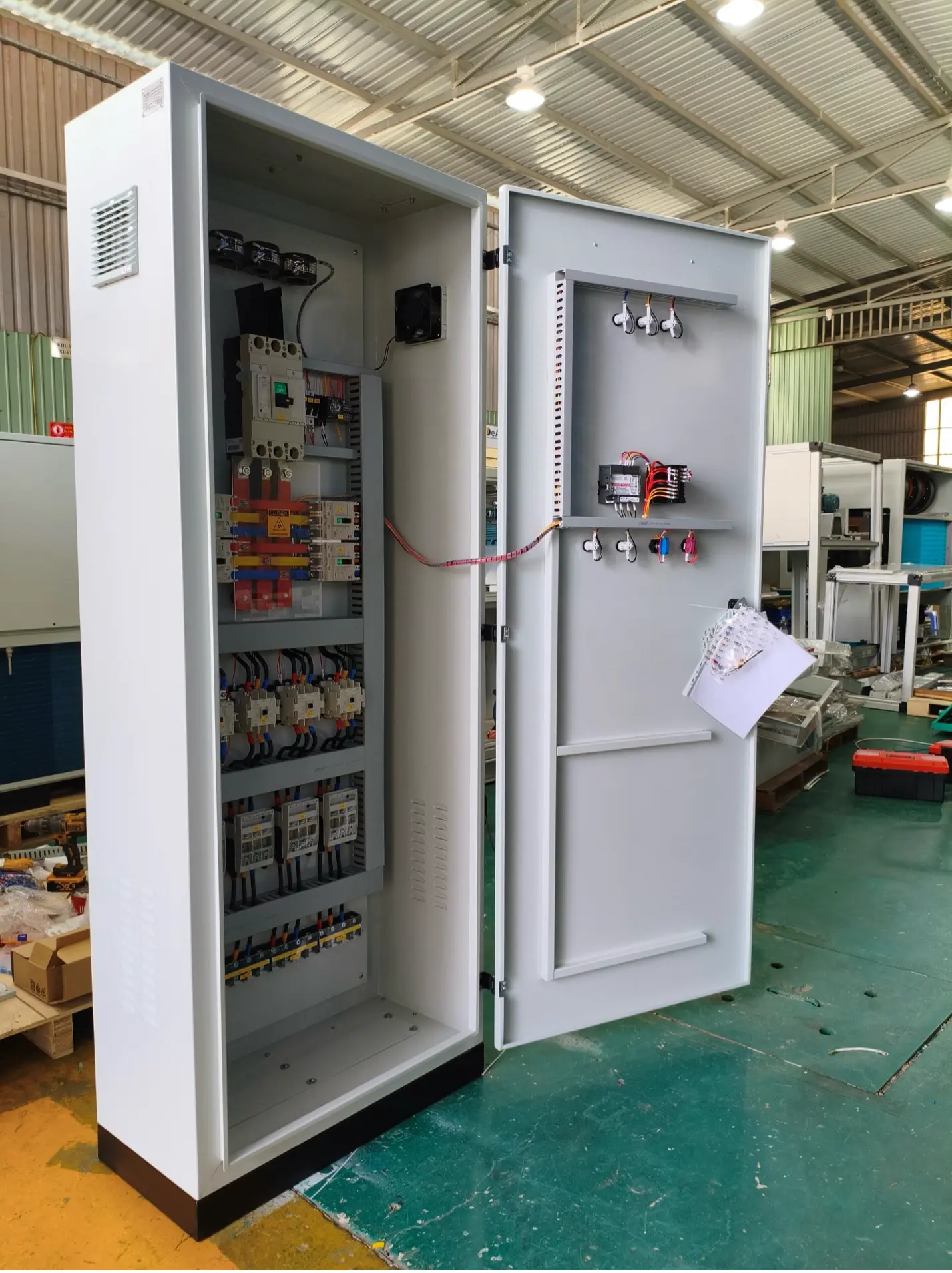





![[Case Study] DeAir Installs DeAir.De Rotor Humidity Control System for Pharmaceutical Plant in Binh Duong](https://deair.com.vn/thumbs/news/2023_04/ban_giao_may_cho_duoc_bd/[270x153-cr]image1-1024x772.jpg__cv.webp "[Case Study] DeAir Installs DeAir.De Rotor Humidity Control System for Pharmaceutical Plant in Binh Duong")

![[Review & Guide] Olmas OS-300: The New Humidity Control "Warrior" for Medium to Large Warehouses](https://deair.com.vn/thumbs/news/huong_dan_su_dung_may_olmas_21/[270x153-cr]vtm06440.png "[Review & Guide] Olmas OS-300: The New Humidity Control \"Warrior\" for Medium to Large Warehouses")