"Red Alert" for Warehouses in the Rainy Season: Humidity Control Solutions to Save Billions in Inventory
11/05/2026
"Red Alert" for Warehouses in the Rainy Season: Humidity Control Solutions to Save Billions in Inventory
Key Takeaways:
The Invisible Enemy: Rainy season humidity frequently exceeds 85-95%, directly causing mold, rust, and severely damaging product packaging.
Financial Consequences: Soggy cartons lead to collapsed pallets, electronic components short-circuit, and agricultural goods rot, resulting in billions of VND in damages.
The Ultimate Solution: Utilizing DeAir industrial dehumidifiers helps accurately control humidity ranges, comprehensively protecting warehouses automatically and energy-efficiently.
When prolonged rains arrive, air humidity frequently saturates at 90%, turning warehouses into giant moisture "incubators." For Supply Chain Directors and Warehouse Managers, this is a time of constant anxiety over goods being attacked by mold or packaging becoming soft and soggy. Warehouse humidity control in the rainy season is no longer an option, but a vital requirement to protect business profitability.
1. 4 "Financial Bleeding" Consequences Caused by Humidity
Excess humidity during the rainy season doesn't just sit there; it penetrates and destroys goods from the inside out:
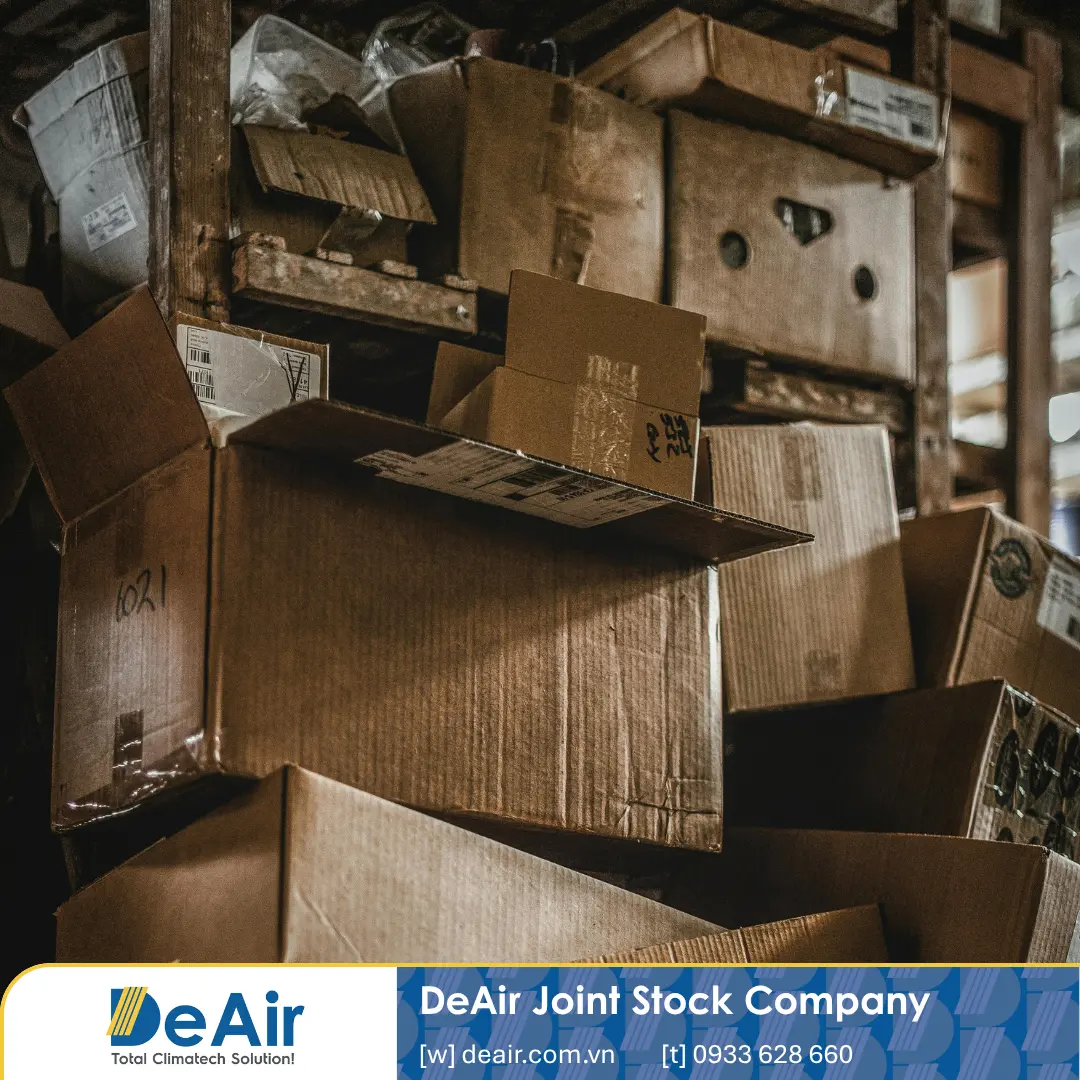
Goods attacked by mold cause severe economic damage to businesses.
Soggy Carton Boxes: Paper fibers absorb water and lose their bonding strength, causing cartons to collapse, leading to toppling pallets and dented products inside.
Mold Outbreaks: Causes yellow stains in garment warehouses, spoils agricultural products and dry foods, and creates an unbearable odor that cannot be remedied.
Metal Rust: Moisture acts as a catalyst for oxidation, rusting mechanical components and expensive machinery, and causing short circuits in electronic microchips.
Occupational Safety Hazards: The "sweating floor" phenomenon creates slippery surfaces for moving forklifts and workers, posing serious accident risks.
2. Classic Mistakes When Fighting Warehouse Humidity in the Rainy Season
Many businesses still employ temporary countermeasures that are highly ineffective, or even counterproductive:
Using Industrial Fans: Fans merely circulate the air without removing water particles. On rainy days, turning on fans actually "sucks" more humid air from outside deep into the warehouse.
Turning on ACs in "Dry" Mode: Consumes a massive amount of electricity but fails to dehumidify evenly across thousands of square meters, while also creating a freezing, uncomfortable working environment.
Using Desiccant Packets/Quicklime: Only effective in ultra-small, enclosed spaces (like shipping boxes). For an industrial warehouse scale, this method is hopeless and wastes manual labor.
3. DeAir Industrial Dehumidifiers - The "Shield" Protecting Your Goods
To resolve this thoroughly, businesses need a system capable of extracting water vapor from the air and draining it out. This is exactly the mission of DeAir's specialized industrial dehumidifiers.
Why are DeAir industrial dehumidifiers the top choice?
Powerful Moisture Extraction Capacity: Processes hundreds to thousands of liters of water per day, rapidly reducing humidity even during the heaviest storms.
100% Automated Operation: Smart sensors allow the machine to start automatically when humidity exceeds the threshold and shut off when safe levels (e.g., 50%) are reached, requiring no manual supervision.
Energy-Saving Heat-pump Technology: Reduces operating costs by up to 50% compared to traditional models or air conditioning systems thanks to heat recovery mechanisms.
Industrial Durability: "Built like a tank" with electrostatic painted steel casing and premium refrigeration components capable of withstanding 24/7 operational loads.
4. Dehumidifier Configuration Consultation by Industry Specifics
Depending on the type of stored goods, sensitivity to humidity varies. Accurately determining the "target humidity" helps design the most cost-effective machine configuration.
Safe Humidity Standards For Various Warehouses
45-55%
Paper & Packaging
Keeps cartons sturdy, prevents mold.
50-60%
Agriculture & Food
Prevents mold and pest infestations.
55-65%
Garments & Footwear
Prevents yellowing and foul odors.
< 40%
Pharma & Microchips
Prevents oxidation, preserves medicines.
Based on the standards above, DeAir experts recommend:
For industries requiring average humidity (50% - 65%): The most suitable solution is the DeAir.RE Heat-pump condensation dehumidifier with high airflow, efficiently handling large spaces.
For pharmaceutical and microchip warehouses requiring ultra-low and absolutely stable humidity (< 40%): The optimal solution is the Dezenno Desiccant Rotor dehumidifier, specialized for deep moisture extraction.
A consistently dry, clean warehouse helps businesses protect brand reputation and optimize profits.
5. Frequently Asked Questions (FAQ)
Q1: Is a dehumidifier effective if warehouse doors are constantly open (forklifts moving in and out)?
Answer: Constant door openings allow moisture to flood in (known as infiltration load). However, dehumidifiers still operate effectively if engineers calculate a capacity buffer beforehand. Additionally, DeAir always advises clients to install PVC strip curtains at the doors to optimize moisture insulation.
Q2: Do large-capacity industrial dehumidifiers consume a lot of electricity?
Answer: No. By applying Heat-pump technology (circulating heat recovery), DeAir dehumidifiers save up to 50% in electricity compared to running air conditioners in Dry mode. Moreover, the machines feature auto-shutoff sensors when the target humidity (e.g., 55%) is reached, keeping operating costs to a minimum.
Q3: How do I know how many machines are needed for a 1,000m² warehouse?
Answer: Machine capacity (liters/day) depends not only on the area (m²) but also on the volume (warehouse height), the number of workers, moisture released from goods, warehouse airtightness, and target humidity. DeAir engineers need to conduct a site survey to provide the most accurate calculation formula and machine quantity for your facility.
Don't Let Humidity Devour Your Profits
Investing in an industrial dehumidifier is buying a lifetime "insurance policy" for your warehouse against the devastation of rainy season weather.
Don't wait until goods turn moldy to scramble for a solution. Contact DeAir now so our engineering team can conduct an on-site survey, measure parameters, and design a specialized humidity control system for your business today!
Medical & Scientific References: [1] ASHRAE (American Society of Heating, Refrigerating and Air-Conditioning Engineers) - Standards for humidity control in warehouse spaces. [2] WHO (World Health Organization) - Guidelines for indoor air quality, warning against toxic mold growth in environments with humidity above 60%.


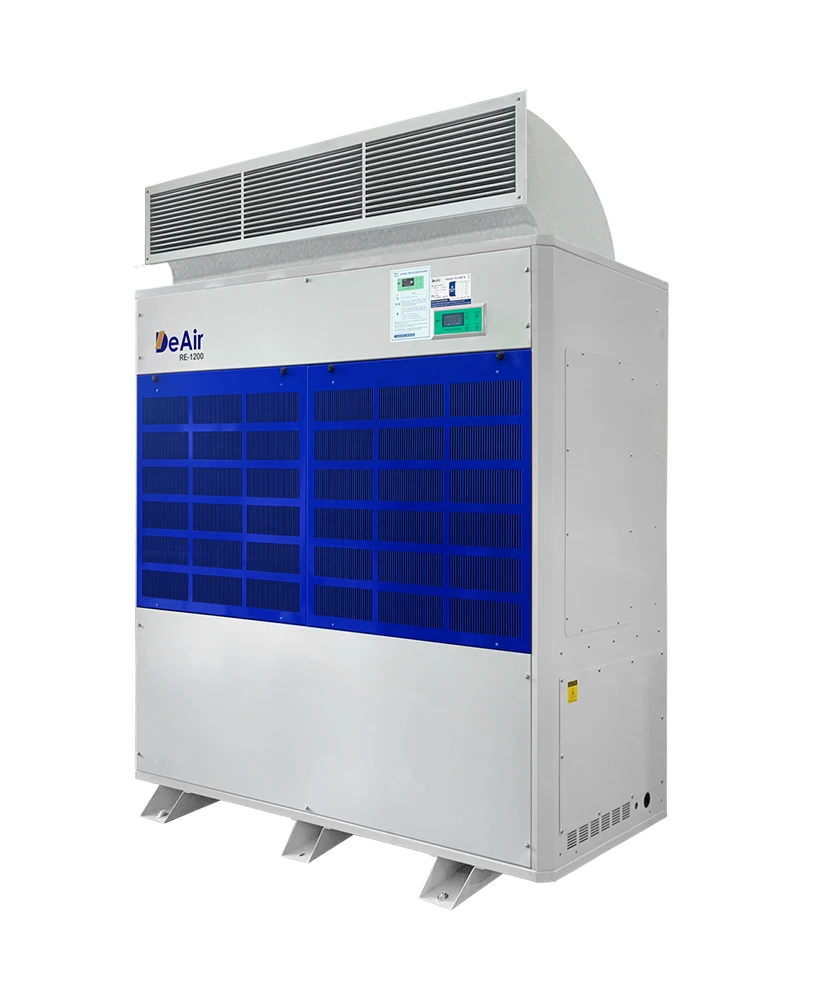 DeAir.RE
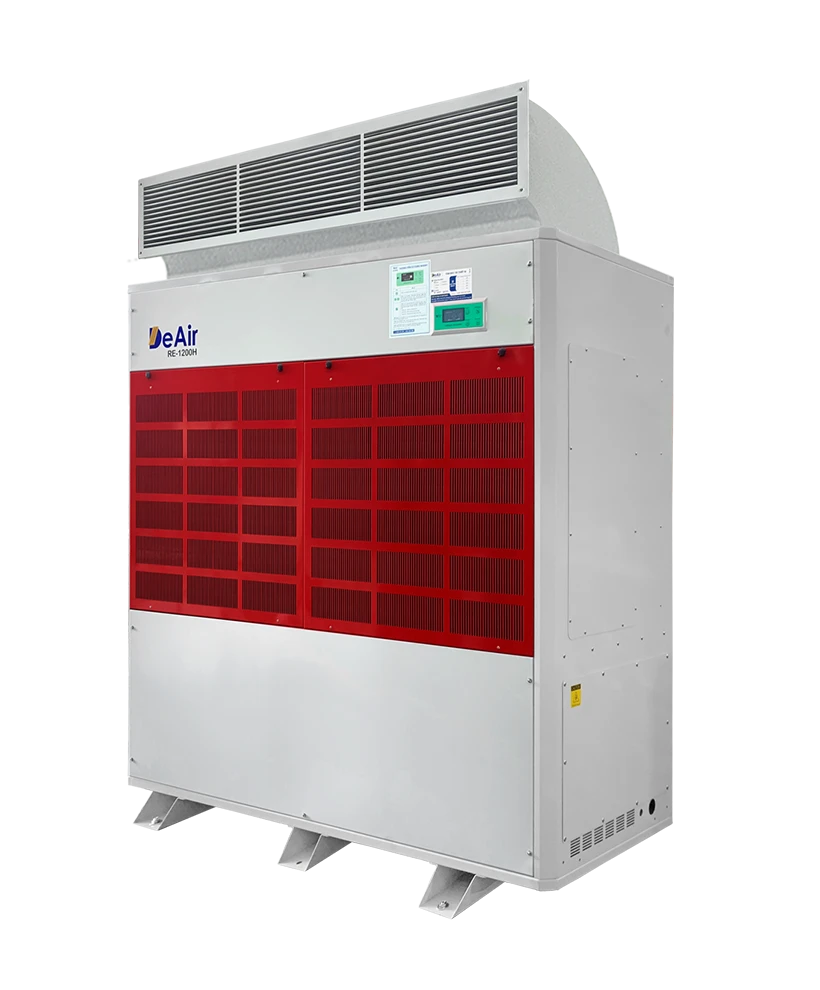 DeAir.RE-H
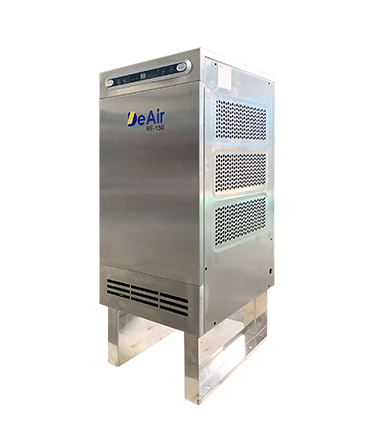 DeAir.RE-INOX
 DeAir.CRE
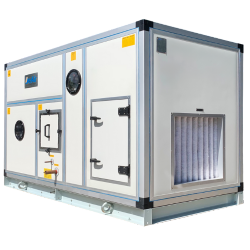 Dezenno
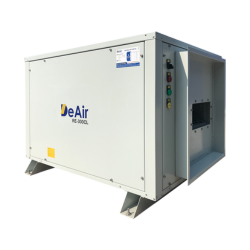 DeAir.RE-CL
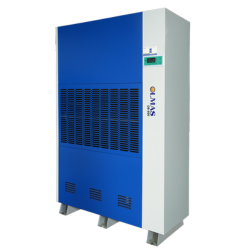 Olmas-OS
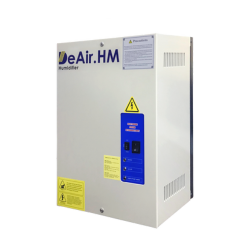 DeAir.HM
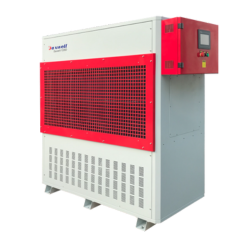 Daxwell
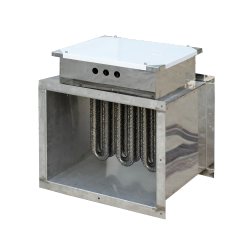 DeAir.Heat
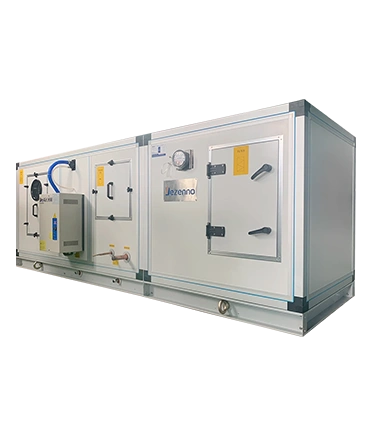 AHU
AHU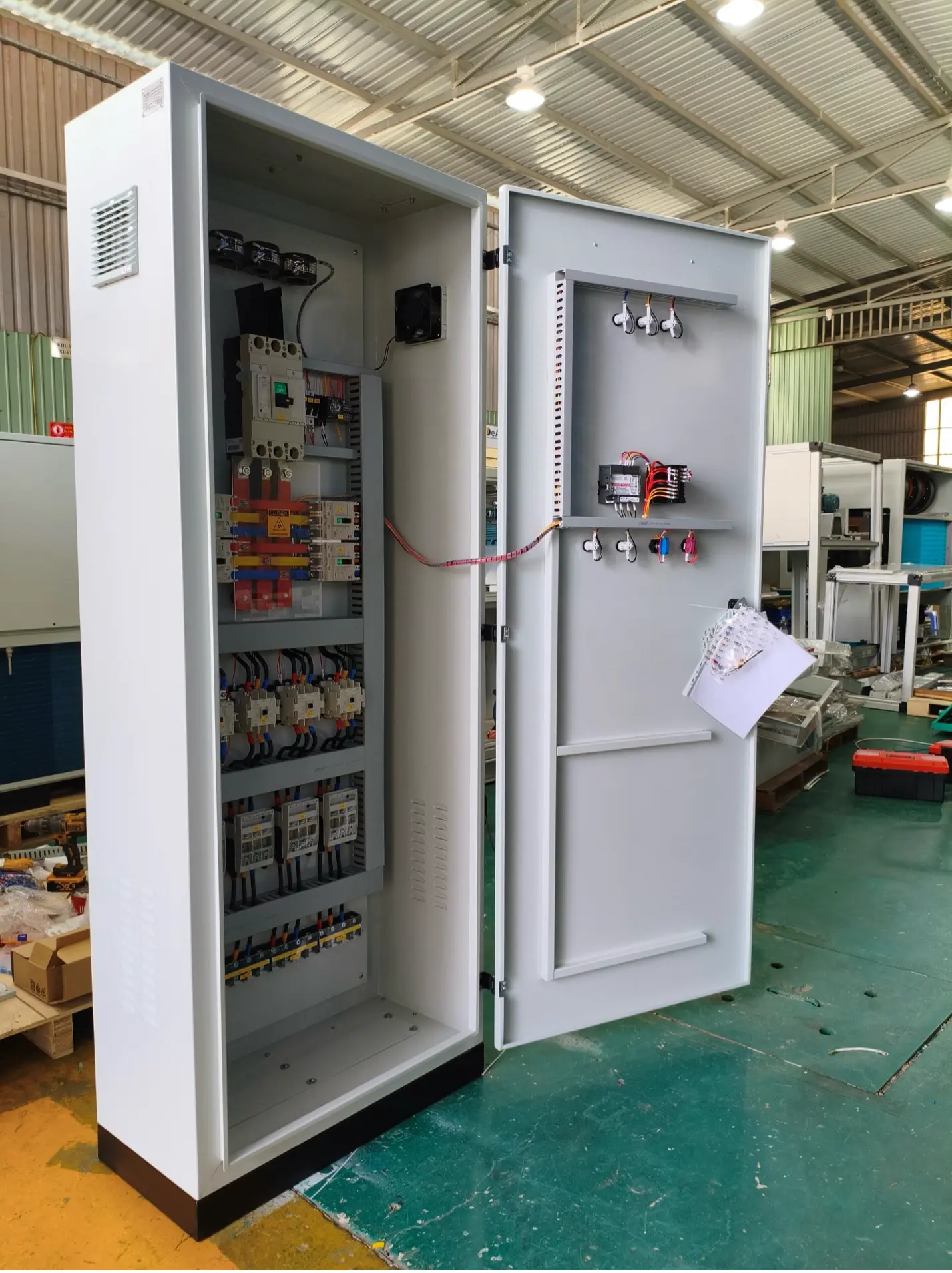







![[Case Study] DeAir Installs DeAir.De Rotor Humidity Control System for Pharmaceutical Plant in Binh Duong](https://deair.com.vn/thumbs/news/2023_04/ban_giao_may_cho_duoc_bd/[270x153-cr]image1-1024x772.jpg__cv.webp "[Case Study] DeAir Installs DeAir.De Rotor Humidity Control System for Pharmaceutical Plant in Binh Duong")

![[Review & Guide] Olmas OS-300: The New Humidity Control "Warrior" for Medium to Large Warehouses](https://deair.com.vn/thumbs/news/huong_dan_su_dung_may_olmas_21/[270x153-cr]vtm06440.png "[Review & Guide] Olmas OS-300: The New Humidity Control \"Warrior\" for Medium to Large Warehouses")