Context: Both desiccant (rotor) and mechanical refrigeration (heat-pump) dehumidifiers can remove moisture from the air, but each has distinct advantages and limitations.
The Key Question: How to choose the most suitable technology for a specific business application?
The Solution: Understand the operating principles, application ranges, and operating costs of each technology to make an optimized, data-driven decision.
Conclusion: In many complex applications, combining both technologies yields the highest efficiency and best return on investment.
1. Introduction to the Two Main Dehumidification Technologies
Operating Principle: Cools the air below its dew point to condense water vapor into liquid, which is then drained away.
🔧 DEAIR PRODUCT LINES
DeAir.RE Series (Floor-standing)
DeAir.RE-H Series (High-temperature resistant)
DeAir.RE-CL Series (Ceiling-mounted)
DeAir.CRE Series (Isothermal)
Olmas Series (Industrial/Commercial)
Key Advantage: Highly efficient at high temperatures and high moisture levels, offering significant energy savings via heat-pump technology.
1.2. Desiccant Dehumidification (Rotor)
Operating Principle: Uses a rotating silica gel rotor wheel to adsorb moisture from the air. The rotor is continuously regenerated using a separate stream of heated air to expel the absorbed moisture.
🔧 DEAIR PRODUCT LINES
Dezenno.DE Series (320 to 18,000 CMH)
Dezenno.MAX AHU with integrated desiccant rotor
Key Advantage: Capable of achieving ultra-low humidity (<45% RH down to <1% RH), operates effectively at low temperatures, and is immune to coil freezing.
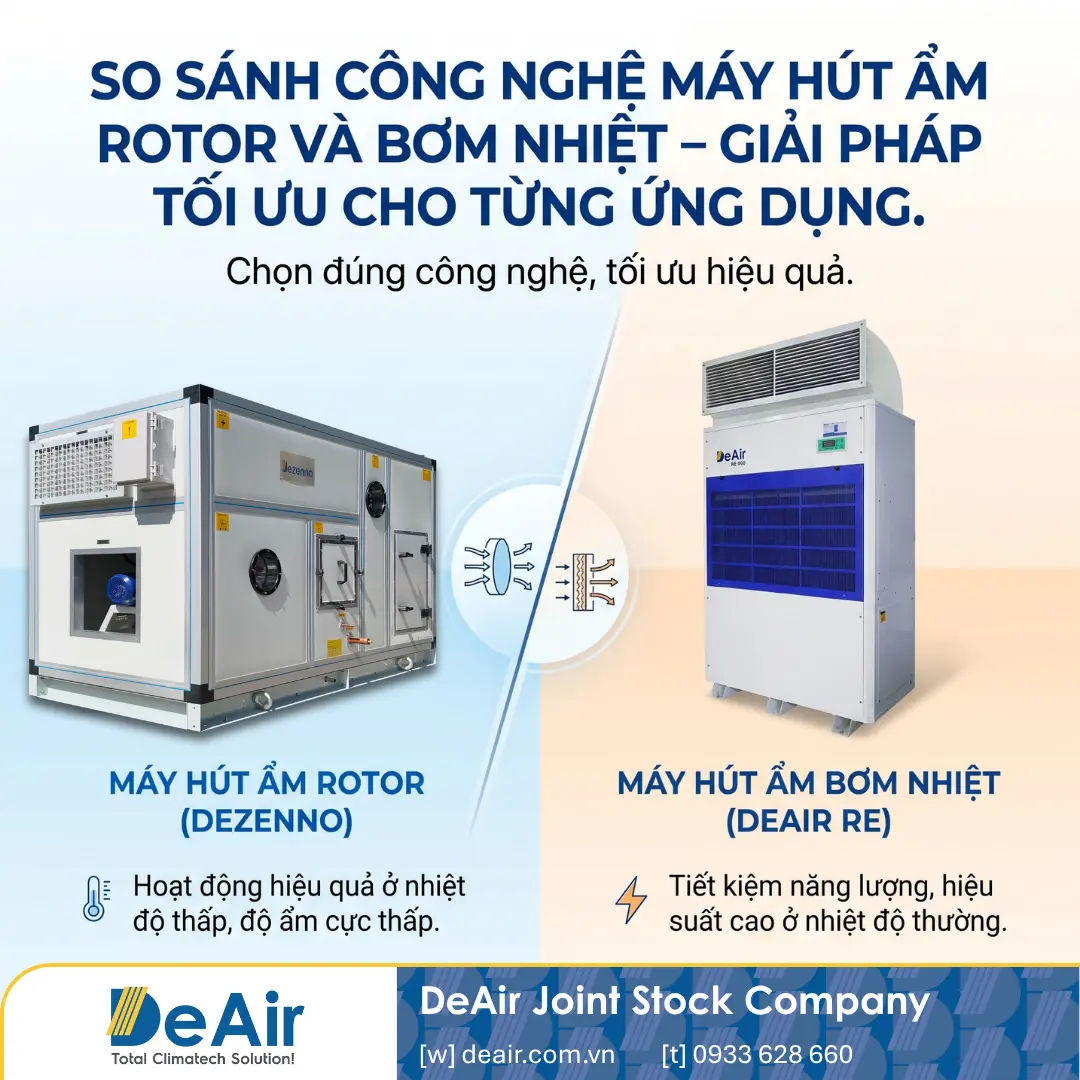
Visual comparison between Heat-Pump and Desiccant Rotor dehumidification technologies.
2. Detailed Comparison: When to Use Which Technology?
2.1. Target Humidity Range
⚠️ HEAT-PUMP (MECHANICAL REFRIGERATION)
Most efficient at: Humidity levels >45% RH.
Limitation: Struggles to maintain humidity below 45% RH. To achieve 40% RH, the cooling coil temperature must drop to -1°C (30°F), causing ice formation and drastically reducing moisture removal capacity.
Costly workarounds: Defrost cycles, tandem coils, or brine solutions are cumbersome and expensive.
✅ DESICCANT (ROTOR)
Most efficient at: Humidity levels <45% RH, down to <1% RH.
Heat-Pump: Highly efficient at high temperatures and high humidity. Efficiency drops significantly at low temperatures (<15-18°C) unless equipped with a defrost system.
Desiccant: Operates highly efficiently at low temperatures and low moisture levels without any performance degradation from freezing.
2.3. Operating Costs: Electrical vs. Thermal Energy
💰 THE DECIDING FACTOR
The relative costs of electrical power versus thermal energy (e.g., natural gas or steam) determine the ideal mix of technologies for a given application:
If thermal energy is cheap and electricity is expensive: A desiccant-based system is often the most economical choice to remove the bulk of the moisture.
If electricity is cheap and thermal energy for reactivation is costly: A refrigeration-based (heat-pump) system may be the most efficient choice.
DeAir showcasing both Heat-Pump and Rotor dehumidifier models at a recent industry exhibition.
3. The Hybrid Solution: The Perfection of Combined Technologies
3.1. Operating Principle
Utilizing a pre-cooling coil (DX or chilled water) before the air enters the desiccant rotor dehumidifier.
3.2. Benefits
Pre-cooling coil: Removes the bulk of the initial sensible heat and latent moisture.
Desiccant rotor: Handles the remaining moisture load to achieve ultra-low humidity levels.
Optimization: Maximizes overall system efficiency and minimizes total operating costs.
3.3. Real-World Applications at DeAir
Custom system design combining DeAir.RE (heat-pump) + Dezenno (rotor).
Integration of Dezenno.MAX AHUs with built-in desiccant rotors.
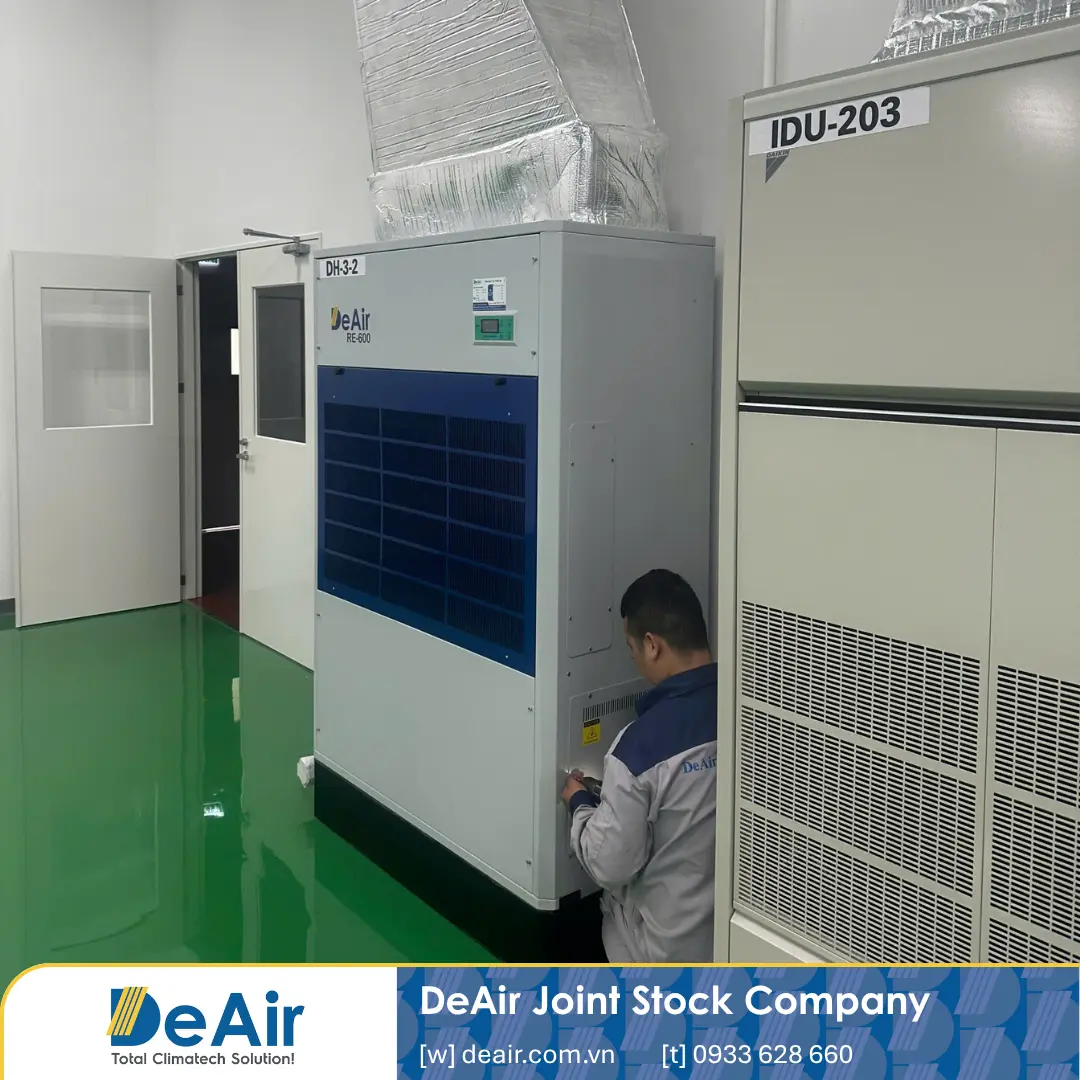
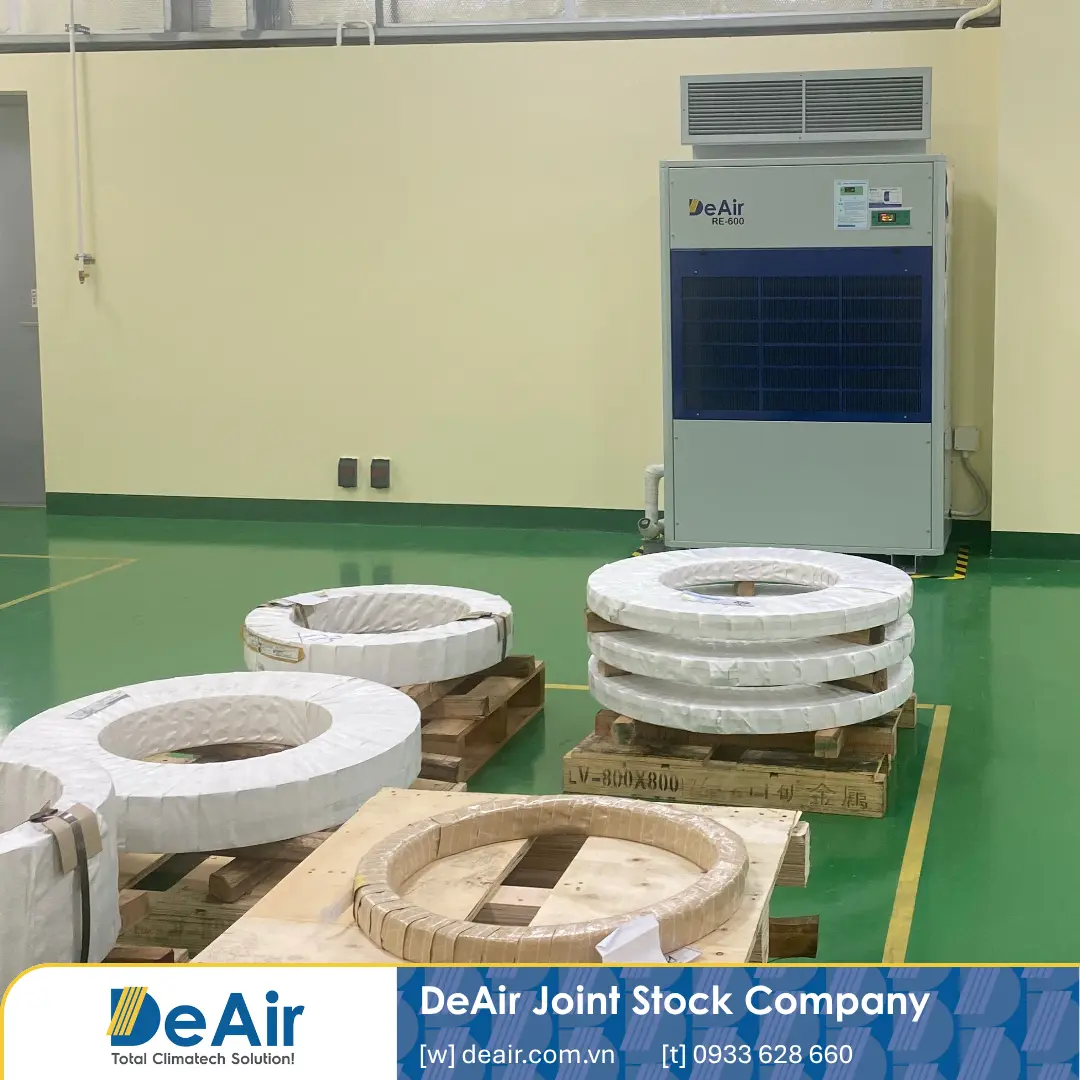
DeAir engineers installing a DeAir.RE-600 heat-pump dehumidifier in a precision machinery warehouse.
DeAir.RE heat-pump system ensuring stable humidity for precision machinery storage.
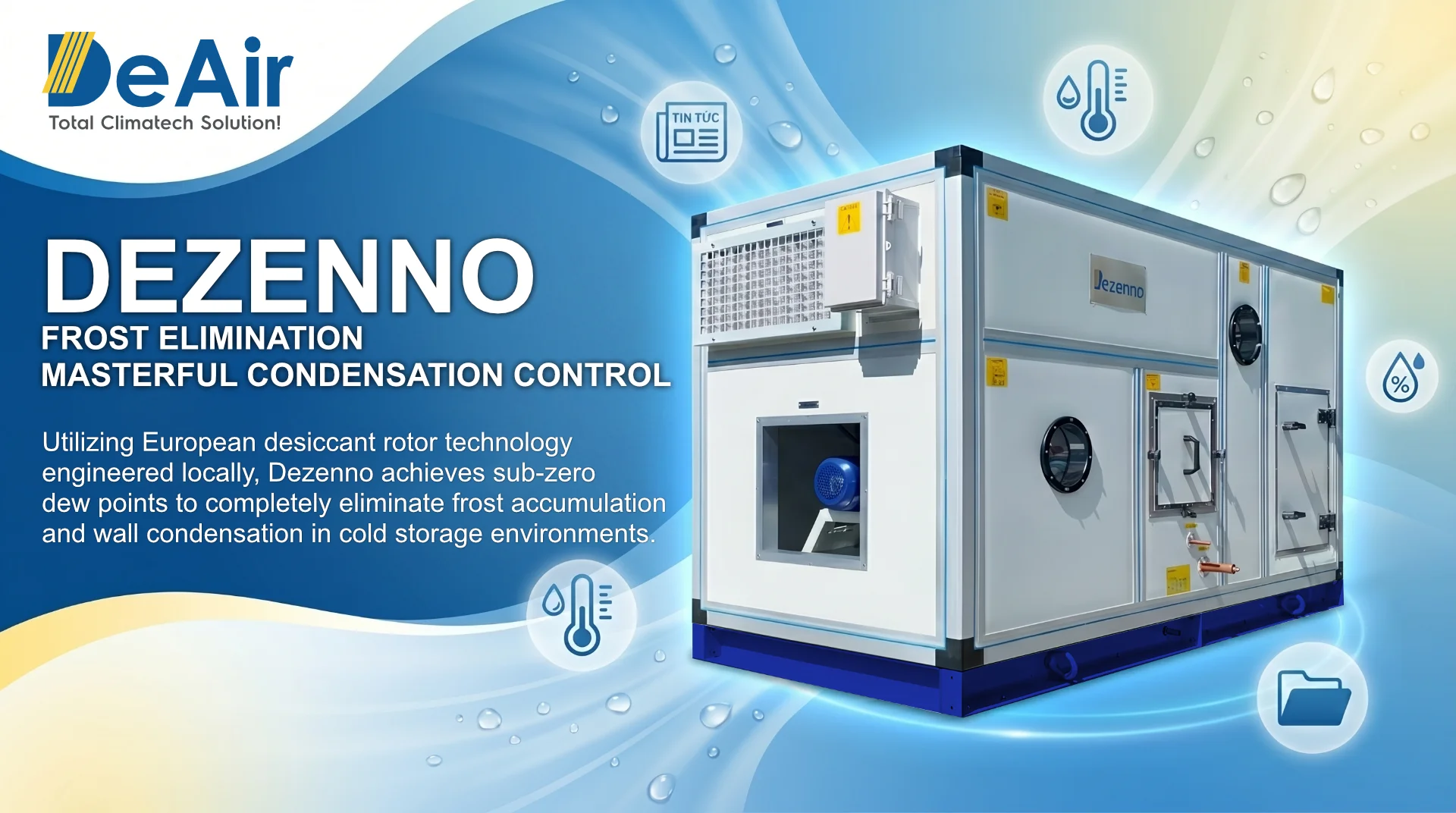
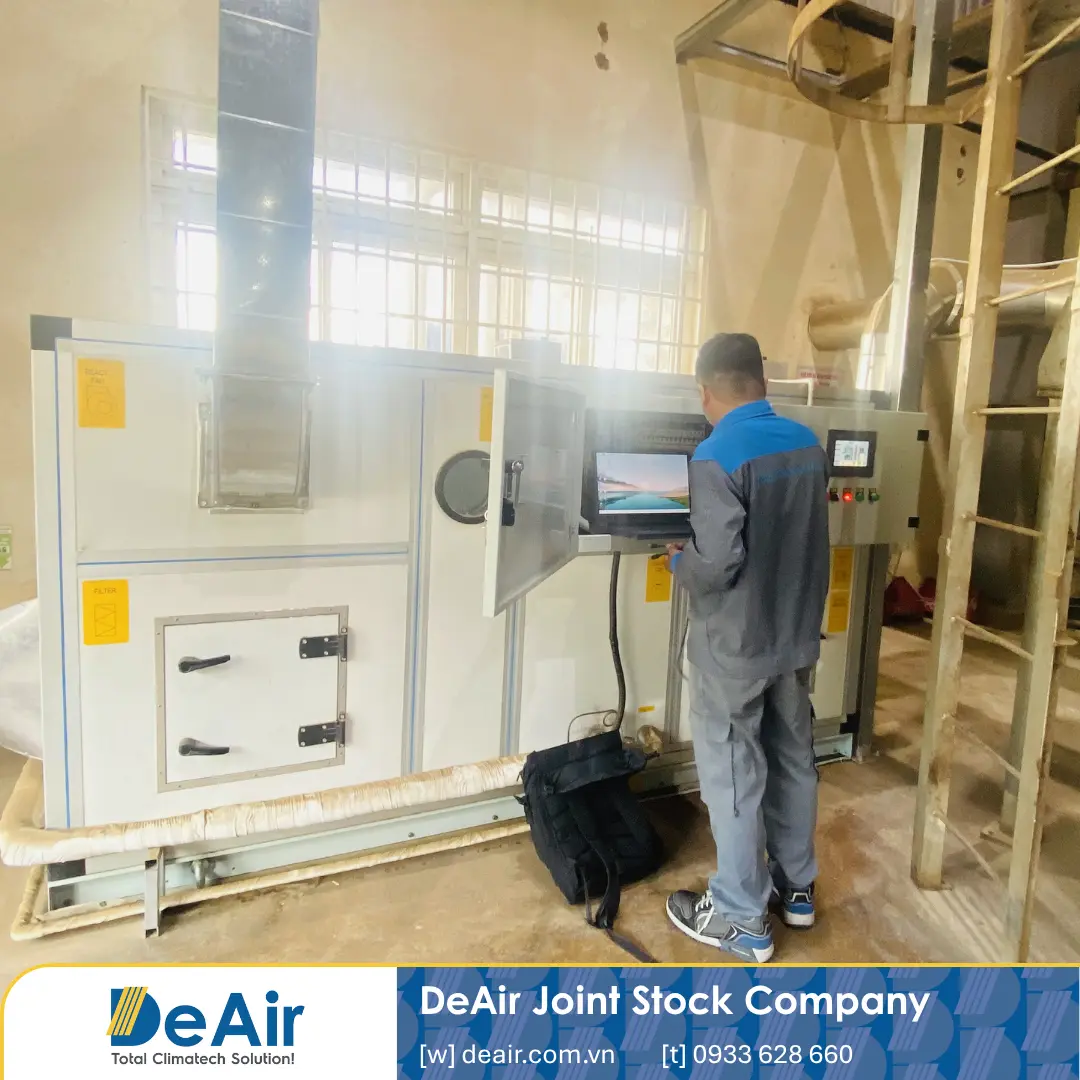
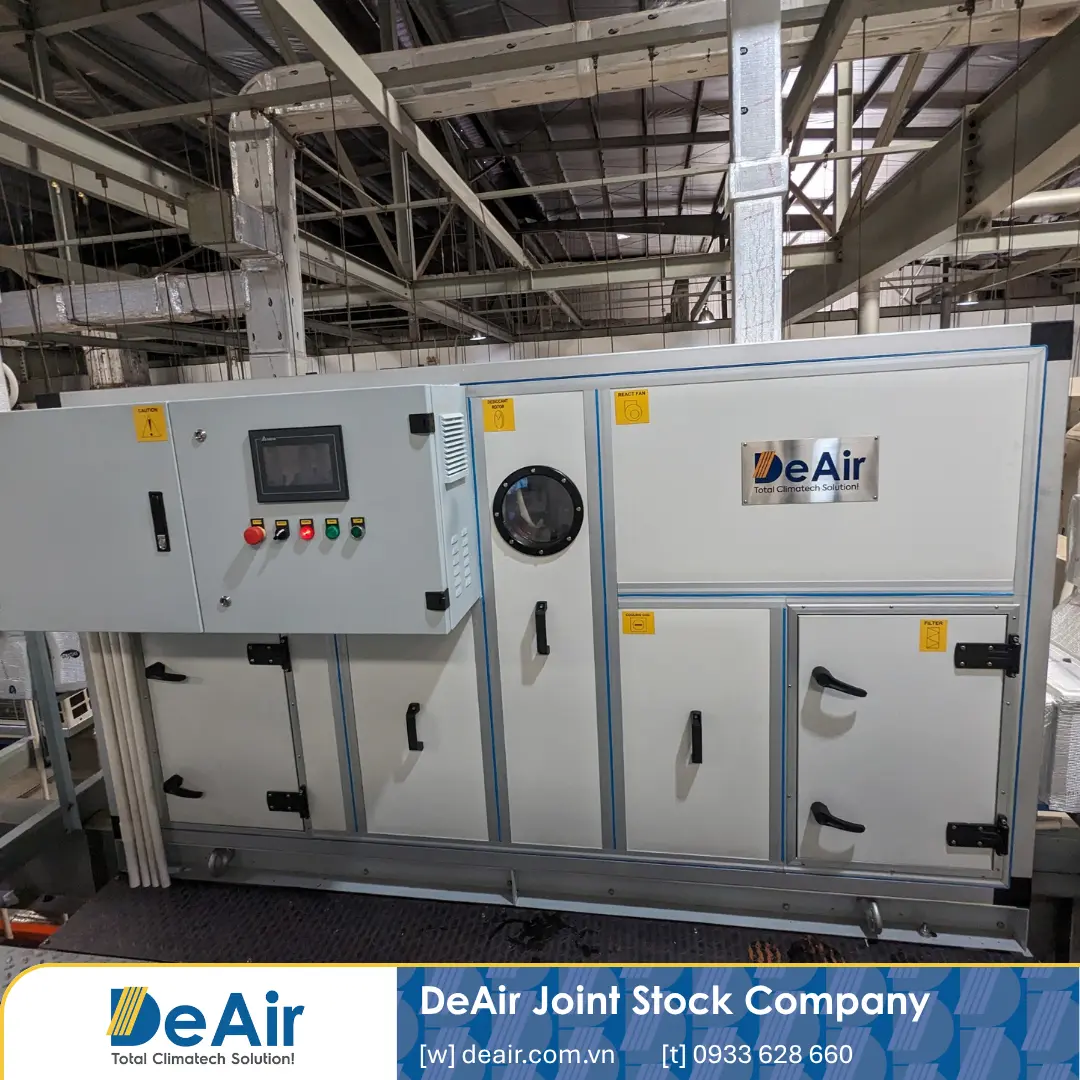
Dezenno rotor dehumidifier – The ultimate solution for ultra-low humidity requirements.
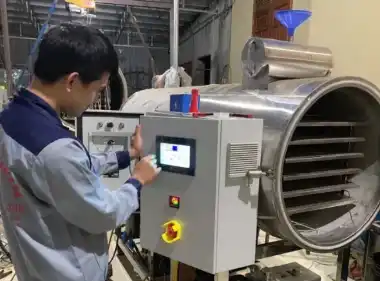
DeAir handing over a rotor dehumidification system to a pharmaceutical plant in the Mekong Delta.
4. Infographic: Quick Comparison Table (Heat-Pump vs. Rotor)
📊 DETAILED COMPARISON OF THE TWO TECHNOLOGIES
Criteria
Heat-Pump (Refrigeration)
Desiccant (Rotor)
Humidity Range
>45% RH
<45% RH down to <1% RH
Operating Temperature
Efficient at high temps
Efficient at low temps
Freezing Risk
Yes (requires defrost)
None
Initial Investment
Lower
Higher
Operating Cost Driver
Electricity rates
Thermal energy rates
Typical Applications
Warehouses, factories, museums
Cleanrooms, electronics, pharma
DeAir Products
DeAir.RE, DeAir.RE-H, Olmas
Dezenno.DE Series
5. Typical Applications for Each Technology
5.1. When to Choose DeAir Heat-Pump Dehumidifiers?
To reach 40% RH, a heat-pump system must cool the evaporator coil down to -1°C (30°F). This causes ice to form on the coil, severely blocking airflow and reducing moisture removal capacity. Workarounds like defrost cycles or tandem coils are complex, energy-intensive, and expensive.
Q2: Are the operating costs of rotor dehumidifiers higher than heat-pump ones?
It depends entirely on the local cost ratio of thermal energy (gas/steam) versus electricity. If thermal energy is cheap and electricity is expensive, a desiccant system is more economical. Conversely, if electricity is cheap and thermal energy is costly, a heat-pump system is more efficient. DeAir engineers will calculate the optimal mix based on your specific utility rates.
Q3: Does DeAir provide consulting for hybrid systems combining both technologies?
Absolutely. With our experienced engineering team, DeAir provides comprehensive consulting to design optimized hybrid systems (heat-pump + rotor), ensuring you achieve the highest performance at the lowest possible operating cost.
Q4: How do I calculate and choose the right technology for my factory?
DeAir conducts thorough on-site surveys to calculate the exact moisture load, analyze specific temperature/humidity requirements, and evaluate local electricity/thermal energy costs. Based on this data, we propose the most optimized solution (heat-pump, rotor, or a hybrid of both).
Don't Choose Technology by Guesswork! Let DeAir Provide Data-Driven Solutions!
With over 20 years of expertise in thermal and humidity control, the DeAir expert team is ready to survey, calculate, and consult on the most suitable solution tailored to your business needs and budget.


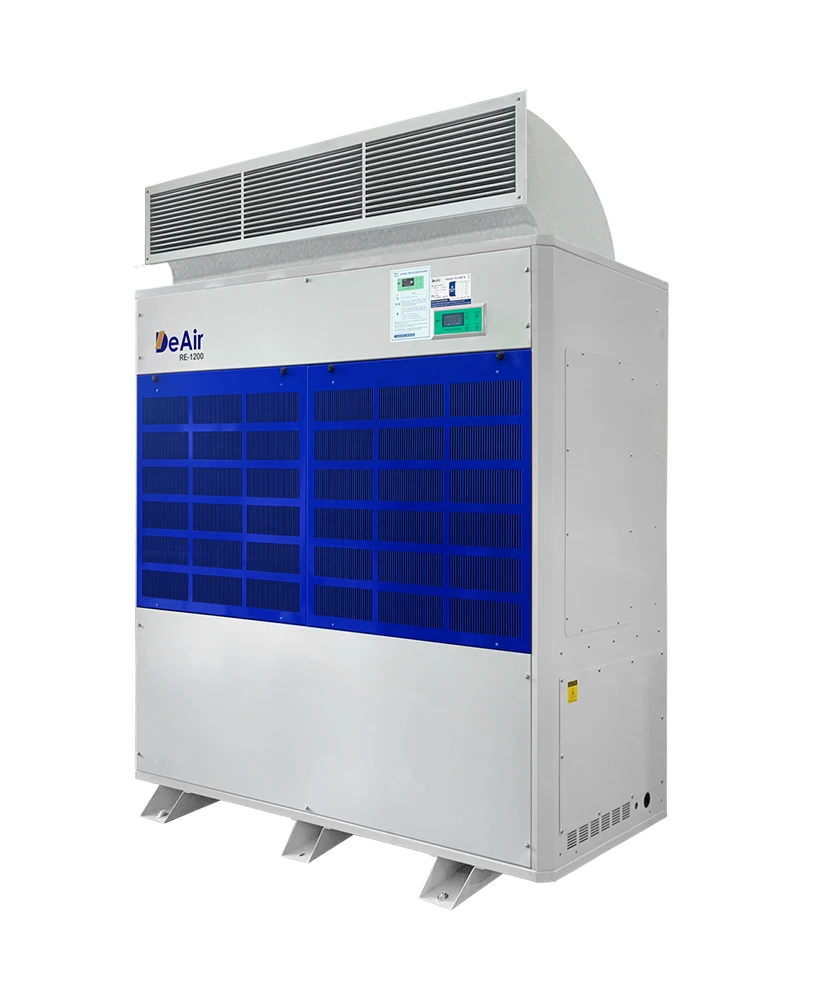 DeAir.RE
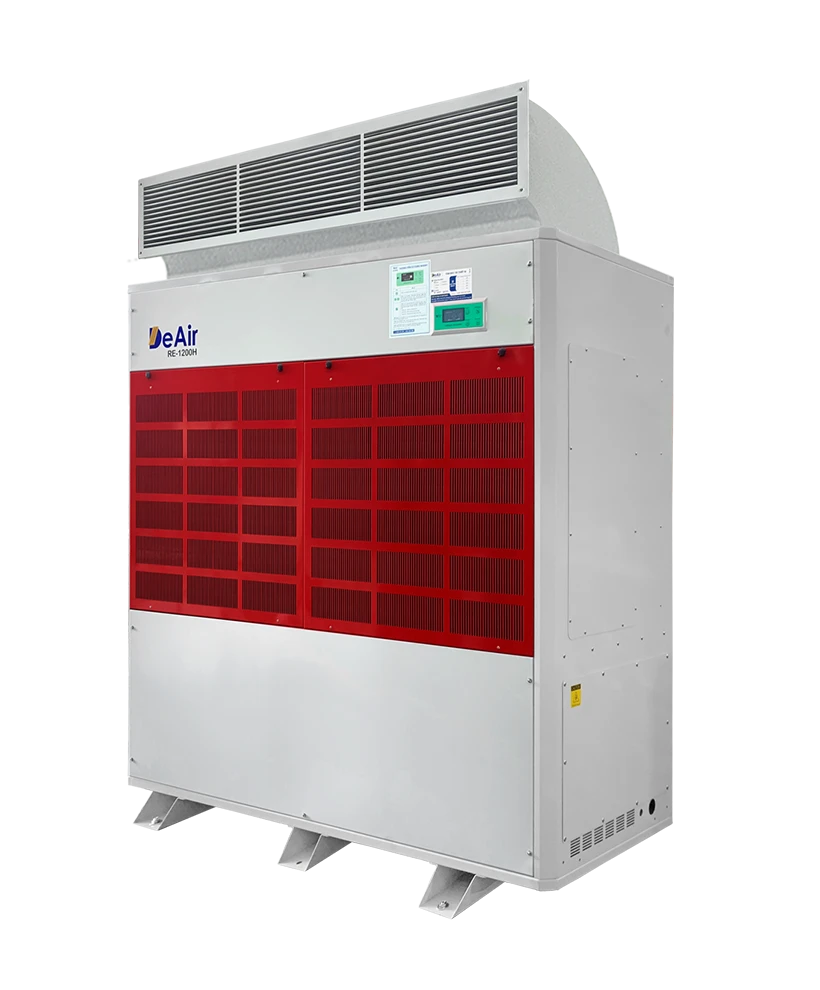 DeAir.RE-H
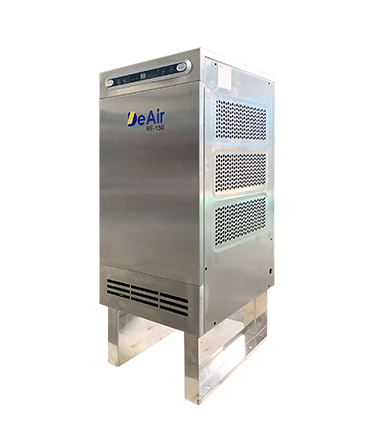 DeAir.RE-INOX
 DeAir.CRE
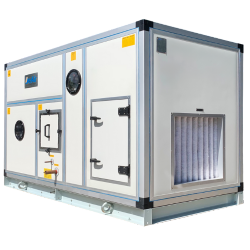 Dezenno
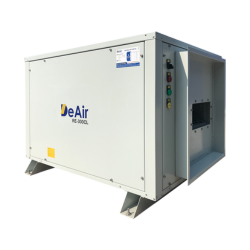 DeAir.RE-CL
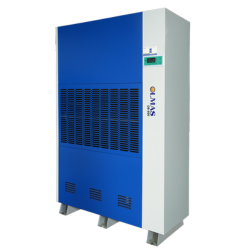 Olmas-OS
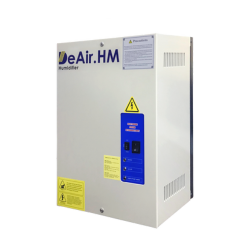 DeAir.HM
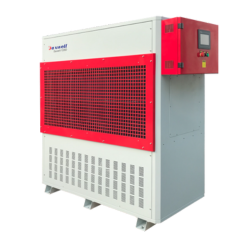 Daxwell
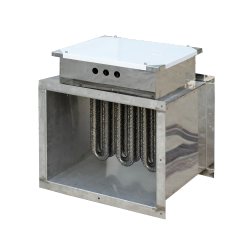 DeAir.Heat
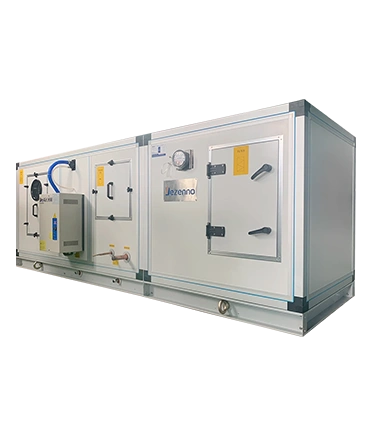 AHU
AHU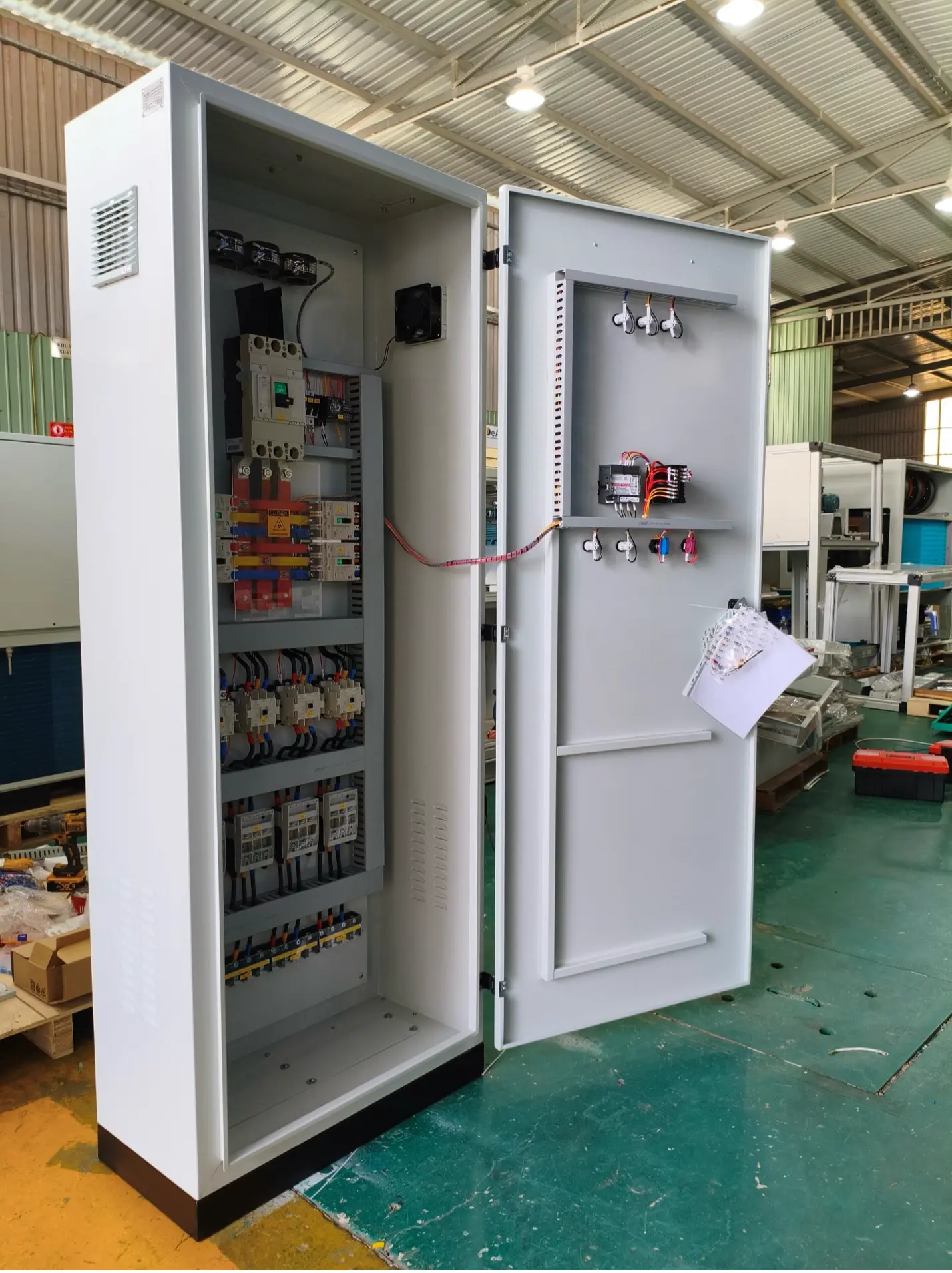





![[Case Study] DeAir Installs DeAir.De Rotor Humidity Control System for Pharmaceutical Plant in Binh Duong](https://deair.com.vn/thumbs/news/2023_04/ban_giao_may_cho_duoc_bd/[270x153-cr]image1-1024x772.jpg__cv.webp "[Case Study] DeAir Installs DeAir.De Rotor Humidity Control System for Pharmaceutical Plant in Binh Duong")

![[Review & Guide] Olmas OS-300: The New Humidity Control "Warrior" for Medium to Large Warehouses](https://deair.com.vn/thumbs/news/huong_dan_su_dung_may_olmas_21/[270x153-cr]vtm06440.png "[Review & Guide] Olmas OS-300: The New Humidity Control \"Warrior\" for Medium to Large Warehouses")