Decoding the Summer Paradox: Eliminating Product Clumping with Dezenno Rotor Dehumidifiers
31/03/2026
Decoding the Summer Paradox: Eliminating Product Clumping with Dezenno Rotor Dehumidifiers
For Quick Reading:
The Problem: Summer heat in tropical climates comes with >75% Relative Humidity (RH). This lowers the glass transition temperature (Tg) of raw materials, causing milk powder, coffee, and pharmaceuticals to become sticky and clump together.
Common Mistake: Forcing HVAC systems to lower temperatures for dehumidification leads to the "Dew point" phenomenon, causing condensation on stainless steel machinery.
Technical Solution: Implementing a layered dehumidification ecosystem: DeAir condensing dehumidifiers (for large warehouses) and Dezenno Rotor dehumidifiers (for Cleanrooms/Packaging rooms) to pull RH below 40%.
ROI: Guarantees Zero Downtime (no machine jamming), Zero Waste (no spoiled goods), and ensures GMP/FDA compliance for export.
Summer in Vietnam always poses a massive challenge for food, milk powder, coffee, and pharmaceutical manufacturing plants. Many production lines suffer from sticky, clumped products that jam packaging machines, causing billions of VND in damages. To permanently solve this issue, leading enterprises are shifting to the Dezenno Rotor Dehumidifier by DeAir – a specialized ultra-deep moisture control technology.
1. The Summer Climate Paradox: Blistering Heat but "Peak" Humidity
Many harbor the dangerous misconception that when outdoor temperatures hit 37-40°C, the air will be very dry. However, given Vietnam's tropical monsoon climate, water vapor evaporating from the sea and river systems keeps the average summer relative humidity (RH) fluctuating between 75% and 85%, frequently exceeding 90% after summer thunderstorms.
The combination of high temperatures and immense absolute humidity creates an extremely harsh environment. This is the direct cause of moisture regain, mold outbreaks, and especially caking incidents in powdered products.
2. The Physical "Culprit" Causing Clumping and Line Stoppages
From a physicochemical perspective, fine powders (milk powder, instant coffee, spices) and pharmaceuticals are highly hygroscopic. When exposed to humid air, a series of reactions occur that destroy the product's structure:
High environmental humidity lowers the glass transition temperature, causing milk powder and other fine powders to fuse into hard blocks (Caking).
Glass Transition Temperature Dynamics (Tg): Water acts as an extremely potent plasticizer. When powder particles absorb water vapor, the product's glass transition temperature (Tg) drops. The material instantly shifts from a solid, porous state to a rubbery, sticky state.
Formation of Liquid Bridges: Hygroscopic powders create liquid bridges between particles. If humidity continues to fluctuate, these bridges crystallize, leading to irreversible hard caking. Particularly for milk powder, moisture-induced lactose crystallization releases free water, triggering the Maillard reaction which darkens and scorches the product.
Devastating Economic Consequences: Sticky powder jams filling funnels and clogs nozzles of automatic packaging machines, forcing the entire plant to suffer costly downtime for continuous cleaning. In the pharmaceutical sector, effervescent tablets will release CO2 gas, blistering the packaging, while film-coated tablets soften and lose their active ingredient efficacy. For coffee, high humidity spawns the toxic mold Ochratoxin A, leading to the immediate destruction of export batches.
3. Why Central HVAC Systems are "Powerless"
Many businesses attempt to fix clumping issues by lowering their HVAC systems to 18°C. This is a thermodynamic mistake, as the primary function of air conditioning is cooling (sensible heat ratio), not deep dehumidification (latent load handling).
When forcing the AC to overwork, the room temperature drops significantly (below 20°C) but the water vapor (humidity) is not thoroughly extracted. At this point, the air reaches its "Dew point". Consequently, water condenses directly onto the cold stainless steel surfaces of the filling funnels and packaging machines, making the powder sticking even worse.
To completely resolve this problem, especially in sensitive areas like packaging rooms, labs, or GMP cleanrooms that require strict humidity levels (<40%, or even <20% RH), businesses must deploy ultra-deep moisture control technology: The Dezenno Rotor Dehumidifier manufactured by DeAir.
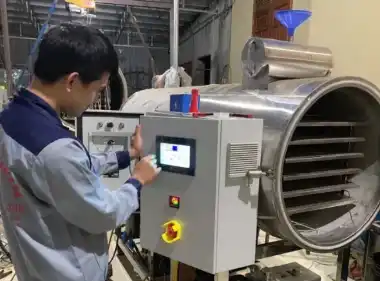
Dezenno Rotor dehumidification equipment being craned into its installation site at a Pharmaceutical plant in Binh Duong.
Desiccant Rotor Operating Principle
Unlike conventional refrigeration condensation methods, Dezenno utilizes physical adsorption technology. The heart of the machine is a honeycomb-structured wheel (Rotor) impregnated with highly active Silica Gel desiccant. The machine operates continuously with two parallel air streams:
Process Air Stream: Humid room air is drawn through the rotor. The Silica Gel completely "absorbs" and traps the water molecules, returning extremely dry air to the production room.
Reactivation Air Stream: Another air stream is heated to 100°C - 140°C and blown through the saturated section of the rotor to "bake" the Silica Gel, forcing the water to evaporate and exhausting it outdoors.
Superior Power of the Equipment
Ultra-Low Humidity: Capable of pulling relative humidity down to 0.5% - 1% RH, perfectly meeting the strictest standards for producing effervescent tablets or infant formula.
Temperature Independent: Flawless frost prevention, performing excellently even in cold storage and freezer environments (-10°C).
The HMI touch screen connected to the PLC on the Dezenno machine allows for precise 24/7 humidity control and Data-logging in accordance with FDA regulations.
5. Investment Costs & ROI Analysis for Business Owners
The investment level for dehumidification infrastructure depends directly on the spatial volume and technological requirements (CAPEX):
Condensing Dehumidifier Series (Primary moisture control for large warehouses):
Small scale (Labs): The DeAir RE-60 model is highly cost-effective for compact spaces.
Medium scale: Models like the DeAir RE-150 or DeAir RE-300 perfectly balance performance and budget for standard workshops.
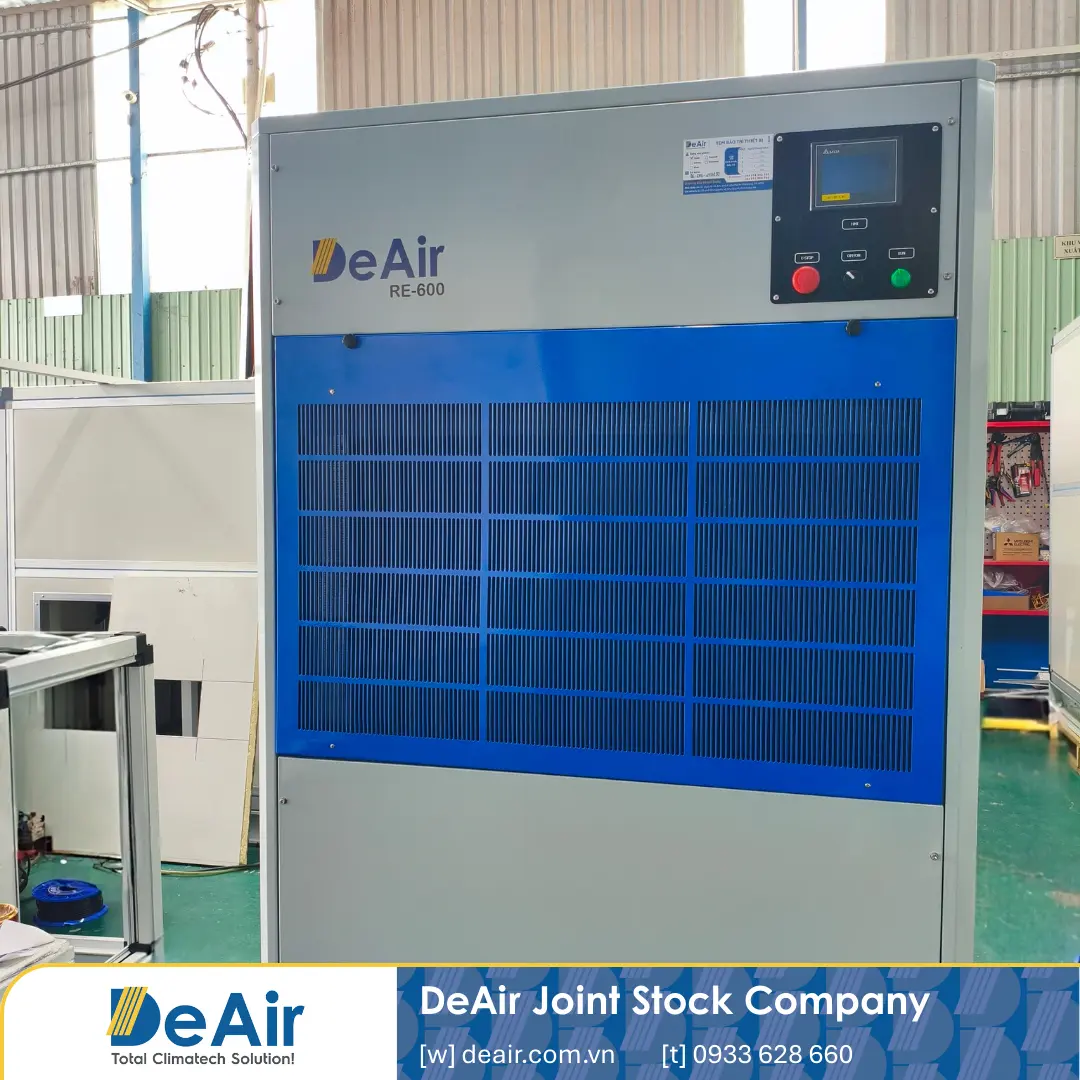
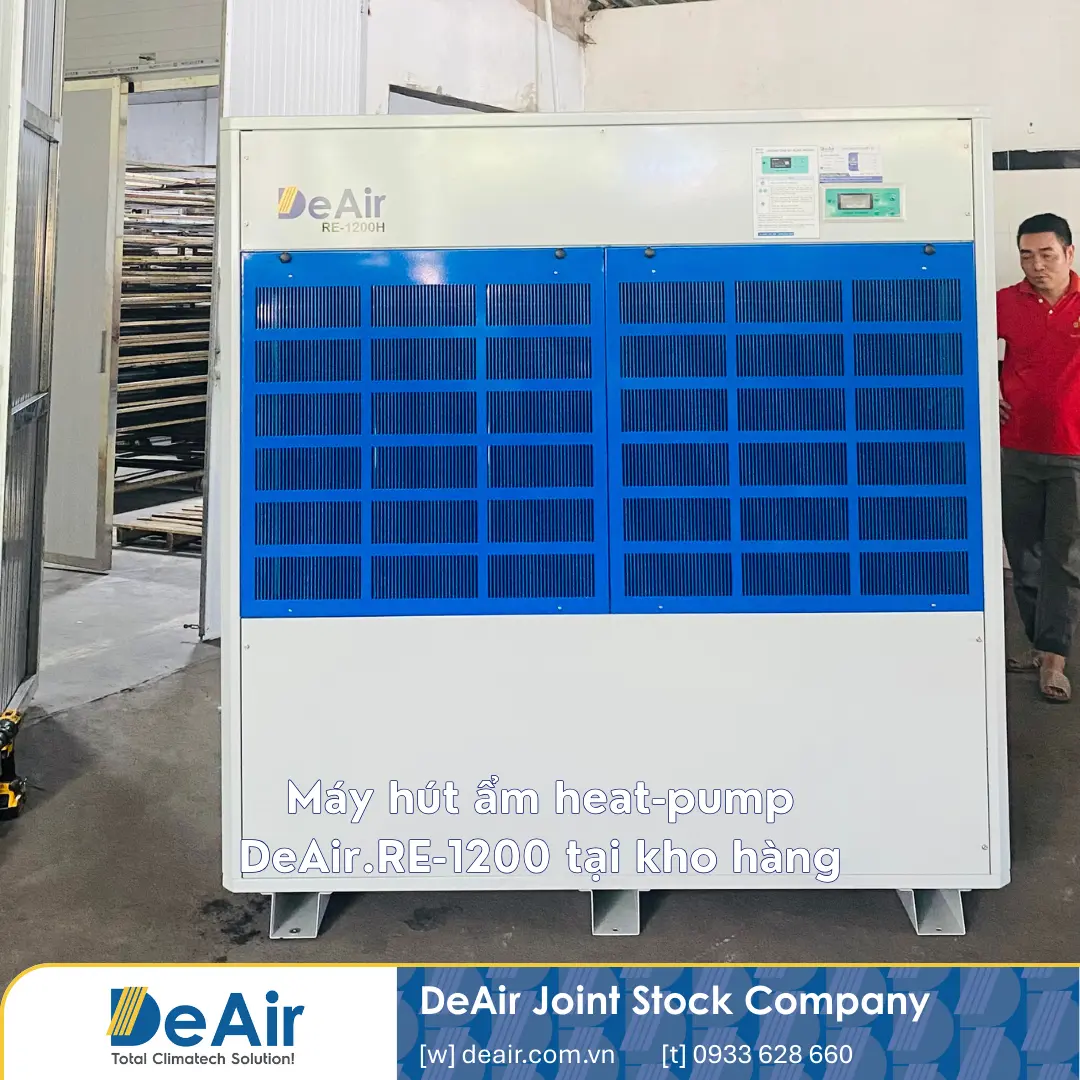
Large scale (Logistics Warehouses): The DeAir RE-600 and the ultra-high capacity DeAir RE-1200 are designed for massive industrial facilities.
Dezenno Rotor Dehumidifier Series (Ultra-deep moisture control <40% for GMP, Packaging rooms): Rotor systems are typically "custom-tailored" to integrate directly into the factory's AHU/HVAC system. The investment cost is inherently higher than condensing units due to the use of Silica gel and complex mechanical structures.
Left: DeAir RE-600 industrial dehumidifier (BMS Integrated). Right: DeAir RE-1200 model (1200L/day) handling moisture for a large-scale warehouse.
Lightning-Fast Return on Investment (ROI)
Investing in moisture control infrastructure is not a "depreciating asset"; it is a risk-hedging investment that yields massive financial benefits, clearly visible within the first month:
Zero Downtime: Powders remain fluffy and automatic packaging machines run smoothly at 100% capacity. Completely eliminates labor costs and wasted time due to cleaning machine jams.
Preventing Damage (Zero Waste): The cost of discarding a single batch of caked, denatured pharmaceuticals is often many times greater than the entire cost of purchasing a dehumidifier.
The Export Ticket: A GMP/HACCP compliant environment empowers businesses to confidently bypass strict inspections and advance straight into European and US markets.
6. Frequently Asked Questions (FAQ)
1. Why is the powder still jamming and clumping even after I set the AC to 18°C?
Answer: Air conditioners only lower temperature; they lack the capability to pull humidity down to deep levels (< 40%). Dropping the temperature too low while humidity remains high creates a "Dew point," causing water to condense on the stainless steel surfaces of the packaging machines, making powder adhesion even worse.
2. Should I use a Condensing Dehumidifier (DeAir) or a Desiccant Rotor (Dezenno)?
Answer: To optimize costs, modern plants usually apply a hybrid strategy: Using DeAir condensing machines (like the RE-300 or RE-600) for large warehouse and raw material spaces, and deploying specialized Dezenno Rotor machines for Labs and packaging rooms where ultra-strict humidity (<40% RH) is required.
3. Does DeAir provide installation support upon purchasing?
Answer: Yes. DeAir's engineering team will conduct an on-site survey at your factory, calculate the moisture load, create blueprints to integrate with your existing AHU/HVAC ductwork, and deliver a fully turnkey technological handover.
Protect Your Production Line Today
Do not let the summer climate paradox and invisible water droplets paralyze your multi-billion-VND production line. Modern factories are adopting a smart hybrid strategy: DeAir condensing dehumidifiers for broad storage areas, and specialized Dezenno Rotors for packaging cleanrooms.
Contact DeAir's engineering team today for a comprehensive humidity survey and a custom dehumidification system design completely FREE of charge!


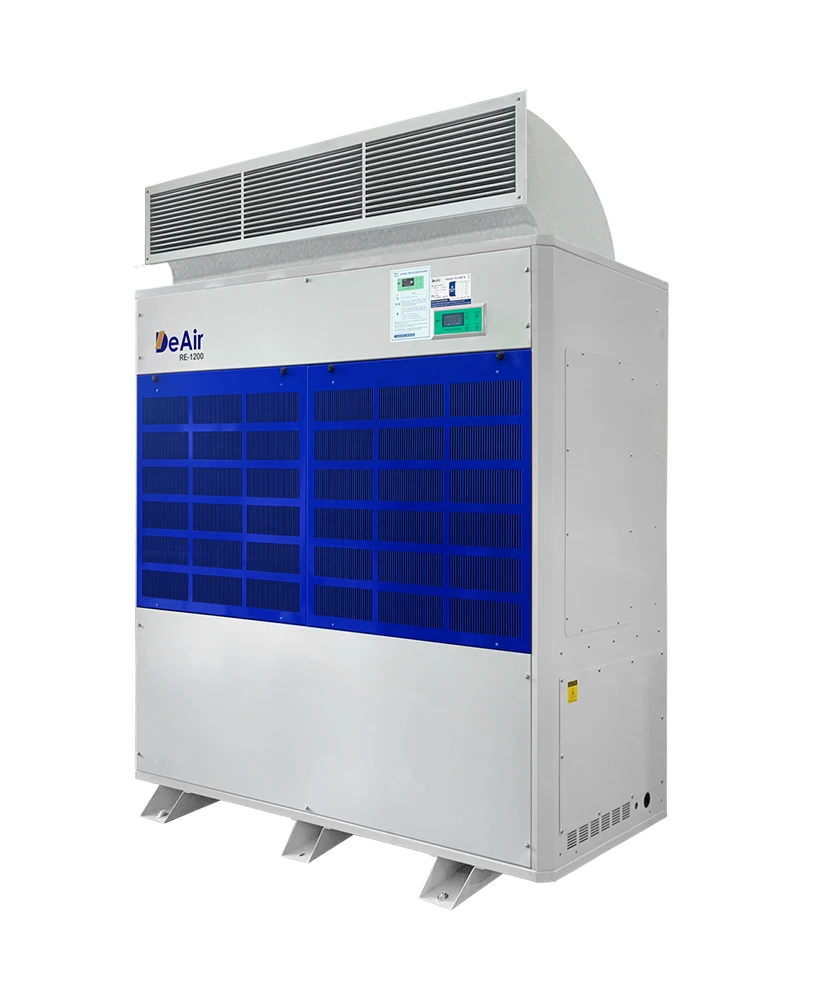 DeAir.RE
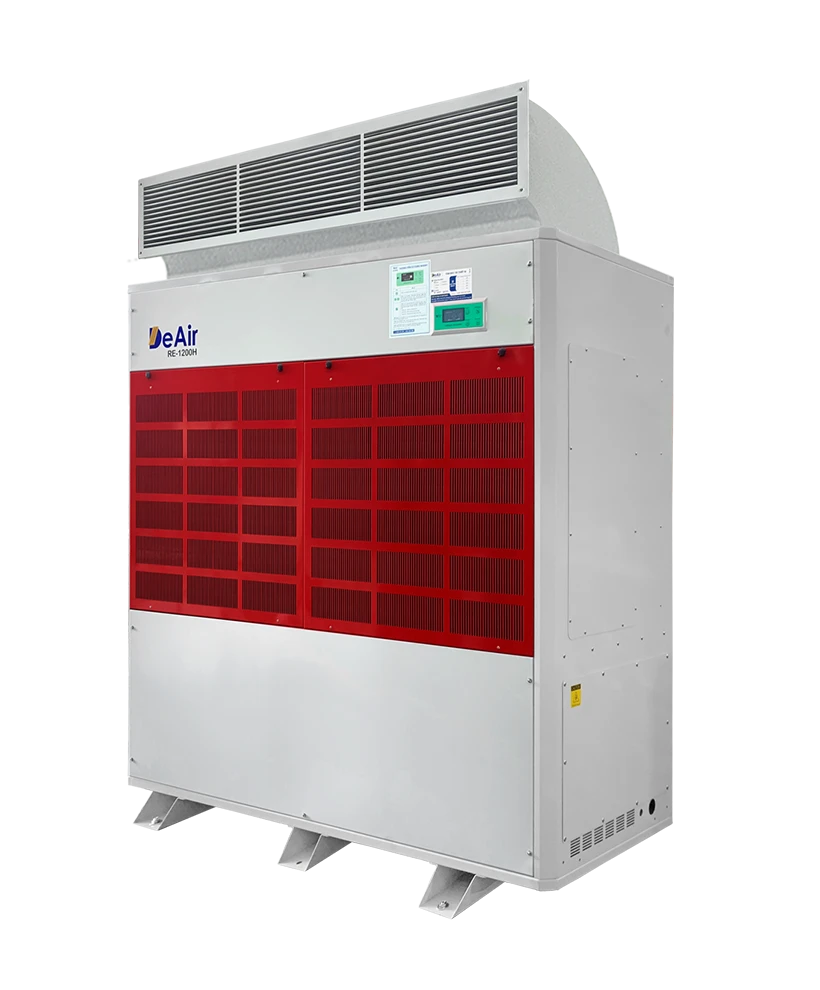 DeAir.RE-H
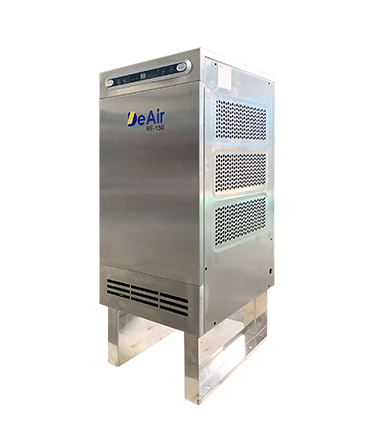 DeAir.RE-INOX
 DeAir.CRE
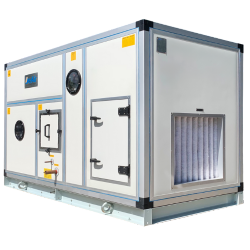 Dezenno
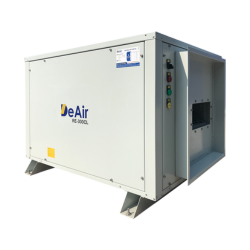 DeAir.RE-CL
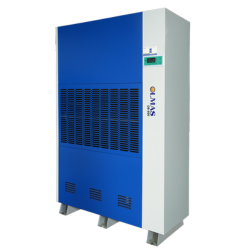 Olmas-OS
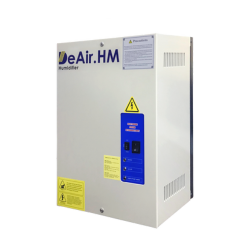 DeAir.HM
 Daxwell
 DeAir.Heat
 AHU
AHU









![[Case Study] DeAir Installs DeAir.De Rotor Humidity Control System for Pharmaceutical Plant in Binh Duong](https://deair.com.vn/thumbs/news/2023_04/ban_giao_may_cho_duoc_bd/[270x153-cr]image1-1024x772.jpg__cv.webp "[Case Study] DeAir Installs DeAir.De Rotor Humidity Control System for Pharmaceutical Plant in Binh Duong")

![[Review & Guide] Olmas OS-300: The New Humidity Control "Warrior" for Medium to Large Warehouses](https://deair.com.vn/thumbs/news/huong_dan_su_dung_may_olmas_21/[270x153-cr]vtm06440.png "[Review & Guide] Olmas OS-300: The New Humidity Control \"Warrior\" for Medium to Large Warehouses")