The Critical Role of Dehumidifying Dryers in Engineering Plastics Injection Molding
23/06/2026
Decoding the -40°C Dew Point: The Critical Role of Dehumidifying Dryers in Engineering Plastics Injection Molding
Technical Executive Summary:
Root Cause of Scrap: High scrap rates (NG parts) in plastics processing often originate from invisible moisture trapped deep within the core of engineering resin pellets, rather than injection machine or mold parameters.
Limits of Conventional Equipment: Standard Hot Air Hopper Dryers only remove surface moisture, rendering them completely ineffective for hygroscopic resins like PA, ABS, PET, and PC.
The Optimal Solution: DeAir's Dehumidifying Dryers utilize Molecular Sieve technology, strictly controlling a -40°C dew point to strip core moisture down to the ideal threshold, thereby preserving the mechanical structure and cosmetic integrity of the finished product.
In the engineering plastics injection molding and extrusion industry, controlling the scrap rate is a vital factor determining a company's profit margin. When defects appear on finished products, the natural reflex of operating engineers is to adjust injection pressure, screw speed, or check mold precision. However, in-depth polymer research indicates that the majority of these technical disasters stem from an invisible agent right at the first stage of the process: Excess moisture accumulated within the raw resin pellets prior to processing.
1. The Invisible Enemy: Identifying Moisture-Induced Defects in Injection Molding
When moisture-laden resin pellets are introduced into the high-temperature heating barrel of an injection molding machine, the trapped water instantly vaporizes into high-pressure gas bubbles, tearing through the molten polymer structure. The resulting consequences are divided into two severe categories of defects:
Cosmetic Surface Defects: The forced escape of steam within the mold cavity completely destroys the surface finish of the part, causing splay marks, silver streaking, surface craters, and leaving internal gas bubbles trapped within the product's structure.
Severe Degradation of Mechanical Properties (Hydrolysis): This is the most devastating hazard because it cannot be detected by the naked eye. Under the combination of high temperature and water, a chemical degradation reaction occurs, breaking the stable polymer chains and leading to a drastic reduction in the material's molecular weight. Upon exiting the mold, the finished product will be brittle, with drastically reduced impact strength, tensile strength, and elongation. For structural components requiring absolute load-bearing capacity made from Polycarbonate (PC) or Polyester (PET), using bone-dry resin is a mandatory requirement.
2. The Nature of Resins: Why Standard Hot Air Hopper Dryers Are Useless
To select the most optimal drying solution for the factory floor, the engineering department must clearly distinguish the physicochemical nature of two basic groups of raw resins in the industry:
Non-Hygroscopic Resins: Including polymers such as PE, PP, and PVC. Their molecular structure has no affinity for water; therefore, moisture only accumulates as a water film purely on the surface of the pellet due to environmental condensation. For this group, using a standard Hot Air Hopper Dryer to continuously blow hot air is sufficient to evaporate the surface water layer.
Hygroscopic Resins: Comprising popular engineering plastics such as Nylon (PA), ABS, PET, PC, PU, and PS. The molecular radicals of this group have an extremely strong affinity for water. They actively absorb and pull water molecules deep into the internal core structure of the pellet during manufacturing, transport, and storage.
In this scenario, a standard hot air hopper dryer becomes completely useless. This is because hopper dryers operate by drawing in ambient air, heating it, and blowing it into the hopper. Ambient air, especially during humid or rainy days, inherently carries a large amount of moisture. The injected air lacks deep dryness, thus failing to create the vapor pressure differential required to pull tightly bound water molecules out from the core of the resin pellets. This group of engineering plastics strictly requires Deep Dehumidifying Dryers (Desiccant Dryers).
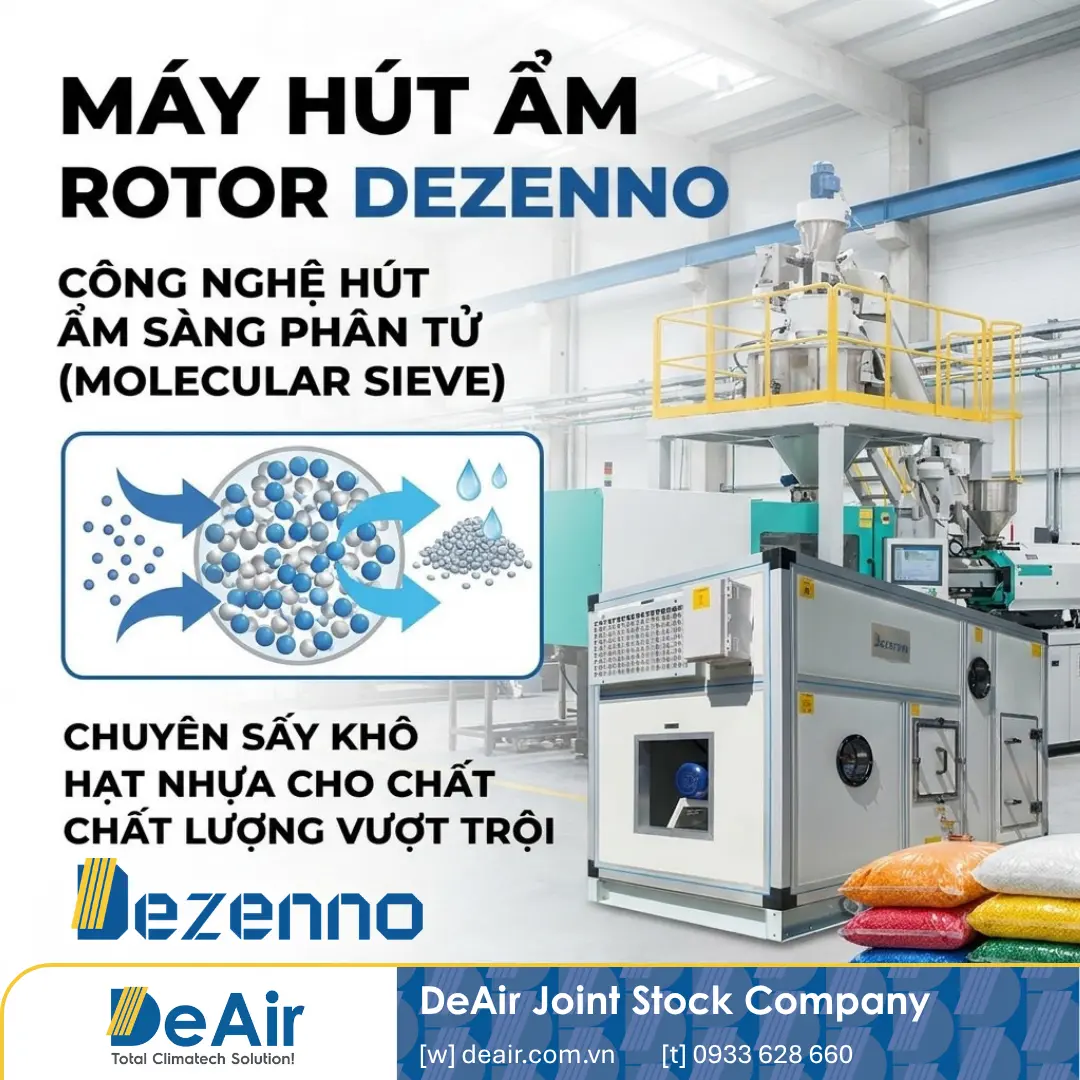
DeAir's Dezenno desiccant rotor dehumidifier seamlessly integrated with high-tech engineering resin drying lines, eliminating core pellet moisture before extrusion.
3. Decoding the -40°C Dew Point and Standard Engineering Plastics Drying Parameters
The plastic dehumidification process is the reversal of moisture absorption. To force the residual moisture in the pellet core down to the safe zone, DeAir's technological system strictly controls the standard drying parameter triangle:
Drying Temperature: Provides the necessary thermal energy to break the water's affinity with the polymer, stimulating water molecules to diffuse to the pellet's surface.
Drying Time (Residence Time): Ensures a sufficient cycle for heat to penetrate the core and for moisture to diffuse outward.
Air Dew Point: This is the core key determining the drying capacity of hygroscopic resins. The air blown into the drying hopper must be ultra-dry, possessing a minimum dew point ranging from -40°C to -50°C. Only when the air achieves this deep dryness is the vapor pressure in the air stream low enough to create a forced magnetic-like pull, thoroughly dragging out all the deep-seated moisture from the pellet core.
Standard Engineering Plastics Drying Temperature & Time Reference Table
Engineering Plastic Type
Moisture Characteristic
Standard Drying Temp
Residence Time
ABS
Hygroscopic
88°C (190°F)
3 - 4 Hours
Nylon (PA6 / PA66)
Hygroscopic
82°C (180°F)
4 - 5 Hours
Polycarbonate (PC)
Highly Hygroscopic
121°C (250°F)
3 - 4 Hours
Polyester (PET Preform)
Extremely Hygroscopic
171°C (340°F)
5 - 6 Hours
Polyurethane (PU)
Hygroscopic
82°C (180°F)
2 - 3 Hours
Acrylic (PMMA)
Hygroscopic
82°C (180°F)
2 - 3 Hours
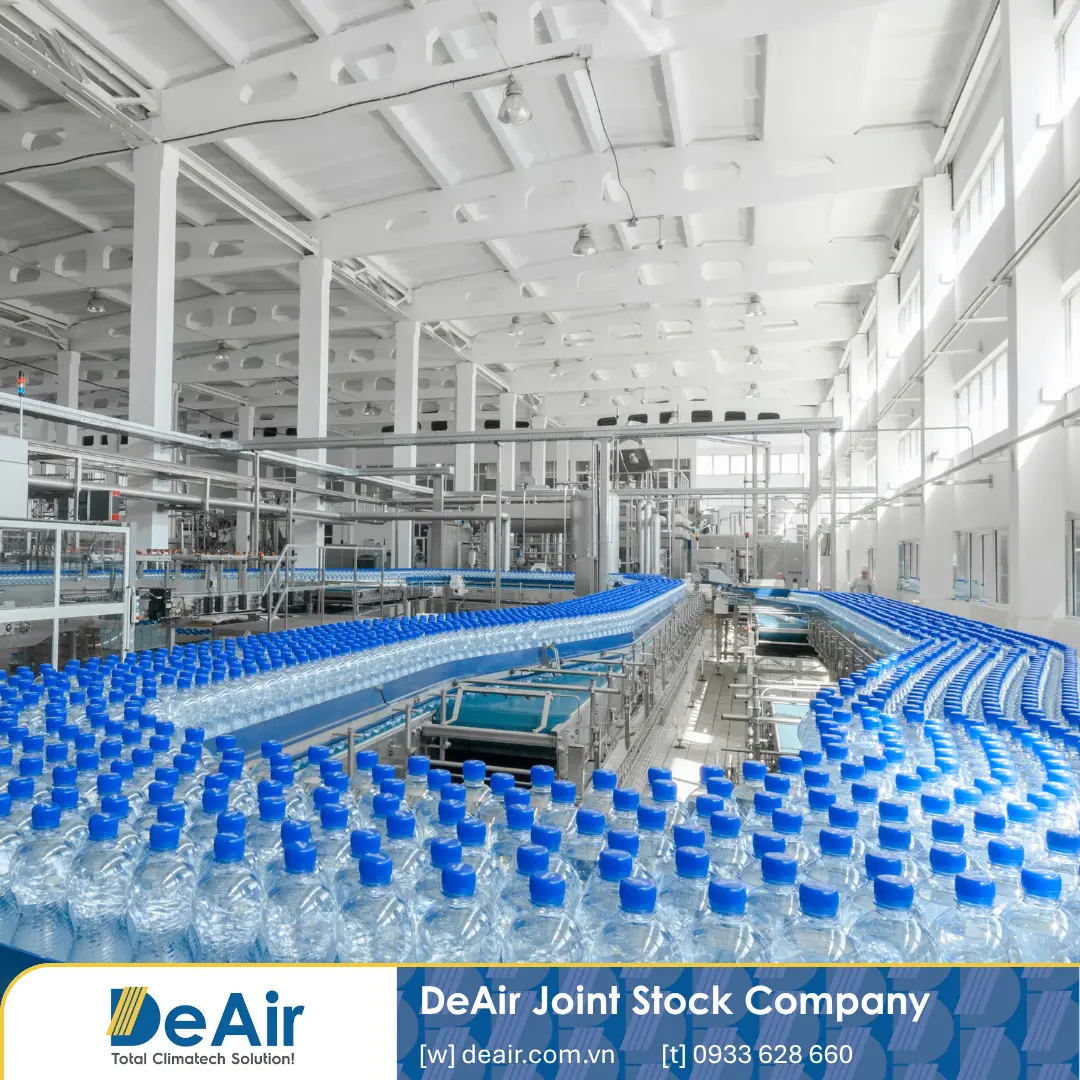
PET bottle preform blowing line - A typical application that absolutely requires an ultra-dry, deep dew point dryer to avoid brittleness and bottle wall collapse.
To push the air stream dew point to the ideal -40°C state, DeAir utilizes a premium adsorbent material: Molecular Sieve. With a porous network structure featuring uniformly sized microscopic pores, molecular sieves possess outstanding water molecule retention capabilities far superior to traditional Silica Gel, especially regarding stable operation in high-temperature return air environments.
DeAir's dehumidifying dryer system is designed around an Absolute Closed-Loop Process System dynamic model, completely independent of factory air, comprising 3 continuous automated operating phases:
Process Loop: Ultra-dry air is heated → Blown into the resin hopper → Pulls moisture outward → Passes through a fine dust filter → Penetrates the molecular sieve desiccant bed to be wrung completely dry → Continues back to the process heater.
Reactivation Loop: When the molecular sieve bed is saturated with water, the system automatically redirects to the reactivation phase. Clean air is heated to extremely high temperatures (over 149°C / 300°F) and blown through the sieve layer, forcing all water to vaporize and discharging this hot, humid exhaust out into the external environment to restore adsorption activity.
Purge/Cooling Cycle: This is a key point constituting DeAir's electromechanical quality. After reactivation, the molecular sieve bed is extremely hot (400-500°F). At this temperature level, the desiccant material tends to release moisture rather than absorb it. The DeAir system automatically runs a closed-loop dry air cooling purge cycle to lower the bed temperature to an ideal range before returning the bed to the process drying task.
Furthermore, for high-temperature engineering plastics drying configurations like PET (return air reaching up to 170°C), DeAir designs an integrated After-Cooler unit on the return duct. The hot air stream is suitably cooled before touching the molecular sieve bed surface, protecting the material's lifespan and maintaining a stable dew point 24/7.
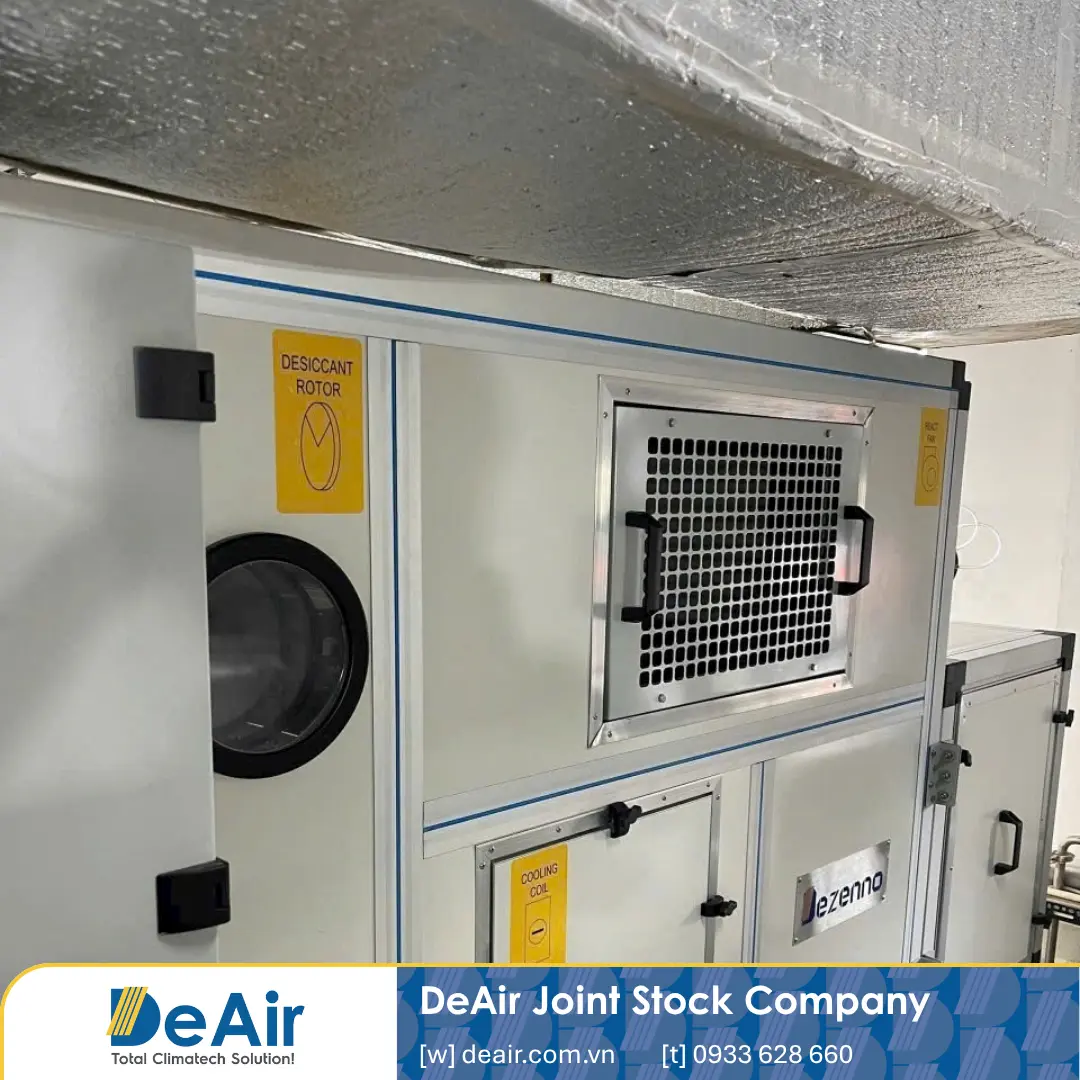
Mastering core desiccant rotor technology, DeAir systems guarantee absolute deep-dry process air for all heavy industrial applications.
5. Technical FAQ for QA/QC and Plant Engineers
Question 1: Can the engineering plastics drying system share a single blower for both the process drying air and reactivation air streams?
Answer: Absolutely not. This is a mechanical design flaw aimed at cutting costs in cheap machines on the market. DeAir's standard dehumidifying dryer system mandates the use of Dual Blowers. If a shared fan is used, humid ambient air from the reactivation cycle will leak into the closed process cycle, completely destroying the dew point range and preventing the machine from ever reaching the -40°C mark.
Question 2: How does the geometric size of the resin pellets (large or small) affect the drying setup cycle?
Answer: Small pellet sizes offer a major thermodynamic advantage: the diffusion distance for heat to travel from the outside to the pellet core, and for moisture to migrate from the core to the shell, is shorter, allowing the pellets to dry faster. If a factory's resin batch contains uneven pellet sizes, engineers must set the drying time based on the dimensions of the largest pellet to ensure the mechanical safety of the entire molded batch.
Question 3: If the drying time is extended for a very long period to ensure the resin pellets are completely dry, are there any side effects?
Answer: Drying past the standard time in an ultra-dry air environment (Over-drying) is a disastrous operational error. Exposing resin pellets to high heat for too long after they are bone dry will cause thermal degradation of the material, leading to discoloration (yellowing), embrittlement, and the vaporization of internal stiffening or flame-retardant additives pre-compounded by the resin manufacturer.
DeAir's technological capability is proven through international mega-projects, controlling deep humidity down to 5% RH for ScaleAQ Norway's underwater camera equipment.
Eliminate Scrap - Protect Your Factory's Profit Margins Today!
Continuing to use standard hot air hopper dryers for high-grade engineering plastics is quietly burning through corporate budgets via surging NG defect rates. Upgrading to a specialized Dehumidifying Dryer system is not a wasteful expense, but a direct profit-generating investment through the ability to completely eliminate the risk of splay, air bubbles, and structural failure defects.
Are you a Plant Director, Chief Engineer, or Engineering Plastics Injection Molding Manager seeking a standard resin moisture control solution? Contact the DeAir Electromechanical Projects Division immediately for top-tier microclimate experts to survey your floor plan, calculate airflow rates (CFM), and provide the most optimal custom technical plan entirely free of charge!


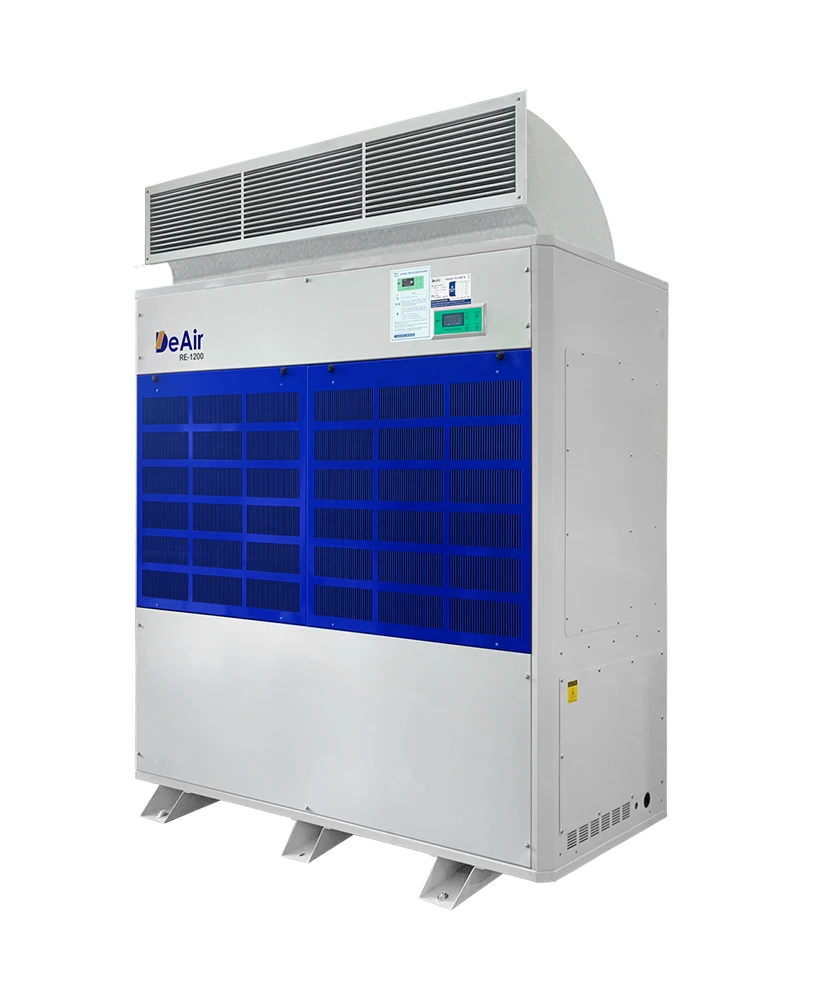 DeAir.RE
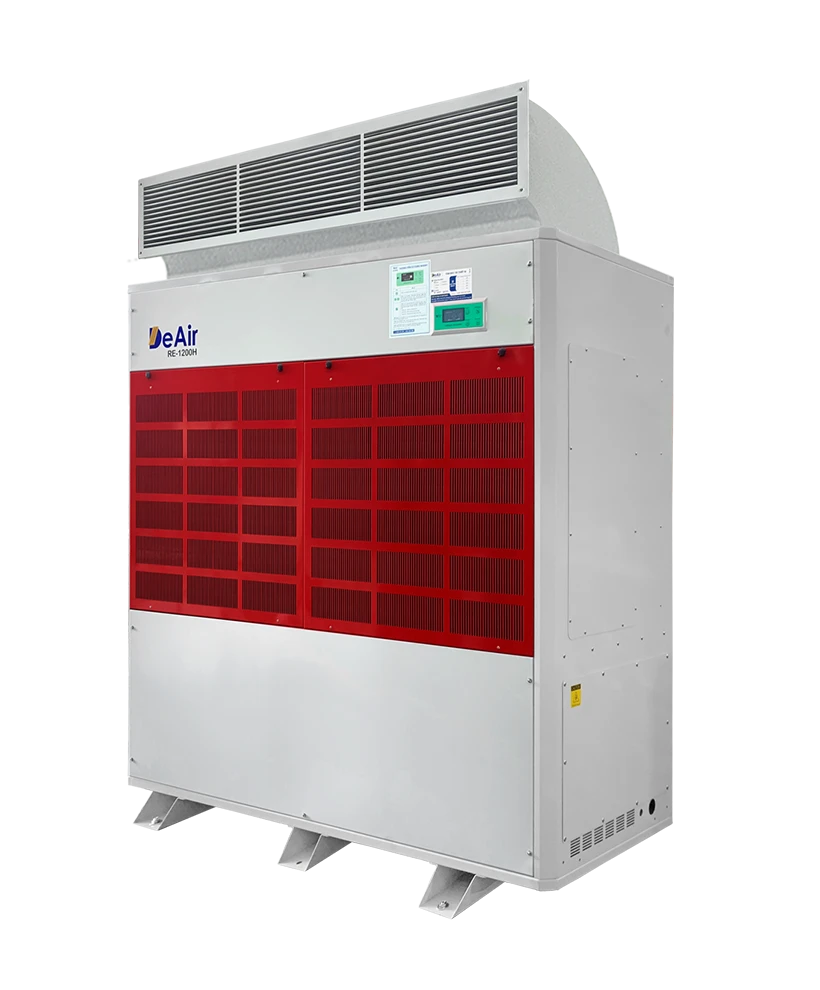 DeAir.RE-H
 DeAir.RE-INOX
 DeAir.CRE
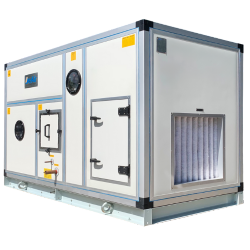 Dezenno
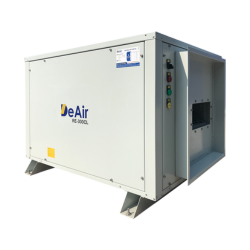 DeAir.RE-CL
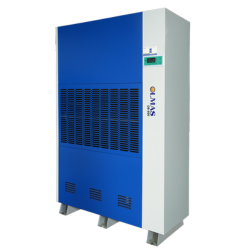 Olmas-OS
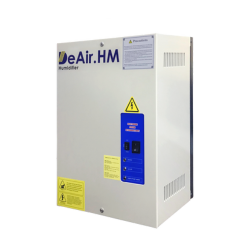 DeAir.HM
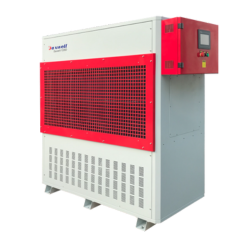 Daxwell
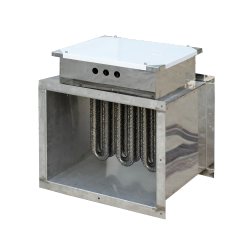 DeAir.Heat
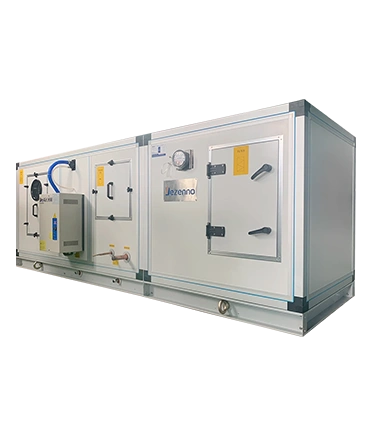 AHU
AHU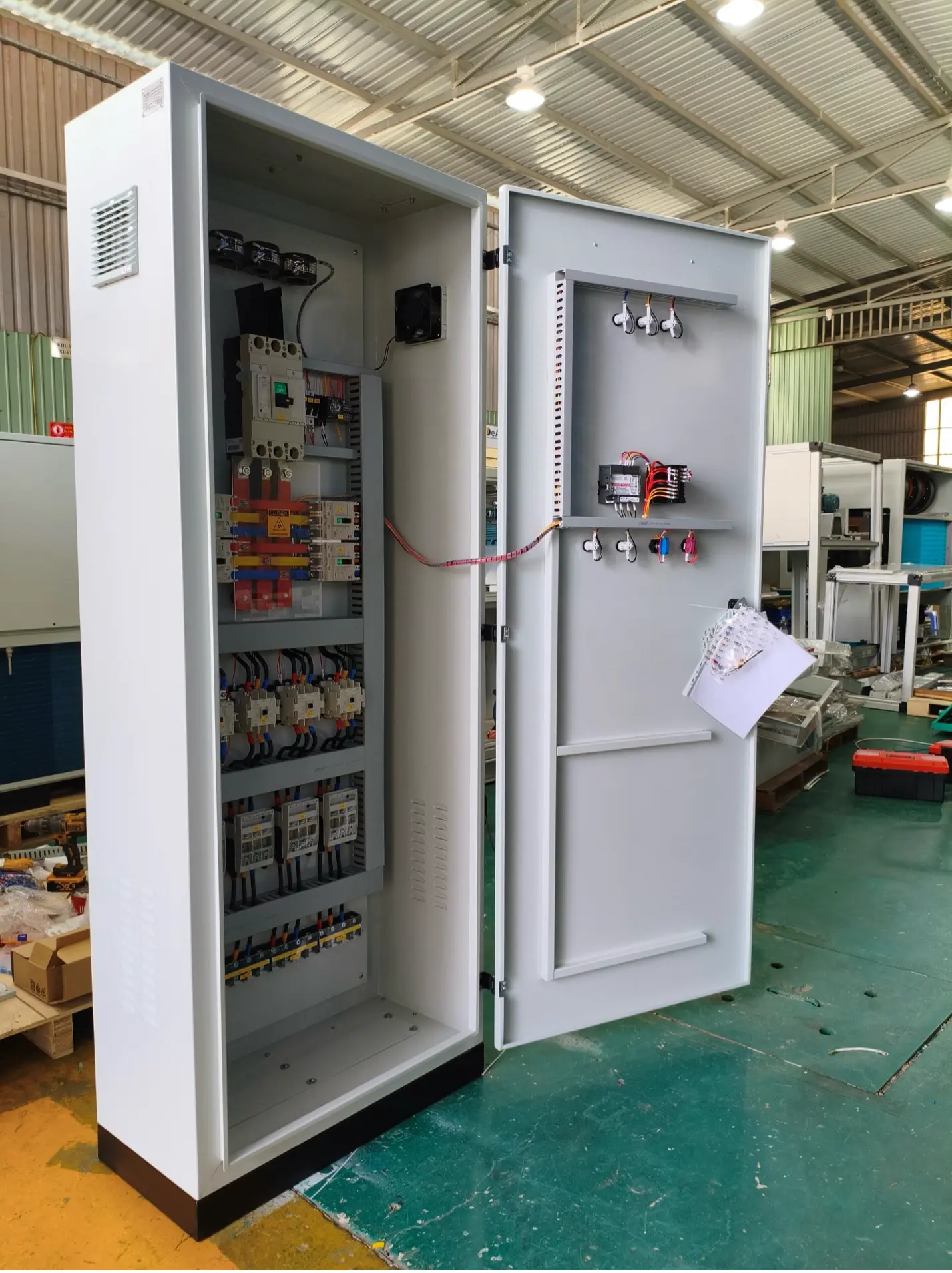







![[Case Study] DeAir Installs DeAir.De Rotor Humidity Control System for Pharmaceutical Plant in Binh Duong](https://deair.com.vn/thumbs/news/2023_04/ban_giao_may_cho_duoc_bd/[270x153-cr]image1-1024x772.jpg__cv.webp "[Case Study] DeAir Installs DeAir.De Rotor Humidity Control System for Pharmaceutical Plant in Binh Duong")
![[Review & Guide] Olmas OS-300: The New Humidity Control "Warrior" for Medium to Large Warehouses](https://deair.com.vn/thumbs/news/huong_dan_su_dung_may_olmas_21/[270x153-cr]vtm06440.png "[Review & Guide] Olmas OS-300: The New Humidity Control \"Warrior\" for Medium to Large Warehouses")