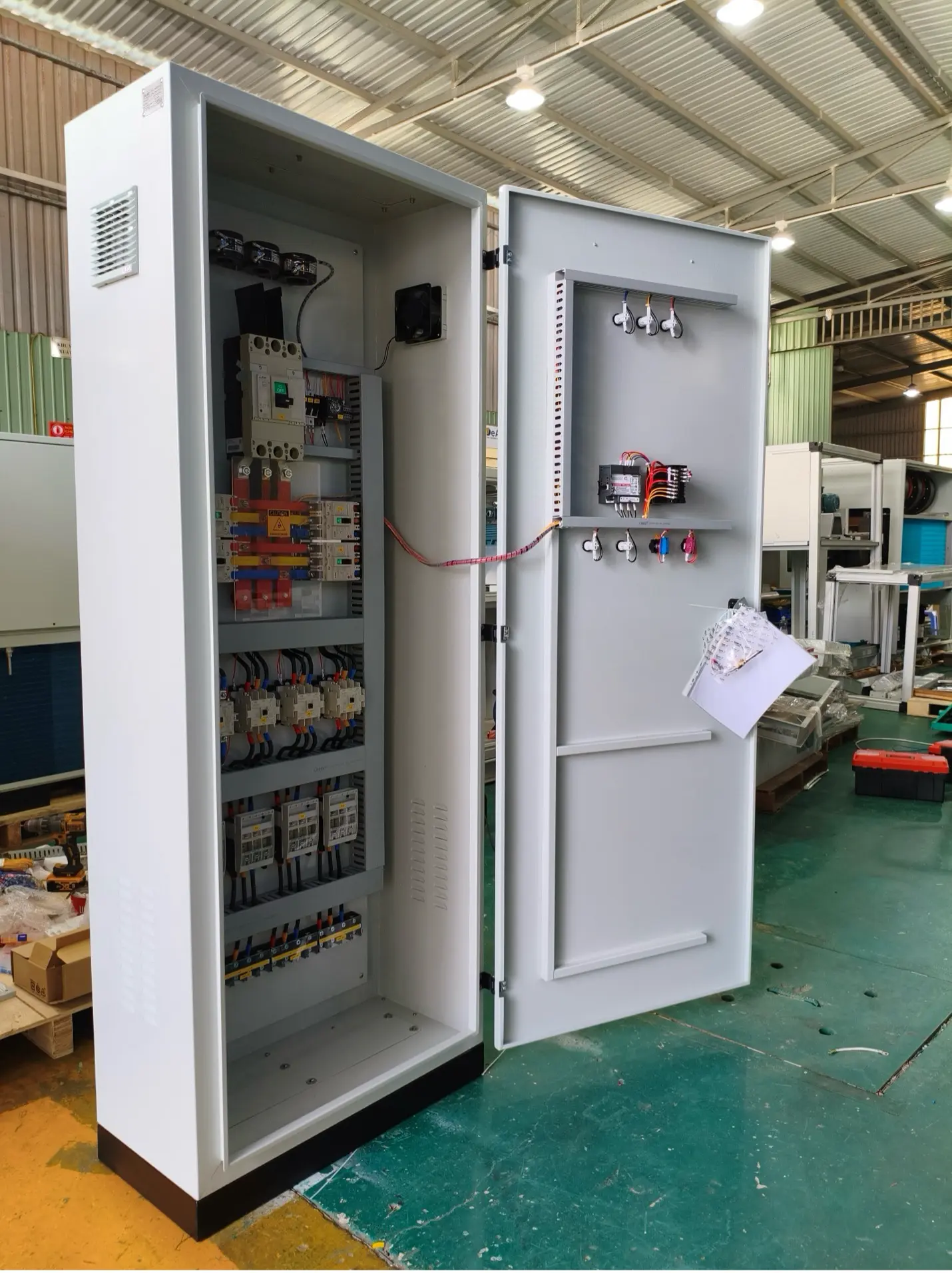
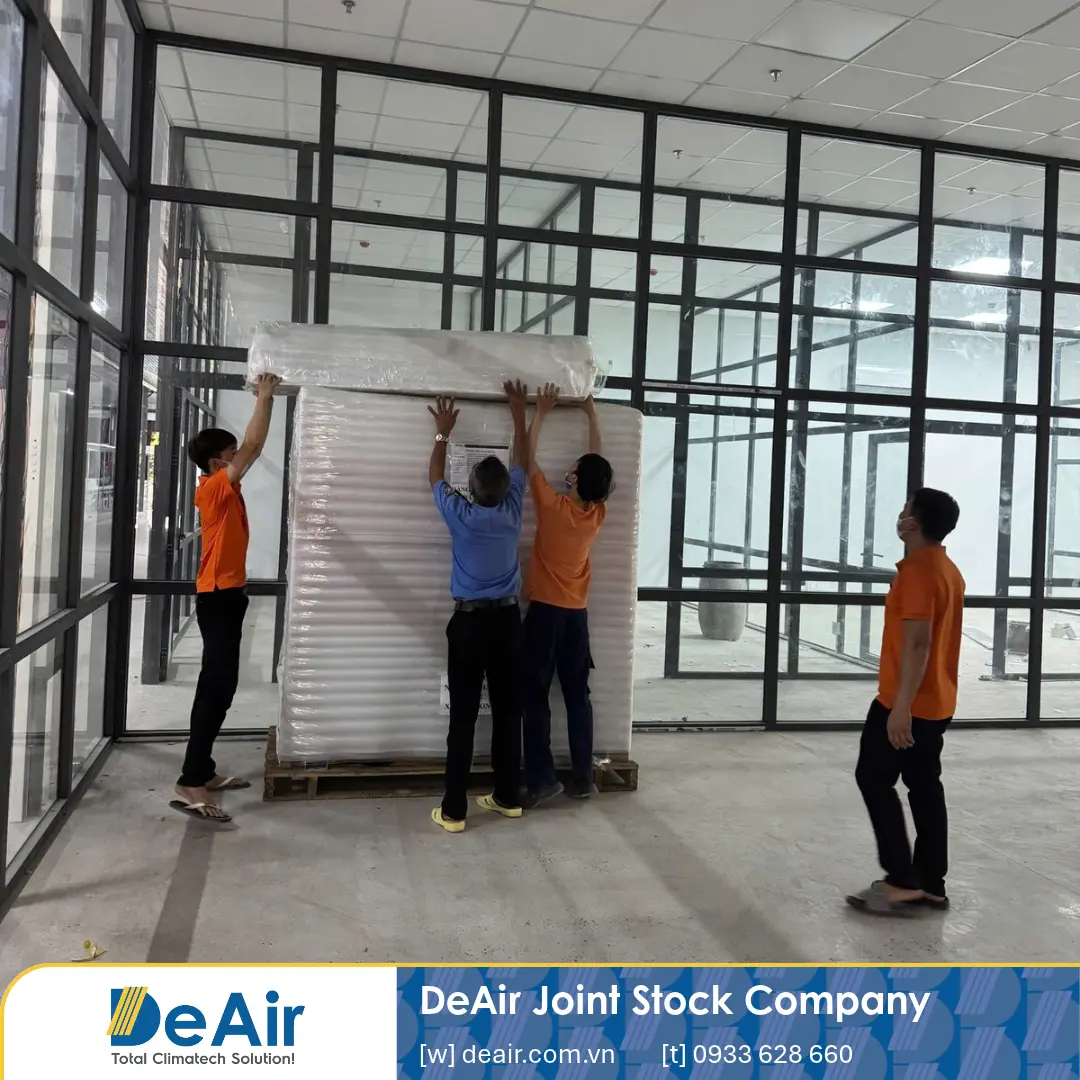
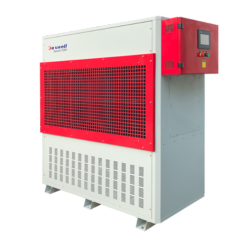
The DeAir.RE-600 heat-pump industrial dehumidifier installed at Sinnika Garment Company, Khanh Hoa.
💡 Executive Summary
Client: Sinnika Garment Company – a garment manufacturer based in Khanh Hoa Province.
Context: Located in Vietnam's South Central Coast, where high air humidity persists year-round alongside salt-laden sea air; fabric warehouses and sewing workshops frequently exceed safe moisture thresholds for textile materials.
Solution: The DeAir.RE-600 heat-pump industrial dehumidifier – 600 kg/day moisture removal capacity, 6,000 CMH airflow, operating temperature range 15–60°C.
Results: Stable humidity control tailored to each production zone, eliminating risks of fabric mold, needle rust, and softened cartons — while reducing energy consumption through Heat-Pump technology.
1. Why Are Garment Factories in Khanh Hoa Especially Sensitive to Humidity?
1.1. The Coastal Climate of Vietnam's South Central Region
Khanh Hoa is a coastal province in Vietnam's South Central region, where air humidity remains high almost year-round, not just during the rainy season. This is a crucial difference from Northern Vietnam, where high humidity is seasonal (the "Nồm" phenomenon).
Salt-laden sea air infiltrates the workshop: Combined with high humidity, it creates an electrolytic environment that accelerates metal corrosion — especially damaging to sewing needles, cutting blades, and steel machine components.
Prolonged rainy season: Natural drying and ventilation become virtually ineffective; opening doors for ventilation simply admits more moisture.
Day–night temperature swings: Cause condensation on fabric rolls, machine bodies, and workshop floors — particularly in air-conditioned areas.
Moisture permeation through the building envelope: Walls, floors, and roofs are never absolutely vapor-tight, allowing continuous moisture ingress even with doors closed.
1.2. The Specifics of Export Garment Manufacturing
⚠️ WHY HUMIDITY IS A MAKE-OR-BREAK ISSUE
Fabric is hygroscopic: Weight, thickness, and dimensions change with ambient humidity — directly affecting pattern accuracy and finished garment sizing.
Import partner standards: Many EU, US, and Japanese buyers require raw material and packaging moisture to be controlled within specified thresholds, with documented monitoring.
Long sea transit times: 30–45 days at sea increase the risk of "container rain" and cargo mold if finished products are packed while still moist.
Major financial exposure: A single shipment rejected due to mold can wipe out months of production profit.
1.3. Conditions Before Installation
During the on-site survey at Sinnika Garment Company, DeAir's engineering team documented issues typical of garment factories in coastal regions:
Fabric raw material warehouse: Outer packaging felt damp; some long-stored fabric rolls showed a faint musty odor.
Sewing workshop: Needles and metal components showed signs of oxidation; thread breakage increased under high humidity.
Packing area: Cartons lost rigidity, compromising stacking capacity in the warehouse and inside containers.
Previous solutions were undersized: Ventilation fans and small-capacity dehumidifiers could not handle the volume of a large workshop space.
2. What Damage Does Humidity Cause in Each Area of a Garment Factory?
Humidity does not affect the entire factory uniformly. Each production stage has its own "failure mechanism." Understanding each mechanism allows humidity control to be deployed in the right place, at the right capacity.
2.1. Fabric Raw Material Warehouse
Mold growth on natural fibers: Cotton, viscose, and linen provide ideal nutrients for mold once humidity exceeds thresholds. Established mold stains are virtually impossible to remove → entire fabric rolls must be scrapped.
Musty odor absorbed into fabric: Cannot be eliminated even by washing, leading to buyer complaints about product odor.
Cross-contamination between batches: Damp nylon packaging and shelving become sources of mold spore spread to newly received fabric lots.
2.2. Cutting Area
Pattern dimensional deviation: Moisture absorption causes fiber expansion, altering dimensions relative to the standard pattern → finished size deviations and higher rework rates.
Layer sticking during spreading: Damp fabric causes plies to cling together; cutting blades accumulate lint, producing less precise cut lines.
Increased material waste: Directly impacts consumption norms and cost of goods.
2.3. Sewing Area
🚨 THE MOST SERIOUS RISK: NEEDLE RUST ON LIGHT-COLORED FABRIC
Oxidation of needles, presser feet, thread trimmers, and screws: Rust transfers onto light-colored fabrics (white, pastels), creating permanent stains → products scrapped at the final stage, after all processing value has been added.
Corrosion of electronic sewing machine boards: Modern programmable machines have control boards highly sensitive to moisture and salt air → breakdowns, line stoppages, and expensive replacements.
Damp thread breaks easily: Increases machine downtime for re-threading, reducing line productivity.
2.4. Printing – Embroidery – Heat Press Area
Slow ink drying and color bleeding: High humidity slows solvent evaporation and reduces ink adhesion to fabric fibers.
Reduced adhesion of heat-transfer adhesives and decals: Damp fabric surfaces prevent adhesive penetration and bonding → peeling after a few wash cycles.
Higher defect rates at high-value stages: Printing and embroidery typically add the greatest value — defects here are the most costly.
2.5. Packing Area & Finished Goods Warehouse
Cartons absorb moisture and lose rigidity: Collapse when stacked in warehouses and containers, damaging the products inside.
Paper patterns and technical documents deform: Compromising accuracy during cross-checking and inspection.
Condensation inside sealed PE bags: Moist finished goods packed into sealed bags → vapor condenses inside → mold develops throughout sea transit.
Desiccants lose effectiveness: Silica gel saturates quickly if the packing environment is too humid, leaving no protection inside the container.
3. Recommended Humidity Thresholds for the Textile & Garment Industry
The following temperature and humidity thresholds are extracted from the technical document "Recommended Temperature and Humidity Conditions by Environment" — DeAir's reference source, built on years of experience in comprehensive environmental control applications. These thresholds also align with international practice for environmental control in textile processing (see ASHRAE – HVAC Applications).
📊 TEMPERATURE & HUMIDITY THRESHOLDS BY GARMENT FACTORY AREA
Area / Application
Temperature (°C)
Humidity (%RH)
Fabric and textile storage
Ambient
35%
Raw textile fibers
19–24°C
45–60%
Cotton carding
19–24°C
50–55%
Weaving room
20–35°C
40–75%
Textile storage for shipping
20–27°C
45–60%
Printing area (print – embroidery)
25°C
35–45%
Paper storage (patterns, carton packaging)
23°C
45–50%
Electrical control panels (electronic sewing machines)
* Source: "Recommended Temperature and Humidity Conditions by Environment" document (Leather, Textile & Rubber; Electrical/Electronics; Printing & Paper sections)
💡 DEAIR EXPERT INSIGHT
A critical observation emerges: fabric storage, metal parts, and electrical component areas all require very low thresholds (~35% RH), while raw fiber and weaving areas need higher levels (45–75% RH) to prevent fibers from becoming brittle and generating static.
This means: a single humidity setpoint cannot be applied across the entire factory. DeAir always advises zoned control by production stage — this is the difference between a "tailor-made" solution and buying equipment by guesswork.
4. Why Is the DeAir.RE-600 Heat-Pump the Right Choice?
4.1. Capacity Suited to Large Workshop Spaces
600 kg/day: Sufficient capacity for large fabric warehouses and sewing workshops, even with high moisture infiltration from frequent shipping door openings.
6,000 CMH airflow: Ensures uniform air circulation throughout the space, avoiding humidity "dead zones" behind fabric racks and sewing line rows.
Duct connection capability: Allows dry air distribution to priority areas. Per DeAir's technical recommendation, for units above 150 liters/day, duct length should remain under 5 m to preserve performance.
4.2. Heat-Pump Technology – Energy Savings for Multi-Shift Operation
🔥 OPERATING PRINCIPLE & SUPERIOR ADVANTAGES
Rather than simply cooling air to condense moisture and discarding the rejected heat, DeAir.RE's Heat-Pump technology recovers heat from the condensation process to reheat the dehumidified air. The results:
Higher energy efficiency: Heat recovery significantly reduces power consumption compared to conventional condensation dehumidifiers — a decisive factor when garment factories run multiple shifts and equipment operates almost continuously.
Strong performance at low temperatures: Maintains stable moisture removal efficiency when ambient temperature drops — ideal for air-conditioned workshops.
Minimal cooling effect on the surroundings: Discharge air is slightly warmed, avoiding workshop chilling and preserving comfort for operators at their machines.
4.3. Wide Operating Temperature Range: 15–60°C
With an operating range of 15–60°C, the DeAir.RE-600 suits both the cool rainy season and the hot dry season in Khanh Hoa, without the severe efficiency loss that conventional condensation units suffer as ambient temperature falls.
📌 IMPORTANT TECHNICAL NOTE FOR CONSULTATION
Per DeAir's technical recommendation: industrial dehumidifiers operating in environments of 15–18°C must be equipped with an additional defrost kit for the moisture-removal coil to perform properly. This detail is frequently overlooked when advising garment factories with deeply air-conditioned spaces. DeAir always measures actual temperatures in each zone before finalizing equipment configuration.
4.4. Designed for Lint-Heavy Sewing Environments
Air filter protecting the heat exchanger: Sewing workshops generate large volumes of fabric lint and cotton dust — without filtration these accumulate on the coil, reducing efficiency and increasing power draw. DeAir recommends periodic filter cleaning to maintain rated performance.
Electrophoretic-coated coil: Enhances corrosion resistance — especially valuable in salt-air environments like Khanh Hoa.
High-efficiency compressor: With internal high/low pressure protection and circuit cut-off, running smoothly at low noise levels.
Automatic condensate drainage: Continuous operation with no tank emptying — suited to multi-shift schedules.
Automatic humidity control panel: Set the target humidity threshold and the unit cycles on/off according to actual demand, avoiding wasted electricity.
* Noise measured at 3 m distance. Manufactured in Vietnam under the ISO 9001:2015 quality management system.
6. Survey – Installation – Handover Process in Khanh Hoa
The entire process follows the ISO 9001:2015 quality management system that DeAir applies, ensuring consistency, transparency, and effectiveness.
Step 1: Site Survey
DeAir's engineers measure the volume of each area: fabric raw material warehouse, cutting area, sewing area, printing/embroidery area, packing area, and finished goods warehouse. Actual humidity and temperature are recorded at multiple positions and multiple times of day to capture fluctuation ranges. The team also assesses workshop airtightness, shipping door opening frequency, and moisture infiltration sources.
The moisture load is calculated comprehensively from: moisture in fabric materials, moisture from personnel and production activity, and infiltration through doors and the building envelope. This determines the appropriate capacity and confirms the DeAir.RE-600 selection. Placement is advised at the center of the airflow path, away from doorways and heat sources; supplementary circulation fans are recommended where the workshop has many racks or partitions.
Step 3: Delivery & Equipment Handover
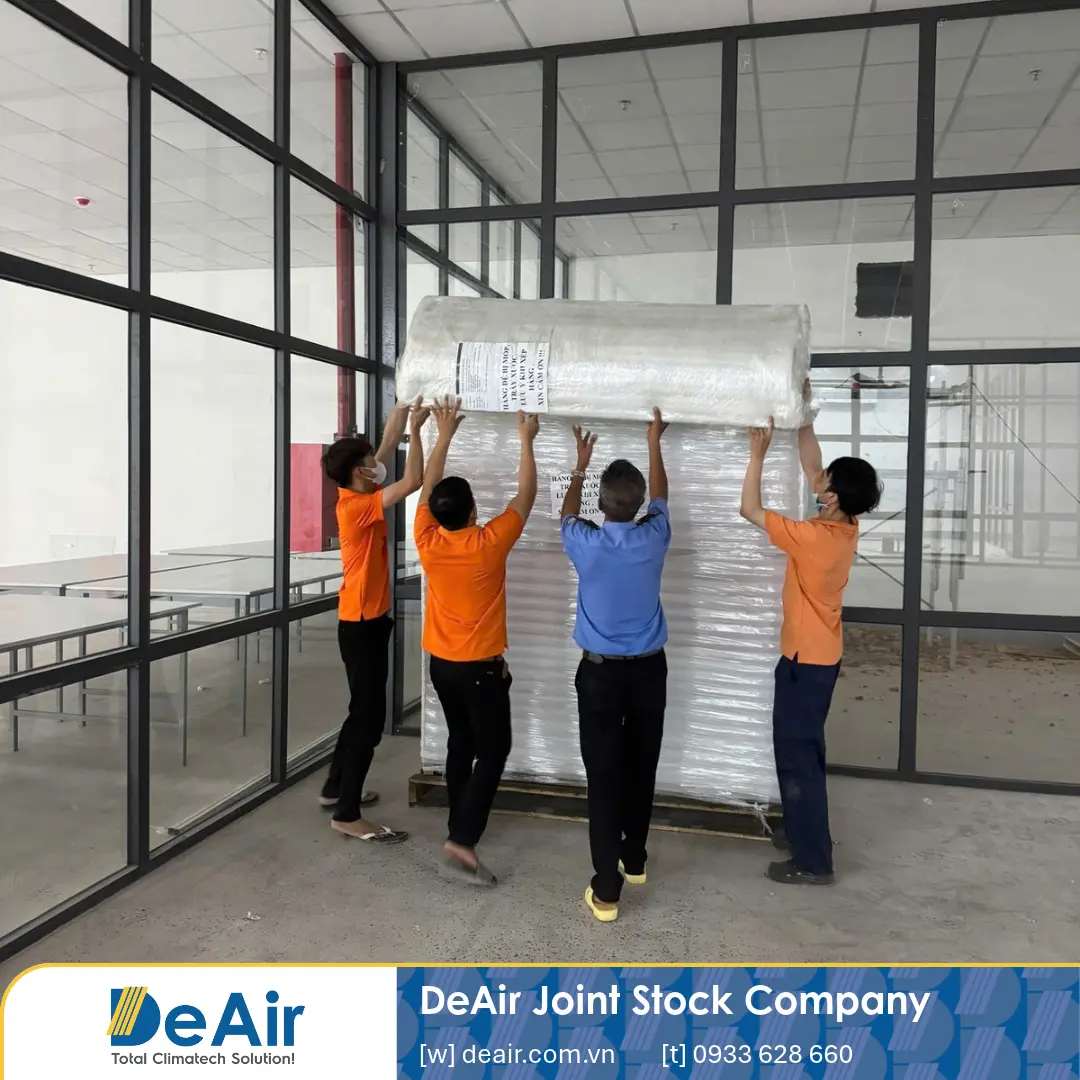
The unit was transported from DeAir's factory in Ho Chi Minh City to Sinnika Garment Company in Khanh Hoa. The handover process included thorough visual inspection and confirmation of all accessories and technical documentation with the client's representative.
The DeAir.RE-600 in its operating position at Sinnika Garment — robust construction suited to industrial workshop spaces.
Step 4: Installation & Connection
DeAir technicians connected the 380V/3P/50Hz power supply to standard, ensuring electrical safety for the 9.2 kW unit. An automatic condensate drainage line was installed for uninterrupted operation. Target humidity thresholds were configured on the control panel for each zone as agreed with the client.
Step 5: Test Run & Operator Training
The system was test-run continuously, with humidity measured at multiple points across the workshop to confirm uniformity and target achievement. Factory staff received detailed instruction on operation, air filter cleaning (especially important in lint-heavy workshops), and fault alert interpretation. Full technical documentation and a genuine 24-month warranty certificate were handed over.
7. Achieved Results
✅ KEY RESULTS AT THE SINNIKA KHANH HOA PROJECT
Humidity: Maintained stably within recommended thresholds for each zone, eliminating localized damp spots behind fabric racks and sewing lines.
Raw material quality: Removed the risk of fabric mold and musty odor in fibers — protecting the value of incoming material lots.
Production equipment: Reduced oxidation of needles, cutting blades, steel components, and electronic sewing machine boards — lowering repair and replacement costs.
Packaging & exports: Cartons retain rigidity, reducing the risk of condensation inside PE bags and "container rain" — safeguarding reputation with import partners.
Operations: Automatic system driven by humidity setpoints, continuous condensate drainage, no manual intervention needed between shifts.
Energy costs: Heat-Pump technology significantly reduces power consumption compared to conventional condensation solutions — a decisive factor for multi-shift factories.
Working environment: Dry, slightly warmed discharge air avoids chilling the workshop, preserving operator comfort.
The Sinnika Khanh Hoa project is one of many garment industry projects DeAir has delivered, alongside clients such as Ha Phong Garment, Phong Phu Garment, Duc Giang Garment, and Ha Bac Garment. Experience accumulated across these projects gives DeAir deep understanding of each production stage in export garment manufacturing.
Q1: My sewing workshop is large — is one DeAir.RE-600 enough?
This depends on space volume, workshop airtightness, door opening frequency, and moisture from raw materials. DeAir conducts a survey and calculates the actual moisture load before finalizing configuration. For very large workshops or spaces divided into zones with different humidity requirements, the solution may involve multiple units or duct distribution. Technical note: for units above 150 liters/day, duct length should stay under 5 m to preserve performance.
Q2: Will the unit make the workshop colder and affect machine operators?
No. This is precisely the advantage of Heat-Pump technology: after moisture removal, the air is slightly reheated using heat recovered from the condensation process, so discharge air is dry and warm, causing minimal cooling of the surrounding environment — unlike air conditioners or some conventional condensation units.
Q3: Sewing workshops are full of fabric lint and cotton dust — will the unit fail quickly?
The DeAir.RE-600 is equipped with an air filter mounted ahead of the cooling coil to clean incoming air and prevent coil blockage. The electrophoretic-coated coil enhances corrosion resistance. However, in lint-heavy environments, periodic filter cleaning is mandatory to maintain performance. DeAir provides detailed instruction at handover and offers periodic maintenance packages.
Q4: Does running the unit across multiple shifts consume a lot of electricity?
The DeAir.RE-600 has a rated power of 9.2 kW, but thanks to Heat-Pump technology recovering condensation heat, actual energy consumption is significantly lower than conventional condensation units of equivalent moisture removal capacity. In addition, the automatic humidity control panel cycles the unit on/off according to the setpoint, avoiding wasted electricity once the target humidity is reached.
Q5: What humidity level is appropriate for fabric storage and sewing workshops?
There is no single figure for the whole factory. Per the technical recommendation document: fabric and textile storage requires approximately 35% RH; raw textile fibers 45–60% RH at 19–24°C; printing areas 35–45% RH; paper/packaging storage 45–50% RH; electrical control panels and precision tools approximately 35% RH. DeAir advises zoned control by production stage and according to the specific requirements of your import partners.
Q6: My workshop is deeply air-conditioned — does that affect the dehumidifier?
There is an important technical consideration: industrial dehumidifiers operating in environments of 15–18°C must be equipped with an additional defrost kit for the moisture-removal coil to perform properly. DeAir always measures actual temperatures in each zone during the survey to advise the appropriate configuration, avoiding coil freeze-up and efficiency loss.
Q7: Does DeAir provide maintenance support in Khanh Hoa?
Yes. DeAir operates a factory in Ho Chi Minh City, a warranty center in Hung Yen, and a technical team covering the entire country. Products carry a 24-month warranty from the delivery date, with free parts and labor for manufacturer-caused defects within Vietnam. DeAir also offers annual maintenance packages and consulting/maintenance services for equipment from other brands.
🏆 DEAIR COMMITMENTS
✅ Free site survey, with measurement and moisture load calculation for each workshop zone.
✅ "Tailor-made" solution consulting by production stage, industry, and scale.
✅ Equipment manufactured in Vietnam, with proactive supply and spare parts availability.
✅ 24-month warranty, service processes certified to ISO 9001:2015.
✅ Transparent costing, with detailed quotations before any work begins.
✅ 24/7 technical support, with a nationwide technical team.
Don't Let Humidity Turn Compliant Fabric Rolls into Rejects!
A mold stain on fabric, a rust mark on a white shirt, a shipment claimed at the destination port — all of it begins with uncontrolled humidity. Let DeAir survey your facility and design a humidity control solution tailored to each area of your garment factory.
Contact us now for a free site survey and consultation!


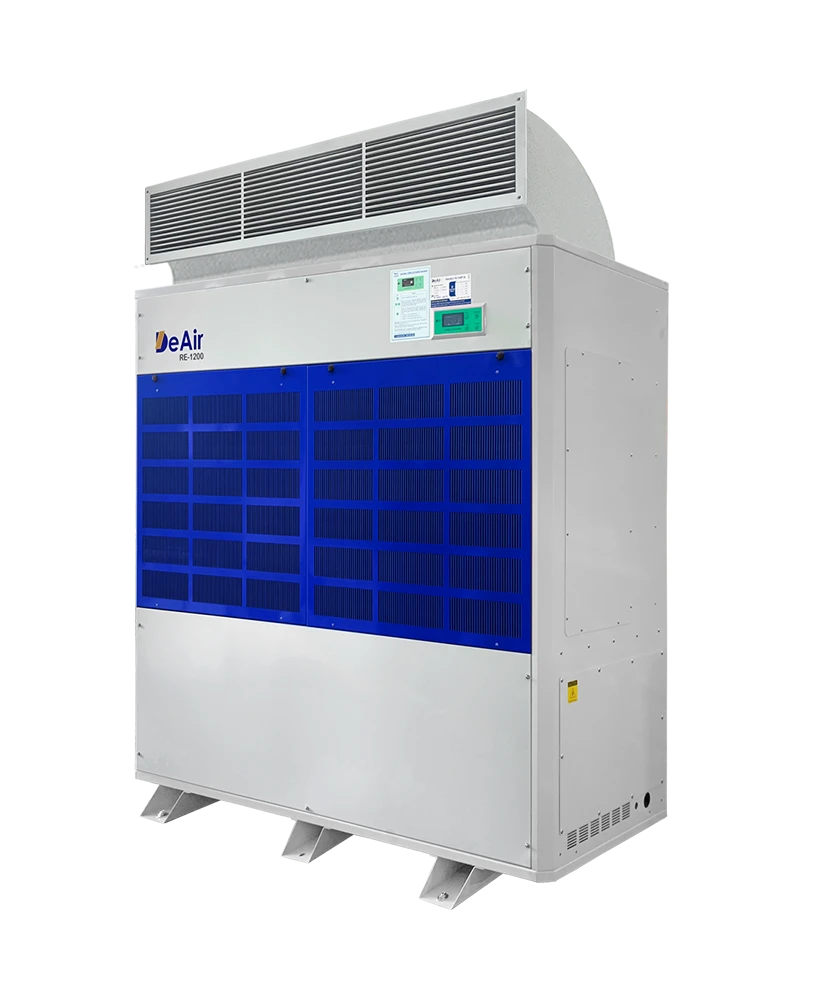 DeAir.RE
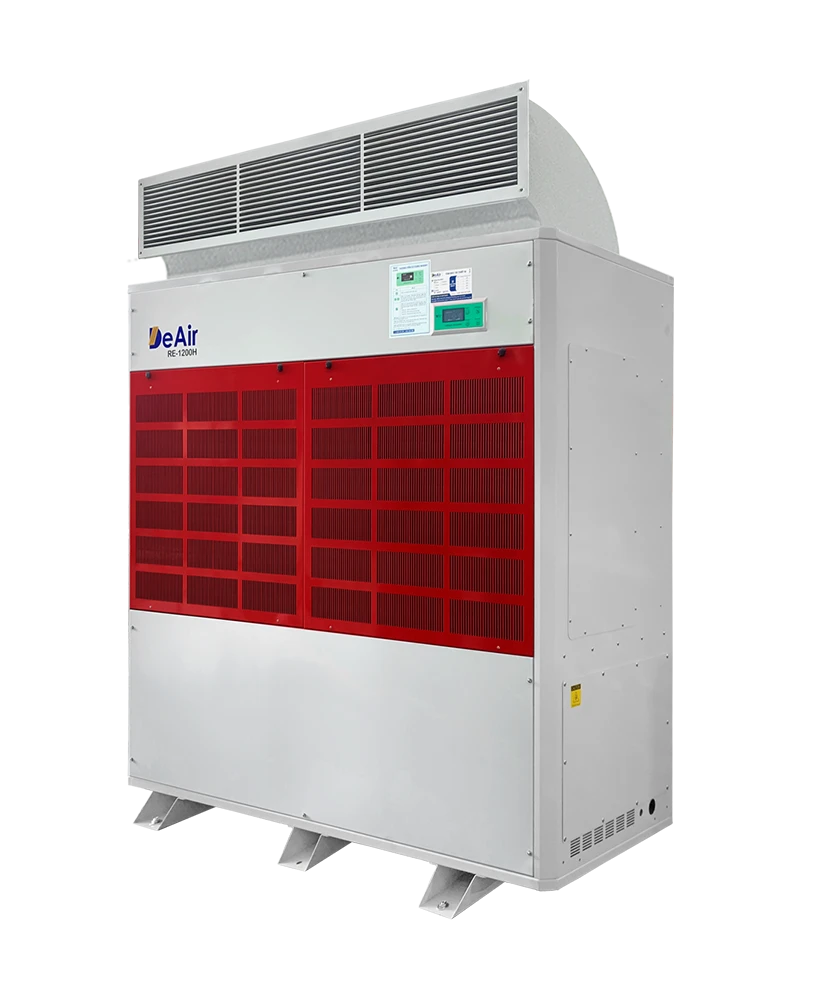 DeAir.RE-H
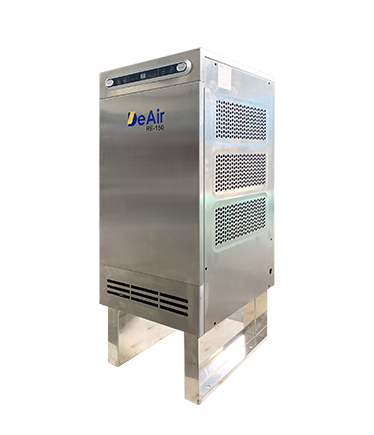 DeAir.RE-INOX
 DeAir.CRE
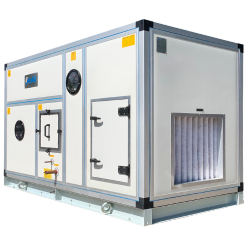 Dezenno
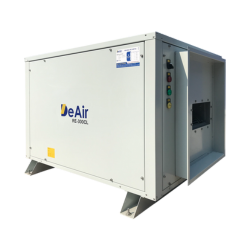 DeAir.RE-CL
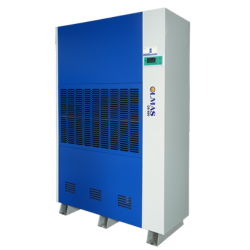 Olmas-OS
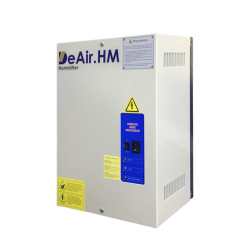 DeAir.HM
 Daxwell
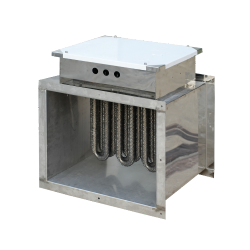 DeAir.Heat
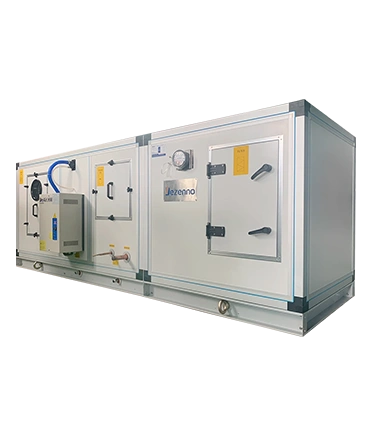 AHU