Decoding Drying Technology: Comparing Daxwell Heat-Pump Dryers vs. Freeze Dryers
08/04/2026
Decoding Drying Technology: Comparing Daxwell Heat-Pump Dryers vs. Freeze Dryers
In short:
The Reality: Freeze drying is often hailed as the pinnacle of technology, but it harbors 6 fatal technical risks: Extremely long processing time (24-48h), highly fragile end-products, strict ingredient requirements (hard to dry high-sugar/fat foods), expensive packaging, and complex operation.
The Practical Solution: The Daxwell Heat-pump dryer emerges as a durable "workhorse," completely resolving the aforementioned weaknesses.
Daxwell's Advantages: Shortens drying time (10-15h), retains mechanical chewiness/crispness for easy packaging, smoothly processes whole agricultural products or high-sugar fruits, and features automated HMI/PLC operation without needing complex "eutectic point" calculations.
In the food processing industry, the race to upgrade drying technology is always a hot topic. Many businesses mistakenly believe that investing in the most expensive technology will yield the most perfect product, and Freeze drying is often placed on a technological pedestal. However, setting aside the massive barriers of investment costs and electricity bills, this technology still harbors fatal technical risks that cause many manufacturers to be disillusioned when putting it into practical operation.
1. 6 Technical "Hidden Corners" of Freeze Drying That Few Will Tell You
A freeze drying system operates through these steps: Deep freezing (sub-zero temperatures) ➔ Vacuum extraction ➔ Compensatory heating to sublimate ice into water vapor. This process brings significant physical limitations:
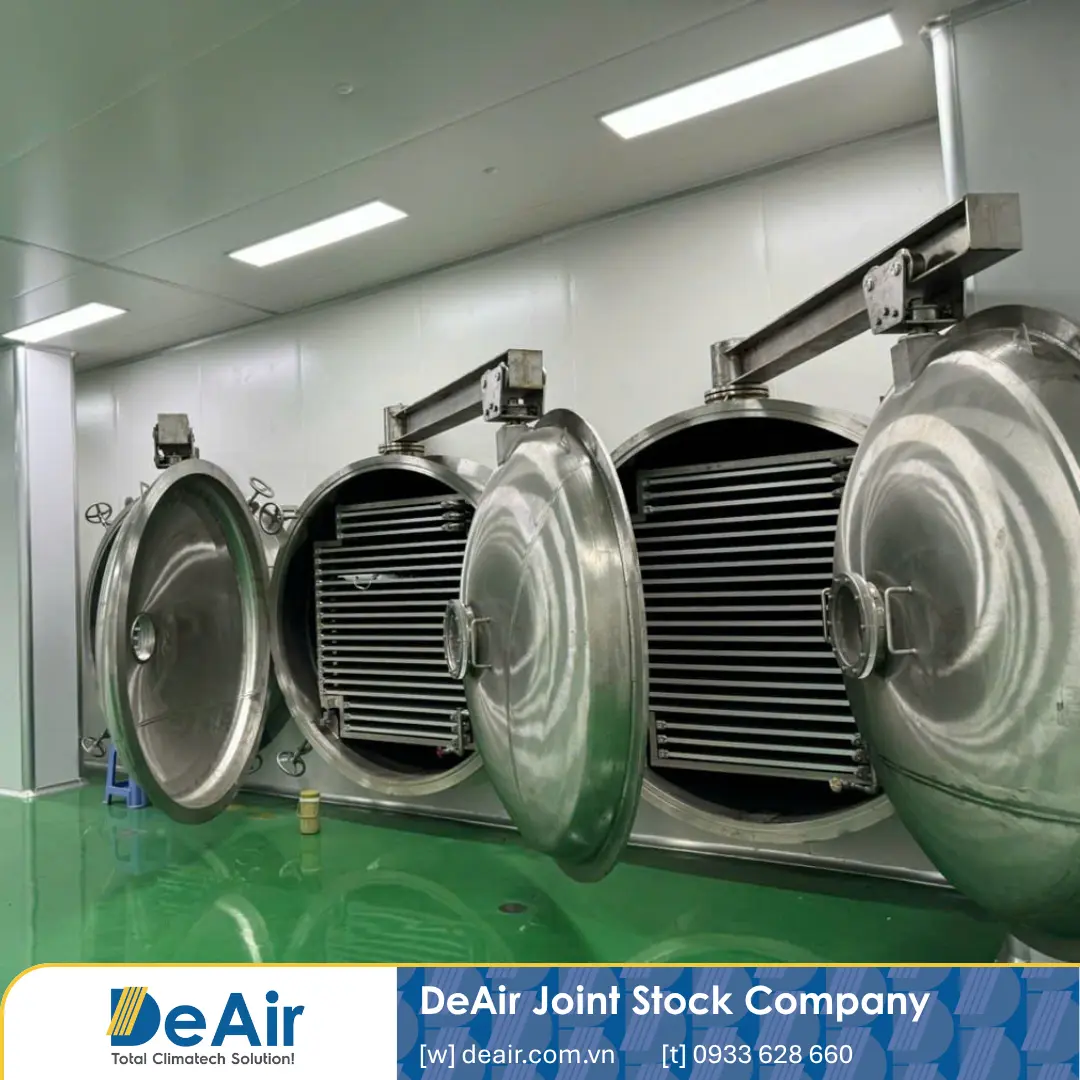
A freeze drying system includes a drying chamber, an ice condenser tank, a deep refrigeration system, and highly bulky vacuum pumps.
Extremely Long Processing Time (Bottleneck): Compared to thermal or cold drying which takes a few to over ten hours, freeze drying consumes 24 to 48 hours (or more) for a single batch. This severely reduces flexibility, leaving factories "helpless" when needing to boost output to race during peak harvest seasons.
Highly Fragile Product: The structural "skeleton" of the product after drying is incredibly weak. Even a slight impact causes the product to crumble into powder, leading to massive losses during transportation and making post-drying processing (cutting, slicing) nearly impossible.
Strict Packaging Requirements: The sponge-like porous structure causes the product to reabsorb moisture from the air within minutes, instantly turning soggy. It is mandatory to package them in thick aluminum foil bags, vacuum-sealed or nitrogen-flushed, which multiplies packaging material costs significantly.
Limitations with Certain Foods: Not everything freeze-dries successfully. High-sugar foods (honey, sweet dried fruit jams) or high-fat foods (meat, fish) are very difficult to dry because sugar and fat prevent sublimation, making the product sticky rather than crispy. Furthermore, it only works well with thin slices; drying large whole fruits takes an extraordinarily long time and often leaves the core "fresh" (undried).
Complex Operation Techniques: It’s not as simple as "pressing a button and waiting." Operators must deeply understand the eutectic point (melting point) of each food type. Incorrectly setting the compensatory heating curve will cause the product's structure to "collapse," shrivel, and turn black right inside the vacuum chamber.
Massive Space Consumption: The machinery emits a vast amount of heat into the surrounding environment, requiring the factory layout to be extremely spacious and well-ventilated to standard.
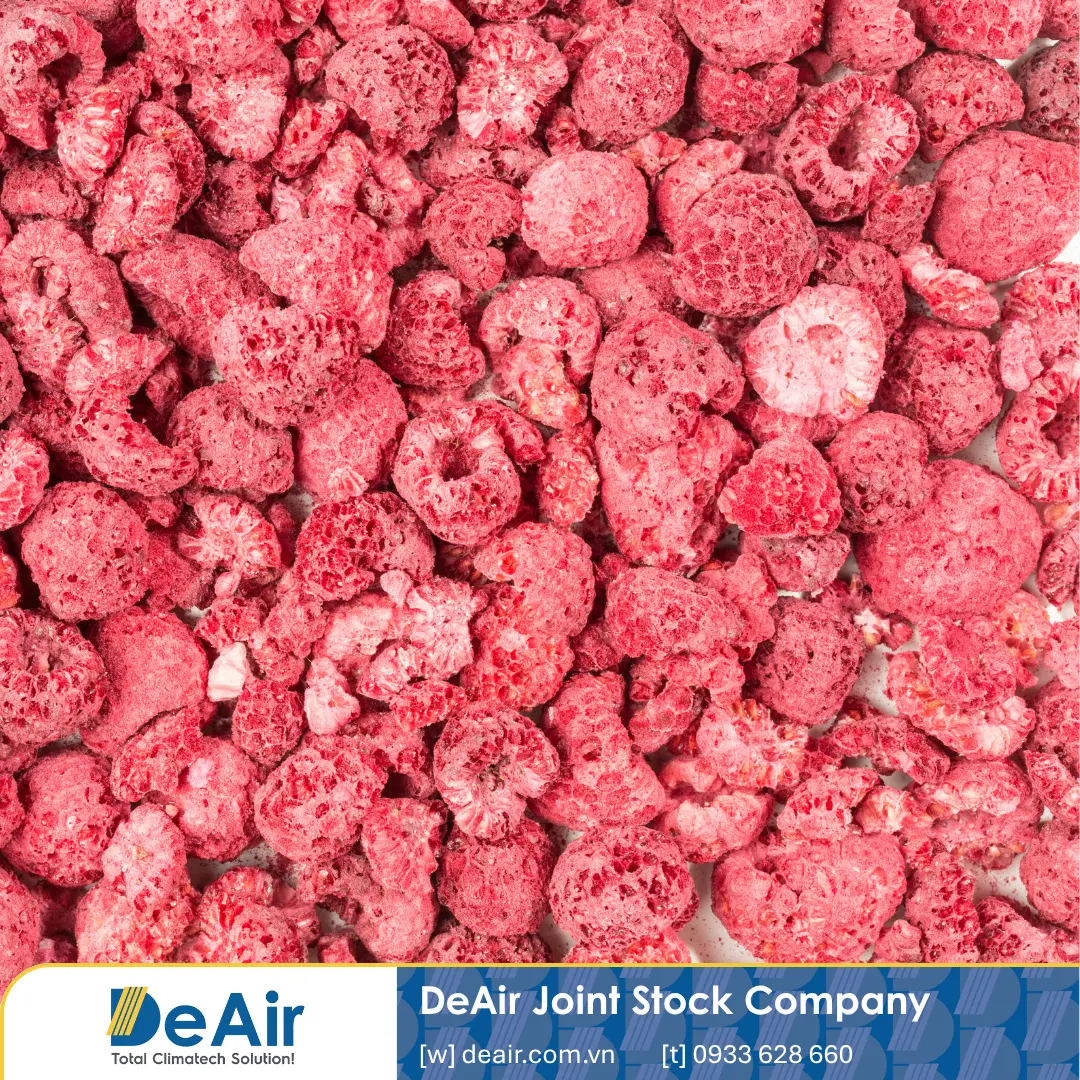
Finished freeze-dried strawberries look beautiful, but their hollow, porous structure makes them highly susceptible to crumbling into powder during packaging and transport.
2. Daxwell Heat-Pump Dryers: The Most Balanced and Practical Solution
Countering the risks above, Daxwell's Heat-pump drying technology rises as the "practical king" for 90% of modern factory processing needs, thanks to its ability to completely overcome the weaknesses of freeze drying.
Outstanding Speed & Productivity: Drying time is shortened to just 10 - 15 hours. The machine runs in continuous circulation, easily handling the output pressure of tens of tons of raw materials per day.
Ideal Mechanical Durability: Products dried by Daxwell retain controllable chewiness (like soft dried fruit) or crispness. They absolutely do not crumble during transport and are easily packaged using standard zip bags or plastic boxes without the need for expensive Nitrogen flushing.
Absolute Versatility: Daxwell machines effectively dry everything from thin vegetable slices to thick whole agricultural products. Notably, they smoothly process high-sugar fruits (mango, jackfruit, banana) or marinated seafood without hindering moisture evaporation.
Smart, Low-Risk Operation: Daxwell's HMI/PLC control cabinet doesn't require you to calculate complex "melting points." The system automatically follows a pre-programmed, mild temperature curve (from 15°C to 75°C). One-touch operation eliminates the risk of batch failure due to human error.
Compact, Clean Design: Daxwell drying cabinets or Panel drying rooms feature a monolithic design, optimizing factory space without exhausting stifling hot air into the working environment.
Low moisture absorption. Easily packaged in standard zip bags or plastic boxes.
High Sugar/Fat Foods
Difficult to dry, easily becomes sticky, lacks porosity.
Excellently processes jams, soft-dried fruits, and seafood.
Operational Technique
Complex, must understand "eutectic point" to avoid batch failure.
Automated HMI operation, safe, no deep expertise required.
4. Investment Orientation: A High-Maintenance Supercar or a Durable Workhorse?
Freeze drying is a good technology, but it acts like a "high-maintenance supercar." This technology is truly suited only for a minority of ultra-premium products with massive surplus value (such as vaccines, probiotics, royal jelly, bird's nest, or special grade cordyceps) to offset the risk and operational costs.
Conversely, for 90% of the market's standard processing needs for agricultural products, foods, and seafood, Heat-pump drying technology is the most durable "workhorse." It provides the perfect balance between high-end product quality, production flexibility, and a highly attractive Return on Investment (ROI).
5. Frequently Asked Questions (FAQ)
1. If I want crispy dried fruit, can I use a Daxwell machine?
Answer: Yes. The Daxwell Heat-pump dryer can dry fruit thoroughly. Although the structure won't be "melt-in-your-mouth" porous like freeze drying (or vacuum frying), heat-pump dried products still achieve mechanical hardness and crispness while excellently preserving color and vitamins.
2. Does the Daxwell dryer consume more electricity than freeze drying?
Answer: The Daxwell dryer is many times more energy-efficient than freeze drying. Freeze drying requires running both a deep refrigeration system (sub-zero) and high-capacity vacuum pumps simultaneously for 2 days. Meanwhile, the Daxwell heat pump utilizes circulating condensation heat recovery, consuming extremely low electricity and finishing in just 10-15 hours.
3. Which dryer should I choose for an export soft-dried mango project?
Answer: Definitely the Daxwell Heat-pump dryer. Mangoes have high sugar content and cannot be freeze-dried effectively. The heat pump machine will dry the mango's surface while retaining internal moisture and chewiness, resulting in a golden color that adheres strictly to European and US export standards.
Choose the Right Technology - Optimize Your Investment
Investing in drying technology is a life-or-death decision for your factory. Choose a solution that delivers practicality, ease of operation, and guarantees the highest return on investment.
Contact DeAir's team of experts today for in-depth technological consulting and receive a quote for the Daxwell Heat-pump drying system that best fits your product's specifics!


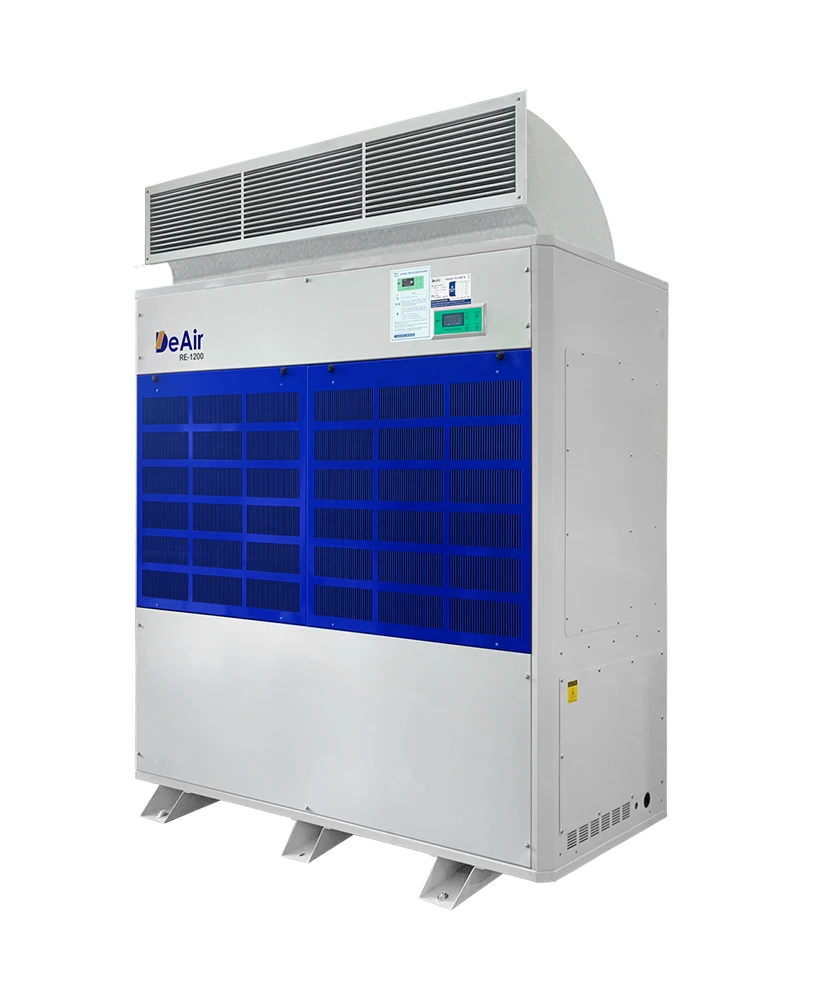 DeAir.RE
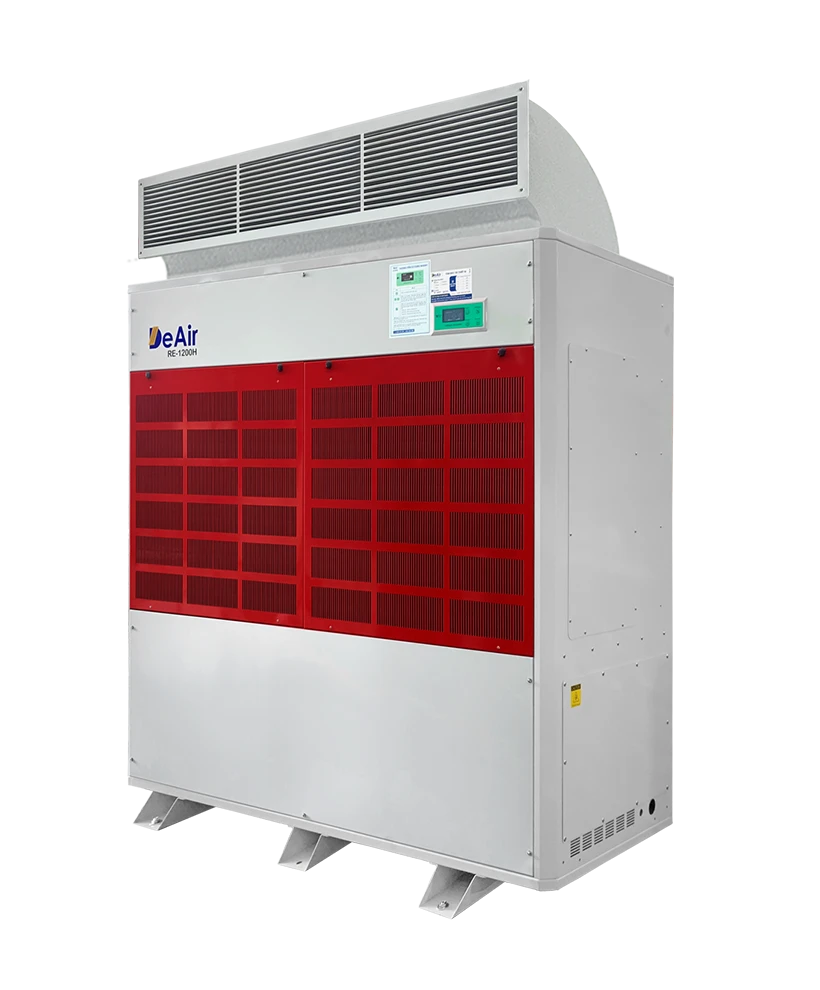 DeAir.RE-H
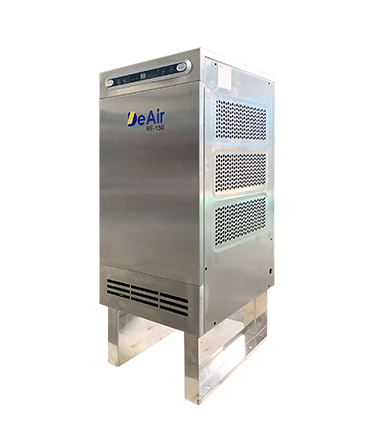 DeAir.RE-INOX
 DeAir.CRE
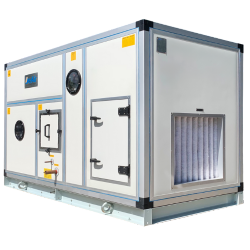 Dezenno
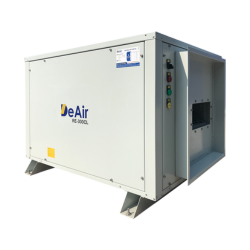 DeAir.RE-CL
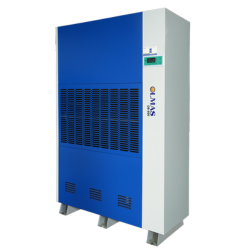 Olmas-OS
 DeAir.HM
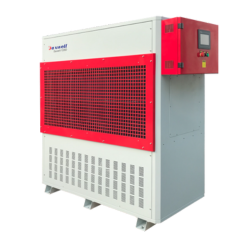 Daxwell
 DeAir.Heat
 AHU
AHU







![[Case Study] DeAir Installs DeAir.De Rotor Humidity Control System for Pharmaceutical Plant in Binh Duong](https://deair.com.vn/thumbs/news/2023_04/ban_giao_may_cho_duoc_bd/[270x153-cr]image1-1024x772.jpg__cv.webp "[Case Study] DeAir Installs DeAir.De Rotor Humidity Control System for Pharmaceutical Plant in Binh Duong")

![[Review & Guide] Olmas OS-300: The New Humidity Control "Warrior" for Medium to Large Warehouses](https://deair.com.vn/thumbs/news/huong_dan_su_dung_may_olmas_21/[270x153-cr]vtm06440.png "[Review & Guide] Olmas OS-300: The New Humidity Control \"Warrior\" for Medium to Large Warehouses")