Project Showcase: Export-Standard Soft-Dried Mango Production Process with Daxwell Dryers
16/03/2026
Elevating Vietnamese Mangoes: The Heat-Pump Drying Solution
Vietnam is one of the largest "mango baskets" in Southeast Asia, offering premium-quality, delicious fruits. However, exporting fresh fruit always faces significant barriers regarding shelf life and logistics costs. To increase the value of agricultural products, transitioning to an export-standard soft-dried mango production model is the strategic direction for many enterprises.
Recently, DeAir partnered with a leading agricultural export enterprise to successfully integrate the Daxwell Heat-Pump Dryer into a closed-loop production process. This advanced technology helps retain the full original flavor, color, and nutrients of the fresh mango.
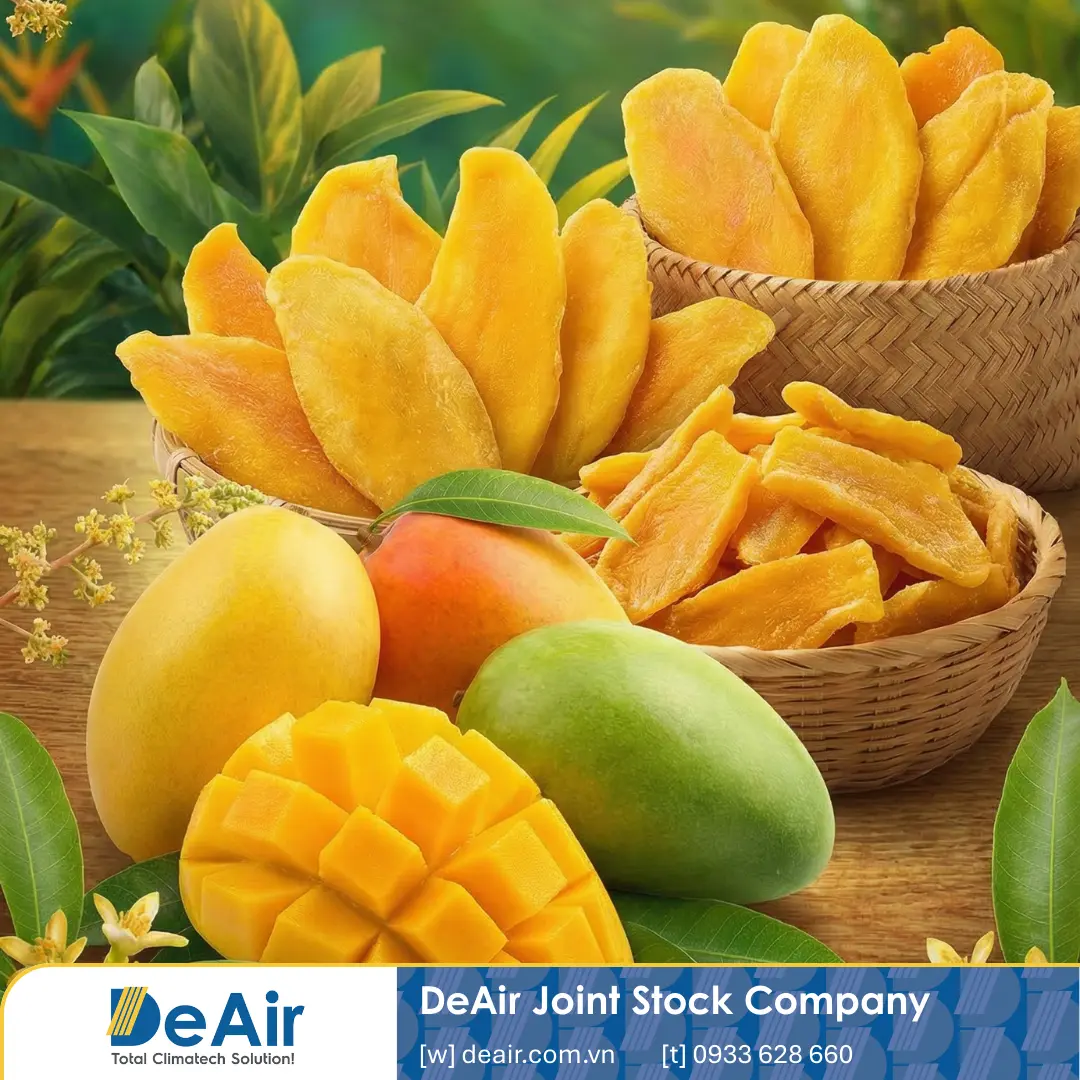
From delicious fresh mangoes to golden, chewy dried slices, the natural flavor is perfectly preserved thanks to low-temperature drying technology.
1. The 4-Step Export-Standard Soft-Dried Mango Process
To produce soft-dried mangoes that meet the strict standards of demanding markets (USA, EU, Japan), the production process must be automated and microbiologically controlled:
Step 1 - Material Selection: Fresh mangoes harvested from orchards are transported to the factory and undergo Quality Control (QC) to remove bruised, unripe, or overripe fruits.
Step 2 - Automated Pre-processing: Mangoes pass through a high-capacity washing, peeling, and slicing line. Machine slicing ensures tens of thousands of pieces have a uniform thickness (usually 10-15mm), guaranteeing they dry evenly.
Step 3 - Daxwell Heat-Pump Drying (The Decisive Phase): The mango slices are arranged on stainless steel trays and pushed into a closed drying room. The Daxwell heat-pump dryer utilizes a low-temperature range (40-50°C) combined with filtered and fully dehumidified air. Because moisture is extracted gradually, the mango slices do not caramelize (turn dark), retaining 100% of their eye-catching bright yellow color, chewy texture, and original Vitamin content.
Step 4 - Sterile Packaging: The finished dried mangoes, having reached standard moisture levels (around 15-20%), are cooled and vacuum-sealed in premium packaging, ready for delivery to customers worldwide.
2. [Expert Corner] Yield Ratio & Optimal Drying Room Scale
In food technology, mangoes are known for their high water content. Through practical experience executing numerous projects, DeAir's engineers share "survival" parameters that every investor must know:
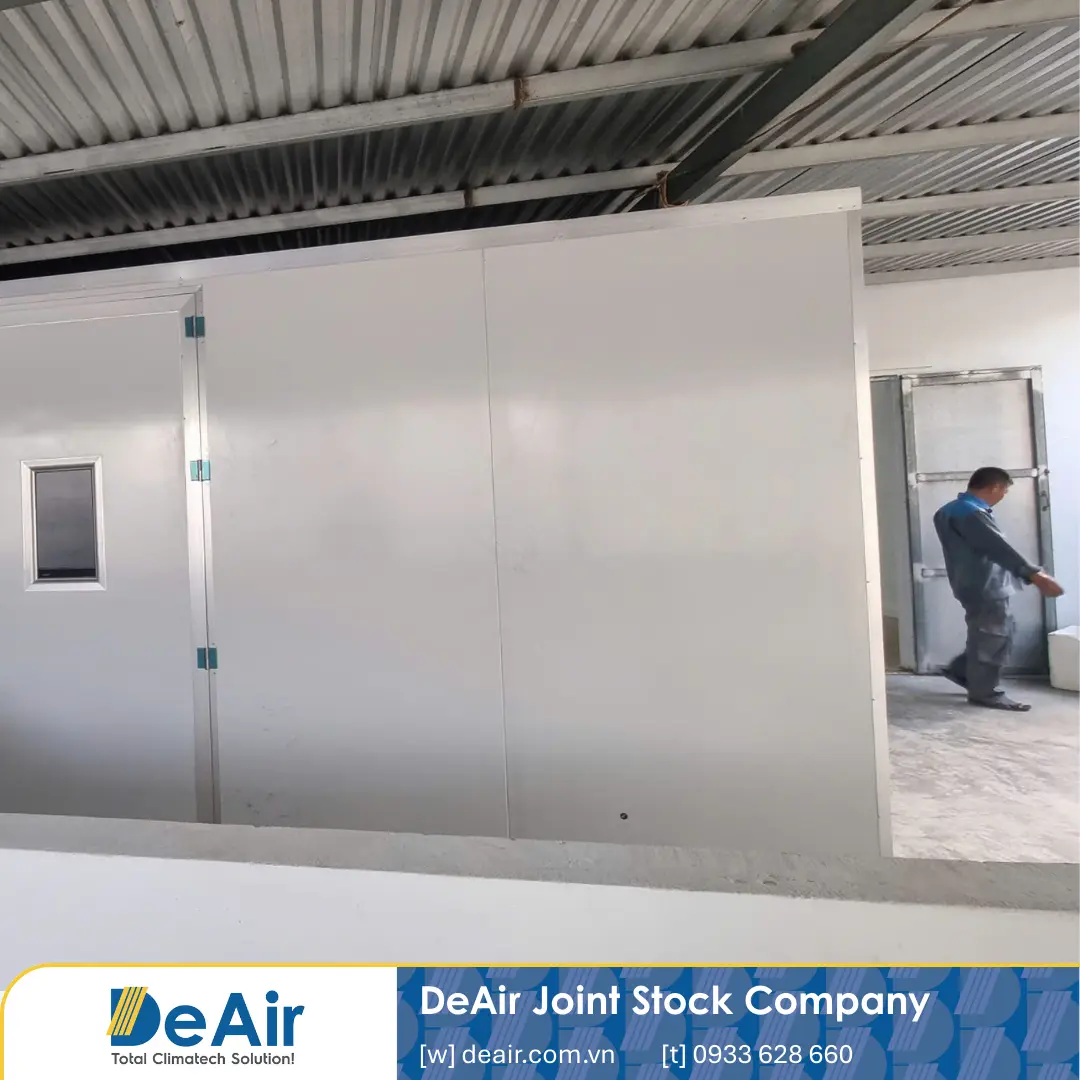
Perfectly insulated Panel drying room system, specialized for the export mango drying project in Ninh Thuong constructed by DeAir.
Actual Yield Ratio
When drying mangoes, an enormous amount of water must be extracted. On average, for every 500kg of fresh mangoes (peeled and pitted) put into the dryer, you will yield approximately 150kg of finished soft-dried mango (a yield ratio of about 30%). This requires the industrial dryer to possess extremely powerful dehumidification capacity to pull hundreds of liters of water out of the room in a single batch.
Advice on Standard Drying Room Scale
According to DeAir's technical design standards, a drying room designed for optimal air convection should hold a capacity of 1000 kg to 2000 kg of fresh material per batch.
⚠️ Common Mistake: Many businesses with large drying needs (4000 - 5000 kg/day) often request a single "giant" drying room. This leads to aerodynamic risks: the air cannot blow evenly to distant corners, resulting in batches where some trays are dry while others remain wet, degrading the overall consistency of the shipment.
💡 DeAir's Optimal Solution: For high-yield requirements, enterprises SHOULD duplicate the system (build 2 or 3 independent drying rooms, each 1500 - 2000 kg). This allows for continuous rolling batches, guarantees 100% even airflow for every tray, and ensures the entire production line does not halt if one room requires maintenance.
WHY SHOULD YOU DIVIDE DRYING ROOMS? (The 4000kg/day Challenge)
Option 1: Build One 4000kg Room ❌
Hard to control aerodynamics (dead air in corners).
Uneven output (trays near the machine dry first, far trays stay wet).
"All eggs in one basket" risk: Factory halts if the machine needs maintenance.
Option 2: Build Two 2000kg Rooms ✅
Perfect air convection, beautiful finish rate hits 99%.
Rolling production (Room 1 is drying while Room 2 is loading).
Easily change drying recipes for different fruits simultaneously.
4. Real-World Experience with the Daxwell Drying System
Admire the golden, export-quality soft-dried mango slices produced by the Daxwell Heat-Pump Drying System directly implemented by DeAir:
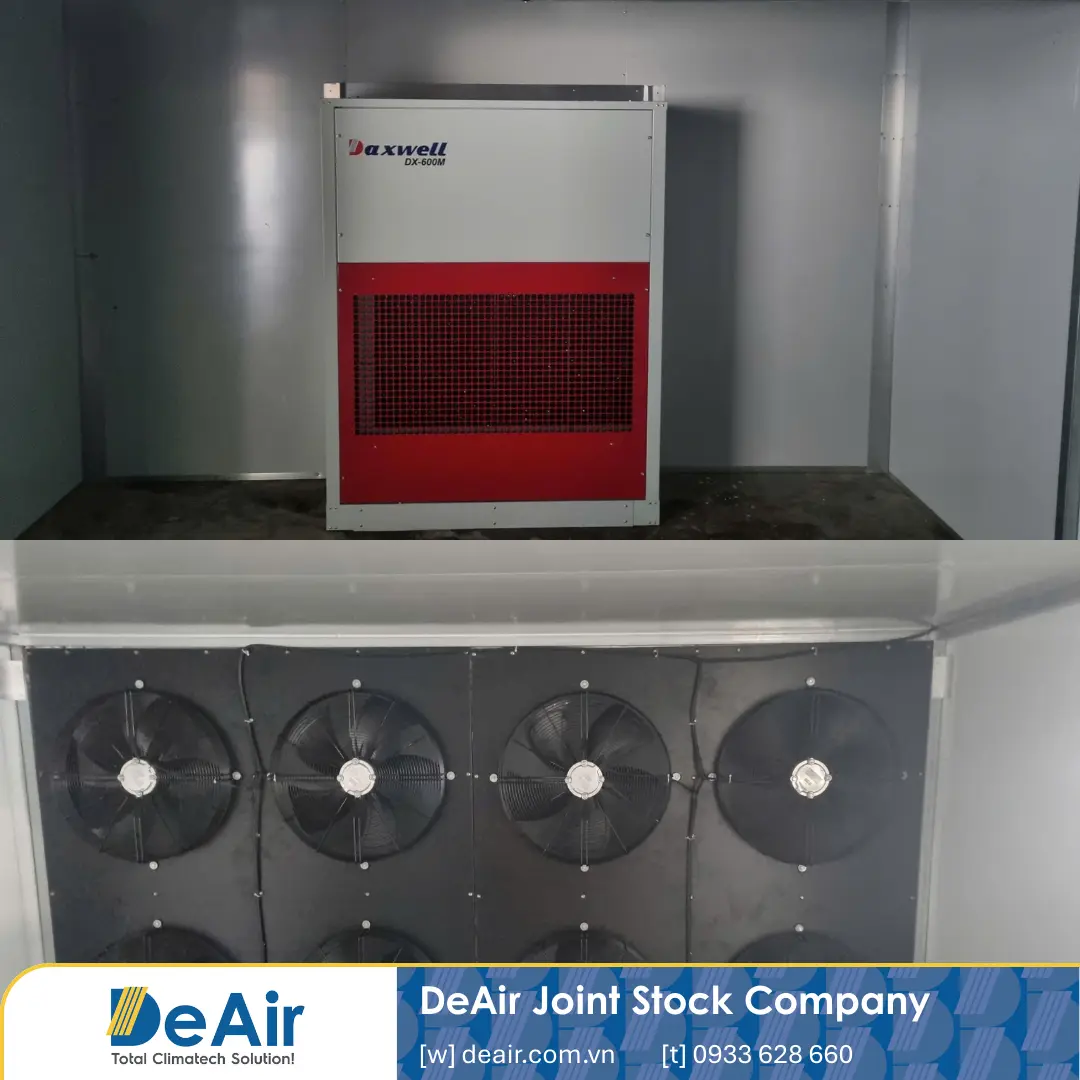
The Daxwell DX-600M heat-pump main body and a powerful circulating fan array rigorously calculated by DeAir to force air through every gap in the trolleys.
Conclusion: Investing in Daxwell Heat-pump closed-loop drying technology is the "golden key" helping Vietnamese enterprises elevate agricultural value and meet the most stringent international market standards like FDA, ISO 22000, and BRC.
Get Your Standard Drying Room Consultation
Do you want to build a highly profitable soft-dried mango, dragon fruit, or jackfruit drying system? Let DeAir's technical experts calculate the capacity and create a FREE design layout for your factory!


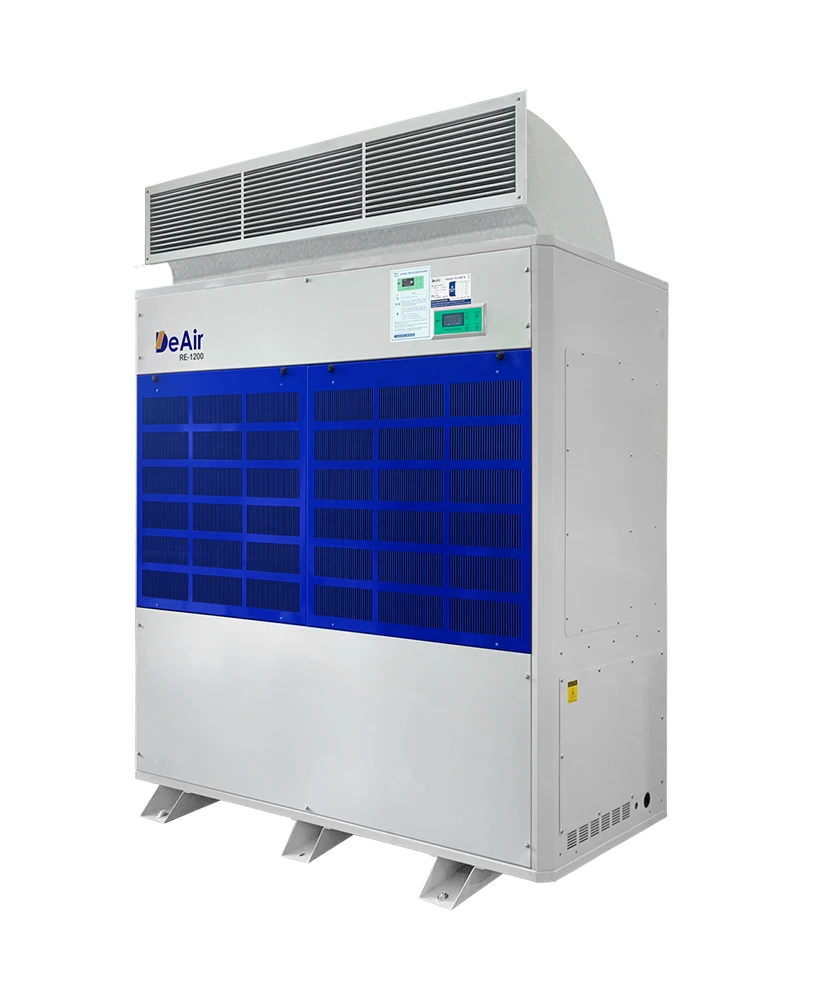 DeAir.RE
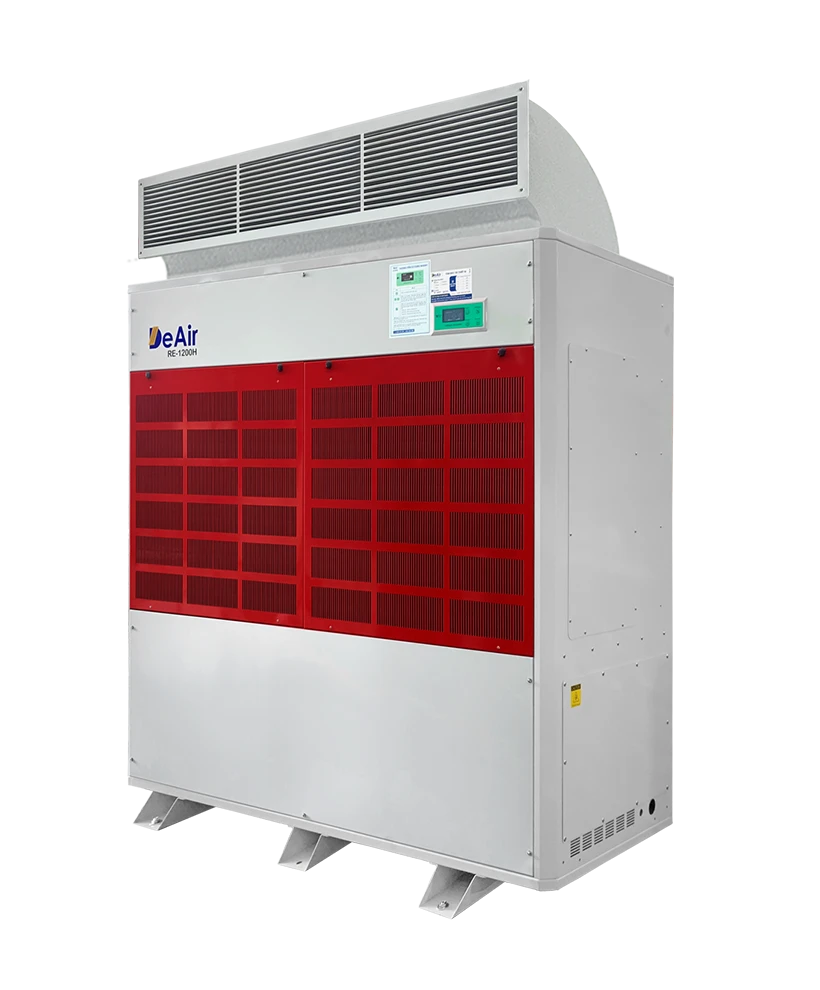 DeAir.RE-H
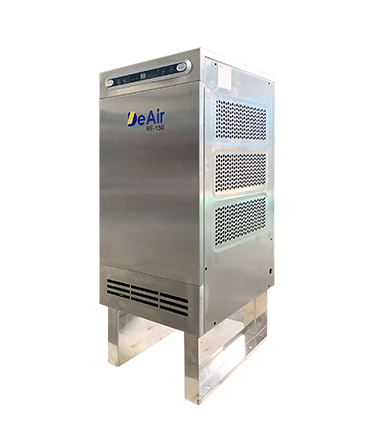 DeAir.RE-INOX
 DeAir.CRE
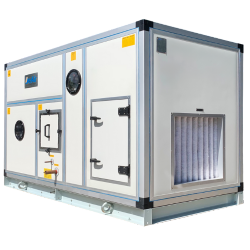 Dezenno
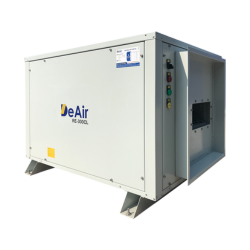 DeAir.RE-CL
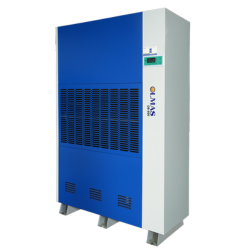 Olmas-OS
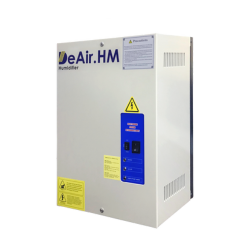 DeAir.HM
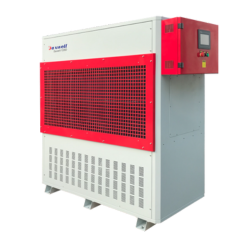 Daxwell
 DeAir.Heat
 AHU
AHU






![[Case Study] DeAir Installs DeAir.De Rotor Humidity Control System for Pharmaceutical Plant in Binh Duong](https://deair.com.vn/thumbs/news/2023_04/ban_giao_may_cho_duoc_bd/[270x153-cr]image1-1024x772.jpg__cv.webp "[Case Study] DeAir Installs DeAir.De Rotor Humidity Control System for Pharmaceutical Plant in Binh Duong")
![[Review & Guide] Olmas OS-300: The New Humidity Control "Warrior" for Medium to Large Warehouses](https://deair.com.vn/thumbs/news/huong_dan_su_dung_may_olmas_21/[270x153-cr]vtm06440.png "[Review & Guide] Olmas OS-300: The New Humidity Control \"Warrior\" for Medium to Large Warehouses")