Specialized dehumidifiers completely resolve high humidity issues in cold storage rooms.
Humidity is the silent enemy inside every cold room. It causes condensation, frost buildup on evaporator coils, reduces cooling efficiency, and increases energy costs. Equipping a standard residential dehumidifier is simply not enough. Cold storage for food or pharmaceuticals demands a specialized solution: a cold storage dehumidifier.
1. How to choose the right dehumidifier for food, seafood, and pharmaceutical cold storage?
Choosing a dehumidifier for food, seafood, and pharmaceutical preservation is not like buying a household appliance. It is a critical technical decision that directly affects operational efficiency and product quality. A wrong choice can lead to inefficient operation, wasted energy, or failure to meet the required humidity levels.
How to determine dehumidification capacity based on cold room volume
Dehumidifier capacity is measured in liters/day or kg/hour. Accurate capacity calculation is the first step to avoiding waste or ineffective investment. Here is a step-by-step guide to help you estimate:
Calculate basic moisture load (Static load): Cold room volume (m³) = Length x Width x Height. Room airtightness: Is the enclosure made of well-insulated panels? Are the doors sealed? The air leakage rate is a crucial factor.
Products: Newly introduced goods (especially fresh fruits, vegetables, and meats) carry a significant amount of moisture.
Personnel: Every worker inside the cold room emits a certain amount of water vapor.
Air infiltration: Every time the door opens, humid air from the outside rushes in. The frequency and duration of door openings greatly affect the moisture load.
Ventilation: If the room has a fresh air ventilation system, the moisture from the fresh air must be accounted for.
To simplify this process, contact DeAir's experts via Hotline: 0933 628 660. We will provide a detailed spreadsheet or conduct a site survey to give you the exact figures.
Determining dehumidification capacity needs based on cold storage volume.
Ideal temperature and humidity for storing various goods in cold storage
Each type of product has a "sweet spot" for temperature and humidity to maintain peak quality. Setting the wrong parameters can ruin an entire batch. Using a precise hygrometer for monitoring is mandatory. Below is a reference table for standard storage conditions:
Commodity Type
Temperature (°C)
Relative Humidity (RH%)
Notes
Pharmaceuticals, Vaccines
2°C to 8°C
35% - 45%
Low humidity to prevent degradation, clumping, and paper packaging damage.
Frozen Seafood
-18°C to -22°C
90% - 95%
High humidity needed to prevent dehydration and freezer burn.
Fresh Fruits & Veggies
0°C to 10°C
85% - 95%
High humidity keeps them fresh and prevents wilting.
Seeds, Dried Agricultural Products
10°C to 15°C
40% - 50%
Low humidity to prevent sprouting and mold growth.
Electronic Components
15°C to 20°C
< 40%
Ultra-low humidity to prevent oxidation and microchip corrosion.
Wine
12°C to 16°C
60% - 70%
Moderate humidity so corks don't dry out or mold.
The choice of dehumidifier must be based on its ability to accurately maintain the required humidity within this temperature range.
Key factors for efficient and long-lasting dehumidifier operation
Investing in an expensive industrial dehumidifier will be meaningless if it's not operated in a suitable environment. To maximize the efficiency and lifespan of the equipment, pay attention to the following factors:
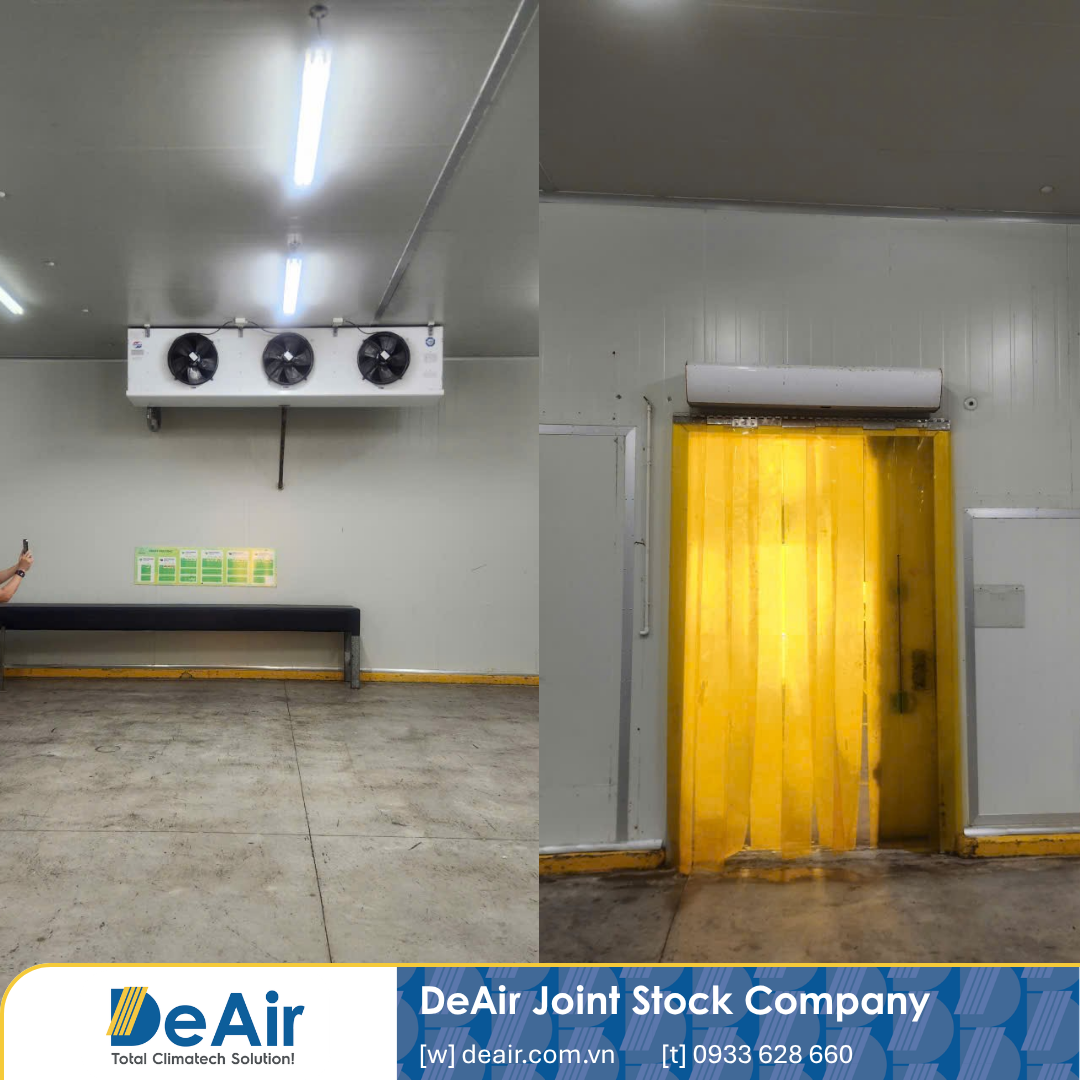
Cold room airtightness: This is the most important factor. The room envelope must be made of standard insulated panels. Joints must be sealed. Doors must have high-quality rubber gaskets. Any leakage allows humid outside air to enter, forcing the machine to run continuously, wasting electricity and reducing its lifespan.
Installation location: The dehumidifier needs to be placed in an area with good air circulation. Do not place it tightly against a wall or have objects obstructing the air inlet and outlet. The location must ensure dry air is distributed evenly throughout the storage.
Periodic maintenance: Just like the cooling coils, the dehumidifier also requires regular cleaning and maintenance. Specifically, the air filters and the desiccant wheel (for rotor machines) must be inspected and cleaned according to manufacturer recommendations to guarantee moisture removal performance.
2. Types of specialized dehumidifiers for cold storage today
The market offers various dehumidification technologies, but not all are suitable for the unique environment of cold storage (low temperatures). Residential dehumidifiers typically use condensation technology, which performs very poorly when temperatures drop below 20°C. For cold storage, specialized industrial dehumidifiers must be used.
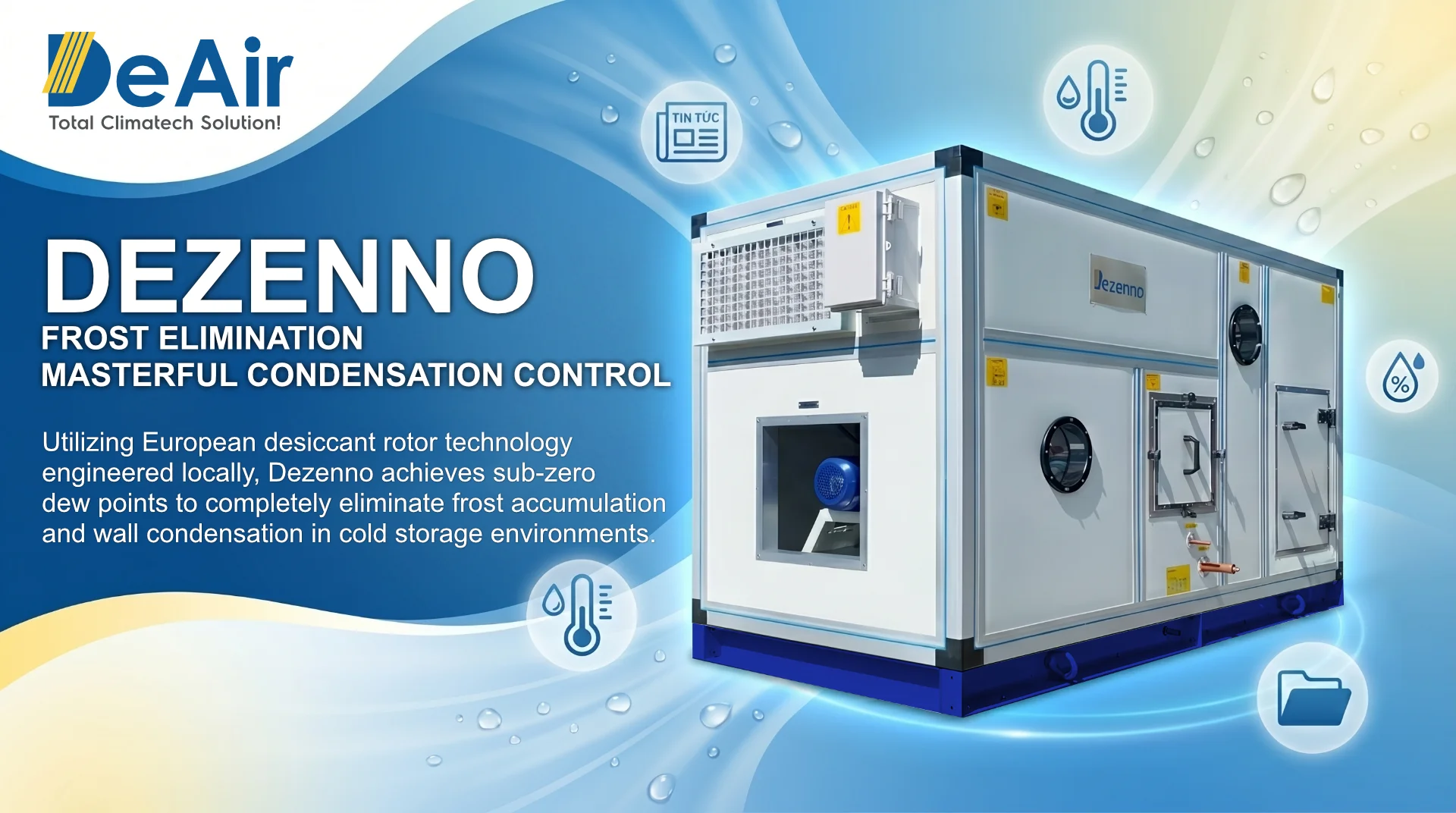
The two main technologies applied are desiccant (rotor) dehumidifiers and high-capacity condensing dehumidifiers. Furthermore, based on the room structure and operational needs, these machines are manufactured in various forms: heavy-duty fixed units, flexible mobile units, space-saving ceiling-mounted units, or fully integrated into the central HVAC system. Choosing the right technology and installation method will determine the efficiency and investment cost.
Comparing rotor vs. condensing dehumidifiers – Pros and Cons
Understanding the difference between these technologies is vital to selecting the right equipment.
Principle: Draws humid air over a cooling coil. The water vapor condenses into liquid and drains out.
Pros: Lower initial cost, average power consumption in temperatures above 20°C.
Cons: Performance drops sharply when temperatures fall below 15°C and it practically stops working below 5°C due to the coils freezing. Unsuitable for most cold storage applications.
Principle: Draws humid air through a rotating wheel (rotor) impregnated with a desiccant material (Silica Gel). Moisture is trapped in the rotor. A separate hot air stream then dries the rotor, exhausting the moisture outside.
Pros: Operates extremely efficiently across a wide temperature range, including sub-zero temperatures (-20°C). Capable of bringing humidity down to very low levels (under 30% RH).
Cons: Higher initial investment cost, higher power consumption due to the heating element required to dry the rotor.
Conclusion: This is the standard and most effective technology for cold storage dehumidifiers. Olmas highly recommends rotor dehumidifiers for all cold storage applications to ensure performance and reliability.
Desiccant rotor technology is the standard and most efficient solution for cold storage dehumidification.
Choosing by requirement: fixed, mobile, ceiling-mounted, or integrated system
After choosing the technology (rotor), you need to select the machine format that suits your facility.
Mobile dehumidifiers: Suitable for small cold rooms, or used to handle localized moisture issues. They have wheels and are easy to move. However, the capacity is usually not very large, and the wet air exhaust duct needs to be routed outside.
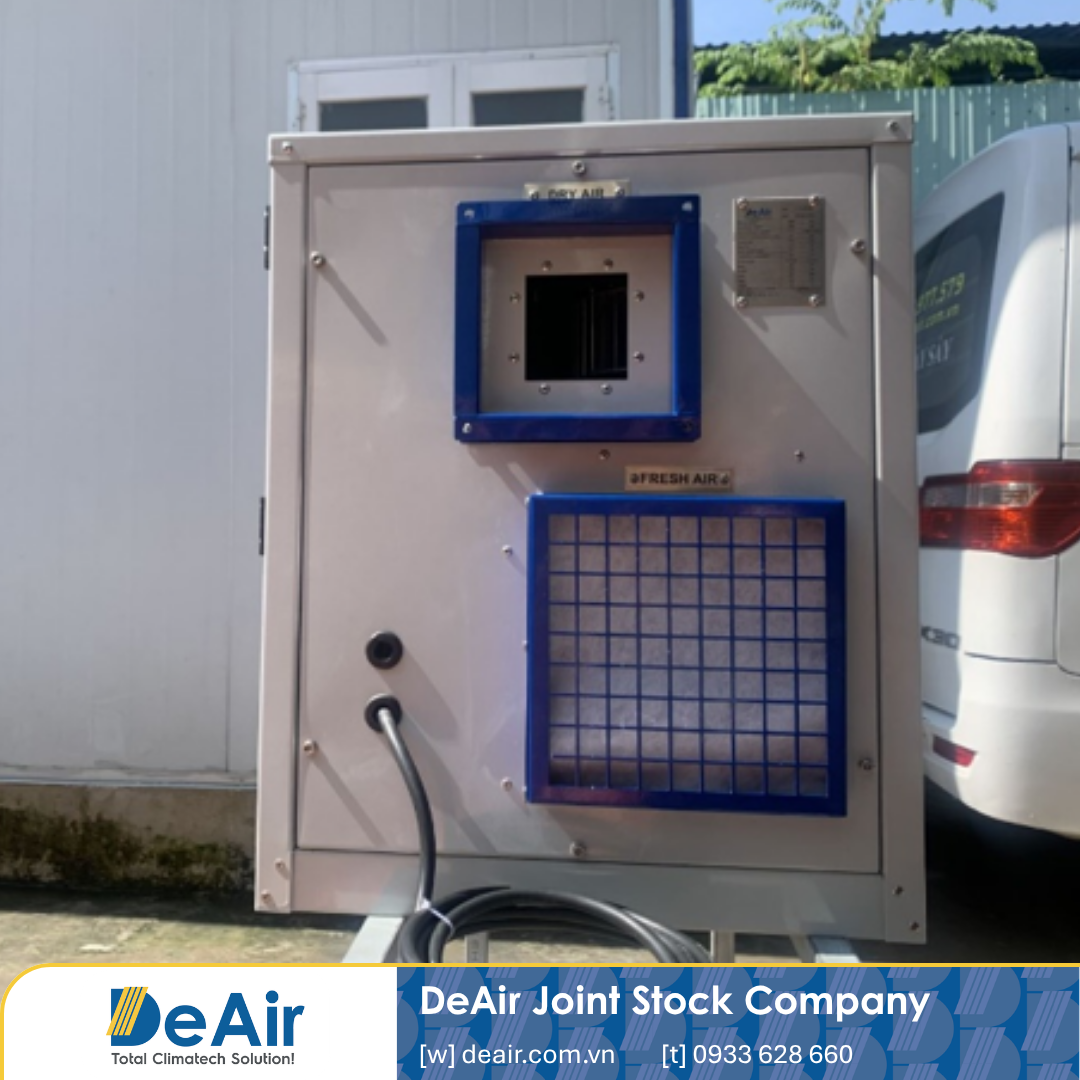
Fixed dehumidifiers: This is the most common type for medium to large-scale cold storage. The machine is stationary, connected to a ductwork system to draw humid air from the room and blow dry air back evenly. Large capacity, stable operation.
Ceiling-mounted (concealed) dehumidifiers: The ideal solution for cold rooms with high aesthetic requirements or a need to maximize floor space. The machine is suspended from the ceiling and connected to ductwork.
System Integration (AHU/HVAC): For large factories and industrial plants with a central Air Handling Unit (AHU), the desiccant rotor module can be integrated directly into this system. This solution offers the most synchronized and optimized control efficiency.
3. Reputable supplier of cold storage dehumidifiers in Vietnam
Once the technical needs and solutions have been identified, the final step is choosing a reliable supplier. The Vietnamese market has many industrial dehumidifier providers, ranging from small trading companies to specialized industrial moisture control firms.
Choosing the right supplier not only guarantees you receive high-quality, genuine products like those from DeAir or Olmas, but also ensures you get the necessary technical support. For a major and critical investment like a cold storage dehumidifier, after-sales service is paramount. A long-term warranty policy and prompt, professional customer service ensure the stable and continuous operation of the cold room, giving businesses peace of mind in production and commerce. Look for a supplier who acts as a long-term technical partner, not just a salesperson.
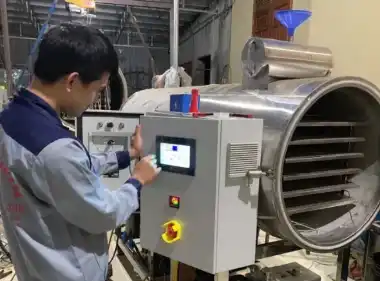
DeAir's technical team provides professional periodic maintenance for rotor dehumidifiers.
At DeAir, we don't just sell a machine. We provide a comprehensive solution.
Deep Expertise: We possess a profound understanding of dehumidification technologies and their specific applications across various industries.
Quality Products: As an authorized distributor of modern desiccant rotor dehumidifiers, we guarantee quality and performance.
Technical Capability: Our engineering team can conduct site surveys, provide consultation, design, and execute complex installations, including PLC/HMI system integration.
Long-term Commitment: We stand out with our extended warranty policies and dedicated after-sales service. Our technical team is always ready to assist when customers encounter issues.
Controlling humidity in cold storage is a technical challenge that requires a professional solution. Let DeAir be your trusted partner.
INVEST IN A DEHUMIDIFICATION SOLUTION
TO PROTECT YOUR COLD STORAGE TODAY!
Don't let humidity destroy product quality and inflate your operational costs. For solution consultation, accurate capacity calculation, and detailed quotes on cold storage dehumidifiers, contact our expert team right away.


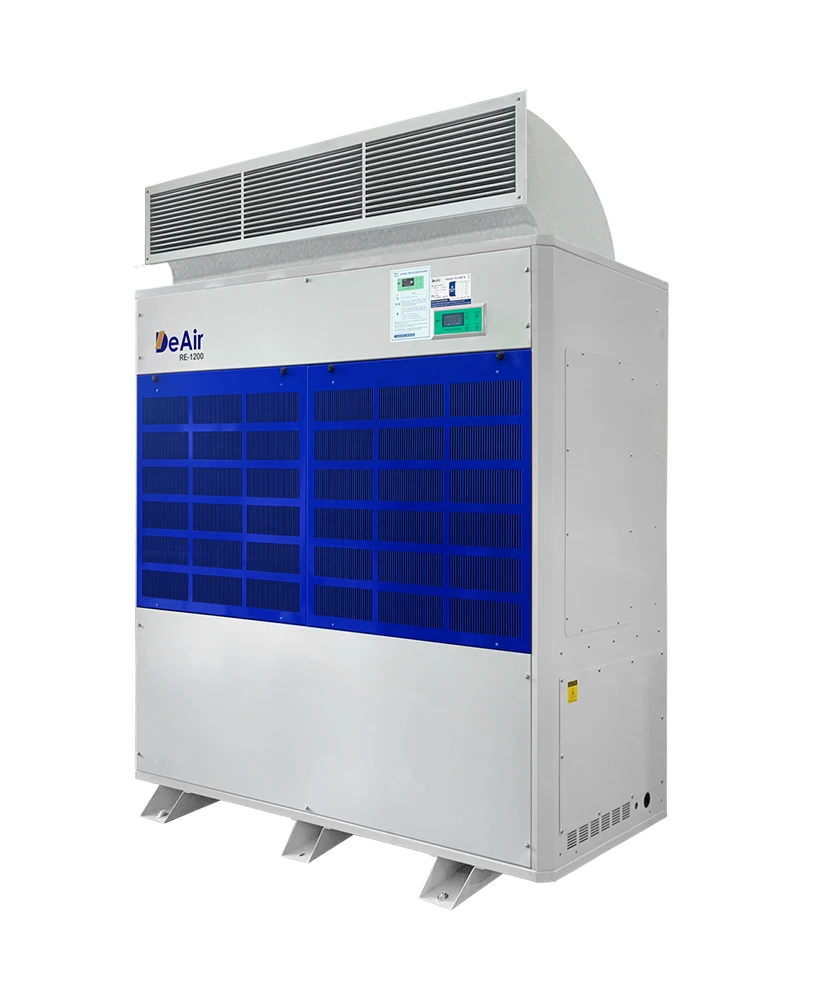 DeAir.RE
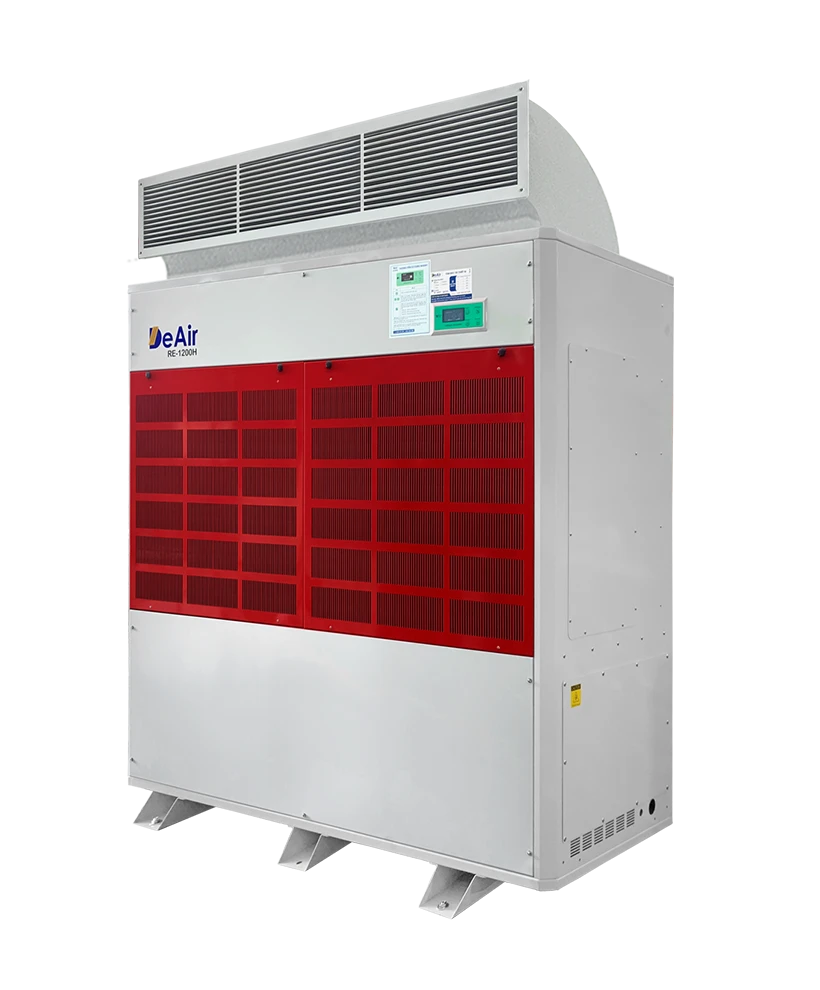 DeAir.RE-H
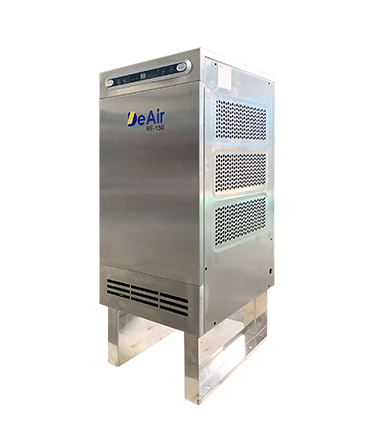 DeAir.RE-INOX
 DeAir.CRE
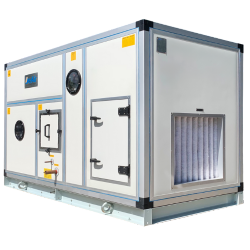 Dezenno
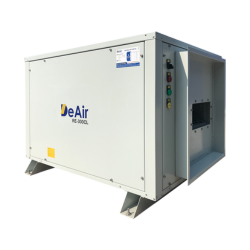 DeAir.RE-CL
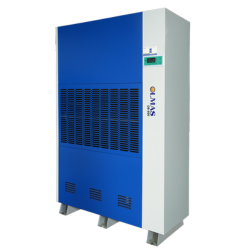 Olmas-OS
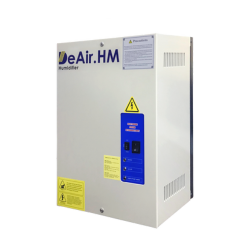 DeAir.HM
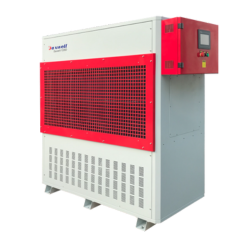 Daxwell
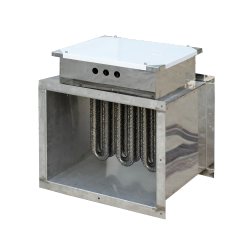 DeAir.Heat
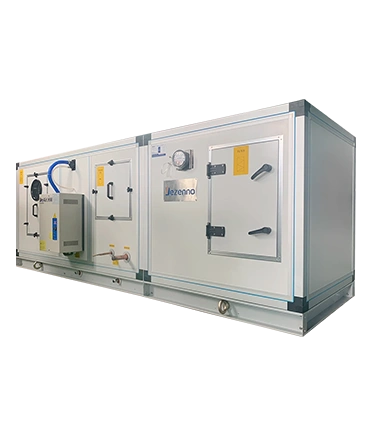 AHU
AHU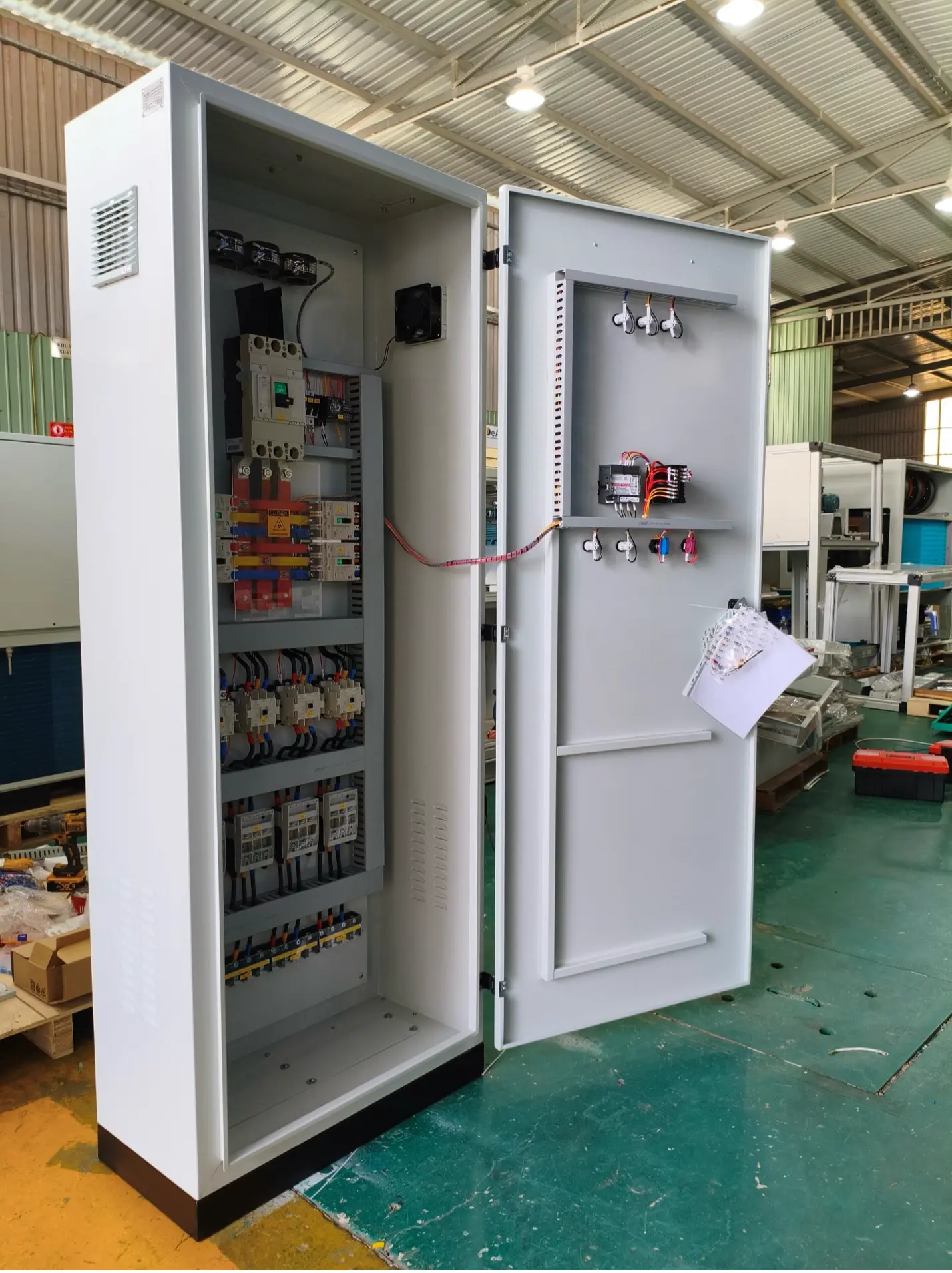






![[Case Study] DeAir Installs DeAir.De Rotor Humidity Control System for Pharmaceutical Plant in Binh Duong](https://deair.com.vn/thumbs/news/2023_04/ban_giao_may_cho_duoc_bd/[270x153-cr]image1-1024x772.jpg__cv.webp "[Case Study] DeAir Installs DeAir.De Rotor Humidity Control System for Pharmaceutical Plant in Binh Duong")

![[Review & Guide] Olmas OS-300: The New Humidity Control "Warrior" for Medium to Large Warehouses](https://deair.com.vn/thumbs/news/huong_dan_su_dung_may_olmas_21/[270x153-cr]vtm06440.png "[Review & Guide] Olmas OS-300: The New Humidity Control \"Warrior\" for Medium to Large Warehouses")