Peak Heatwave: Rescuing Cold Storage from "Sweating" and Ice Buildup
30/03/2026
The Summer Paradox: The Hotter It Gets, The More Cold Storage Sweats
When outdoor temperatures hit peak heatwave levels (36°C - 40°C), many mistakenly assume the air becomes dry. However, in tropical monsoon climates like Vietnam, the scorching summer air actually holds a colossal amount of water vapor (extremely high absolute humidity).
This is the genesis of a recurring "nightmare" for Cold Storage Managers. Every time the warehouse doors open for forklifts to load or unload goods, this hot, humid air rushes inside. Upon meeting the low temperatures, it triggers a thermal shock and massive water vapor condensation on the ceilings, walls, floors, and even directly on the inventory.
An evaporator heavily encrusted with ice due to bearing an excessive "latent load" of moisture infiltrating from the outside during the hot season.
1. The "Butterfly Effect" of Cold Storage Condensation
Never underestimate water droplets forming on a warehouse ceiling. According to industry experts, this condensation triggers a devastating chain reaction of risks:
Workplace Safety Hazards: Puddles on the floor combined with sub-zero temperatures form invisible patches of "black ice." This creates a deadly, slippery trap for forklifts and moving personnel.
Packaging & Inventory Damage: Dripping water turns carton boxes soggy and torn. High humidity provides the ideal breeding ground for mold directly on the surface of agricultural produce and food products, severely violating HACCP food safety standards.
Evaporator Icing (Ice Buildup): According to ASHRAE standards, moisture attaching to the aluminum fins of the evaporator instantly turns to ice. This ice layer acts as an insulating wall, halting the heat exchange process. Consequently, the compressor is forced to run at 100% capacity continuously while the frequency of defrost cycles skyrockets. This wastes millions in electricity bills monthly and drastically reduces equipment lifespan.
2. Why Standard ACs or Dehumidifiers Fail
Many warehouse owners attempt to solve this by cranking their refrigeration systems to lower temperatures or introducing standard residential condensing dehumidifiers. However, all these efforts fail due to fundamental physics:
The Limits of Cooling Coils: The core function of an evaporator is "Sensible cooling" (lowering temperature), not "Latent load handling" (deep moisture extraction). Forcing the refrigeration system to bear the brunt of latent moisture is the direct cause of freeze-ups.
The Limits of Standard Condensing Dehumidifiers: Conventional compressor-based dehumidifiers only operate efficiently in environments above 15°C. If placed in a cold storage unit (< 10°C), the internal cooling coils of the dehumidifier itself will freeze solid instantly, completely stripping the machine of its ability to extract water.
3. The Optimal Solution: Moisture Control at the Buffer Zone
The smartest moisture control strategy proposed by DeAir is: Do not wait for moisture to penetrate deep into the cold storage; intercept and eliminate it at the "gateway" – namely, the Ante-room, Buffer Zone, or Loading Dock. Depending on the temperature range, DeAir offers two specialized arsenals:
In this temperature range, the DeAir.CRE Isothermal Dehumidifier (featuring a remote outdoor condenser design) is the #1 choice. The machine vigorously extracts moisture while dissipating the generated heat outside the facility. This ensures the cool room temperature remains perfectly stable without overloading the air conditioning system.
➤ Solution 2: For Cold Storage / Freezers (< 10°C to Deep Freeze)
When the environment drops below 10°C, installing a rotor dehumidifier for cold storage under the Dezenno brand becomes a mandatory and the only viable technical solution.
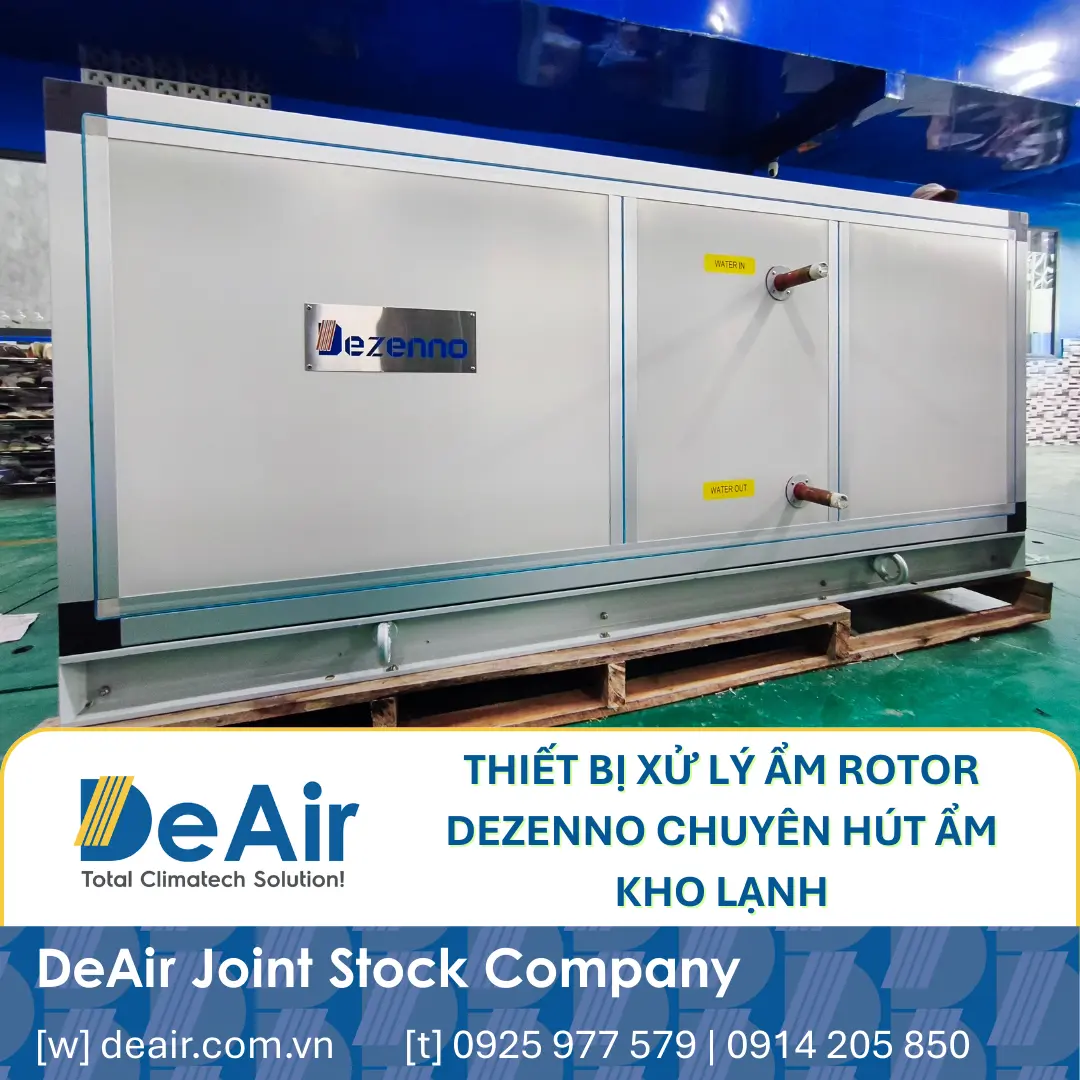
The compact Dezenno Rotor dehumidification unit, easily installed in loading dock buffer zones.
Non-Condensing Dehumidification Mechanism: The Dezenno Rotor dehumidifier completely bypasses cooling compressors. It utilizes a continuously rotating honeycomb wheel embedded with Silica Gel (Desiccant wheel). This wheel directly "absorbs" water vapor from the air and purges the moisture outdoors using a regeneration heater.
Absolute Power: Because it does not rely on condensation temperatures, the Dezenno Rotor machine operates flawlessly regardless of sub-zero temperatures. The equipment can pull humidity down to an extremely low dew point (even < 10% RH), completely eliminating fog and frost in any dehumidifier for cold storage of agricultural products, meat, or frozen fish warehouses.
4. The Profit & Return on Investment (ROI) Equation
Many businesses consider investing in a dehumidifier as an "expense." That is a financial fallacy! Maintaining a dry buffer zone with an industrial dehumidification system yields massive "hidden profits":
✅ Reduce Defrost Cycles by 80%: The evaporator remains free of ice, allowing the compressor to operate with far less strain.
✅ Save 15% - 25% in Total Electricity: The Chiller system is completely freed from the "latent load," allowing it to focus solely on cooling. Summer electricity bills will drop noticeably.
✅ Brand Protection: Put an end to the risk of contract compensations due to moldy goods or crushed, ruined packaging.
✅ Lightning-fast ROI: Thanks to the electricity and maintenance costs slashed every month, the payback period for a buffer zone dehumidification system is typically very short, taking only 1 to 1.5 years.
Beyond "rescuing" cold storage, the Dezenno ultra-dry Rotor dehumidifier is also mandatory equipment in the packaging rooms of GMP-standard Pharmaceutical factories.
Protect Your Cold Storage Today
The scorching heat is the harshest test for any cold storage facility. Equip yourself with specialized anti-moisture weapons before your warehouse floor turns into an "ice rink" and your evaporators cry for help!
Call DeAir right now. Our engineering team will conduct an on-site survey of your buffer zone, measure dew points, and provide a capacity design blueprint completely FREE of charge.


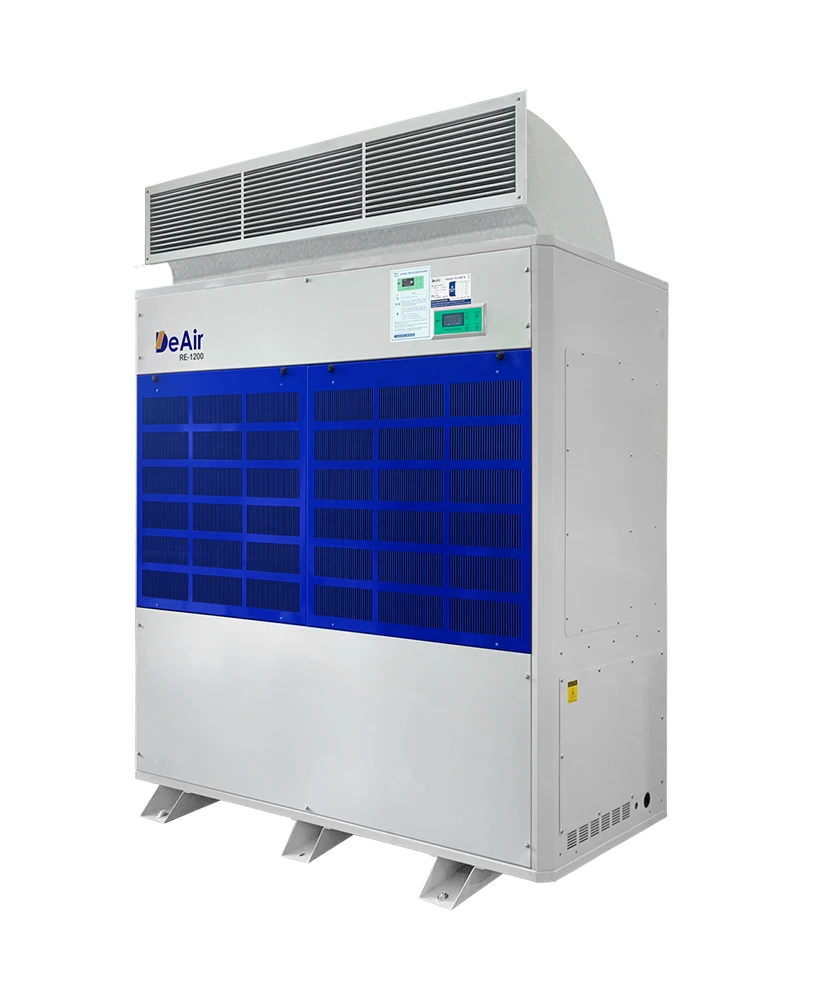 DeAir.RE
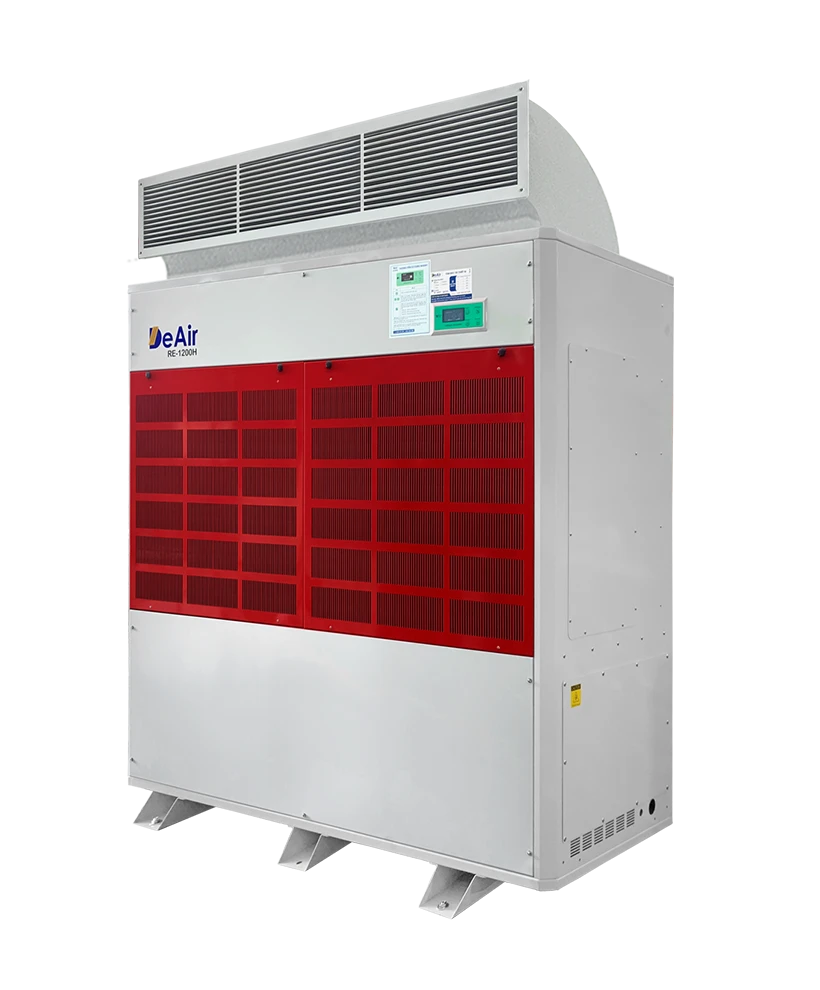 DeAir.RE-H
 DeAir.RE-INOX
 DeAir.CRE
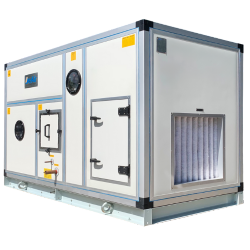 Dezenno
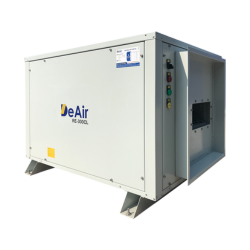 DeAir.RE-CL
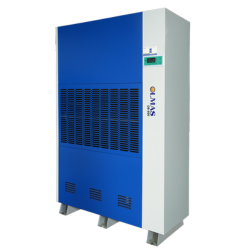 Olmas-OS
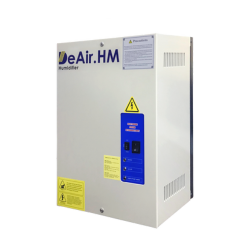 DeAir.HM
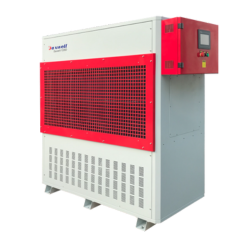 Daxwell
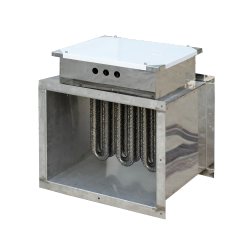 DeAir.Heat
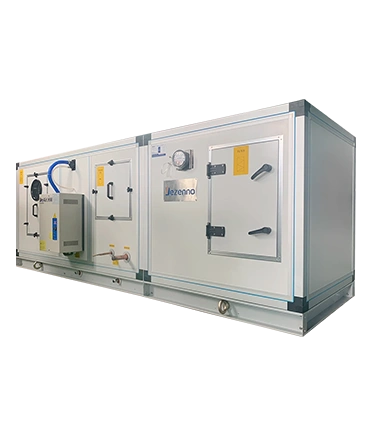 AHU
AHU







![[Case Study] DeAir Installs DeAir.De Rotor Humidity Control System for Pharmaceutical Plant in Binh Duong](https://deair.com.vn/thumbs/news/2023_04/ban_giao_may_cho_duoc_bd/[270x153-cr]image1-1024x772.jpg__cv.webp "[Case Study] DeAir Installs DeAir.De Rotor Humidity Control System for Pharmaceutical Plant in Binh Duong")

![[Review & Guide] Olmas OS-300: The New Humidity Control "Warrior" for Medium to Large Warehouses](https://deair.com.vn/thumbs/news/huong_dan_su_dung_may_olmas_21/[270x153-cr]vtm06440.png "[Review & Guide] Olmas OS-300: The New Humidity Control \"Warrior\" for Medium to Large Warehouses")