When Will the 2026 "Nồm" Humid Season End? 5 Expert Tips to Stop Sweating Floors
04/03/2026
The March Nightmare: "Sweating" Houses and Musty Clothes
March 2026 is bringing families in Northern Vietnam an unwanted weather "specialty": the "Nồm" (extreme high humidity) season. Dangerously slippery floors, moldy weeping walls, sticky bedsheets, and clothes that take a week to dry while emitting a foul odor. This suffocating environment is not only a daily annoyance but also a leading cause of respiratory illnesses in young children and the elderly, not to mention the damage it causes to electronics and furniture.
The most searched question on Google right now is: "When will the humid season finally end?" Let DeAir's air treatment experts answer this burning question and provide you with 5 science-backed ways to combat indoor condensation and protect your home!
1. What is the "Nồm" Season? Why Does the House "Sweat"?
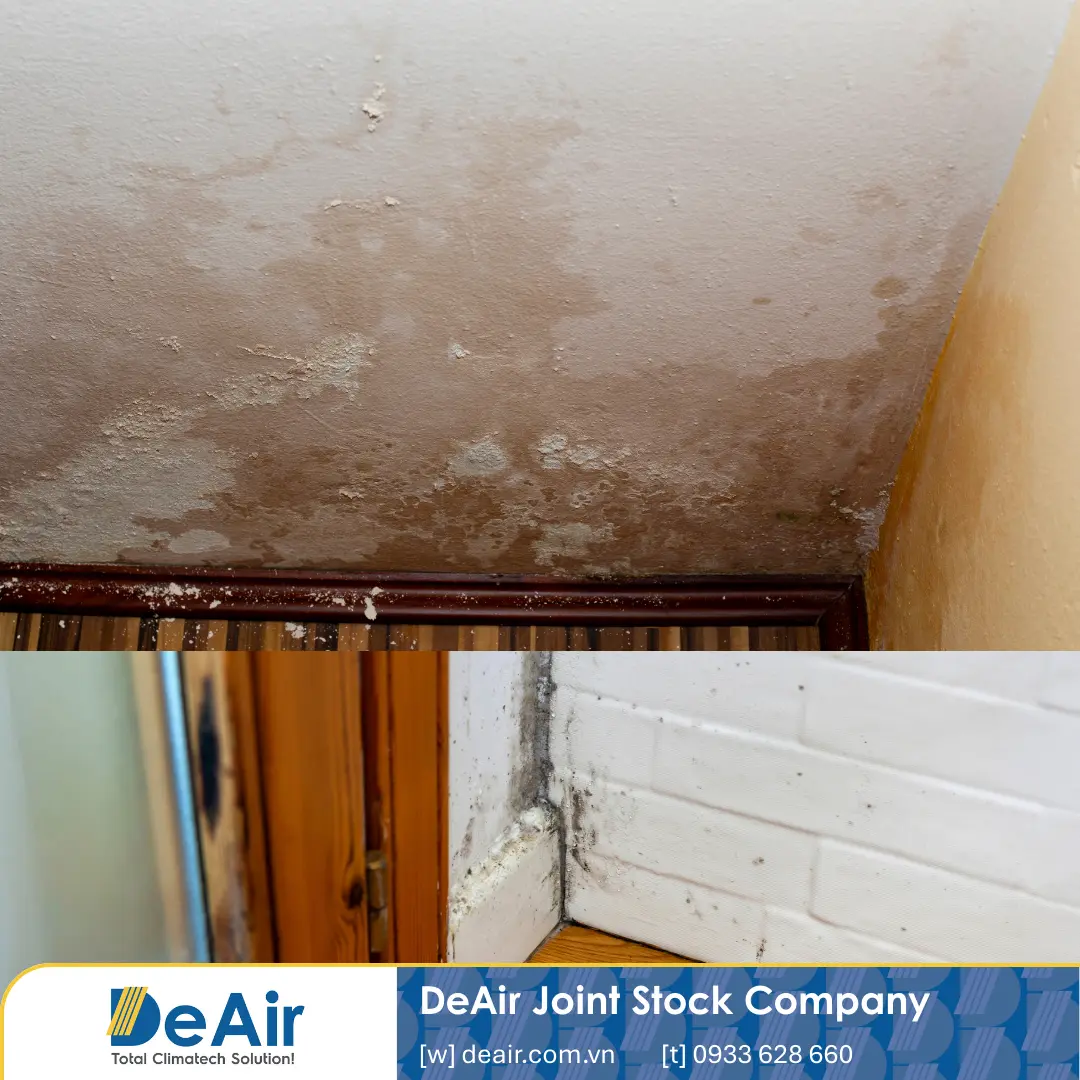
When humidity exceeds 90%, water vapor condenses on cold floors and walls, creating slippery puddles.
Scientifically speaking, the "Nồm" season is a weather phenomenon that occurs when air humidity exceeds 90%. The root cause of your house "sweating" is physical condensation.
Imagine taking an ice-cold can of soda out of the fridge and leaving it on the table. Within minutes, the outside of the can is covered in water droplets. Your floors act exactly the same way! After prolonged cold snaps, the temperature of your tiled floors and walls drops significantly. When Southeastern winds blow warm, moisture-laden air from the sea into your home, this humid air collides with the freezing floors and immediately condenses into water. Therefore, the more abruptly the weather warms up after a cold spell, the more severe the indoor condensation becomes.
2. Forecast: When Will the 2026 Humid Season End?
According to the annual climate pattern in Northern Vietnam, the humid season typically runs from February to late April. March is usually the peak month, experiencing 4 to 5 highly humid spells, with each spell lasting anywhere from 2 to 6 days depending on monsoon shifts.
So, when will it end? This phenomenon will only truly disappear when the North enters May and welcomes the first real heatwaves of summer. By then, the surface temperature of your floors and furniture will have risen, eliminating the temperature difference with the air, meaning the condensation process can no longer occur.
3. Infographic: "Classic" Mistakes to Avoid Immediately
🚫 THINGS THAT MAKE YOUR HOUSE EVEN WETTER!
❌ Opening windows to catch a breeze
Many think opening doors will dry the house. In reality, you are inviting massive amounts of water-logged air (>95% humidity) inside, making the house soaking wet.
❌ Wet mopping the floors
Repeatedly wiping with a wet mop does not make the floor cleaner; it just adds more water to a surface where evaporation is currently impossible.
❌ Blasting electric fans
Fans circulate the humid air faster, causing it to crash into cold walls and floors more frequently, severely accelerating the condensation process.
❌ Running AC "Dry" mode non-stop
It consumes massive amounts of electricity, makes the room freezing cold (risking sore throats for kids), and is completely ineffective in open areas like living rooms or stairs.
4. 5 Science-Backed Ways to Combat Humidity from Experts
Based on recommendations from environmental and health experts, here are the safest methods to "survive" the humid season:
Seal all entry points: As soon as you see fog or hear a high-humidity forecast, tightly close all windows, doors, and vents to isolate your indoor space from the humid outdoor air.
Use only dry, highly absorbent mops: Use dry microfiber towels or dry mops to soak up puddles on the floor. After wiping, wring them out and store them elsewhere.
Use natural desiccants in tight spaces: Place activated charcoal boxes, silica gel packets, or simply line the bottom of wardrobes and shoe cabinets with old newspapers to prevent mold from ruining your belongings.
Never dry laundry indoors: Wet clothes release moisture, increasing the room's %RH. Use a tumble dryer or take your clothes to a laundromat.
Invest in a Home Dehumidifier: This is the only technological solution capable of treating the root cause by actively extracting excess water suspended in the air.
5. The Ultimate Solution: Olmas Home Dehumidifiers
Quick tips only treat the symptoms. To protect your family from respiratory diseases and keep your floors bone-dry, you need an Olmas home dehumidifier. Unlike an air conditioner, a dehumidifier consumes very little electricity and blows out a warm breeze, helping to balance the room temperature.
Why do thousands of families choose Olmas during the humid season?
Lightning-fast drying: Within just 30-45 minutes of turning it on, you will clearly feel the dryness. Tiled floors are no longer slippery, and blankets are no longer sticky. The smart sensor automatically maintains an ideal humidity of 50% - 60%.
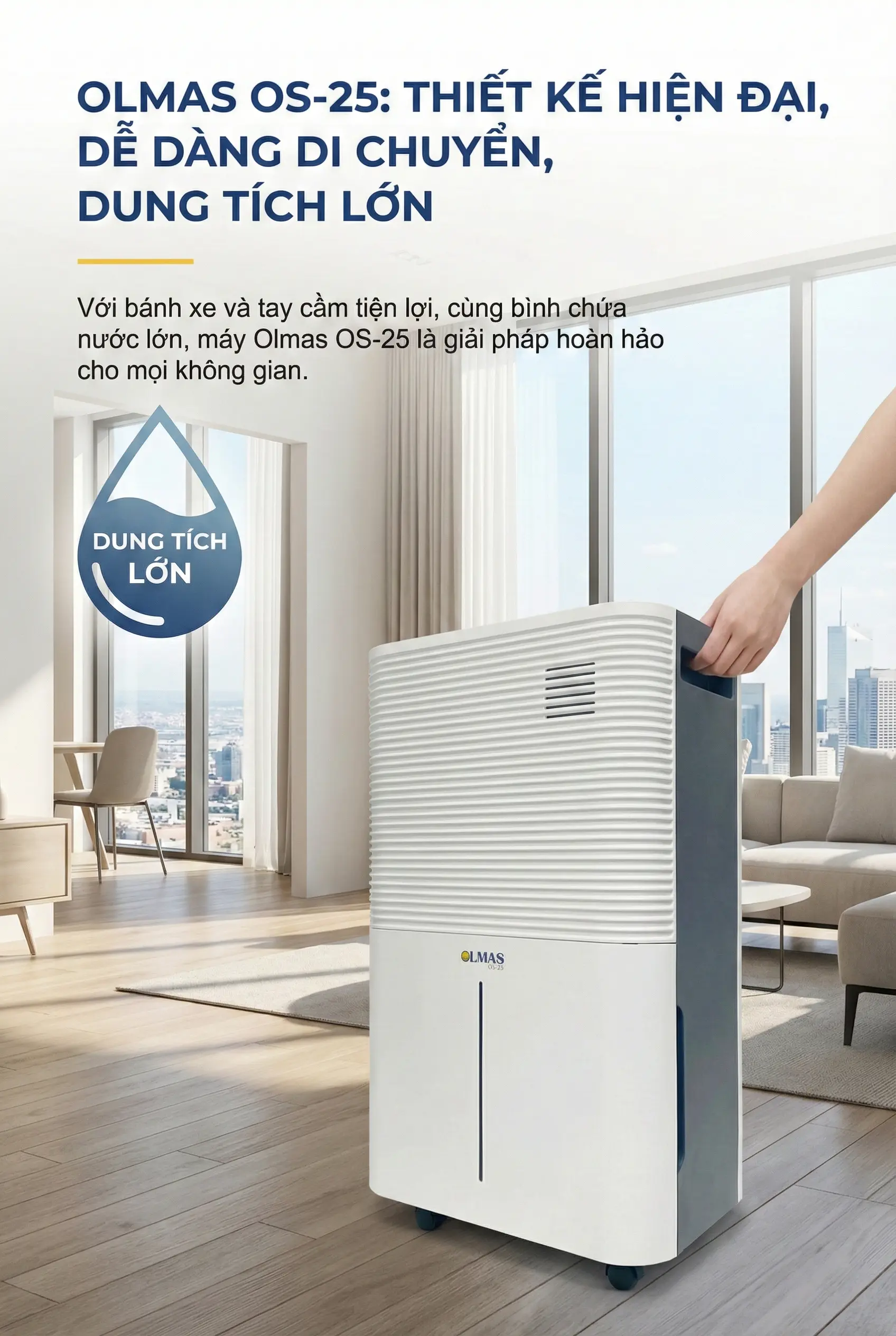
Rapid Clothes Drying (Laundry Mode): The Olmas OS-25 dehumidifier features a laundry mode that emits warm air to banish musty odors, keeping clothes fresh despite the constant drizzle outside.
Dust filtering for health protection: Integrated dust filters protect the respiratory tracts of young children and the elderly.
Portable wheel design: You can easily push the machine from the bedroom to the living room or laundry area with maximum convenience.
Conclusion: We cannot change the weather, but we absolutely have the power to control the quality of our living spaces. Stop exhausting yourself with a mop every day—let a dehumidifier do the hard work for you!
Buy an Olmas Dehumidifier - Say Goodbye to Humidity
Olmas dehumidifiers are in stock with special March promotions. Contact us now for express 2-hour delivery!


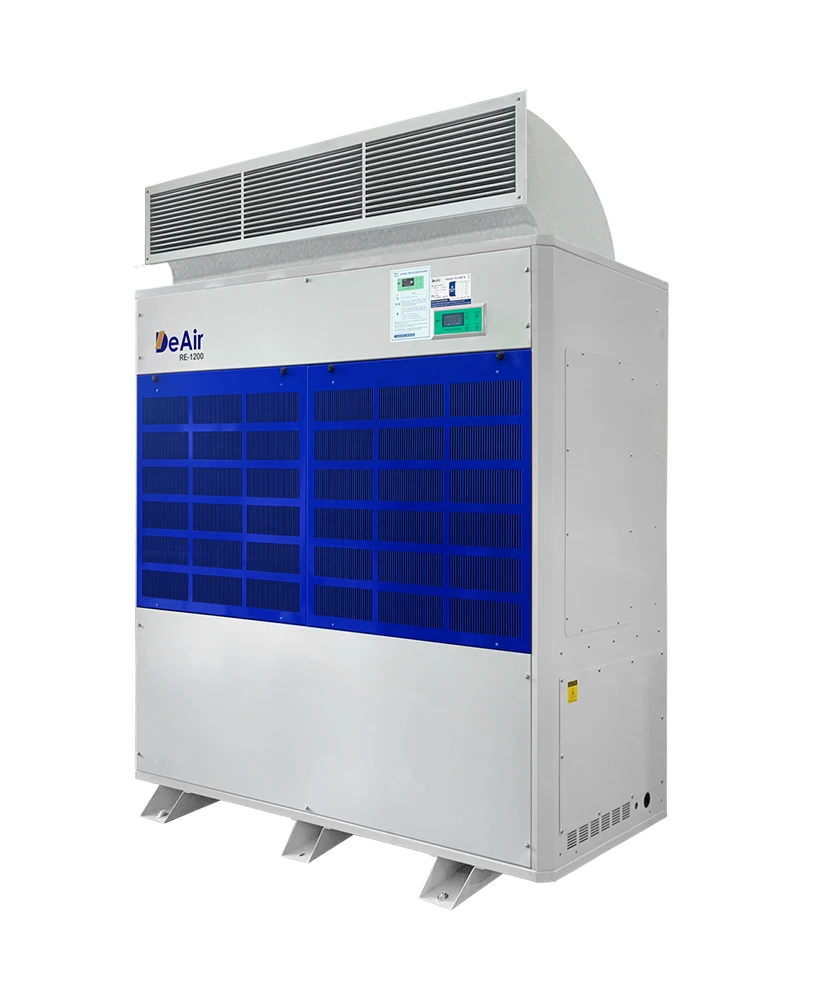 DeAir.RE
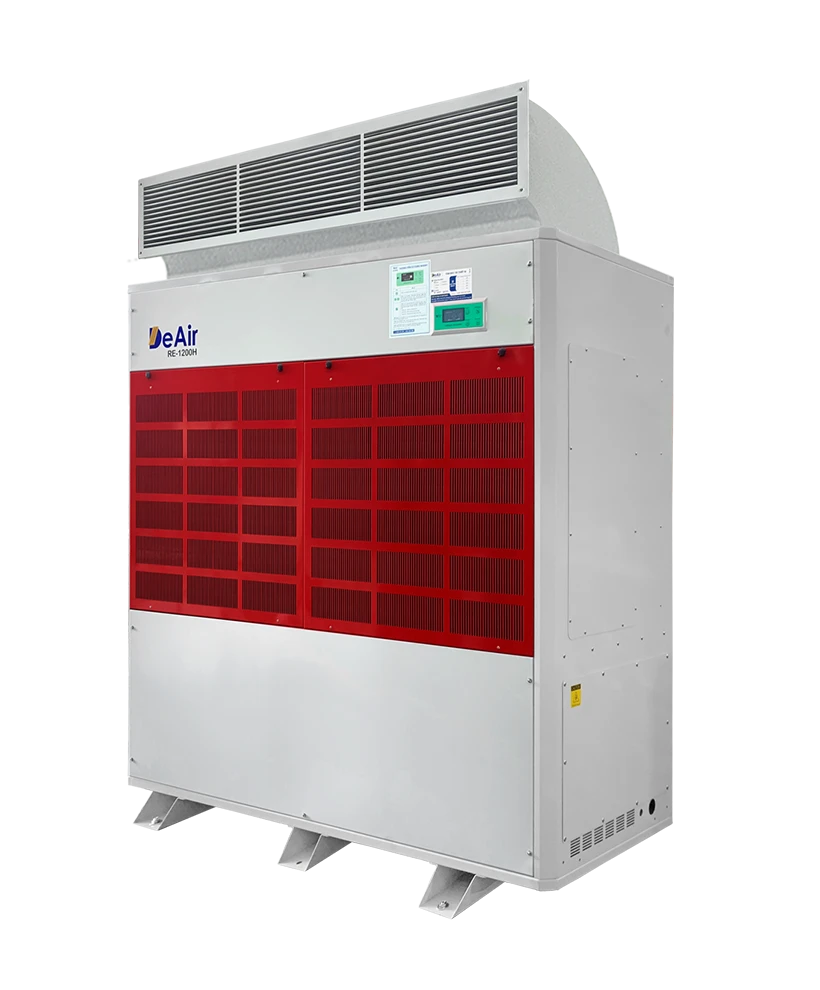 DeAir.RE-H
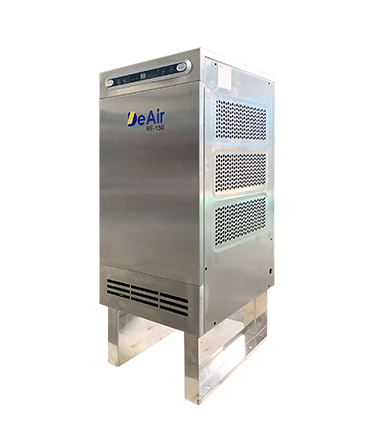 DeAir.RE-INOX
 DeAir.CRE
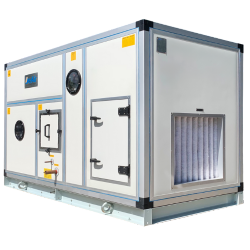 Dezenno
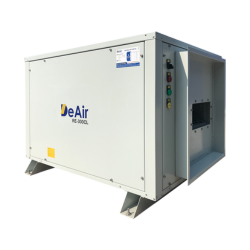 DeAir.RE-CL
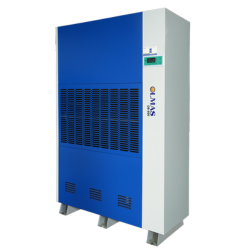 Olmas-OS
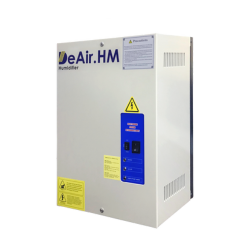 DeAir.HM
 Daxwell
 DeAir.Heat
 AHU
AHU






![[Case Study] DeAir Installs DeAir.De Rotor Humidity Control System for Pharmaceutical Plant in Binh Duong](https://deair.com.vn/thumbs/news/2023_04/ban_giao_may_cho_duoc_bd/[270x153-cr]image1-1024x772.jpg__cv.webp "[Case Study] DeAir Installs DeAir.De Rotor Humidity Control System for Pharmaceutical Plant in Binh Duong")

![[Review & Guide] Olmas OS-300: The New Humidity Control "Warrior" for Medium to Large Warehouses](https://deair.com.vn/thumbs/news/huong_dan_su_dung_may_olmas_21/[270x153-cr]vtm06440.png "[Review & Guide] Olmas OS-300: The New Humidity Control \"Warrior\" for Medium to Large Warehouses")