Strict Ultra-Low Humidity Control Solutions for Effervescent Tablet Production Lines
22/05/2026
Strict Ultra-Low Humidity Control Solutions for Effervescent Tablet Production Lines
Key Takeaways:
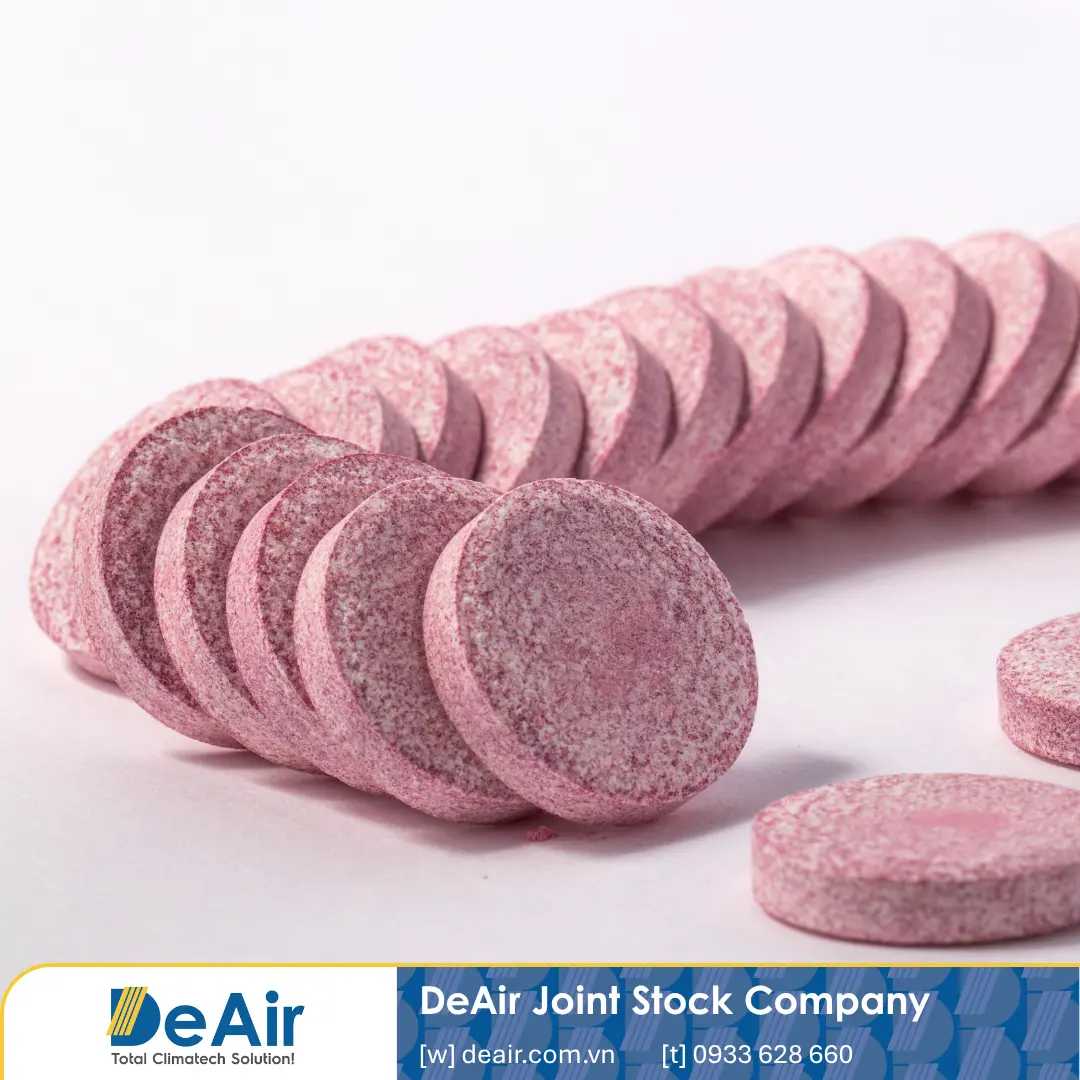
Physical Nature: Effervescent tablet ingredients contain organic acids and alkali salts, which are highly sensitive to moisture. Contact with humid air triggers a reaction generating CO2 gas, destroying the medication.
Production Risks: Humidity exceeding 25% causes punch sticking (or picking) at the tablet press, or internal effervescence that swells tubes during packaging.
HVAC Limitations: Standard central air conditioning systems cannot reduce humidity below 40% without causing the cooling coil to freeze.
Core Solution: Utilizing the Dezenno pharmaceutical rotor dehumidifier (desiccant technology) maintains a stable ultra-low humidity of 15% - 20% RH, perfectly meeting GMP standards.
In the pharmaceutical formulation industry, Effervescent Tablets are a highly favored dosage form due to their rapid dissolution and absorption. However, behind every standard tube of effervescent tablets lies an extreme pharmaceutical plant humidity control process. Unlike standard compressed tablets (which require 45-55% humidity), effervescent tablet production demands an "ultra-dry" environment with relative humidity (RH) strictly below 25%, or even 15%. This is the limit where conventional AHU/HVAC systems must "surrender."
1. Physicochemical Decoding: Why does the effervescent line "fear" water?
The excipients of effervescent tablets are highly hygroscopic and easily degrade if air humidity exceeds permissible thresholds.
Chemical Nature: The core formula of effervescent tablets always includes a combination of organic acids (such as Citric Acid, Tartaric Acid) and alkali salts (Sodium Bicarbonate). In a dry powder state, they coexist peacefully. But upon contact with even a minuscule amount of moisture in the air, water acts as a catalyst, triggering a reaction that releases Carbon Dioxide (CO2). This is the root cause of production disasters:
At the Tablet Press Room (Tablet Pressing): Hygroscopic medicinal powders rapidly absorb moisture and become sticky. This leads to the phenomenon of "punch sticking" or "picking." Uneven pressing forces chip the tablet edges or break them entirely, forcing technicians to halt the whole line to dismantle and clean the punches and dies.
At the Blister / Tube Packaging Room: If room humidity > 25%, moisture entering the tube before capping causes "internal effervescence." The tablets turn yellow, swell, crack, and lose their pharmacological efficacy before reaching the patient.
2. Strict humidity standard table for effervescent tablet rooms
According to WHO-GMP and USP guidelines, depending on the formulation stage, the temperature and humidity range must be strictly controlled:
Production Area
Temperature (T)
Humidity (RH)
Risks if threshold exceeded
Dispensing & Granulation Room
20°C - 22°C
15% - 20%
Granules clump; uneven active ingredient mixing.
Tablet Press Room
20°C - 22°C
< 20%
Powder jams in the hopper; punch sticking; press jams.
Blister / Tube Packaging Room
20°C - 22°C
20% - 25%
Moisture enters tubes, causing internal effervescence and batch ruin.
Technical Note: Standard AHU cooling coils (using the condensation principle) can only lower room humidity to the 40-50% RH threshold. If an attempt is made to lower the dew point temperature further to extract water, the water will turn to ice, freezing the cooling coil. Therefore, traditional refrigeration systems are completely powerless against the demands of the effervescent tablet room.
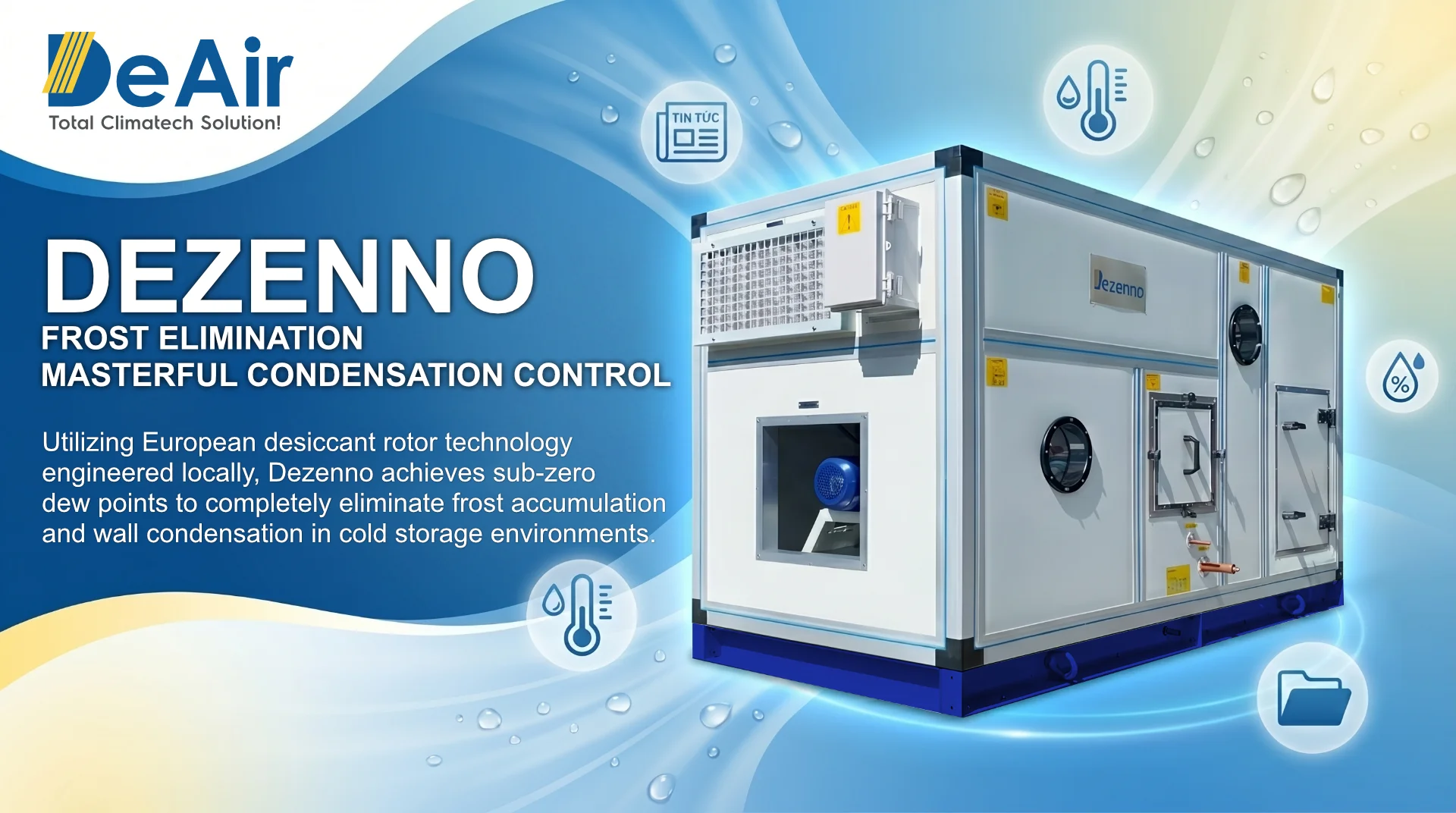
To reach the "ultra-dry" threshold (15% - 25%), factories must utilize Desiccant Dehumidification technology. And the Dezenno Rotor Dehumidifier manufactured by DeAir is the key to solving this problem.
The Dezenno series integrated with an ultra-low humidity desiccant rotor.
Video of handing over the Dezenno Rotor system to a Northern pharmaceutical factory.
Honeycomb Desiccant Mechanism: Instead of condensation cooling, the Dezenno machine uses a Rotor wheel (crafted from Silica Gel or Molecular Sieve). This wheel rotates continuously, directly "catching" and absorbing water molecules in the passing airstream, returning absolutely dry air to the tablet press room.
24/7 Ultra-Low Humidity Control: Rotor technology allows room humidity to easily drop to deep levels of 10% - 20% RH and maintains this level with absolute stability, regardless of external moisture infiltration or severe humid weather.
GMP Cleanroom Standards: The equipment is designed with an anti-corrosive 304/316 Stainless Steel casing, a double-skin structure to prevent air leakage, and integrated HEPA air filtration systems, perfectly meeting the cross-contamination control standards of WHO-GMP and EU-GMP.
4. Outstanding value when choosing DeAir's solution
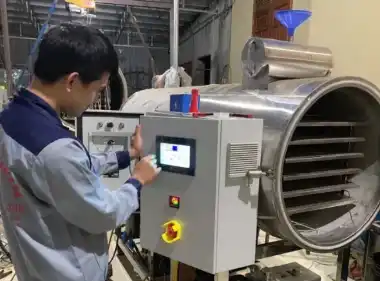
Numerous major pharmaceutical factories, such as the Binh Duong Pharmaceutical Factory project, have trusted DeAir's deep dehumidification solutions for their synchronized design capacity and high practical effectiveness.
Installation project of Dezenno machines at Binh Duong Pharmaceutical Factory.
Integrated AHU + Rotor Design: DeAir engineers do not just supply standalone machines; they design an optimized system: Pre-cooling (basic moisture separation) → Deep dehumidification via Rotor → Post-cooling (supplying cool, dry air to the room). This solution helps maximize energy savings.
Protecting Multi-Billion VND Medicine Batches: Completely eliminate the scrap rate caused by hopper sticking and tablet punch sticking. Guarantee that 100% of the effervescent tablet tubes leaving the factory retain their original hardness and pharmacological quality.
Audit Validation Support: DeAir provides comprehensive and transparent IQ/OQ/PQ validation documents, along with continuous temperature-humidity data recording systems, helping factories confidently pass all inspections by the Drug Administration and international partners.
5. Frequently Asked Questions (FAQ)
Q1: Why not use a standard industrial condensation dehumidifier for the effervescent tablet room?
Answer: Condensation dehumidifiers (using refrigeration compressors) are only effective when processing humidity in the 40% - 70% range. To achieve below 25% for effervescent tablets, the water on the cooling coil will freeze into ice blocks, paralyzing the machine. Only Desiccant Rotor technology using a regeneration heater can extract moisture to this ultra-deep level.
Q2: Does the Rotor dehumidifier cause dust cross-contamination in the pharmaceutical production room?
Answer: Absolutely not. The Dezenno system integrates G4, F8, and especially HEPA (H13/H14) fine filters at the air supply outlet, ensuring the dry air blown into the press room is sterile, meeting Class D or Class C cleanroom requirements depending on the specification.
Q3: Is the Rotor dehumidification system energy-consuming?
Answer: The rotor uses heat for regeneration (drying the wheel), so it does consume electricity. However, DeAir engineers apply design solutions for heat recovery and pre-cooling before the air passes through the Rotor, significantly cutting down power consumption compared to older designs on the market.
Humidity Control - The Golden Key in Formulation
Controlling effervescent tablet room humidity below 25% is not a recommendation; it is a life-or-death requirement for the formulation line. Investing in the Dezenno desiccant rotor system is a strategic decision to eliminate the risk of punch sticking and ensure the batch achieves perfect quality.
We invite Factory Directors and Chief Engineers to contact DeAir's Project Department immediately for HVAC design drawings and specialized Rotor machine configurations for your Pharmaceutical plant!
Medical & Pharmacopeia References: [1] WHO (World Health Organization) - Annex 2: Guidelines on heating, ventilation and air-conditioning systems for non-sterile pharmaceutical products (Environmental control for moisture-sensitive tablet production). [2] USP (United States Pharmacopeia) - Classification and humidity requirements in the formulation of Effervescent Dosage Forms.


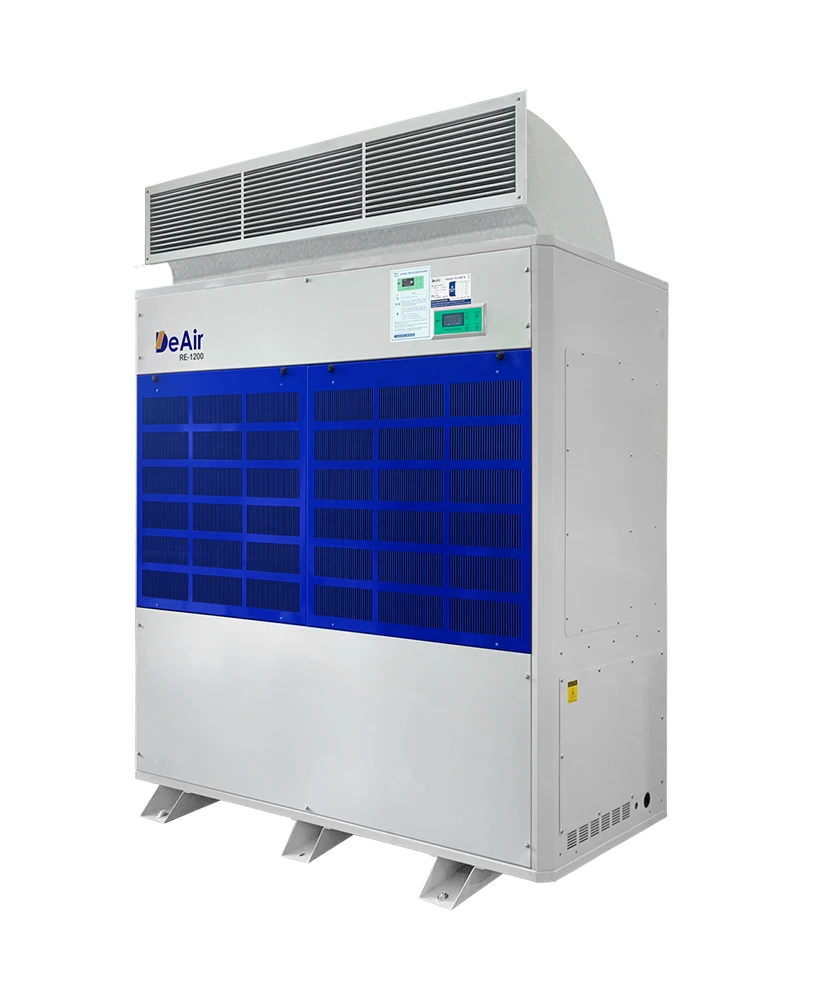 DeAir.RE
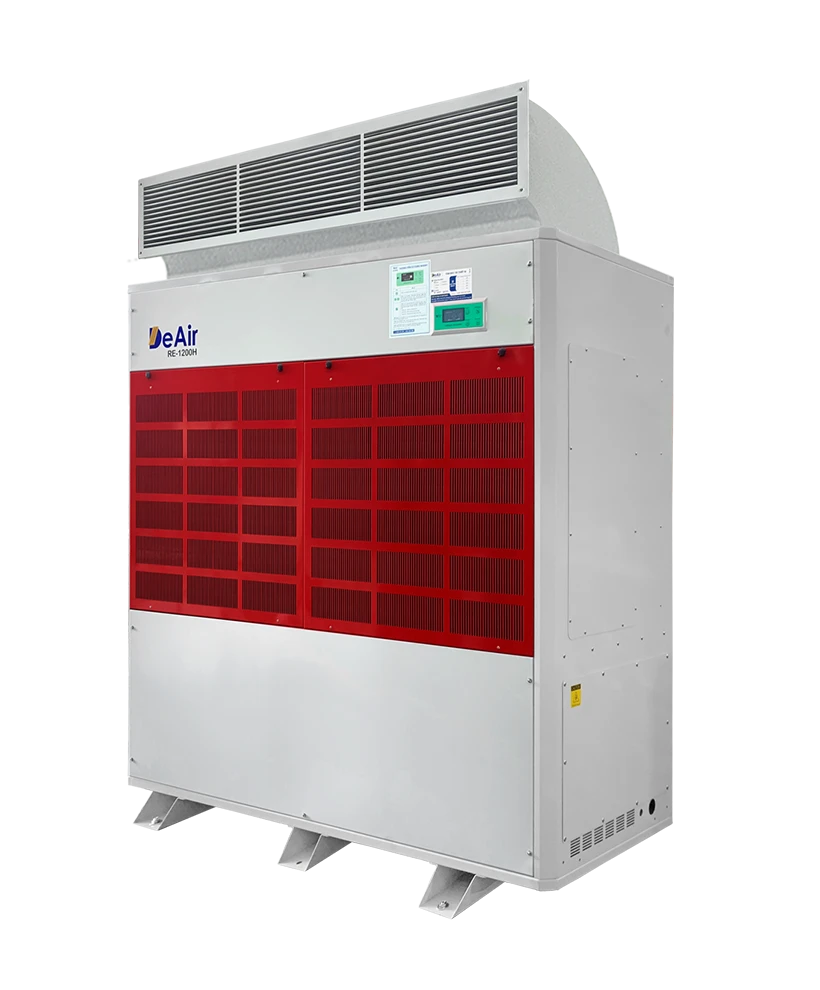 DeAir.RE-H
 DeAir.RE-INOX
 DeAir.CRE
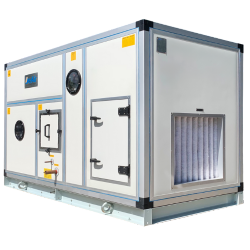 Dezenno
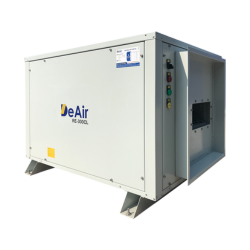 DeAir.RE-CL
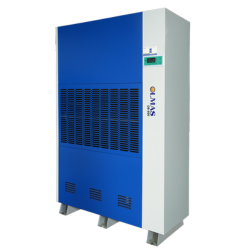 Olmas-OS
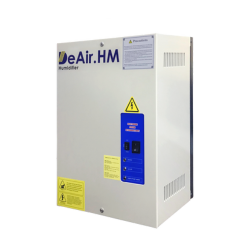 DeAir.HM
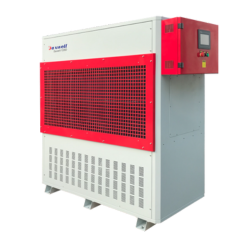 Daxwell
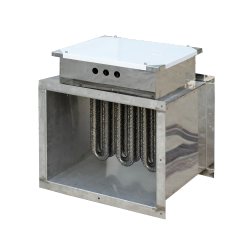 DeAir.Heat
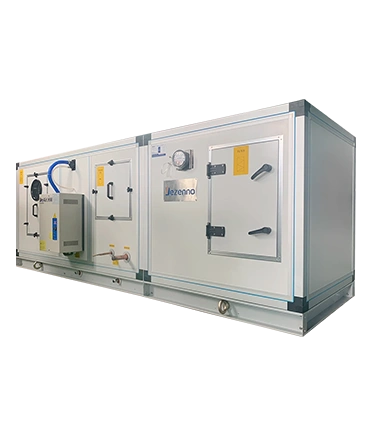 AHU
AHU







![[Case Study] DeAir Installs DeAir.De Rotor Humidity Control System for Pharmaceutical Plant in Binh Duong](https://deair.com.vn/thumbs/news/2023_04/ban_giao_may_cho_duoc_bd/[270x153-cr]image1-1024x772.jpg__cv.webp "[Case Study] DeAir Installs DeAir.De Rotor Humidity Control System for Pharmaceutical Plant in Binh Duong")
![[Review & Guide] Olmas OS-300: The New Humidity Control "Warrior" for Medium to Large Warehouses](https://deair.com.vn/thumbs/news/huong_dan_su_dung_may_olmas_21/[270x153-cr]vtm06440.png "[Review & Guide] Olmas OS-300: The New Humidity Control \"Warrior\" for Medium to Large Warehouses")