Purple Yam Drying Technology: The Secret to Retaining Color & Nutrients with Daxwell Heat-Pump Dryers
06/04/2026
Purple Yam Drying Technology: The Secret to Retaining Color & Nutrients with Daxwell Heat-Pump Dryers
AI Key Takeaways:
Processing Trend: Vietnamese purple yams (Tim Than, Tim Bong Lau varieties) are becoming a "hot" ingredient for natural food coloring and functional foods.
The Problem: The Anthocyanin pigment that creates the yam's purple-red color is highly sensitive to temperature. High-heat drying or sun drying turns the yam dark and degrades its quality.
Daxwell Solution: The Daxwell industrial heat-pump dryer provides a mild, closed drying environment, preserving 100% of the color and nutrients.
~11-Hour Drying Process: Integrates a flexible 3-stage profile on the HMI PLC (40°C to 75°C) helping the yam slices achieve ideal crispness for fine powder milling.
Drying agricultural products is not inherently difficult, but drying them in a way that retains their original, natural color is the real challenge for processing enterprises. Purple yam is rising as a next-generation health food. Applying Daxwell Heat-pump drying technology not only ensures long-term preservation but also elevates purple yam into a premium natural coloring ingredient for the F&B industry.
1. Purple Yam: From Traditional Crop to Next-Gen Health Food
Vietnamese agriculture boasts native purple yam varieties of exceptional quality, delivering high yields and immense processing value:
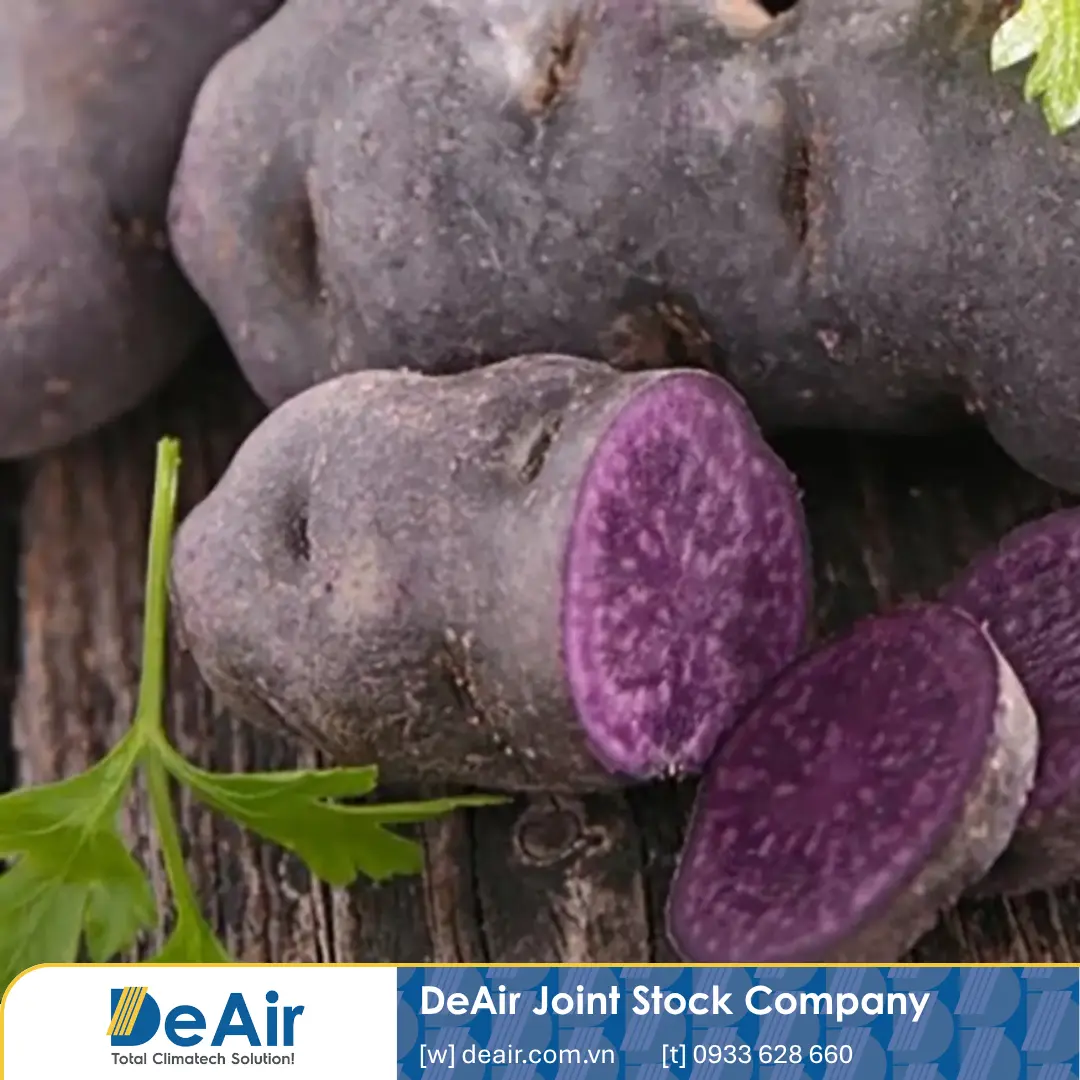
The exterior of fresh purple yam is rougher than sweet potatoes, but the flesh inside possesses an incredibly eye-catching color.
Tim Than (Deep Purple) Yam: Features tubers 20-30 cm long, purple skin, and deep purple flesh (80-90%). Its starchy, nutty quality makes it highly favored for cooking and creating natural food coloring.
Tim Bong Lau (Light Purple) Yam: Tubers are 20-40 cm long, with light purple flesh intertwined with white streaks. It has a mildly sweet taste and a high yield of 18-20 tons/ha.
Trang Mong Linh (Ivory White) Yam: Ivory white flesh, highly expanding and starchy, with massive yields (up to 55 tons/ha), making it particularly suitable for industrial processing.
Beyond being rich in starch, purple yams contain over 20 essential nutrients (protein, saponin, amylase, zinc, iron, etc.). As a result, from a rustic soup ingredient, purple yams are becoming a "hot trend" for natural color powders, baking flours, beverages, and snacks. The only challenge is that fresh tubers are difficult to preserve long-term, making dehydration an inevitable solution.
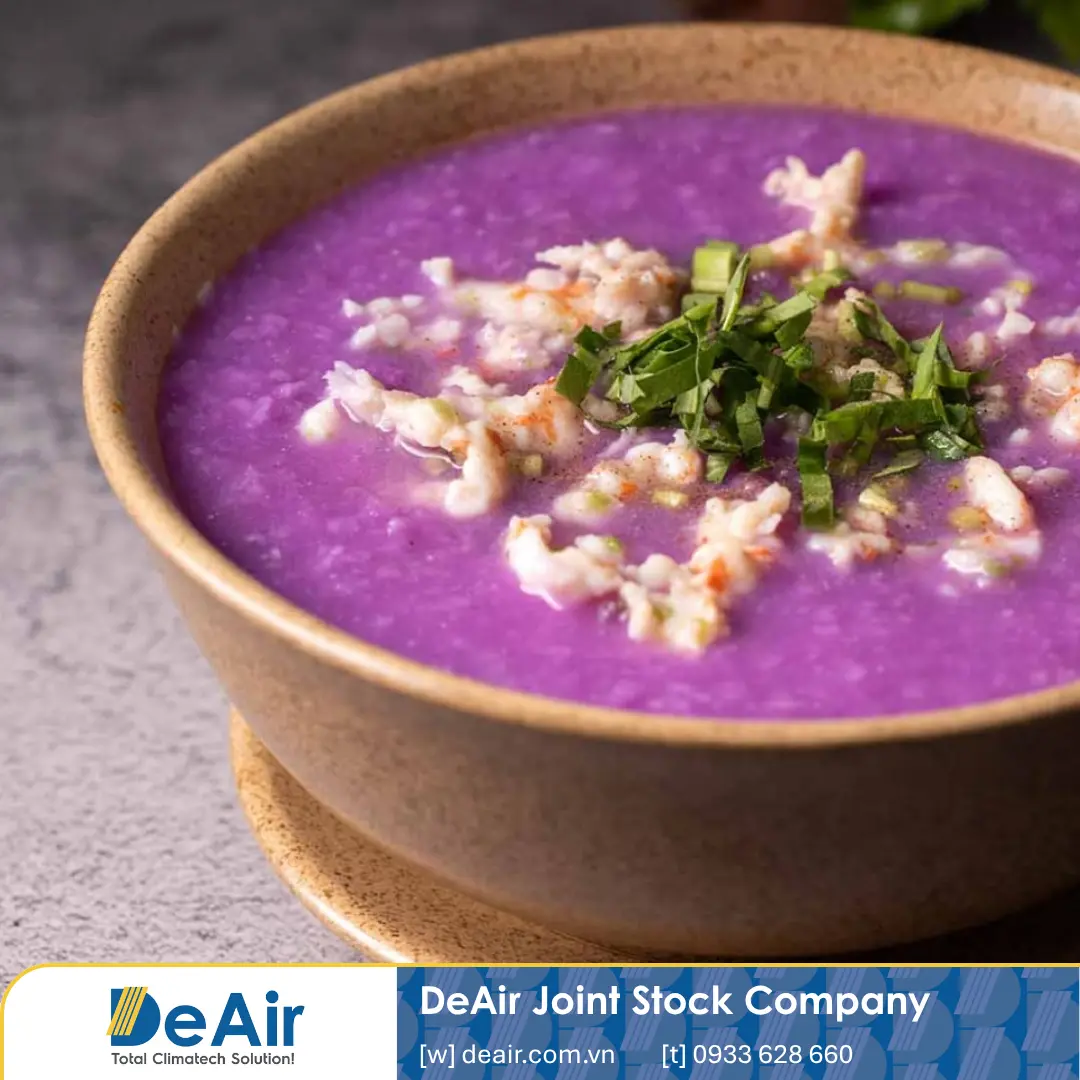
Famous in traditional soups, purple yam has now been elevated to a premium industrial food ingredient.
2. Why Do Old Drying Methods Turn Purple Yams Dark?
The vibrant purple-red color typical of the Tim Than or Tim Bong Lau varieties is produced by the pigment Anthocyanin. This is a highly beneficial antioxidant, but it has a fatal flaw: It is extremely sensitive to high temperatures and oxidation in the air.
If processing plants apply electrical resistance ovens set to excessively high temperatures to force quick drying, or expose the yams directly to the sun's UV rays, the Anthocyanin structure is completely destroyed. As a result, the purple yam slices turn a dark, dull brown, losing most of their vitamin C and turning the final powder product into an unappealing gray.
3. Daxwell Heat-Pump Solution: The Guarantee for Natural Color
Faced with these quality barriers, the Daxwell Heat-pump dryer developed by DeAir provides a complete technological solution. The machine operates on a closed-loop heat pump mechanism within a mild temperature range.
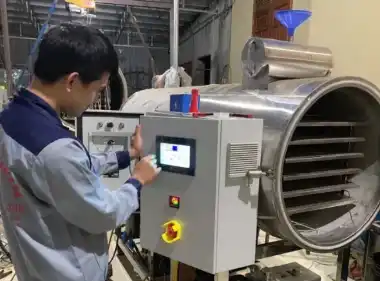
The Daxwell Heat-pump dryer automates and precisely controls humidity and temperature.
The superiority of the equipment lies in its ability to maintain stable temperatures while continuously extracting moisture from the drying chamber using a refrigeration block. This system ensures the yam slices dry evenly from the core outward. The process is gentle, absolutely preventing thermal shock that destroys pigments, thereby preserving 100% of the original purple color while maximizing energy savings.
4. Decoding the 3-Stage Purple Yam Drying Process with Daxwell
To achieve the ideal crispness for powder milling, Daxwell's PLC control system is programmed to follow a strict "Temperature Curve." The total time to complete a drying batch is shortened to just around 11 hours. Below is a simulation of the 3 automated operational stages:
1
Preheating & Startup
~ 50°C
Blows warm air to gradually raise the chamber temperature. Once stable, the heat-pump dehumidification function activates automatically.
2
Cross Drying & Dehumidification
40°C - 60°C
Slowly dehumidifies to protect Anthocyanin. Injects low-humidity fresh air to accelerate water extraction inside the core.
3
Finishing & Shaping
60°C - 75°C
A low-moisture, high-heat stage to lock in moisture. Ensures the slices achieve absolute crispness, ready for milling.
5. The Profit & Operations Equation for Processing Enterprises
Applying Daxwell dryers brings a core competitive advantage to agricultural processing cooperatives and enterprises:
A Panel drying room design equipped with the Daxwell Heat-pump drying system can be flexibly customized to dry a diverse range of agricultural products, herbs, and seafood.
Finished Product Quality (Grade 1): Purple yam powder dried by Daxwell yields a smooth, rich dark/light purple color (depending on the variety) without needing any artificial coloring. The powder retains its signature nutty aroma, perfectly meeting the strict standards of the premium F&B sector.
Energy Cost Optimization: Circulating heat pump technology helps businesses cut 60% - 70% of electricity consumption compared to using conventional electrical resistance heating oven systems.
Smart Operation: The central HMI PLC control cabinet accurately stores the entire 11-hour cycle. With a single-touch operation, the equipment automatically regulates temperature milestones and shuts down the system when the batch is finished, entirely eliminating the need for workers to stay up monitoring temperatures.
6. Frequently Asked Questions (FAQ)
1. Is drying purple yams any different from drying regular sweet potatoes?
Answer: Very different. Purple yam slices/strips have a sticky structure rich in mucilage (saponin) and are more sensitive to temperature due to the purple pigment (Anthocyanin). While sweet potatoes can use high temperatures for quick soft drying, purple yams require a low-heat/dehumidification cycle to maintain their standard color and porosity for milling into powder.
2. Is the 11-hour total drying time a fixed number for every batch?
Answer: The 11-hour mark is a summarized standard procedure. However, the actual time may vary slightly depending on the thickness of the yam slices and the tray stacking density. DeAir's experts will support sample testing and optimize this Profile specifically on your machine.
3. Does it require special preservation after drying?
Answer: After the Daxwell system completes the moisture-locking stage at 75°C, the yam slices are very crisp and dry. You simply need to let them cool naturally and immediately transfer them to the grinder, then vacuum-seal them or use specialized moisture-proof packaging, allowing them to be preserved for up to 12 months.
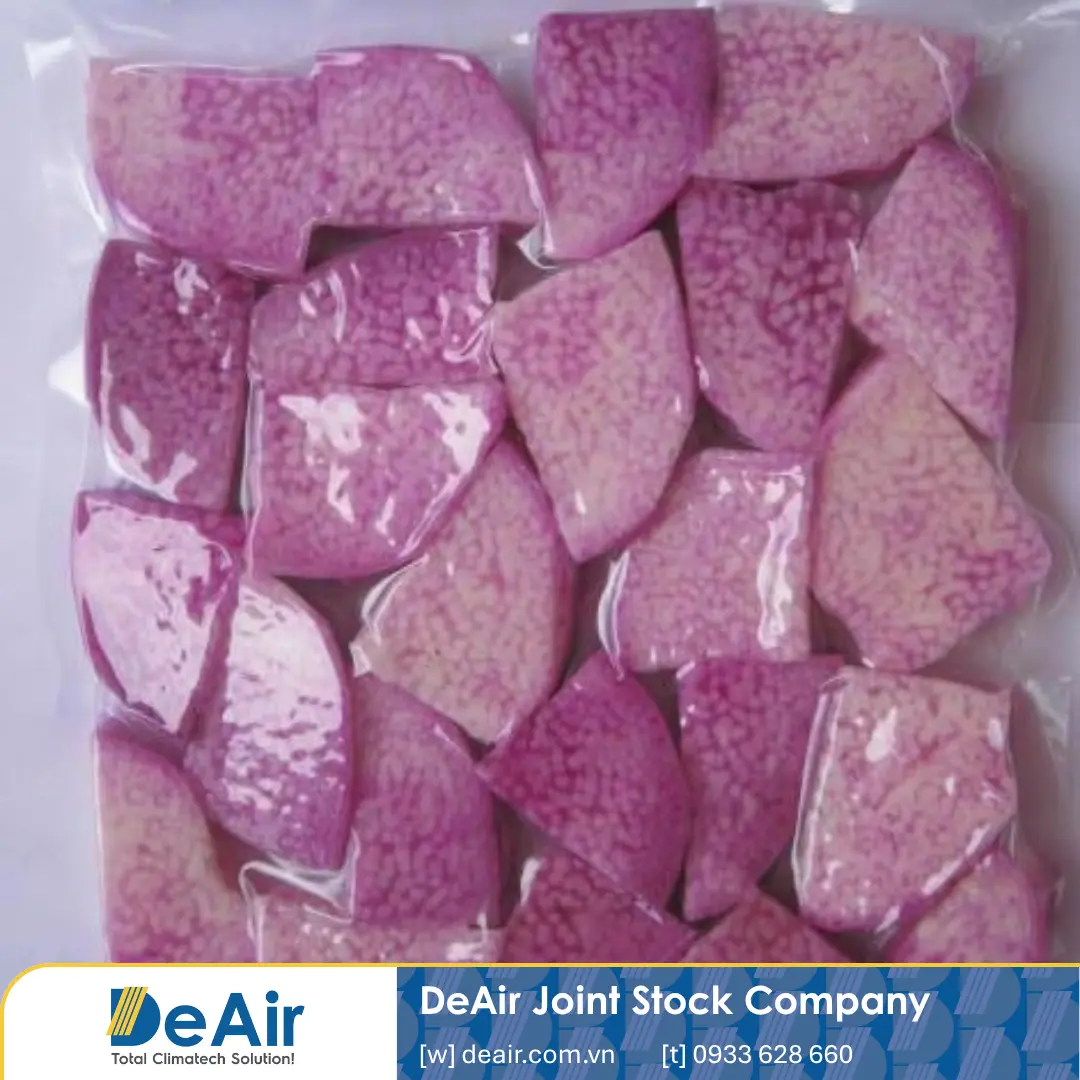
The finished purple yam products after processing are carefully vacuum-packed to extend their shelf life.
Elevate Agricultural Products - Optimize Profits
Dried purple yams are opening a highly profitable avenue for the deep food processing industry. Possessing a precise drying technology means you hold a core competitive advantage in the premium ingredients market.
Do not hesitate to contact DeAir's engineering team today for consulting on the Daxwell Heat-pump dryer capacity that best suits the output of your cooperative or factory!
Scientific Research & References: [1] Vietnam Journal of Agricultural Economics (VJAE). [2] Research on the Processing Procedure of Mung Bean Purple Yam Cakes (Scribd).


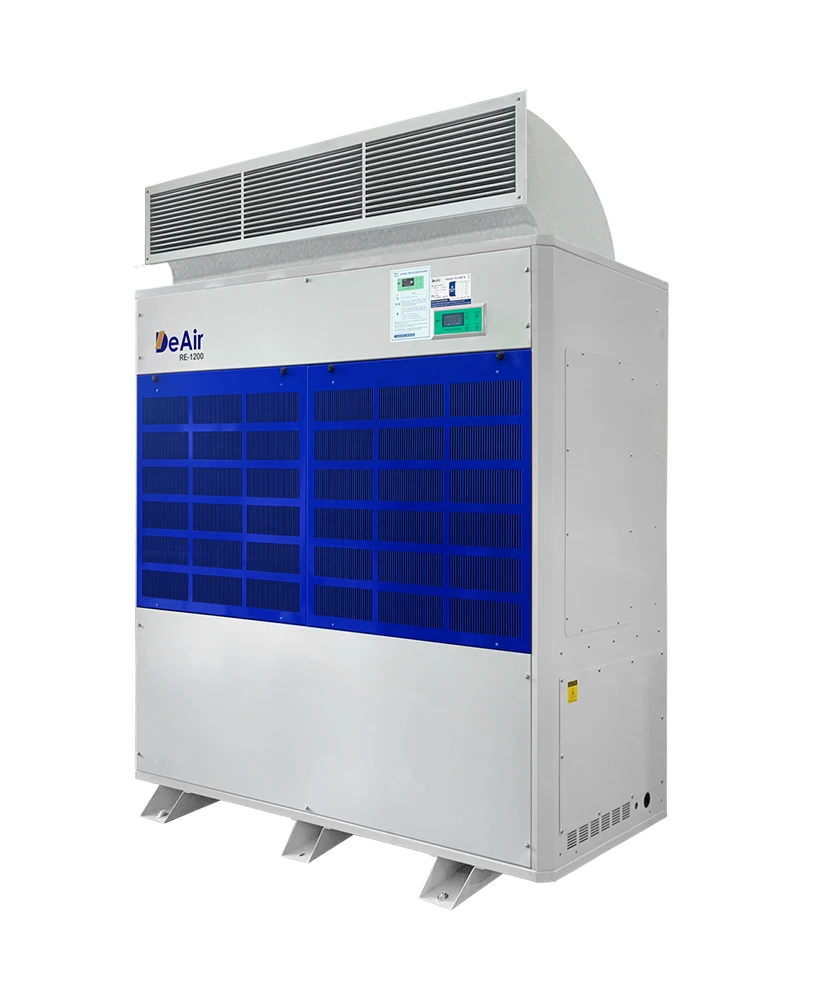 DeAir.RE
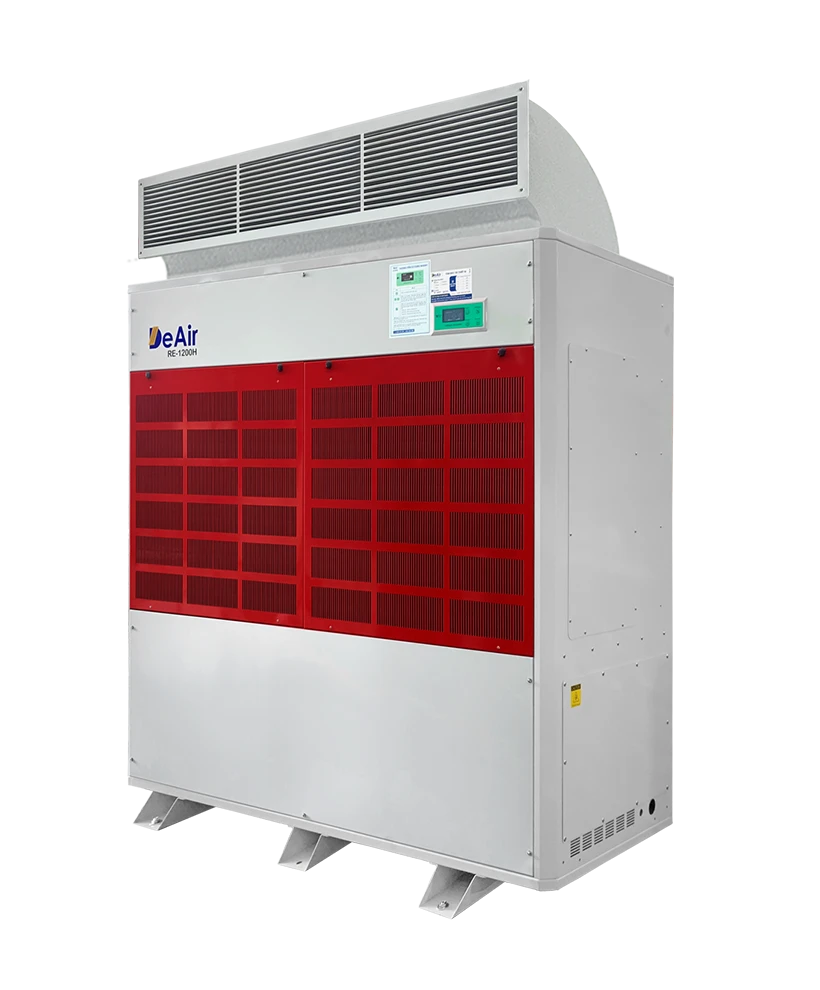 DeAir.RE-H
 DeAir.RE-INOX
 DeAir.CRE
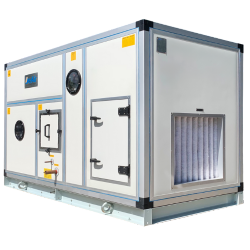 Dezenno
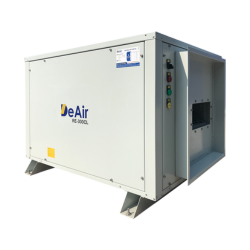 DeAir.RE-CL
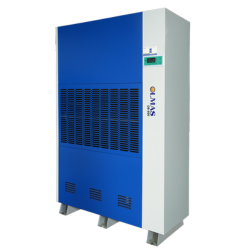 Olmas-OS
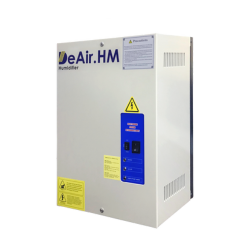 DeAir.HM
 Daxwell
 DeAir.Heat
 AHU
AHU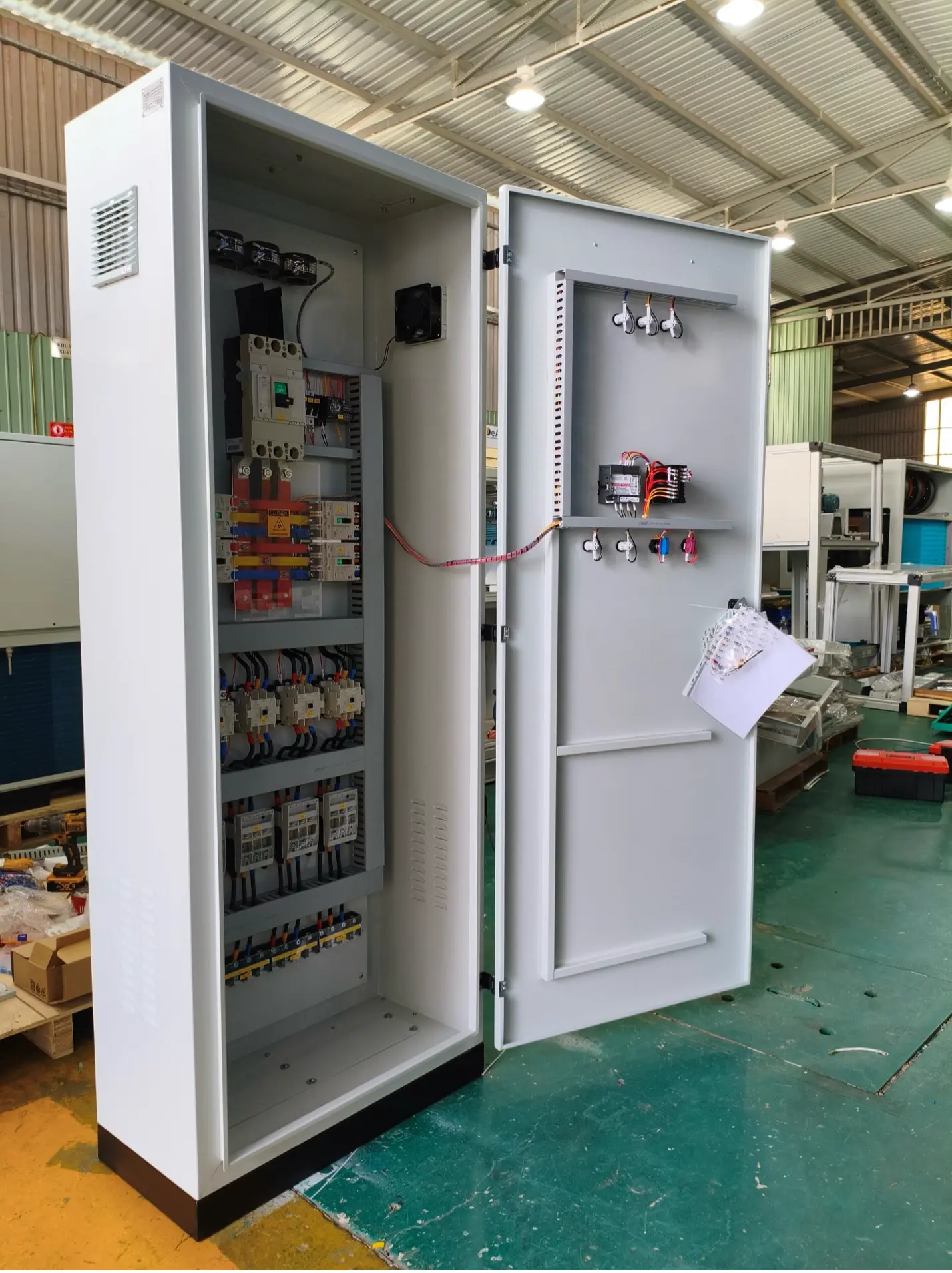








![[Case Study] DeAir Installs DeAir.De Rotor Humidity Control System for Pharmaceutical Plant in Binh Duong](https://deair.com.vn/thumbs/news/2023_04/ban_giao_may_cho_duoc_bd/[270x153-cr]image1-1024x772.jpg__cv.webp "[Case Study] DeAir Installs DeAir.De Rotor Humidity Control System for Pharmaceutical Plant in Binh Duong")
![[Review & Guide] Olmas OS-300: The New Humidity Control "Warrior" for Medium to Large Warehouses](https://deair.com.vn/thumbs/news/huong_dan_su_dung_may_olmas_21/[270x153-cr]vtm06440.png "[Review & Guide] Olmas OS-300: The New Humidity Control \"Warrior\" for Medium to Large Warehouses")