Secrets to Drying Agarwood & Herbal Incense: Locking in Essential Oils, Preventing Warping
11/05/2026
Secrets to Drying Agarwood & Herbal Incense: Locking in Essential Oils, Preventing Warping
Key Takeaways:
High-End Challenge: Drying agarwood, herbal, cinnamon, and eucalyptus incense requires dozens of times more precision than chemical incense to avoid evaporating natural essential oils.
3 Fatal Errors: Core scent loss due to high temperatures, warping/cracking from rapid dehumidification, and white mold on bamboo sticks due to incomplete drying.
Technological Solution: Utilizing the Daxwell industrial incense drying process with a low-temperature range (30°C - 40°C) and closed-loop circulation helps "lock" 100% of the fragrance back into the incense body.
Operational Efficiency: Absolute anti-warping thanks to smart reversible fans, 70% energy savings, and ensuring products meet international export standards.
The market is witnessing a major shift: customers are turning away from toxic chemical incense and are willing to pay premium prices for clean, organic alternatives (Agarwood, Cinnamon, Eucalyptus, Sandalwood). However, natural incense materials are incredibly expensive. If manufacturers continue to apply traditional high-heat drying methods, the entire value of a billion-VND batch could be destroyed. This is where comprehensive clean incense drying solutions step in to solve the most difficult physical challenges.
1. 3 "Enemies" destroying the quality of premium incense
Unlike chemical-dipped incense (which only needs rapid drying followed by scent spraying), agarwood and herbal incense use natural wood powders containing essential oils. An incorrect drying process faces 3 physical phenomena:
Sun-drying is weather-dependent, causing fading and warping.
Premium incense value is determined by the scent when burned.
Scent Loss (Thermal Evaporation): Physicochemically, essential oils in agarwood, cinnamon, or eucalyptus are highly volatile. If drying temperatures exceed 45°C - 50°C, the essential oil molecules (Terpenes) evaporate along with the water vapor. The result is incense that dries quickly but smells like burnt sawdust when lit.
Warping & Cracking: This occurs due to rapid moisture extraction or uneven airflow. The outer powder layer hardens quickly while the core remains wet. This chasm creates tension stress, causing the incense body to crack or bend.
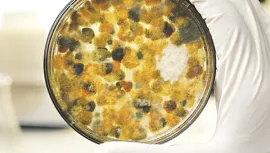
White Mold from the Core: Bamboo sticks (the core) absorb water deeply. If the drying process ends prematurely when the surface looks dry but the core is still moist, water will seep out later. After a few weeks of packaging, white mold will bloom from the bottom up.
2. The "Mild Drying" Principle - The secret to locking in fragrance
The core secret to protecting high-end goods is moving from "Thermal Drying" to "Low-temperature dehumidification" using Daxwell Heat-pump dryers.
Daxwell Heat-Pump "Scent Locking" Mechanism
❌ TRADITIONAL THERMAL DRYING
Mechanism: Burning electric resistance elements (>60°C) to force evaporation.
Open Exhaust: Fans vent moist air and essential oils directly into the environment.
Mechanism: Condensing water at low temps (30°C - 40°C) via refrigeration; dry air extracts moisture gently.
100% Closed-Loop: Water vapor drains out as liquid; fragrance molecules circulate and remain trapped in the chamber.
Result: Fragrance molecules re-absorb into the incense; scent is ultra-potent; sticks remain straight.
3. Optimized drying room design for various incense types
Based on the physical characteristics of each incense type, DeAir engineers design completely different drying rooms and airflow configurations:
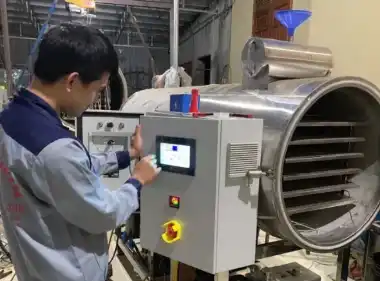
Reversible fan systems and Daxwell dryers ensure perfectly straight incense.
Incense Sticks (Que): Thin, long, and extremely prone to bending. The mandatory solution is using automatic reversible fans. Airflow is programmed to alternate left-right and up-down, ensuring moisture is drawn evenly from all sides, neutralizing tension stress.
Incense Cones & Coils: Dense and thick structures. Rapid drying will cause them to shatter. DeAir engineers use PLC screens to set a multi-stage drying profile: Phase 1 (ultra-slow moisture extraction at 30°C to balance core/shell humidity), Phase 2 (slight increase to 40°C for thorough drying).
4. Export standards and energy cost optimization
For demanding export markets like Taiwan, India, and Japan, products must achieve a standard moisture content of 10% - 12% and be completely free of dust. The Daxwell closed-loop system ensures incense does not contact outside pollutants, maintaining a rustic and vibrant color.
Financially, drying agarwood at low temperatures naturally takes longer. However, thanks to circulating heat-pump recovery technology, Daxwell dryers reuse 100% of the thermal energy, reducing electricity costs by up to 70% compared to using infrared or traditional resistance dryers. This sky-rockets the profit margins for the production facility.
5. Frequently Asked Questions (FAQ)
Q1: How long does it take to dry a batch at low temperatures (30°C - 40°C)?
Answer: Drying time depends on the incense diameter and the binding material (glue). Typically for sticks, it takes 8 to 12 hours. Although longer than high-heat drying (4-5 hours), you gain a batch of incense that is crack-free and retains its original scent value worth hundreds of millions of VND.
Q2: Why does my incense often get white mold on the red bamboo stick part?
Answer: This is because the bamboo core absorbs moisture deeply. Thermal drying often creates a "false dry" surface while the core remains wet. Daxwell heat-pump dryers combined with powerful reversible fans continuously pull moisture from the core, ensuring complete dryness and ending the risk of mold in packaging.
Q3: If the drying room is closed-loop, where does the water vapor go?
Answer: Vapor evaporated from the incense passes through the cold coil of the heat pump. Here, it is shock-cooled and condenses into liquid water (distilled water), which then drains out via a pipe system. The air, now stripped of moisture, becomes dry and warm and is blown back into the chamber.
Elevating the Value of Vietnamese Fragrance
Herbal and agarwood incense are products of high spiritual and health value. The drying process determines 80% of the scent quality delivered to customers.
Contact DeAir technical experts today to bring your samples for a Test-run and receive a free export-standard drying room design!
Chemical-Physical References: [1] IFRA (International Fragrance Association) - Evaporation characteristics of Terpenes and herbal oils at varying temperature thresholds. [2] Journal of Science & Technology: Research on the structure and evaporation temperature of aromatic compounds in Agarwood (Aquilaria crassna) oil.


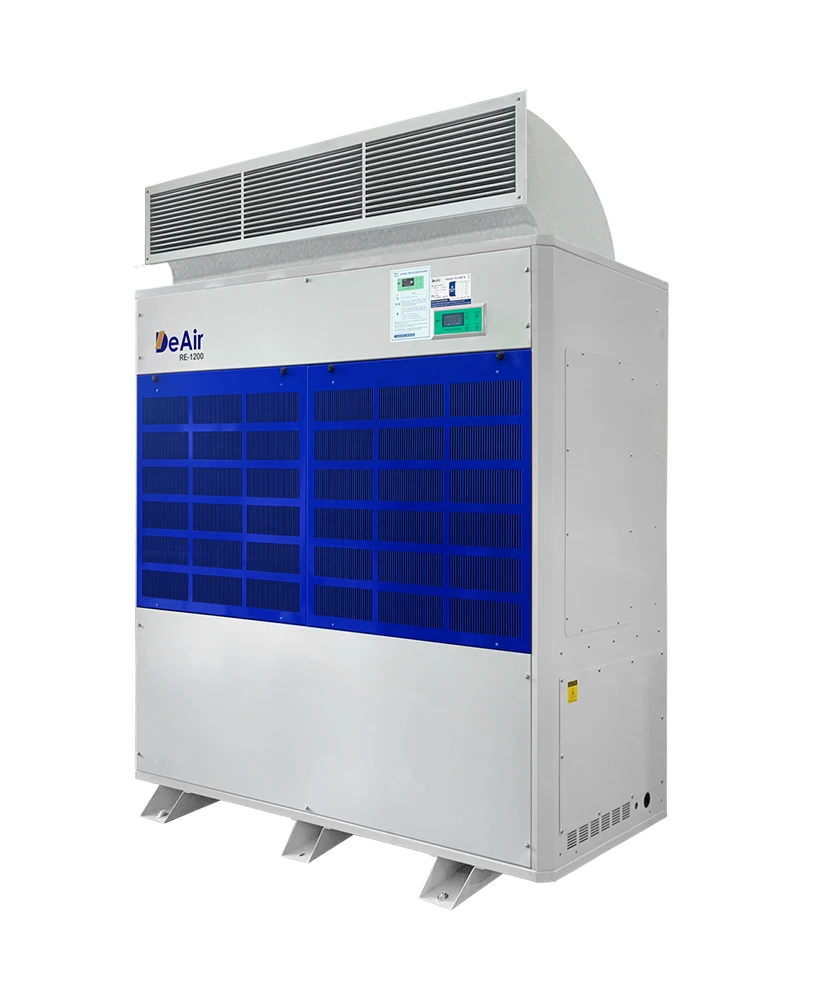 DeAir.RE
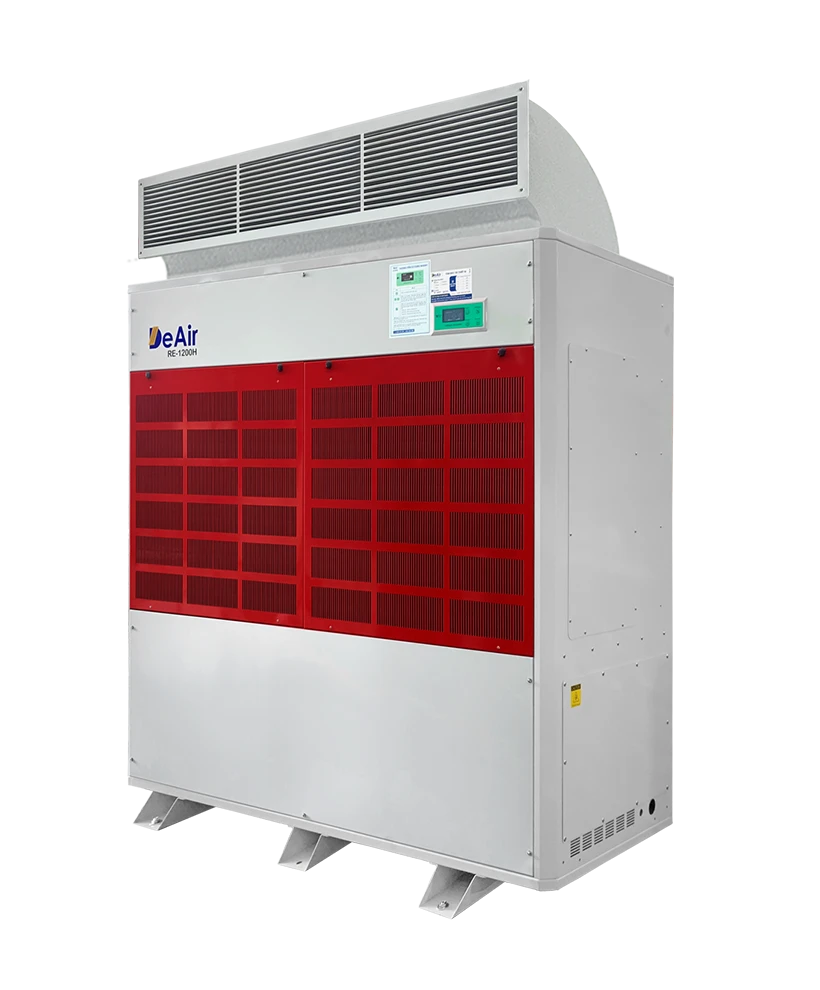 DeAir.RE-H
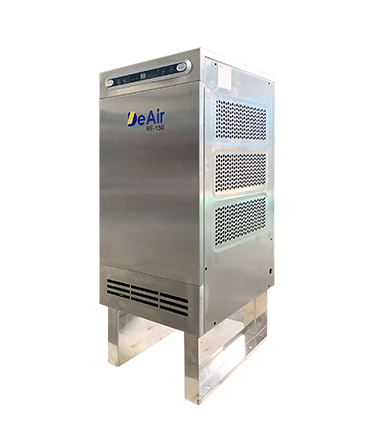 DeAir.RE-INOX
 DeAir.CRE
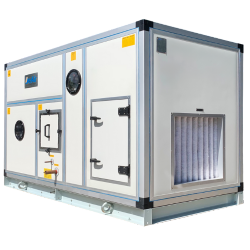 Dezenno
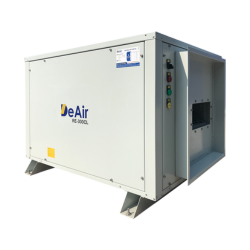 DeAir.RE-CL
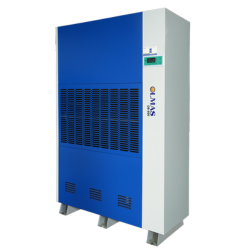 Olmas-OS
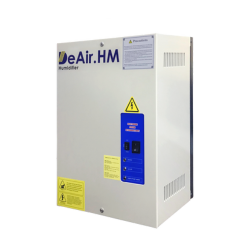 DeAir.HM
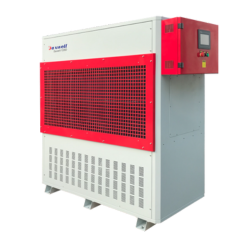 Daxwell
 DeAir.Heat
 AHU
AHU









![[Case Study] DeAir Installs DeAir.De Rotor Humidity Control System for Pharmaceutical Plant in Binh Duong](https://deair.com.vn/thumbs/news/2023_04/ban_giao_may_cho_duoc_bd/[270x153-cr]image1-1024x772.jpg__cv.webp "[Case Study] DeAir Installs DeAir.De Rotor Humidity Control System for Pharmaceutical Plant in Binh Duong")
![[Review & Guide] Olmas OS-300: The New Humidity Control "Warrior" for Medium to Large Warehouses](https://deair.com.vn/thumbs/news/huong_dan_su_dung_may_olmas_21/[270x153-cr]vtm06440.png "[Review & Guide] Olmas OS-300: The New Humidity Control \"Warrior\" for Medium to Large Warehouses")