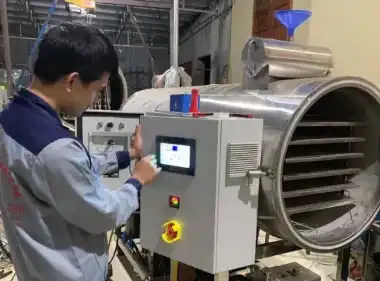
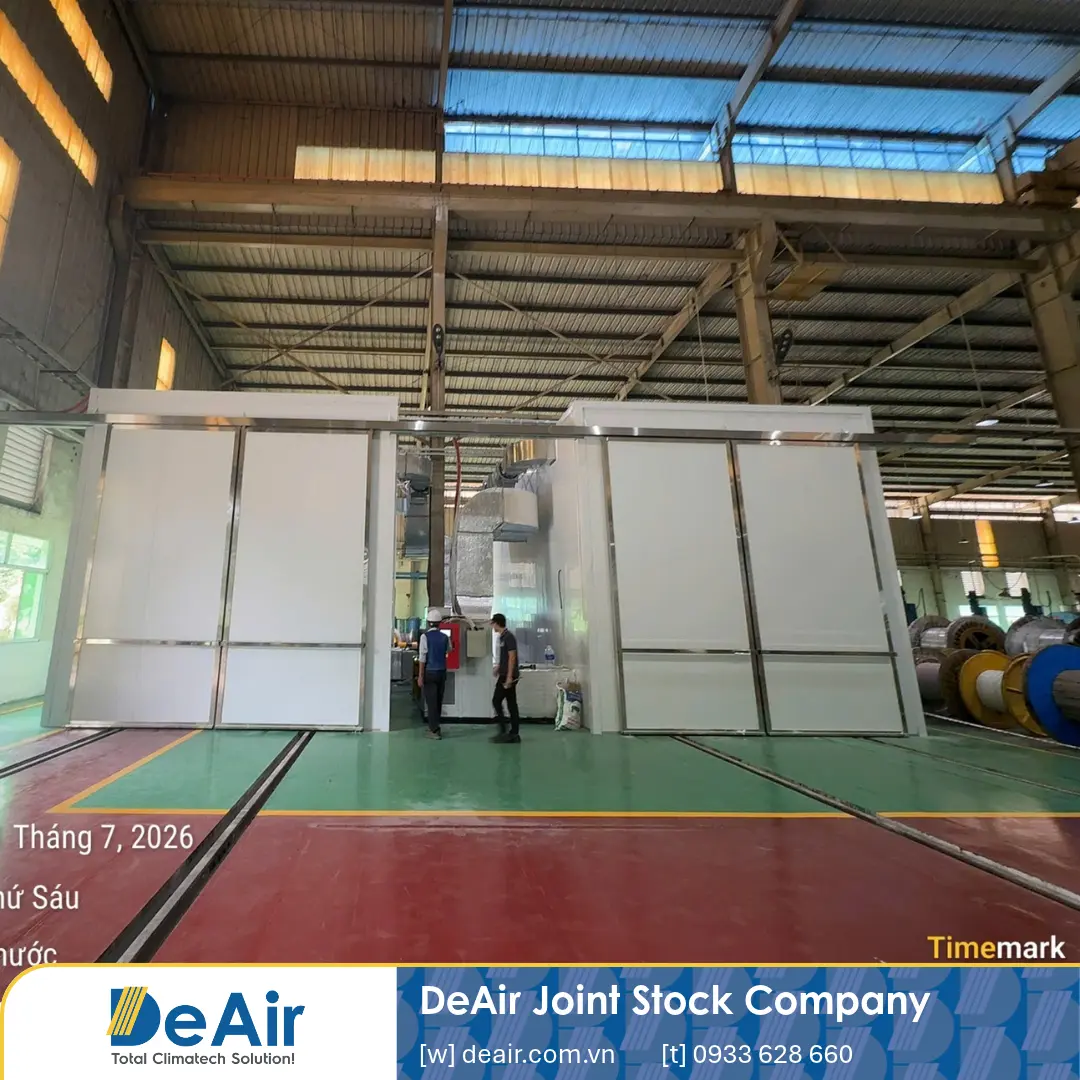
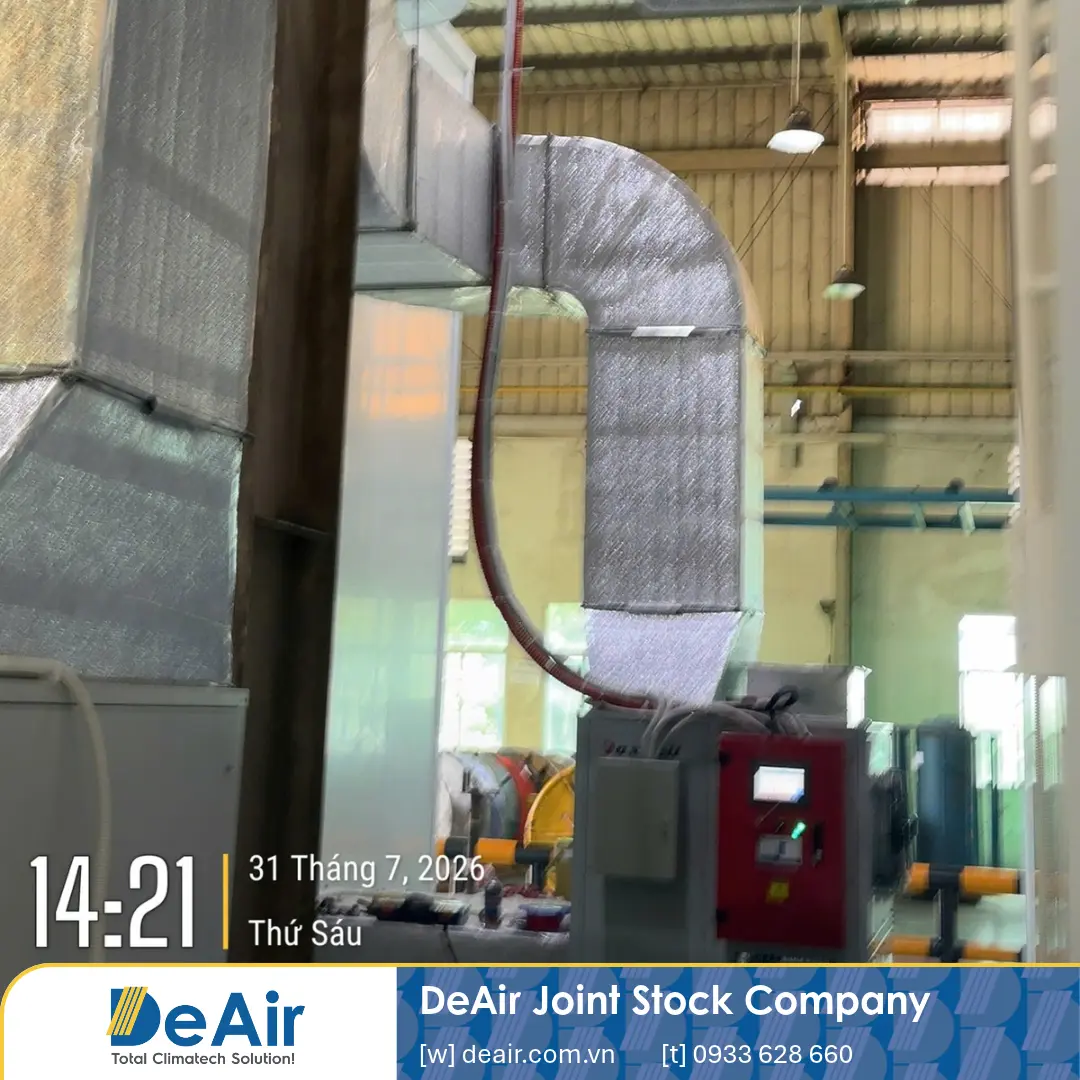
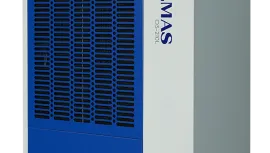
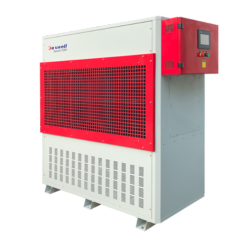
Overall view of the professional Daxwell DX-600M drying system connected to the panel drying room at the cable manufacturing plant in Dong Nai.
💡 Executive Summary
Client: An electric cable manufacturing plant in Dong Nai Province.
Product to be dried: Finished electric cable rolls (specifically PVC, XLPE, or rubber insulation layers) requiring stable drying before factory packaging and shipping.
DeAir's Solution: 01 Daxwell Model DX-600M heat-pump dryer + Air distribution ducting system + Insulated panel drying chamber.
Key Results: Precise temperature (50-80°C) and humidity control, uniform drying from the inside out without deforming or cracking the cable sheath, and up to 50% energy cost savings compared to traditional electric resistance drying.
1. Challenges in Industrial Electric Cable Roll Drying
The electric cable manufacturing industry demands extremely strict heat and moisture processing. The insulation sheath (PVC, XLPE, rubber) is highly sensitive to temperature. Excessive heat causes melting, deformation, or surface cracking; uneven heat distribution creates internal stress, reducing the cable's lifespan and safety.
🚨 LIMITATIONS OF TRADITIONAL DRYING METHODS
Natural sun/air drying: Entirely weather-dependent, prolonged processing time, high risk of dust contamination, inability to control humidity, and high risk of product damage.
Electric resistance/gas drying ovens: High energy/fuel consumption, uneven temperature distribution (overheating near the heat source, under-drying further away), and high fire/explosion risks due to localized overheating.
The urgent requirement for modern factories is a closed-loop drying system with stable temperatures, uniform air circulation, and absolute safety for both personnel and assets.
2. DeAir's Integrated Solution: The Perfect "Three-Legged Stool"
DeAir does not just supply a machine; we provide a comprehensive drying system meticulously calculated to maximize efficiency for every cable batch.
2.1. The Heart of the System: Daxwell DX-600M Heat-Pump Dryer
This unit operates in the medium temperature range of 50–80°C, perfectly matching the thermal properties of cable polymer materials. The condensation heat recovery principle delivers outstanding energy savings. Crucially, the PLC/HMI control cabinet allows precise programming of drying curves for different cable types, ensuring repeatability and stability.
2.2. The Stable Environment: Panel Drying Chamber
Insulated panel materials (PU/PIR) retain stable internal temperatures, preventing heat loss to the outside. This reduces the load on the dryer and shortens the time required to reach the target temperature. The panel surfaces are also easy to clean, meeting industrial factory standards.
2.3. The Circulation System: Ducting Network
The ductwork system is meticulously designed and insulated, ensuring even distribution of hot, dry air into the drying chamber.
DeAir utilizes computational fluid dynamics (CFD) to design the supply and return air vents, leveraging the high airflow capacity (6,000 - 9,000 CMH of the DX-600M) to distribute air evenly to every corner. This eliminates "dead zones" (areas with no airflow), ensuring every cable roll dries uniformly.
Below are the standard technical specifications of the DX-600M model applied to this project (sourced from DeAir's Company Profile):
📋 DAXWELL DX-600M HEAT-PUMP DRYER
Model
DX-600M
Operating Temperature
50 – 80°C
Drying Volume Range
80 – 120 m³
Airflow
6,000 / 9,000 CMH
Power Consumption
9.95 kW
Power Supply
380V / 3-Phase / 50Hz
Refrigerant
R410A
Dimensions (W x D x H)
1,250 x 1,050 x 1,600 mm
Weight
270 kg
* Noise measured at a 3m distance. Manufactured in Vietnam under the ISO 9001:2015 quality management system.
4. Real-World Project Images in Dong Nai
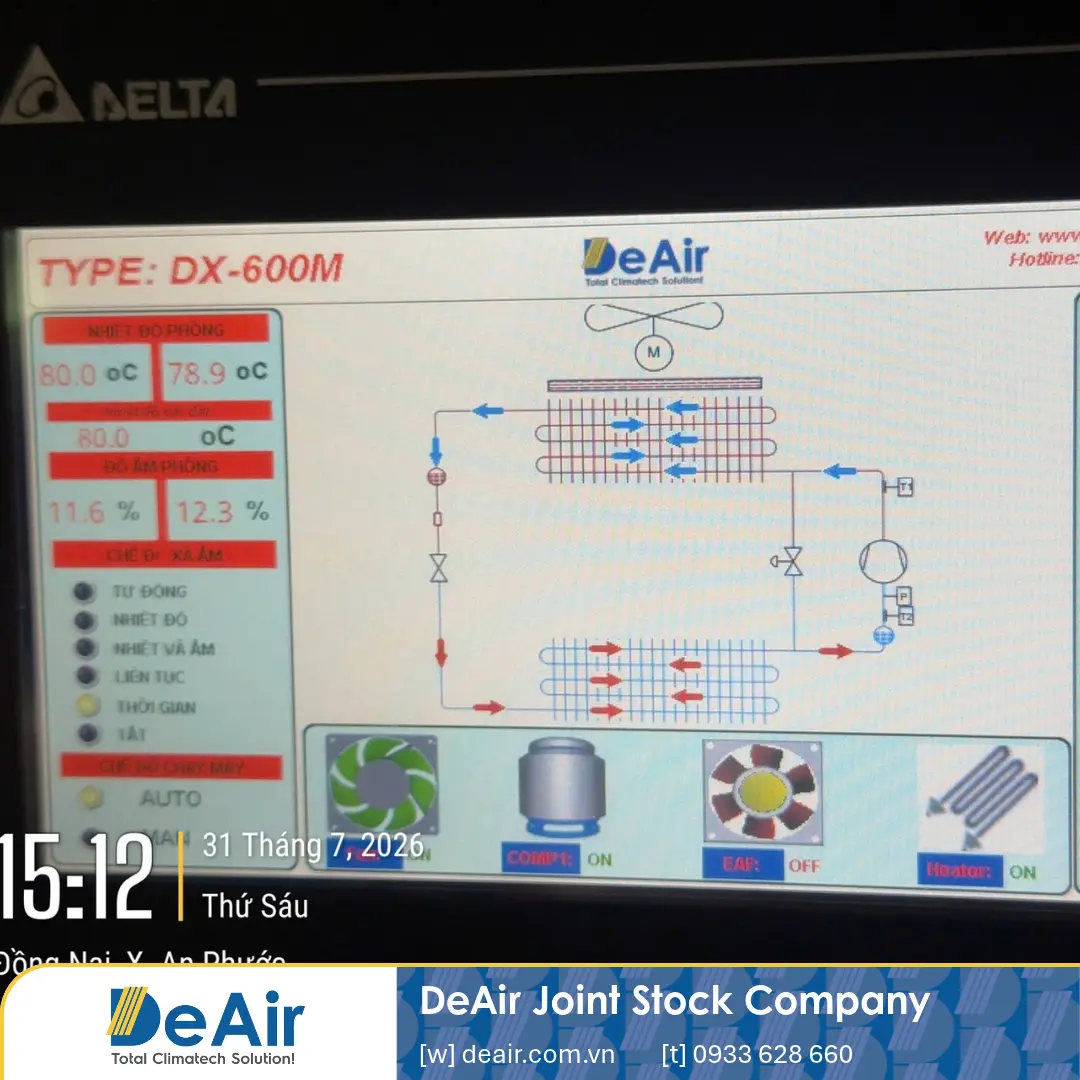
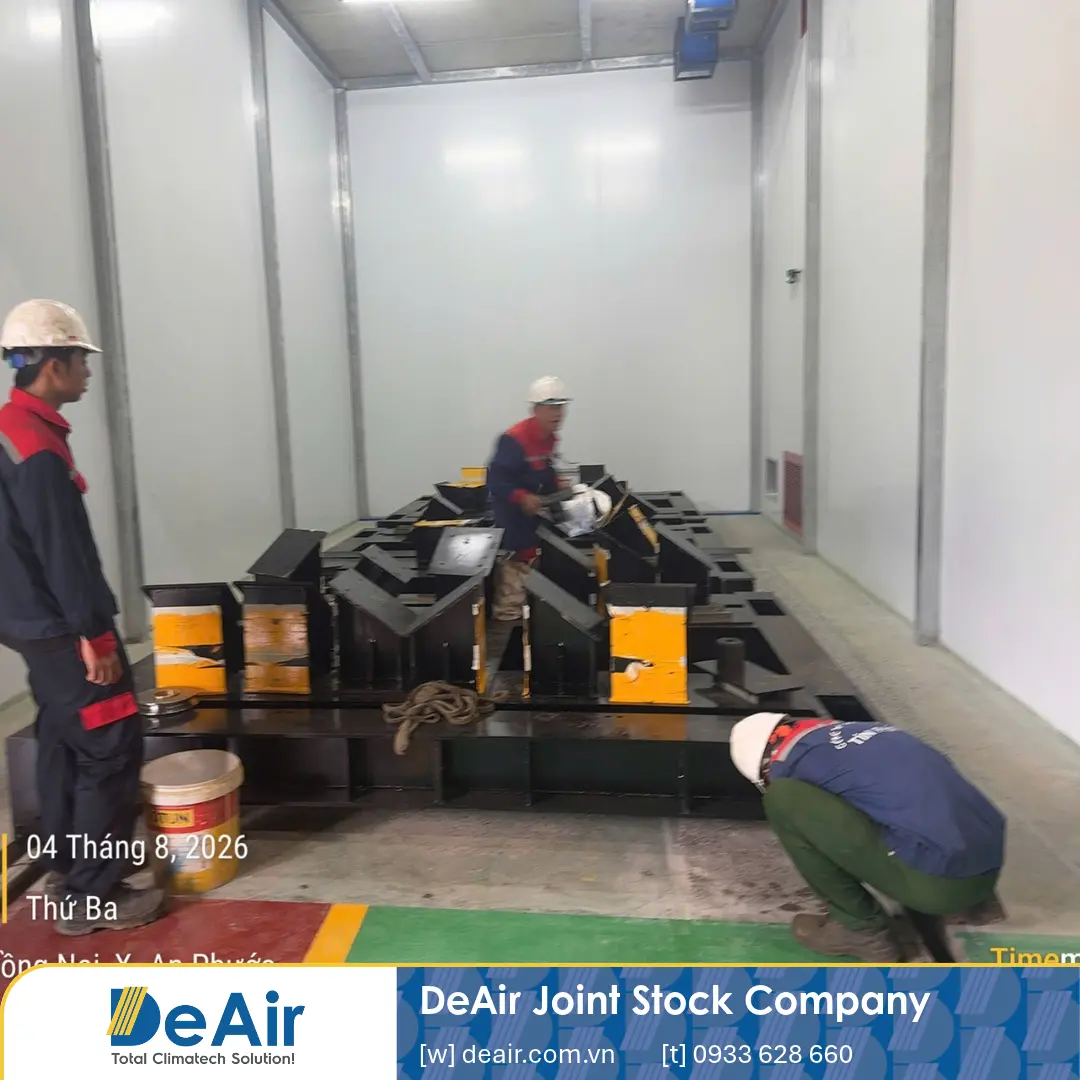
The HMI screen accurately displays real-time temperature, humidity, and drying cycle duration.Inside the drying room: Cable rolls are arranged on trolleys with optimal spacing to ensure maximum airflow circulation.
5. Project Implementation Process
Survey & Consultation: Measured the area, identified cable material types (PVC/XLPE), and determined batch weights to accurately calculate thermal and moisture loads.
3D Design & Technical Drawings: Developed a layout plan for the machine and the supply/return duct pathways to optimize airflow and eliminate dead zones.
Production & Installation: Constructed the panel room, installed the Daxwell unit, connected the ductwork, and wired the electrical system at the Dong Nai factory, ensuring both safety and aesthetics.
Test Run & Calibration: Conducted trial drying, measuring temperature and humidity at multiple points (corners, center, top, bottom) to fine-tune fan speeds and HMI temperature settings.
Training & Handover: Trained factory workers on operation, created specific drying recipes for each cable code, and handed over the as-built documentation and warranty certificate.
6. Achieved Results
✅ KEY RESULTS
Product Quality: Cable sheaths dried uniformly without cracking, melting, or deformation. Adhesion and insulation properties were 100% guaranteed.
Energy Efficiency: Drying electricity costs were reduced by approximately 40-50% compared to the old electric resistance system, thanks to Heat-Pump technology.
Productivity: Drying time was shortened and stabilized, independent of weather conditions, enabling proactive shipping schedules.
Safety: Completely eliminated fire/explosion risks associated with localized overheating, creating a safer working environment for factory staff.
Q1: Will the 50-80°C temperature of the Daxwell machine melt or damage the cable insulation sheath?
No. This is the "golden" temperature range for polymer/PVC/XLPE materials. The machine allows precise degree-by-degree setting and stable maintenance, avoiding the localized overheating (hotspots) common in electric resistance ovens, thereby absolutely protecting the cable sheath structure.
Q2: Does the ducting system ensure hot air reaches the cable rolls deep inside the room?
Yes. DeAir utilizes computational fluid dynamics (CFD) to design the supply and return air vents. Combined with the high airflow capacity (6,000-9,000 CMH), this ensures forced air circulation passes through every gap between the cable rolls, eliminating "dead zones".
Q3: How many cable rolls can the Daxwell DX-600M dry simultaneously?
This depends on the roll dimensions and how they are arranged on the trolleys. With an optimized room volume of 80-120 m³, the system is designed to handle the moisture load of a standard production batch as initially specified, ensuring both drying time and output quality.
Q4: Does DeAir provide maintenance support for this system in the Dong Nai area?
Yes. DeAir has a technical team covering all of Southern Vietnam. We commit to a 24-month warranty, 24/7 technical support, and periodic maintenance contracts to ensure the system always operates at peak efficiency.
🏆 DEAIR COMMITMENTS
✅ Free site survey, with precise thermal/moisture load calculations for each cable material.


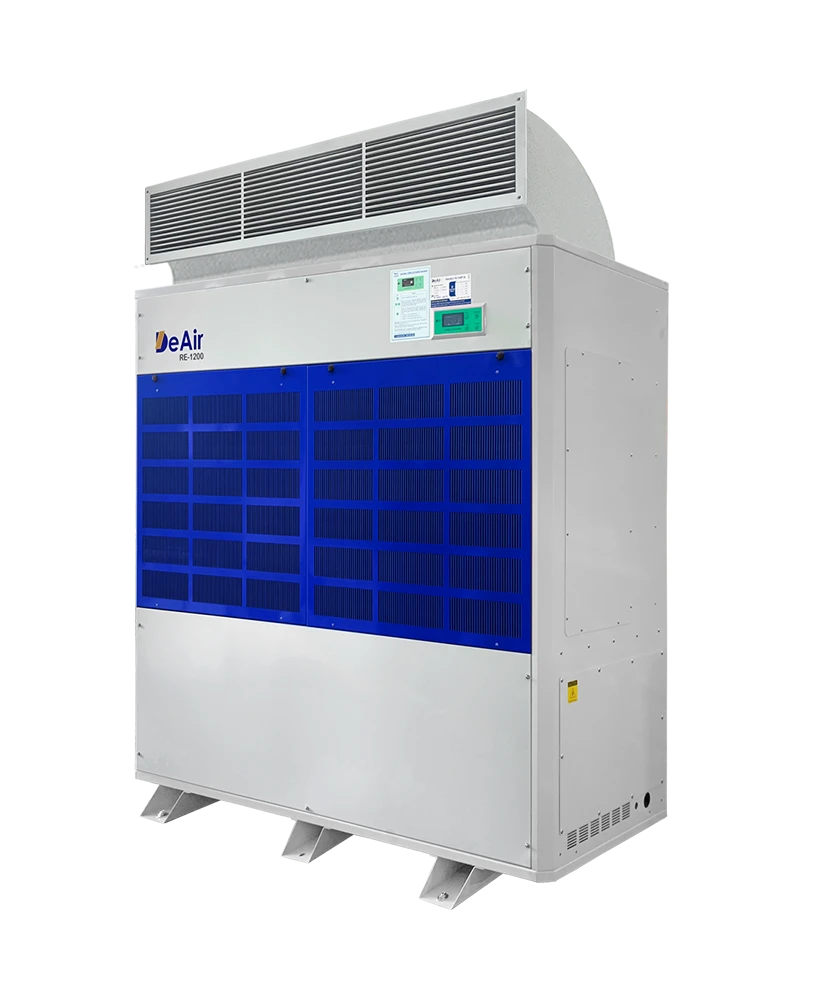 DeAir.RE
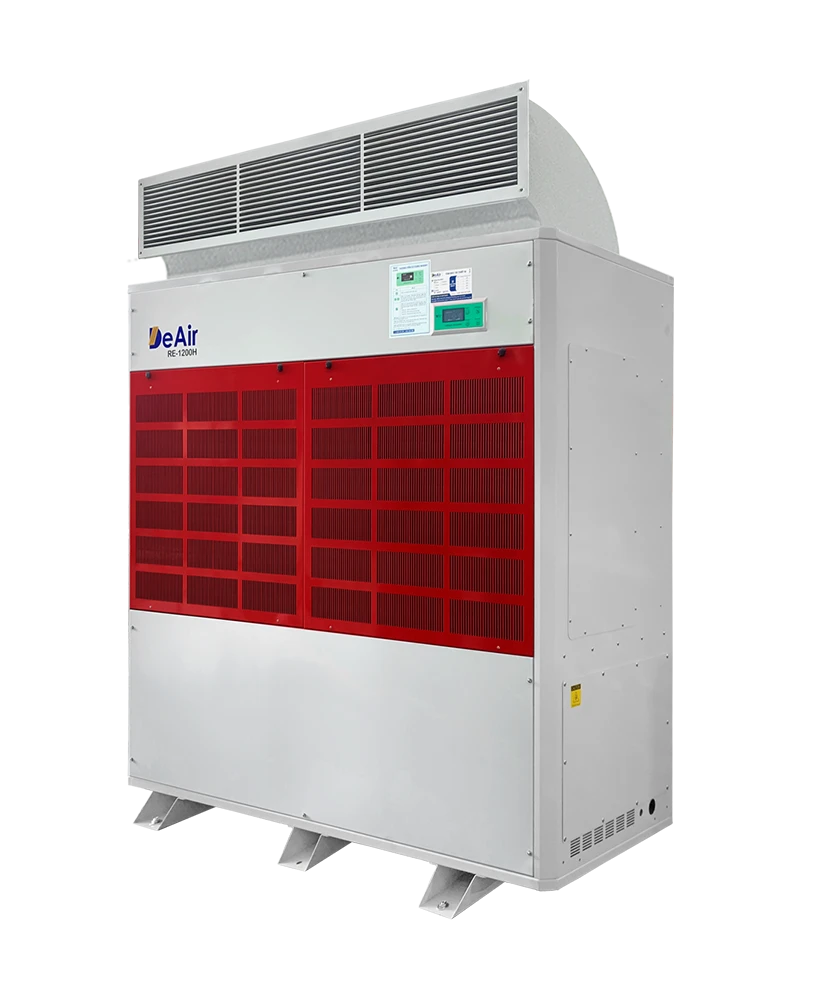 DeAir.RE-H
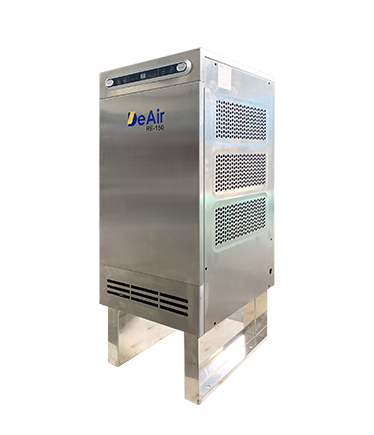 DeAir.RE-INOX
 DeAir.CRE
 Dezenno
 DeAir.RE-CL
 Olmas-OS
 DeAir.HM
 Daxwell
 DeAir.Heat
 AHU
 DeAir.CUSTOM