Context: Prolonged rainy and humid weather across all 3 regions of Vietnam, with heavy rainfall (exceeding 400mm in some areas) and humidity frequently above 80-90% RH.
The Problem: High humidity causes numerous health issues (respiratory diseases, allergies, skin fungi) and asset damage (moldy clothes, damaged electronics, ruined furniture).
The Solution: Using dedicated dehumidifiers is the most effective way to control indoor and industrial humidity levels.
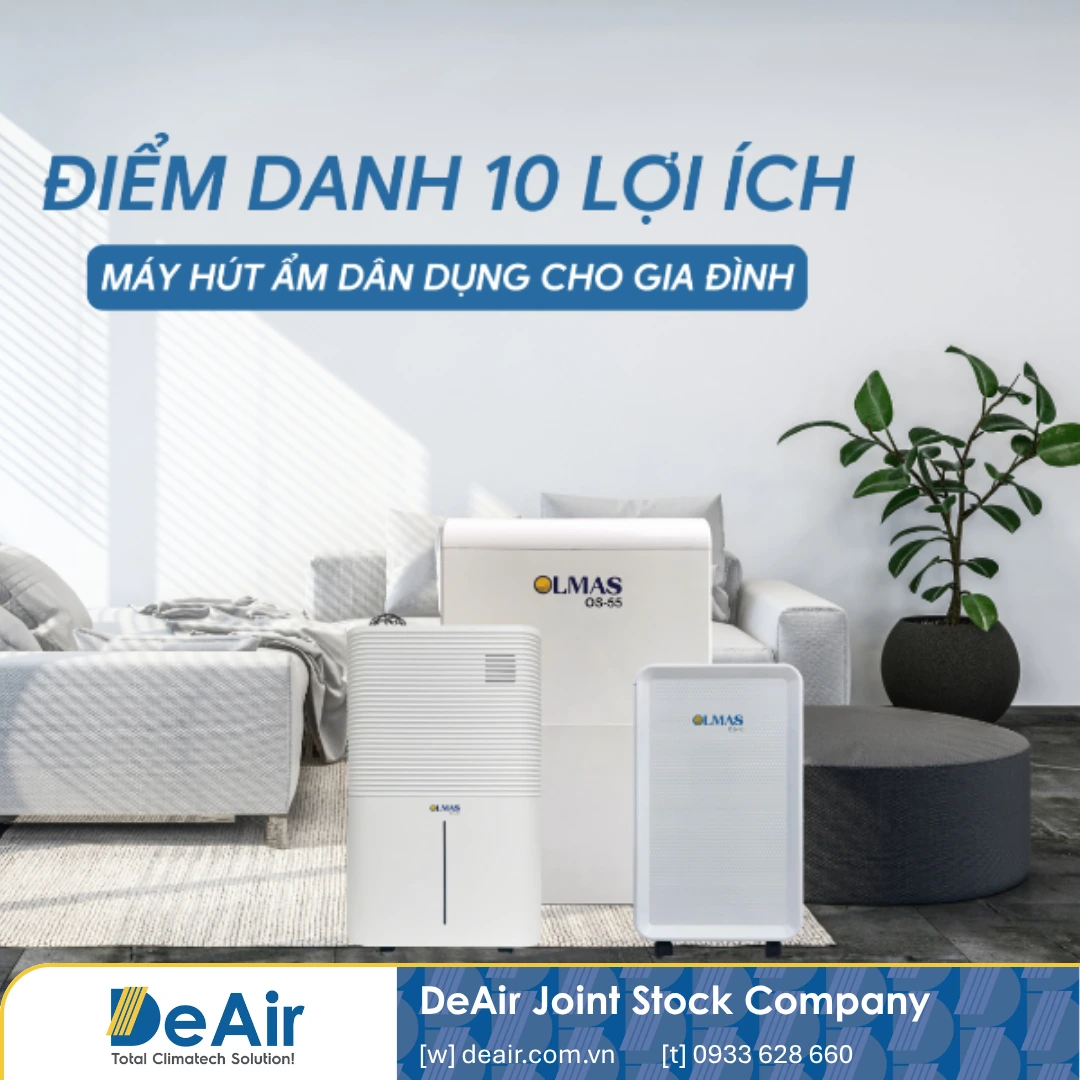
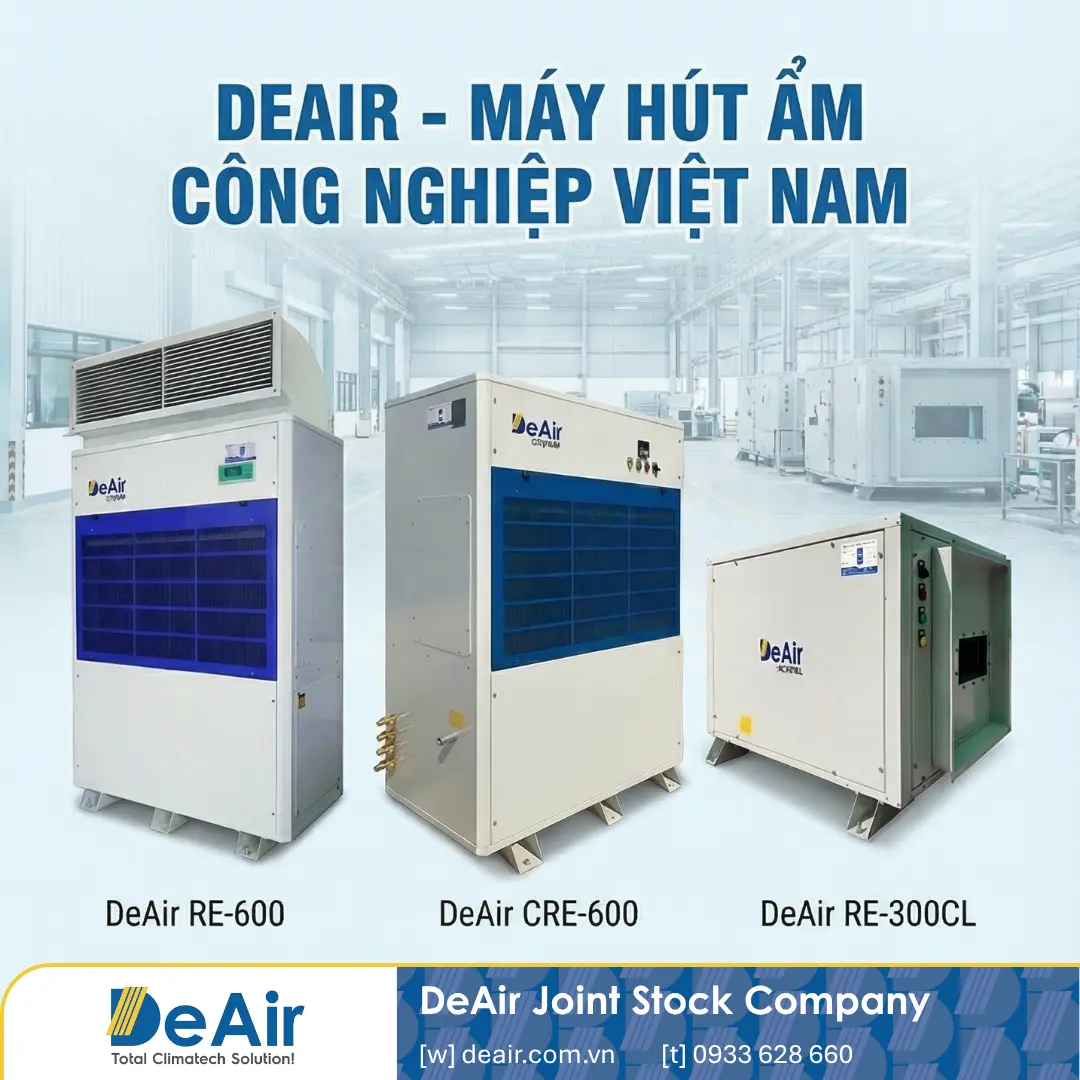
Featured Products: Olmas residential dehumidifiers for homes and DeAir.RE heat-pump industrial dehumidifiers for commercial/industrial facilities.
1. The Reality of Prolonged Rainy and Humid Weather Across 3 Regions
Recently, Vietnam has been facing prolonged rainy and humid weather across all three regions, causing severe disruptions to daily life and production activities.
📊 ALARMING WEATHER DATA
Record Rainfall: According to Lao Dong, some areas are experiencing rainfall exceeding 400mm today and over the next 3 days.
Continuous Rain in HCMC: As reported by ZNews, continuous rain over many days has led to a surge in illnesses.
High Humidity: Levels consistently remain at 85-95% RH, creating ideal conditions for mold proliferation.
Double Impact: Heavy rain causes flooding, while high humidity triggers uncontrollable mold and dampness.
2. Negative Impacts of High Humidity on Daily Life
2.1. Health Implications
⚠️ HEALTH RISKS
Respiratory diseases: Allergic rhinitis, asthma, and sinusitis due to mold and bacteria growth.
Dermatological issues: Fungal infections, rashes, and itching caused by damp environments.
Joint pain: High humidity exacerbates joint pain in the elderly.
Fatigue and discomfort: Stuffy, breathable air negatively affects mood and productivity.
2.2. Asset and Property Damage
As highlighted by Afamily, clothes failing to dry after rain is a common headache, but the damage extends much further:
Clothes and bedding: Take forever to dry, develop musty odors, and suffer from spreading mold.
Electronics: Malfunctions, short circuits, and rust due to moisture infiltration.
Wooden furniture: Warping, termite infestations, and mold growth.
Books and documents: Mold, yellowing, and irreversible damage.
Food and agricultural products: Rapid spoilage and mold contamination.
3. Methods to Reduce Humidity During the Rainy Season
According to Tin Tuc Viet Nam, there are several ways to combat indoor mold during the rainy season, but their effectiveness varies greatly:
3.1. Traditional Methods (Limited Effectiveness)
❌ LIMITATIONS OF TRADITIONAL METHODS
Closing windows: Only prevents new humid air from entering; does not remove existing moisture.
AC "Dry" mode: High electricity consumption and low dehumidification efficiency; primarily designed for cooling, not dedicated moisture removal.
Charcoal or quicklime: Only effective in very small spaces, aesthetically unpleasing, and requires frequent replacement.
Clothes dryers: High energy cost and only solves the laundry problem, not the overall room humidity.
3.2. The Optimal Solution: Dedicated Dehumidifiers
5. Infographic: Comparing Humidity Control Solutions
📊 COMPARING HUMIDITY CONTROL SOLUTIONS
Criteria
Traditional (Closed windows/Charcoal)
AC "Dry" Mode
Olmas Dehumidifier
DeAir.RE Dehumidifier
Effectiveness
Low
Moderate
High
Very High
Humidity Control
None
Limited
Precise ±3% RH
Precise ±3% RH
Operating Cost
Low
High
Low
Very Low (Saves 40-50%)
Application Scope
Very Small
Small Rooms
Homes, Offices
Large Warehouses, Factories
Convenience
Low
Moderate
High
High
Additional Features
None
Cooling
Air purification, Clothes drying
Industrial drying
6. Frequently Asked Questions (FAQ)
Q1: What is the safe humidity level for health and assets?
The ideal humidity level for human health is 40-60% RH. For assets: electronics should be kept at 40-50% RH, wood and furniture at 45-55% RH, and agricultural warehouses at 50-60% RH. When humidity exceeds 70% RH, mold begins to grow rapidly, harming both health and property.
Q2: Do dehumidifiers consume a lot of electricity?
Standard dehumidifiers consume a moderate amount of power. However, DeAir's Heat-Pump technology saves 40-50% on electricity compared to standard units by recycling condensation heat. Olmas residential models are also specifically designed for energy efficiency, making them cost-effective for long-term home use.
Q3: Should I choose the Olmas residential dehumidifier or the DeAir.RE industrial model?
It depends on your needs: If you need to protect your family's health and control humidity in bedrooms, living rooms, or small offices (under 100m²), choose Olmas. If you need to control humidity in warehouses, factories, or large production facilities (over 100m²), especially requiring significant energy savings, choose the DeAir.RE industrial model.
Q4: Can a dehumidifier replace a dedicated clothes dryer?
Olmas residential dehumidifiers feature a clothes-drying function that helps laundry dry quickly during rainy, damp days. However, the drying speed is slower than a dedicated tumble dryer. For large-scale clothing drying needs (e.g., garment factories), it is highly recommended to use the specialized DeAir.RE-H heat-pump dryer for maximum efficiency.
Do Not Let Rain and Humidity Destroy Your Health and Assets!
Let DeAir provide the optimal humidity control solution to protect your family and business during this prolonged rainy season.
Contact us now for a free site survey and consultation!


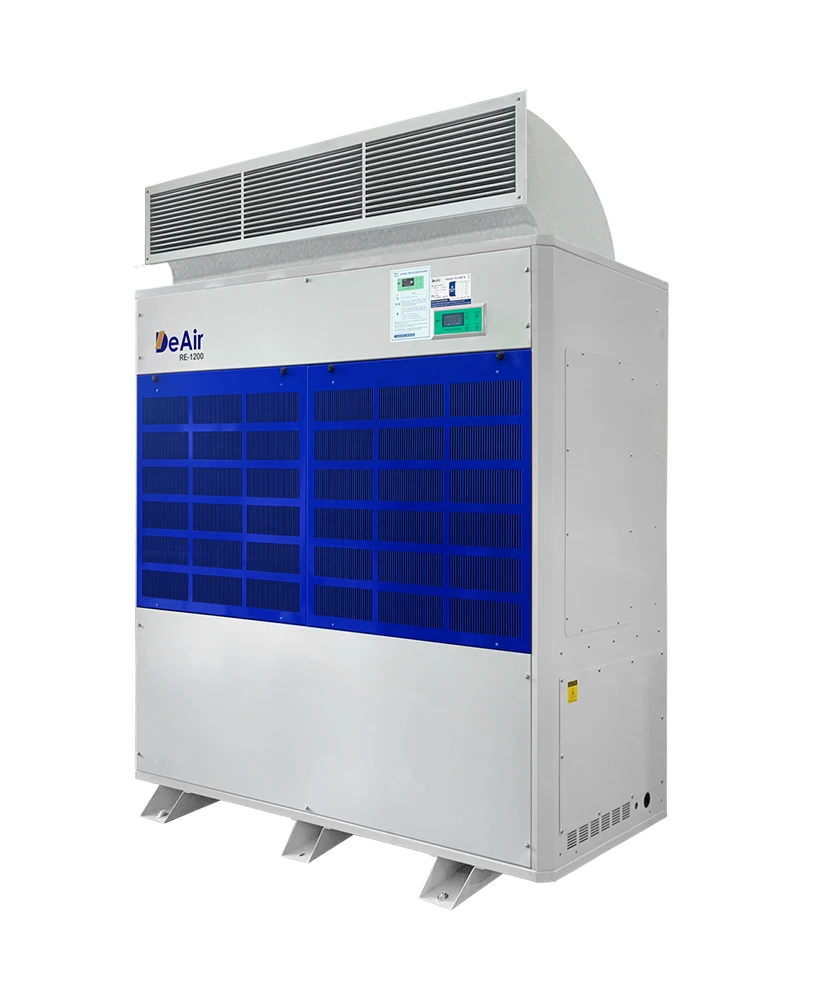 DeAir.RE
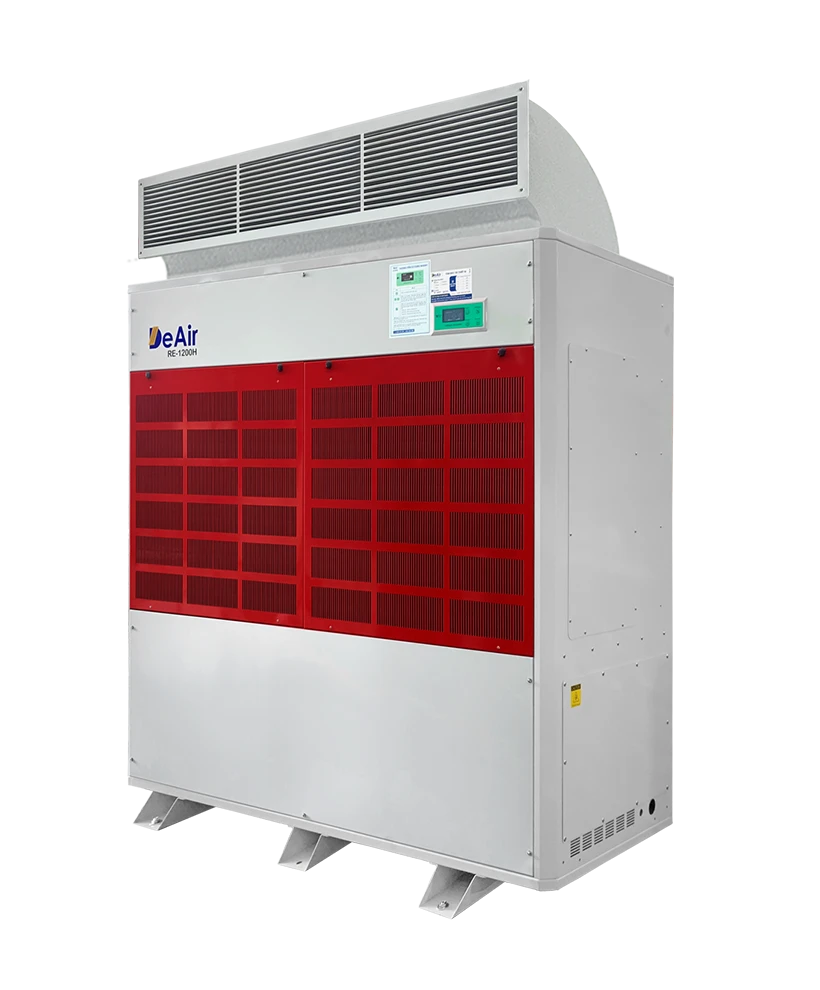 DeAir.RE-H
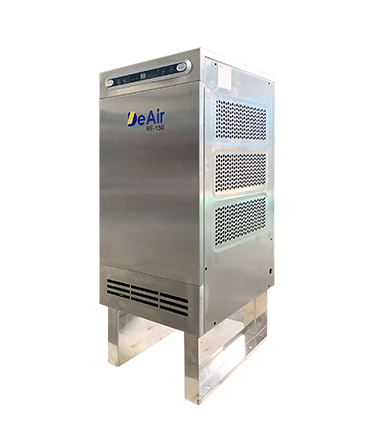 DeAir.RE-INOX
 DeAir.CRE
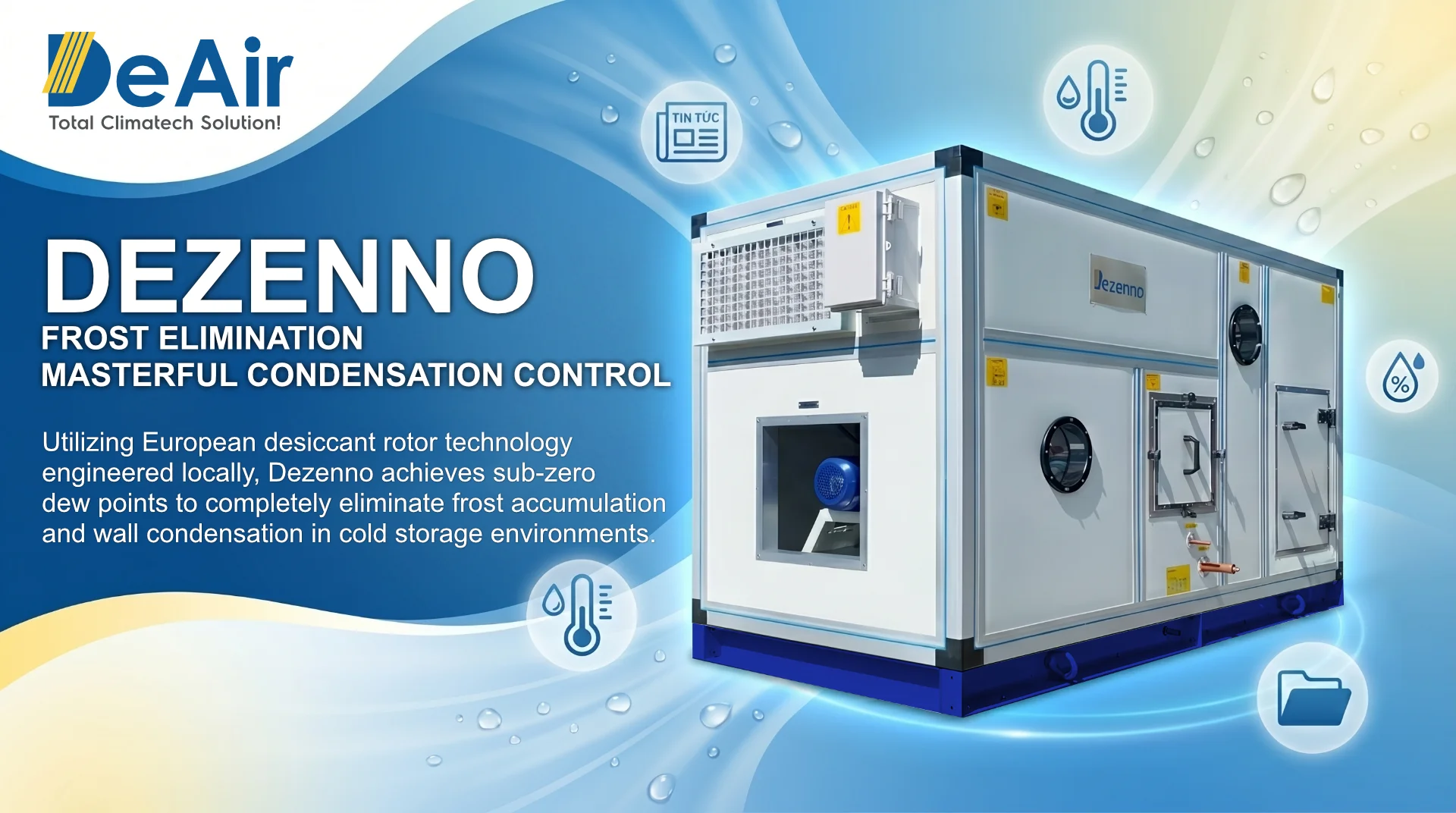
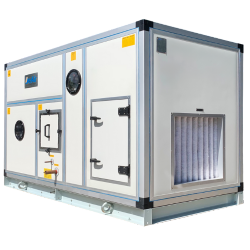 Dezenno
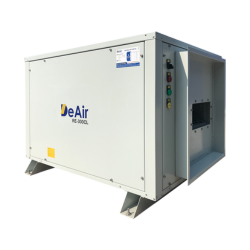 DeAir.RE-CL
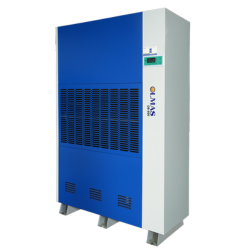 Olmas-OS
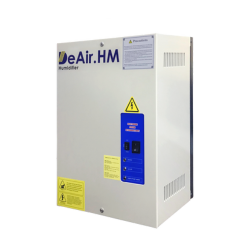 DeAir.HM
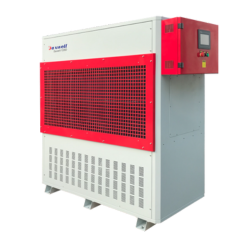 Daxwell
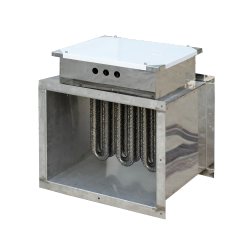 DeAir.Heat
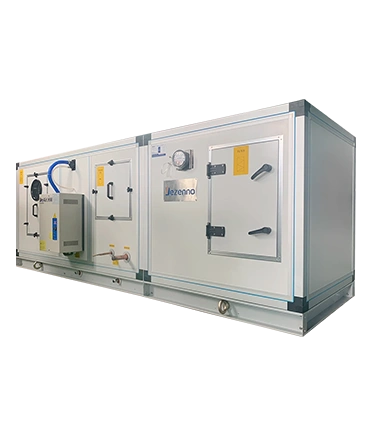 AHU
AHU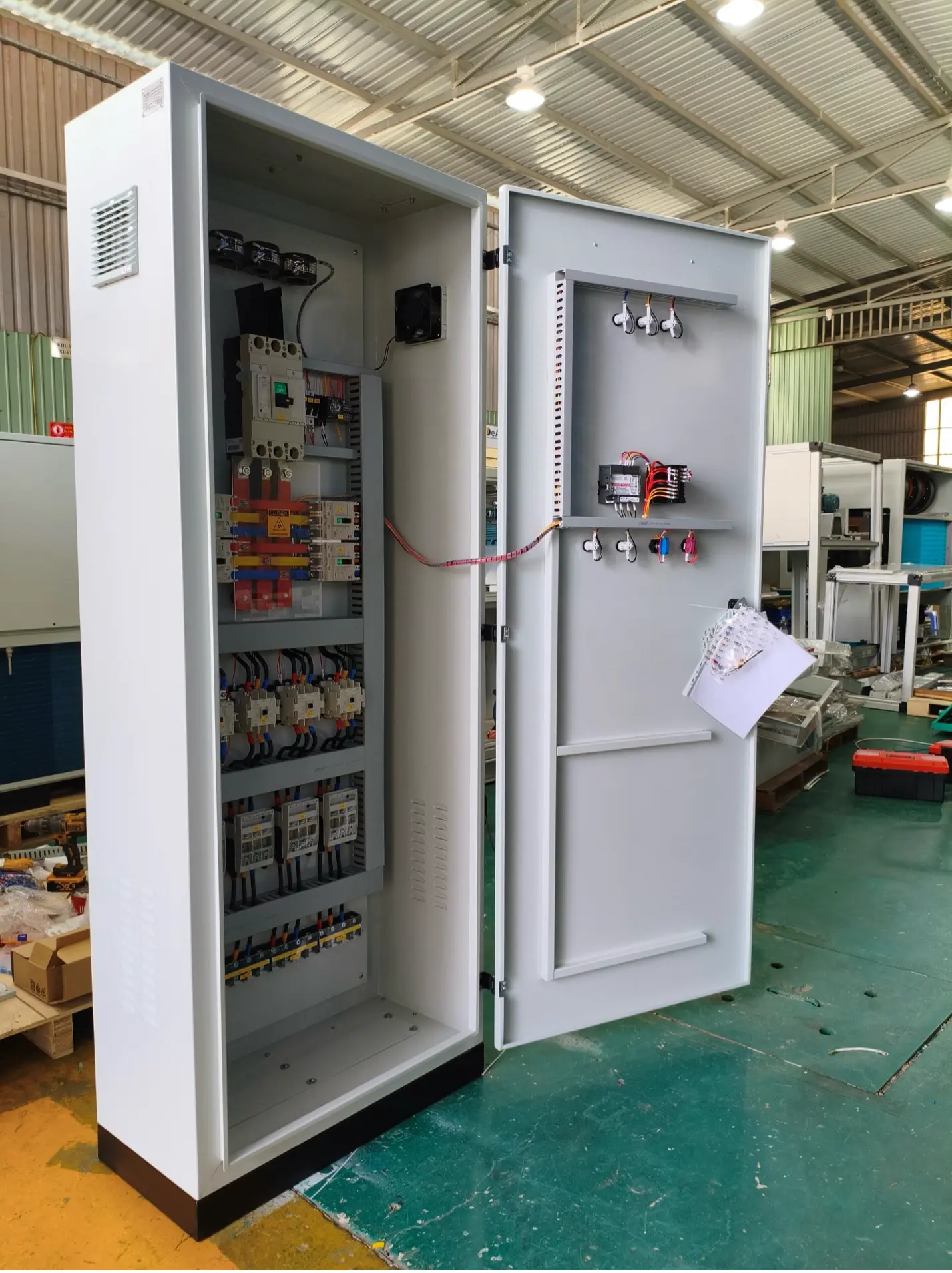





![[Case Study] DeAir Installs DeAir.De Rotor Humidity Control System for Pharmaceutical Plant in Binh Duong](https://deair.com.vn/thumbs/news/2023_04/ban_giao_may_cho_duoc_bd/[270x153-cr]image1-1024x772.jpg__cv.webp "[Case Study] DeAir Installs DeAir.De Rotor Humidity Control System for Pharmaceutical Plant in Binh Duong")
![[Review & Guide] Olmas OS-300: The New Humidity Control "Warrior" for Medium to Large Warehouses](https://deair.com.vn/thumbs/news/huong_dan_su_dung_may_olmas_21/[270x153-cr]vtm06440.png "[Review & Guide] Olmas OS-300: The New Humidity Control \"Warrior\" for Medium to Large Warehouses")