Automation Highlight: A customized version featuring a PLC-controlled electrical cabinet, enabling synchronized real-time monitoring with the facility's central BMS (Building Management System).
1. The Challenge of Premium Furniture Storage
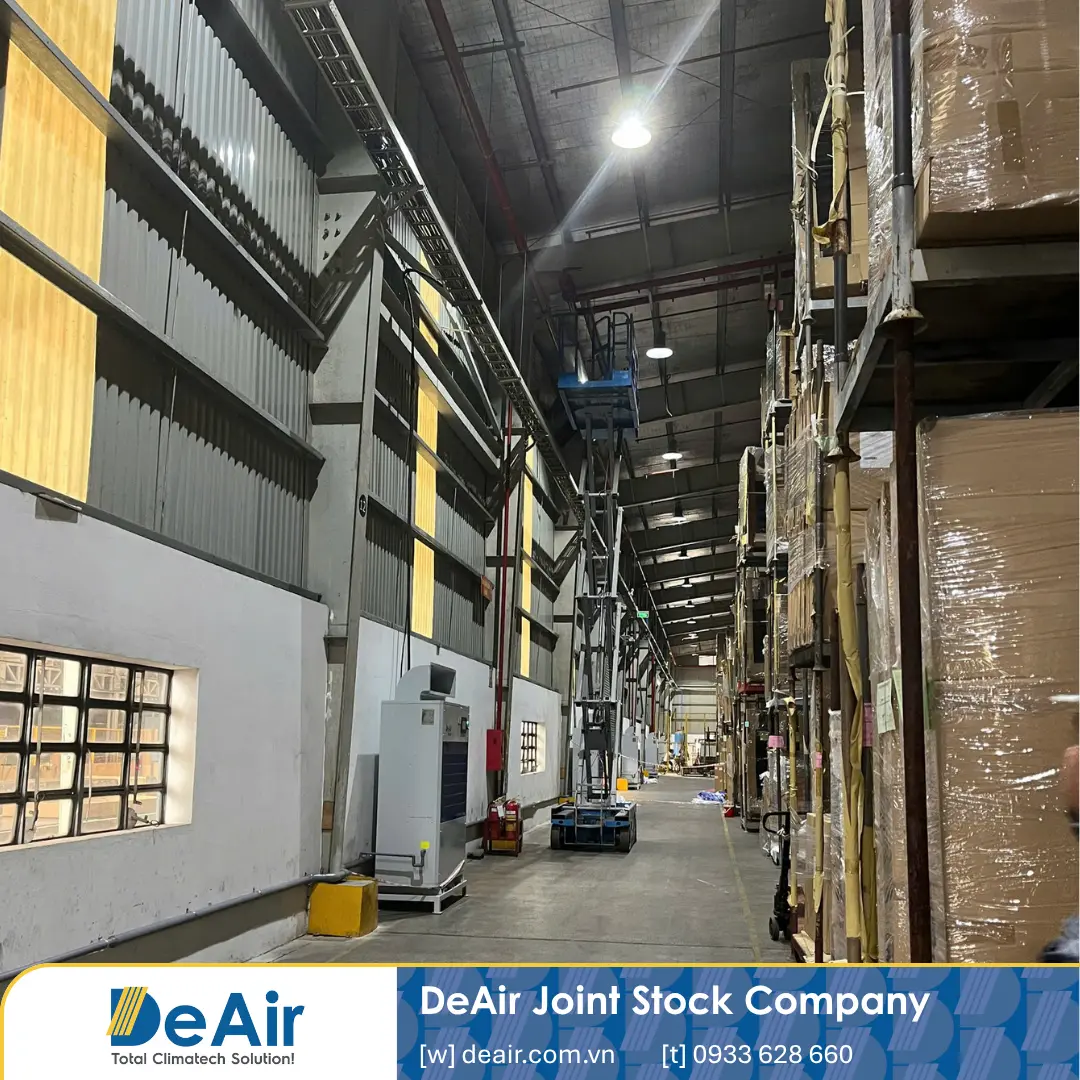
From an HVAC engineering perspective, the furniture industry dictates an exceptionally strict thermo-hygrometric preservation framework. The ideal relative humidity must remain stable between 45% - 55% RH. When ambient humidity exceeds 65% (especially during the rainy or high-humidity seasons), moisture rapidly infiltrates products, leading to a cascade of technical issues: wood expansion or warping, degradation of industrial adhesives, mold growth on authentic leather and fabrics, and severe rust risks for plated metal frames.
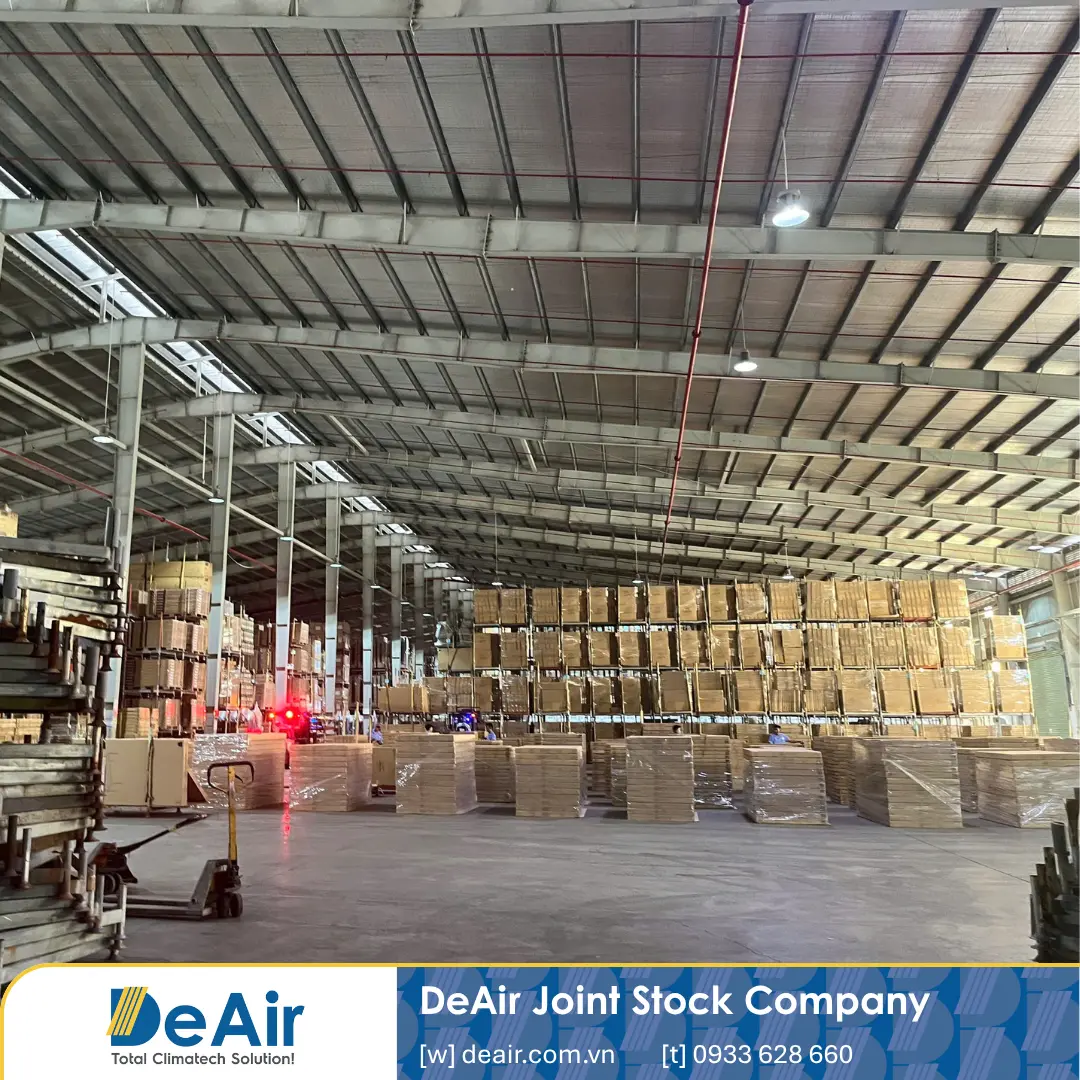
Figure 1: The vast volume and high ceilings of this premium furniture warehouse presented a significant challenge for air convection and uniform moisture control.
Faced with this massive warehouse volume, the challenge presented to DeAir's engineers went beyond mere moisture extraction; it demanded a comprehensive automation solution. The facility owner required the equipment to be centrally managed from the Control Room, entirely eliminating the need for technicians to conduct manual patrols and log data at each machine unit.
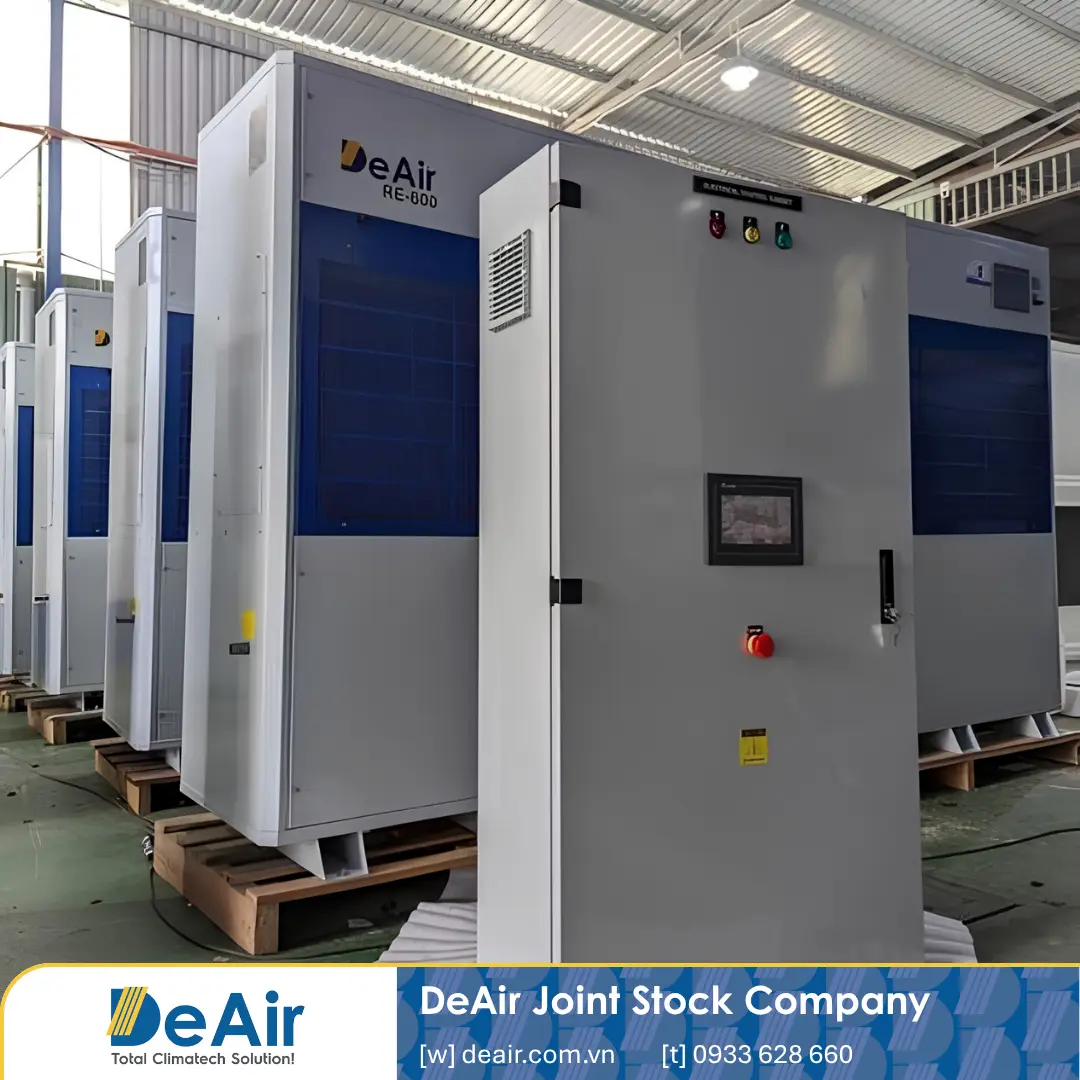
To meet these stringent requirements, DeAir engineered a customized version of the high-capacity DeAir.RE-600, perfectly bridging brute physical dehumidification power with intelligent microprocessor control.
The DeAir.RE-600 boasts a formidable moisture extraction capacity of up to 600 kg/day. Most notably, the integration of advanced Heat-Pump technology allows the machine to recover condensation heat from the compressor to dry and reheat the output airstream before it enters the warehouse. This mechanism drastically optimizes electricity consumption compared to legacy electric resistance heating devices.
Software Intelligence: PLC Control Core & BMS Protocols
Stepping away from basic electronic circuit boards, DeAir's automation team re-engineered the entire power and signal control system:
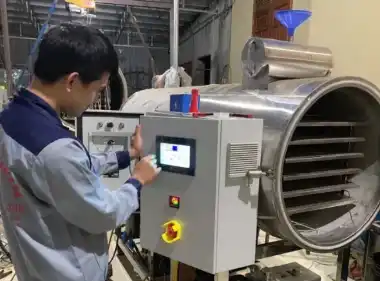
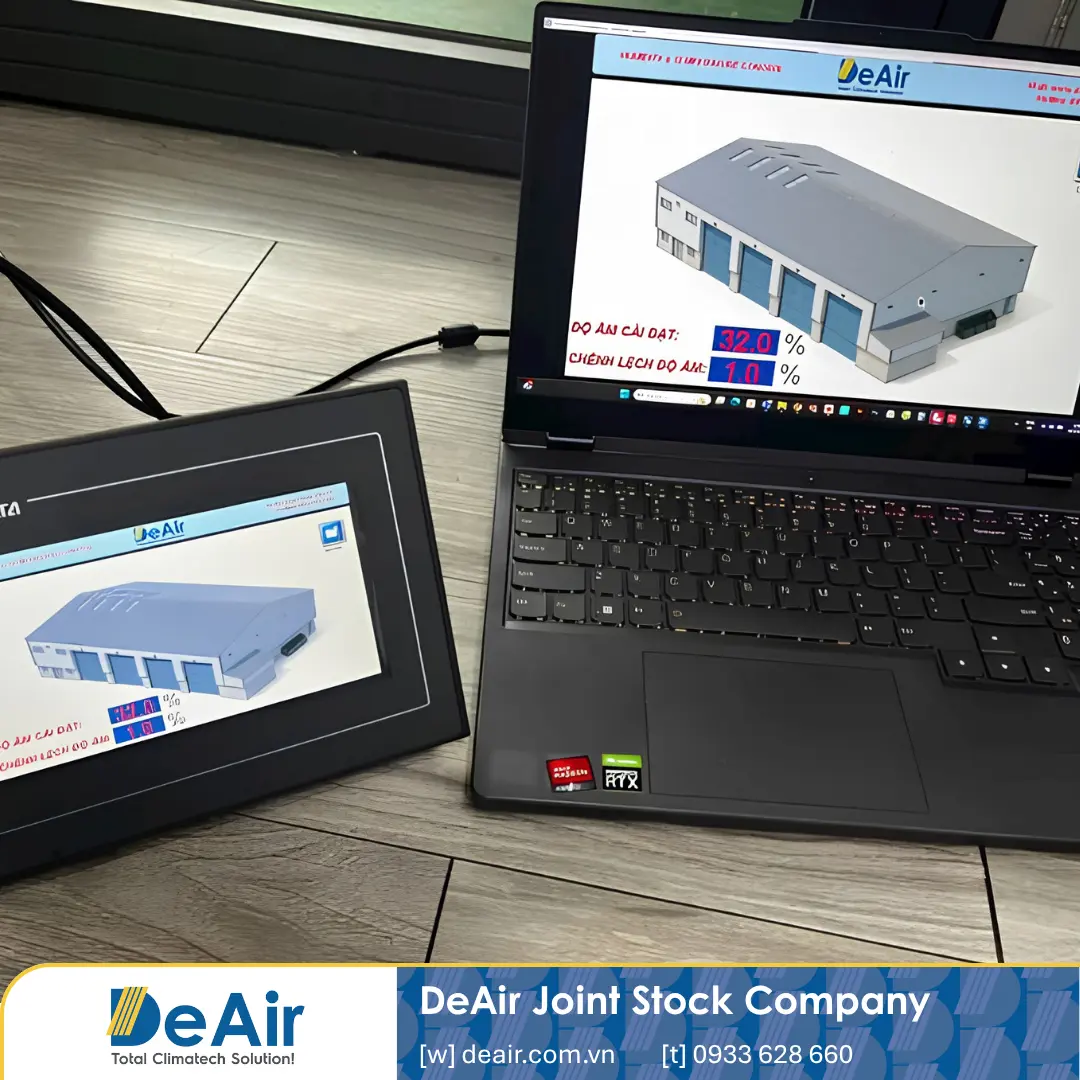
PLC Control Cabinet: Industrial-grade PLCs were utilized to program alternating operation cycles, modulate humidity ranges, trigger automatic start/stop sequences based on real-time RH, and integrate comprehensive safety alert modules.
BMS (Building Management System) Integration: The machines were equipped with standard industrial communication ports. DeAir's programming engineers configured the communication protocols, allowing real-time synchronization of status data (Run/Stop, Error, actual %RH) directly to the factory's central BMS servers.
Figure 2: A close-up of the robust DeAir.RE-600 chassis paired with its synchronized, industrial-grade control cabinet assembled at the DeAir factory.Figure 3: A DeAir software engineer programming PLC algorithms and configuring BMS communication protocols at our facility.
3. Professional On-Site Execution
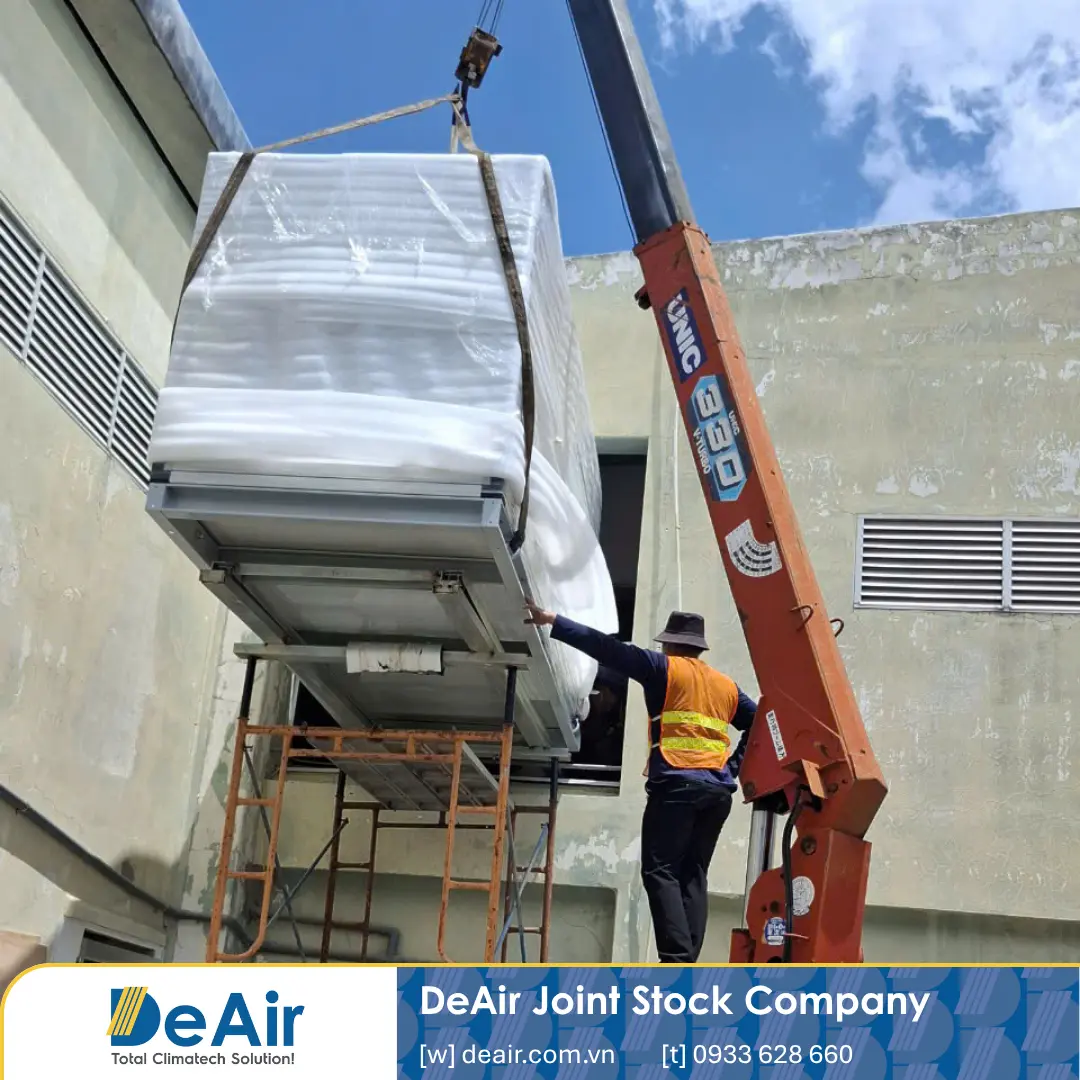
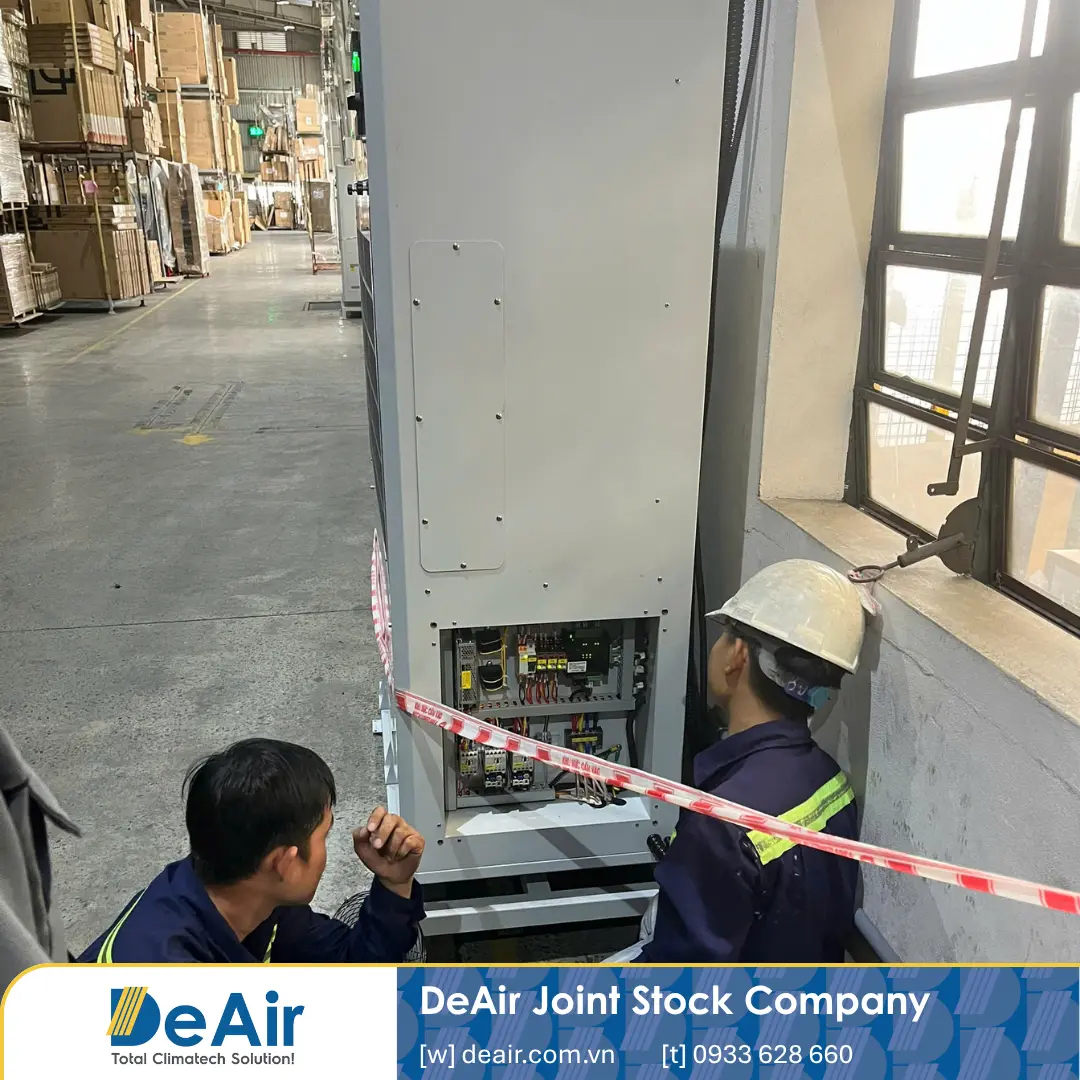
Given the large scale of the equipment, the on-site deployment process was meticulously planned by DeAir's project team, from logistics handling to complex M&E (Mechanical & Electrical) installation.
Figure 4: The installation team utilizing specialized cranes to safely and precisely position the massive DeAir.RE-600 units.Figure 5: DeAir technicians executing the connections for power systems, control cables, and condensation drainage lines.
Figure 6: The fully positioned DeAir.RE-600 system, ready to commence the testing phase.
4. Commissioning: Testing, Calibration & Handover
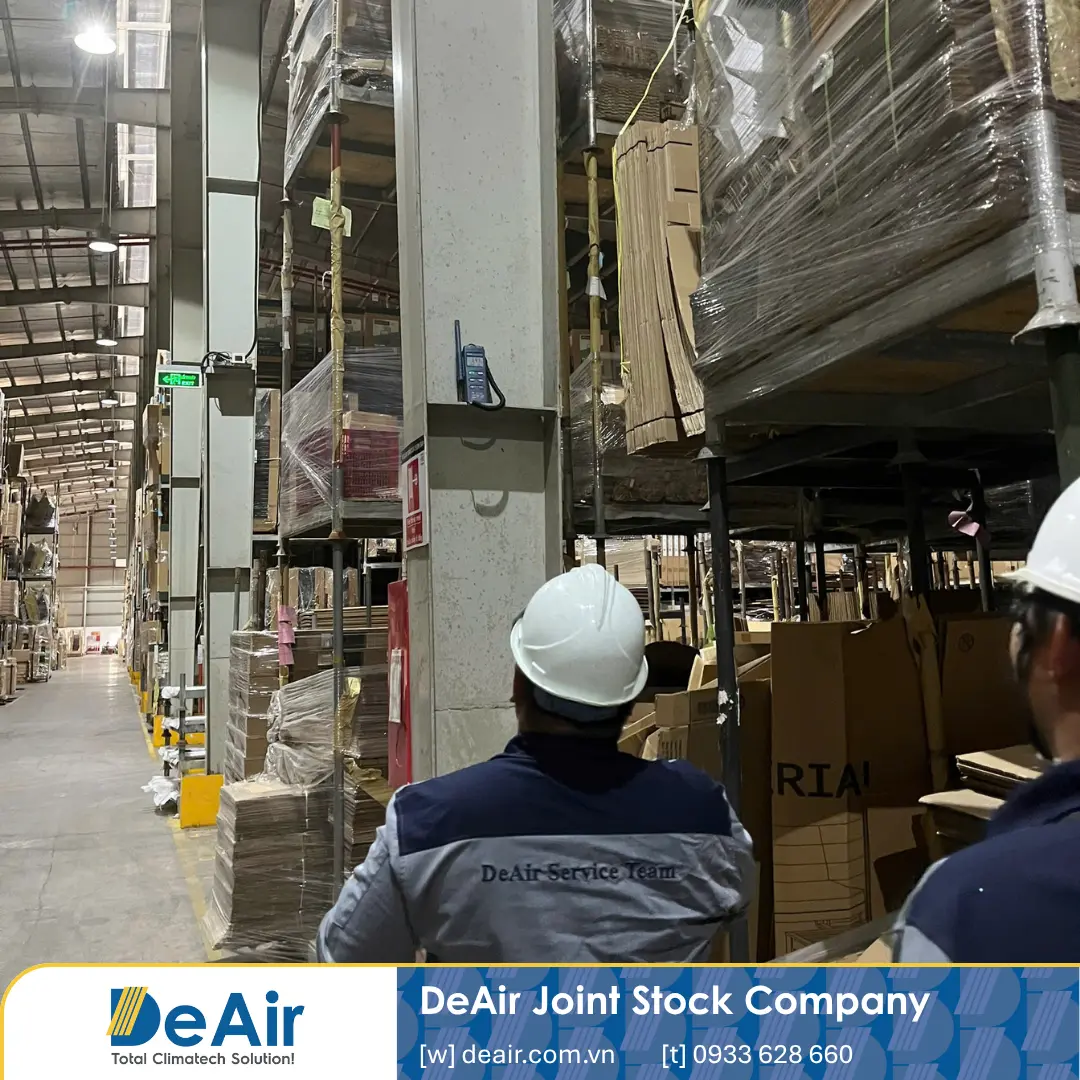
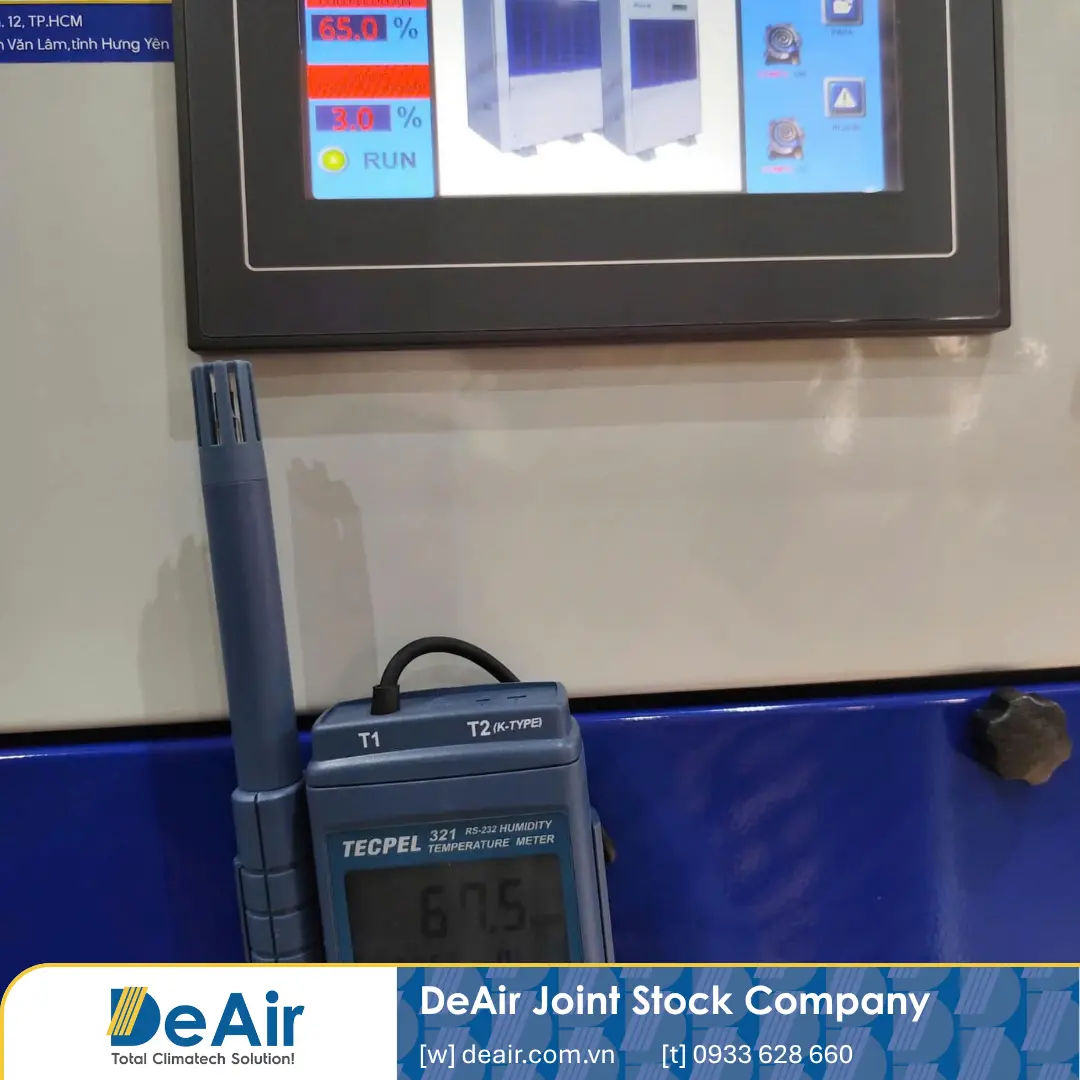
The commissioning phase is the ultimate proof of equipment quality and DeAir's engineering expertise. The inspection steps go far beyond merely turning the units on/off; they involve rigorous parameter calibration:
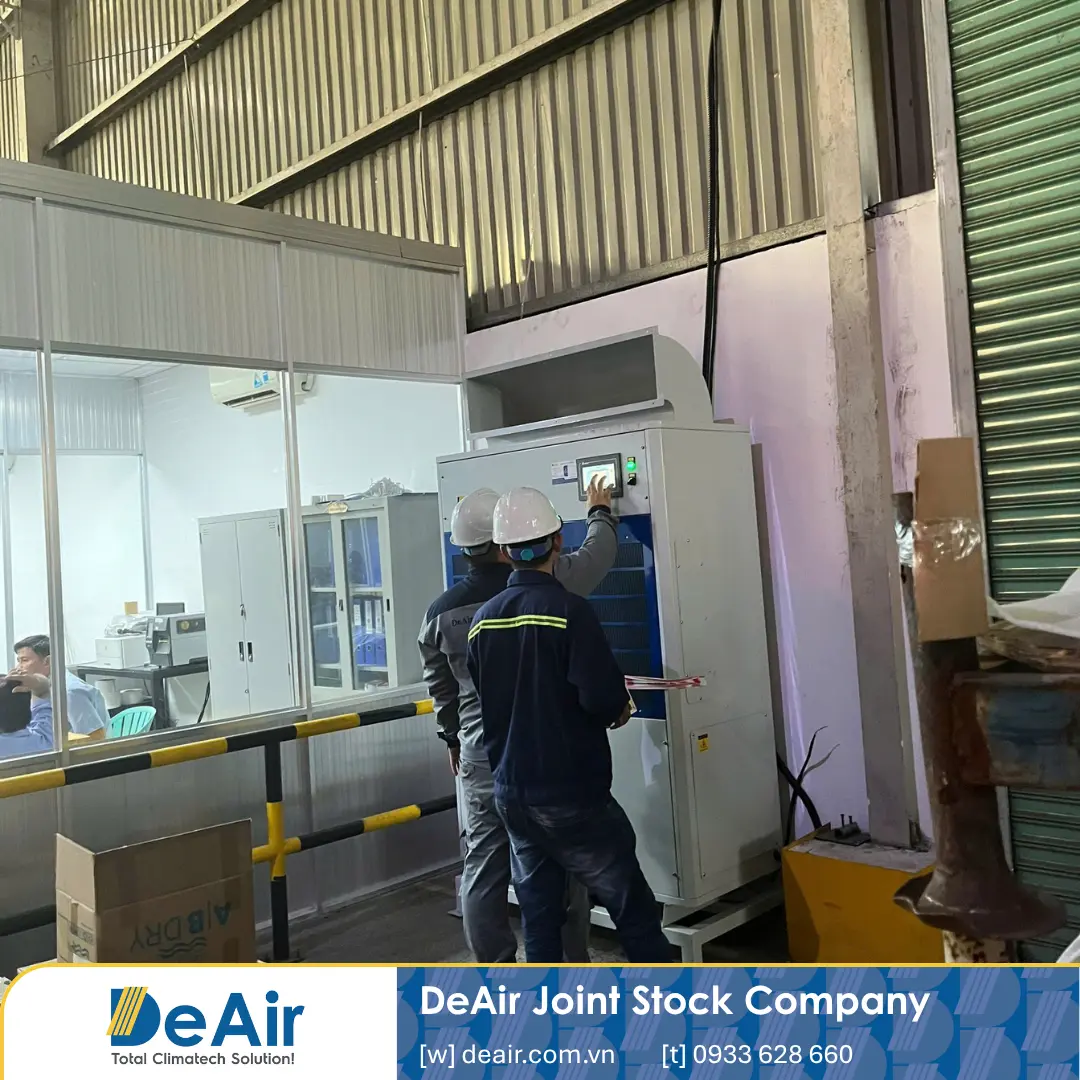
Figure 7: Using specialized instruments to verify airflow and humidity in multiple blind spots within the warehouse.Figure 8: Sensor calibration against actual environmental reference values.Figure 9: Technology transfer and training the client on the HMI touch interface.
Once operational, the system proved its worth during the very first humid season. The stable performance entirely neutralized mold risks, safeguarding the brand's reputation and preserving millions of dollars in inventory. Crucially, BMS integration drastically reduced direct operational manpower, generating automated preventive maintenance alerts to maximize machine lifespan and reduce unplanned downtime (optimized OPEX).
5. Frequently Asked Questions (FAQ) on Smart Humidity Control
Q1: Why should large logistics and finished-goods warehouses invest in PLC and BMS-integrated dehumidifiers instead of traditional mechanical board models?
For facilities spanning tens of thousands of square meters, relying on mechanical machines requires personnel to manually check each unit every shift—a process that is time-consuming and highly prone to error. A PLC & BMS integrated system enables centralized monitoring, automatically logs humidity charts (crucial data for partner quality audits), and triggers instant failure alerts to the central control screen, allowing for immediate Preventive Maintenance.
Q2: How long does it take for DeAir to customize electrical cabinets and communication protocols compared to ordering imported units?
Because DeAir fully owns its R&D and manufacturing processes within Vietnam, redesigning power circuits, programming PLCs, and configuring protocols (such as Modbus RTU, BACnet, or TCP/IP) takes only 7 to 15 days depending on complexity. This timeline is vastly more flexible and rapid compared to ordering optional features from overseas manufacturers, which typically involves an 8 to 12-week lead time.
Q3: How does the Heat-Pump technology on the DeAir.RE-600 reduce Operational Expenditure (OPEX)?
Conventional industrial dehumidifiers often rely on electrical resistance bars to reheat the dry airstream, which consumes enormous amounts of electricity. The DeAir.RE series employs intelligent Heat-Pump technology: it directly recovers excess condensation heat from the compressor to dry the air. This energy-recycling mechanism cuts energy consumption by up to 40% compared to traditional resistance heating systems, resulting in an exceptionally ideal Coefficient of Performance (COP).
Build a Smart Microclimate for Your Facility
The synergy between high-performance Heat-Pump technology and customizable PLC/BMS control systems is the definitive solution to protect goods from mold while freeing your operations team from manual management burdens.
Are you a Enterprise or Logistics Warehouse Owner in need of a bespoke humidity control solution?


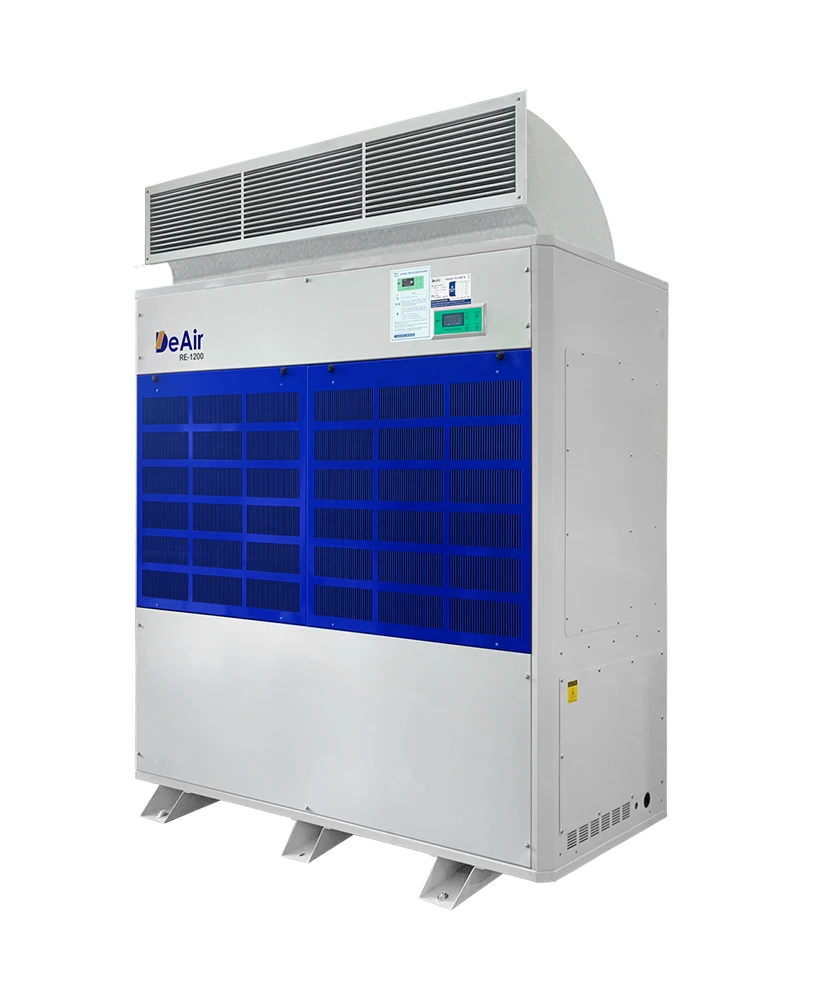 DeAir.RE
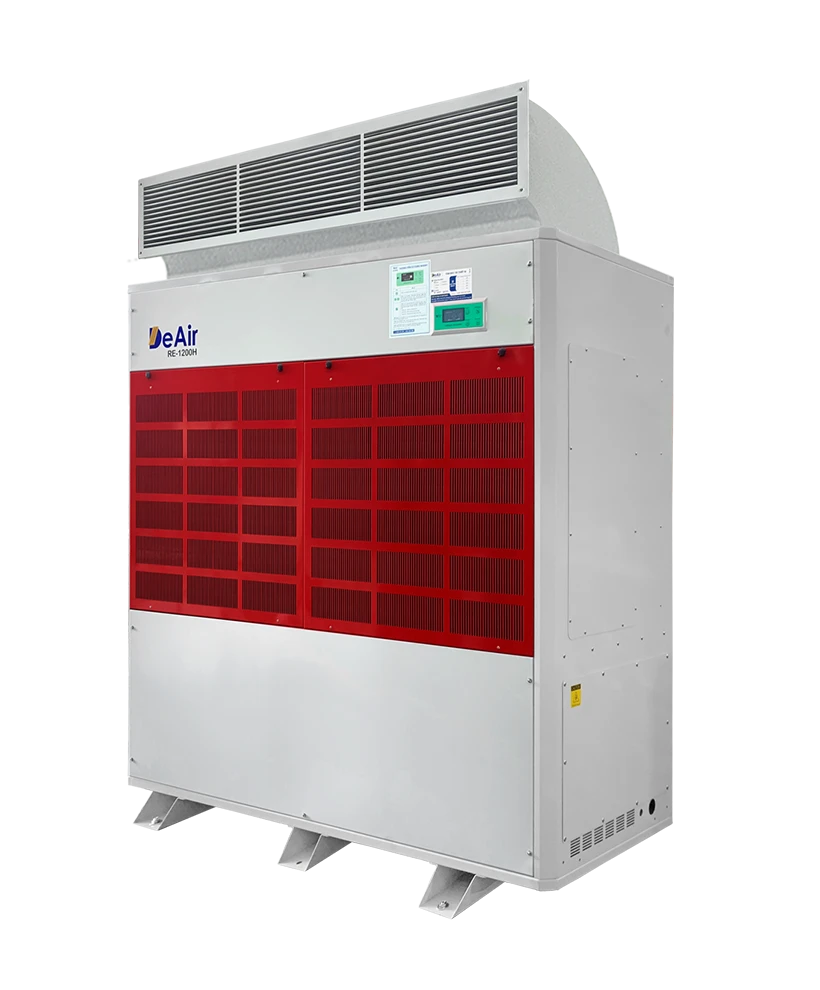 DeAir.RE-H
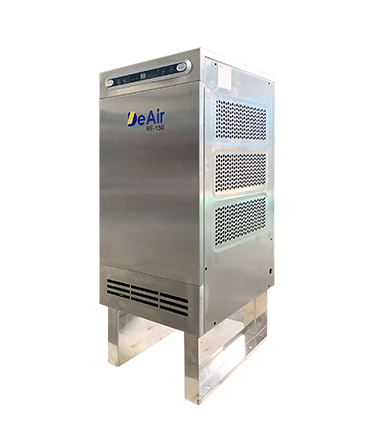 DeAir.RE-INOX
 DeAir.CRE
 Dezenno
 DeAir.RE-CL
 Olmas-OS
 DeAir.HM
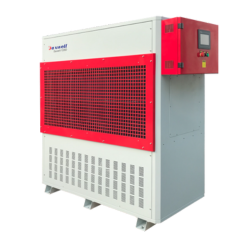 Daxwell
 DeAir.Heat
 AHU
AHU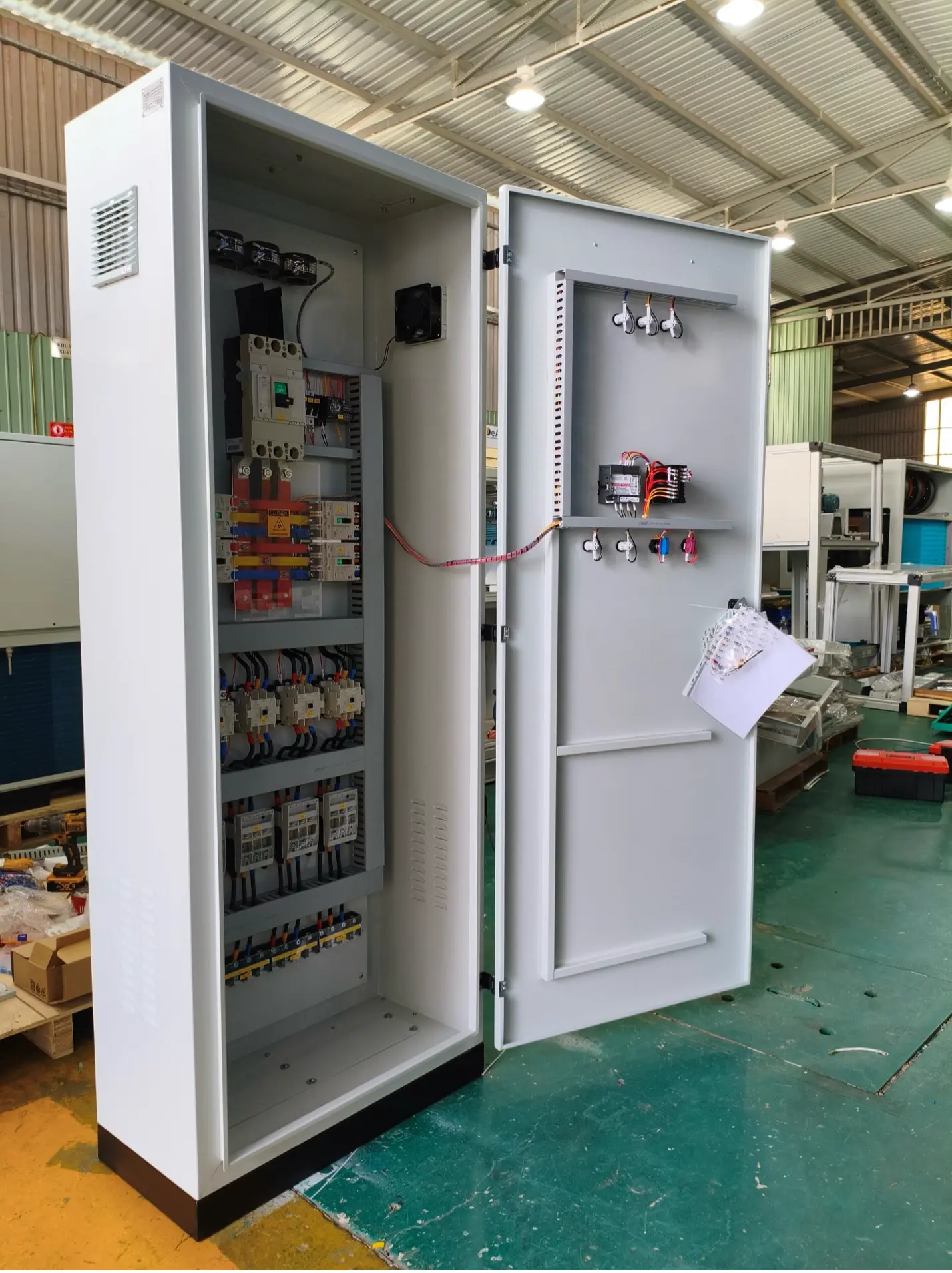




![[Case Study] DeAir Installs DeAir.De Rotor Humidity Control System for Pharmaceutical Plant in Binh Duong](https://deair.com.vn/thumbs/news/2023_04/ban_giao_may_cho_duoc_bd/[270x153-cr]image1-1024x772.jpg__cv.webp "[Case Study] DeAir Installs DeAir.De Rotor Humidity Control System for Pharmaceutical Plant in Binh Duong")

![[Review & Guide] Olmas OS-300: The New Humidity Control "Warrior" for Medium to Large Warehouses](https://deair.com.vn/thumbs/news/huong_dan_su_dung_may_olmas_21/[270x153-cr]vtm06440.png "[Review & Guide] Olmas OS-300: The New Humidity Control \"Warrior\" for Medium to Large Warehouses")