Pharmaceutical HVAC Handbook: Controlling the "Hidden Risk" of Humidity with Rotor (Desiccant) Technology
30/05/2026
Pharmaceutical HVAC Handbook: Controlling the "Hidden Risk" of Humidity with Rotor (Desiccant) Technology
Executive Summary:
The Core Issue: In pharmaceutical manufacturing, humidity is a "hidden risk" causing excipient caking, API hydrolysis, and microbial activation. Environments must aggressively suppress moisture to ultra-low ranges (10% - 30% RH) to meet compliance.
Limitations of Traditional AHUs: Standard Mechanical Refrigeration systems are entirely powerless in maintaining RH < 40% due to dew point limitations and cooling coil freezing risks.
The Mandatory Solution:Desiccant Dehumidification (Rotor Technology) is the gold standard for driving down deep moisture in effervescent tablet press rooms, API storage, and sterile areas.
DeAir Ecosystem: A comprehensive integration of high-end domestic solutions (Dezenno Rotor, Dezenno.MAX AHU, CRE Isothermal Dehumidifier) assisting Pharma plants in Vietnam to achieve EU-GMP/PIC-S compliance with optimally optimized CAPEX.
In the design and validation of pharmaceutical cleanrooms according to EU-GMP or PIC/S standards, the HVAC (Heating, Ventilation, and Air Conditioning) system plays a decisive role. Drawing upon analyses from the authoritative document "Quality Air for the Pharmaceutical Industry" (The Pharma Review), this article will dissect the degradation mechanisms of humidity, explain the limitations of standard air conditioning, and present comprehensive engineering solutions from the DeAir ecosystem.
1. Humidity: The "Hidden Risk" Degrading Drug Quality
Unlike standard manufacturing sectors, the vast majority of pharmaceutical ingredients are highly hygroscopic. If Relative Humidity (%RH) is not strictly controlled, the production system will immediately face 3 microscopic challenges:
Mechanical/Physical Structure Damage: Moisture infiltration causes powder lumping and caking, leading to feed hopper blockages and jamming of the tablet press turret. Furthermore, excess moisture makes tablets friable and prone to cracking, while causing film or sugar coating processes to become rough, opaque, and stick to the punches and dies.
Chemical & Biological Degradation: Water acts as a perfect catalyst for hydrolysis. It breaks the bonds of APIs (Active Pharmaceutical Ingredients), degrading and stripping the drug of its therapeutic efficacy (most notably in Aspirin or effervescent tablets).
Microbial Outbreaks: Mold spores and bacteria are ever-present in the air and begin to multiply aggressively in environments with RH > 60%. Pharmaceutical literature insists that to completely inhibit microbial germination, cleanrooms must maintain an ideal humidity level below 45%.
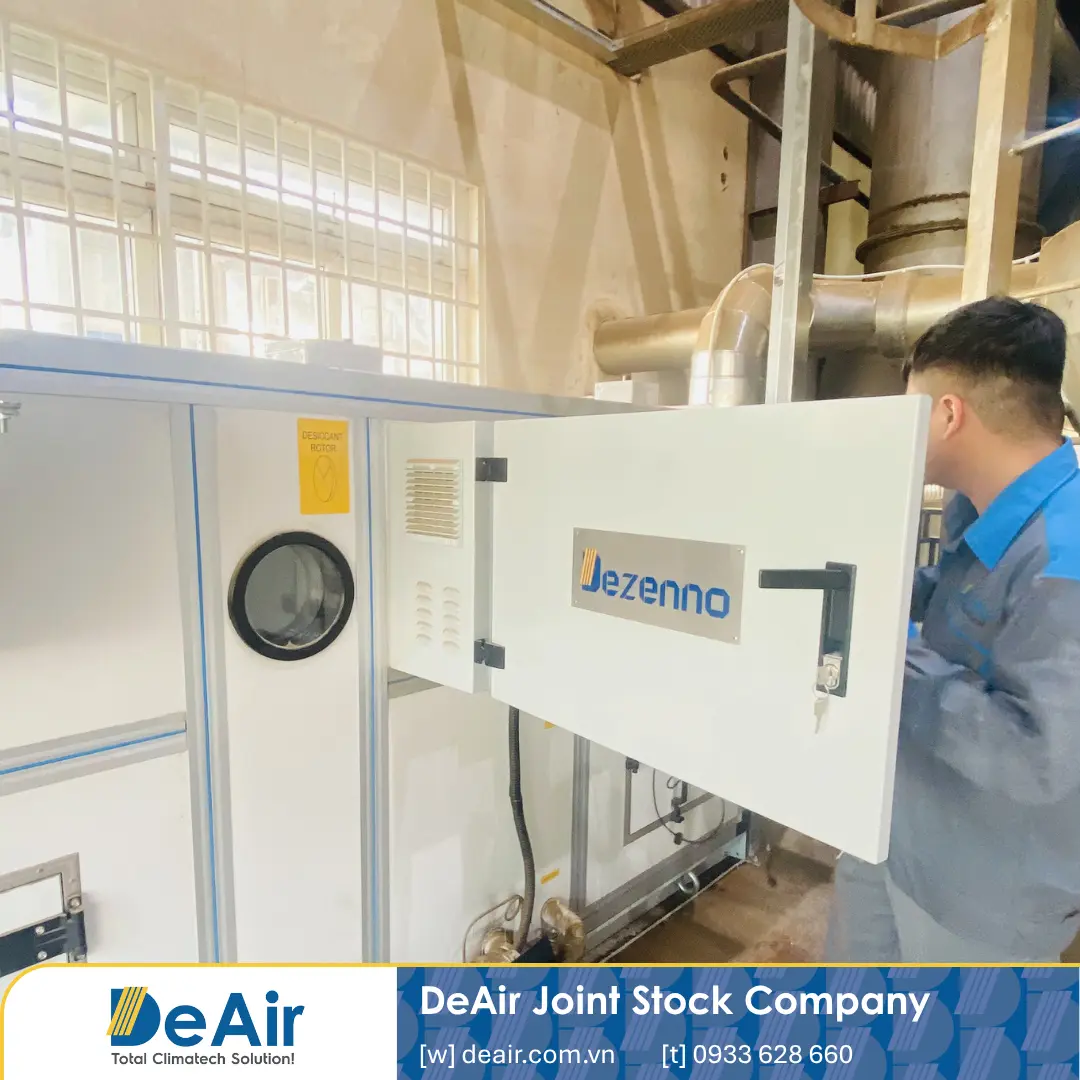
Installation of Dezenno Rotor Dehumidification units at a GMP-compliant Pharmaceutical plant project in Binh Duong.
2. Strict Microclimate Parameters Table in GMP Formulation Stages
According to standards from the WHO, ASHRAE, and ISPE, pharmaceutical cleanroom air cannot rely on commercial HVAC designs. Below is the mandatory parameter range for several critical stages:
Production Stage
Temperature (T)
Humidity (%RH)
Technical Objective
Blending & Tablet Compression
21°C - 27°C
10% - 30%
Maintains powder flowability into the compression molds.
Perfect balance: Prevents gelatin shells from becoming too brittle or melting.
Penicillin / Antibiotic Packaging
27°C
5% - 15%
The most extreme level required to protect antibiotic structures.
3. Engineering Decoding: Why Are Standard AHUs "Powerless"?
A very common misconception among operators is: "Just crank up the AC cooling, and the room will dry out naturally." Thermodynamically speaking, cold air has a lower capacity to "hold" water vapor than warm air. Therefore, when an AHU lowers the room temperature but the cooling coil fails to condense and physically extract the corresponding volume of water, the actual Relative Humidity (%RH) will increase rather than decrease.
Mechanical Refrigeration AHU systems can only operate effectively when handling humidity levels > 50% RH. If one attempts to force the dew point lower to achieve the 15% - 30% RH range (as per Pharma standards), the moisture will instantly freeze into solid ice on the cooling coils, paralyzing the entire HVAC system.
👉 The Sole and Mandatory Solution: Desiccant Dehumidification Technology
Instead of using refrigerant gas for cooling, this system utilizes a honeycomb-structured Rotor Wheel impregnated with super-absorbent materials (Silica Gel or Zeolite). As moist air passes through the wheel, water is absorbed via physicochemical principles, returning ultra-dry air to the cleanroom. The moisture-laden section of the rotor then rotates into a reactivation sector, where a stream of hot air (Reactivation air) dries it out to renew the cycle. This is the only technology capable of driving humidity down to the ultra-low 1% - 10% RH threshold.
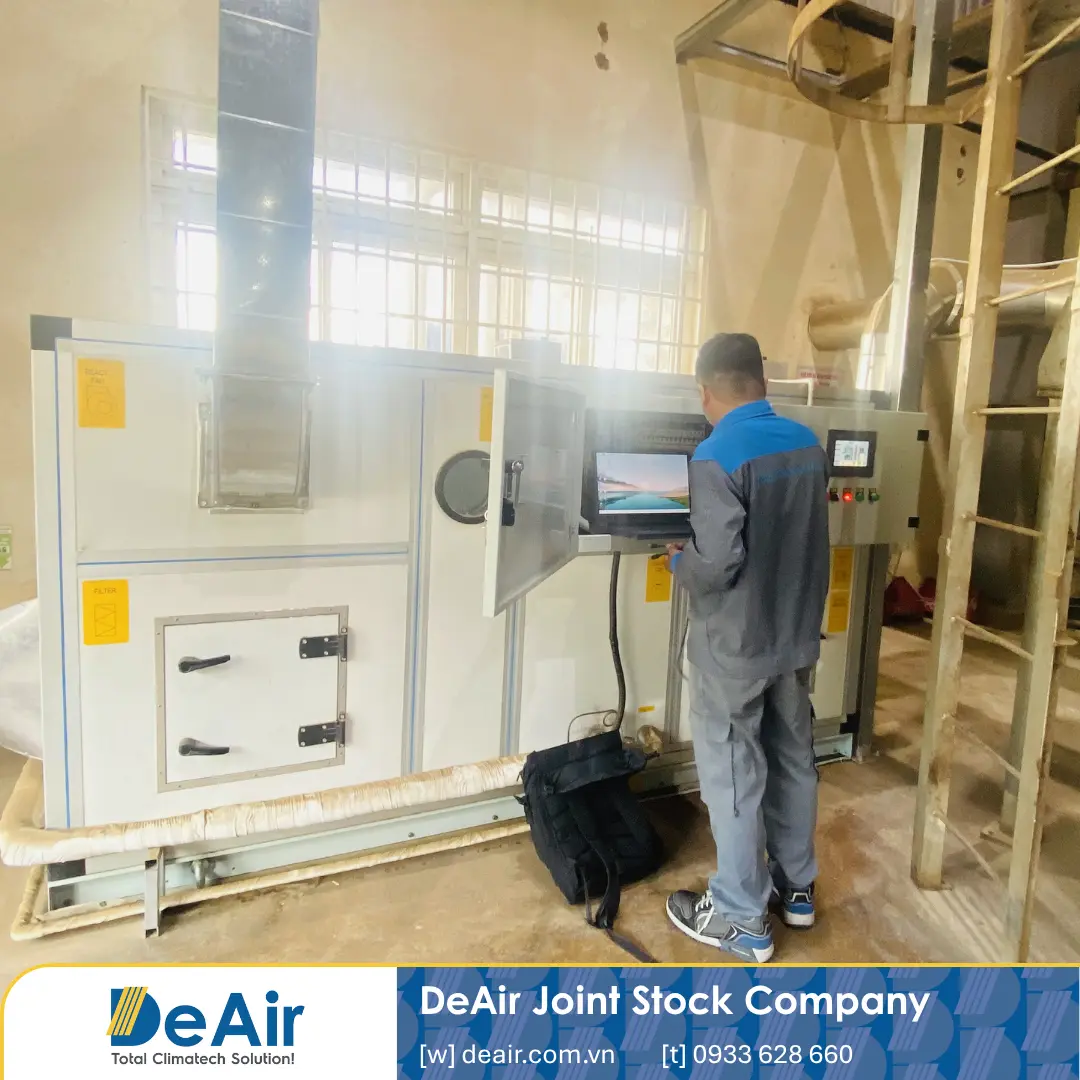
A DeAir engineer measuring actual airflow and dew point at a Dezenno Rotor assembly.
The Dezenno unit serves as the indispensable "heart" of effervescent and antibiotic compression rooms.
4. DeAir Solution Ecosystem for the Vietnamese Pharma Market
The Vietnamese pharmaceutical market is booming in the race to upgrade plants to EU-GMP standards. However, the biggest barrier for Investors is the exorbitantly high Capital Expenditure (CAPEX) if importing HVAC systems from Europe or the US. Proud to be a brand owning a manufacturing plant in Vietnam (ISO 9001:2015 certified), DeAir delivers a world-class equipment ecosystem with the most optimized budget:
4.1. The "Heart" of Tablet/Antibiotic Rooms: Dezenno Rotor Equipment
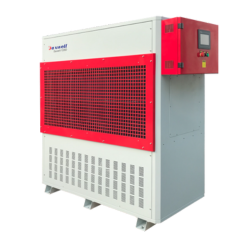
Utilizing imported European-standard Rotor wheel cores, assembled and fine-tuned with customized casing in Vietnam. Capacities ranging from Dezenno-3000 to Dezenno-18000 integrate PLC and inverter controls, stably driving humidity below the dew point (<10% RH) with absolute precision. 👉 View Dezenno Rotor Dehumidifier Details
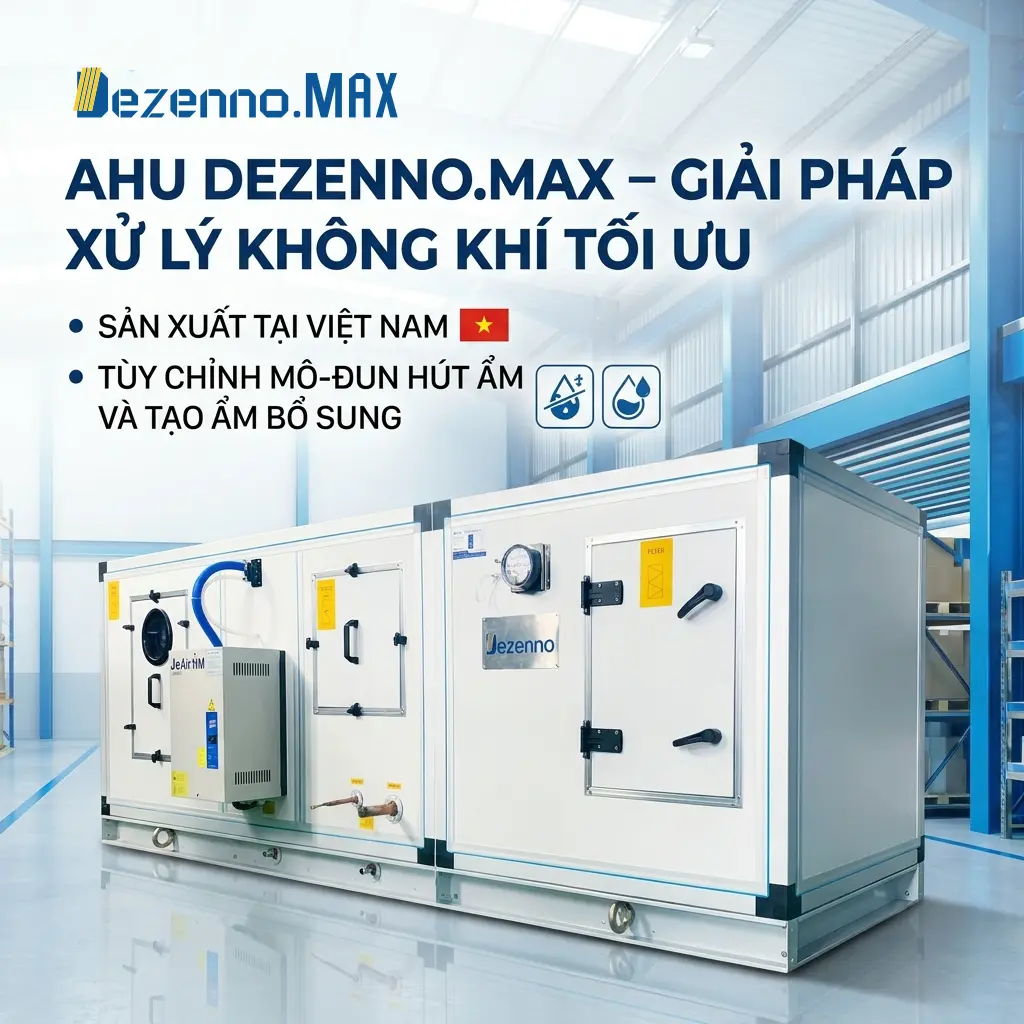
4.2. "All-in-one" Solution: Dezenno.MAX AHU for Grade A, B, C, D Cleanrooms
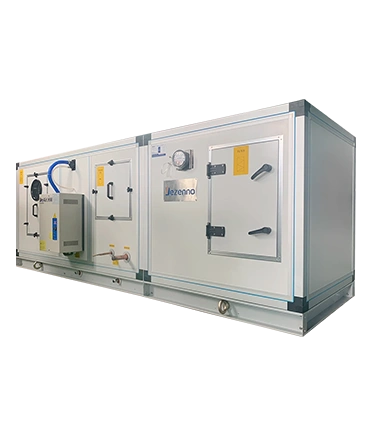
Simultaneously controls Temperature, Humidity, Particulates, and Positive Pressure in cleanrooms. The Dezenno.MAX AHU features a thermal break aluminum frame, 25-50mm PU insulation panels, and standard HEPA/ULPA filters.
Engineering Highlight: DeAir engineers can custom-design a direct coupling of the pre-cooling condensing AHU module with the deep-drying Desiccant Rotor module into a single continuous block (AHU-Desiccant Combo), maximizing space savings in the mechanical equipment room.
4.3. For R&D & Vaccine Cold Storage: DeAir.CRE Isothermal Dehumidifier
The Cold Storage Dilemma: Needs moisture extraction, but if the discharge air from the dehumidifier is hot, it will ruin biologicals/vaccines stored at 15-20°C.
The Solution: The DeAir.CRE applies isothermal technology, extracting hundreds of kilograms of water per day while the supply air returned to the room does not alter the cold storage temperature.
Designed with a 100% INOX 304/316 casing for absolute corrosion resistance. This unit is specialized for Aluminum Foil storage and auxiliary material warehouses. Its ability to withstand periodic chemical sterilization wash-downs ensures the equipment fully complies with stringent GMP hygiene regulations.
*Technical Note: The DeAir ecosystem focuses on microclimate environmental treatment (Ambient HVAC). For clean compressed air systems serving pneumatic equipment, facilities must independently equip specialized compressed air dryers.*
Building EU-GMP Compliant Cleanrooms with DeAir
Global pharmaceutical theory and practice have proven: Without Rotor (Desiccant) dehumidification technology, a plant can never produce compliant drug batches. Investing in high-quality domestic solutions from DeAir is the key to solving the multi-million-dollar puzzle for your project.
We invite Investors and MEP General Contractors to contact DeAir's Project Division immediately for site surveys, load calculations, and specialized AHU-Desiccant integration design consulting for your plant!
Industry References: [1] Scientific Report: "Quality Air for the Pharmaceutical Industry" - The Pharma Review Magazine, September - October 2014 Issue. [2] World Health Organization (WHO) - Technical Report Series (TRS) No. 961, Annex 5: Supplementary guidelines on HVAC systems for non-sterile and sterile dosage forms. [3] ISPE (International Society for Pharmaceutical Engineering) & ASHRAE Handbook - HVAC Applications for Cleanrooms.


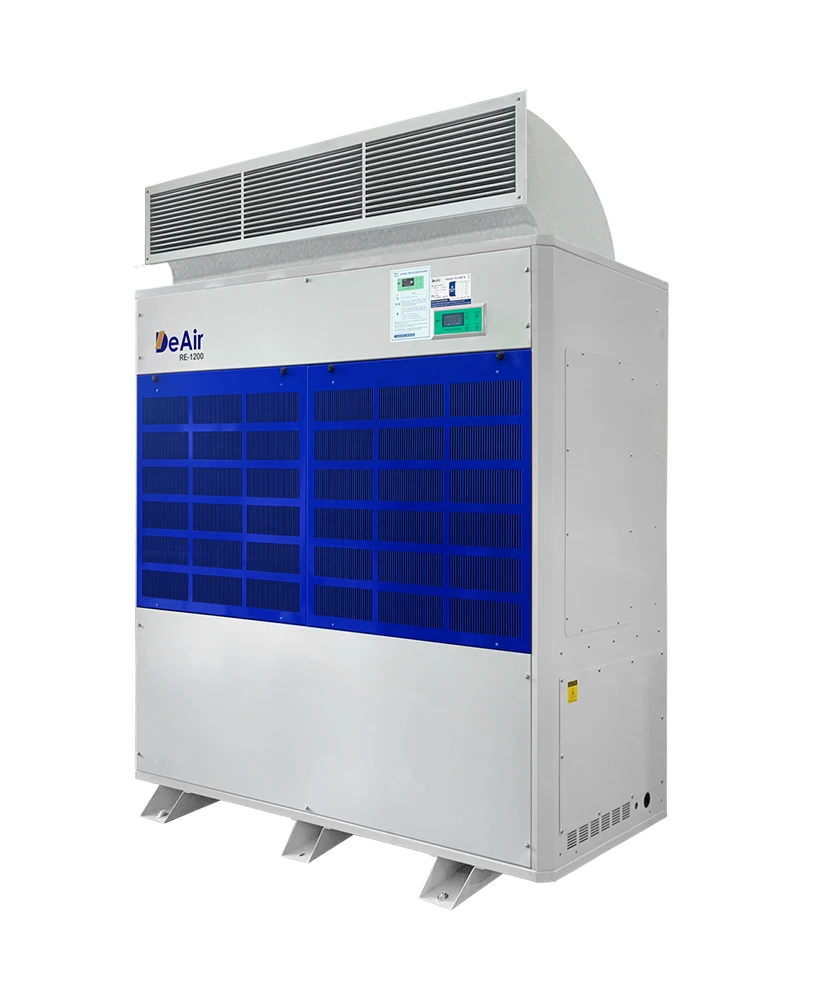 DeAir.RE
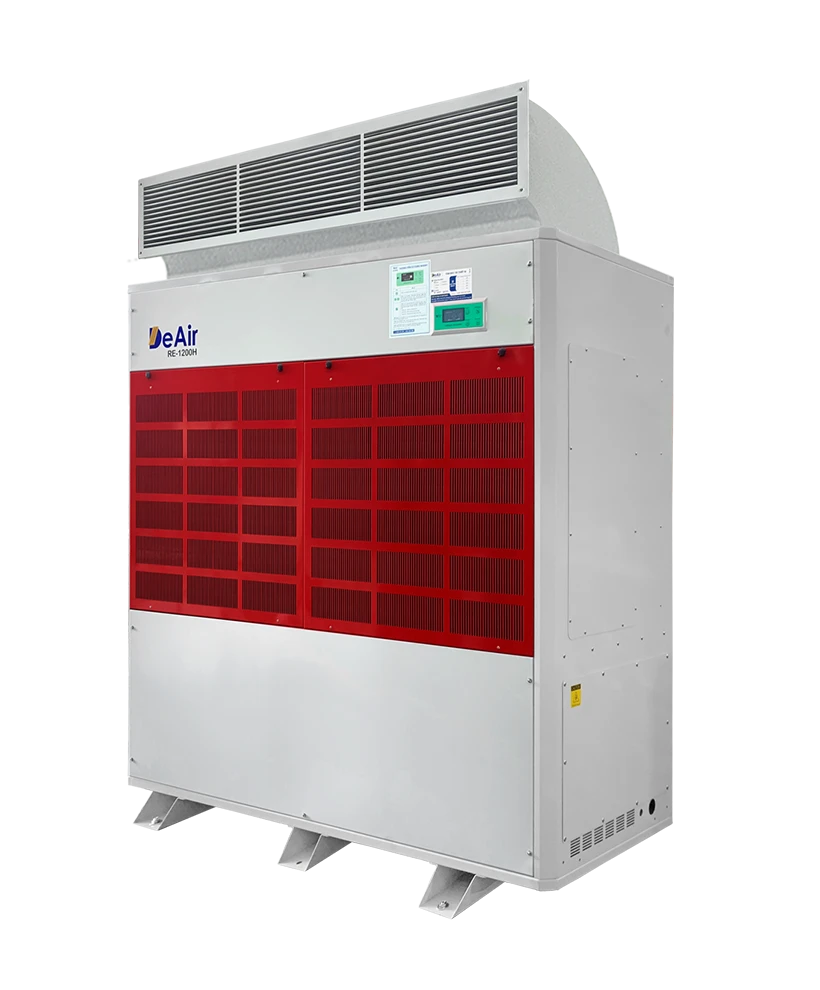 DeAir.RE-H
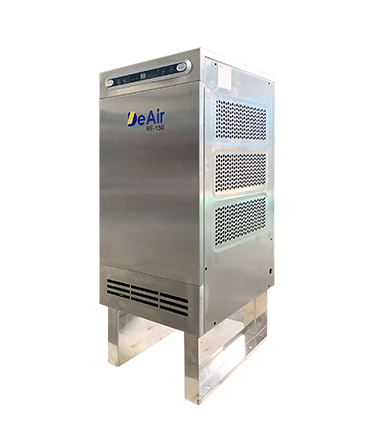 DeAir.RE-INOX
 DeAir.CRE
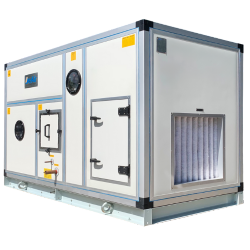 Dezenno
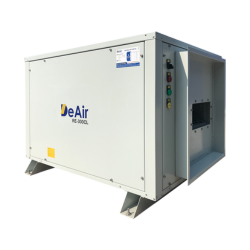 DeAir.RE-CL
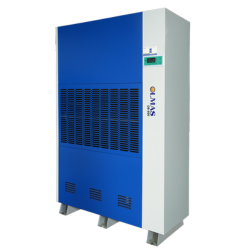 Olmas-OS
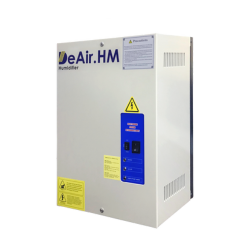 DeAir.HM
 Daxwell
 DeAir.Heat
 AHU
AHU







![[Case Study] DeAir Installs DeAir.De Rotor Humidity Control System for Pharmaceutical Plant in Binh Duong](https://deair.com.vn/thumbs/news/2023_04/ban_giao_may_cho_duoc_bd/[270x153-cr]image1-1024x772.jpg__cv.webp "[Case Study] DeAir Installs DeAir.De Rotor Humidity Control System for Pharmaceutical Plant in Binh Duong")
![[Review & Guide] Olmas OS-300: The New Humidity Control "Warrior" for Medium to Large Warehouses](https://deair.com.vn/thumbs/news/huong_dan_su_dung_may_olmas_21/[270x153-cr]vtm06440.png "[Review & Guide] Olmas OS-300: The New Humidity Control \"Warrior\" for Medium to Large Warehouses")