Optimizing Export Soft-Dried Mango Production Process with Daxwell Cold Drying Technology
08/12/2025
Overview: Shifting to High Value-Added Products
In the context of globalized agricultural supply chains, Vietnam's fruit processing industry is shifting strongly from simple preliminary processing to high value-added products. According to a report from the Ministry of Industry and Trade Portal, the demand for dried tropical fruits in the EU and US is growing by 5-7% annually.
Among these, Soft-dried Mango is a key product. Unlike crispy dried mango chips, soft-dried mango requires maintaining a soft texture, characteristic chewiness, and natural flavor. This report provides a technical analysis of the production process and the role of Daxwell Heat Pump Drying Technology in realizing these standards.
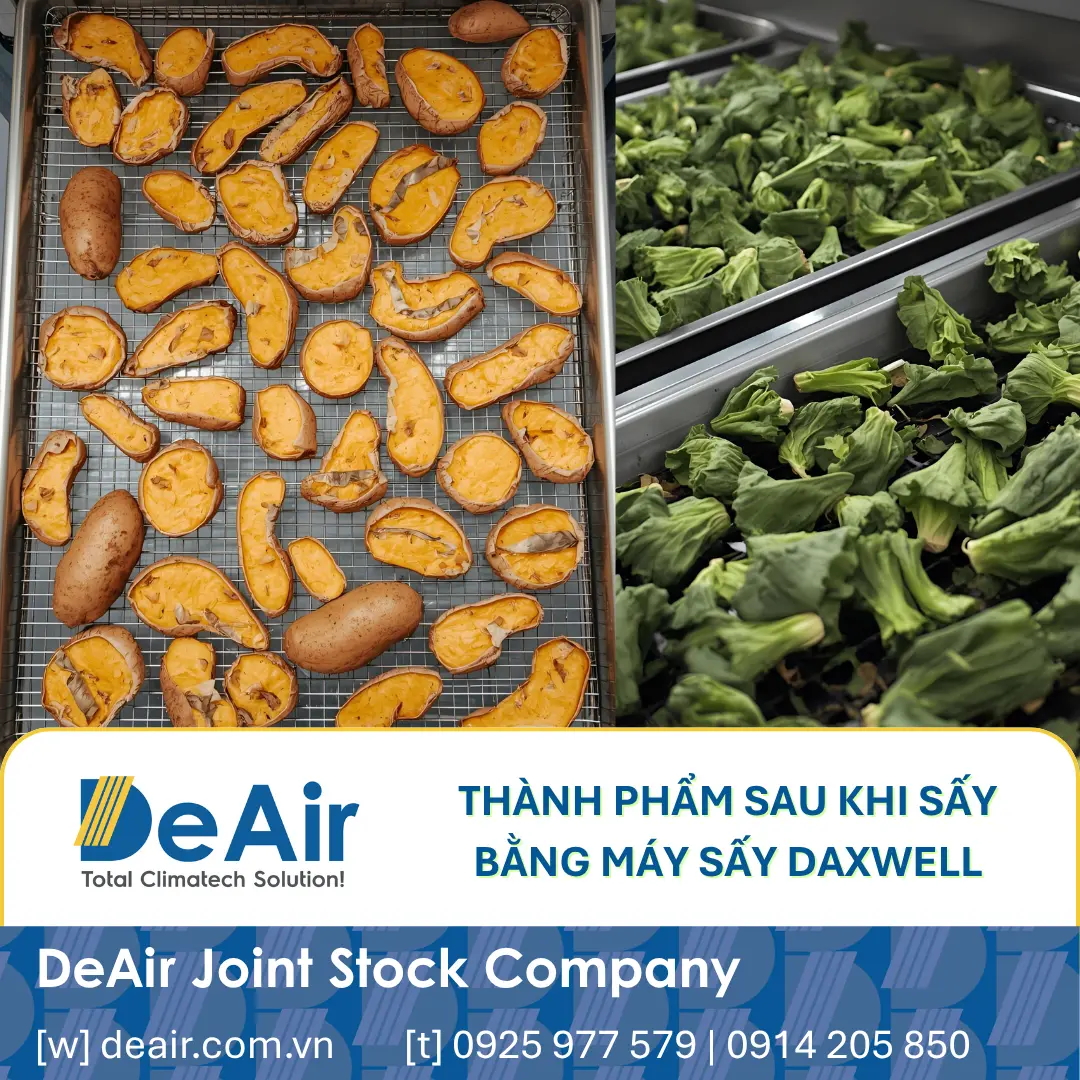
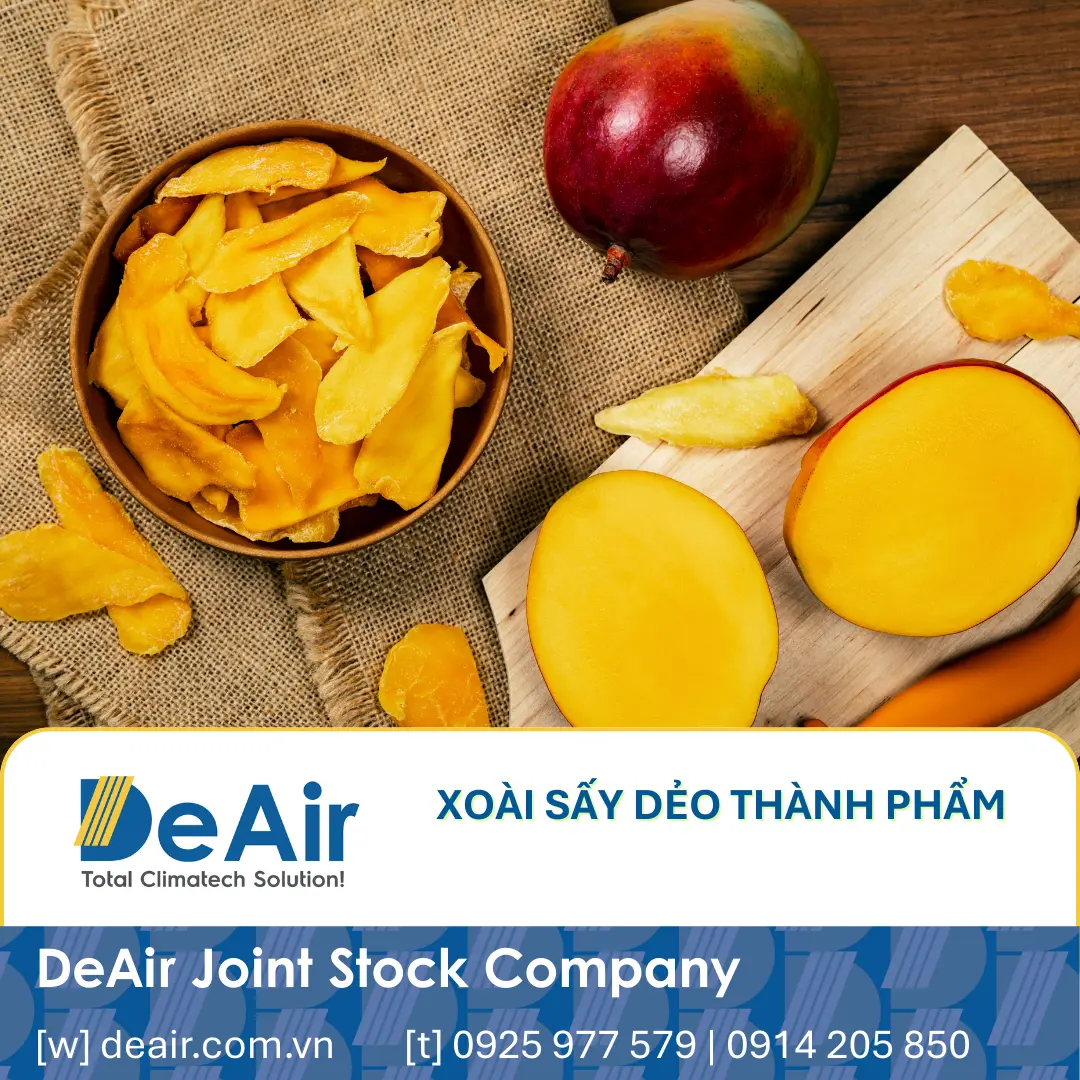
Export-standard soft-dried mango products achieved through Daxwell cold drying technology.
1. Raw Material Analysis: Why is Keo Mango the "King"?
The choice of mango variety determines economic efficiency and product quality:
Hoa Loc Mango: Although it has excellent flavor, the flesh structure is soft and easily crushed when ripe, making industrial manipulation difficult, and the raw material cost is too high.
Keo Mango: The optimal choice for mass production due to its "crispy when green, chewy when ripe" characteristic. The flesh is thick, with little fiber, retains its form well after drying, and has a low input cost, ensuring a good profit margin.
Physiological Maturity: The gold standard for soft-dried mango is "firm-ripe": the skin turns yellow about 30-50%, and Brix reaches 12-14%.
2. Pre-processing & Pre-treatment Techniques
Slice thickness is a critical parameter affecting drying kinetics. The recommended standard thickness is 10 - 12 mm.
Too thin (<8mm): The product easily becomes dry, hard, and loses its "meaty" texture.
Too thick (>15mm): Causes "case hardening" (dry shell, wet core).
Antioxidant Treatment: Use Citric Acid to inhibit browning enzymes and Calcium Chloride to create Calcium Pectate bridges, helping the mango slice become firmer.
3. Osmotic Dehydration Technique
This is the step that differentiates soft mango. A portion of water is removed through osmosis, while sugar is loaded into the fruit tissue structure. To prevent "sugar crystallization" (white spots) on the product surface after storage, a portion of Saccharose sugar should be replaced with Glucose or Maltose.
The osmotic process and low-temperature drying give the mango transparency, chewiness, and prevent sugar crystallization.
Traditional thermal drying at high temperatures (>65°C) destroys Vitamin C and causes loss of the bright yellow color. In contrast, the Daxwell Heat Pump Dryer allows drying at a low temperature range (<55°C) in a closed cycle.
Application of Step-down Drying Profile on Daxwell
Daxwell's PLC control system & HMI screen allows setting precise thermal profiles:
Stage 2 (Main Drying 45-50°C): Reduce heat to protect color and vitamins.
Stage 3 (Finishing Drying 35-40°C): Balance moisture, bringing it down to the target level (15-18%).
Video: The Daxwell Heat-Pump dryer system operating in a real factory environment.
5. Infographic: Comparison of Drying Technology Efficiency
Criteria
Thermal Drying (Resistance/Boiler)
Freeze Drying
Heat-Pump Cold Drying (Daxwell)
Drying Temperature
High (>70°C)
Deep Freeze (<0°C)
Low & Medium (30-60°C)
Product Color
Prone to browning/darkening
Very good (like fresh)
Good (Natural bright yellow)
Structure
Dry, hard, shrunken
Crispy/Porous
Characteristic Chewy/Soft
Energy Cost
Very High (COP=1)
Very High
Save 50-70% (COP=3-4)
6. Conclusion: Investing in Quality
To produce export-standard soft-dried mango, businesses cannot rely solely on manual experience but must rely on scientific parameters. The Daxwell Heat-Pump Dryer from DeAir is a comprehensive technological solution helping businesses optimize processes, minimize risks, and enhance brand value for Vietnamese agricultural products.
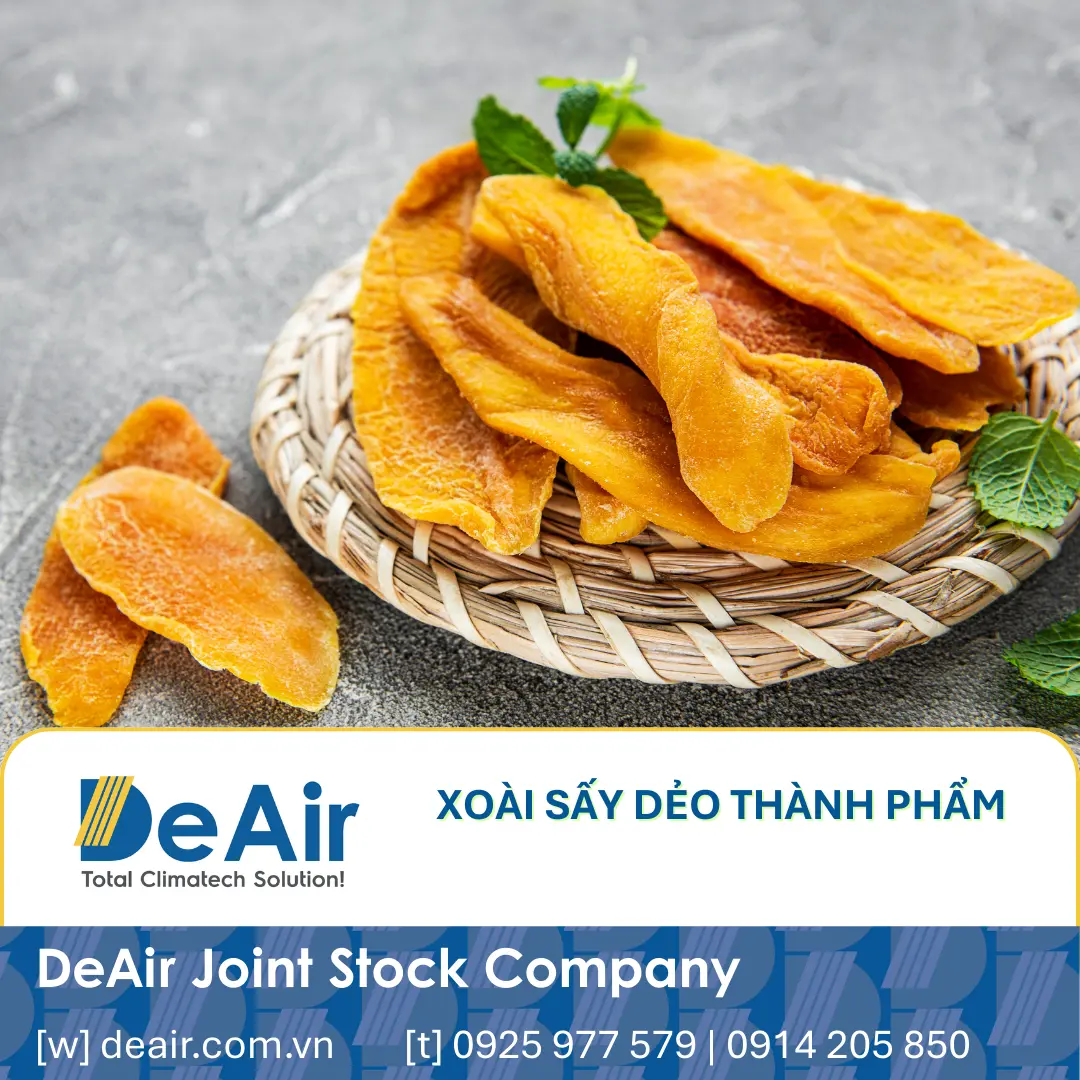
Daxwell soft-dried mango has beautiful color and consistent quality.
Consultation & Technology Transfer
Contact DeAir today for drying process consultation and register for a free sample drying test of your product at our specialized Lab.


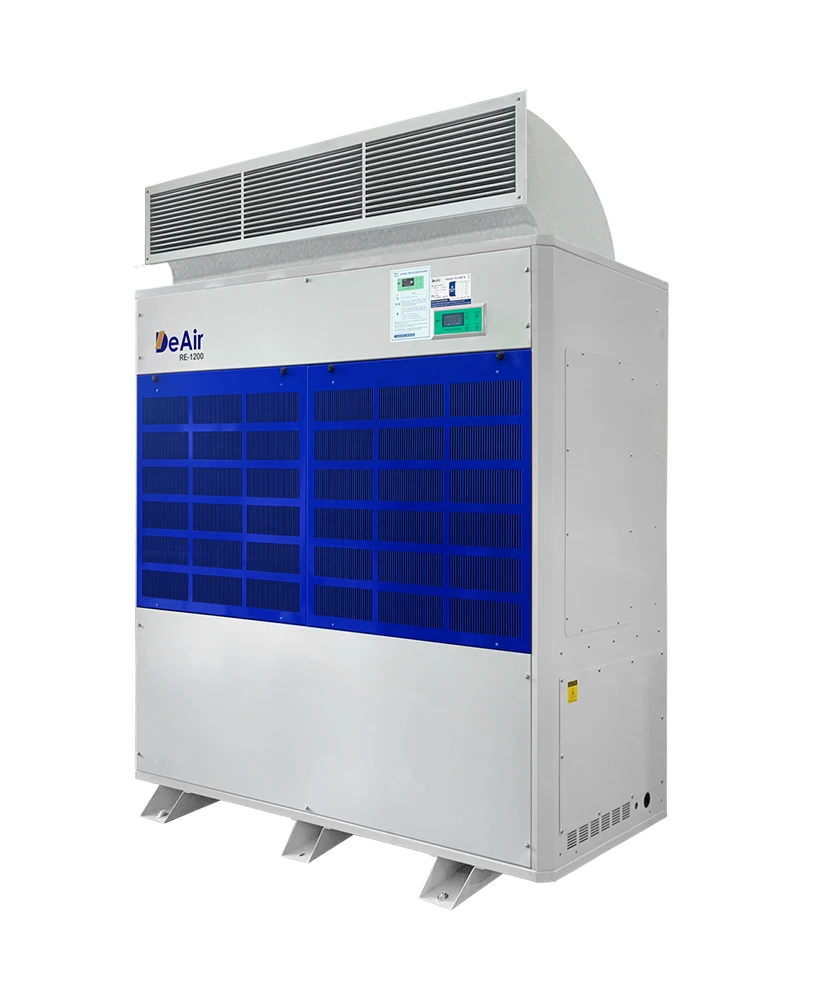 DeAir.RE
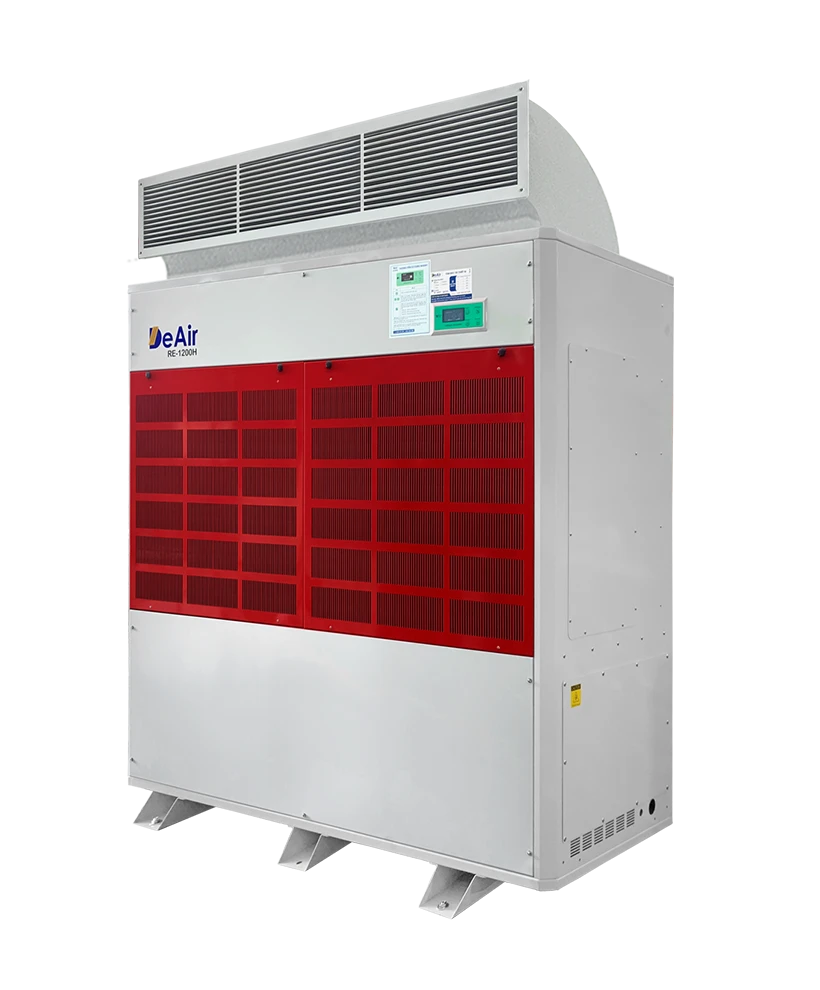 DeAir.RE-H
 DeAir.RE-INOX
 DeAir.CRE
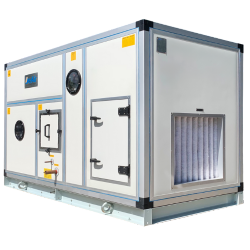 Dezenno
 DeAir.RE-CL
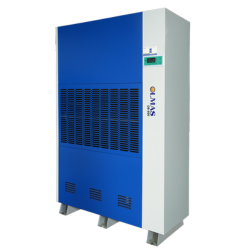 Olmas-OS
 DeAir.HM
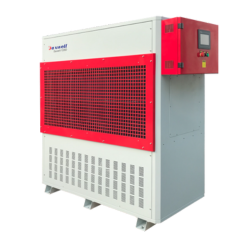 Daxwell
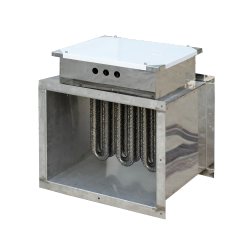 DeAir.Heat
 AHU
AHU






![[Case Study] DeAir Installs DeAir.De Rotor Humidity Control System for Pharmaceutical Plant in Binh Duong](https://deair.com.vn/thumbs/news/2023_04/ban_giao_may_cho_duoc_bd/[270x153-cr]image1-1024x772.jpg__cv.webp "[Case Study] DeAir Installs DeAir.De Rotor Humidity Control System for Pharmaceutical Plant in Binh Duong")
![[Review & Guide] Olmas OS-300: The New Humidity Control "Warrior" for Medium to Large Warehouses](https://deair.com.vn/thumbs/news/huong_dan_su_dung_may_olmas_21/[270x153-cr]vtm06440.png "[Review & Guide] Olmas OS-300: The New Humidity Control \"Warrior\" for Medium to Large Warehouses")