Value Delivered: 30-50% energy cost savings, precise humidity control ±3% RH, elimination of contamination risks.
1. Challenges of Fresh Air Handling in Modern HVAC
In the context of increasingly elevated Indoor Air Quality (IAQ) standards, HVAC design engineers and investors face a dual challenge: ensuring user health while controlling operational energy costs.
1.1. The Burden of "Latent Load"
According to ASHRAE Standard 62-1989, recommended fresh air flow rates have increased fourfold (from 5 cfm to 20-30 cfm per person). This means HVAC systems must handle larger volumes of outdoor air, bringing with it:
Sensible Heat: High temperature from hot outdoor air
Latent Heat: High humidity, particularly severe in tropical climates like Vietnam
In reality, latent heat accounts for 30-50% of the total cooling load of the system. When treating fresh air using traditional cooling methods (cooling coil), air is cooled below the dew point to condense moisture, then must be reheated to achieve the desired temperature. This process causes double energy waste: both cooling and reheating.
1.2. Sick Building Syndrome (SBS)
Research shows that indoor air pollutant concentrations can be 2-5 times higher than outdoors. When ventilation is inadequate, pollutants accumulate from:
CO2 from human respiration
Volatile Organic Compounds (VOCs) from building materials and furnishings
Mold and bacteria developing due to high humidity
Fine dust and suspended particles
The consequence is Sick Building Syndrome (SBS) with symptoms: eye, nose, throat irritation; headaches, dizziness; prolonged fatigue; reduced labor productivity.
📊 PERFORMANCE COMPARISON: TRADITIONAL vs HEAT RECOVERY
❌ Traditional System
Deep cooling for dehumidification
Reheat - double energy waste
High electricity consumption
Efficiency: 40-50%
Mold risk from cooling coil
✅ DeAir Heat Recovery System
Recover 70-85% energy
Reduce load on main chiller
Save 30-50% electricity
Efficiency: 75-85%
Clean dry air, no mold
2. Advanced TFA Technologies
To address these challenges, the HVAC industry has developed many advanced fresh air treatment technologies. Here are the three most optimal solutions today:
2.1. Energy Recovery Devices
Among energy recovery devices, the Enthalpy Wheel is evaluated as the most effective solution due to its ability to recover both sensible and latent heat.
Operating Principle:
The Enthalpy Wheel is a cylindrical rotor containing adsorbent material (usually silica gel or molecular sieve) arranged in a honeycomb structure. The rotor rotates slowly (2-20 rpm) between two air streams:
Exhaust Air Stream: Conditioned air from indoors passes through half the rotor, transferring heat and moisture to the adsorbent material
Fresh Air Stream: Outdoor air passes through the other half, receiving stored heat and moisture
Recovery Efficiency: Up to 70-85% depending on operating conditions, significantly reducing the load on the main cooling system.
Advantages of the new generation Enthalpy Wheel:
Selective Adsorption: Using 3Å/4Å molecular sieve that only allows water molecules (2.8Å) to pass through, completely blocking bacteria, toxic gases, and odors
Cross-Contamination Prevention (Purge Sector): Exhaust air purge zone before the rotor rotates to the fresh air side, reducing cross-contamination to <0.04%
Non-contact seals: Increased lifespan and air tightness
Low pressure drop: Saves fan energy
2.2. Desiccant Rotor Dehumidifier Technology
For applications requiring precise humidity control (low dew point), desiccant rotor dehumidifiers are the optimal solution replacing traditional cooling methods.
Why not use only cooling coils?
When cooling to dehumidify, air must be lowered below the dew point (usually 10-14°C). This leads to:
Energy waste: Cooling deeper than necessary, then reheating
Health risks: Wet cooling coils are ideal environments for mold and Legionella bacteria growth
Humidity limitations: Difficult to achieve humidity below 50% RH at comfortable temperatures
Desiccant rotor mechanism:
Dezenno desiccant rotor dehumidifiers use a rotor wheel coated with desiccant material (silica gel or molecular sieve) rotating continuously through two zones:
Process Zone: Humid air passes through, water vapor is absorbed into the material, dry air exits
Reactivation Zone: Hot air (100-140°C) blows through, releasing absorbed water vapor outside
Advantages:
Achieve very low dew points (-40°C to -70°C)
Continuous operation, no defrosting required
No CFC/HFC refrigerants used
Precise humidity control ±3% RH
Rotor lifespan 10-15 years
Dezenno desiccant rotor dehumidifier applied in pharmaceutical manufacturing - Precise humidity control according to GMP standards
2.3. Integrated TFA Systems (Treated Fresh Air Units)
TFA (Treated Fresh Air Unit) systems are "all-in-one" solutions combining multiple technologies in a single device:
Typical TFA Configuration:
Air Filter: G4/F7/F9 depending on application
Enthalpy Wheel: Recover 70-80% energy
Cooling Coil: Deep cooling if needed
Desiccant Rotor: Precise humidity control
Heating Coil: Final temperature adjustment
Supply Fan: VFD for flow adjustment
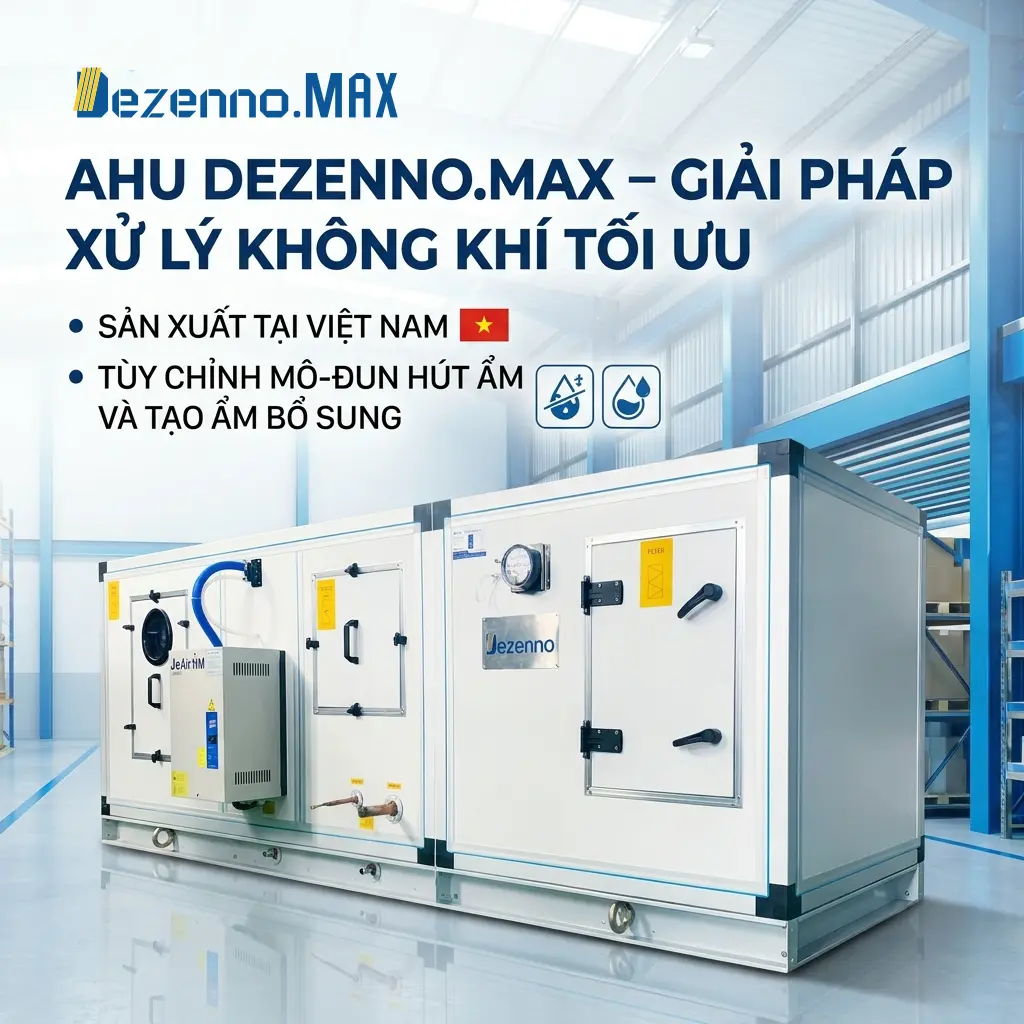
Dezenno.MAX AHU - Optimal air handling solution with enthalpy wheel and desiccant rotor integration capability
5. Comprehensive Solutions from DeAir - Optimal for Engineers, Peace of Mind for Investors
With over 20 years of experience in temperature-humidity control, DeAir is proud to be a trusted partner of hundreds of businesses in Vietnam and the region. We provide comprehensive solutions from consultation, design to installation and maintenance.
5.1. Superior Technical Capability
Expert Team: engineers with 20 years of experience working with leading brands like Bry-Air, Munters
Precise Calculation: Using professional software to calculate thermal-humidity loads, optimal equipment selection
ISO 9001:2015 Certification: Production and service processes meet international standards
Manufacturing in Vietnam: Supply chain control, competitive pricing, rapid support
5.2. Core Product Lines
a) Dezenno Desiccant Rotor Dehumidifier
Manufactured according to European standards, suitable for low dew point applications (-40°C to -70°C):
Textiles: May Duc Giang, May Ha Bac, May Phong Phu
Logistics: KWE, CEVA, TBS
6. Frequently Asked Questions (FAQ)
Q1: How does TFA system differ from conventional AHU?
Conventional AHUs only handle recirculated air, while TFA (Treated Fresh Air Unit) specializes in treating 100% outdoor fresh air. TFA systems typically integrate additional heat recovery devices (enthalpy wheel) for energy savings, and can combine desiccant rotors for precise humidity control.
Q2: Does the heat recovery wheel cause cross-contamination from exhaust air to fresh air?
With the new generation enthalpy wheel using 3Å/4Å molecular sieve and purge sector, the cross-contamination rate is only <0.04%. The molecular sieve material only allows water molecules (2.8Å) to pass through, completely blocking bacteria, viruses, toxic gases, and odors. This meets the stringent requirements of hospitals and cleanrooms.
Q3: How to calculate fresh air handling capacity for a factory?
Calculation should be based on: (1) Fresh air flow rate according to standards (ASHRAE 62-1989: 20 cfm/person for offices), (2) Enthalpy difference between outdoor and indoor air, (3) Latent and sensible heat loads, (4) Equipment efficiency. DeAir provides free calculation services with professional software, ensuring accurate equipment selection and avoiding investment waste.
Q4: What is the ROI (Return on Investment) period for heat recovery systems?
Depending on scale and operating conditions, the payback period is typically 1-3 years. For retrofit projects with existing cooling systems, ROI can be as short as 12-18 months due to 30-50% savings in fresh air cooling electricity costs. DeAir provides detailed ROI analysis reports for each project.
Q5: Does DeAir provide services for equipment from other manufacturers?
Yes. In addition to our own products, DeAir provides consultation, maintenance, and repair services for equipment from other manufacturers such as Bry-Air, Munters, Stulz... Our experienced technical team can assess current conditions, propose improvements, or recommend more suitable equipment replacements based on actual production needs.
Fresh Air Treatment Solutions - Optimize IAQ, Save Energy
Don't let energy costs and poor air quality reduce your production efficiency. DeAir is ready to accompany you with comprehensive solutions from consultation, design to installation and maintenance.
Are M&E engineers and investors looking for optimal fresh air treatment solutions?
📞 Contact Ms. Hong: 0933 628 660
🌐 Discover more advanced HVAC solutions at: deair.com.vn
✓ Free consultation & site survey ✓ Detailed, transparent quotation ✓ 24-month warranty, lifetime support


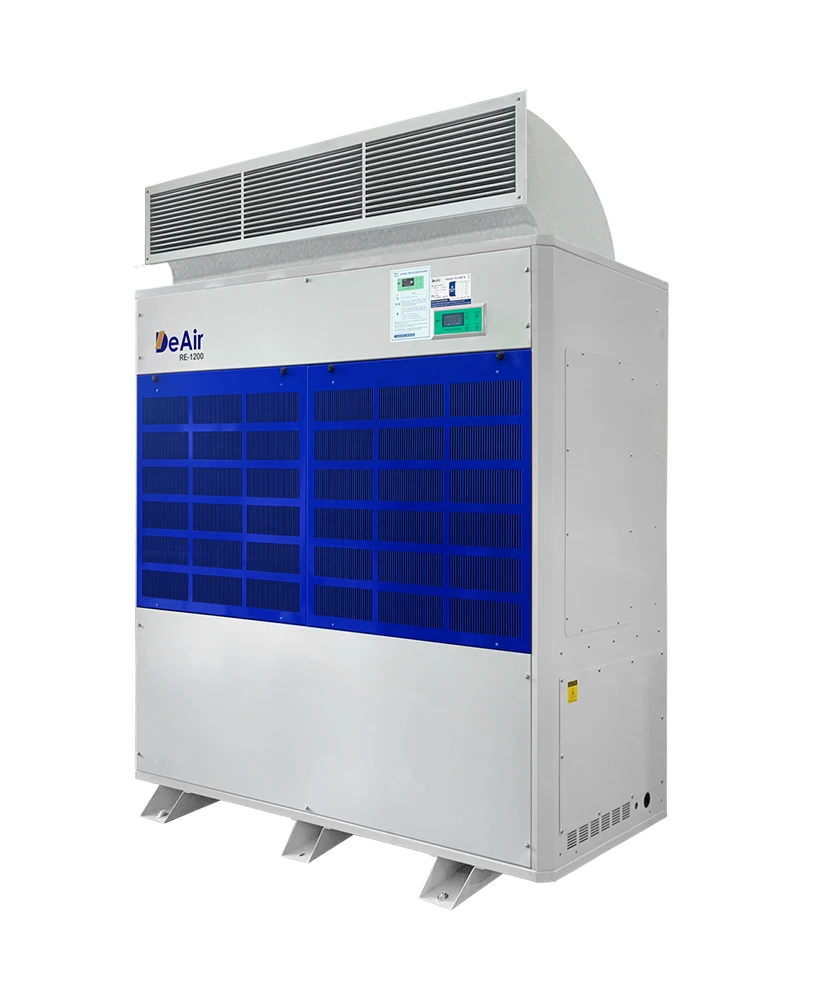 DeAir.RE
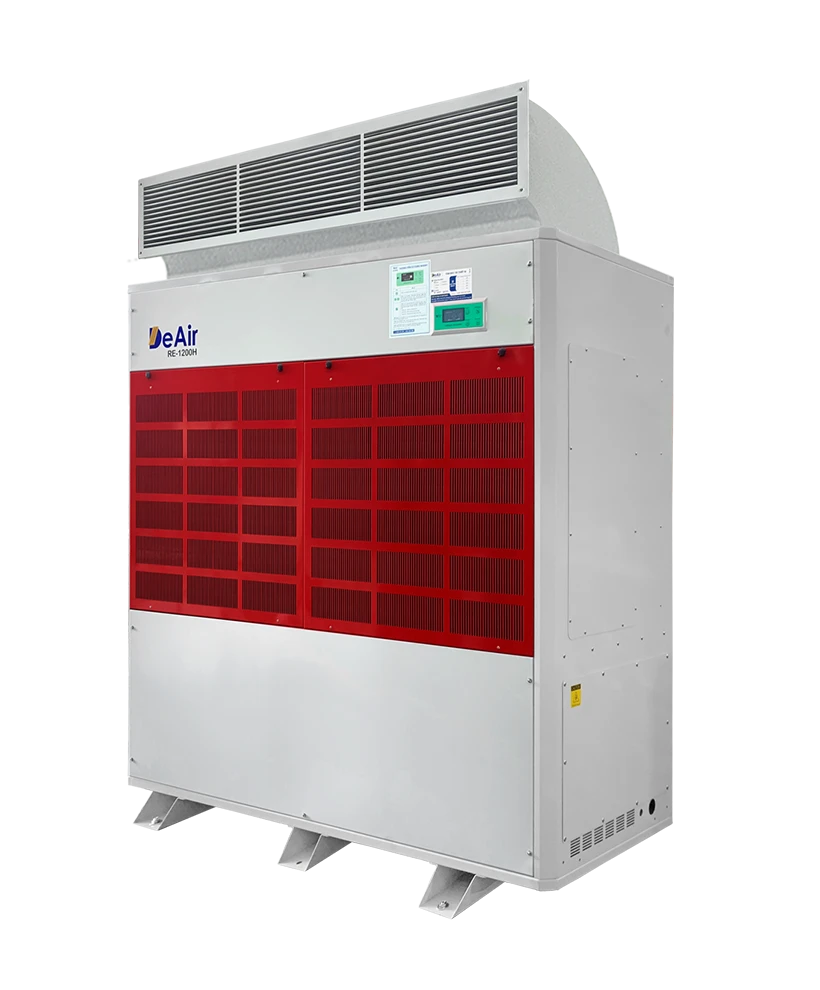 DeAir.RE-H
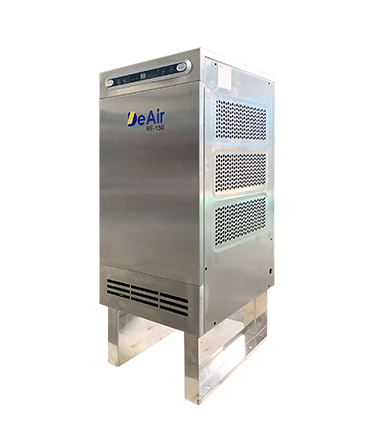 DeAir.RE-INOX
 DeAir.CRE
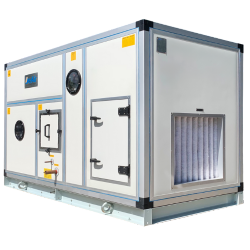 Dezenno
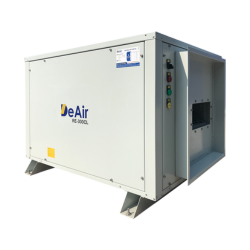 DeAir.RE-CL
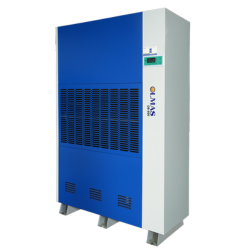 Olmas-OS
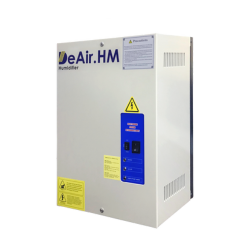 DeAir.HM
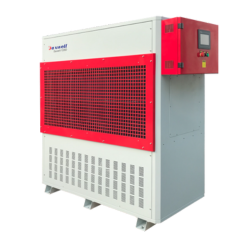 Daxwell
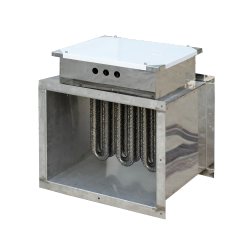 DeAir.Heat
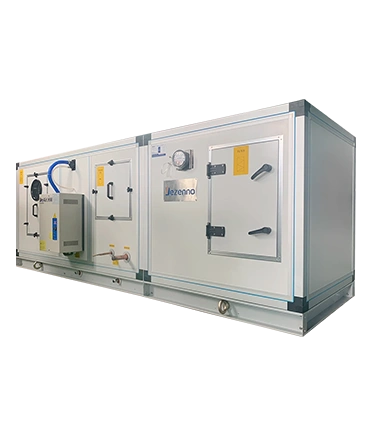 AHU
AHU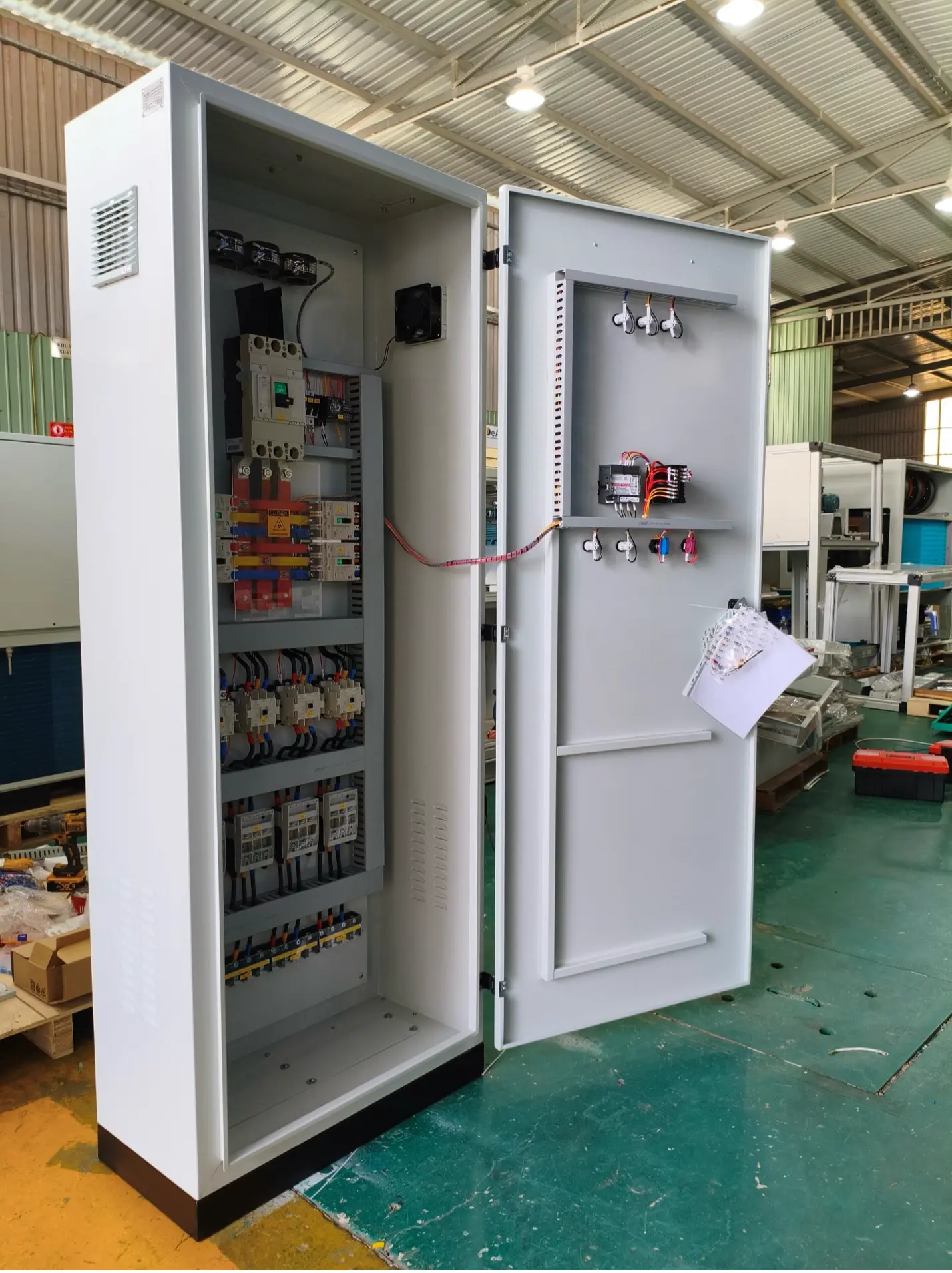







![[Case Study] DeAir Installs DeAir.De Rotor Humidity Control System for Pharmaceutical Plant in Binh Duong](https://deair.com.vn/thumbs/news/2023_04/ban_giao_may_cho_duoc_bd/[270x153-cr]image1-1024x772.jpg__cv.webp "[Case Study] DeAir Installs DeAir.De Rotor Humidity Control System for Pharmaceutical Plant in Binh Duong")
![[Review & Guide] Olmas OS-300: The New Humidity Control "Warrior" for Medium to Large Warehouses](https://deair.com.vn/thumbs/news/huong_dan_su_dung_may_olmas_21/[270x153-cr]vtm06440.png "[Review & Guide] Olmas OS-300: The New Humidity Control \"Warrior\" for Medium to Large Warehouses")