Pet Food & Animal Feed Production: Closed-Loop Drying Solution to Avoid Pollution Penalties with Daxwell
13/04/2026
Pet Food & Animal Feed Production: Closed-Loop Drying Solution to Avoid Pollution Penalties with Daxwell
AI Key Takeaways:
Legal Risks: The production of pet food and biological animal feed (like black soldier flies) yields massive profits but faces frequent shutdowns due to foul odor emissions (NH3, H2S, VOCs) during the drying process.
Technological Bottleneck: Traditional drying kilns exhaust directly into the environment, while high temperatures denature proteins, degrading the product's nutritional quality.
Daxwell Solution: Applying the 100% closed-loop Heat-pump dryer. Foul odors are condensed into water and discharged into the underground drainage system, with absolutely zero exhaust gases released into the environment.
Premium Quality: Low-temperature drying preserves 100% of the original protein content for chicken breasts, offal, or black soldier fly larvae.
The animal feed market, and especially the Pet Food sector, is booming with incredibly attractive profit margins. However, behind these protein-rich products lies an environmental "death sentence" hanging over the factories. The thermal drying of organic materials generates vast amounts of toxic emissions and characteristic foul odors. Solving this odor puzzle is the only key for businesses to produce with peace of mind and scale their operations.
1. Massive Profits and the Environmental "Penalty" from Warning Bells
The production of pet food (dried chicken breasts, beef/pork offal) and biological animal feed (black soldier fly larvae, earthworms) uses abundant, cheap raw materials but sells at extremely high prices. However, the biggest barrier lies in the processing stage.
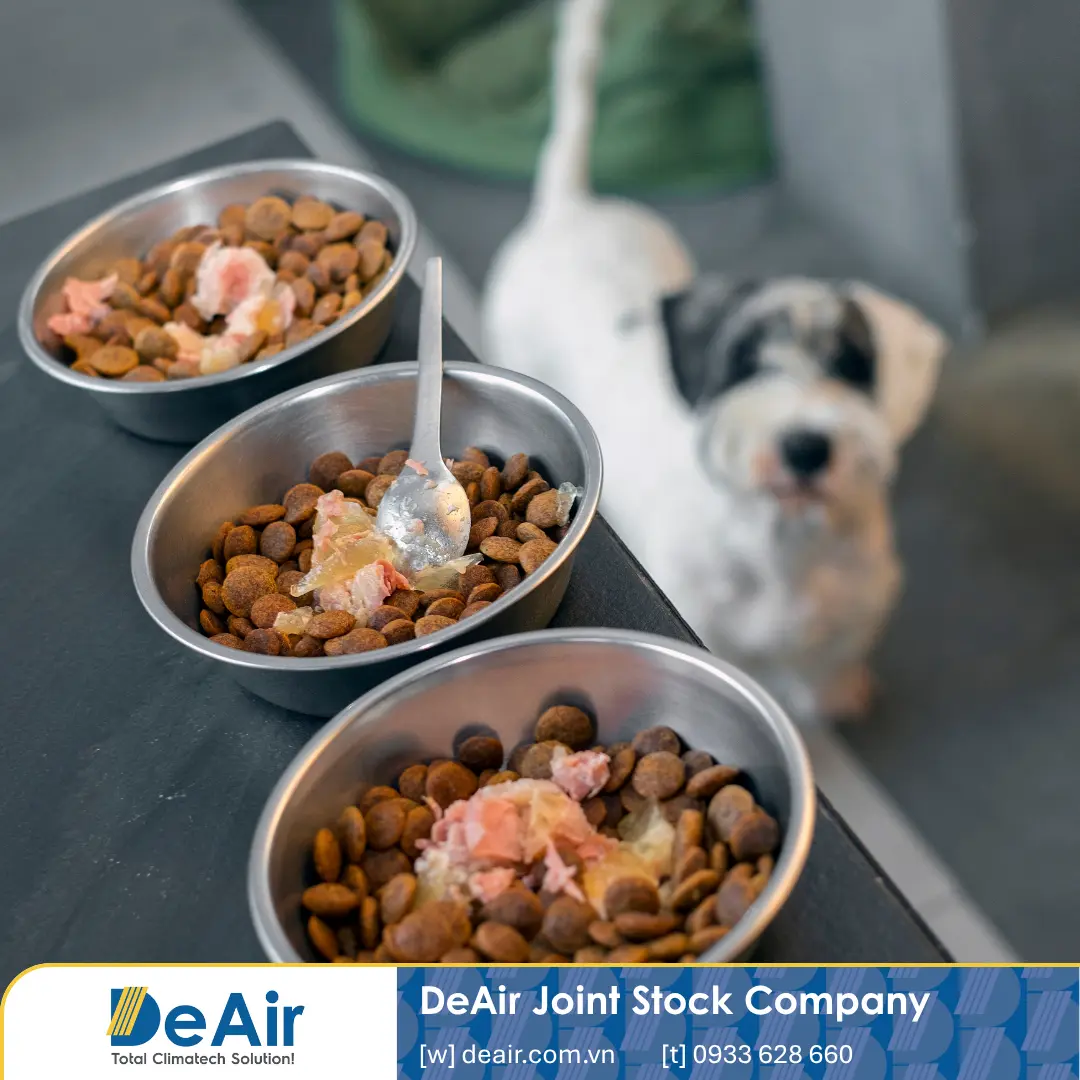
Dried meat Pet Food brings huge profits but easily generates foul odors during processing.
According to reports from VTV News, numerous animal feed production facilities are becoming "hot spots" for environmental pollution. The pungent stench from burning kilns and drying raw materials spreading into residential areas causes public outrage. Consequently, authorities intervene; many factories are heavily fined, stripped of licenses, and forced to relocate or shut down permanently.
2. Decoding the Chemical Nature of Odors in Animal Feed
If your factory uses open-loop drying technology (drawing in fresh air, heating it, and exhausting it straight into the sky), you are directly violating air quality regulations. In animal feed production, odors mainly arise from the decomposition of proteins and fats (meat, fishmeal, animal fat, insects) under high temperatures. The main "culprits" include:
Ammonia (NH3): Causes a characteristic strong, pungent smell. The odor detection threshold is very low, only 5 - 50 ppm. According to occupational health regulations, the maximum exposure limit is just 25 ppm over an 8-hour workday. Exhausting this gas straight outside will engulf the surrounding area in a pungent stench.
Hydrogen sulfide (H2S): Possesses an extremely unpleasant rotten egg smell. This is a highly toxic gas; concentrations over 100 ppm can cause severe lung irritation and rapid loss of smell.
Volatile Organic Compounds (VOCs): Including derivatives like Mercaptans and Methane (CH4) arising from the fermentation or decomposition of organic materials in the hot drying chamber.
Boiler Emissions: If the workshop uses coal or wood-fired boilers to dry materials, the exhaust funnel must meet local environmental standards regarding dust concentration and inorganic gases.
3. Daxwell Closed-Loop Solution: 100% Elimination of Odor Emissions
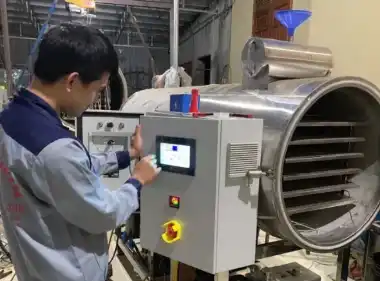
To avoid environmental penalties, transitioning to Daxwell Heat-pump drying technology is the perfect rescue solution. Daxwell operates on a "Closed-loop" principle, circulating 100% of the air inside the insulated drying chamber.
Daxwell dryers condense odors into water, absolutely avoiding exhaust emissions.
The Odor-to-Water Conversion Mechanism: Instead of blowing damp air straight into the sky, the hot air carrying water vapor infused with ammonia, VOCs, and organic odors passes through the cold coil (condenser) of the Daxwell machine. Here, the air is suddenly cooled, condensing the moisture and odor molecules into liquid form (water). This murky, foul-smelling water is directed through a small pipe straight into the factory's wastewater collection system. As a result, the production workshop does not generate a single chimney or odorous exhaust pipe into the ambient air.
4. Preserving 100% Protein for Premium Pet Food
Besides environmental issues, traditional kilns use excessively high temperatures (over 80°C - 100°C) to force rapid drying, which often denatures and breaks down the protein structure. The meat becomes shriveled, burnt, and loses large amounts of vitamins.
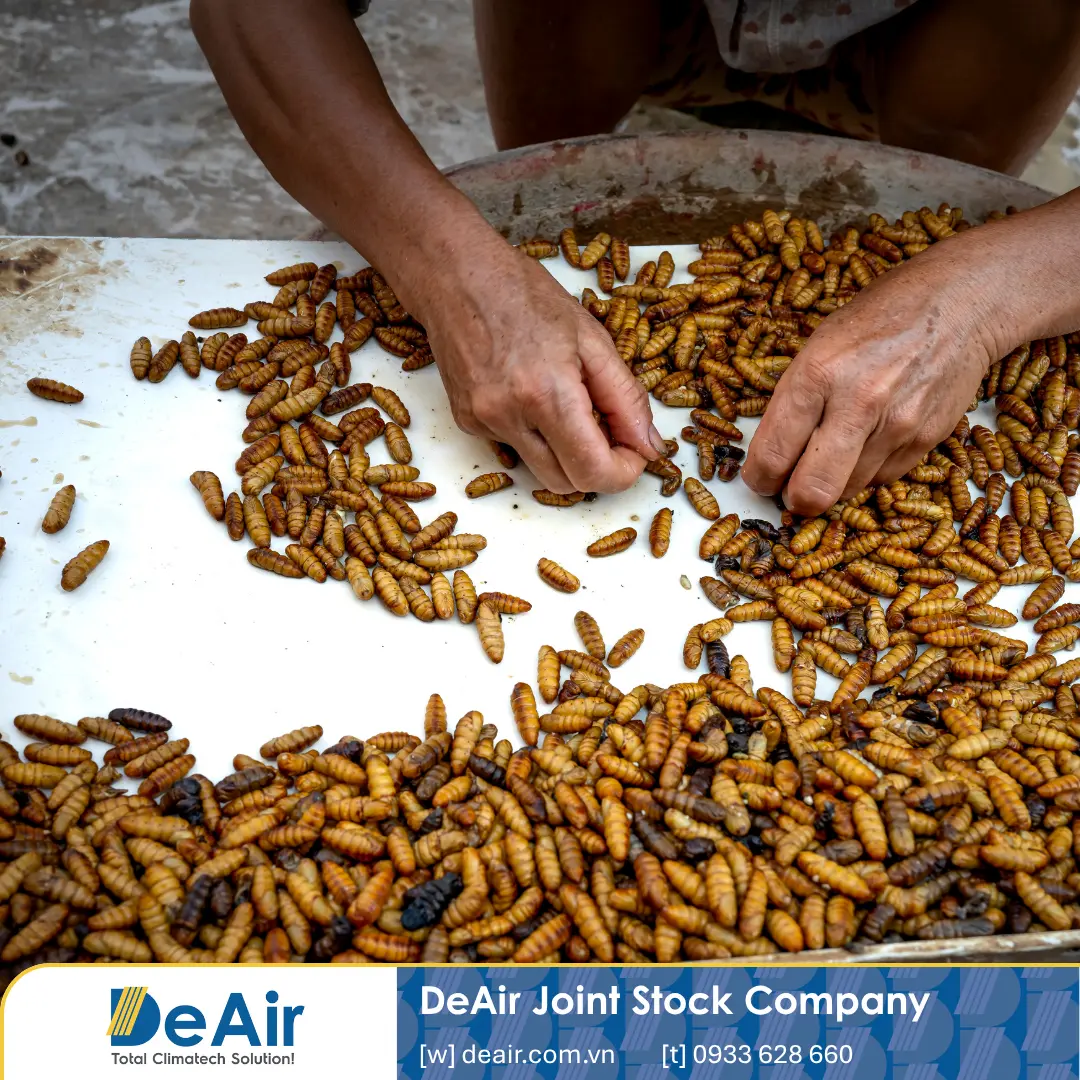
Drying black soldier flies with Daxwell prevents the shells from burning, preserving 100% of original Proteins and Lipids.
Daxwell dryers operate in a mild temperature range (cold/heat-pump drying from 40°C - 65°C), delivering premium quality end products:
For Meat (Chicken breasts, beef/pork offal, dried fish): The meat dries evenly from the inside out, retaining mechanical chewiness, a bright natural color, and an appealing characteristic flavor for dogs and cats without needing preservatives.
For Insects (Black soldier fly larvae, earthworms): Low-temperature drying prevents the chitin shells from turning black/burnt. Internal Protein and Lipid contents are preserved 100%, meeting the strictest standards for export or for sale to high-tech aquaculture farms.
Ends the risk of community complaints. Businesses can confidently produce 24/7 and are ready to expand their factory scale.
Energy Savings
The heat recovery mechanism reduces electricity consumption by up to 70% compared to electric resistance drying, optimizing profit margins per kg of finished product.
Smart Operation
The PLC control cabinet stores specialized processes for each type of meat. With just 1 button press, the machine automatically dries and stops when perfectly dry.
6. Frequently Asked Questions (FAQ)
1. Black soldier flies hold a lot of water; will closed-loop drying overload the machine's humidity capacity?
Answer: Daxwell dryers are equipped with a high-capacity refrigeration compressor dehumidification system. Moisture in the closed chamber is continuously condensed into water and discharged, ensuring the air returning to the drying chamber is always extremely dry. Therefore, no matter how much water the raw material holds, the machine processes it smoothly.
2. Does the condensed wastewater require a complex treatment system?
Answer: The condensed water from the dryer contains dissolved organic compounds. Depending on the workshop's scale, this water can be discharged directly into a biological manhole or connected to the industrial park's centralized wastewater collection system for easy microbiological treatment.
3. Can drying at a low temperature of 60°C kill bacteria in raw meat?
Answer: Daxwell dryers feature combined drying cycles. Engineers can set the initial stage at 70°C - 75°C for a certain period to pasteurize the meat's surface, then automatically lower the temperature to a mild range to extract moisture slowly, ensuring absolute food safety.
Safe Investment - Sustainable Development
Don't let huge profits from pet food be traded for environmental fines and community boycotts. Daxwell's closed-loop drying system is the "shield" protecting the sustainable growth of your business.
Contact DeAir's expert team now for consultation on odorless Pet Food drying technology that preserves full nutrition!


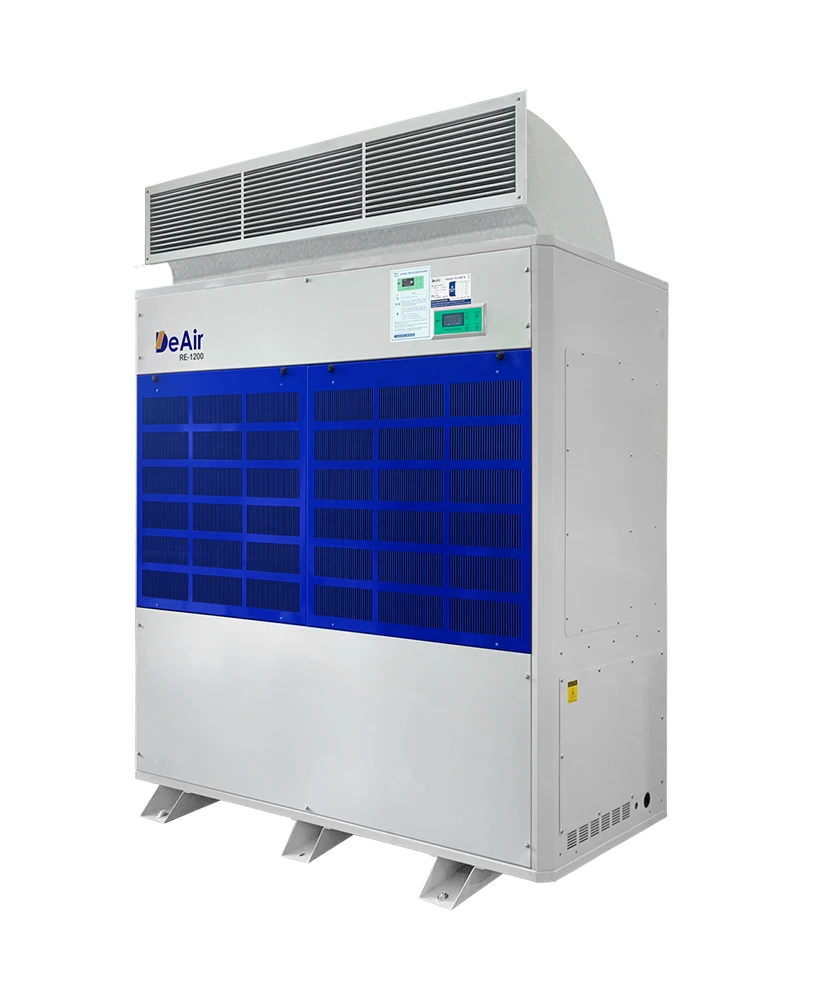 DeAir.RE
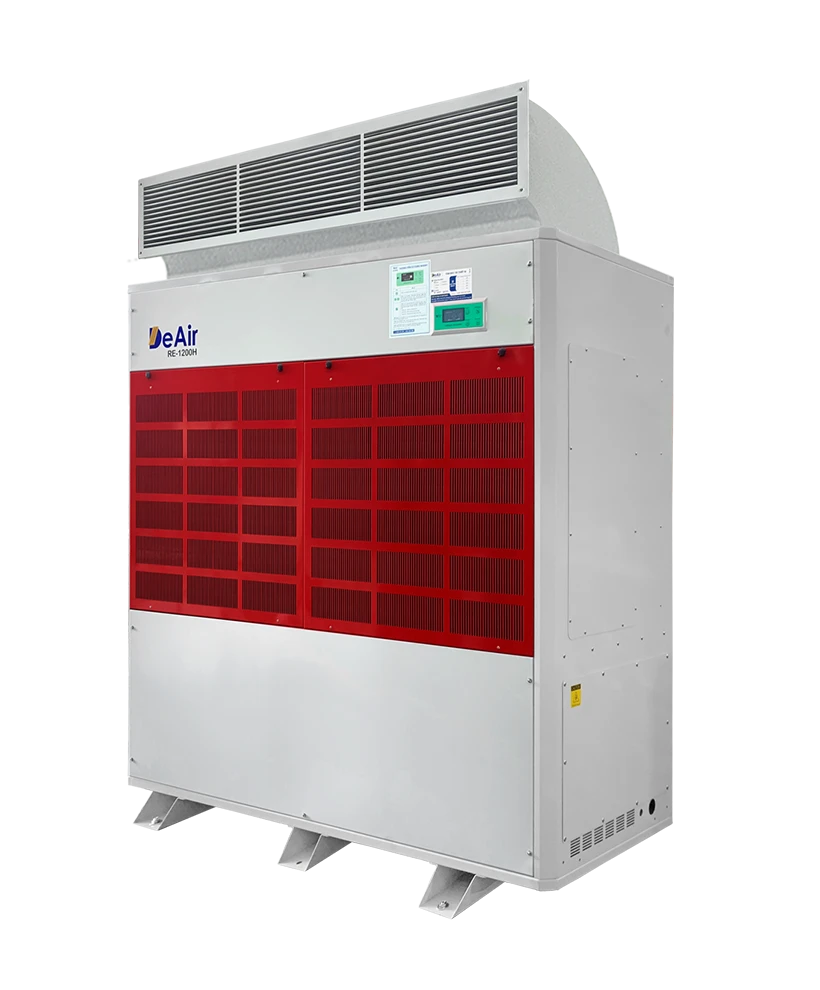 DeAir.RE-H
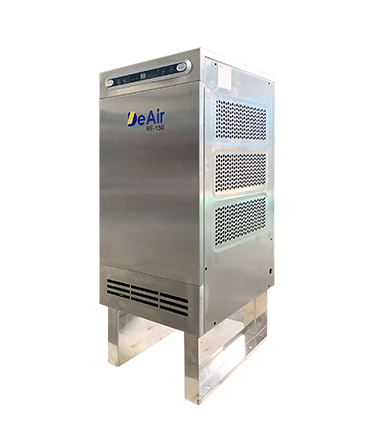 DeAir.RE-INOX
 DeAir.CRE
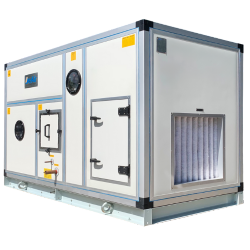 Dezenno
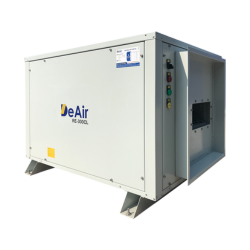 DeAir.RE-CL
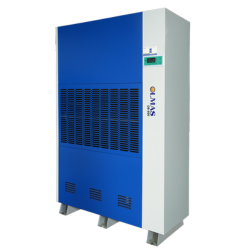 Olmas-OS
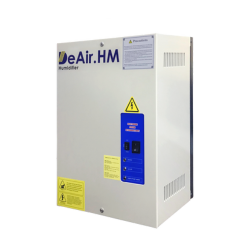 DeAir.HM
 Daxwell
 DeAir.Heat
 AHU
AHU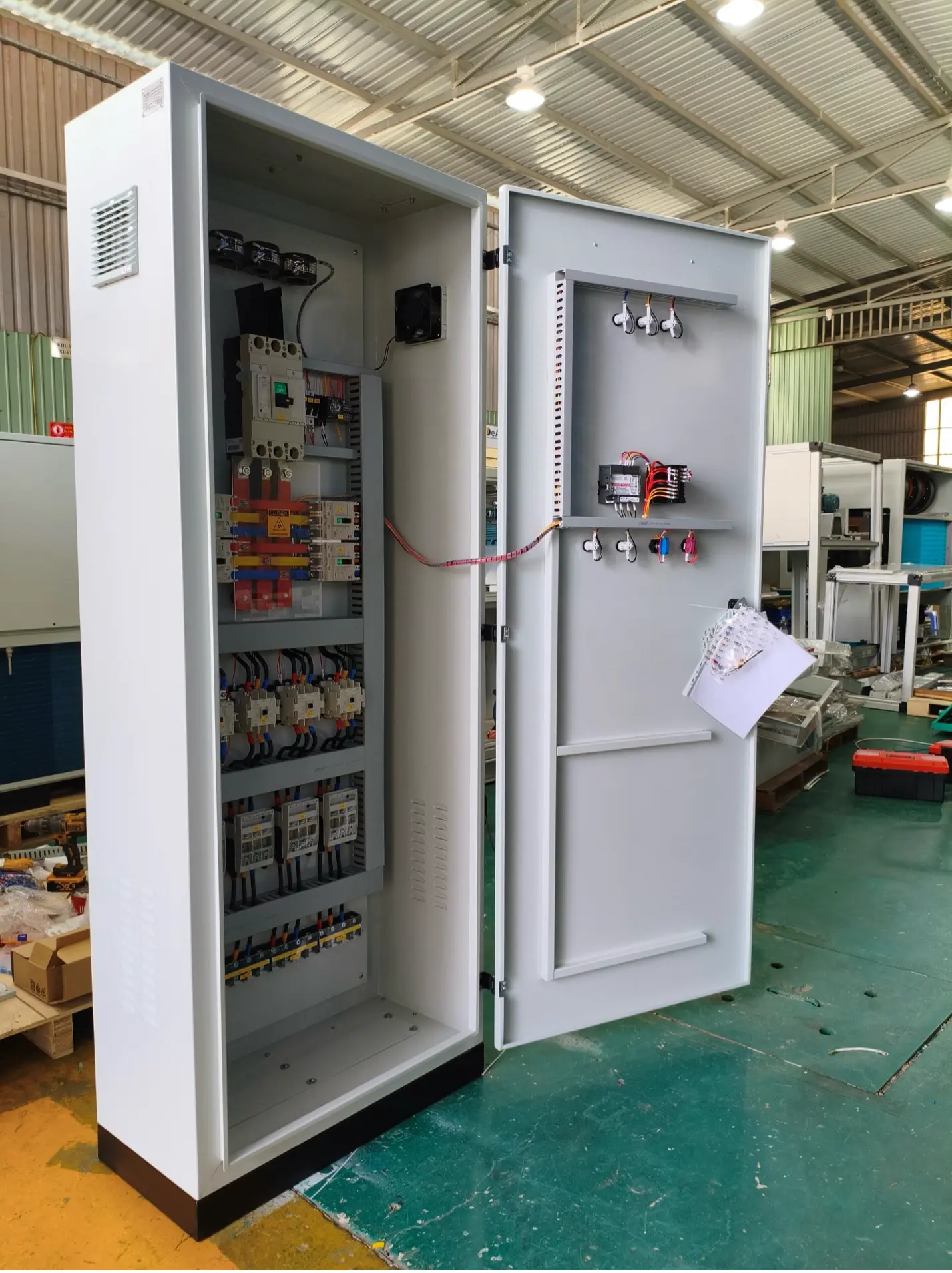







![[Case Study] DeAir Installs DeAir.De Rotor Humidity Control System for Pharmaceutical Plant in Binh Duong](https://deair.com.vn/thumbs/news/2023_04/ban_giao_may_cho_duoc_bd/[270x153-cr]image1-1024x772.jpg__cv.webp "[Case Study] DeAir Installs DeAir.De Rotor Humidity Control System for Pharmaceutical Plant in Binh Duong")
![[Review & Guide] Olmas OS-300: The New Humidity Control "Warrior" for Medium to Large Warehouses](https://deair.com.vn/thumbs/news/huong_dan_su_dung_may_olmas_21/[270x153-cr]vtm06440.png "[Review & Guide] Olmas OS-300: The New Humidity Control \"Warrior\" for Medium to Large Warehouses")