Industrial Humidification Solutions in HVAC Systems in Vietnam
12/12/2025
Context: When "Cooling" is Not Enough
In the Industry 4.0 era, factories in Vietnam are shifting strongly from labor-intensive to high-tech manufacturing. In precision environments such as semiconductor manufacturing, GMP-standard pharmaceuticals, or high-end textiles, temperature control is only a necessary condition. The sufficient condition determining product quality is Humidity Control.
This report provides a comprehensive analysis of the humidification market, compares core technologies (Electrode, Resistive, Ultrasonic), and introduces the DeAir.HM Humidifier solution — a representative of "Made in Vietnam" HVAC equipment meeting international ISO 9001:2015 standards.
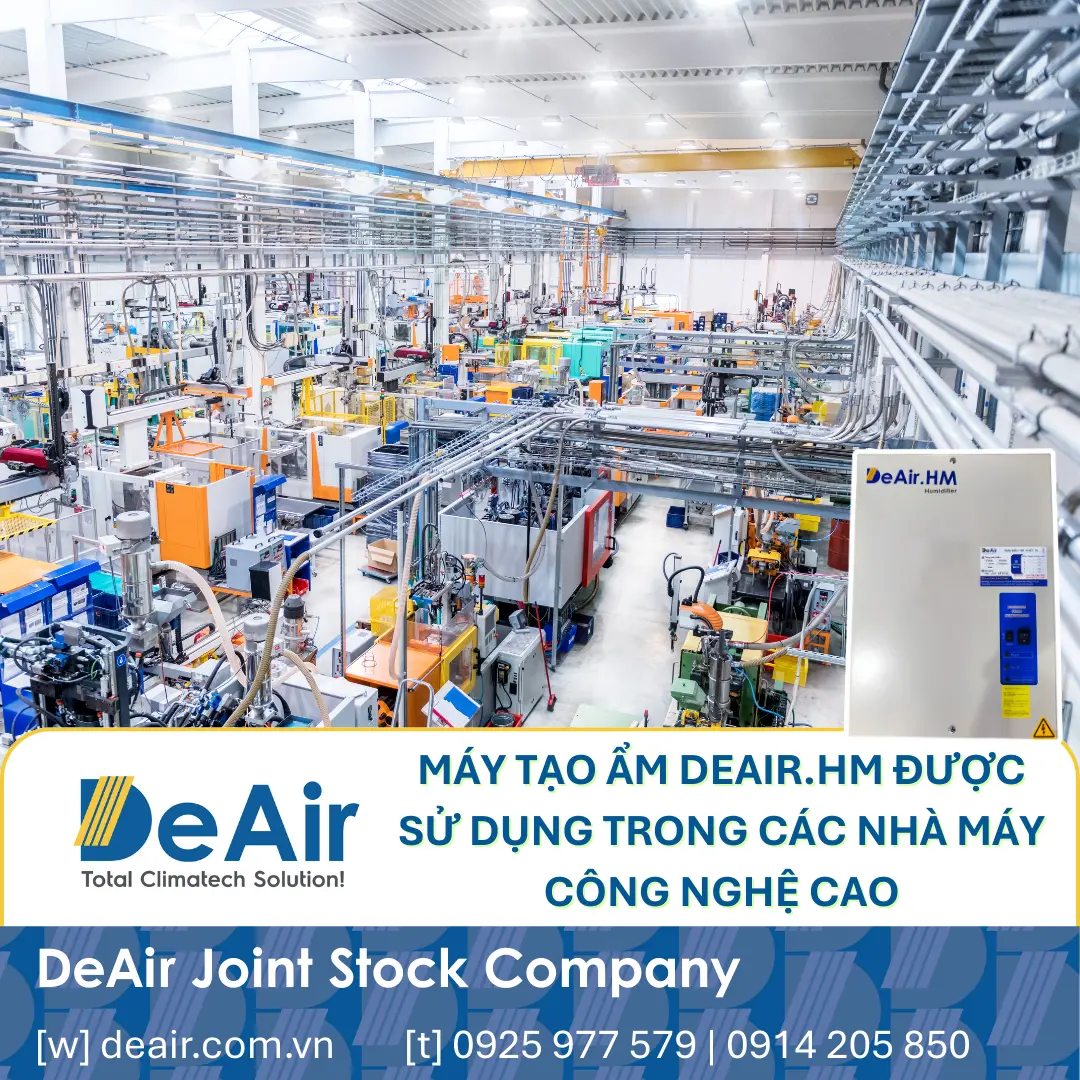
Precise humidity control is a mandatory standard in high-tech factories (Chips, Pharma).
1. The "Humidification" Paradox in a Tropical Country
Vietnam is famous for its high humidity (>80%). However, the demand for "humidification" in industry is urgent due to the following thermodynamic principles:
Sensible Heating Drying: In Northern winters, cold and dry air (e.g., 10°C, 60% RH) is heated to 24°C for factory heating. According to the Psychrometric chart, the relative humidity will drop drastically below 25%, causing dry skin, material cracking, and static electricity buildup.
Cooling Dehumidification: To achieve deep cooling, AHU/Chiller systems often dehumidify significantly. The air supplied to cleanrooms is often too dry, failing to meet the requirements of sensitive production processes.
Based on international standards like ASHRAE (American Society of Heating, Refrigerating and Air-Conditioning Engineers), each industry has a distinct "golden humidity zone":
Electronics & Semiconductors
The biggest threat is Electrostatic Discharge (ESD). When humidity is < 40%, charges accumulated on insulating surfaces cannot dissipate, leading to discharges that kill ICs and microchips. Therefore, factories like Samsung and Intel always require 24/7 humidification systems.
Textiles & Footwear
Fabrics (Cotton, Wool) are hygroscopic materials. If the air is dry, fibers lose moisture, become brittle, and break easily during high-speed weaving, reducing productivity and increasing airborne dust.
Pharmaceuticals & Medical
Compliance with GMP-WHO standards. Stable humidity helps control chemical reaction rates and prevents pills from drying out during coating. Especially in hospitals, 40-60% humidity helps limit the spread of airborne bacteria and viruses.
3. Infographic: Recommended Humidity Standards by Industry
Ideal Humidity Lookup Table
ELECTRONICS (SMT)
40% - 60%
Goal: Anti-Static (ESD)
TEXTILES
65% - 75%
Goal: Fiber strength, Dust reduction
PRINTING & PAPER
50% - 60%
Goal: Prevent shrinkage, Jamming
LABS / SURGERY
45% - 55%
Goal: Sterile, Health
4. "Dissecting" the 3 Leading Humidification Technologies
DeAir masters and manufactures all three most common humidification technologies, helping customers make objective choices:
4.1. Electrode Steam Technology - The HVAC "Workhorse"
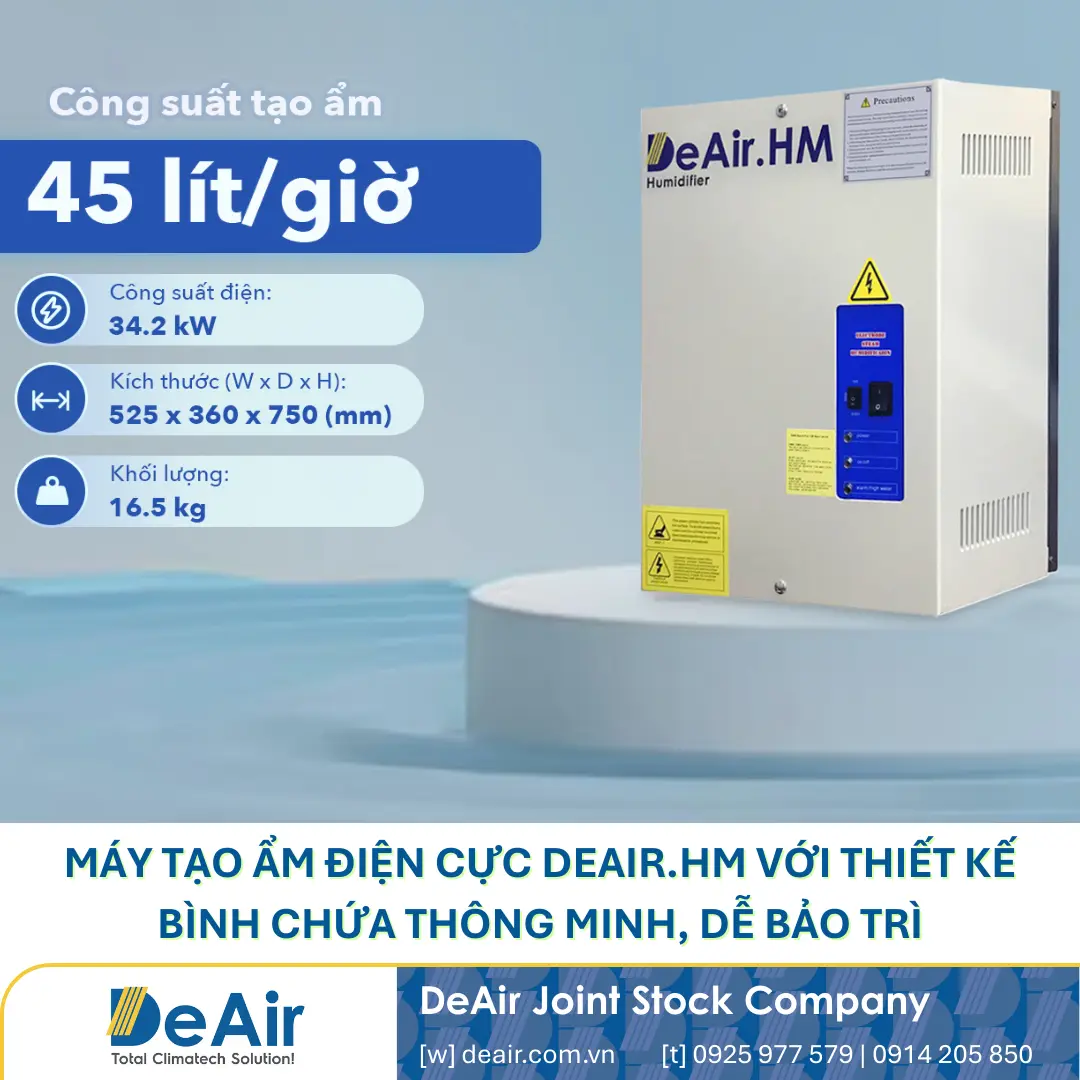
Current flows through water in a cylinder, boiling the water via its internal resistance. Pros: Low investment cost, sterile steam, easy integration into AHUs. Note: Requires mineral-rich water (tap/softened) for conductivity. The cylinder must be replaced periodically due to scaling.
DeAir.HM electrode humidifier is the most common solution for AHU systems.
4.2. Resistive Steam Technology - The High-Precision Solution
Uses metal-sheathed heating elements to boil water. Pros: Extremely precise humidity control (±1%). Works with all water sources, including purified water (RO/DI). Durable, heating elements can be cleaned without replacement.
4.3. Ultrasonic Technology - The "Green" Energy Saver
Uses high-frequency ultrasonic waves to atomize water into micron-sized mist. Pros: Saves up to 90% energy compared to steam humidifiers. Creates "cold mist," helping reduce heat load for factories. Important Note: Mandatory use of RO/DI water to avoid "white dust" (minerals) settling on equipment.
5. DeAir.HM Ecosystem: The Solution for Localization
Instead of relying on imported brands with high costs and long wait times for parts, DeAir offers a comprehensive localized solution:
Spare Parts Availability: Overcoming the "pain" of waiting 8-12 weeks for imported goods. DeAir always has cylinders and circuit boards in stock in Hung Yen & HCMC, ready for replacement within 24 hours.
Smart Drain Pump Technology: Unlike cheap gravity drain valves, DeAir machines are equipped with specialized drain pumps, preventing clogging and extending cylinder life by 2 times.
Technical Customization: Designing machine dimensions and steam distributors to fit the current duct status of each factory.
6. Infographic: Technology Comparison for Selection
Criteria
Electrode (DeAir.HM)
Resistive
Ultrasonic
Mechanism
Isothermal (Boiling)
Isothermal (Boiling)
Adiabatic (Sound wave)
Water Source
Tap/Softened
All types
Mandatory RO/DI
Investment Cost
Lowest
High
Medium
Energy Consumption
High
High
Very Low (Saving)
Precision
± 3-5%
± 1%
± 2-3%
7. Installation & Operation Notes
Installation and maintenance must strictly follow the technical manual accompanying the machine to ensure performance and safety:
Steam Distributor Position: Must be installed at a location ensuring sufficient absorption distance so that steam mixes completely with the air, preventing condensation that wets ducts or filters.
Drainage: For electrode/resistive machines, drain water is hot (near 100°C), requiring heat-resistant pipes and proper air trap installation.
Maintenance: Perform cleaning, replace cylinders (for electrode machines), or clean transducers (for ultrasonic machines) according to DeAir's recommended schedule.
8. Frequently Asked Questions (FAQ)
1. When should I use an Electrode humidifier vs. Ultrasonic?
If you need sterility (hospitals), low investment cost, and have tap water available, choose Electrode. If you need maximum energy savings, want to cool the factory, and have an RO water filtration system, choose Ultrasonic.
2. Can I install the humidifier in the HVAC duct?
Absolutely. DeAir provides specialized models for AHU (Air Handling Unit) systems with Steam Distributors designed to be installed directly into the supply air duct.
3. What are the water requirements for the humidifier?
Depending on technology: Electrode machines need water with minerals (conductivity 125-1250 µS/cm). Resistive machines use any water. Ultrasonic machines mandatorily require purified water (RO/DI) to avoid white dust.
Comprehensive Humidification Solution "Made in Vietnam"
End the worry of static electricity and dry air. Contact DeAir for surveys, load calculations, and the most optimal solution consulting for your factory.


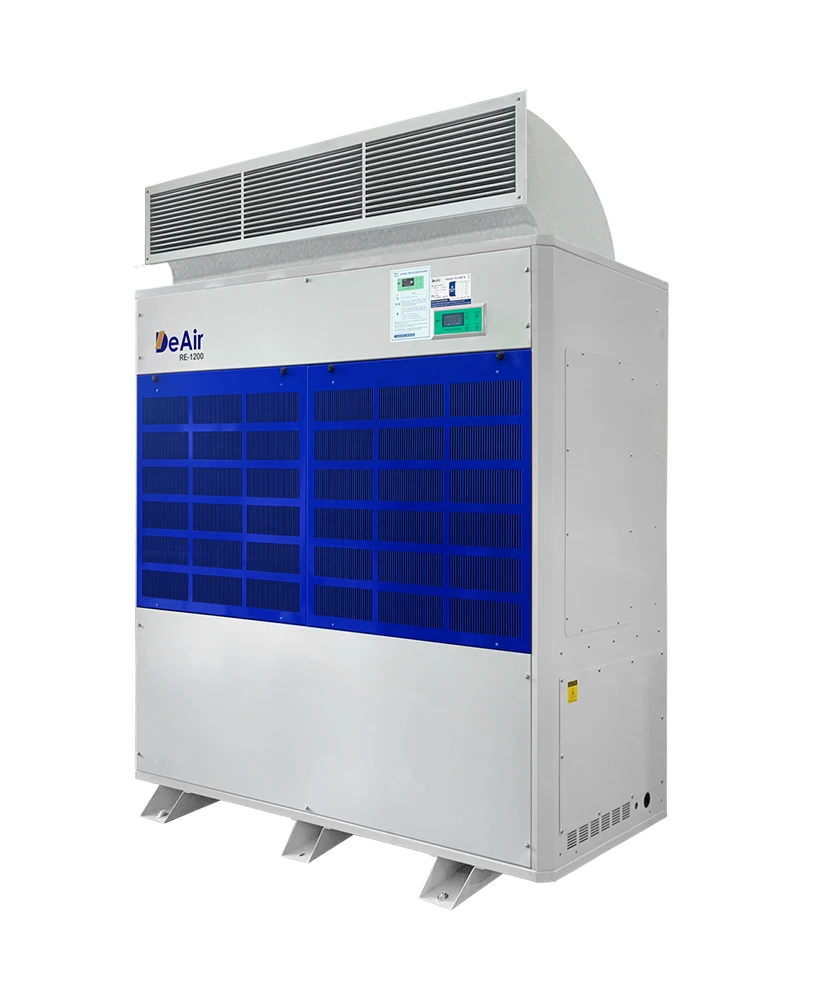 DeAir.RE
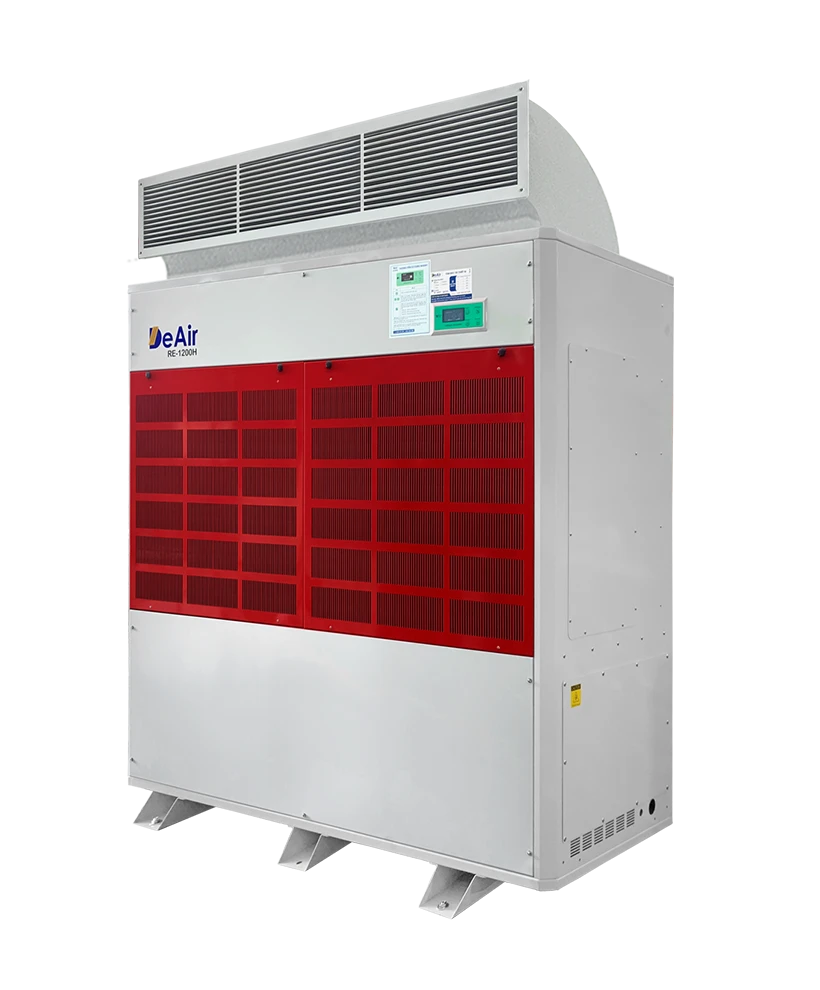 DeAir.RE-H
 DeAir.RE-INOX
 DeAir.CRE
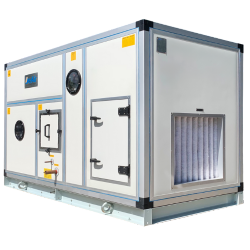 Dezenno
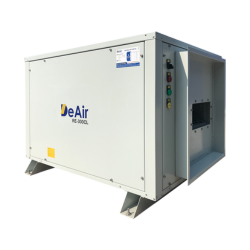 DeAir.RE-CL
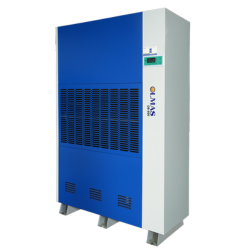 Olmas-OS
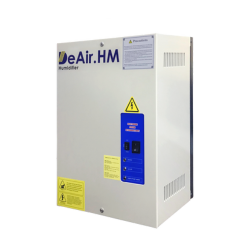 DeAir.HM
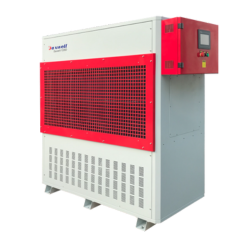 Daxwell
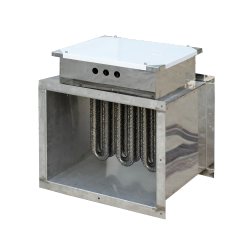 DeAir.Heat
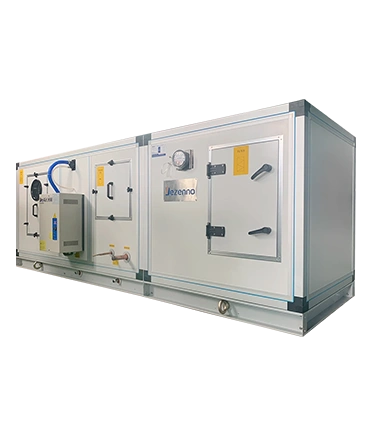 AHU
AHU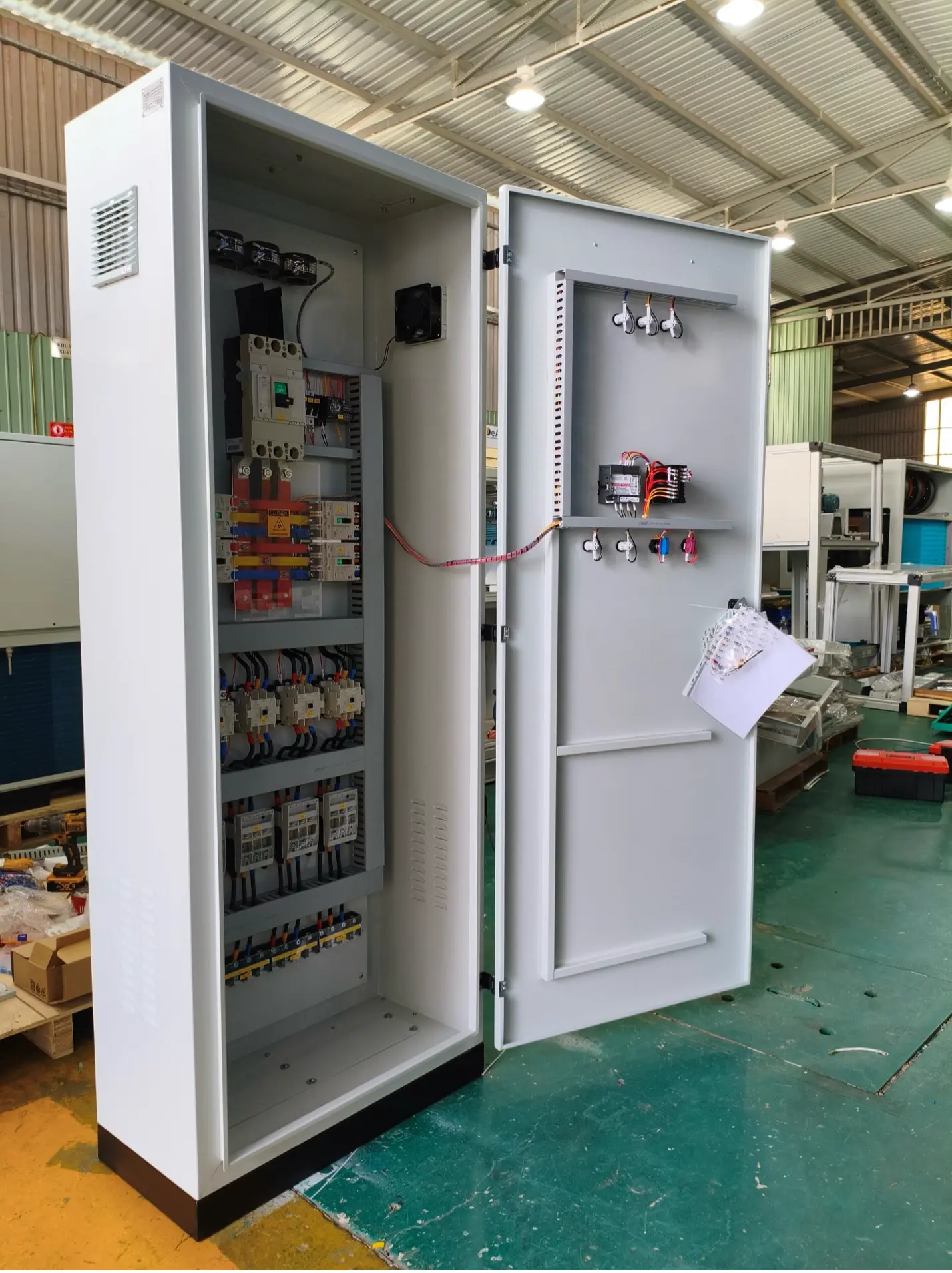





![[Case Study] DeAir Installs DeAir.De Rotor Humidity Control System for Pharmaceutical Plant in Binh Duong](https://deair.com.vn/thumbs/news/2023_04/ban_giao_may_cho_duoc_bd/[270x153-cr]image1-1024x772.jpg__cv.webp "[Case Study] DeAir Installs DeAir.De Rotor Humidity Control System for Pharmaceutical Plant in Binh Duong")
![[Review & Guide] Olmas OS-300: The New Humidity Control "Warrior" for Medium to Large Warehouses](https://deair.com.vn/thumbs/news/huong_dan_su_dung_may_olmas_21/[270x153-cr]vtm06440.png "[Review & Guide] Olmas OS-300: The New Humidity Control \"Warrior\" for Medium to Large Warehouses")