Industrial Energy-Saving Dryers: Don't Confuse with Home Clothes Dryers!
05/12/2025
Looking for an "Energy-Saving Dryer" for Your Factory?
When you search for "energy-saving dryer" on Google, you likely see a flood of results for 7kg-10kg home clothes dryers from consumer electronics brands. But if you are a business owner or factory manager needing to dry 500kg of produce, 1 ton of laundry, or thousands of handicraft items daily, those household machines are completely irrelevant.
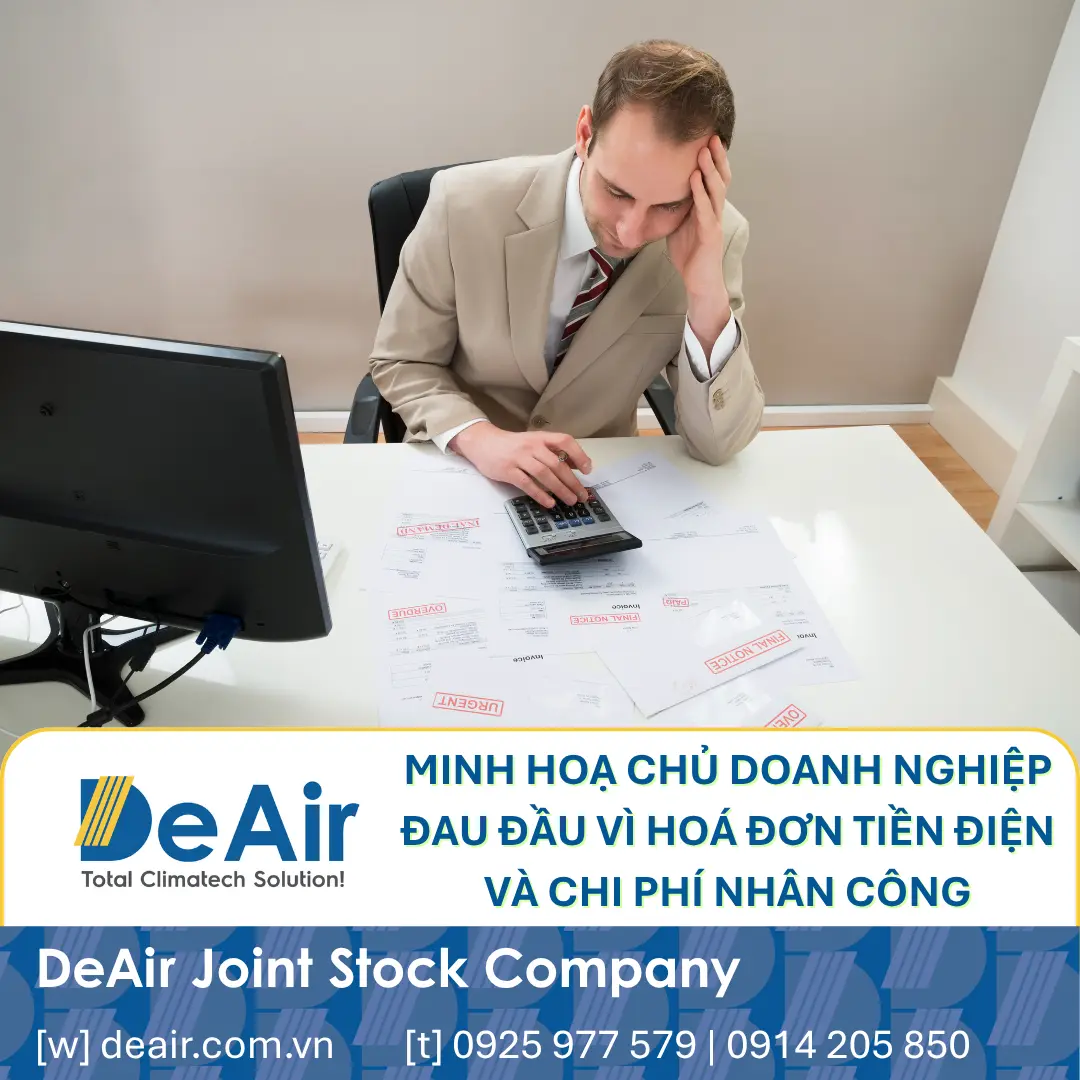
In industry, "energy saving" isn't just about saving a few dollars a month. It's about cutting hundreds of millions of VND in operating costs annually. This article will help you distinguish between them and choose the true industrial drying solution.
Energy costs account for a large proportion of the cost of dried products.
1. Why Resistance Drying Is "Eroding" Your Profits
Most old or cheap industrial dryers use electric resistance bars (heating coils) to create heat. This principle is simple but extremely wasteful. You pay for 1kW of electricity, and you get exactly 1kW of heat (Efficiency COP = 1). Then, most of this heat, along with the moisture, is blown outside by exhaust fans. This is a double waste, causing energy costs to account for 40-60% of the drying cost.
2. Heat-Pump Technology: The "King" of Energy-Saving Dryers
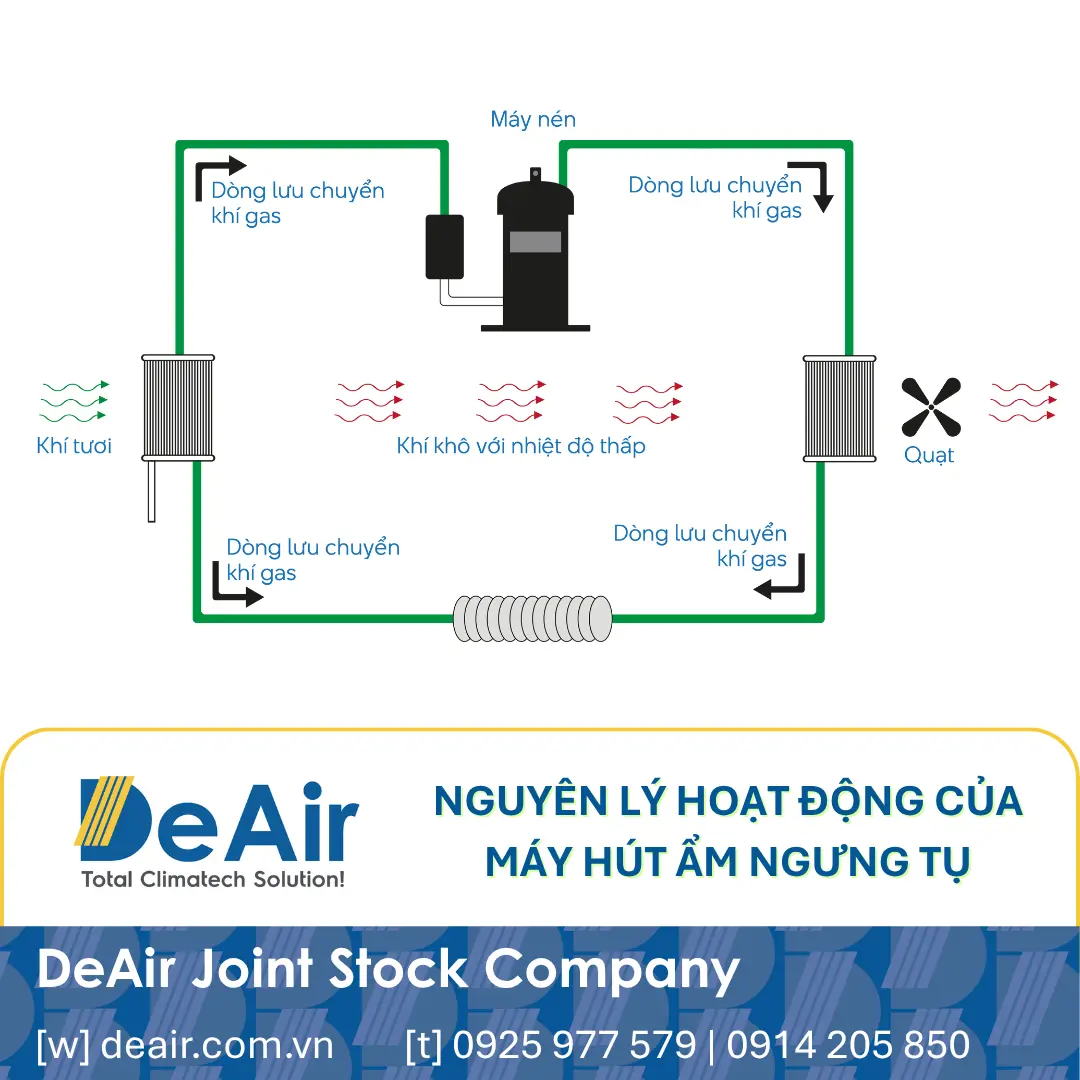
According to the U.S. Department of Energy, a Heat-Pump dryer uses a compressor to recover and recycle heat instead of burning electricity directly. The COP (Coefficient of Performance) of Heat-Pump dryers (like the DeAir/Daxwell series) typically ranges from 3.0 to 4.0. This means that for every 1kW of electricity consumed, the machine generates 3kW - 4kW of useful heat energy. Compared to resistance drying, this technology saves 50% to 75% of power consumption.
Heat-Pump technology recycles thermal energy, increasing energy efficiency by 3-4 times.
3. Real Applications in 3 "Energy-Hungry" Industries
Hospital laundries, hotels, or garment factories need to dry hundreds of kilograms of fabric per batch. The DeAir.RE-H dryer series is the perfect solution. Low drying temperatures (below 60°C) not only save massive amounts of electricity but also protect fabric fibers, preventing shrinkage or shape distortion common with high-temperature steam dryers.
DeAir.RE-H dryers help dry and preserve clothes efficiently and economically.
Agricultural & Food Processing
Soft-dried mango, jackfruit, banana, dried vegetables... need to retain color and vitamins. The Daxwell heat pump dryer with smart PLC control enables cold drying/heat pump drying at low temperatures, preserving color (no darkening due to high heat) and nutrition.
Video: Actual agricultural drying process using a Daxwell dryer.
Handicrafts (Rattan, Wood)
With long drying times (up to 24-48 hours), saving 60% on electricity with a large-scale Heat-Pump drying room will generate huge net profits for the business.
4. Calculation Table: How Much Money Can You Save?
Suppose you dry 1 ton of product, requiring the removal of 500kg of water. Electricity price: 2,000 VND/kWh.
Criteria
Resistance Drying (Old)
Heat-Pump Drying (DeAir)
Power Consumption/Batch
~ 700 kWh
~ 200 kWh
Cost/Batch
1,400,000 VND
400,000 VND
SAVINGS/BATCH
1,000,000 VND
SAVINGS/YEAR (300 batches)
300,000,000 VND
With these savings, the Return on Investment (ROI) for a Heat-Pump dryer is often under 18 months.
5. Frequently Asked Questions (FAQ)
1. Are Heat-Pump dryers expensive?
The initial investment cost is higher than resistance dryers, but the operating cost is much cheaper. In the long run, this is the most profitable investment.
2. What is the maximum temperature of a Heat-Pump dryer?
Depending on the model, drying temperatures typically range from 30°C to 80°C, suitable for preserving the quality of most agricultural products, foods, and industrial materials.
3. Can I use a Heat-Pump dryer for drying household clothes?
Not recommended. Industrial dryers are large, high-capacity, and have a static chamber design, which is not suitable for small household laundry loads. Families should choose specialized residential clothes dryer models.
Don't Let Profits Evaporate with Electricity Bills!
Contact DeAir to receive a detailed energy-saving calculation table for your factory and advice on the optimal industrial drying solution.


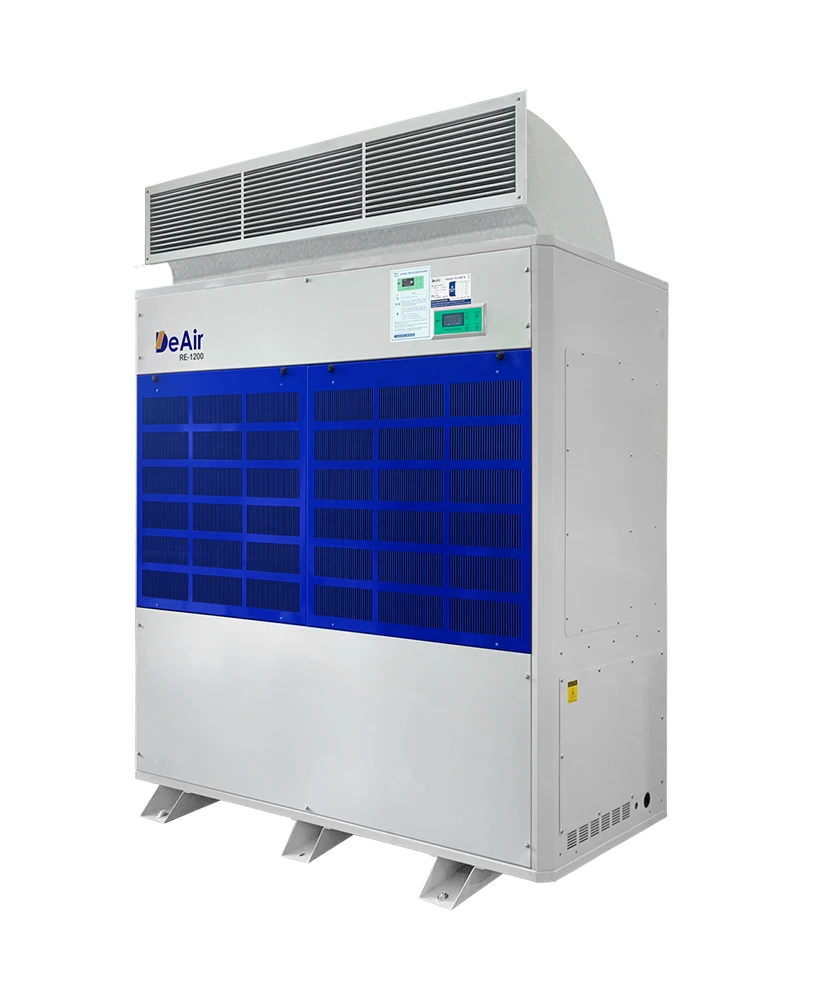 DeAir.RE
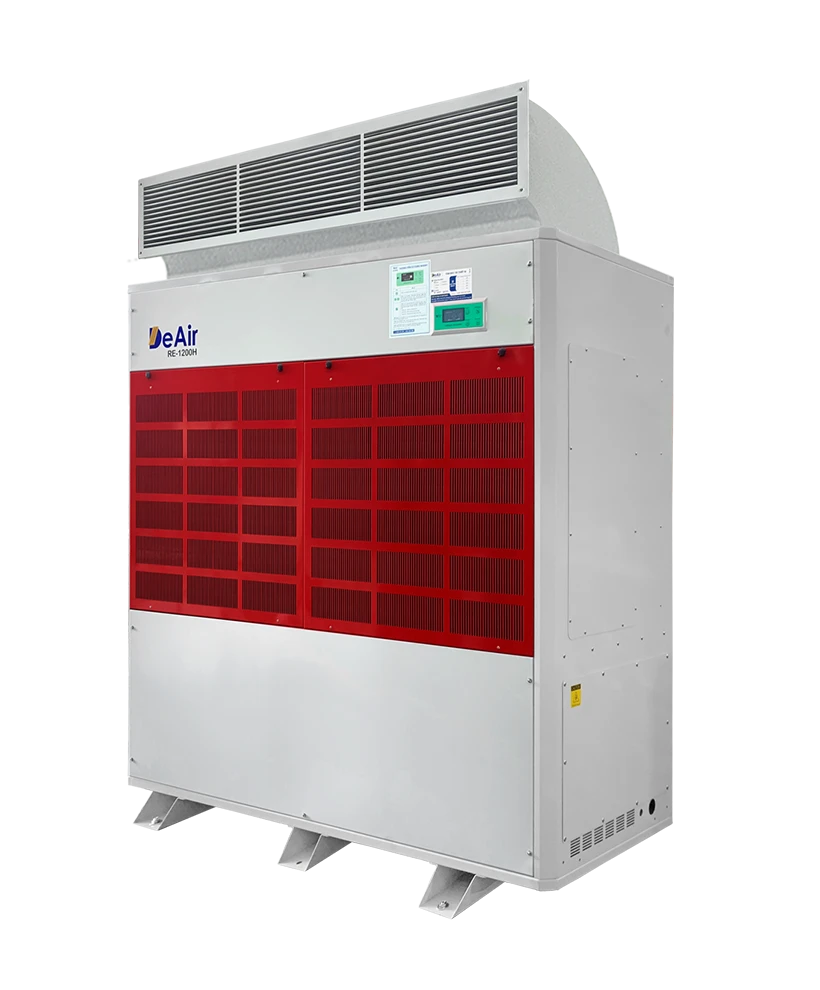 DeAir.RE-H
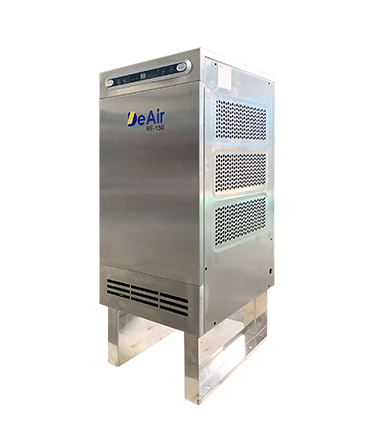 DeAir.RE-INOX
 DeAir.CRE
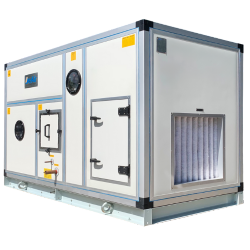 Dezenno
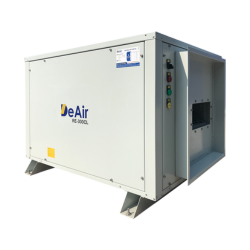 DeAir.RE-CL
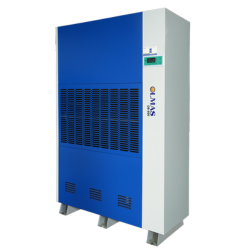 Olmas-OS
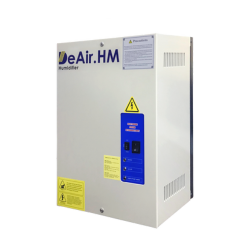 DeAir.HM
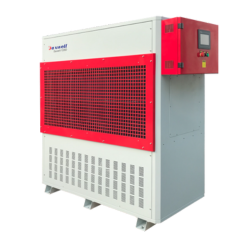 Daxwell
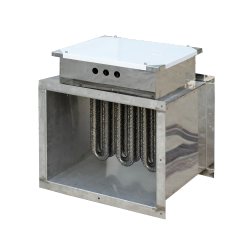 DeAir.Heat
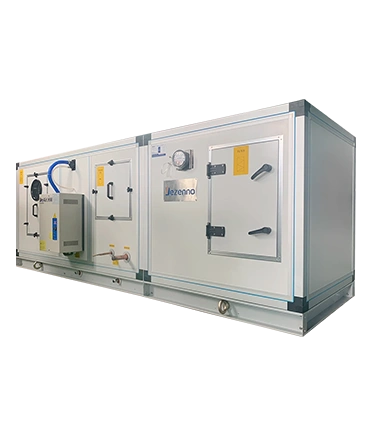 AHU
AHU






![[Case Study] DeAir Installs DeAir.De Rotor Humidity Control System for Pharmaceutical Plant in Binh Duong](https://deair.com.vn/thumbs/news/2023_04/ban_giao_may_cho_duoc_bd/[270x153-cr]image1-1024x772.jpg__cv.webp "[Case Study] DeAir Installs DeAir.De Rotor Humidity Control System for Pharmaceutical Plant in Binh Duong")

![[Review & Guide] Olmas OS-300: The New Humidity Control "Warrior" for Medium to Large Warehouses](https://deair.com.vn/thumbs/news/huong_dan_su_dung_may_olmas_21/[270x153-cr]vtm06440.png "[Review & Guide] Olmas OS-300: The New Humidity Control \"Warrior\" for Medium to Large Warehouses")