The "Invisible Enemy" of the Electrical Accessory Industry
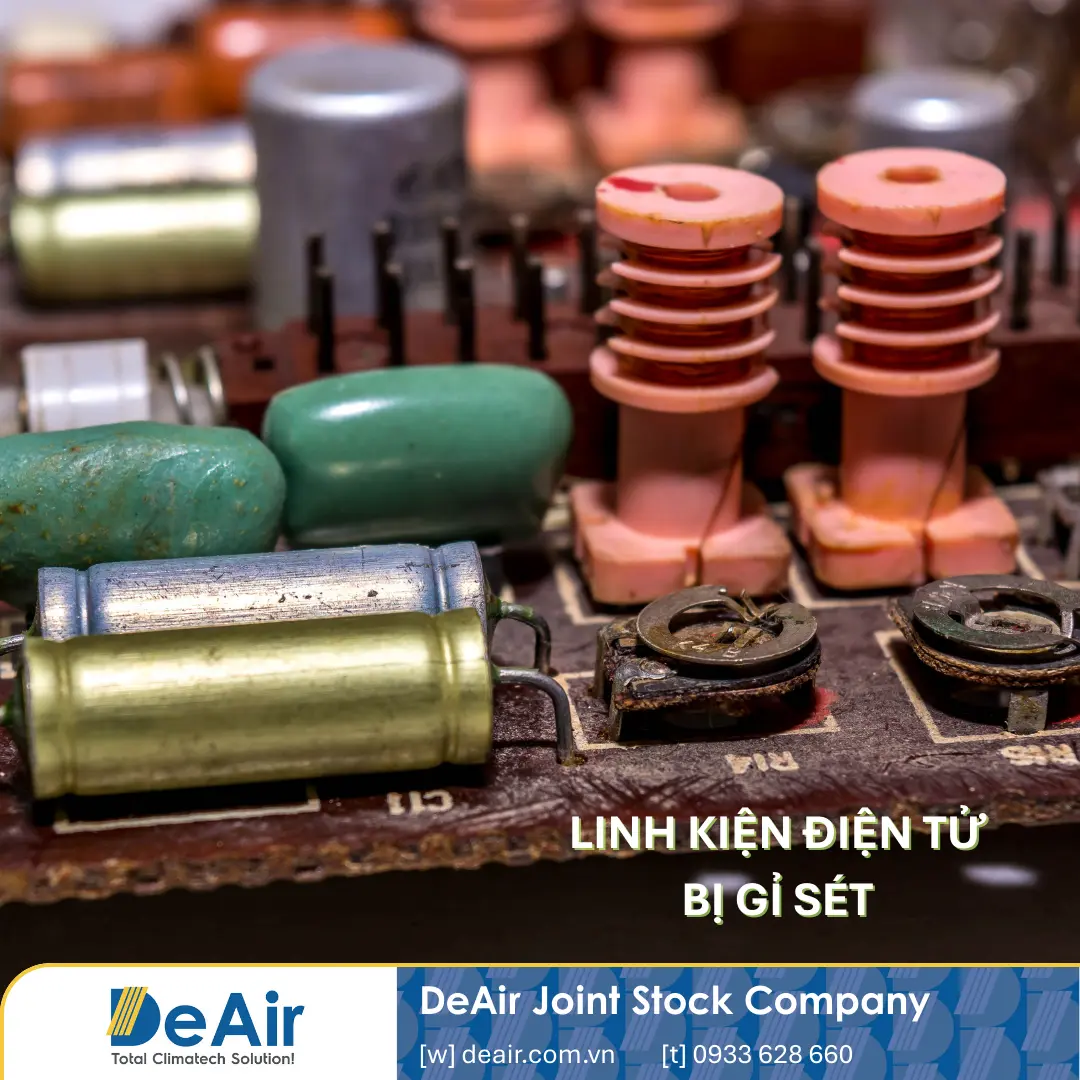
For manufacturers of electrical accessories (sockets, switches, cables, circuit breakers...), the two most critical materials are Copper (Cu) and Silver (Ag). However, these are also metals extremely sensitive to humidity. Once environmental humidity exceeds 60%, the oxidation process accelerates exponentially, turning shiny copper bars into tarnished, rusted metal overnight.
So how can you protect raw materials and finished products to meet export standards? This article analyzes international standards and specialized humidity control solutions from DeAir.
The presence of water vapor in the air is a powerful catalyst for oxidation reactions. The consequences of uncontrolled humidity in electrical equipment manufacturing plants are severe:
Increased Contact Resistance: Oxidized copper/silver contacts create an insulating oxide film, causing equipment to overheat during operation, potentially leading to short circuits or fire.
Packaging Damage: Cardboard boxes containing finished products become soft and moldy, losing the aesthetic value of the product.
Real consequence: Heavily oxidized components must be scrapped, causing significant losses.
2. Recommended Humidity Standards (ISO & IPC)
To prevent metal corrosion, factories need to adhere to safe humidity thresholds based on reputable international standards:
Technical References:
IPC/JEDEC J-STD-033 Standard: Regulations on packaging and handling of Moisture Sensitive Devices (MSD). Safe humidity to prevent oxidation and moisture absorption is < 10% RH (for exposed components) and < 60% RH (for general storage). [View JEDEC Source]
ISO 9223 Standard: Classification of atmospheric corrosivity. Humidity above 60% is considered the critical threshold where metal corrosion rates skyrocket. [View ISO Source]
DeAir recommends the following humidity levels for specific areas in electrical accessory factories:
🏢 Raw Material Warehouse (Copper, Steel, Plastic Granules): 45% - 50% RH.
Tarnished surface, rust spots appear after 24-48h.
Shiny surface, maintains good conductivity.
Packaging Quality
Soft, deformed, moldy carton boxes.
Sturdy packaging, protects products inside.
Defect Rate (NG)
Increases significantly during humid seasons.
Minimized and stable year-round.
4. DeAir Solution: Comprehensive Protection from Warehouse to Workshop
DeAir provides industrial dehumidifiers with Heat-Pump technology, helping to save 40-60% of electricity compared to older technologies, optimizing operating costs for electrical equipment factories.
Application 1: Humidity Treatment for Material & Finished Goods Warehouses (DeAir.RE-Series)
The large capacity DeAir.RE Series (from 100L to 1200L/day) is the most economical choice for controlling humidity in the range of 45% - 60%.
DeAir.RE-600 dehumidifier installed in a warehouse, ensuring a dry environment 24/7.
Real-world Video: Humidity Solution for Electronics Industry
Watch the actual effectiveness of DeAir dehumidifiers at an electronics component factory where extremely high precision is required:
Real-world Video: Installation at Bac Giang Mechanical Factory
For precision mechanical factories, rust prevention for molds and machine parts is equally important:
Prevent Rust Today!
Don't let humidity ruin your valuable shipments. Contact DeAir for a survey and the most cost-effective solution.


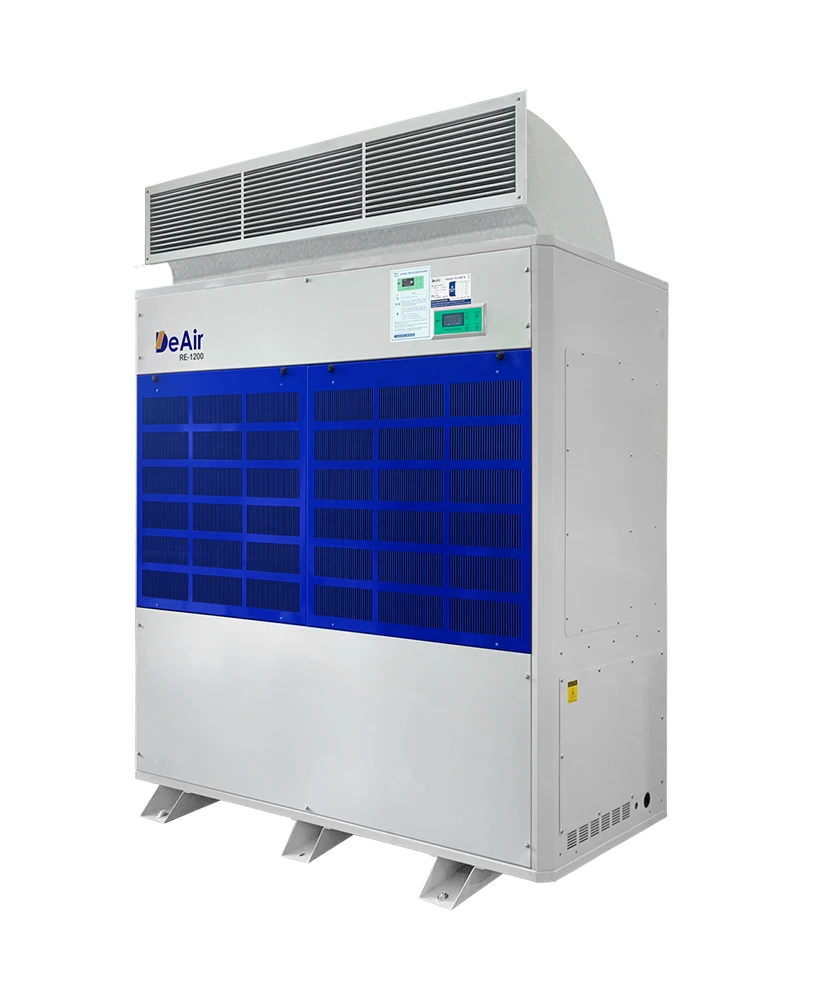 DeAir.RE
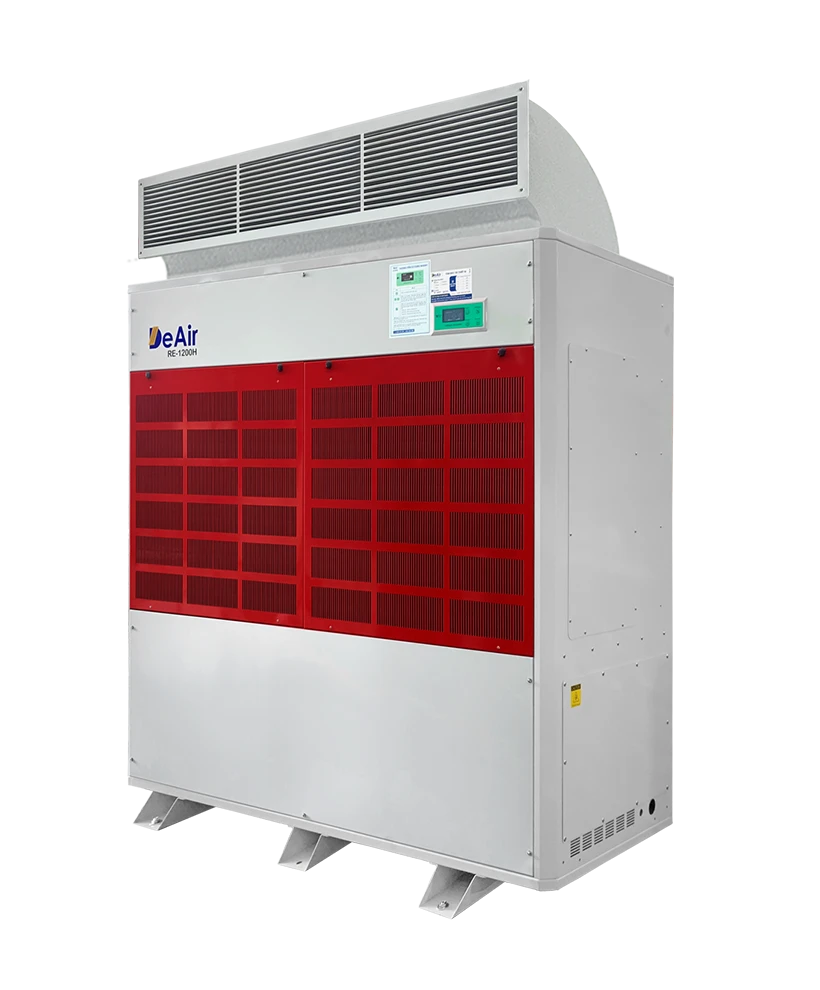 DeAir.RE-H
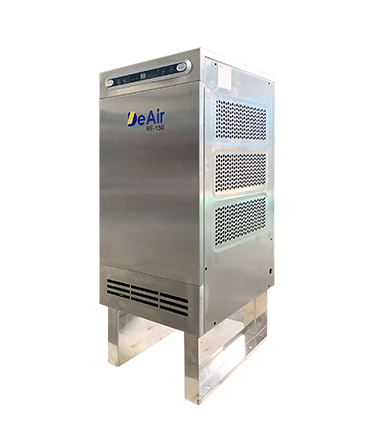 DeAir.RE-INOX
 DeAir.CRE
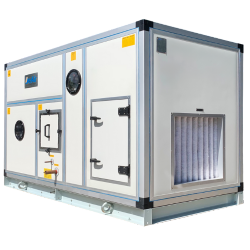 Dezenno
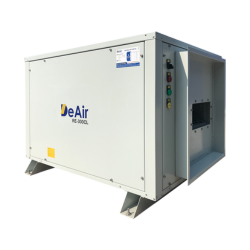 DeAir.RE-CL
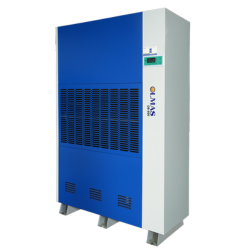 Olmas-OS
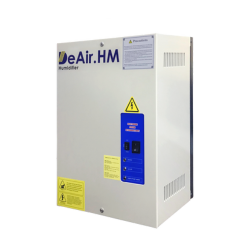 DeAir.HM
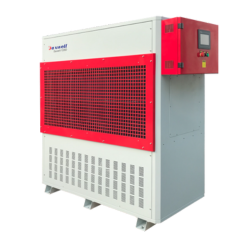 Daxwell
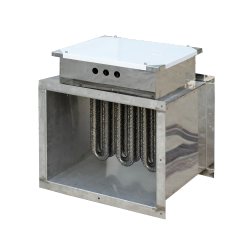 DeAir.Heat
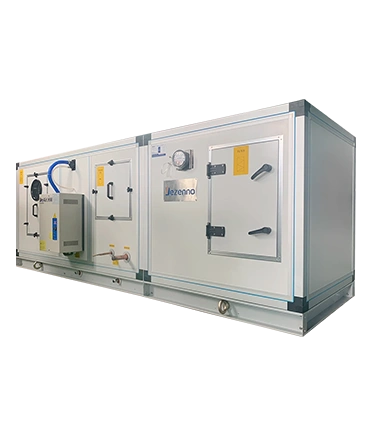 AHU
AHU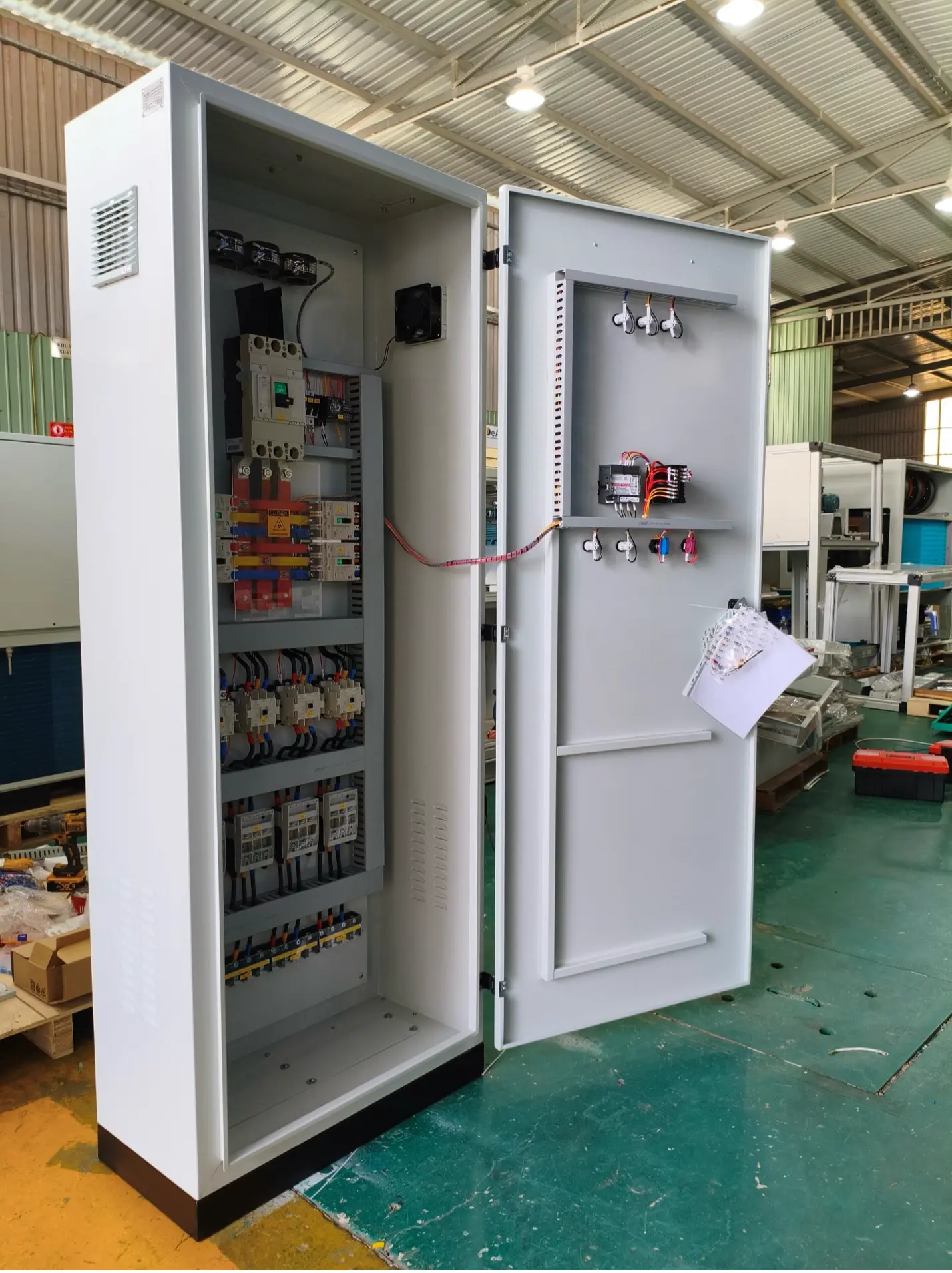







![[Case Study] DeAir Installs DeAir.De Rotor Humidity Control System for Pharmaceutical Plant in Binh Duong](https://deair.com.vn/thumbs/news/2023_04/ban_giao_may_cho_duoc_bd/[270x153-cr]image1-1024x772.jpg__cv.webp "[Case Study] DeAir Installs DeAir.De Rotor Humidity Control System for Pharmaceutical Plant in Binh Duong")

![[Review & Guide] Olmas OS-300: The New Humidity Control "Warrior" for Medium to Large Warehouses](https://deair.com.vn/thumbs/news/huong_dan_su_dung_may_olmas_21/[270x153-cr]vtm06440.png "[Review & Guide] Olmas OS-300: The New Humidity Control \"Warrior\" for Medium to Large Warehouses")