In the pharmaceutical industry, humidity is not just a number on a sensor screen. It is the fragile boundary between a GMP-compliant batch worth millions of dollars and a pile of scrap that must be destroyed. This article will take you on a journey to control this "invisible enemy," decode WHO-GMP, USP, and EU-GMP standards, and discover how DeAir establishes a microclimate "shield" for pharmaceutical & vaccine plants in Vietnam.
1. The "Invisible Enemy" & Sleepless Nights of Pharma Plant Managers
Imagine this: You have just dispatched a batch of vaccines worth millions of dollars. But just 48 hours later, the QA (Quality Assurance) department raises a red alert: "The batch shows signs of denaturation; protective potency has dropped severely." The culprit wasn't transportation, but an unexpected humid weather spell that overloaded the humidity control system in the 2-8°C cold room, creating microscopic condensation drops on the vial caps.
Or in another area, an effervescent tablet production line is forced into an emergency halt. The tablets, right after being pressed, immediately "absorb moisture" and swell, their surfaces dotted with tiny bubbles. The room humidity at this moment is 25%RH – far too high compared to the strict 15%RH threshold.
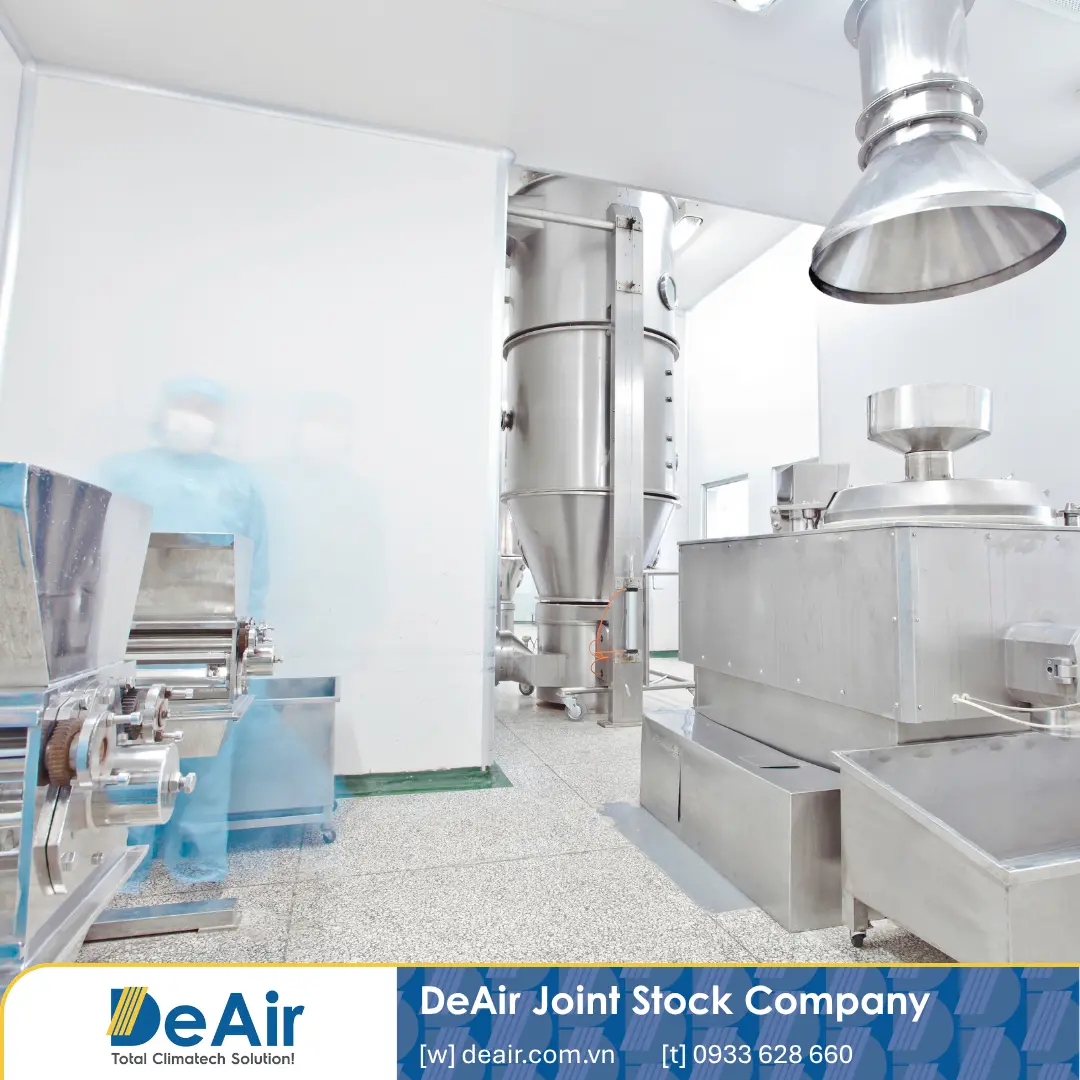
A pharmaceutical production line in a GMP cleanroom. Even a slight deviation in humidity can trigger a massive batch recall.
That is why Pharma Plant Managers consider the humidity control system the "second heart" of the factory, right alongside the production line itself.
2. The Strict "Rules of the Game" from International Standards
The pharmaceutical industry does not accept "approximations." Every environmental parameter is bound by global standards. If violated, the penalty is not just financial—it's the revocation of the GMP license.
🌡️ STORAGE ZONE MAP ACCORDING TO USP <1079> & WHO
Each temperature zone requires a distinct humidity control strategy to prevent condensation and active ingredient degradation.
Application: Most vaccines, Insulin. Requirement: 35-75%RH, ABSOLUTELY NO CONDENSATION.
🌡️ COOL / ROOM TEMP
8°C to 25°C
Application: Oral drugs, tablets. Requirement: 35-60%RH, prevent active ingredient hydrolysis.
* Choosing the wrong dehumidifier for a specific temperature zone is the #1 cause of "sweating" on equipment and product surfaces.
3. Navigating the Microclimate "Maze": From Deserts to Cold Zones
Step into an EU-GMP compliant pharmaceutical plant, and you might think you are walking through different geographical regions of the world. Each process "demands" its own unique microclimate:
🏭 THE BIZARRE CONTRASTS WITHIN A SINGLE FACTORY
🏜️ EFFERVESCENT TABLET COMPRESSION ROOM
Temperature: 32°C
15%RH
Dry as a desert. If it exceeds 20%RH, the powder will clump, and tablets will crack during blister packing.
🌿 SOFT GELATIN CAPSULE FORMING ROOM
Temperature: 21-24°C
25-30%RH
Perfect balance. If too dry, the shell becomes brittle and cracks. If too humid, the shell becomes sticky and jams the mold.
🧊 VACCINE COLD CHAIN WAREHOUSE
Temperature: 2°C to 8°C
35-75%RH
Cool and dry. Absolutely prevent humidity from exceeding the dew point, causing condensation that damages labels and penetrates vaccine vials.
4. The Domino Effect: When Humidity Destroys a Million-Dollar Batch
Humidity doesn't destroy products instantly. It silently creates a "domino chain" of devastation, and by the time it's discovered, it's often too late:
💧
1. MOISTURE ABSORPTION
Active ingredients & excipients absorb water from the air.
➔
⚗️
2. HYDROLYSIS
Chemical reactions break down the active ingredient bonds.
➔
📉
3. LOSS OF POTENCY
Drugs/vaccines lose their therapeutic efficacy.
➔
⚠️
4. RECALL & LITIGATION
Total loss of the batch, GMP license revoked.
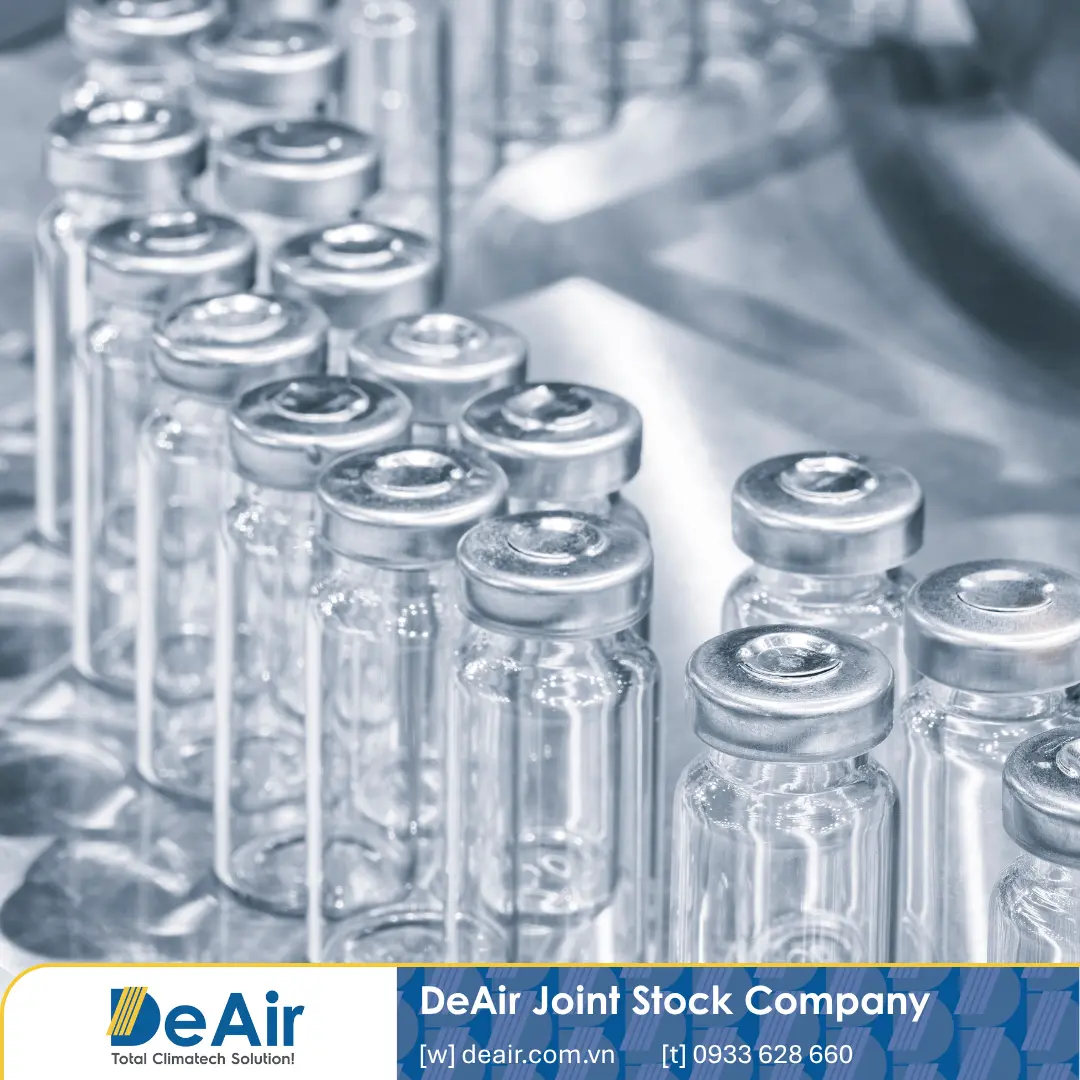
A vaccine production line. Strict humidity control is a matter of life and death to ensure the immunological potency of the product.
5. DeAir - The Comprehensive Microclimate "Weapon"
To solve the "every room has a different microclimate" puzzle, DeAir doesn't just sell a standalone dehumidifier. We provide a humidity control ecosystem, meticulously calculated based on the moisture load of each specific zone:
🛡️ DEAIR.RE HEAT-PUMP DEHUMIDIFIER
The "Warrior" for standard pharma warehouses & finished goods storage.
Theory is one thing, but how does DeAir perform in the trenches? Here are two typical "battlegrounds" where we helped our clients overcome critical challenges:
Context: During the humid season, the compression room humidity constantly fluctuated at 35%RH. Tablets right out of the press were "sweating," jamming the packaging machines. The client faced the risk of failing the GMP audit.
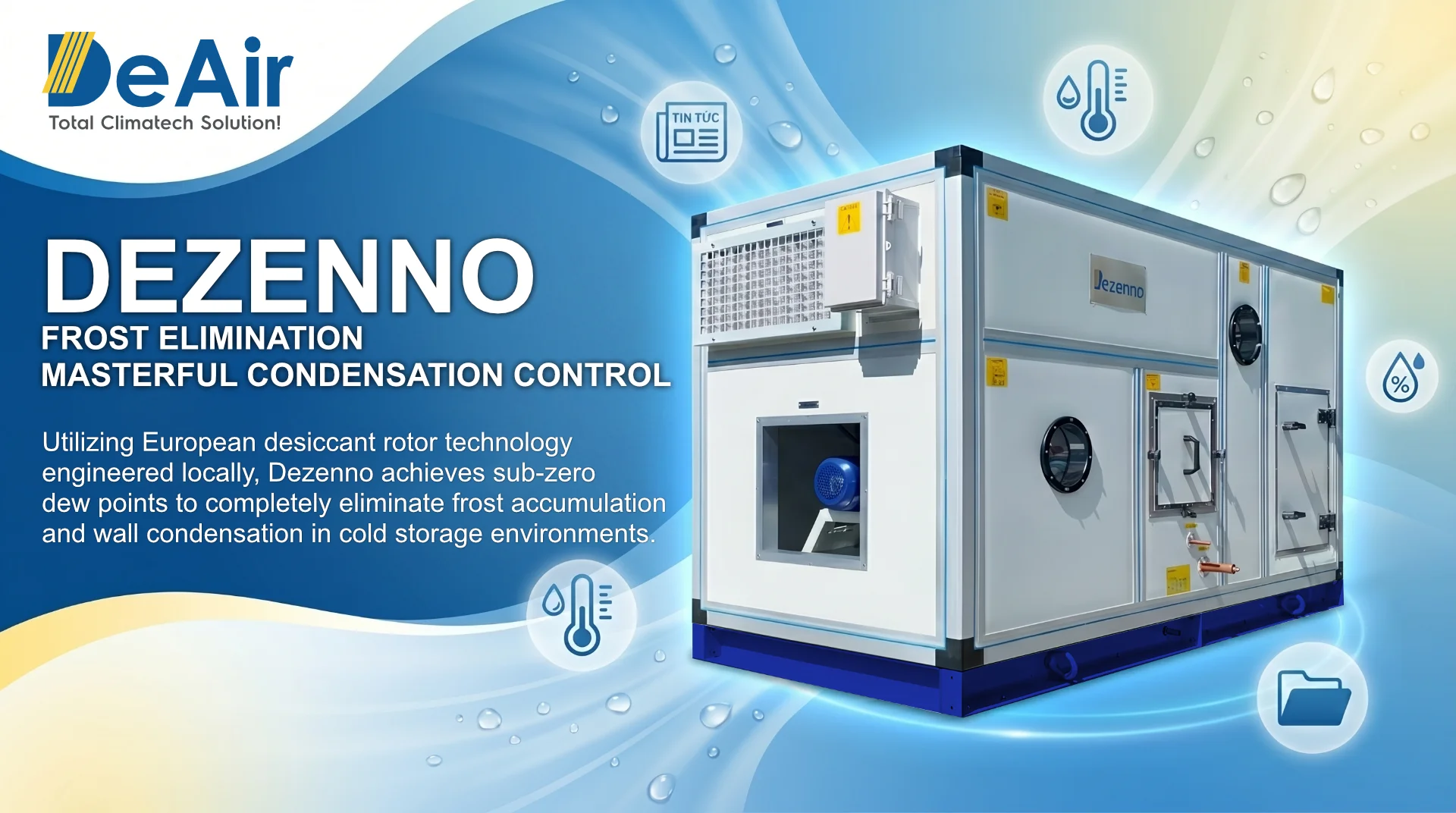
DeAir Solution: Installed a Dezenno Rotor system utilizing Molecular Sieve material. Dry air was blown directly into the compression zone.
Result: Room humidity was "hard-locked" at 12-15%RH regardless of the weather outside. The line ran 24/7 stably, and the batch met 100% of EU export standards.
Context: The 2-8°C cold room frequently suffered from frost buildup and water dripping from the ceiling onto the cartons containing vaccine vials. The root cause was outside moisture ingress and "stifled" air inside the room.
DeAir Solution: Deployed DeAir.RE Heat-Pump dehumidifiers specialized for low-temperature environments, combined with an evenly distributed duct system and a 24/7 BMS dew-point monitoring integration.
Result: Completely eliminated condensation. Humidity maintained steadily at 50%RH. The BMS continuously logged data, making it incredibly easy for the plant to present compliance records to WHO-GMP inspection teams.
7. Frequently Asked Questions (FAQ)
Q1: Why can't domestic/residential dehumidifiers be used in pharma warehouses?
Residential units can only drop humidity to about 50-60%RH and lack an auto-defrost function when operating in a 2-8°C cold room. This leads to the cooling coil freezing over, causing water to drip back onto the products. DeAir's industrial machines are specifically engineered for heavy moisture loads and feature automatic defrost systems.
Q2: How to prove humidity control compliance to GMP inspectors?
DeAir provides a BMS/PLC integration solution. This system automatically charts temperature and humidity 24/7, saving data to the cloud or an internal server. During an inspection, you simply export a PDF report in a few clicks. This data is digitally secure, ensuring data integrity (compliant with FDA 21 CFR Part 11).
Q3: Is the CAPEX for a Dezenno Rotor system for effervescent rooms too high?
The initial CAPEX for a Rotor system is higher than conventional condensation dehumidifiers. However, when you factor in not having to scrap defective batches, avoiding GMP violation fines, and saving energy through heat reactivation technology, the Return on Investment (ROI) period is typically just 12-18 months. DeAir will provide a detailed ROI calculation specifically for your plant.
Protect Your Batches - Maintain GMP Compliance
Don't let humidity silently destroy the fruits of your R&D and manufacturing efforts. Let DeAir design a perfect microclimate "shield," strictly adhering to WHO-GMP, USP, and EU-GMP.
Does your pharmaceutical plant need a free site survey and moisture load calculation?
📞 Contact Ms. Hong: 0933 628 660
🌐 Discover more in-depth solutions at: deair.com.vn


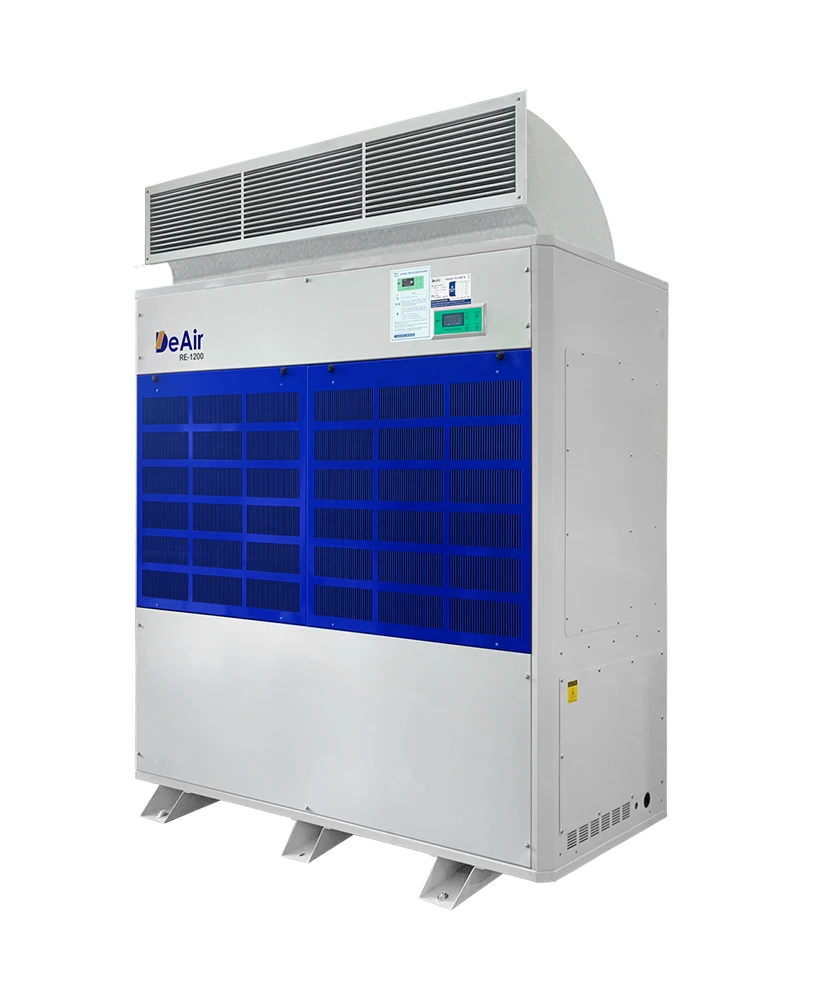 DeAir.RE
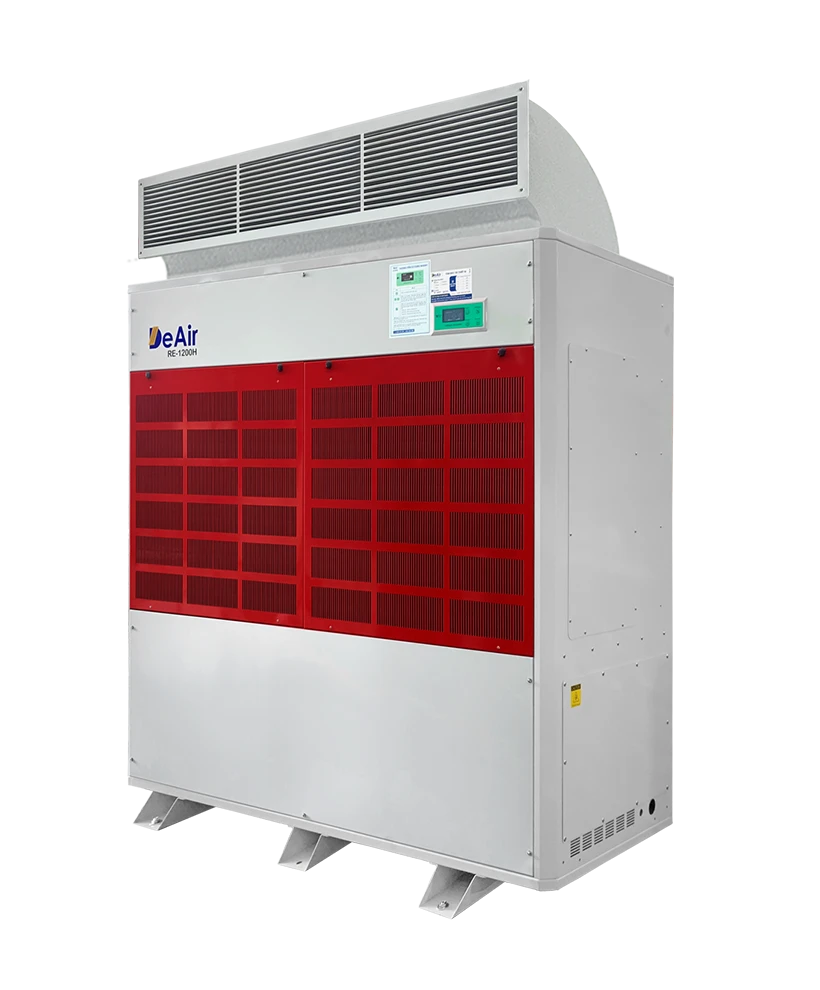 DeAir.RE-H
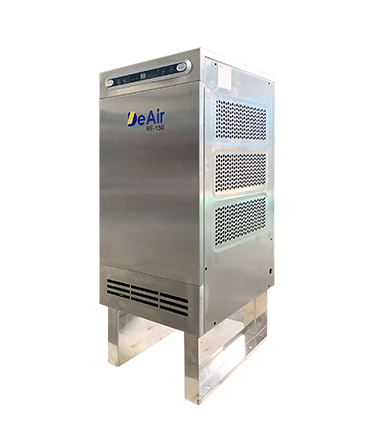 DeAir.RE-INOX
 DeAir.CRE
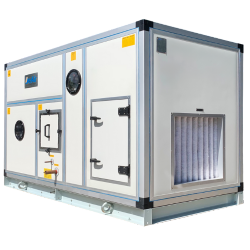 Dezenno
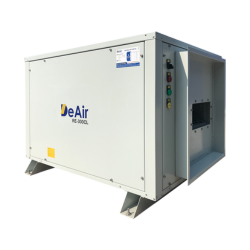 DeAir.RE-CL
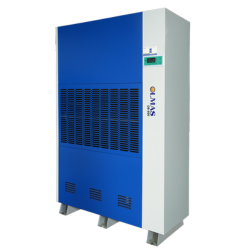 Olmas-OS
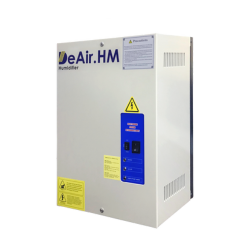 DeAir.HM
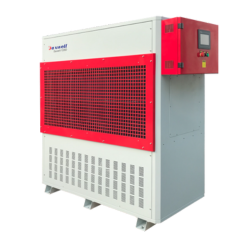 Daxwell
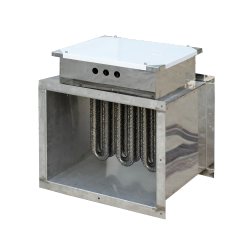 DeAir.Heat
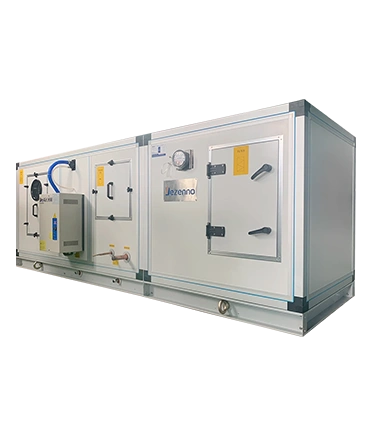 AHU
AHU





![[Case Study] DeAir Installs DeAir.De Rotor Humidity Control System for Pharmaceutical Plant in Binh Duong](https://deair.com.vn/thumbs/news/2023_04/ban_giao_may_cho_duoc_bd/[270x153-cr]image1-1024x772.jpg__cv.webp "[Case Study] DeAir Installs DeAir.De Rotor Humidity Control System for Pharmaceutical Plant in Binh Duong")
![[Review & Guide] Olmas OS-300: The New Humidity Control "Warrior" for Medium to Large Warehouses](https://deair.com.vn/thumbs/news/huong_dan_su_dung_may_olmas_21/[270x153-cr]vtm06440.png "[Review & Guide] Olmas OS-300: The New Humidity Control \"Warrior\" for Medium to Large Warehouses")