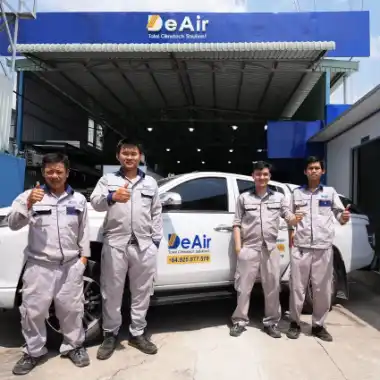
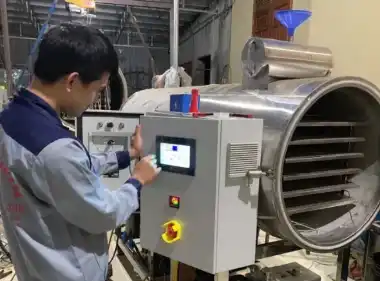
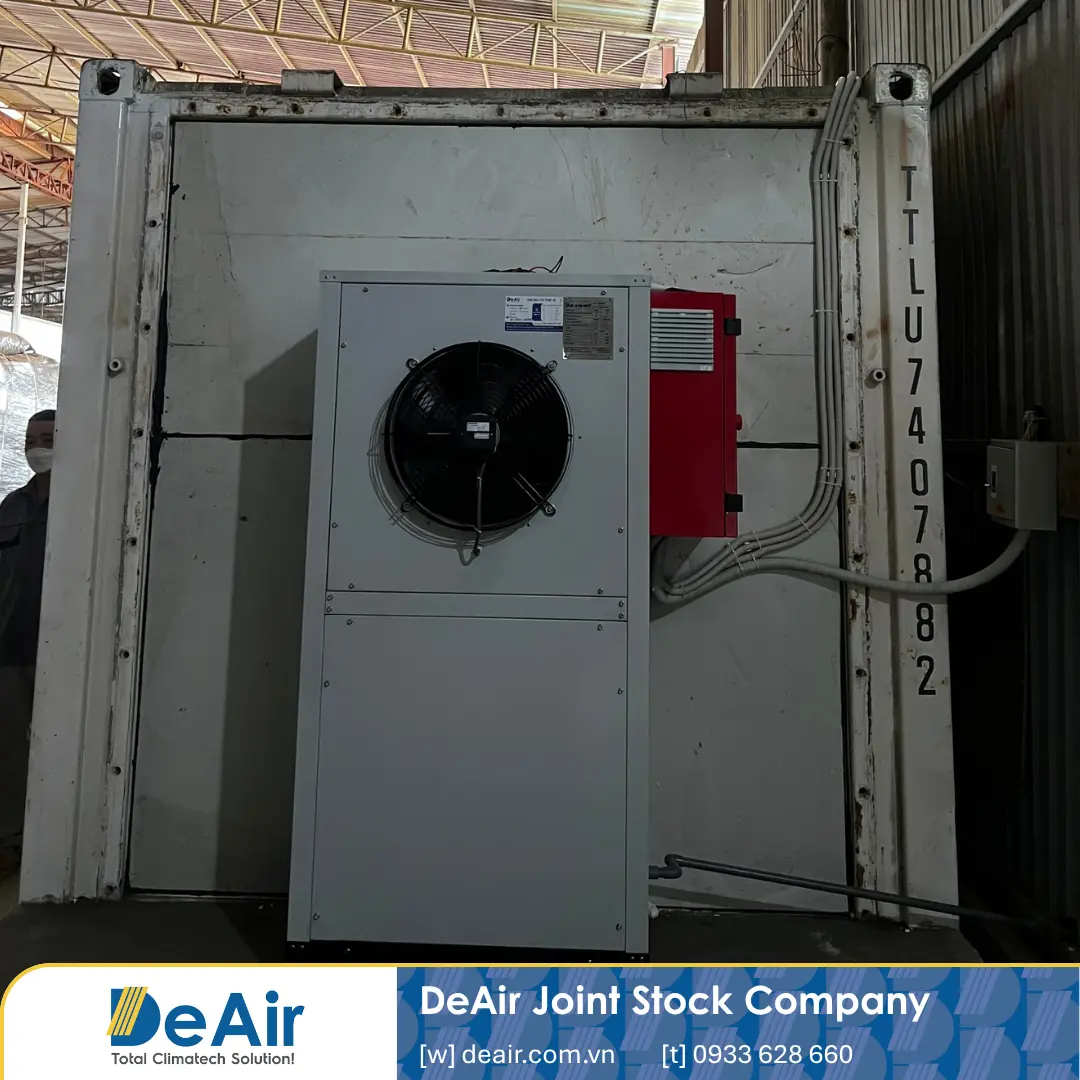
DeAir engineers installing the stainless steel DeAir.RE-600H dehumidifier at a food processing plant, meeting GMP/HACCP standards.
💡 Executive Summary
Context: The global food market is shifting strongly toward the "Clean Label" trend, minimizing chemical preservatives.
Standards pressure: The EU is tightening chemical residue regulations (Regulation 2023/915), the FDA mandates strict GMP certifications, and California proposes banning 5 food additives.
Technology trend: A shift from chemical preservation to physical solutions: precise humidity control, Heat-Pump drying, and vacuum sealing.
DeAir Solution: The ecosystem of Daxwell Heat-Pump dryers, DeAir.RE industrial dehumidifiers, and Dezenno rotor dehumidifiers fully meets high-end export standards.
1. Market Context: Pressure from Increasingly Stringent International Standards
1.1. New Regulations from Key Markets
🚨 STRICT REGULATIONS FROM MAJOR MARKETS
European Union (EU):Regulation 2023/915 reduces maximum cadmium residue levels for fruits (strawberries, citrus, mangoes, bananas, pineapples). The EU is drafting amendments to MRLs for many active plant protection substances.
United States (FDA): Mandates GMP (Good Manufacturing Practice) certification for dried fruits and vegetables. The Food Traceability Rule requires transparent data logging.
California, USA: The first state to propose banning 5 potentially harmful food additives.
Japan: JAS standards require strict controls on agricultural chemical residues.
1.2. Challenges for Vietnamese Export Enterprises
Risk of import rejection: Failure to meet MRLs (Maximum Residue Limits) results in returned or destroyed shipments.
Rising testing costs: Must test multiple chemical and microbiological indicators.
Competitive pressure: Countries like Thailand and the Philippines are also shifting toward Clean Label.
Transparency demands: Buyers require full traceability and detailed production logs.
2. The Global "Clean Label" Explosion
2.1. Clean Label Definition
Clean Label is a standard system aimed at simplifying food ingredients, eliminating unnecessary additives, and increasing the use of natural, easily recognizable ingredients from sustainable sources.
2.2. The Global Clean Label Market
🌿 GLOBAL TRENDS
North America: Consumers prioritize seeking out products "free from additives and preservatives".
Europe: The trend of choosing Clean Label products has become a standard for healthy, transparent living.
Southeast Asia: Clean Label is exploding, with consumers becoming increasingly "demanding".
Globally: The natural preservative market is expected to grow at a CAGR of 4.7% from 2025-2034.
2.3. Why Clean Label is the "Ticket" to Premium Markets
Market stability: EU, US, and Japanese partners commit to long-term contracts.
Reduced risk: No more worries about import rejections or product recalls.
Stronger brand: Positioning as a clean, safe food manufacturer.
3. Safe Humidity Standards for Dried Foods
3.1. Why is Moisture a Critical Factor?
High humidity creates conditions for mold and bacteria to thrive, causing rapid spoilage and failure to meet microbiological standards. Conversely, low moisture enables long-term preservation without chemicals, naturally inhibiting microorganisms and extending shelf life. The FDA requires that dried foods be produced according to GMP, with strict moisture control.
3.2. Safe Moisture Thresholds According to International Standards
Based on the document "Recommended Temperature and Humidity Conditions by Environment" and research from Practical Action:
📊 SAFE MOISTURE THRESHOLDS FOR DRIED FOODS
Food Type
Safe Moisture (%)
Shelf Life
Risk When Exceeded
Dried fruits (mango, jackfruit, banana)
<20%
12-18 months
Mold, fermentation
Dried vegetables (carrots, onions, garlic)
<10%
18-24 months
Mold, discoloration
Grains & seeds (rice, corn, beans)
10-15%
12-24 months
Germination, aflatoxin
Dried meat & fish (jerky, dried squid)
<20%
6-12 months
Bacteria, rancidity
Spices & herbs (pepper, chili, cinnamon)
<10%
24-36 months
Aroma loss, mold
Tea & coffee
<8%
24-36 months
Flavor loss, moisture
Milk powder, whey
15-20%
12-18 months
Caking, quality loss
* Sources: "Recommended Temperature and Humidity Conditions by Environment" document & Practical Action
3.3. Consequences of Poor Moisture Control
Aspergillus mold: Produces aflatoxin – a liver cancer-causing toxin strictly controlled by the EU and FDA.
Salmonella, E. coli bacteria: Causes food poisoning and product recalls.
Color and flavor changes: Products darken, lose aroma, reducing commercial value.
7. Real-World Case Studies – How DeAir Helped Vietnamese Enterprises Export Successfully
7.1. Chewy Dried Mango Export to South Korea – Cao Lanh Cooperative, Dong Thap
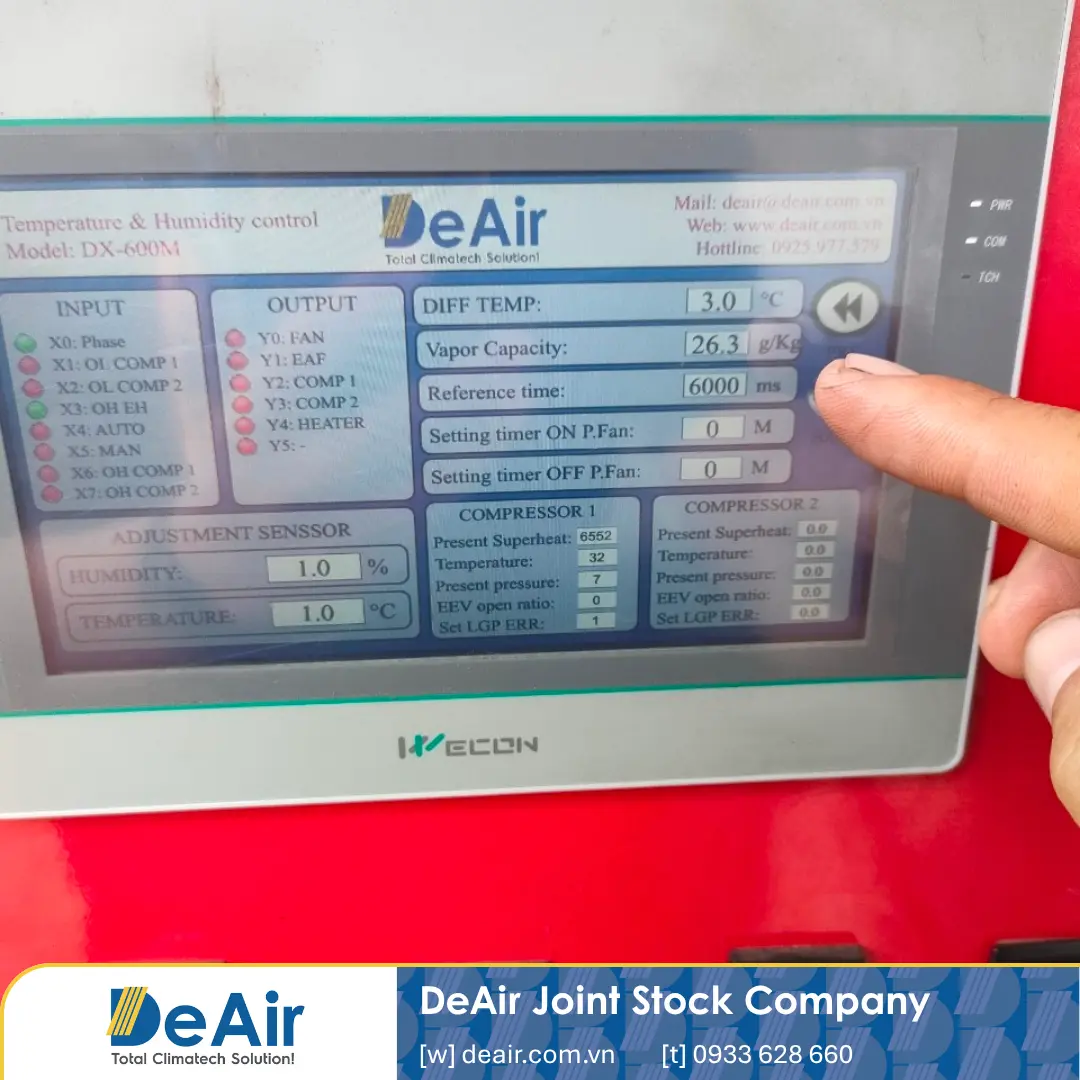
Challenge: South Korea requires strict chemical residue limits and moisture <20%. Solution: Daxwell DX-600M, drying at 45-55°C for 12-15 hours. Result: Achieved FDA certification, stable exports of 20 tons/month, selling price increased 3x.
7.2. Soursop Tea Drying – Hau Giang Company
Challenge: Soursop easily turns black and loses aroma at high drying temperatures. Solution: Daxwell cold drying at 40-50°C with precise moisture control. Result: Preserved original aroma, successfully exported to Japan and the EU.
7.3. Export Pepper Storage Warehouse – Gia Lai Company
Challenge: Green pepper requires 10% moisture; exceeding this causes mold and import rejection. Solution: DeAir.RE-600 + Dezenno rotor, maintaining 25-30% RH continuously. Result: Zero rejected shipments, absolute trust from EU partners.
7.4. Wind-Dried Persimmon Export to Japan – Da Lat Farm
Challenge: Traditional wind-dried persimmons depend on weather, with a 30-40% spoilage rate. Solution: DeAir.CRE isothermal system, simulating natural conditions (25-35°C, 50-60% RH). Result: >95% success rate, exporting 50 tons/year to Japan.
8. The 4-Step "Clean Label" Strategy for Vietnamese Food Enterprises
🚀 4-STEP STRATEGY TO ACHIEVE CLEAN LABEL
🔍
Step 1: Assess Current State
Audit the entire process, identify chemical usage points, assess risks.
⚙️
Step 2: Invest in Technology
Replace chemicals with Heat-Pump dryers, dehumidification systems, vacuum sealing.
👨🏫
Step 3: Train Personnel
Train on operation, maintenance, and production log recording per GMP standards.
🏆
Step 4: International Certification
Achieve FDA, HACCP, ISO 22000, BRC to export to premium markets.
9. Frequently Asked Questions (FAQ)
Q1: Does Clean Label require completely eliminating all chemicals?
It does not require complete elimination, but must minimize usage and only use permitted substances from natural sources. Physical solutions (drying, dehumidification, vacuum sealing) are prioritized over chemicals to achieve comprehensive Clean Label compliance.
Q2: Are Heat-Pump dryers more expensive than traditional dryers?
Initial investment costs are 20-30% higher, but the payback period is only 12-18 months thanks to 50% energy savings. After that, net profit is generated from reduced operating costs and higher selling prices for Clean Label products.
Q3: How do I prove my products meet Clean Label standards for export?
Required documentation includes: (1) Transparent ingredient list, (2) GMP/HACCP certification, (3) Test results confirming no chemical residues, (4) Production logs from the Daxwell PLC/HMI system recording the entire drying process.
Q4: Does DeAir offer consulting on drying processes for specific foods?
YES. DeAir has a team of specialized engineers who have deployed hundreds of projects. We provide "tailor-made" consulting packages for optimal temperature-humidity-time curves for each food type, committing to technology transfer until export standards are achieved.
Don't Let Chemicals "Block" Vietnamese Foods from Going Global!
Let DeAir partner with you to architect Clean Label solutions that meet EU, FDA, and JAS standards with advanced Heat-Pump drying and dehumidification technology.
Contact us now for a free site survey and consultation!


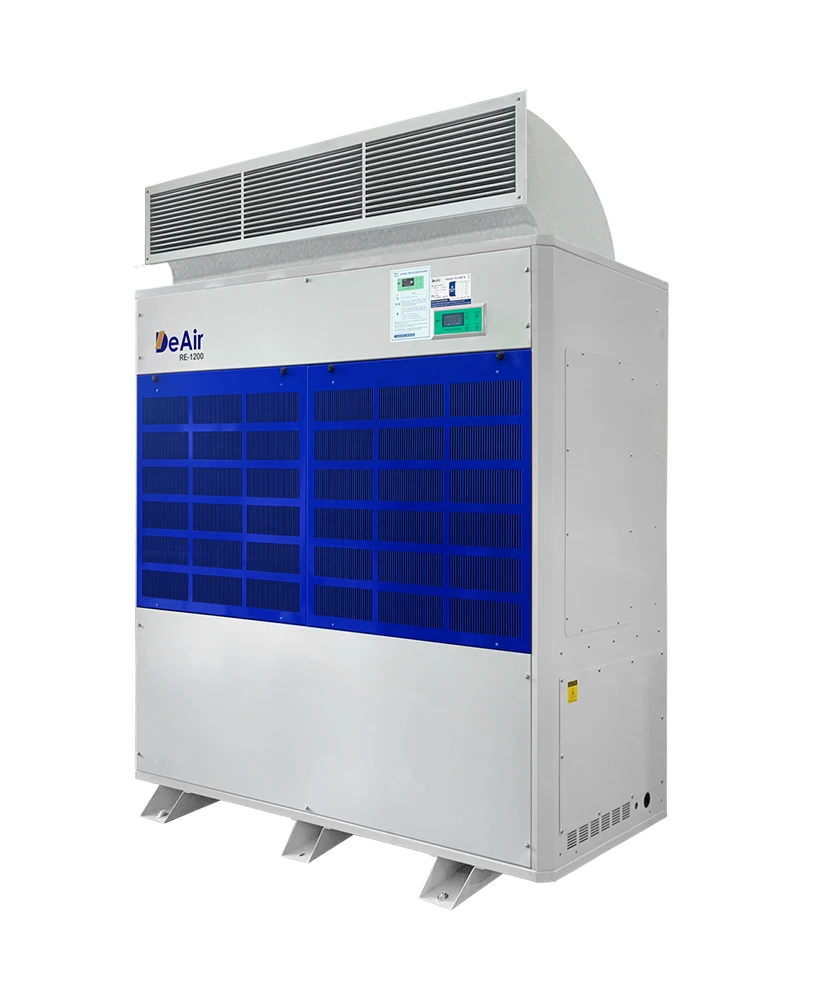 DeAir.RE
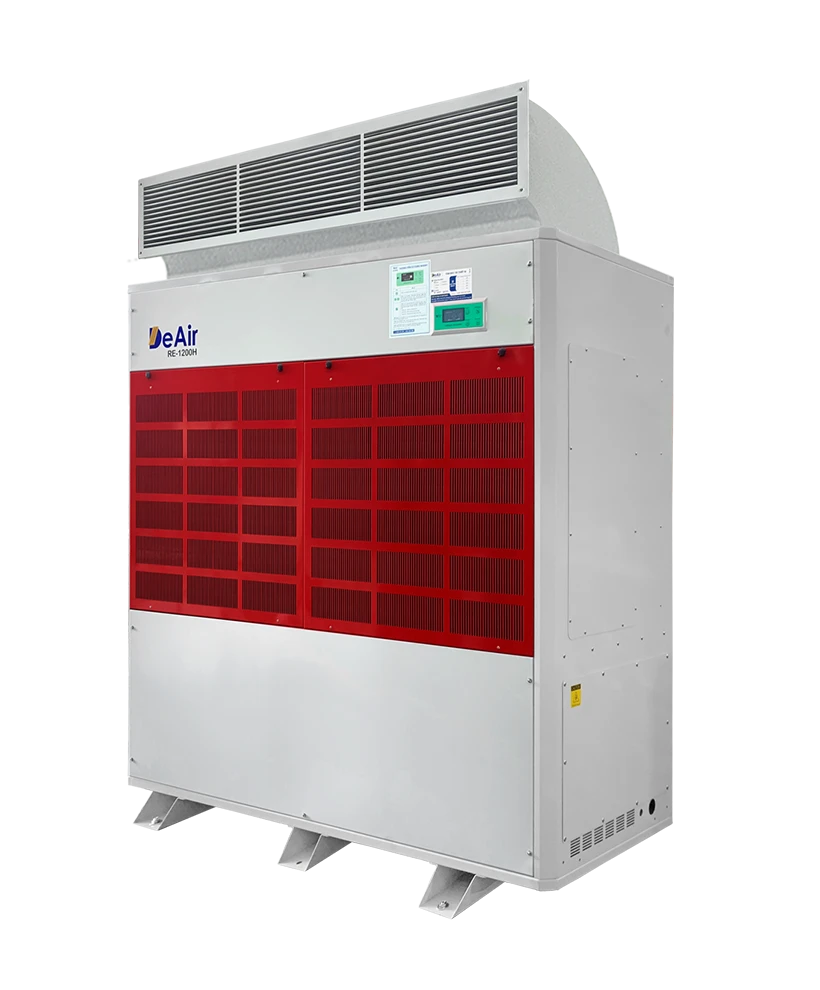 DeAir.RE-H
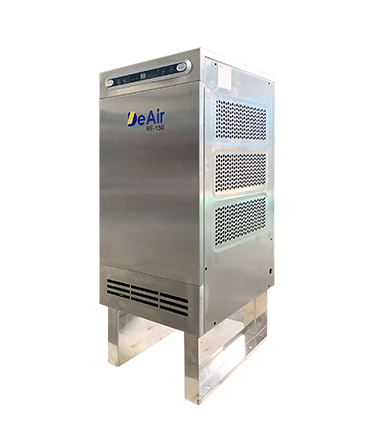 DeAir.RE-INOX
 DeAir.CRE
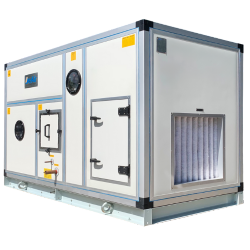 Dezenno
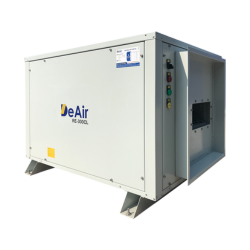 DeAir.RE-CL
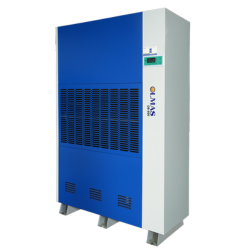 Olmas-OS
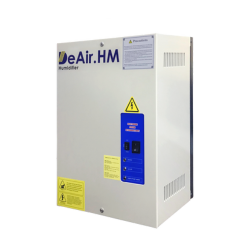 DeAir.HM
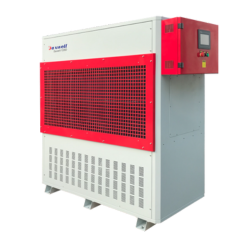 Daxwell
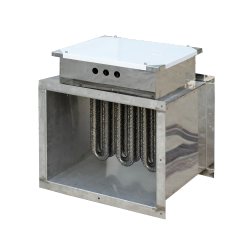 DeAir.Heat
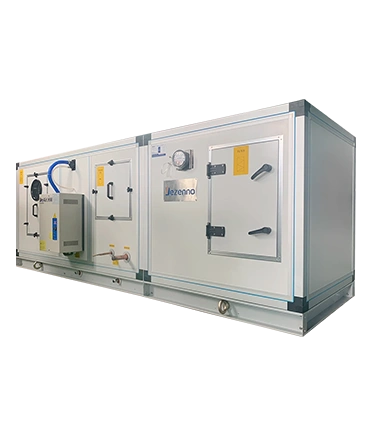 AHU
AHU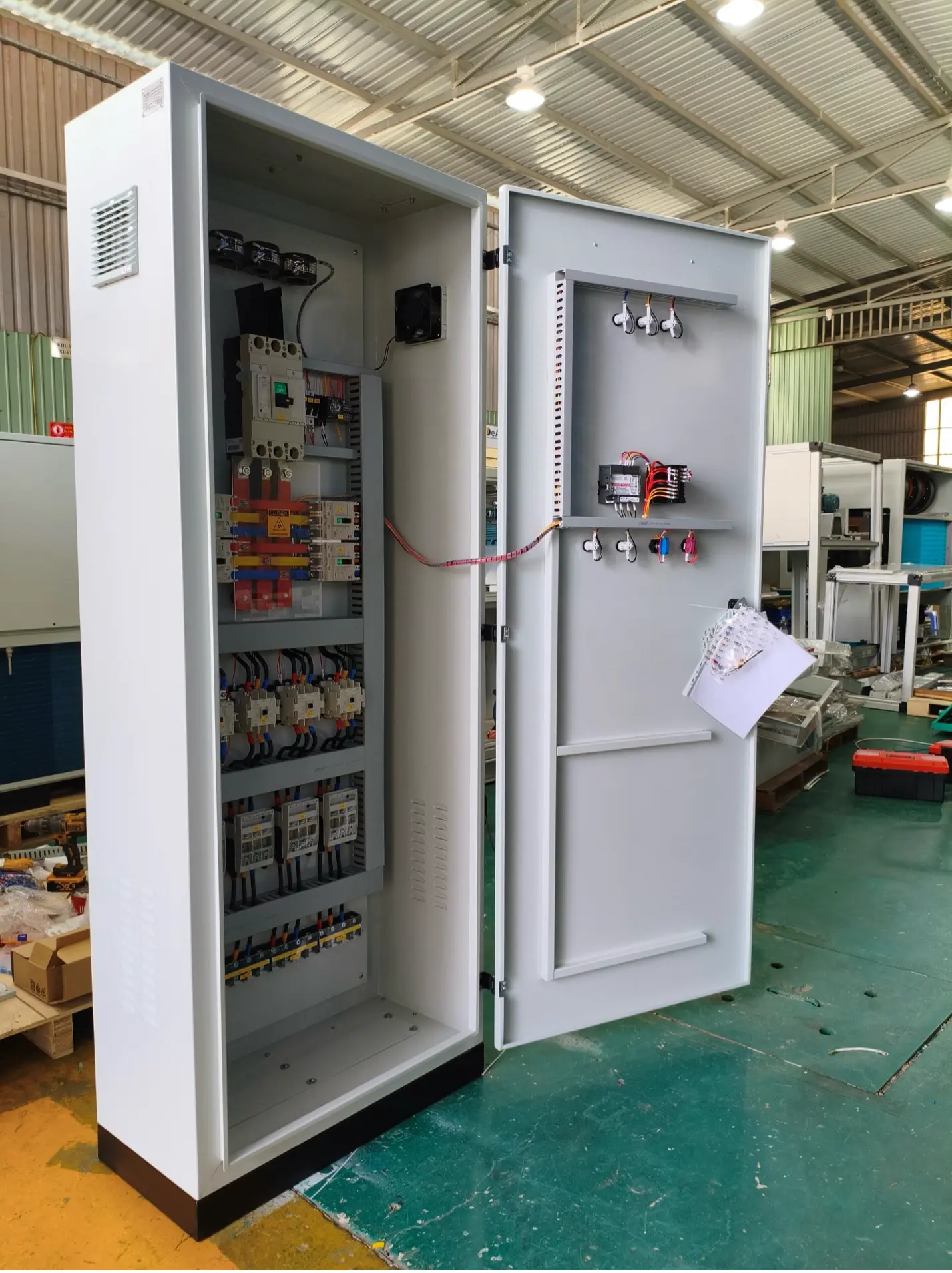





![[Case Study] DeAir Installs DeAir.De Rotor Humidity Control System for Pharmaceutical Plant in Binh Duong](https://deair.com.vn/thumbs/news/2023_04/ban_giao_may_cho_duoc_bd/[270x153-cr]image1-1024x772.jpg__cv.webp "[Case Study] DeAir Installs DeAir.De Rotor Humidity Control System for Pharmaceutical Plant in Binh Duong")
![[Review & Guide] Olmas OS-300: The New Humidity Control "Warrior" for Medium to Large Warehouses](https://deair.com.vn/thumbs/news/huong_dan_su_dung_may_olmas_21/[270x153-cr]vtm06440.png "[Review & Guide] Olmas OS-300: The New Humidity Control \"Warrior\" for Medium to Large Warehouses")