DeAir industrial dehumidifier effectively eliminates condensation on seafood plant ceilings and walls.
💡 Executive Summary
Context: The EU seafood market is undergoing a profound shift in consumption habits, especially among younger generations.
Key Trend: A shift from purchasing whole fish for home preparation to convenient products (fillets, portioned, ready-to-cook, ready-to-eat).
Opportunity for Vietnam: Vietnamese seafood enterprises can seize the opportunity by investing in deep processing and strict quality control.
Challenge: Humidity control during processing, packaging, and storage is the key factor to meet EU standards.
Solution: Application of the DeAir industrial dehumidifier ecosystem and Dezenno rotor moisture control equipment in critical stages.
1. European Seafood Consumption Trends: A Profound Shift
Based on the latest research from the European Commission on the seafood market, the EU is undergoing a structural consumer shift, not only in quantity but also in quality and consumer expectations.
1.1. Current Consumption Status
📊 DATA FROM THE EUROPEAN COMMISSION
Volume decrease: EU seafood consumption decreased from 12.94 million tons (2014) to 10.25 million tons (2023).
Per capita decrease: From 25.5 kg to 22.9 kg per person per year.
But not a "recession": This is a qualitative shift, reflecting modern lifestyles and higher convenience demands.
1.2. Three Main Consumption Trends
Trend 1: Lower Frequency, Higher Convenience
EU consumers, especially the younger generation, purchase seafood less frequently but demand products that are "easy to transform into a meal". They are less familiar with cleaning, filleting, and preparing whole fish at home.
Trend 2: Product Format Becomes Commercial Value
The same fish species, but in different formats, serves different consumption occasions and carries different commercial values:
Whole fish: For connoisseurs and professional chefs.
Eviscerated: More convenient but still requires preparation.
New factors: Preservation capability, easy portioning, quick preparation.
2. Opportunities & Challenges for Vietnamese Seafood Enterprises
2.1. Opportunities
✅ GOLDEN OPPORTUNITIES
Large market: The EU remains the world's 2nd largest seafood consumption market.
Deep processing demand: Vietnamese enterprises can increase value by exporting processed products (fillets, portioned, ready-to-cook) instead of raw materials.
Sustainability trend: Vietnamese seafood can be positioned as sustainable products with clear traceability.
2.2. Challenges
🚨 CHALLENGES TO OVERCOME
Strict standards: The EU has stringent regulations on food safety, antibiotic residues, and heavy metals.
Humidity requirements: Deep-processed products (fillets, ready-to-cook) are more sensitive to humidity than whole fish.
Consistent quality control: Must ensure stable quality for mass-produced packaged products.
Logistics & preservation: Long transit time (30-45 days by sea), requiring good preservation to maintain quality.
3. The Role of Moisture Control in Seafood Export Production
3.1. Why is Moisture Control a Critical Factor?
Moisture control is no longer an "option" but a critical factor for seafood enterprises exporting to the EU:
Deep-processed products have larger surface areas: Fillets and portioned products have more surface contact with air than whole fish → Easier to absorb moisture, easier to spoil.
Airtight packaging: Ready-to-cook and ready-to-eat products are often vacuum-packed or MAP (Modified Atmosphere Packaging) → Excess moisture causes condensation and mold inside packaging.
Long shelf life: Exporting to the EU takes 30-45 days by sea → Requires absolute moisture control throughout the supply chain.
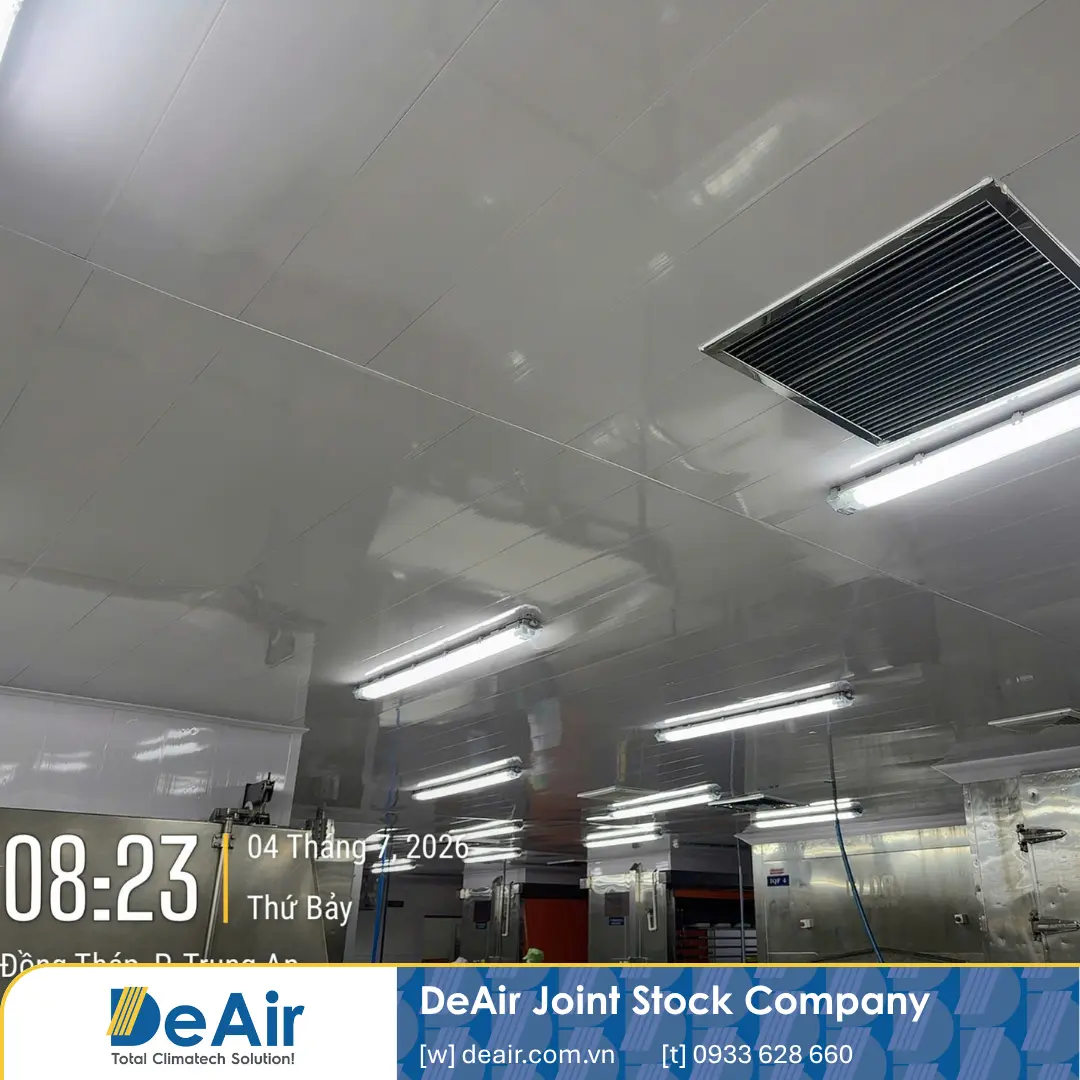
Condensation phenomenon: In seafood processing plants, temperature differences cause condensation on ceilings and walls → Drops onto products, causing microbial contamination.
Seafood plant ceilings and walls are free of condensation after installing the DeAir dehumidification system.
3.2. Stages Requiring Moisture Control
Based on the document "Recommended Temperature and Humidity Conditions by Environment", the following stages of seafood export production require moisture control:
📊 TEMPERATURE & HUMIDITY THRESHOLDS FOR SEAFOOD PRODUCTION
Production Stage
Temperature (°C)
Humidity (RH%)
Risk When Exceeded
Dried seafood (dried fish, dried squid)
15-20°C
25-30%
Mold, rancidity, flavor loss
Fillet & portioned processing
10-15°C
40-50%
Spoilage, bacterial growth
Ready-to-cook packaging
10-15°C
35-45%
In-package condensation, mold
Frozen storage
-18 to -25°C
85-95%
Freezer burn, dehydration
Finished goods warehouse
0-5°C
50-60%
Packaging damage, mold
Refrigerated container transport
-18 to 0°C
60-70%
Condensation, product damage
* Source: "Recommended Temperature and Humidity Conditions by Environment" document – DeAir
4. DeAir Dehumidifier Solutions for the Seafood Export Industry
DeAir provides a comprehensive moisture control ecosystem for the seafood industry, from processing and packaging to storage and transportation.
4.4. Dezenno Rotor Dehumidifier – For Low Dew Point Requirements
🎯 SPECIAL APPLICATIONS – LOW DEW POINT
For areas requiring extremely low dew points (below 10°C) or very low absolute humidity, conventional condensation dehumidifiers cannot meet the requirements. DeAir recommends the Dezenno Rotor Dehumidifier – a specialized solution for special applications:
Vacuum packaging rooms: Require very low absolute humidity to prevent condensation inside packaging.
Sensitive raw material storage: Spices, herbs, food additives.
Testing laboratories: Require stable environments and precise humidity.
Cold drying areas: High-end products requiring drying at very low temperatures.
Superior advantages:
Achieves dew points down to -40°C: Unachievable by condensation dehumidifiers.
Stable operation at low temperatures: No evaporator freezing issues.
Precise absolute humidity control: Suitable for stringent production processes.
Use high-quality refrigerated containers. Control humidity inside containers. Partner with reputable logistics providers.
6. Infographic: Seafood Value Chain & The Role of Moisture Control
🔄 SEAFOOD EXPORT VALUE CHAIN & MOISTURE CONTROL
🐟
Fresh Raw Material
→
🔪
Pre-processing
40-50% RH
→
🏭
Deep Processing
35-45% RH
→
📦
Packaging
35-45% RH
→
❄️
Warehouse Storage
50-60% RH
→
🚢
Transportation
60-70% RH
→
🇪🇺
EU Market
Each stage requires precise moisture control to ensure final product quality.
7. Frequently Asked Questions (FAQ)
Q1: Why are fillet and portioned products more sensitive to humidity than whole fish?
Fillet and portioned products have a much larger surface area exposed to air compared to whole fish (which have protective skin). This makes them more prone to absorbing moisture from the environment, more susceptible to bacterial invasion, and faster to spoil. Controlling humidity in processing rooms (40-50% RH) and packaging areas (35-45% RH) is critical to protecting product quality.
Q2: What is the ideal humidity for frozen seafood storage warehouses?
According to standard documentation, frozen seafood storage warehouses should maintain a temperature of -18 to -25°C and a humidity of 85-95% RH. However, temperature fluctuations must be avoided as they cause "freezer burn" – product dehydration, dryness, and reduced quality. DeAir.RE dehumidifiers can operate at low temperatures, helping to stabilize humidity and prevent this phenomenon.
Q3: When should I use a Dezenno rotor dehumidifier instead of a DeAir.RE condensation unit?
Dezenno rotor dehumidifiers are used when requiring extremely low dew points (below 10°C) or very low absolute humidity that condensation units cannot achieve. Typical applications include: vacuum packaging rooms, sensitive raw material storage (spices, herbs), laboratories, and cold drying areas for premium products. Dezenno can achieve dew points down to -40°C, while condensation units typically only reach 10-15°C.
Q4: Do dehumidifiers help reduce the rejection rate from the EU market?
YES. One of the main reasons seafood is rejected is mold and spoilage due to poor humidity control during storage and transportation. Investing in a standard moisture control system (DeAir.RE, DeAir.RE-H, Dezenno) significantly reduces the defect rate, protects enterprise reputation, and avoids major financial losses.
Q5: Does DeAir offer consulting services for moisture control solutions for entire seafood plants?
YES. DeAir provides comprehensive consulting services: plant surveys, moisture load calculations for each area (pre-processing, processing, packaging, cold storage), and proposing optimal solutions at reasonable costs. We commit to accompanying enterprises from design to operation and maintenance, ensuring the system operates stably and meets EU export standards.
Don't Let Moisture "Ruin" Your Opportunity to Export to the EU Market!
Let DeAir partner with you to build an international-standard moisture control system, elevating the value of Vietnamese seafood products in the European market.
Contact us now for a free site survey and consultation!


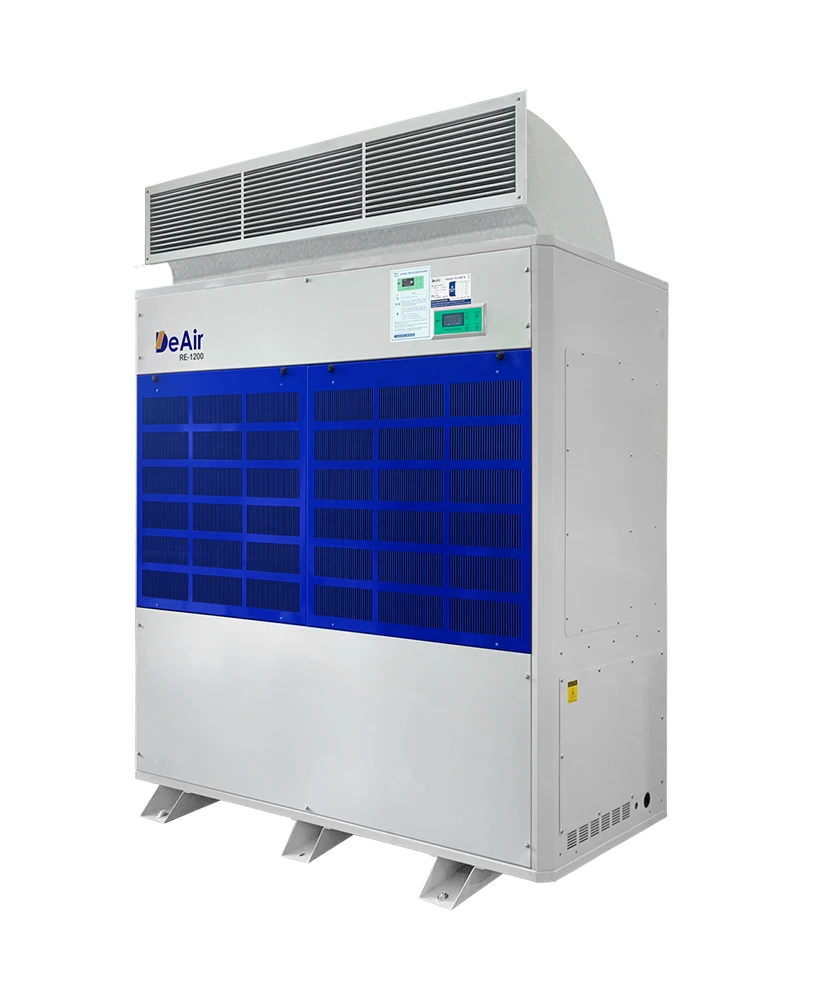 DeAir.RE
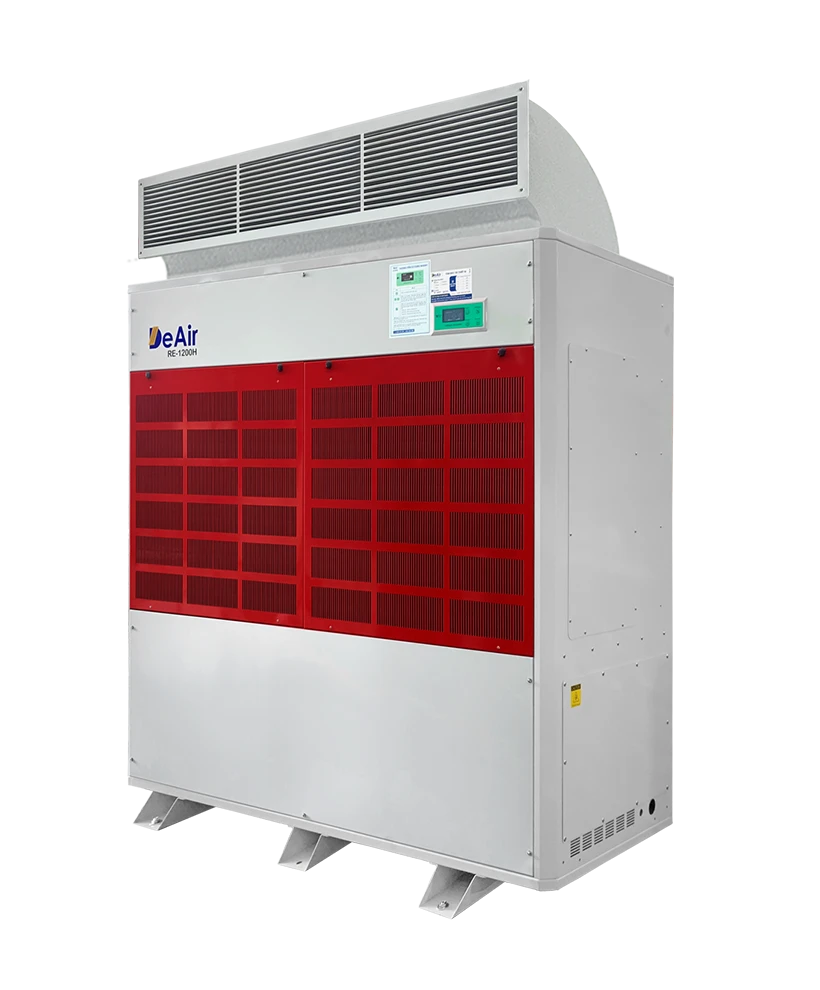 DeAir.RE-H
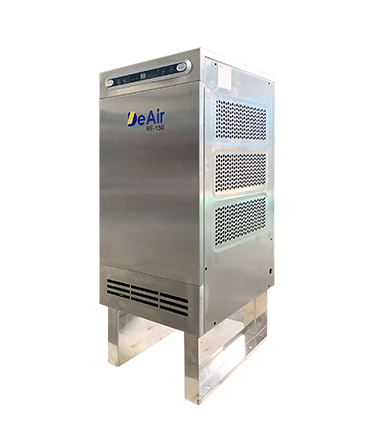 DeAir.RE-INOX
 DeAir.CRE
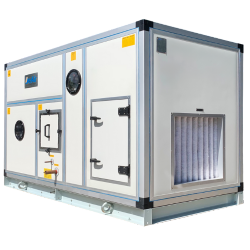 Dezenno
 DeAir.RE-CL
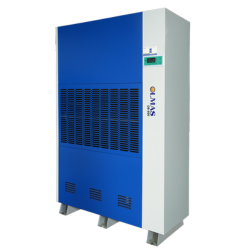 Olmas-OS
 DeAir.HM
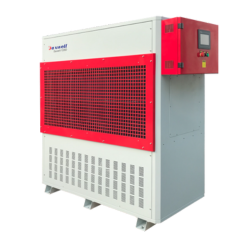 Daxwell
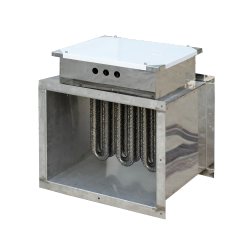 DeAir.Heat
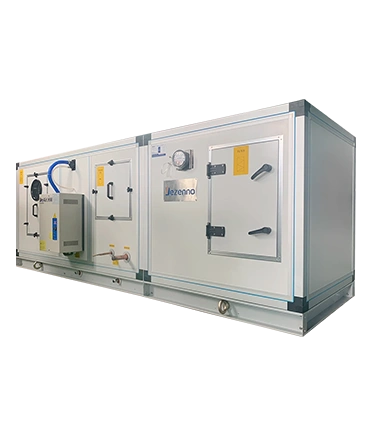 AHU
AHU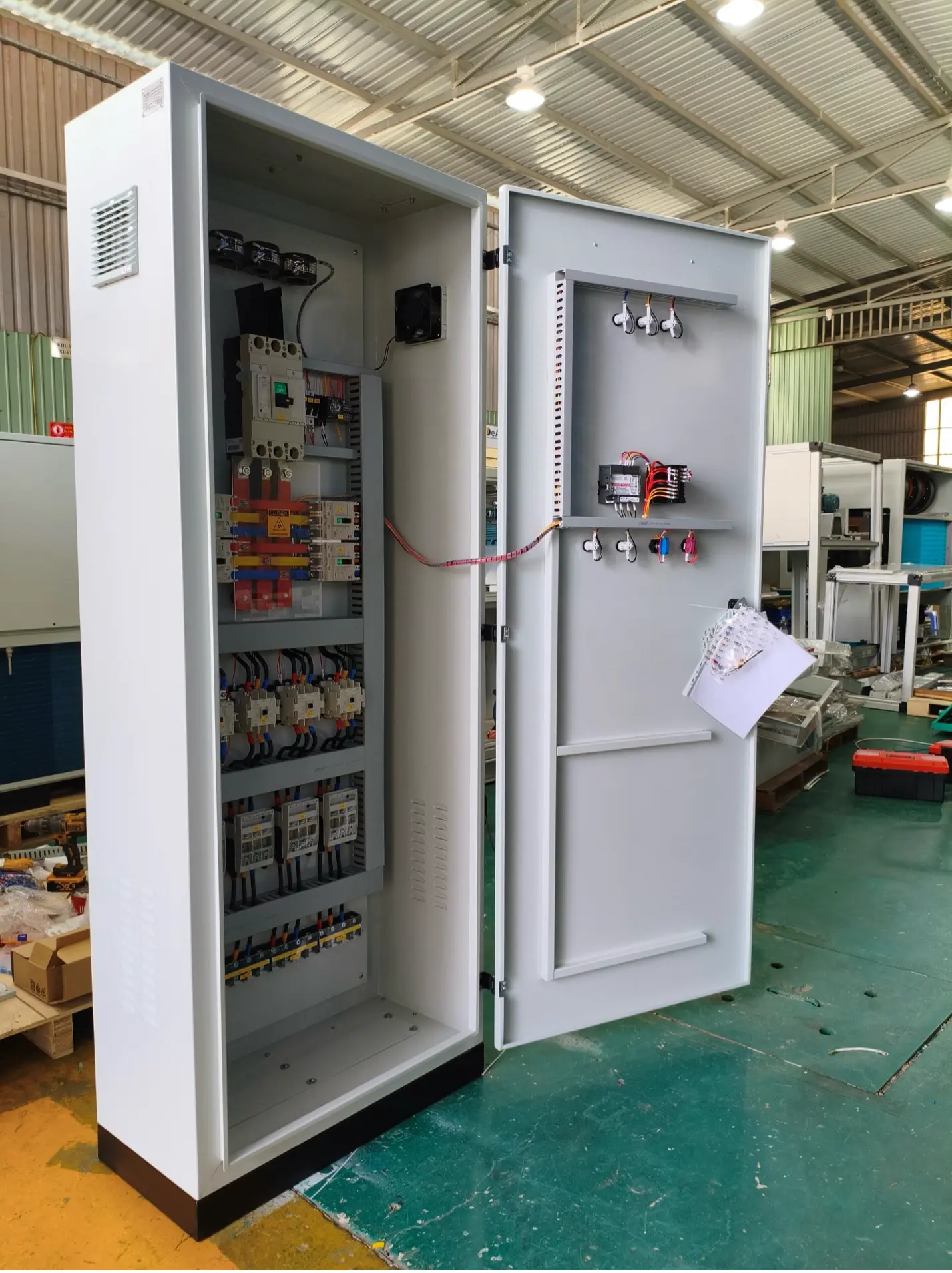









![[Case Study] DeAir Installs DeAir.De Rotor Humidity Control System for Pharmaceutical Plant in Binh Duong](https://deair.com.vn/thumbs/news/2023_04/ban_giao_may_cho_duoc_bd/[270x153-cr]image1-1024x772.jpg__cv.webp "[Case Study] DeAir Installs DeAir.De Rotor Humidity Control System for Pharmaceutical Plant in Binh Duong")
![[Review & Guide] Olmas OS-300: The New Humidity Control "Warrior" for Medium to Large Warehouses](https://deair.com.vn/thumbs/news/huong_dan_su_dung_may_olmas_21/[270x153-cr]vtm06440.png "[Review & Guide] Olmas OS-300: The New Humidity Control \"Warrior\" for Medium to Large Warehouses")