The Limits of "Dry Cabinets" & The Comprehensive Cleanroom Humidity Control Solution for R&D
29/12/2025
When the "Glass Cabinet" Becomes Too Small for R&D Ambitions
In the initial startup phase, laboratories often equip themselves with small Dry Cabinets to preserve specimens. However, as research scales up into sensitive fields such as Pharmaceuticals, Lithium Batteries, Semiconductors, or Biotechnology, dry cabinets reveal serious technical limitations that directly threaten the accuracy of research results.
Instead of confining space within a cabinet, the advanced solution today is "Room-Scale Humidity Control" - Transforming the entire laboratory into an internationally standard clean and dry space.
Many R&D Directors mistakenly believe that simply buying more cabinets is enough. However, international studies and standards have pointed out major risks when using localized cabinets:
A. Failure to Meet JEDEC J-STD-033 (Electronics)
According to the IPC/JEDEC J-STD-033 standard for handling Moisture Sensitive Devices (MSD), frequent opening of the dry cabinet door causes a "Recovery Time" issue. It can take 30-60 minutes for the cabinet to return to < 10% humidity after each opening, leaving components exposed to moisture for long periods, leading to microchip defects.
B. Violation of ISO 14644 & GMP Cleanroom Principles
Standard dry cabinets do not have HEPA dust filtration systems and do not create positive pressure. Fine dust and microorganisms still exist inside the cabinet, violating ISO 14644-1 principles (Air Cleanliness Classification) and WHO GMP guidelines for the Pharmaceutical industry.
2. DeAir Solution: Turning Labs into Standard "Dry Rooms"
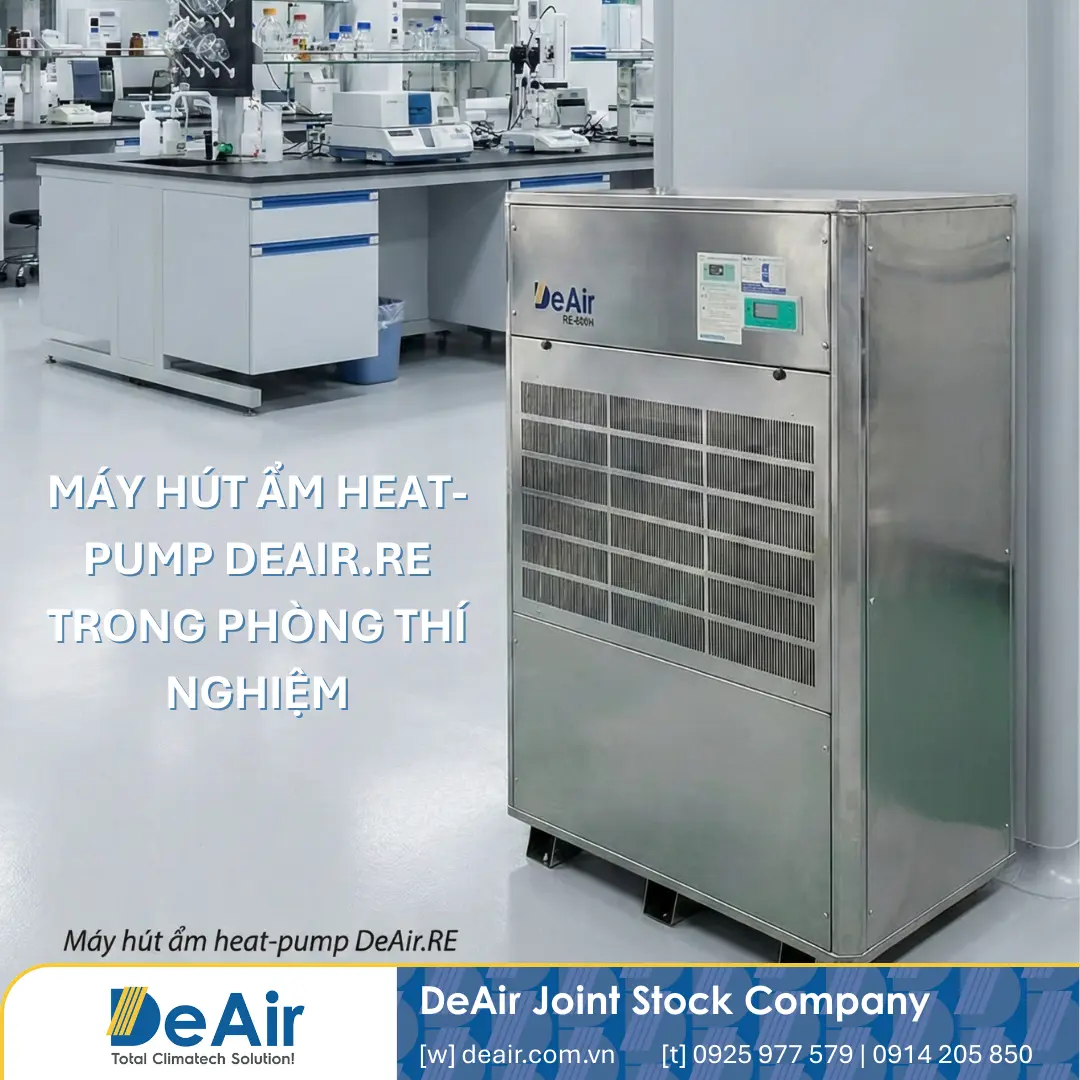
DeAir provides an ecosystem of equipment to build standardized laboratories where humans can work directly inside without affecting specimens.
Level 1: Humidity Control 35% - 60% (Medical & Chemical)
Principle: Uses a Silica Gel Desiccant Wheel to absorb moisture.
Performance: Achieves a Dew Point down to -60°C, which conventional compressor dehumidifiers cannot reach.
Application: EV Battery production, Effervescent Pharmaceuticals, Semiconductors.
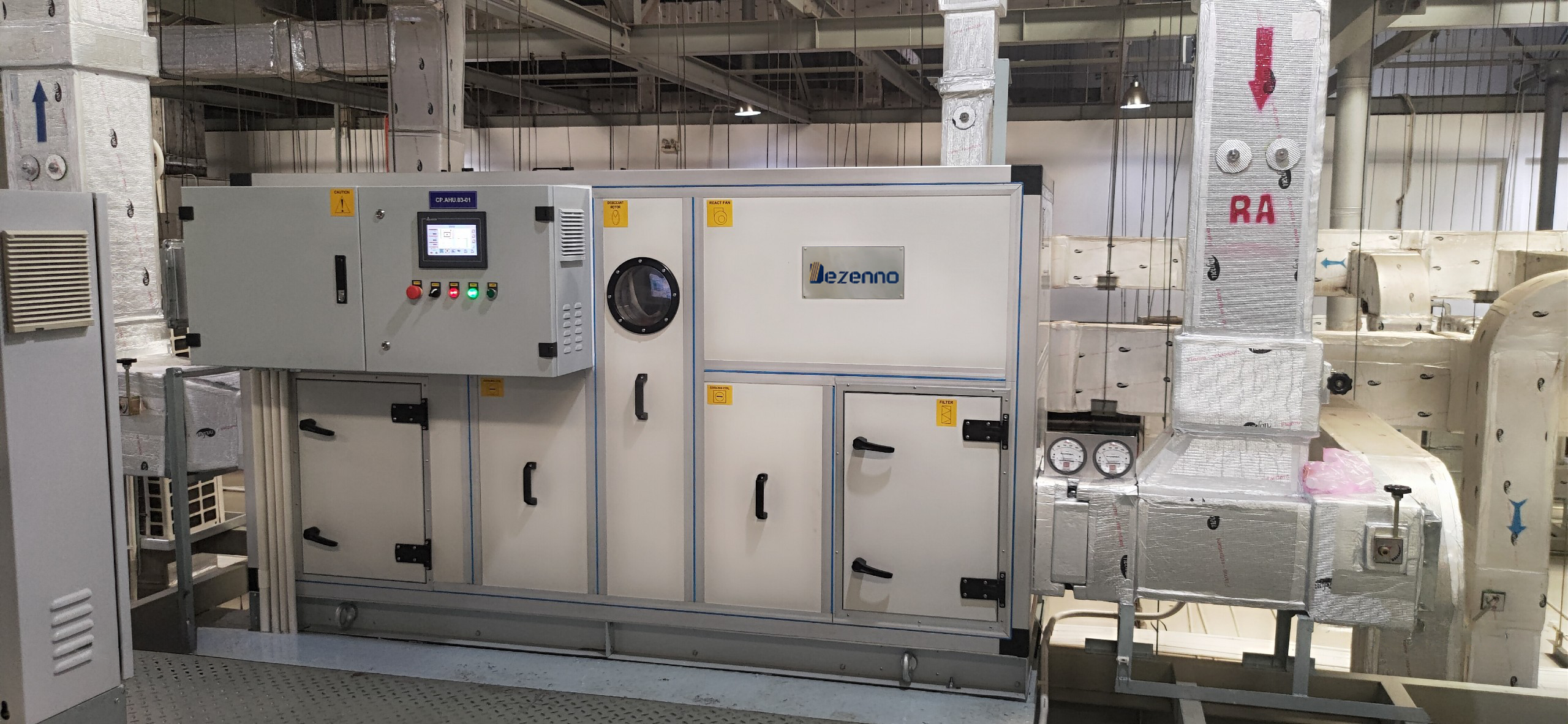
Dezenno Rotor system provides low dew point dry air for the entire factory.
Level 3: Comprehensive Control (Cleanroom AHU)
Using DeAir AHU (Air Handling Unit) integrating 4 functions: Temperature Control, Humidity Control, Fine Dust Filtration (HEPA), and Fresh Air Supply.
3. Infographic: Dry Cabinet vs. DeAir Cleanroom
CRITERIA
DRY CABINET
DEAIR DRY ROOM
Storage Capacity
Limited (Max 1000L). Cannot store large machinery.
Unlimited (Depends on room size).
Operability
❌ Must remove samples (Causes humidity shock).
✅ Work directly inside 24/7.
Dust & Bio Control
❌ No (Dust persists inside).
✅ Yes (Integrated HEPA filters in AHU).
Standards Met
Personal/Basic Storage.
GMP, ISO 14644, HACCP.
4. Real-world Video: Dezenno Rotor for Pharma Industry
Watch the close-up video of how the DeAir/Dezenno specialized humidity treatment system operates to meet the strict standards of the Pharmaceutical industry:
Don't Let Humidity Ruin Your Research!
Contact DeAir now for the most optimal Cleanroom & Dry Room design consultation.


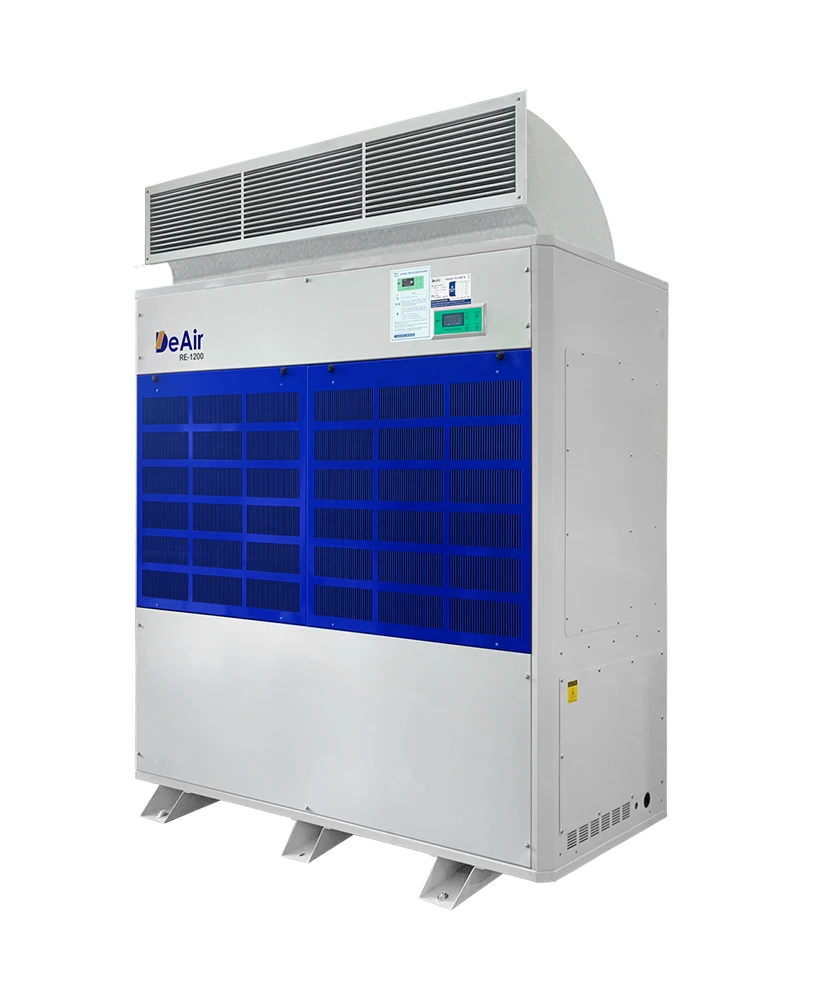 DeAir.RE
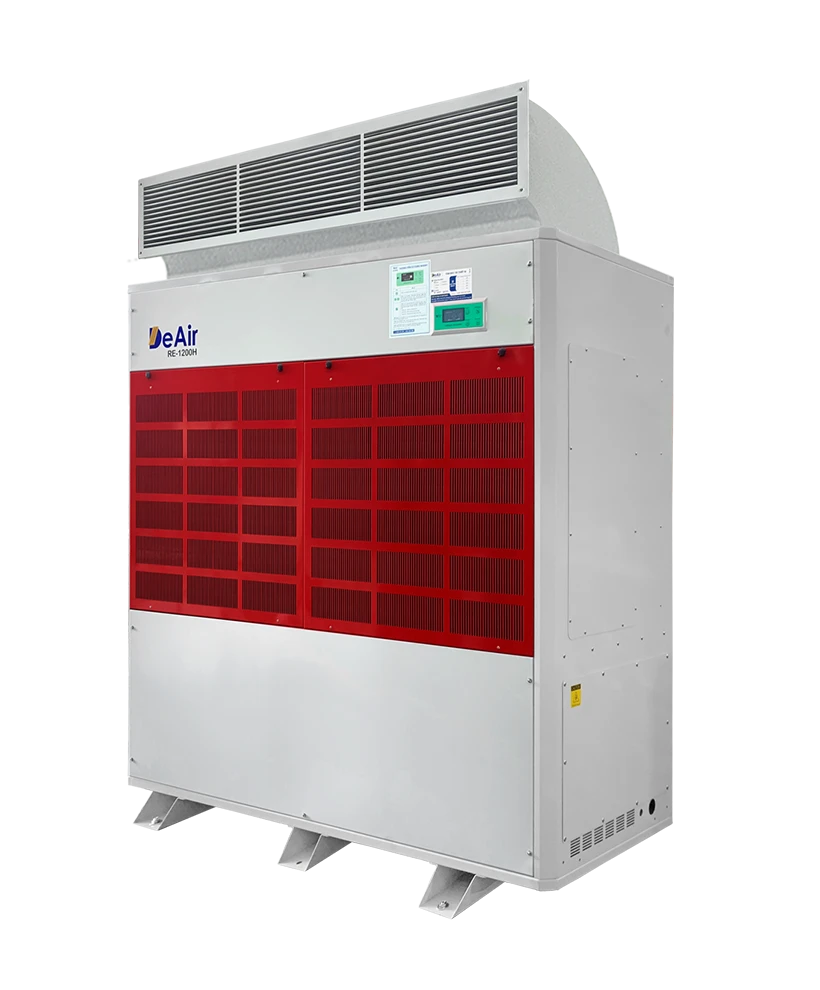 DeAir.RE-H
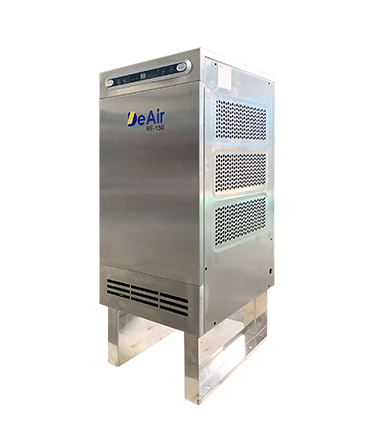 DeAir.RE-INOX
 DeAir.CRE
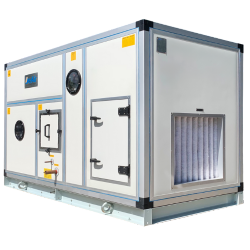 Dezenno
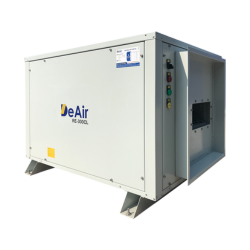 DeAir.RE-CL
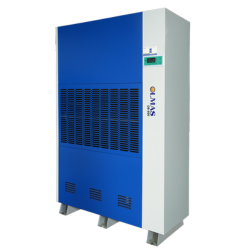 Olmas-OS
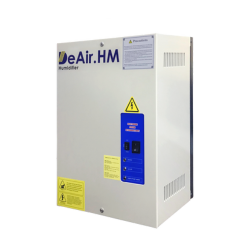 DeAir.HM
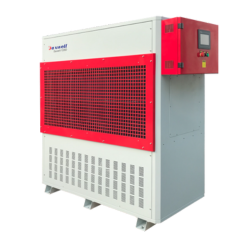 Daxwell
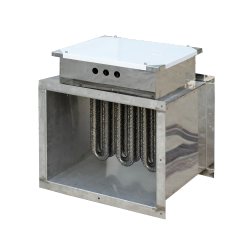 DeAir.Heat
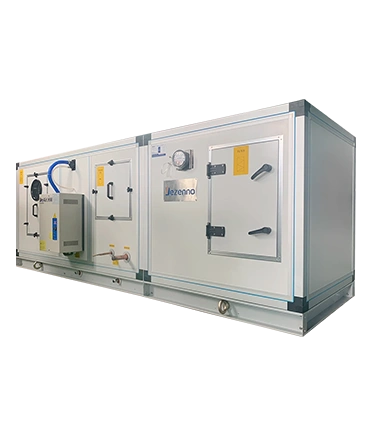 AHU
AHU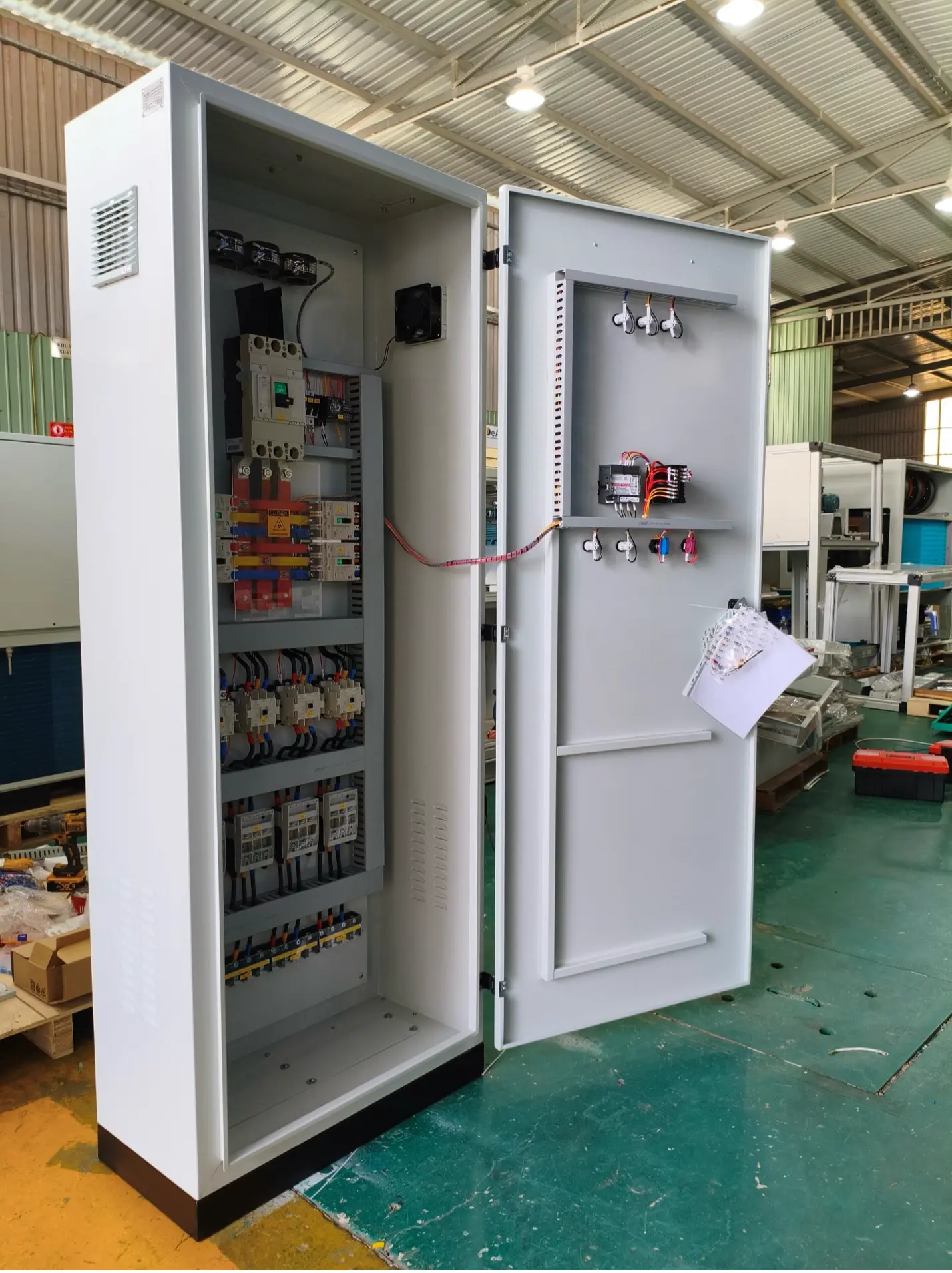






![[Case Study] DeAir Installs DeAir.De Rotor Humidity Control System for Pharmaceutical Plant in Binh Duong](https://deair.com.vn/thumbs/news/2023_04/ban_giao_may_cho_duoc_bd/[270x153-cr]image1-1024x772.jpg__cv.webp "[Case Study] DeAir Installs DeAir.De Rotor Humidity Control System for Pharmaceutical Plant in Binh Duong")

![[Review & Guide] Olmas OS-300: The New Humidity Control "Warrior" for Medium to Large Warehouses](https://deair.com.vn/thumbs/news/huong_dan_su_dung_may_olmas_21/[270x153-cr]vtm06440.png "[Review & Guide] Olmas OS-300: The New Humidity Control \"Warrior\" for Medium to Large Warehouses")