Rescuing Goods from "Extreme Humidity": Dehumidification System Design Standards for Giant Logistics Warehouses
23/05/2026
Rescuing Goods from "Extreme Humidity": Dehumidification System Design Standards for Giant Logistics Warehouses
Key Takeaways:
Logistics Risks: High humidity environments cause carton boxes to collapse, pallets to fall, goods to mold, and most critically, lead to condensation and rust on metal surfaces during cold nights.
Climate Specifics: Unlike the Southern region, warehouses in Northern and Central Vietnam face extreme weather patterns (cold snaps and spring moisture), causing standard air conditioners and conventional dehumidifiers to freeze and fail.
OPEX & CAPEX Optimization: DeAir systems solve the massive cost dilemma for warehouse owners through "Divide and Conquer" zoning strategies, integrated Hybrid technology, and smart operations driven by Dew Point algorithms.
The logistics, e-commerce, and bonded warehouse industries in Vietnam are booming, leading to massive volumes of assets stored worth trillions of VND. However, facility investors are facing a highly dangerous "invisible enemy": Humidity. Furthermore, regional climate differences present extremely challenging microclimate problems. While the South constantly deals with year-round hot humidity, mega-warehouses in the North and Central regions are besieged by extreme spring moisture and severe day-night temperature drops during winter. This is a challenge that defeats all manual moisture-proofing methods.
1. 4 "Fatal" Losses When Mega-Warehouses Lack Humidity Control
Going far beyond moldy walls, high humidity directly devastates the value of stored goods in 4 distinct ways:
Carton Box Deformation & Pallet Collapse: Cardboard paper has a cellulose structure that absorbs moisture fiercely. When ambient humidity exceeds 80%, the load-bearing capacity of a carton drops by over 50%. Bottom boxes get crushed, causing entire pallet rows to collapse and destroy the goods inside.
Sweating Inside Pallet Stretch Wrap: Goods are tightly wrapped in PE film. When there is a temperature-humidity fluctuation, water vapor condenses into water droplets inside the wrap, soaking and molding the products without the warehouse staff even knowing.
Mold Outbreaks: A damp environment is ideal for mold spores to attack high-value organic goods such as export garments, leather shoes, or fine wooden furniture.
The "Killer" Condensation on Metal Surfaces (Specific to North/Central regions): During winter nights or early mornings, the ambient temperature drops sharply. Metal racking systems, auto parts, and electronic components cool down significantly. When a humid air current infiltrates, the temperature of the metal mass falls below the air's Dew Point, causing water vapor to immediately condense into droplets covering the surface. Oxidation occurs rapidly, leading to irreversible widespread rust.
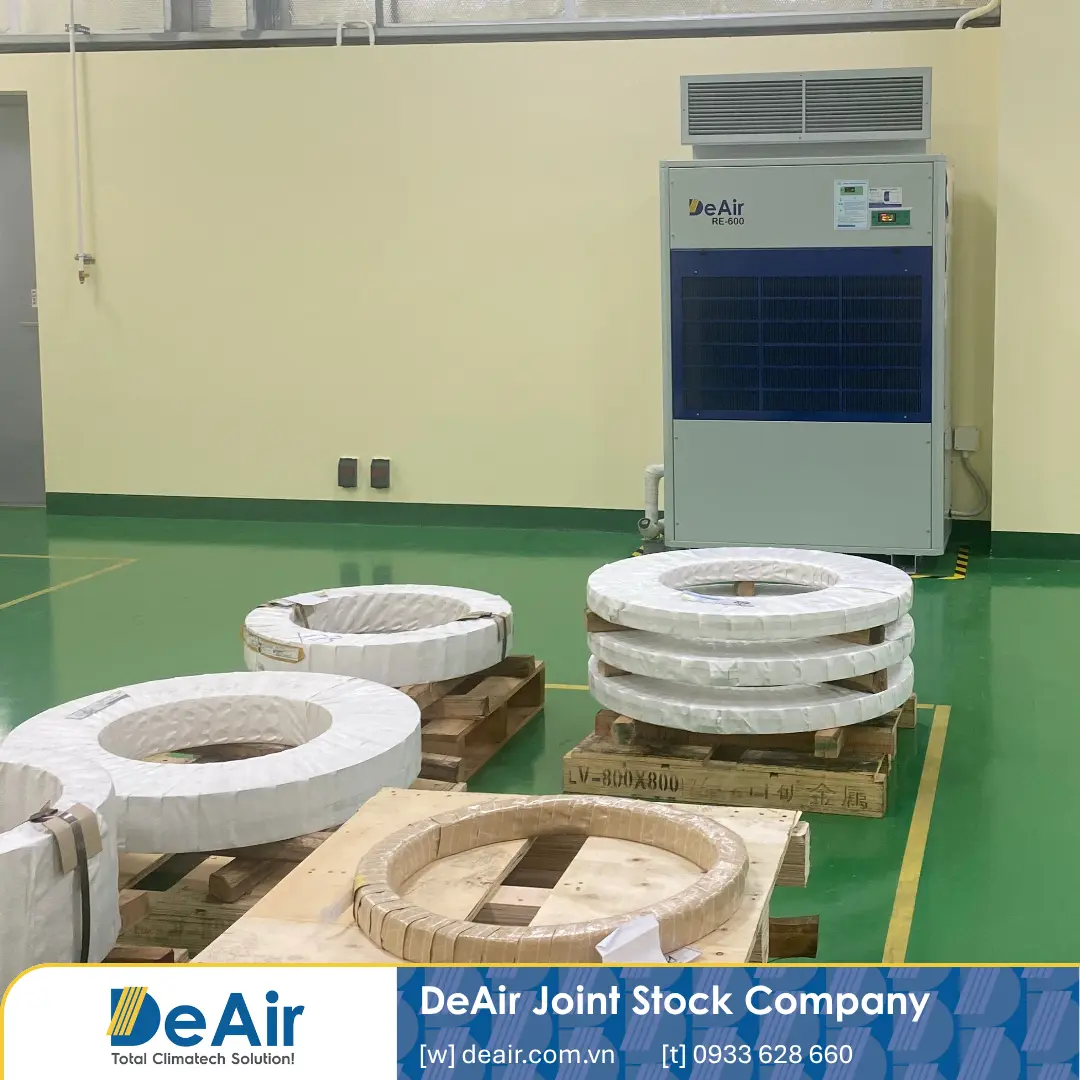
Preventing surface condensation is a vital principle when preserving metals, steel coils, and precision mechanical equipment.
2. The Ineffectiveness of Standard Dehumidification in Large Spaces
To combat extreme humidity, many warehouse owners apply traditional methods but suffer even worse consequences:
Running Exhaust Fans During Humid Weather: During high humidity snaps, outdoor air is fully saturated with water vapor. Turning on exhaust/supply fans acts like "pumping" more water into the warehouse, drastically worsening the wet epoxy floor conditions.
Using Central Air Conditioning (HVAC): Consumes massive electricity bills. Moreover, air conditioning is entirely powerless when loading dock levelers must be continuously opened for trucks and forklifts.
Standard Condensation Dehumidifiers Fail in Winter: At temperatures below 15°C (Northern winter nights), water vapor freezes directly on the cooling coils of standard commercial dehumidifiers, forcing the compressor to shut down continuously for defrosting, losing all moisture extraction capabilities.
3. Tailor-Made Engineering Solutions from DeAir
The crux of logistics warehouse humidity design is solving the Infiltration Load. DeAir engineers do not merely calculate based on floor area; they base their models on the volume of air leakage during continuous door operations to prescribe the right regional solution:
Solution 1: Warm Temperature Environments (>15°C) - DeAir.RE Heat-Pump Dehumidifier
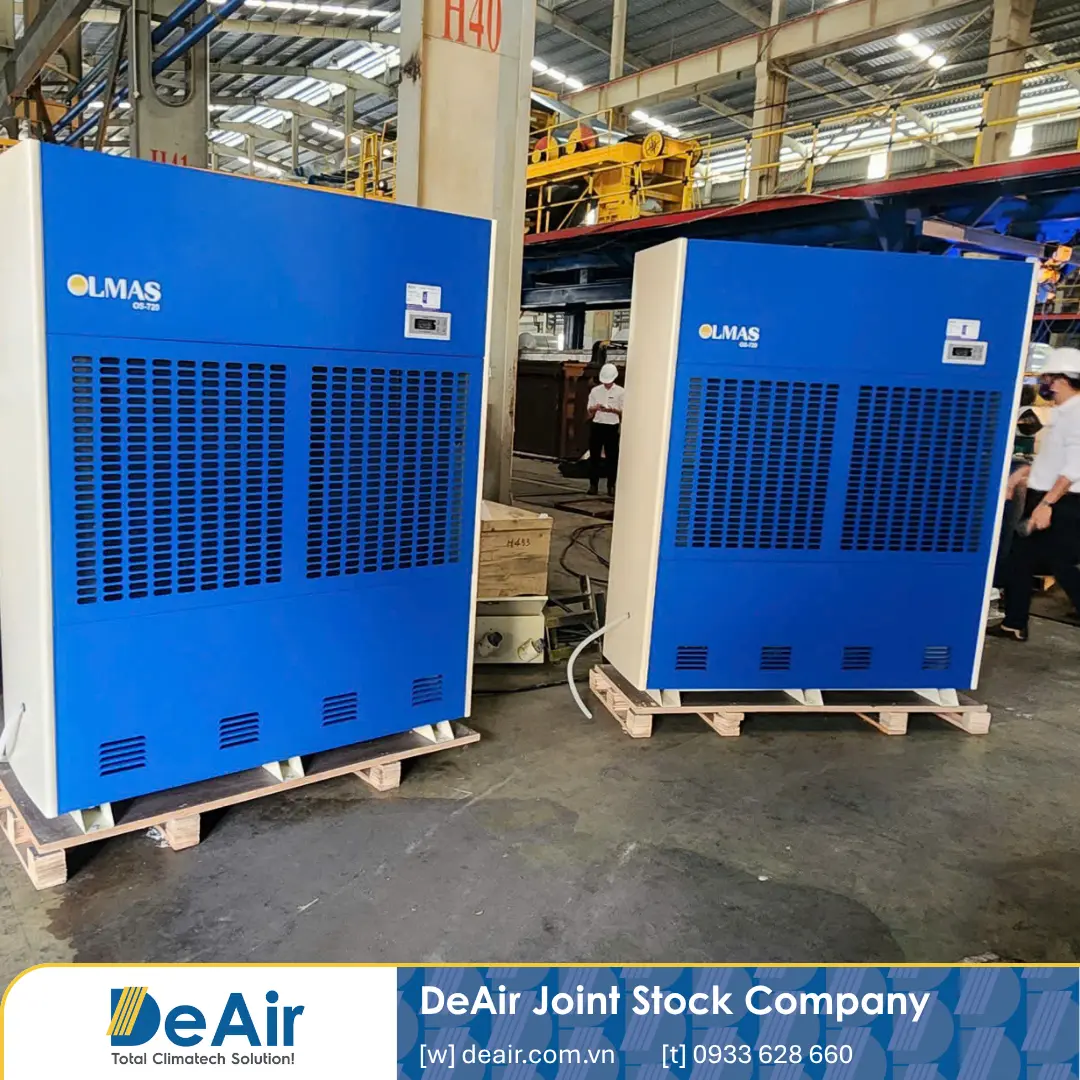
Highly suitable for Southern warehouses and standard storage facilities. The DeAir.RE series uses high-capacity compressors combined with Jet fans to generate pressure that forces circulating dry air into every "dead zone" between high-tier racking aisles.
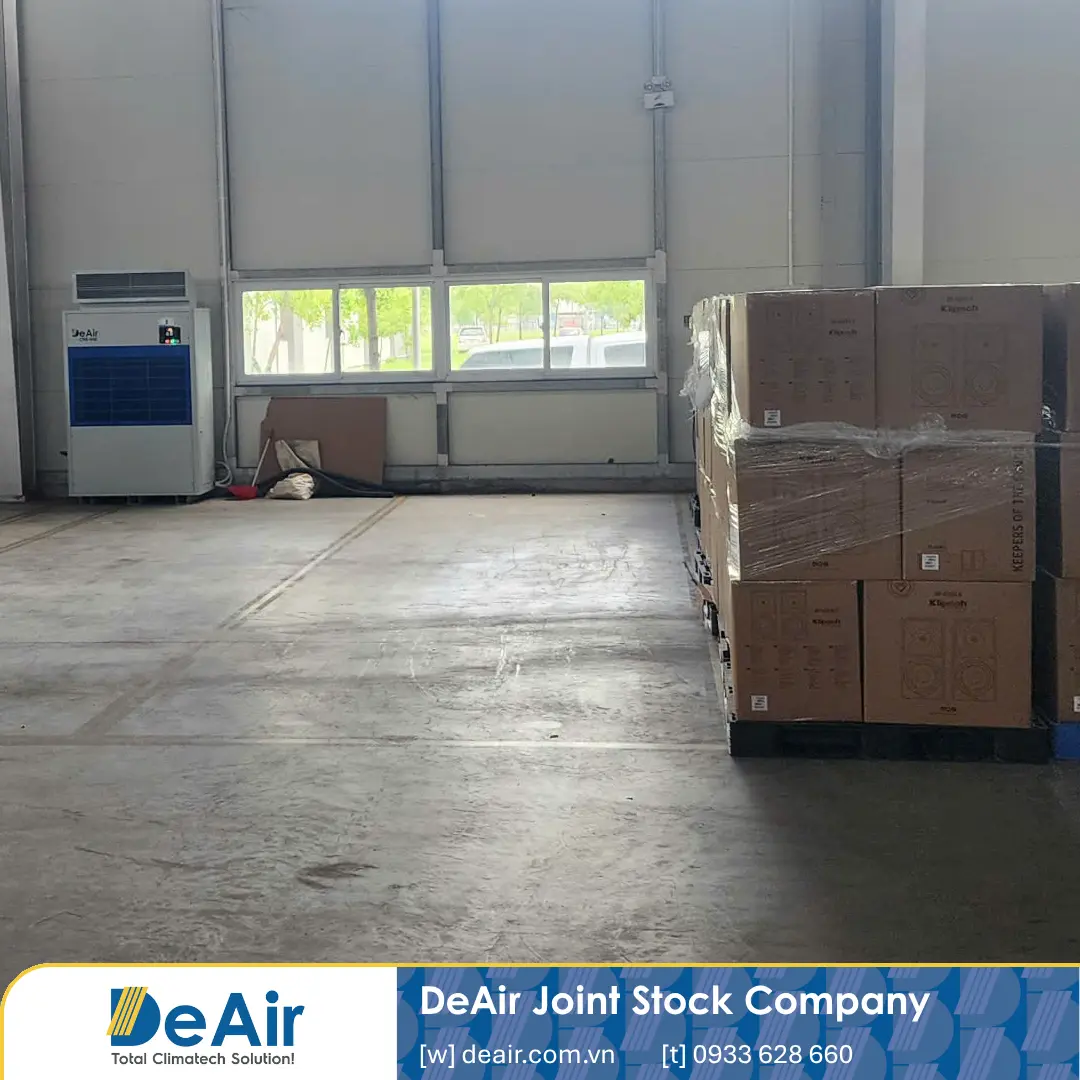
The high-capacity DeAir.RE industrial dehumidifier is the top choice for expansive logistics warehouses spanning thousands of square meters.
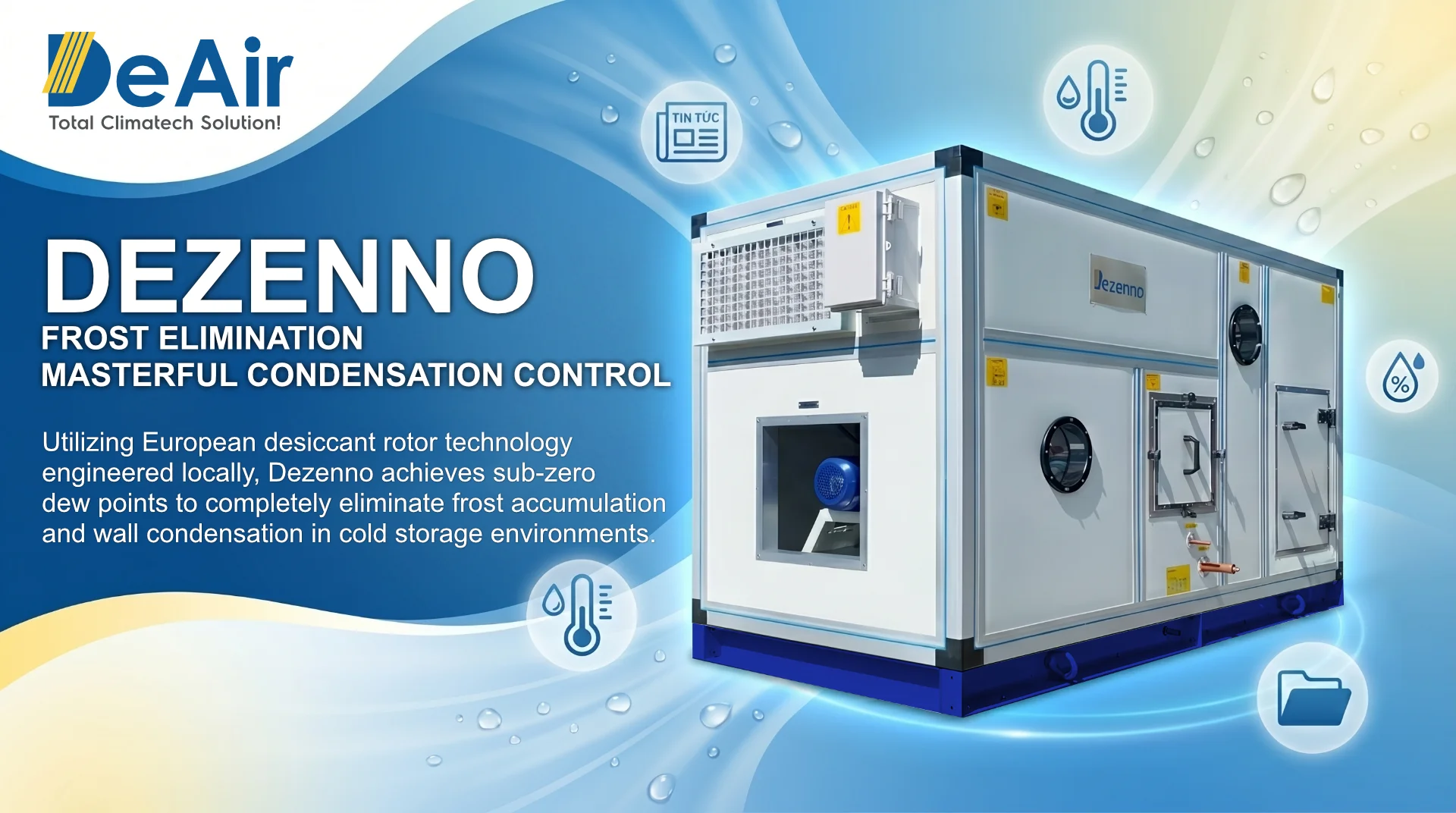
Solution 2: Specialized for Cold Nights & Metal Condensation - Dezenno Rotor Dehumidifier
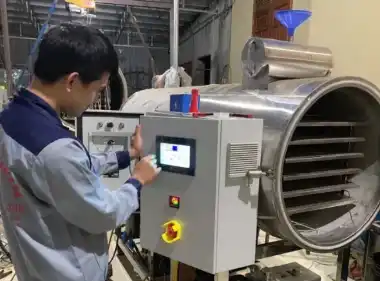
Dedicated to the North/Central regions and electronic component warehouses. The Silica Gel Rotor wheel of the Dezenno unit absorbs moisture via a physicochemical method, operating robustly even at near 0°C temperatures (zero risk of coil freezing). It extracts moisture completely, pushing the dew point temperature to an extremely low level, thereby definitively eradicating metal surface condensation during the night.
An undeniable truth: Using thermal-drying Rotor machines to "blanket" an entire 10,000m² warehouse with high infiltration rates will consume colossal capital expenditure (CAPEX) and operating expenses (OPEX). To resolve this "pain point" for Chief Financial Officers (CFOs), DeAir applies 3 ultimate engineering strategies:
Strategy 1: "Divide and Conquer" (Zoning & Special Isolation)
Instead of deploying expensive machines for the whole space, DeAir advises spatial replanning: Standard goods areas (cartons, garments) utilize cost-effective, energy-efficient DeAir.RE condensation units to maintain humidity <65%. High-value, sensitive goods (electronics, precision mechanics) are enclosed using panel partitions or PVC curtains. Only this sealed zone employs the Dezenno Rotor machine for deep dehumidification. Restricting the volume allows for drastically smaller machine capacities, saving billions in CAPEX.
Strategy 2: Built-In Hybrid Technology
DeAir's technological secret lies in integrating a hybrid system inside its large unit assemblies. Incoming moist air first passes through a pre-cooling condensation coil (acting as the "heavy lifter" to process 70% of the water at an extremely cheap electricity cost). Then, the pre-dried air flows through the Rotor wheel for precision deep drying. This combination helps slash power consumption by up to 50% compared to using a pure Rotor machine alone.
Strategy 3: Smart Operation via "Dew Point Control" Algorithm
The machines do not need to run at full blast 24/7. DeAir's SCADA electrical cabinets interface with sensors measuring the surface temperature of metal racks and the warehouse's dew point. During the day, only the condensation unit runs as a baseline. When the algorithm detects the gap between metal temperature and dew point narrowing below 2°C (indicating an imminent nighttime condensation threat), the Dezenno Rotor mode automatically kicks in to handle the peak load, minimizing running costs significantly.
The DeAir.CRE isothermal unit maintains stable humidity for electronics warehouses without generating excess heat.
The Dezenno Rotor machine extracts deep moisture for parts storage and measuring equipment to prevent rust.
5. ROI - A Profitable Investment for Warehouse Owners
Equipping a systematic industrial dehumidification system is not a liability; it is a powerful profit-generating asset for Logistics enterprises:
Upgrading to Class A Warehouse Standards: A mega-warehouse offering guaranteed professional climate control easily catches the eye of Multinational Corporations, allowing investors to secure lease contracts at a significantly higher price per square meter than the market average.
Asset Risk Insurance: Completely eliminating the risk of having to pay billions out-of-pocket in compensation for damaged, moldy, or rusted client inventory.
Control the Weather - Control Your Profits
Optimizing a logistics dehumidification system is the perfect blend of selecting the right technology for the specific regional climate and utilizing smart operational strategies. Don't let the weather dictate the quality of your Logistics services.
We invite Investors and Chief Operating Officers to contact DeAir's team of expert engineers immediately for on-site warehouse surveys, free dew point calculations, and the most cost-optimized system design blueprints!


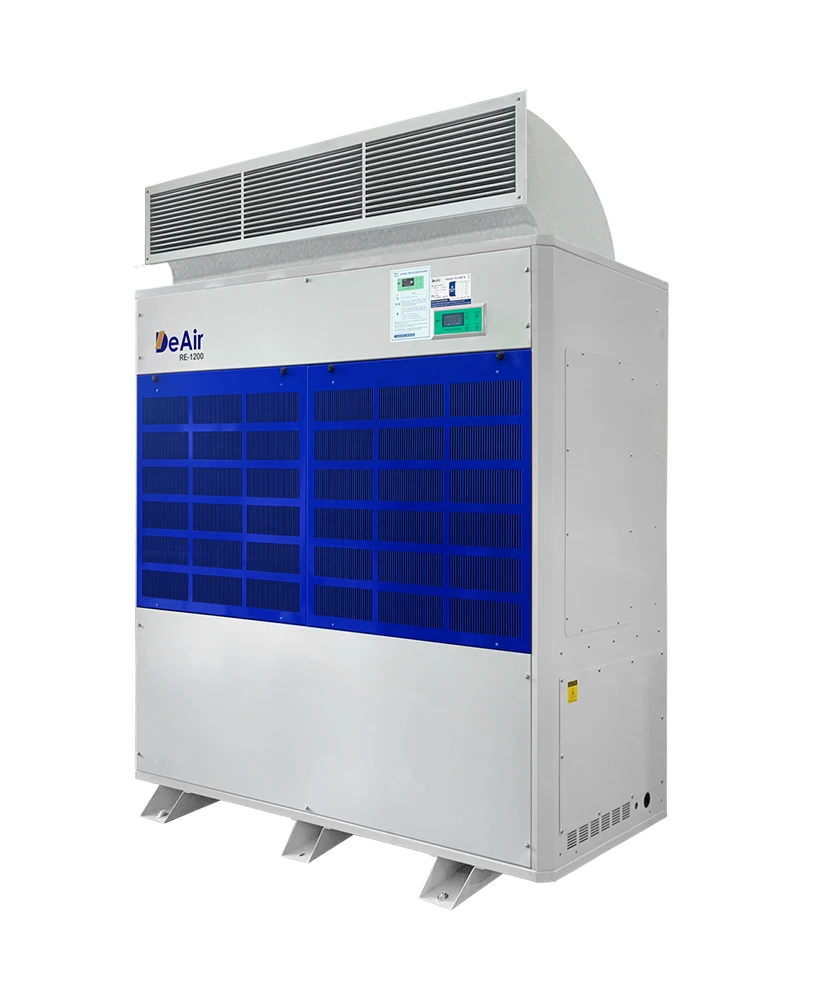 DeAir.RE
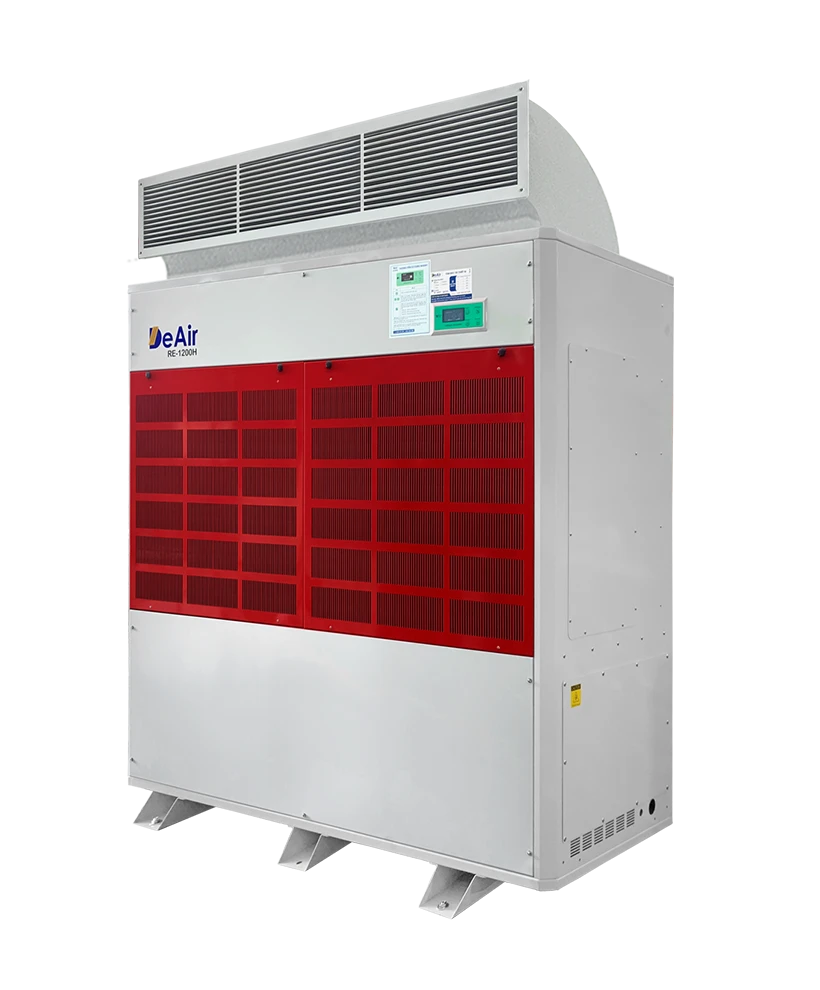 DeAir.RE-H
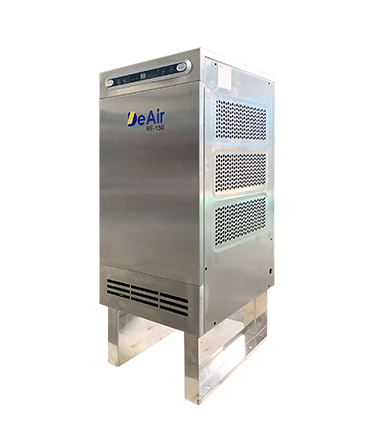 DeAir.RE-INOX
 DeAir.CRE
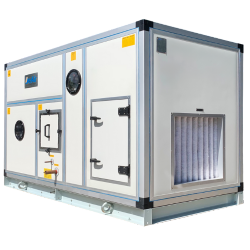 Dezenno
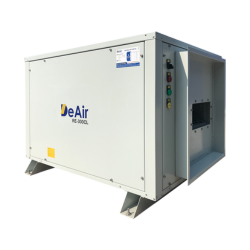 DeAir.RE-CL
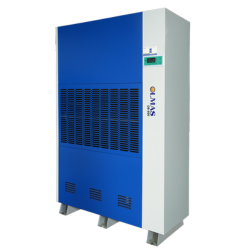 Olmas-OS
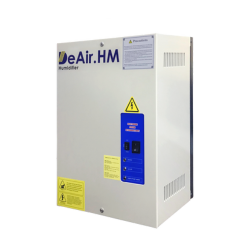 DeAir.HM
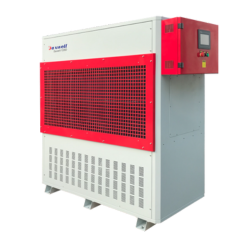 Daxwell
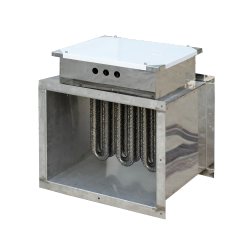 DeAir.Heat
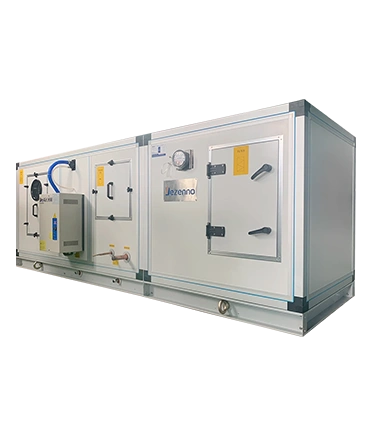 AHU
AHU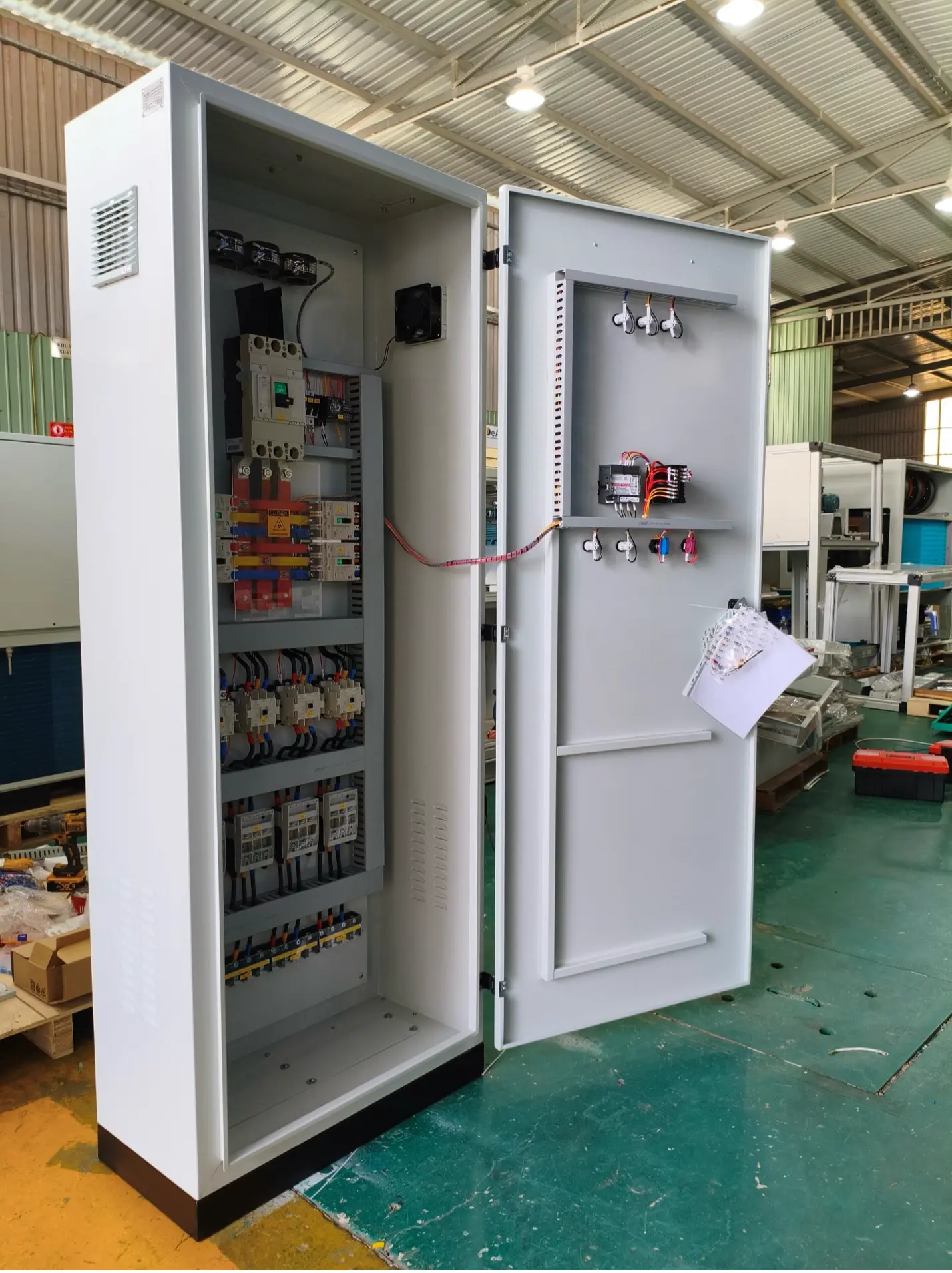






![[Case Study] DeAir Installs DeAir.De Rotor Humidity Control System for Pharmaceutical Plant in Binh Duong](https://deair.com.vn/thumbs/news/2023_04/ban_giao_may_cho_duoc_bd/[270x153-cr]image1-1024x772.jpg__cv.webp "[Case Study] DeAir Installs DeAir.De Rotor Humidity Control System for Pharmaceutical Plant in Binh Duong")

![[Review & Guide] Olmas OS-300: The New Humidity Control "Warrior" for Medium to Large Warehouses](https://deair.com.vn/thumbs/news/huong_dan_su_dung_may_olmas_21/[270x153-cr]vtm06440.png "[Review & Guide] Olmas OS-300: The New Humidity Control \"Warrior\" for Medium to Large Warehouses")