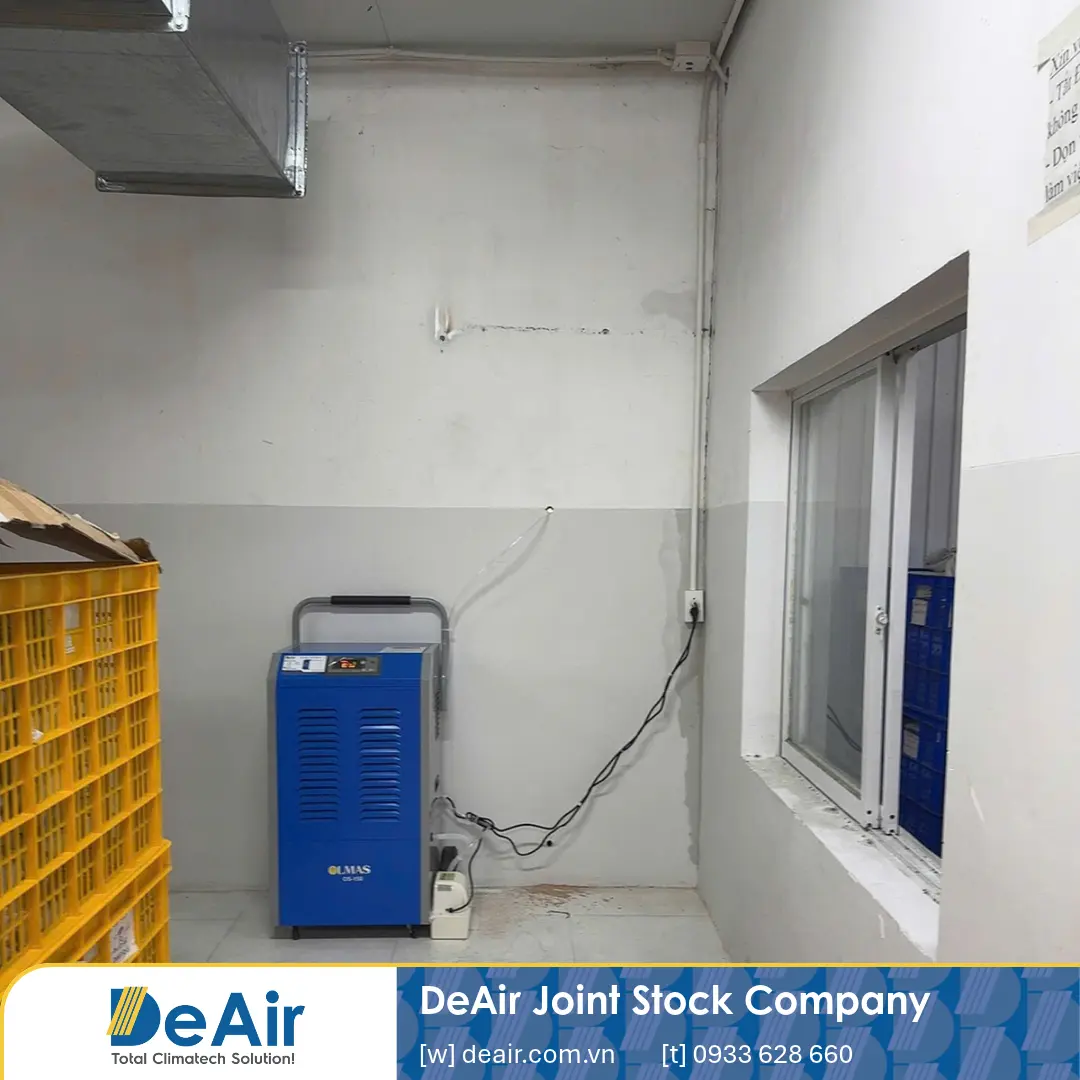
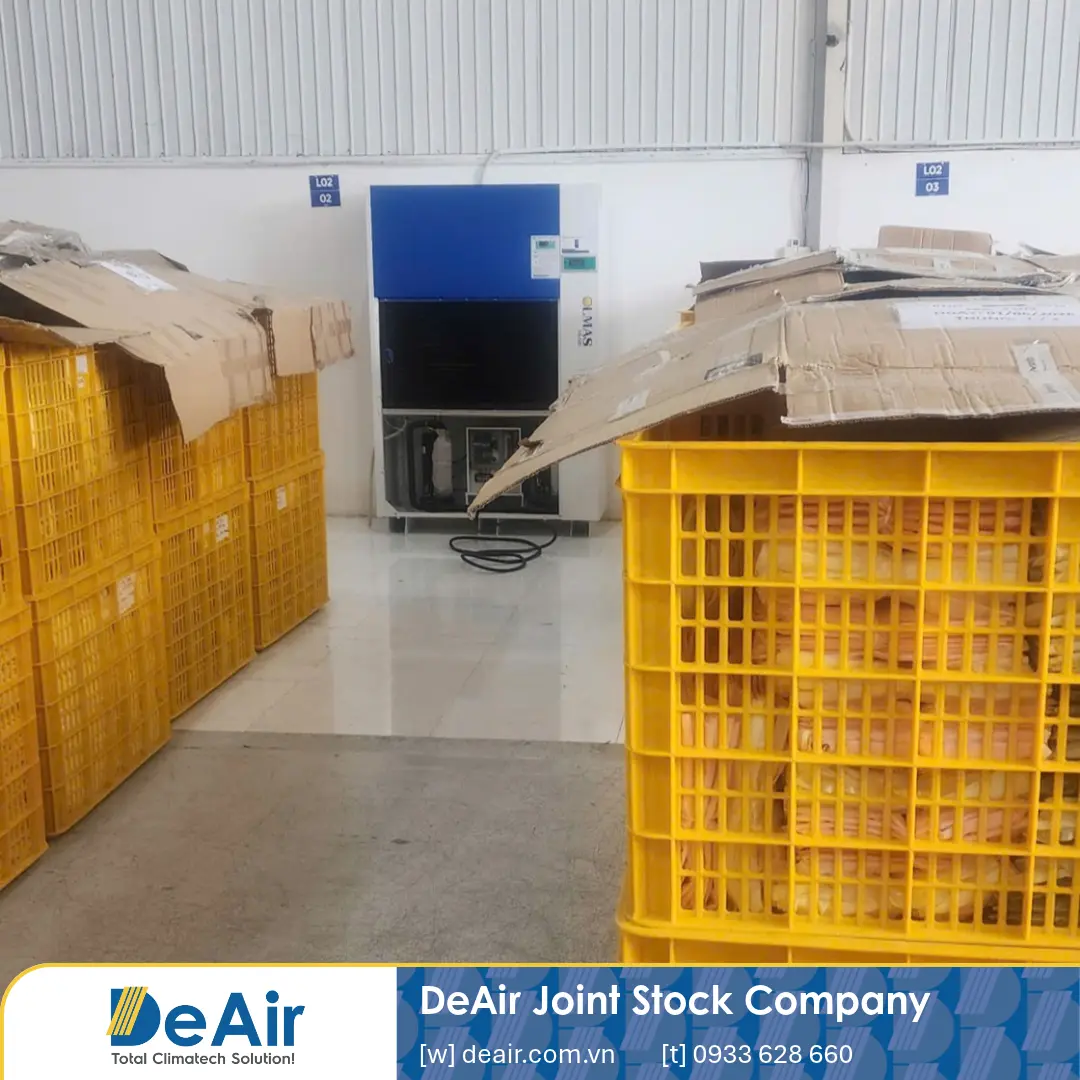
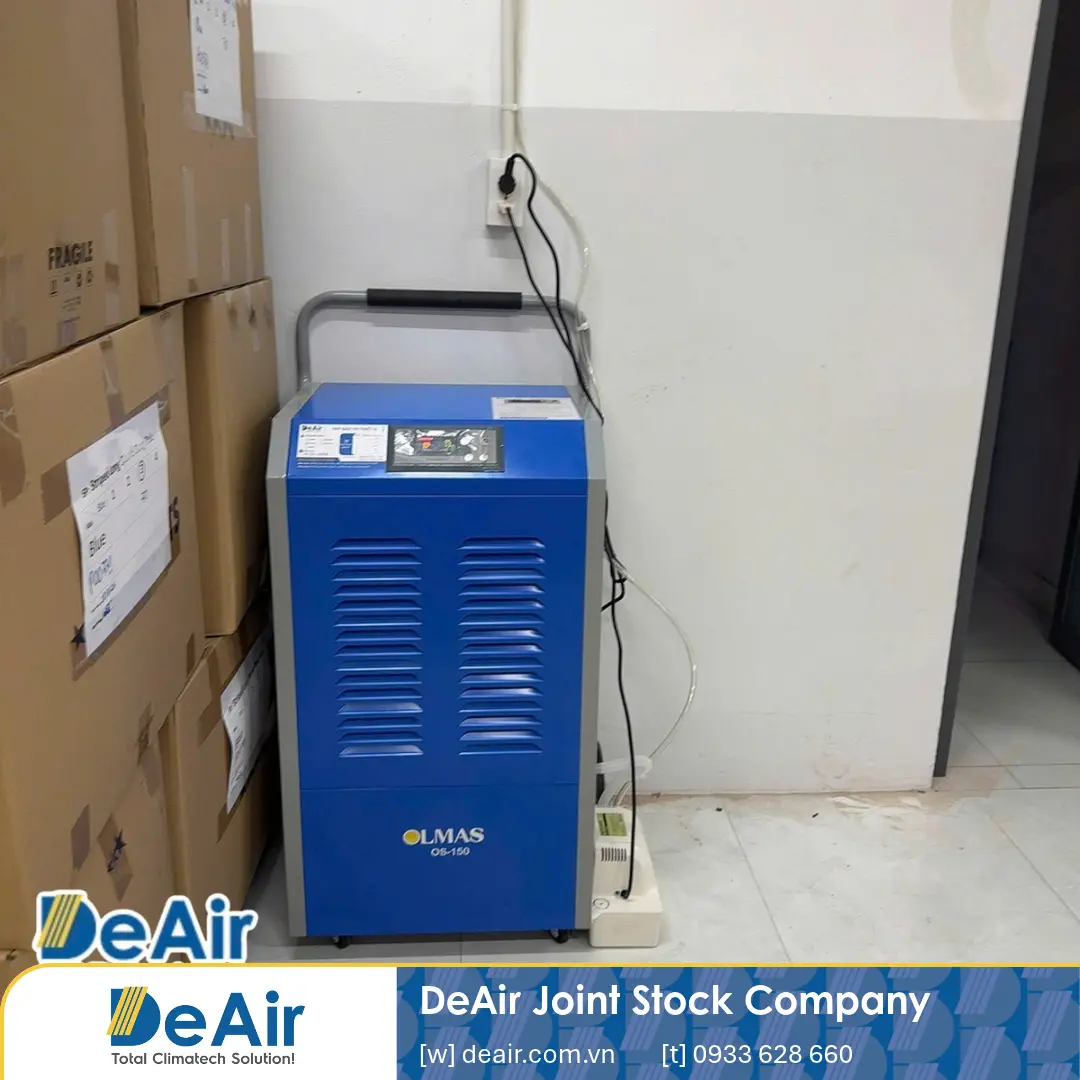
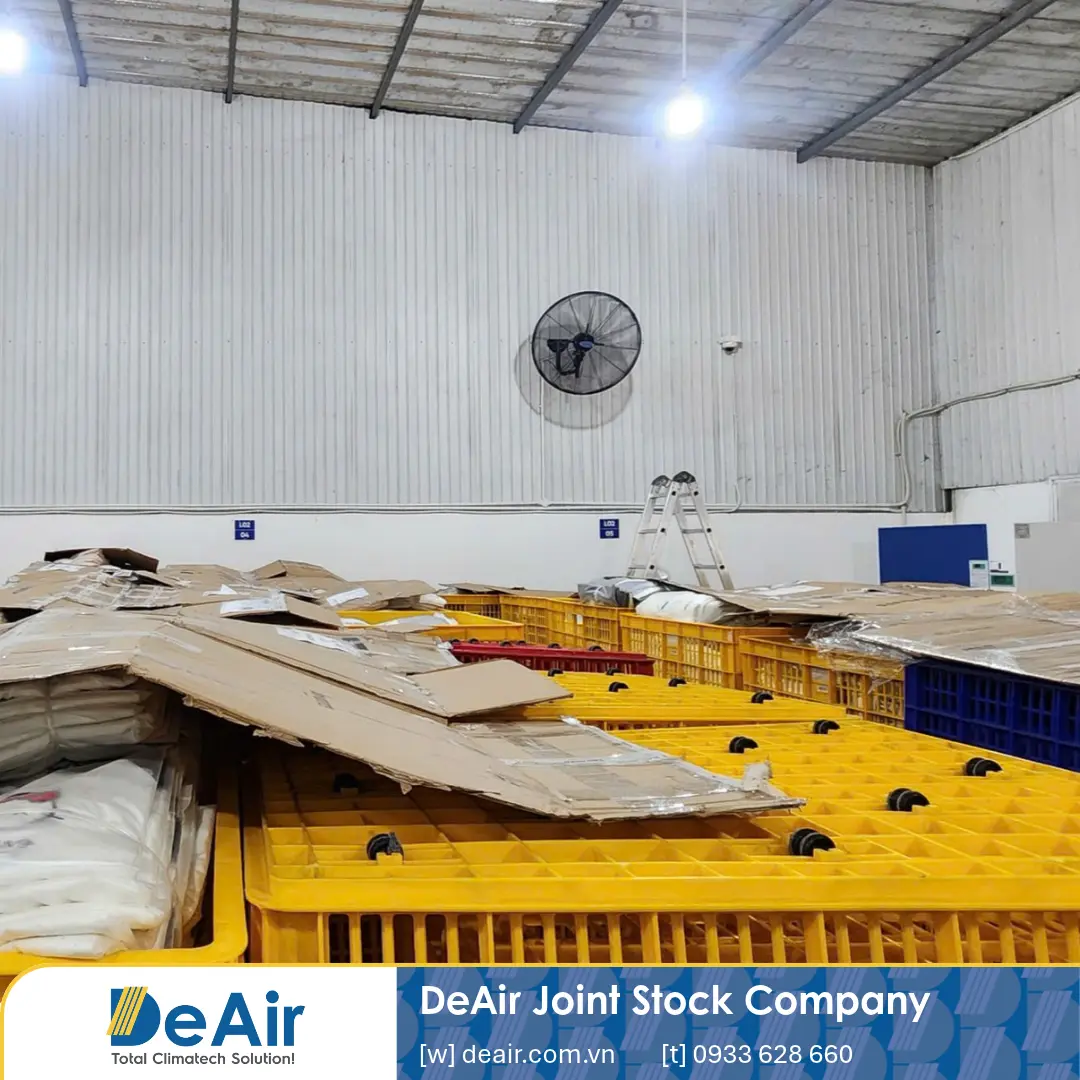
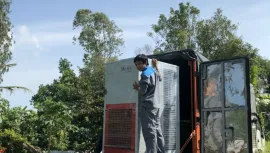
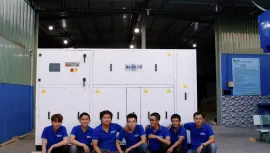
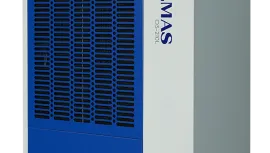
The Olmas OS-150 and OS-500 dehumidifier system professionally installed by DeAir at Levents Global's finished goods warehouse.
💡 Executive Summary
Client:Levents Global Joint Stock Company – A leading Vietnamese streetwear brand with an extensive distribution and export network.
Project Scope: Raw material (fabric rolls) warehouse and finished goods (packaging) warehouse prior to distribution.
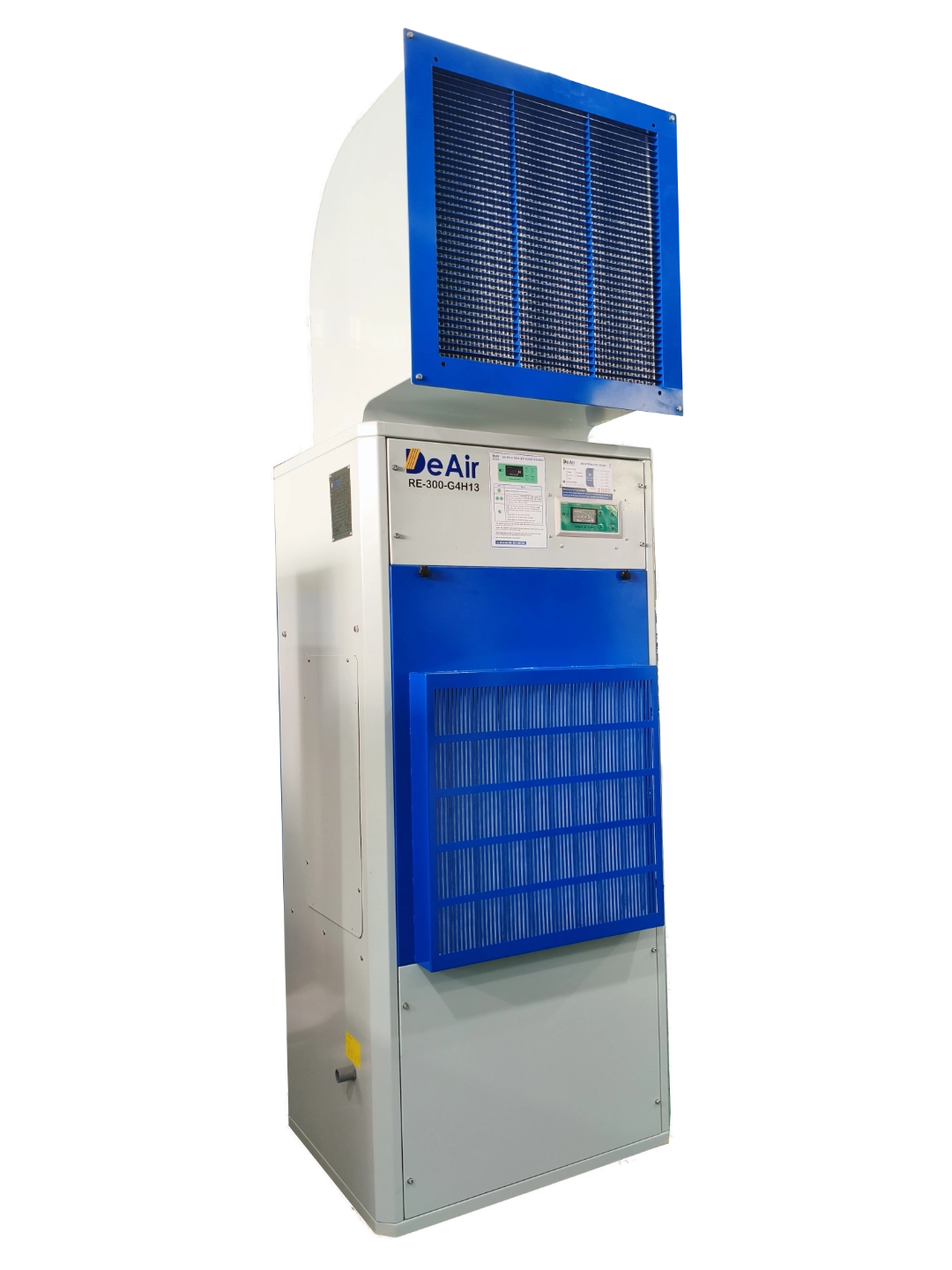
DeAir's Solution: A combined system of two industrial dehumidifier lines: Olmas OS-150 and Olmas OS-500.
Objective: Strictly control humidity according to export standards, absolutely preventing mold growth, metal accessory rust, carton softening, and "container rain" during sea freight.
1. Critical Humidity Challenges in Garment Warehouses
The export garment industry faces highly specific humidity "pain points" that every warehouse manager must confront. A minor oversight in humidity control can lead to an entire shipment, worth billions of VND, being rejected by partners.
🚨 FOUR PRIMARY RISKS FROM HIGH HUMIDITY
"Container Rain" Phenomenon: If packaged garments retain moisture, exposure to high temperatures inside sea freight containers causes the moisture to evaporate and condense, dripping from the container ceiling and causing mold across the entire shipment.
Carton Softening: High humidity causes cardboard boxes to absorb water, losing their load-bearing capacity and leading to collapse when stacked in the warehouse or container.
Metal Accessory Oxidation: Zippers, jean buttons, rings, and eyelets are prone to rust, staining the fabric and causing the shipment to fail partner acceptance inspections.
Fabric Mold: Particularly dangerous for cotton and natural fiber fabrics – an ideal environment for mold growth, causing unpleasant odors and irreparable damage.
Vietnam's Climate Specifics: The rainy and humid "Nồm" season turns natural ventilation into a "double-edged sword" – the more doors are opened, the more moisture floods into the warehouse. The only effective solution is a dedicated industrial dehumidifier operating 24/7.
2. Standard Temperature & Humidity Thresholds for the Garment Industry
Based on the technical document "Recommended Temperature and Humidity Conditions by Environment" (DeAir's reference source), different zones within a garment factory require maintaining the following thresholds:
📊 TEMPERATURE & HUMIDITY THRESHOLDS FOR THE TEXTILE & GARMENT INDUSTRY
Area / Application
Temperature (°C)
Humidity (%RH)
Fabric and Textile Storage
Ambient
35%
Textile Storage for Shipping
20 – 27°C
45 – 60%
Paper Storage / Cardboard Packaging
23°C
45 – 50%
Weaving Room (Production)
20 – 35°C
40 – 75%
Raw Textile Fibers
19 – 24°C
45 – 60%
* Source: "Recommended Temperature and Humidity Conditions by Environment" document – DeAir reference.
💡 DEAIR EXPERT INSIGHT
A single humidity threshold cannot be applied across the entire factory. Raw fabric storage areas require drier conditions (35% RH) to prevent mold, while finished goods packaging areas should maintain 45-50% RH to both protect cardboard cartons and avoid static electricity. This is why Levents requires a zoned solution with multiple machine capacities.
3. Why the Olmas OS Series is the Solution for Levents' Warehouse
Instead of installing a single large fixed system, DeAir advised Levents Global on a strategic "zoned control" approach, combining the Olmas OS-150 and OS-500 models to optimize both initial investment (CAPEX) and operating costs (OPEX).
3.1. Olmas OS-500: The "Workhorse" for Large Finished Goods Warehouses
Massive 500 liters/day capacity: Meets the high moisture load of finished goods warehouses with high ceilings and large volumes.
5,000 CMH airflow: Powerful enough to cover the entire warehouse, pushing dry air through shelving units and pallets.
Continuous Drainage: Direct drainage connection enables 24/7 operation without manual water-emptying intervention.
3.2. Olmas OS-150: Flexible for Raw Material Warehouses & Smaller Zones
150 liters/day capacity: Suitable for fabric roll warehouses, accessory storage, or medium-sized buffer areas.
Single-phase 220V power: Easy to connect without requiring a 3-phase electrical system upgrade.
"Tank-like" Durability: Powder-coated steel housing resists corrosion, enduring the lint-heavy environment typical of garment factories.
3.3. Strategic Synergy
✅ Precise Control: The control panel allows target %RH settings; machines automatically cycle on/off to save energy.
✅ Seasonal Flexibility: Run both units during peak humid seasons; run only one during dry seasons, avoiding waste.
✅ Natural Redundancy: If one machine requires maintenance, the other can still maintain acceptable humidity levels, preventing production disruptions.
4. Olmas OS-150 & OS-500 Technical Specifications
📋 OLMAS OS-150 (FOR RAW MATERIAL WAREHOUSES)
Dehumidification Capacity
150 kg/day (@30°C/80% RH)
Airflow
1,500 CMH
Operating Temperature
15 – 40°C
Power Supply
220V / 1-Phase / 50Hz
Power Consumption
1.495 kW
Noise Level
≤ 55 dBA
Dimensions (W x D x H)
690 x 530 x 985 mm
Weight
45 kg
📋 OLMAS OS-500 (FOR FINISHED GOODS WAREHOUSES)
Dehumidification Capacity
500 kg/day (@30°C/70% RH)
Airflow
5,000 CMH
Operating Temperature
15 – 40°C
Power Supply
380V / 3-Phase / 50Hz
Power Consumption
11.0 kW
Noise Level
≤ 58 dBA
Dimensions (W x D x H)
1,200 x 500 x 1,820 mm
Weight
220 kg
5. Real-World Project Images at Levents Warehouse
The Olmas unit is strategically positioned beside finished goods pallets, ensuring dry air flow envelops the products.The condensate drainage system and electrical connections are installed neatly and safely according to technical standards.
DeAir technicians providing detailed handover and operational training to the Levents Global warehouse management team.
6. DeAir's Survey & Installation Process
Measurement & Moisture Load Calculation: Assessed warehouse airtightness, loading dock door-opening frequency, warehouse volume, and moisture load from newly woven/dyed fabric batches.
Airflow Design: Positioned machines and convection fans (if needed) to ensure no humidity "dead zones" exist in hidden warehouse corners.
Construction & Connection: Safely wired electrical connections and installed aesthetically pleasing concealed or surface-mounted drainage pipes, complying with the ISO 9001:2015 process.
Calibration & Training: Set thresholds of 45-50% RH for the finished goods warehouse and 35% RH for the fabric warehouse, training staff on filter cleaning (critical as fabric lint easily clogs filters).
7. Achieved Results and Value Delivered
✅ TANGIBLE VALUE
Revenue Protection: Completely eliminated the risk of foreign partners filing claims due to mold or accessory rust.
Operating Cost Optimization: Saves electricity through the automatic shut-off mechanism when target humidity is reached, rather than running high-capacity air conditioners for dehumidification.
Extended Material Lifespan: Cardboard cartons maintain rigidity, wooden pallets remain mold-free, and metal accessories stay shiny.
Proactive Shipping Schedules: No longer weather-dependent; shipments are always ready for container loading regardless of the rainy or humid season.
Q1: Will fabric lint in garment factories damage the Olmas dehumidifiers?
The Olmas OS series is designed with a coarse pre-filter in front of the cooling coil, protecting the heat exchanger from clogging by fabric lint. DeAir will guide a periodic filter cleaning procedure (once every 1-2 weeks depending on lint levels) to ensure the machine operates durably and efficiently.
Q2: Is it necessary to combine with air conditioners for humidity control?
Not recommended. Air conditioners are primarily designed for cooling, with very limited dehumidification capability and high power consumption. Using air conditioners for dehumidification is a common mistake that causes electricity bills to skyrocket while humidity still fails to meet standards. The Olmas dehumidifier specializes in moisture removal without shock-cooling the environment, making it far more cost-effective.
Q3: How can we prevent "Container Rain" during sea freight export?
The secret lies in controlling the packaging warehouse humidity at below 50% RH before sealing the cartons. This ensures garments and cardboard boxes do not "absorb" moisture. Combined with the use of container desiccant bags and moisture-proof paper inside the cartons, the risk of container rain is almost completely eliminated.
Q4: What is DeAir's warranty policy for the Olmas product line?
DeAir applies a 24-month genuine warranty policy for the entire Olmas dehumidifier line, with a nationwide technical team providing 24/7 support and a full supply of genuine replacement parts.
🏆 DEAIR COMMITMENTS
✅ Free site survey, with precise moisture load calculations specific to the garment industry.
✅ Genuine Olmas products – DeAir is a reputable distributor in Vietnam.
✅ 24-month warranty, with service processes compliant with ISO 9001:2015 standards.
✅ 24/7 technical support, with engineering teams covering the entire country.
Don't Let Humidity Ruin Your Garment Shipments Worth Billions of VND!
Let DeAir design an international-standard humidity control solution, protecting your brand and revenue against all weather challenges.
Contact us now for a free site survey and consultation!


 DeAir.RE
 DeAir.RE-H
 DeAir.RE-INOX
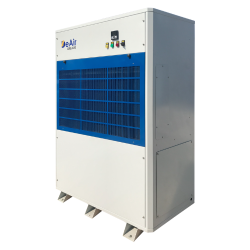 DeAir.CRE
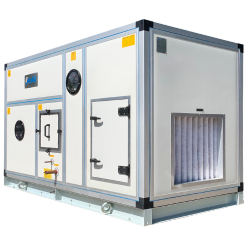 Dezenno
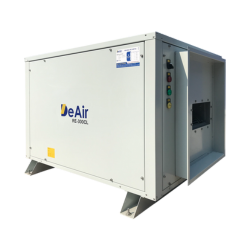 DeAir.RE-CL
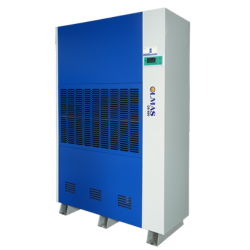 Olmas-OS
 DeAir.HM
 Daxwell
 DeAir.Heat
 AHU
 DeAir.CUSTOM