Industrial Paper Drying: A Startling Cost Comparison Between Resistance (Heat) and Heat-Pump Drying
03/12/2025
Energy Costs: The Biggest Burden in the Paper Industry
The paper and packaging manufacturing industry is one of the most energy-intensive industrial sectors. Within this, the cost of the drying process accounts for a massive proportion of the product's cost price. However, many factories are still using outdated technologies (coal/wood boilers or electric resistance heaters) due to hesitation to change, accepting high operating costs and safety risks.
This article will put two technologies on the scale: Traditional Thermal Drying and Heat-Pump Drying to show business owners the "billions of VND" being wasted every year and identify the optimal solution for profitability.
Drying paper rolls and cores is the most energy-consuming stage if the wrong technology is chosen.
This technology uses electricity to heat resistive coils to create drying heat.
Low Efficiency (COP = 1): 1kW of electricity generates a maximum of 1kW of heat. All the heat energy and moisture after drying are exhausted into the environment by fans. This is a double waste: paying for electricity to create heat, then throwing that heat away.
Quality Risks: High, hard-to-control temperatures make the paper prone to becoming brittle, breaking, and having uneven surfaces (curled edges), affecting subsequent printing or processing.
Boiler Drying (Coal/Wood): Cheap Fuel but "Expensive" Consequences
Although the fuel is cheap, coal/wood boilers cause serious environmental pollution (smoke, dust), failing green standards (ESG) for export. Additionally, there is a high risk of fire and explosion, and unstable heat sources lead to unevenly dried paper, increasing the scrap rate.
2. Heat-Pump Drying (Daxwell): The Energy Revolution in the Paper Industry
Why does Heat-Pump save 50-70% of electrical energy?
The Daxwell Heat-Pump dryer operates on the principle of heat recovery. The machine does not "create" completely new heat from electricity but absorbs heat from the environment and reuses the latent heat released from the moisture condensation process. As a result, the efficiency (COP) reaches 3-4, meaning 1kW of electricity generates up to 3-4kW of useful heat energy.
Superior Paper Quality
Drying at low and medium temperature ranges (40-60°C) helps the paper dry slowly, retaining tensile strength, without embrittlement or denaturation of the cellulose fiber structure. The finished paper is flat, beautiful, and meets high technical standards.
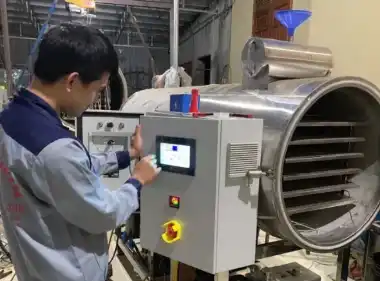
The Daxwell drying system is modern and clean, completely replacing traditional combustion furnaces.
3. Real-World Cost Calculation Table (Hypothetical Case Study)
Let's do a simple comparison calculation. Assume the drying demand requires removing 1,000 liters of water/day. Estimated industrial electricity price: 2,000 VND/kWh.
Criteria
Resistance Drying (Old)
Heat-Pump Drying (Daxwell)
Est. Power Consumption
~ 1,200 kWh/day
~ 400 kWh/day
Daily Electricity Cost
2,400,000 VND
800,000 VND
DAILY SAVINGS
1,600,000 VND
ANNUAL SAVINGS (365 days)
~ 584,000,000 VND
Conclusion: The electricity savings alone (nearly 600 million VND/year) are enough for the business to recover the investment capital for the Heat-Pump dryer in just 12-18 months of operation.
4. Real-World Proof: DeAir Project in Quang Ngai
The efficiency of the Daxwell dryer has been proven through the paper roll drying project in Quang Ngai. The customer gave very positive feedback regarding the fast drying speed, deep reduction in electricity costs, and notably, the paper did not warp as it did with the old method.
Real-world video of Daxwell Heat-Pump dryer drying paper rolls: quiet operation and energy savings.
With "Made in Vietnam" manufacturing capabilities, DeAir can customize the size of the drying room and machine capacity to best fit the existing production line and floor plan of each paper factory.
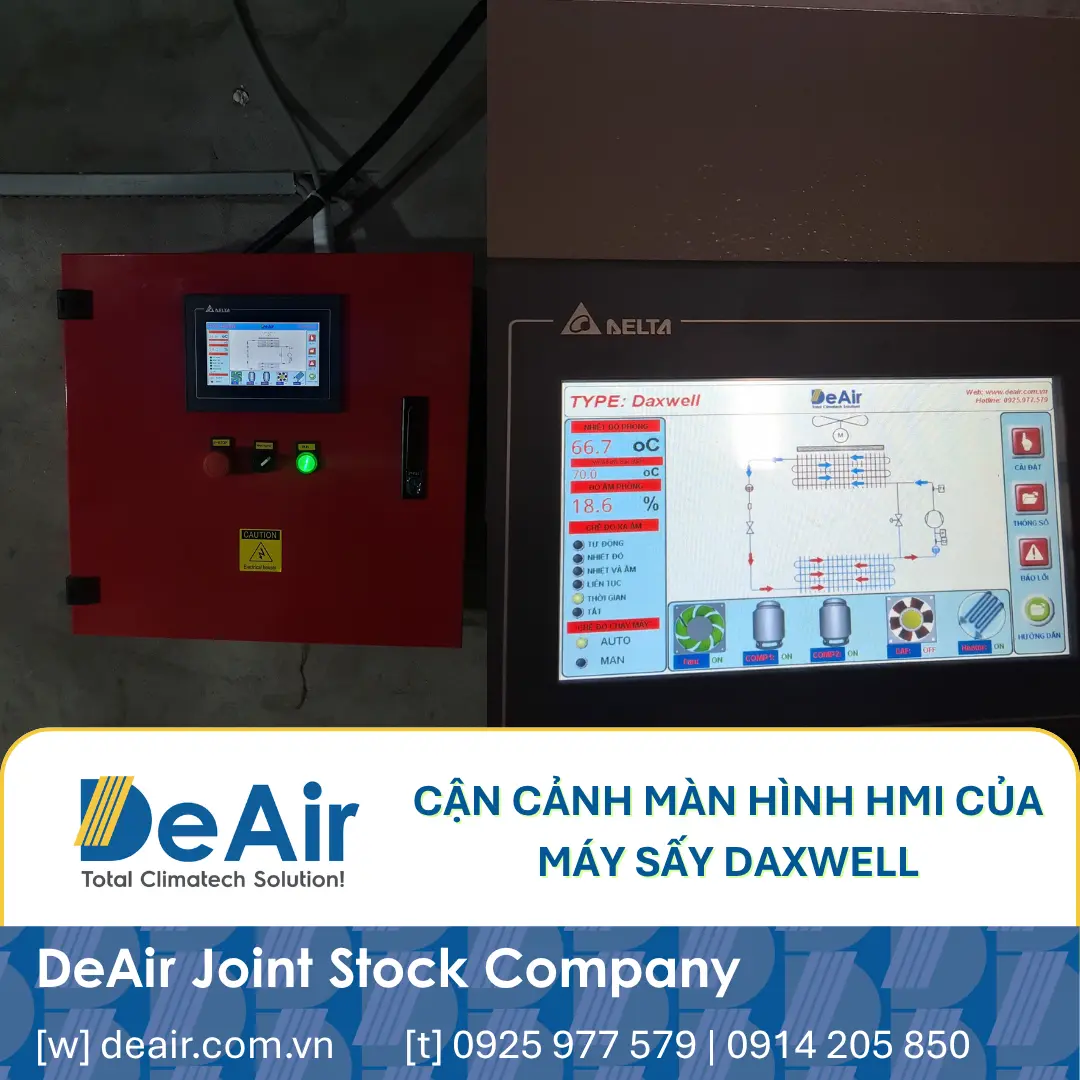
Smart control technology helps precisely monitor humidity and drying temperature.
5. Frequently Asked Questions (FAQ)
1. Can Heat-Pump drying completely dry paper?
Yes. The Daxwell dryer allows setting the target humidity precisely to each percentage (e.g., 10-12% for paper). The machine will run until this humidity is reached, then automatically stop or switch modes, ensuring the paper dries to standard.
2. Is the Daxwell dryer durable in a paper dust environment?
Yes. DeAir designs machines specifically for industrial use with a dust filter system that is easy to remove for cleaning. Critical components are sealed to prevent paper dust intrusion that could cause damage.
3. I want to convert from an old kiln to a Heat-Pump. Can I reuse the old drying room?
Absolutely. If your old drying room has good insulation, DeAir can survey and install the Daxwell dryer into the existing system, helping you save on the initial investment cost of building a new room.
Request a Free ROI (Return on Investment) Calculation Table!
Don't guess about costs. Send your current parameters (production volume, electricity/fuel costs) to DeAir. We will create a detailed cost comparison table so you can clearly see the investment efficiency before deciding.


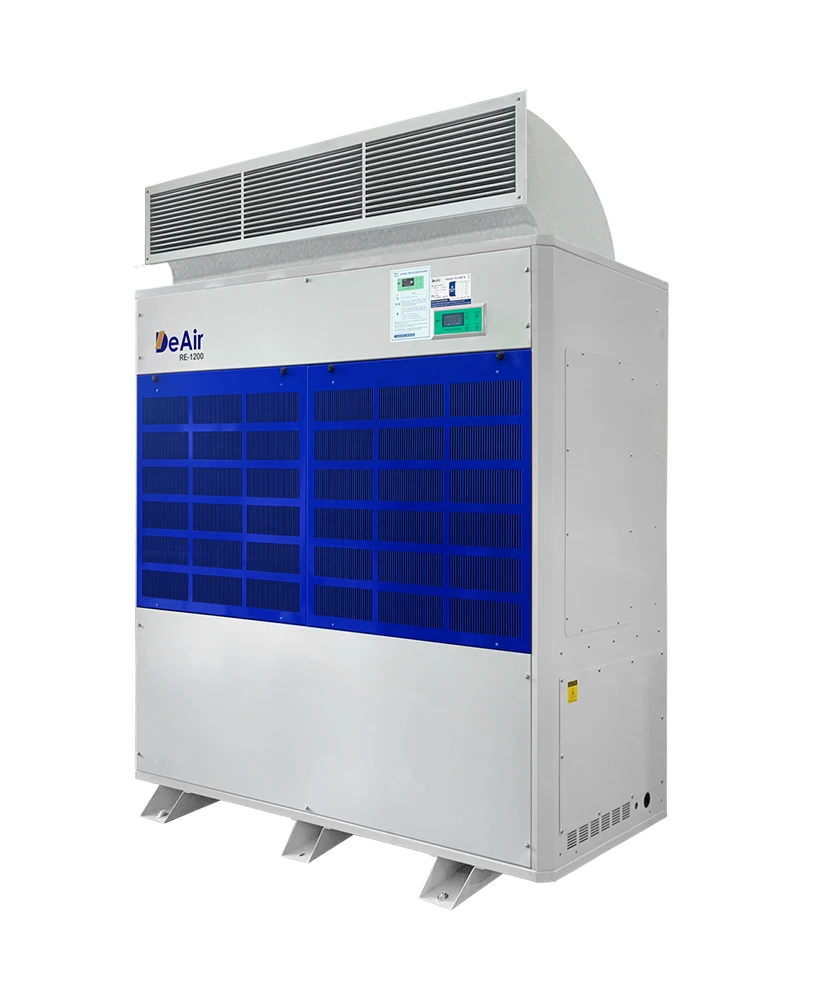 DeAir.RE
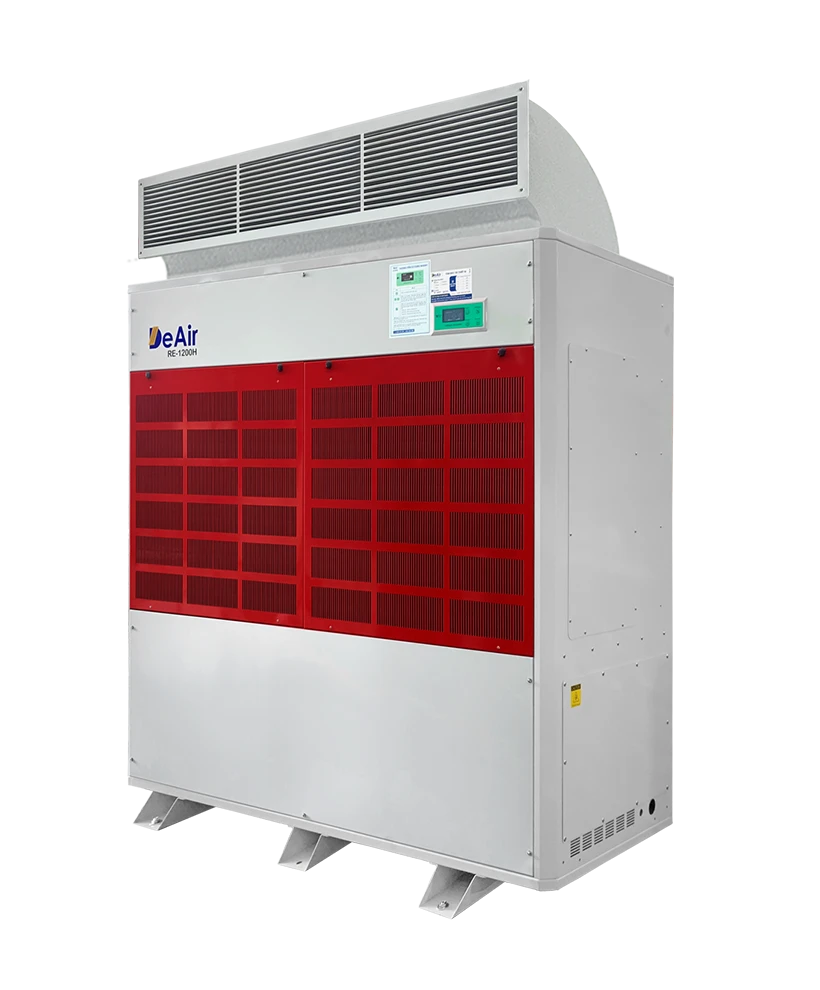 DeAir.RE-H
 DeAir.RE-INOX
 DeAir.CRE
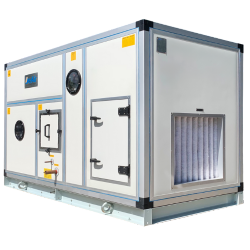 Dezenno
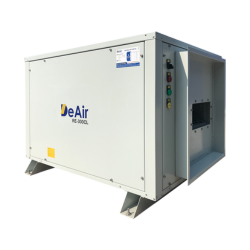 DeAir.RE-CL
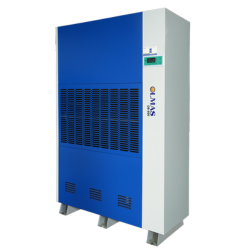 Olmas-OS
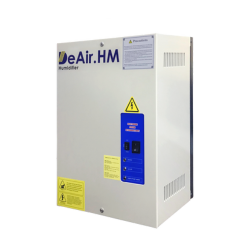 DeAir.HM
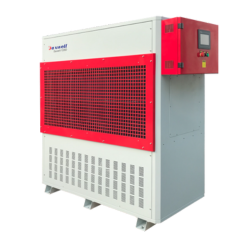 Daxwell
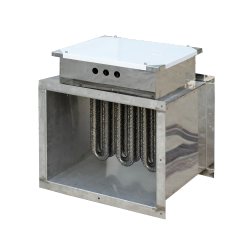 DeAir.Heat
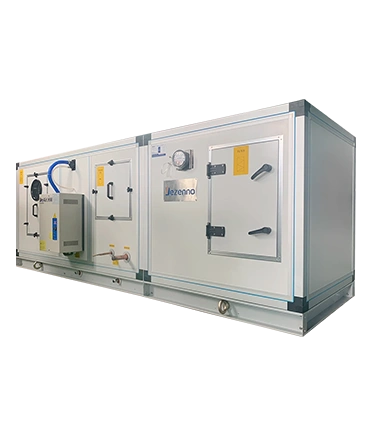 AHU
AHU








![[Case Study] DeAir Installs DeAir.De Rotor Humidity Control System for Pharmaceutical Plant in Binh Duong](https://deair.com.vn/thumbs/news/2023_04/ban_giao_may_cho_duoc_bd/[270x153-cr]image1-1024x772.jpg__cv.webp "[Case Study] DeAir Installs DeAir.De Rotor Humidity Control System for Pharmaceutical Plant in Binh Duong")

![[Review & Guide] Olmas OS-300: The New Humidity Control "Warrior" for Medium to Large Warehouses](https://deair.com.vn/thumbs/news/huong_dan_su_dung_may_olmas_21/[270x153-cr]vtm06440.png "[Review & Guide] Olmas OS-300: The New Humidity Control \"Warrior\" for Medium to Large Warehouses")