Importance:Cold storage humidity control is the make-or-break factor determining cargo quality, energy costs, and equipment lifespan for every cold storage system.
Reality: Over 80% of cold storage facilities in Vietnam rely solely on refrigeration systems to handle moisture — a technical mistake that causes evaporator frost build-up, freezer burn, and 20-35% higher electricity bills.
Layered solution: DeAir proposes the approach of "one temperature zone — one dedicated dehumidification solution":
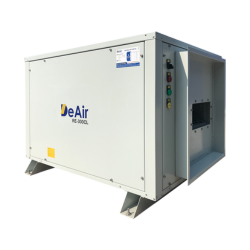
Anteroom & dock loading zones: DeAir.RE-CL ceiling-mounted dehumidifiers
Deep freezer & blast freezing zones: Dezenno rotor dehumidification equipment
Results: 90% reduction in evaporator frost build-up, elimination of freezer burn, and 25-40% savings on total system energy.
1. Why is "Cold Storage Humidity Control" a Make-or-Break Issue?
1.1. Humidity – The "Silent Saboteur" in Every Cold Storage Facility
Cold storage is designed to control temperature, but humidity is the true determinant of preservation quality. Uncontrolled humidity triggers a chain reaction: evaporator frost → reduced cooling efficiency → higher energy consumption → spoiled products. According to technical guidelines from ASHRAE (American Society of Heating, Refrigerating and Air-Conditioning Engineers), humidity control in cold storage is the key factor in maintaining product quality and system efficiency.
1.2. Four Sources of Moisture Infiltrating Cold Storage
🌊 THE FOUR MOISTURE INFILTRATION PATHWAYS
Outside air when doors open: Every 1-minute dock door opening lets tens of m³ of 80-90% RH humid air flood in.
Moisture from the products themselves: Especially fresh produce and unfrozen seafood (losing 1-3% of weight through evaporation).
Permeation through the building envelope: Panel walls, floors, and ceilings are never absolutely vapor-tight.
Human and equipment activity: Forklifts, staff, and lighting systems.
1.3. Economic Losses from Ignoring Cold Storage Humidity Control
20-35% higher electricity costs: The refrigeration system must "shoulder" the extra dehumidification load.
30-50% shorter evaporator lifespan: Due to continuous defrost cycles.
Cargo loss rate from freezer burn and mold: 3-8% of total batch value.
Workplace safety hazards: Icy slippery floors and visibility obscured by fog.
2. Cold Storage Zoning: Every Zone Has Its Own Humidity "Personality"
Each area within a cold storage facility has completely different temperature-humidity characteristics. Applying a single solution to all zones is a common mistake. DeAir divides cold storage into 5 zones with dedicated solutions.
2.1. Zone 1 – Anteroom (2-15°C)
Characteristics: The buffer zone between the outside environment and the cold storage, where goods are loaded and unloaded.
Problems: Dense fog when doors open, condensation on ceilings and walls, slippery floors.
Standard thresholds: 2-10°C, 5-15% RH (freezer tunnel anteroom) or 10-15°C, 30-40% RH (chilled product receiving room).
Characteristics: Storage of fresh vegetables, fruits, dairy, and short-term processed foods.
Problems: Mold growth at humidity >85% RH, condensation on packaging, localized rotting.
Standard thresholds: Varies by product (milk powder 15-30% RH, dried vegetables 40-45% RH, chilled processing rooms 50% RH).
Suitable solution: DeAir.RE-H stainless steel dehumidifier (for food applications with high hygiene requirements).
2.3. Zone 3 – Freezer (-18 to -25°C)
Characteristics: Long-term storage of frozen meat, fish, and seafood.
Problems: Freezer burn, large ice crystals rupturing product cells, frost build-up on evaporators.
Standard thresholds: -18 to -25°C with low relative humidity (e.g., chocolate storage at -17°C, 40% RH).
Suitable solution: Dezenno rotor dehumidification equipment (conventional condensation units CANNOT operate at deep sub-zero temperatures).
2.4. Zone 4 – Blast Freezing / Air Blast Freezer Zone (-30 to -45°C)
🚨 THE MOST TECHNICALLY CHALLENGING ZONE
Characteristics: IQF quick freezing, blast freezers, freezing of fresh products.
Specific problems:
Moisture from fresh products evaporates massively during the first 30-60 minutes of freezing.
Thick ice accumulates on blast freezer evaporators, reducing heat transfer efficiency by 40-60%.
Freezing time extends by 20-30%, consuming serious amounts of electricity.
Large ice crystals form, damaging product structure.
Standard thresholds: Extremely low absolute humidity control, dew point below -40°C.
Suitable solution: Dezenno rotor (the ONLY rotor technology capable of operating in this temperature range).
2.5. Zone 5 – Dock Loading / Shipping & Receiving Area
Characteristics: Loading doors in direct contact with the outside environment, high-frequency door openings.
Problems: Dense fog, humid rain and dust infiltration, ice build-up on doors and ramps.
Suitable solution: DeAir.RE-CL ceiling-mounted dehumidifier combined with air curtains and high-speed doors.
3. Six Classic "Pain Points" When Cold Storage Humidity Control Fails
3.1. Evaporator Frost Build-up
A 3-5mm ice layer on the evaporator reduces heat exchange efficiency by 30%. A 10mm ice layer can reduce efficiency by 50%, overloading the compressor. Continuous defrost cycles cause warehouse temperature fluctuations that affect products.
3.2. "Snowfall" Inside the Warehouse
Ice crystals fall from evaporators onto products, floors, and aisles. This causes food safety violations (especially with unpackaged food) and increases humidity again when ice melts during defrost cycles.
3.3. Fog When Doors Open
Warm humid outside air condenses into dense fog when meeting the cold environment. Reduced visibility creates forklift accident risks. Fog settles on products, packaging, ceilings, and warehouse walls.
3.4. Freezer Burn
⚠️ THE FREEZER BURN PHENOMENON
Products lose moisture through sublimation in overly dry environments or due to temperature fluctuations.
Dry white surfaces, discoloration, flavor loss, reducing commercial value by 30-50%.
Root cause: Unstable humidity and temperature fluctuations from frost-covered evaporators.
3.5. Mold and Bacteria in the Anteroom Zone
The 2-15°C zone is the "danger zone" for microbial growth. Mold develops on ceilings, walls, and packaging of goods awaiting shipment, creating cross-contamination risks for products inside the warehouse.
3.6. Cascading Energy Waste
The refrigeration system must work double duty: cooling AND dehumidifying. The COP of the refrigeration system drops 25-40% when the evaporator is frosted. Electric resistance defrost cycles consume an additional 5-10% of total energy.
4. Why Conventional Refrigeration CANNOT Solve the Humidity Problem?
4.1. Physical Limits of Refrigeration at Low Temperatures
Below 10°C, the evaporator begins to frost. Below 0°C, conventional condensation units nearly lose all dehumidification capacity. At -18 to -45°C, condensation technology is completely "helpless."
4.2. Dehumidification by Refrigeration = A Side Effect, Not the Purpose
Refrigeration systems are designed to lower temperature; moisture removal is merely a byproduct. Humidity targets cannot be independently set and maintained. Periodic defrosting interrupts the dehumidification process.
4.3. The Reverse Energy Paradox
💡 THE TECHNICAL PARADOX
Using refrigeration to remove moisture in cold storage = using a low-efficiency device for a task it was never designed for. Each kg of water removed by refrigeration consumes 3-4 times more energy than a dedicated dehumidifier. This creates the paradox: the harder you try to dehumidify with refrigeration alone, the higher your electricity bill climbs and the faster your evaporators frost up.
4.4. International Standards Reference
According to technical guidelines from ASHRAE (American Society of Heating, Refrigerating and Air-Conditioning Engineers) and the IIR (International Institute of Refrigeration), dehumidification for cold storage should be handled by dedicated equipment installed at anterooms or buffer zones, rather than "shouldering" the entire load on the main refrigeration system. DeAir's reference document "Recommended Temperature and Humidity Conditions by Environment" specifies humidity thresholds for each cold storage zone.
5. DeAir Solutions: Three Product Lines for Three Different "Battlefields"
5.1. DeAir.RE-CL Ceiling-Mounted Dehumidifier – The Anteroom "Gatekeeper"
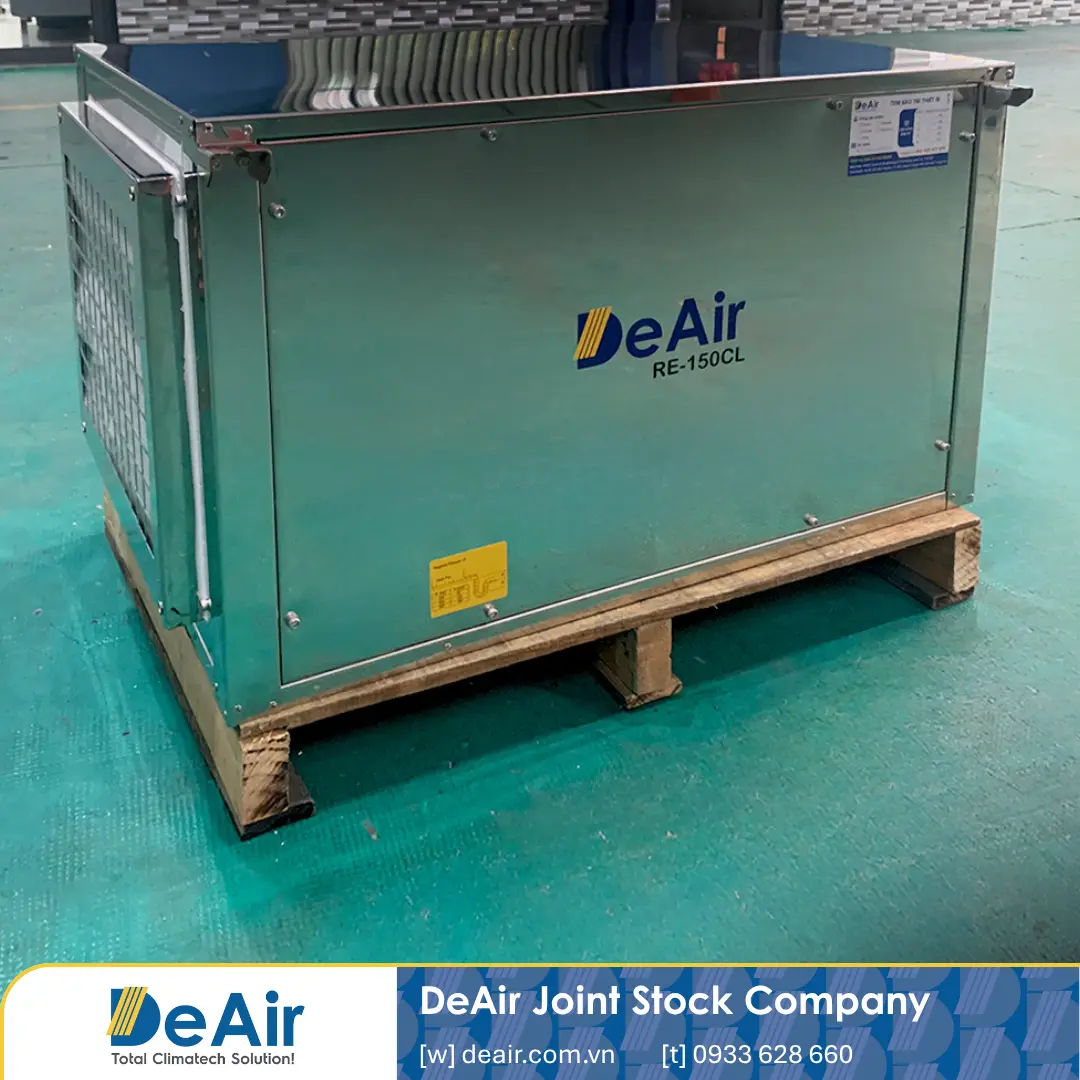
Close-up of the DeAir.RE-150CL ceiling-mounted dehumidifier before factory shipment, rigorously tested per ISO 9001:2015 standards.
🏭 OUTSTANDING SPECIFICATIONS & ADVANTAGES
Installation position: Ceiling-mounted in anterooms, dock loading areas, and shipping zones — occupying zero valuable floor space.
Dehumidification capacity: 60 – 1,000 kg/day (covering all scales from small to large).
Operating temperature range: 15-60°C.
Airflow: 500 – 12,000 CMH.
Power supply: 220V/1-phase (small models) or 380V/3-phase (large models).
Advantages in cold storage: Distributes dry air evenly from above, creating a "moisture barrier" at warehouse doors. Frees floor space for forklifts and pallet movement. Effectively eliminates fog right at the source. Ideal for anterooms, dock loading areas, and ceilings of large multi-industry warehouses.
Advantages in food cold storage: SUS304 stainless steel resists corrosion from salt vapor (especially critical for seafood warehouses). Easy to clean, meeting HACCP, GMP, ISO 22000, and BRC standards. No rust generation, ensuring absolute food safety. Ideal for food warehouses, seafood storage, and pharmaceutical cold rooms with high hygiene requirements.
5.3. Dezenno Rotor Dehumidifier – The "Heavy Weapon" for Deep Freezers & Blast Freezing
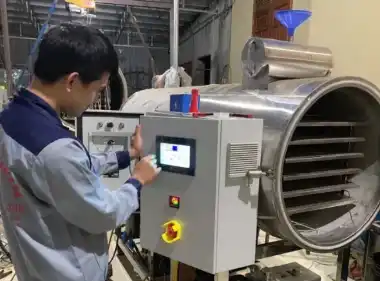
Dezenno rotor dehumidification equipment — the ONLY solution for deep freezers and blast freezing zones.The Mebiphar pharmaceutical film-coating room project — applying Dezenno rotor for ultra-low dew point control.
🎯 SUPERIOR SPECIFICATIONS & ADVANTAGES
Installation position: Treats supply air for freezers, blast freezing tunnels, and deep-cold pharmaceutical storage.
Dehumidification capacity: 1.4 kg/h to 134 kg/h at 20°C/60% RH.
Achieves ultra-low dew points: Below -40°C.
Stable operation at any temperature: Including deep sub-zero conditions.
Superior advantages in deep cold storage: The ONLY rotor technology that operates effectively at deep sub-zero temperatures. Provides absolutely precise humidity control, preventing evaporator frost build-up. Can be integrated with existing refrigeration systems via air ducts. Ideal for deep freezers (-18 to -25°C), blast freezing tunnels (-30 to -45°C), pharmaceutical warehouses, and specialized electronic component storage.
6. Reference Humidity Standards for Each Cold Storage Zone
Below are the standard temperature-humidity thresholds for each cold storage zone, extracted from the document "Recommended Temperature and Humidity Conditions by Environment" — DeAir's technical reference source.
📊 TEMPERATURE & HUMIDITY THRESHOLDS BY COLD STORAGE ZONE
Zone / Application
Temperature (°C)
Humidity (%RH)
Freezer tunnel anteroom
02-10°C
05-15%
Chilled product receiving room
10-15°C
30-40%
Cold storage floor
10-15°C
30-40%
Chilled processing room (e.g., chocolate)
0°C
50%
Chocolate storage
-17°C
40%
Chocolate-covered peanut storage
18 to -20°C
40-45%
Dried vegetable storage
02-22°C
40-45%
Dried fish storage
15-20°C
25-30%
Milk powder storage
21-26°C
15-30%
Whey powder storage
21-26°C
15-20%
Fur storage
04-10°C
50%
* Source: "Recommended Temperature and Humidity Conditions by Environment" document
7. Operating Cost Comparison: Refrigeration Only vs. Refrigeration + Dehumidifier
Below is the real-world ROI calculation based on projects DeAir has deployed, presented through qualitative comparison figures and percentages rather than complex formulas.
7.1. Scenario 1: Using Refrigeration Alone for Dehumidification
The refrigeration system runs continuously at high load.
Defrost cycles every 2-4 hours.
Energy consumption: 100% (baseline for comparison).
The refrigeration system focuses solely on cooling, running at its designed load.
Defrost cycles extend by 2-3 times.
Total system energy consumption: reduced by 25-40%.
Evaporator lifespan: significantly increased.
Payback period for the dehumidifier investment: 18-30 months.
Expert conclusion: Cold storage humidity control is not an extra cost — it is an investment with a clear payback through energy savings and reduced cargo damage.
8. Real-World Case Studies from DeAir
8.1. Logistics Cold Storage: KWE, CEVA, U&I, TBS
DeAir has deployed DeAir.RE-CL ceiling-mounted dehumidifier systems for leading logistics cold storage facilities. The solution completely eliminates fog at dock doors, reduces evaporator frost build-up by 90%, and increases refrigeration system efficiency by 25-35%.
8.2. Multi-Industry Food & Seafood Storage
The DeAir.RE-H stainless steel dehumidifier series is installed in food warehouses requiring HACCP/GMP compliance and highly corrosive seafood storage environments. SUS304 stainless steel provides absolute corrosion resistance, is easy to clean, and meets the strictest hygiene standards.
8.3. Mebiphar Pharmaceutical Warehouse – Film Coating Room
At the Mebiphar pharmaceutical plant, DeAir deployed Dezenno rotor dehumidification equipment for the film-coating room — an area requiring ultra-low dew point control. The system maintains stable humidity, ensures tablet quality, and meets GMP-WHO standards.
8.4. Deep Freezers & IQF Blast Freezing Tunnels
All of DeAir's deep freezer (-25°C) and IQF blast freezing (-40°C) projects use Dezenno rotors as the primary solution. The Dezenno rotor is the ONLY technology that operates effectively at deep sub-zero temperatures, providing absolute humidity control and preventing blast freezer evaporator frost.
9. Frequently Asked Questions (FAQ)
Q1: What is the standard humidity level for cold storage?
It depends on the storage zone and product type. Freezer tunnel anterooms require 5-15% RH, chilled food storage requires 30-50% RH, and freezers must maintain low absolute humidity. The most critical factor is STABLE humidity, avoiding fluctuations. DeAir will survey your facility and advise the optimal humidity threshold for your specific products.
Q2: My cold storage already has a refrigeration system — do I still need a dehumidifier?
YES, if your facility shows rapid evaporator frosting, door fog, or product freezer burn. Refrigeration only removes moisture as a side effect — insufficient for effective cold storage humidity control. For deep freezers and blast freezing zones, Dezenno rotors are mandatory.
Q3: Can conventional condensation dehumidifiers be used in freezers?
NO. Below 0°C, condensation units become nearly useless as their evaporators freeze over. Deep freezers and blast freezing zones must use Dezenno rotors — the only technology that operates effectively at deep sub-zero temperatures, achieving dew points below -40°C.
Q4: Will installing a dehumidifier raise the temperature inside the cold storage?
With DeAir.RE-CL ceiling-mounted units installed in anterooms, the heat released does not affect the main storage. For chill rooms, the isothermal DeAir.CRE series can be selected to avoid any temperature rise. Dezenno rotors are installed outside the storage, supplying dry air via ducts, so warehouse temperature remains unaffected.
Q5: Is the investment cost for a cold storage humidity control system high?
It depends on the warehouse scale and the zones requiring treatment. DeAir provides free surveys, precise capacity calculations, and detailed quotations. The typical payback period is 18-30 months through energy savings and reduced cargo damage.
Q6: Does DeAir support multi-industry, multi-scale cold storage facilities?
YES. DeAir has deployed cold storage humidity control solutions for logistics (KWE, CEVA, U&I, TBS), food, pharmaceuticals (Duoc Hau Giang, Imexpharm, Duoc Enlie, Mebiphar), and seafood industries — covering every scale from small warehouses to complexes of tens of thousands of cubic meters.
🏆 DEAIR COMMITMENTS & SERVICES
✅ Free surveys, with actual humidity measurements in every warehouse zone.
✅ "Tailor-made" solution consulting by industry (food, pharmaceuticals, logistics, seafood).
✅ Products manufactured in Vietnam, with proactive spare parts availability and fast delivery.
✅ 24-month warranty, with service centers in Hung Yen and Ho Chi Minh City.
✅ Periodic maintenance services and flexible equipment rental.
✅ ISO 9001:2015 certified, with standardized service processes.
Don't Let Humidity "Erode" Your Cold Storage Profits!
Let DeAir survey your facility and design the optimal cold storage humidity control solution for every temperature zone — from anterooms to blast freezing tunnels.


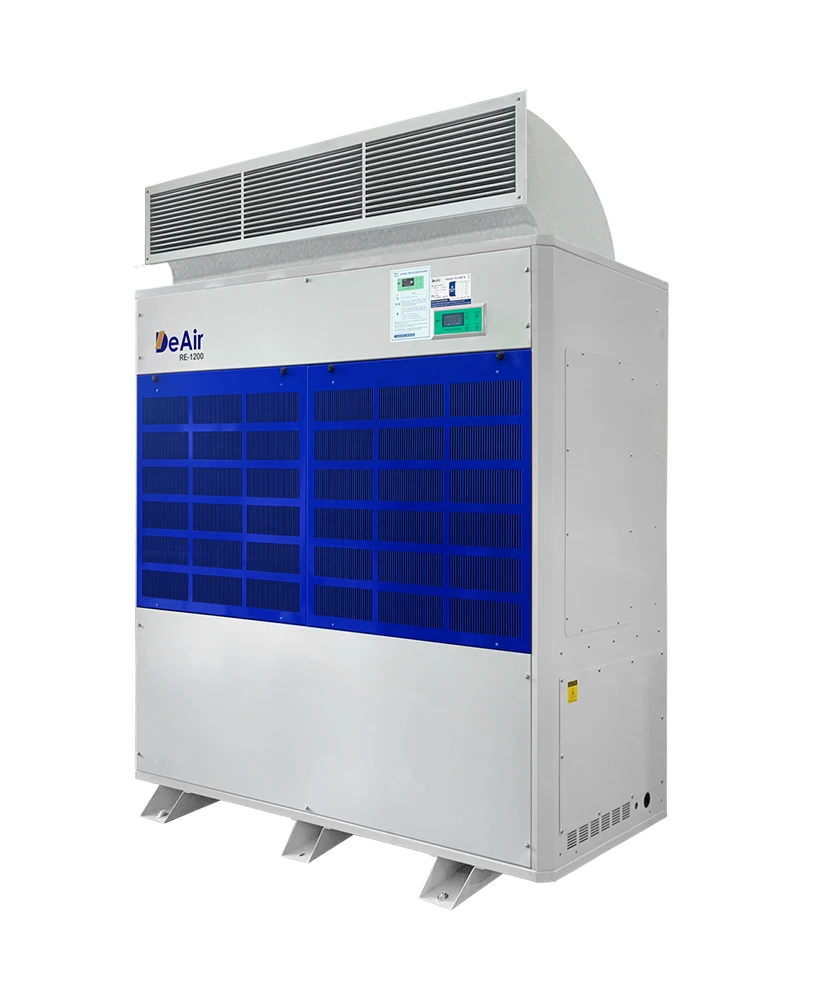 DeAir.RE
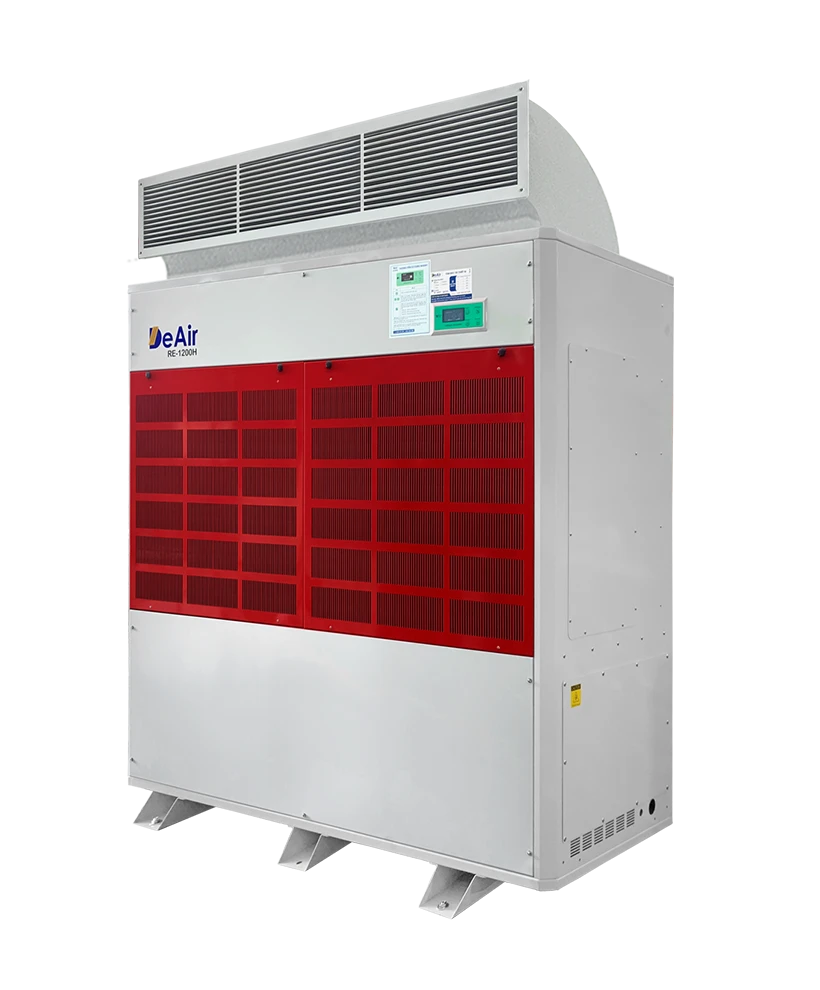 DeAir.RE-H
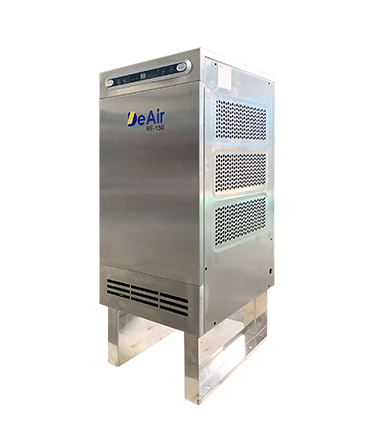 DeAir.RE-INOX
 DeAir.CRE
 Dezenno
 DeAir.RE-CL
 Olmas-OS
 DeAir.HM
 Daxwell
 DeAir.Heat
 AHU
AHU









![[Case Study] DeAir Installs DeAir.De Rotor Humidity Control System for Pharmaceutical Plant in Binh Duong](https://deair.com.vn/thumbs/news/2023_04/ban_giao_may_cho_duoc_bd/[270x153-cr]image1-1024x772.jpg__cv.webp "[Case Study] DeAir Installs DeAir.De Rotor Humidity Control System for Pharmaceutical Plant in Binh Duong")

![[Review & Guide] Olmas OS-300: The New Humidity Control "Warrior" for Medium to Large Warehouses](https://deair.com.vn/thumbs/news/huong_dan_su_dung_may_olmas_21/[270x153-cr]vtm06440.png "[Review & Guide] Olmas OS-300: The New Humidity Control \"Warrior\" for Medium to Large Warehouses")