Eliminating Factory "Humidity Shock" Caused by Torrential Rains and Record Heat Wave
29/05/2026
Climate Alert: Eliminating Factory "Humidity Shock" Caused by Torrential Rains and Record Heat Wave
Article Summary
Extreme Context: Sudden shifts between heavy downpours and blazing heat waves trigger a destructive phenomenon known as "humidity shock" (RH spiking to >90%), effectively turning warehouses into massive saunas.
Factory Risks: Direct consequences include slippery, sweating epoxy floors (compromising occupational safety), metal machinery rust, and carton box pallet collapses.
Common Mistakes: Turning on exhaust ventilation fans or aggressively lowering air conditioning temperatures during these periods actually intensifies water condensation on cool surfaces.
The Rescue Solution: Deploying high-capacity industrial dehumidifiers is the only effective measure to extract moisture and control humidity independently without overcooling the environment.
Recently, weather conditions across Vietnam have taken an extremely volatile turn. Torrential downpours have caused widespread, deep flooding from North to South. Immediately following these deluges, record-breaking heat waves have struck, driving up ambient temperatures dramatically. This rapid weather transition doesn't just exhaust human health—it activates a silent, invisible destructive force inside industrial zones: "Humidity Shock". Let's delve into the physics behind this phenomenon and explore how industrial dehumidifiers serve as the ultimate savior for manufacturing facilities.
From a thermodynamic perspective, "humidity shock" stems from accelerated evaporation speeds. Following heavy rain, massive amounts of stagnant water are trapped on corrugated metal roofs, outdoor concrete yards, and surrounding drainage systems. When intense sunlight hits (corroborated by meteorological forecast data showing RealFeel temperatures often exceeding 38°C), this accumulated water evaporates aggressively. The resulting water vapor forces its way through loading dock gaps and crevices, infiltrating the facility.
Consequently, the manufacturing facility is transformed into a literal commercial sauna room via the greenhouse effect. Metal roofing absorbs radiant heat, warming up the indoor air. As warm air expands, its moisture-holding capacity increases exponentially, pushing the Relative Humidity (RH) to an extreme 95% - 100%. When temperatures drop in the evening, or when this warm, moisture-laden air hits cooler metal surfaces, the moisture immediately condenses into large pools of water.
Infographic: The Destructive Cycle of "Humidity Shock"
🌧️
Phase 1: Excess Water Accumulation
Heavy downpours leave standing water on yards, roofs, and drainage trenches.
➡
☀️
Phase 2: Flash Evaporation
Intense heat forces rapid water evaporation, driving massive humidity into the facility.
➡
💧
Phase 3: Devastating Condensation
RH passes 90%; nighttime temperature drops cause severe floor and equipment "sweating".
2. 4 Fatal Blows to Manufacturing Plant Operations
"Sweating Epoxy Floors" - A Workplace Safety Disaster: Production floors suddenly become as slick as if coated in oil. This presents an immediate threat to walking employees and drastically spikes the risk of forklift skids or rollovers.
Mechanical Corrosion & Circuit Shorting: Moisture settling on precision metal molds or CNC machinery causes flash rusting overnight. Water vapor creeping into electrical cabinets and PLC blocks causes short circuits and arcing, bringing the entire line to a standstill.
Massive Stock Degradation: Corrugated carton packaging absorbs moisture, softening until it causes massive pallet stack collapses. Mold outbreaks violently attack textile raw materials, footwear leather, and agricultural stock. Furthermore, stored nutraceuticals and pharmaceuticals suffer irreversible clumping and degradation.
Exhausted Air Conditioning (HVAC) Systems: Central air conditioning units run at extreme overload trying to cool down water-saturated air. This leads to skyrocketing electricity bills and compressor burnout risks, yet the facility floor remains drenched because the AC cannot effectively extract the water volume.
Deploying industrial dehumidifiers is the fastest method to dry slick, hazardous production floors.
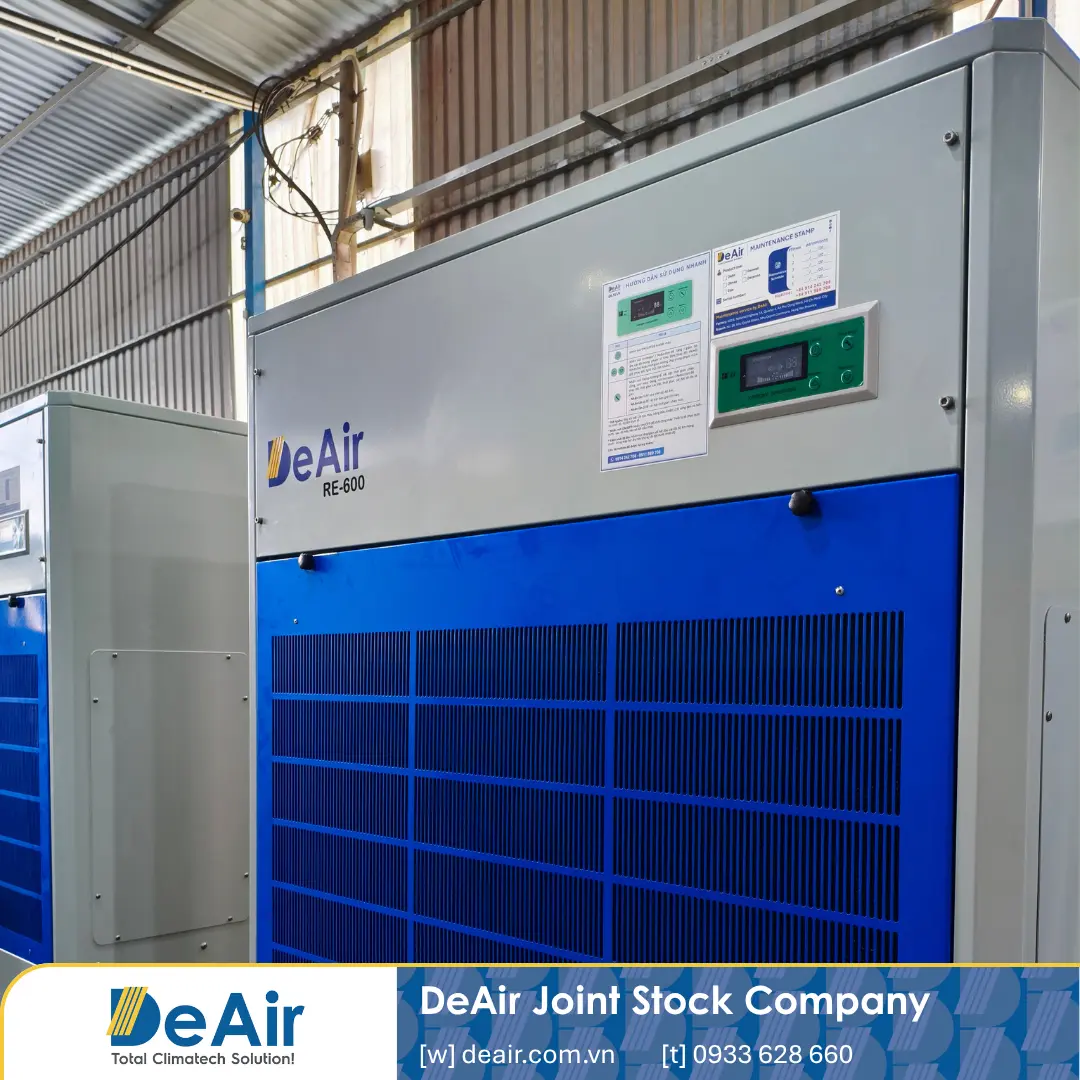
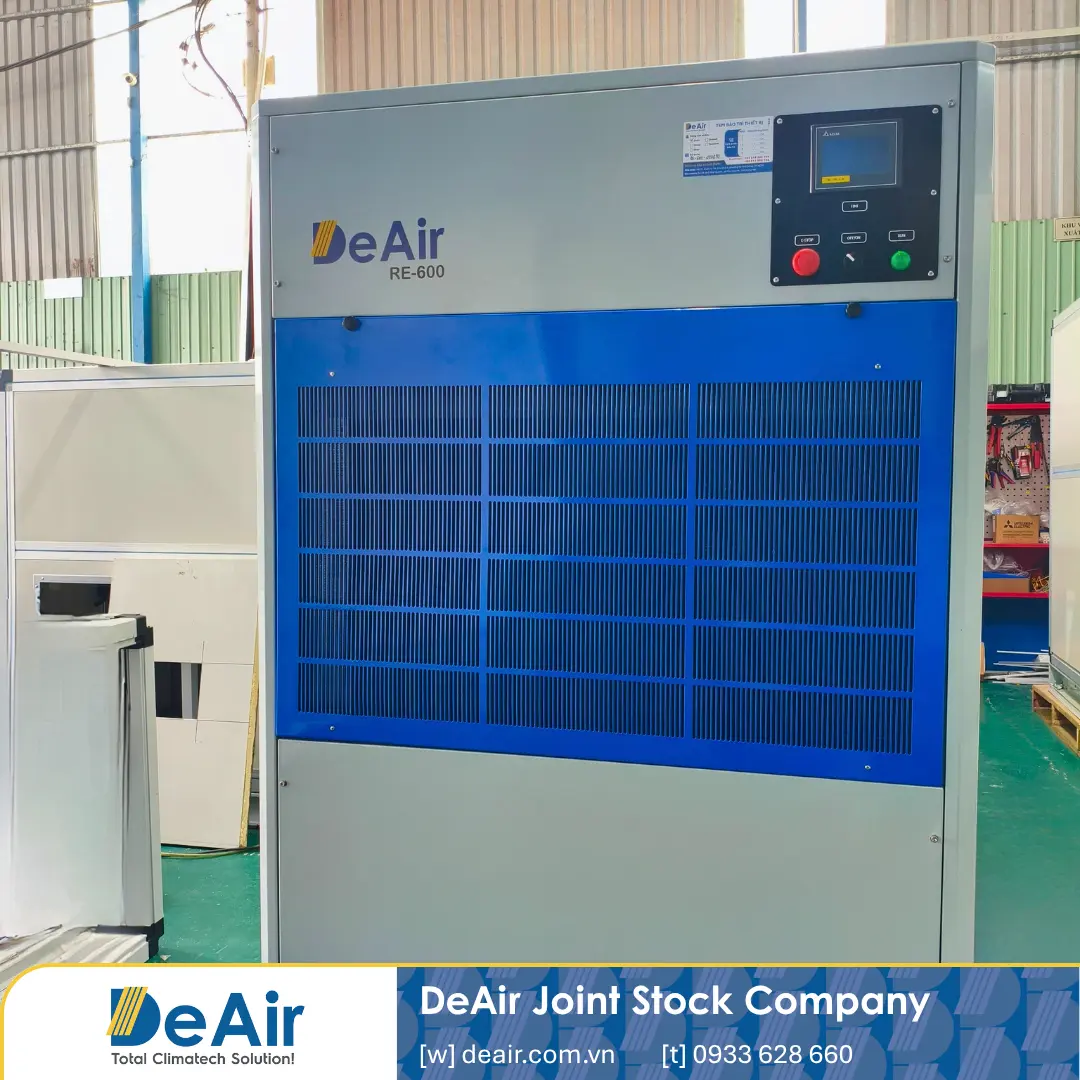
High-capacity DeAir.RE units standing ready to defend factories against rainy season humidity shocks.
3. Why Turning on Air Conditioning or Ventilation Fans Now is a Mistake
In a panic upon seeing drenched facility surfaces, many plant managers immediately order exhaust ventilation fans to run at max speed or drastically drop AC temperatures. Physically, these decisions are completely counterproductive:
Ventilation Fans: When the outdoor air is fully saturated with flash evaporation moisture, exhaust or supply fans simply draw this heavy damp air straight into the plant, adding more "fuel" to the condensation cycle.
Air Conditioners: Dropping the thermostat cools down metal machine frames and epoxy floors. When hot, humid air sneaks in from loading docks and encounters these chilled surfaces, it triggers an even more violent condensation cycle. Floors end up "sweating" heavily instead of drying out.
4. DeAir Industrial Dehumidifiers: The Ultimate Shield Against Extreme Weather
The only definitive cure for "humidity shock" is directly extracting the airborne water vapor volume. Integrating a DeAir industrial dehumidifier system provides unparalleled defensive capabilities for the factory:
High-Capacity Water Extraction Power
DeAir.RE lines are armed with specialized Copeland compressors engineered to handle deep latent loads. Instead of blowing out cold air like an AC unit, the machine directly condenses airborne moisture, "wringing" dozens to hundreds of liters of water per day straight into the drainage line. Relative humidity is forced down into a safe, controlled zone (50% - 60%).
Smart control panel integrated with BMS for remote humidity monitoring.
Independent Climate Control - No Overcooling
The dehumidifier operates completely independent of the cooling system. It isolates and resolves the "latent load" rather than the "sensible load". The discharged air stream is dry and mildly warm, acting to dry out floor surfaces and corrugated boxes without freezing out the working personnel environment.
Flexible Localized Deployment
DeAir's floor-standing cabinet dehumidifiers are exceptionally versatile. Facility operators can easily reposition the equipment directly into hot zones suffering the worst condensation (such as carton staging areas, electronic part storages, or near loading dock entrances) to lock down moisture infiltration immediately.
DeAir Rapid Response Team
Climate change is rendering "Heavy Rain - Flash Evaporation" cycles increasingly volatile and severe. Investing in industrial dehumidification is no longer an optional upgrade; it is a mandatory defensive asset to secure multi-billion VND industrial inventories.
Do not let standing water paralyze your production output! Contact DeAir's project division immediately to have our engineering team dispatch to your facility for on-site surveys, dew point measurements, and high-capacity dehumidifier installation consulting to rescue your warehouse space on the very same day!
References and Authoritative Citations: [1] AccuWeather Climate Indices (accuweather.com) - RealFeel tracking and flash evaporation speed analysis under high radiant heat indexes. [2] Vinmec Healthcare Knowledge Base (vinmec.com) - The direct correlation between high relative humidity environments, respiratory strain, and industrial workplace safety hygiene. [3] ASHRAE (American Society of Heating, Refrigerating and Air-Conditioning Engineers) - Industrial Humidity Management Standards: Combating latent moisture loads in open-dock warehouses.


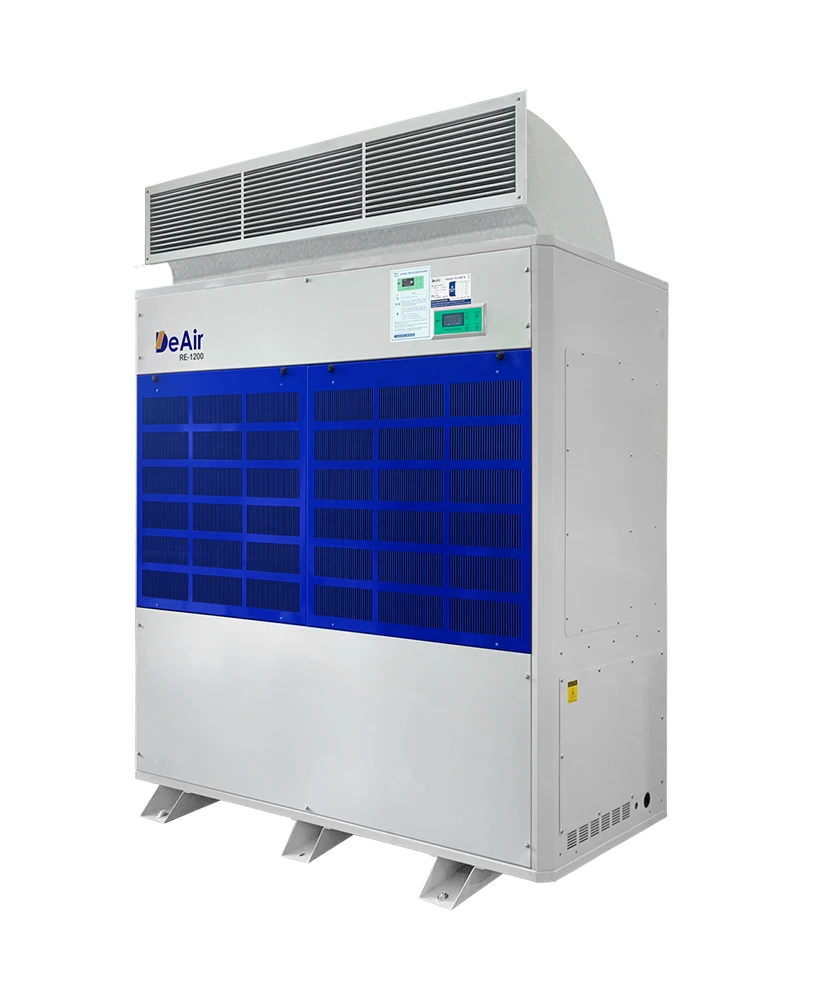 DeAir.RE
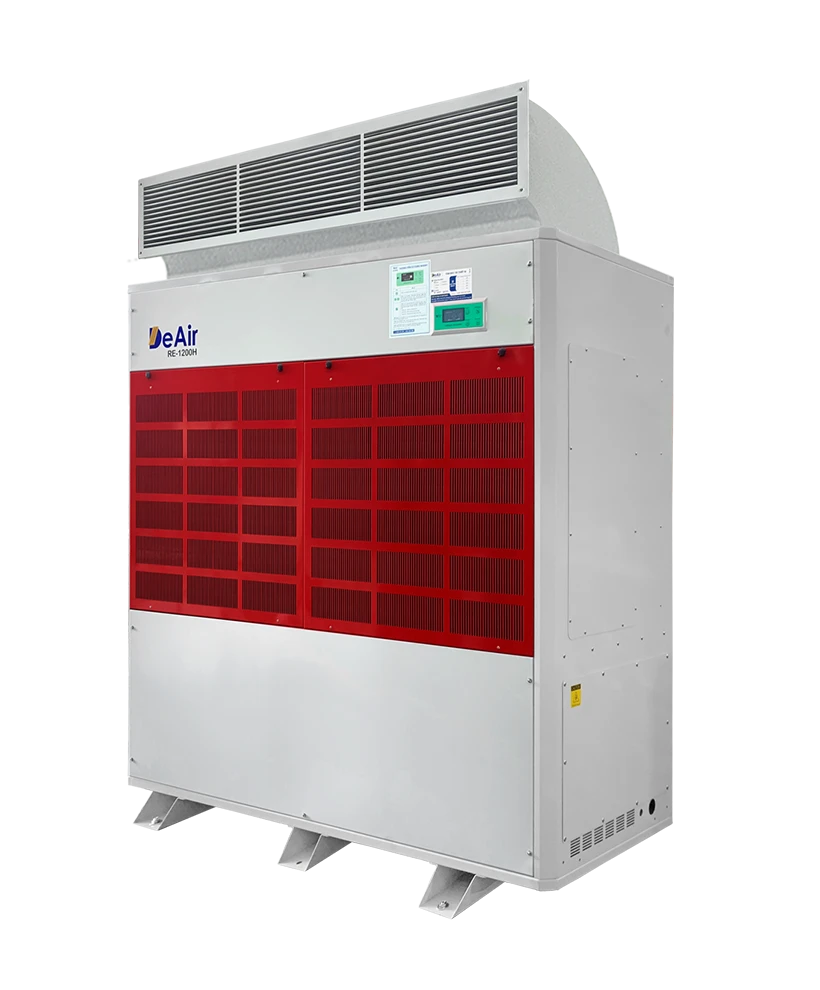 DeAir.RE-H
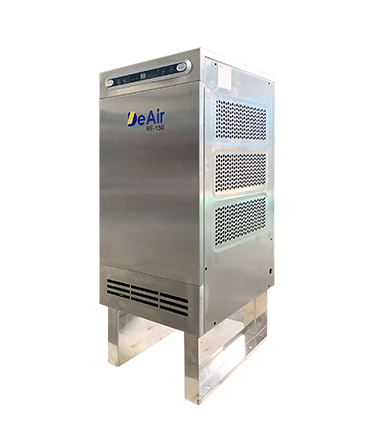 DeAir.RE-INOX
 DeAir.CRE
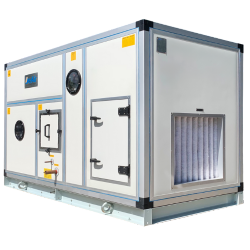 Dezenno
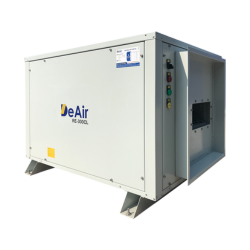 DeAir.RE-CL
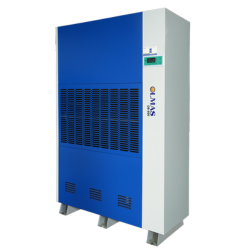 Olmas-OS
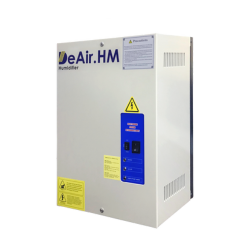 DeAir.HM
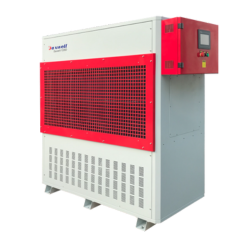 Daxwell
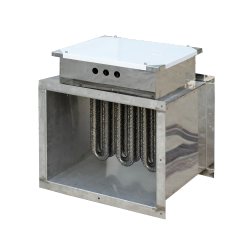 DeAir.Heat
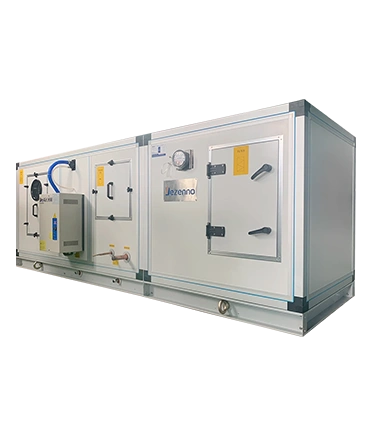 AHU
AHU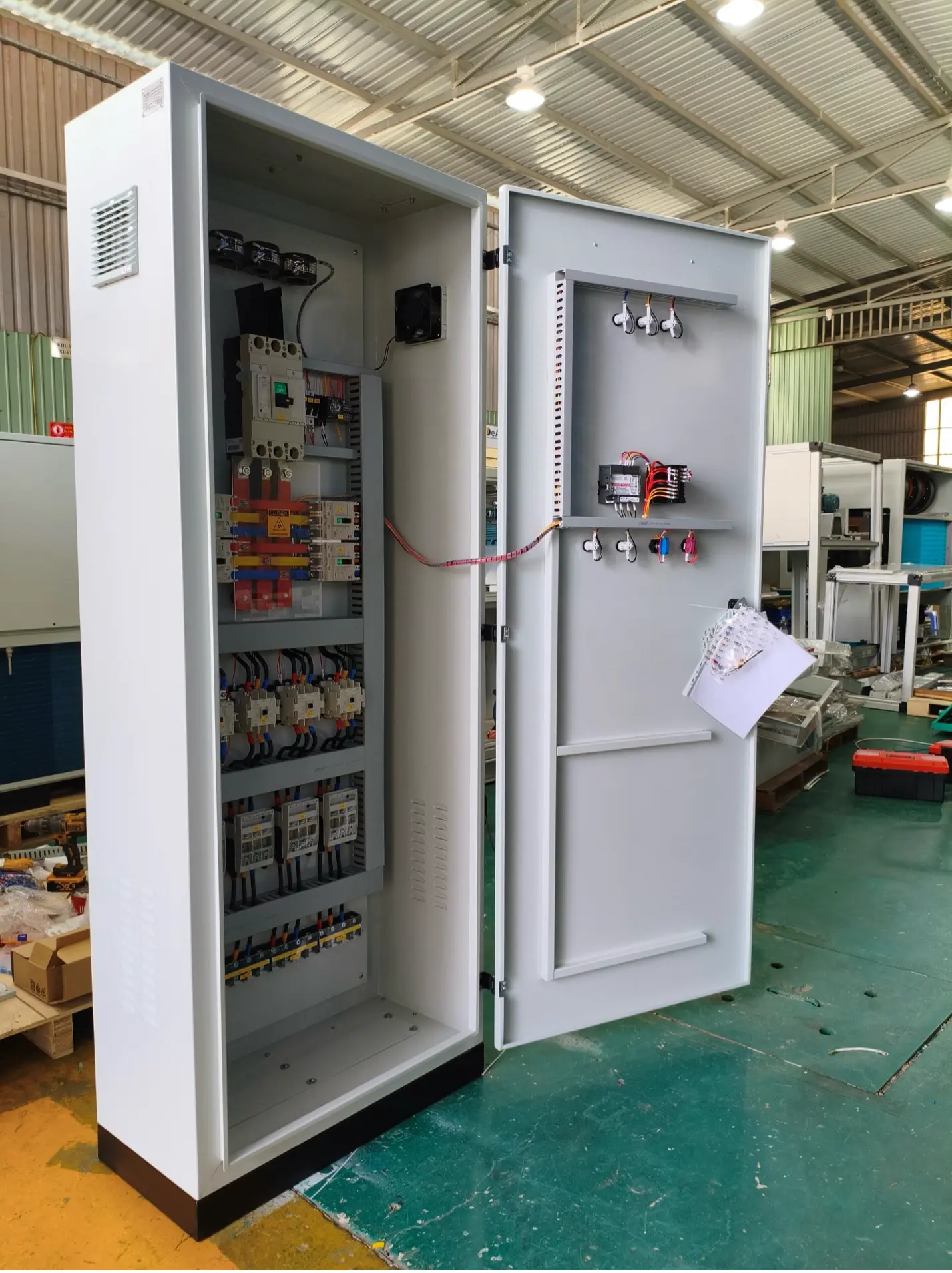






![[Case Study] DeAir Installs DeAir.De Rotor Humidity Control System for Pharmaceutical Plant in Binh Duong](https://deair.com.vn/thumbs/news/2023_04/ban_giao_may_cho_duoc_bd/[270x153-cr]image1-1024x772.jpg__cv.webp "[Case Study] DeAir Installs DeAir.De Rotor Humidity Control System for Pharmaceutical Plant in Binh Duong")

![[Review & Guide] Olmas OS-300: The New Humidity Control "Warrior" for Medium to Large Warehouses](https://deair.com.vn/thumbs/news/huong_dan_su_dung_may_olmas_21/[270x153-cr]vtm06440.png "[Review & Guide] Olmas OS-300: The New Humidity Control \"Warrior\" for Medium to Large Warehouses")