Chemical-Free Drying Solution for Export Rattan & Sedge by DeAir
05/05/2026
Chemical-Free Drying Solution for Export Rattan & Sedge by DeAir
Key Takeaways:
The Industry Pain Point: Rattan, bamboo, and sedge products are highly susceptible to blue and white mold. The use of chemical treatments (sulfur, SO2) is strictly banned in EU and US markets under REACH standards.
Limitations of Traditional Drying: Sun drying or high-heat drying (coal, electric resistance) causes discoloration, brittleness, and fails to extract moisture thoroughly from the core.
DeAir's Solution: Utilizing the Daxwell Heat-Pump Industrial Dryer for 100% physical drying within the golden temperature range of 25 - 80°C.
Practical Results: Deep core moisture extraction while retaining original color and fiber flexibility. Mold rate reduced to 0%, effortlessly passing international customs inspections.
Vietnam is a country with a long-standing tradition in handicrafts, particularly rattan, bamboo, and woven sedge products. However, when expanding to demanding markets such as the EU or the US, enterprises face increasingly strict technical barriers, especially standards regarding chemical residues and product quality.
1. The Nightmare of "Blue and White Mold" and the Ban on Chemicals
Due to their strong hygroscopic biological characteristics, rattan, bamboo, and sedge are highly prone to blue and white mold. This issue becomes particularly severe during the humid season in Northern Vietnam or when cargo experiences "container rain" during long export sea voyages to the West.
In the past, many workshops used chemical treatments (such as sulfur or SO2) to prevent mold. However, according to the regulations of the European Union (EU) and the US, the use of toxic chemicals is strictly prohibited. Goods found with chemical residues face the risk of being returned or destroyed at the port, causing billions of VND in losses and damaging the reputation of Vietnamese brands.
2. Why Are Traditional Drying Methods Obsolete?
Natural Sun Drying: Heavily dependent on the weather. Natural sunlight only dries the surface, failing to extract moisture from the very core of the rattan or bamboo fibers. Once packaged, the hidden moisture escapes, causing mold.
High-Heat Drying (Coal, Electric Resistance): Excessively high temperatures and uncontrolled discharge humidity cause sudden dehydration in the fibers. Consequently, products are scorched, discolored, and the materials become brittle, breaking easily and losing their shape during the weaving process.
3. DeAir's Solution: Daxwell Heat-Pump Dryer
To solve this complex problem, DeAir introduces a 100% physical drying technology, completely eliminating chemicals with the Daxwell Heat-Pump Dryer.
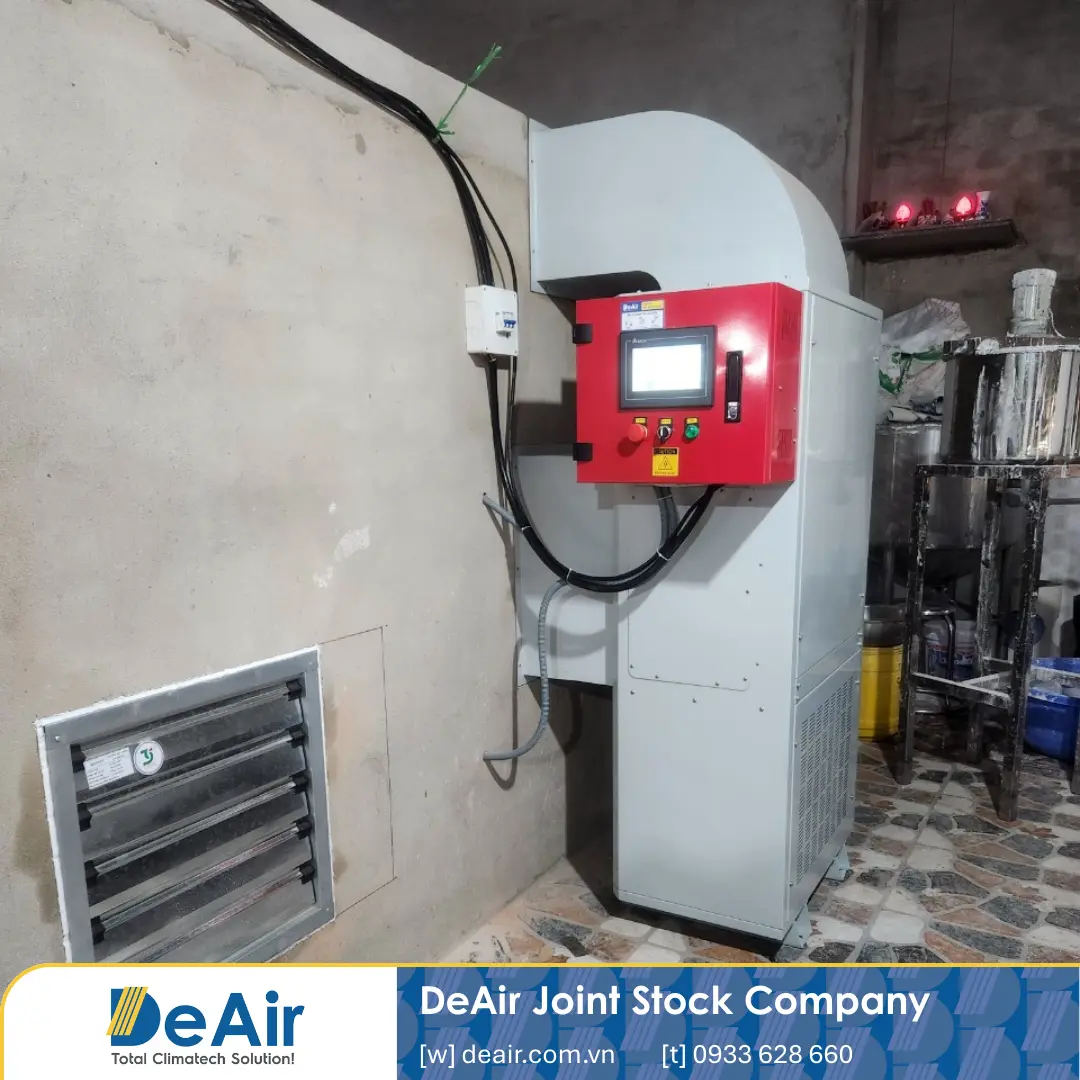
The Daxwell Heat-Pump Dryer system professionally connected to the drying room.
Outstanding advantages that make Daxwell conquer the handicraft industry:
Golden Temperature Range of 25 - 80°C: Flexibly adjustable to suit the characteristics of each material. The mild temperature combined with circulating dehumidification helps extract moisture thoroughly from deep within the core without causing thermal shock.
Smart HMI Control System: Allows programming of multi-stage drying cycles (e.g., cold drying to retain color, heat drying to extract moisture). Optimizes the automatic moisture discharge process.
Perfect Quality Preservation: Maintains a bright, natural color. The structure of rattan and sedge fibers retains ideal flexibility, avoiding brittleness and breakage.
4. Infographic: Comparison of Drying Technologies
DRYING TECHNOLOGY PERFORMANCE COMPARISON
Criteria
Traditional / High-Heat Drying
Daxwell Heat-Pump Drying (DeAir)
Core Moisture Extraction
Surface dry only, easy moisture regain
Complete extraction from deep core
Fiber Quality
Brittle, broken, deformed shapes
Soft, flexible, highly elastic
Color Retention
Prone to scorching, dulling
Retains natural, bright color
Export Standards
Requires chemicals (Banned)
100% EU/US compliant (Physical only)
5. Case Study: "Doi Moi Rattan" Reaching the Global Market
Doi Moi Rattan Cooperative once faced the risk of bankruptcy when a large shipment to Europe was returned due to mold and the detection of chemical residues. Technological transformation was their only path to survival.
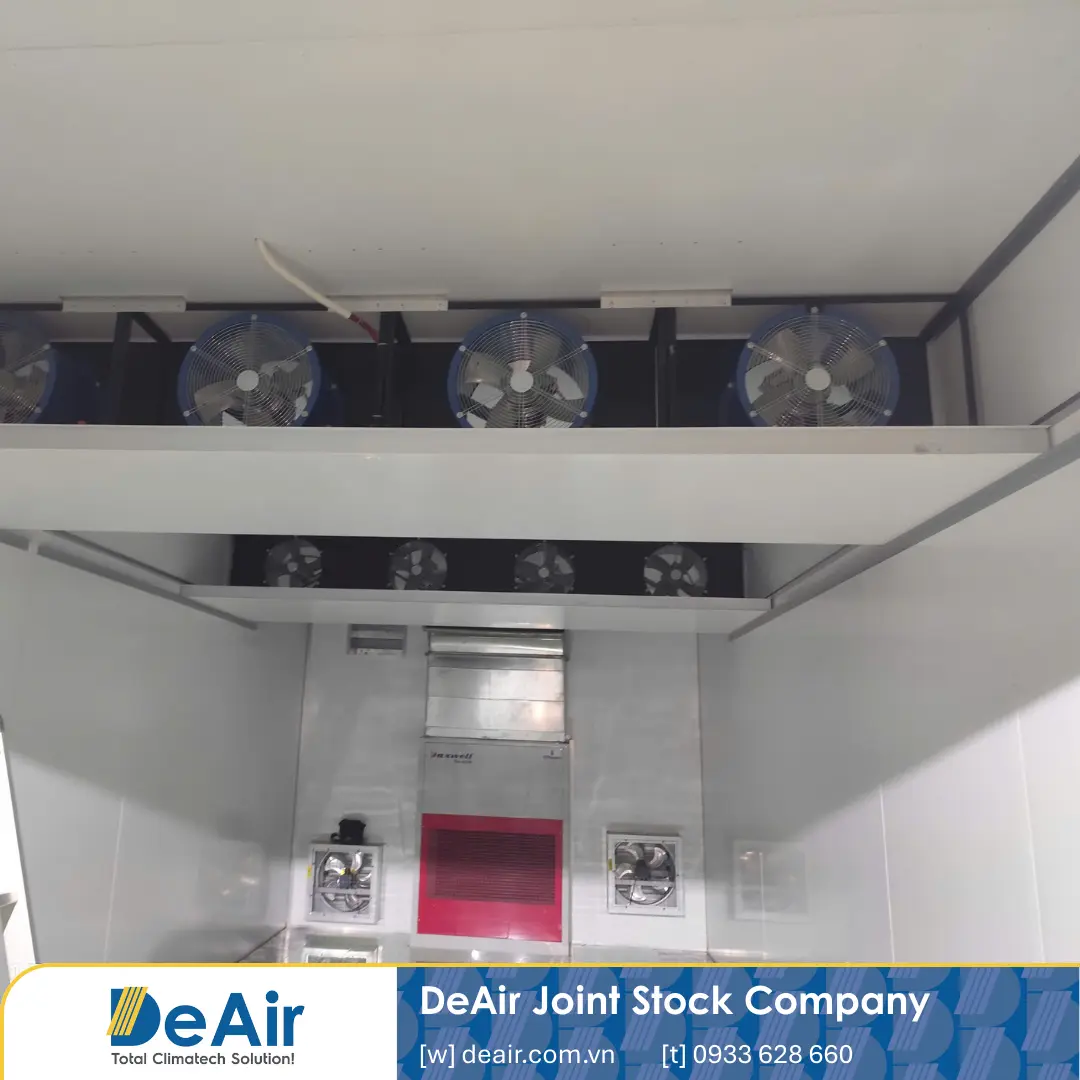
The application of an insulated Panel room combined with the Daxwell heat pump dryer helps maximize control over the drying environment.
After consulting with DeAir's engineering team, Doi Moi Cooperative invested in a closed Panel drying room integrated with the Daxwell Heat-Pump system. The results exceeded expectations:
Mold rate reduced to 0%: Eliminating the risk of damage during storage and long sea voyages.
100% of shipments cleared customs: Absolutely no anti-mold chemicals used, confidently meeting the strictest standards of the European market.
Cost optimization: The automated drying cycle via the HMI screen significantly saves electricity and reduces the need for night-shift labor to rotate the batches.
6. Frequently Asked Questions (FAQs)
Q1: What is the safe moisture level for rattan and bamboo when packed in export containers?
To ensure absolute safety, the moisture content of rattan, bamboo, and sedge must be brought down to 8% - 12% before packaging. Combined with the use of specialized desiccants in the container, the goods will safely traverse different climate zones.
Q2: Does the Daxwell heat pump dryer save more electricity than electric resistance dryers?
Yes. Thanks to the heat pump principle (recovering heat from the environment and latent heat of condensation), the Daxwell dryer operates with a high COP efficiency, saving 30% to 50% in electricity consumption compared to conventional resistance heating technology.
Q3: Can delicate sedge fibers use the same temperature range as thick bamboo?
Absolutely, thanks to the flexible programming feature. Thick bamboo can be dried in the 50-65°C range, while delicate sedge fibers should be set to a cold/mild drying cycle at 35-45°C on the HMI screen to prevent the fibers from shriveling.
Ready to Take Your Products to the Global Market?
Investing in Daxwell heat pump drying technology is an investment in the sustainable development and reputation of your handicraft enterprise.
Let DeAir accompany you in designing a standard drying system that optimizes costs and factory space today!


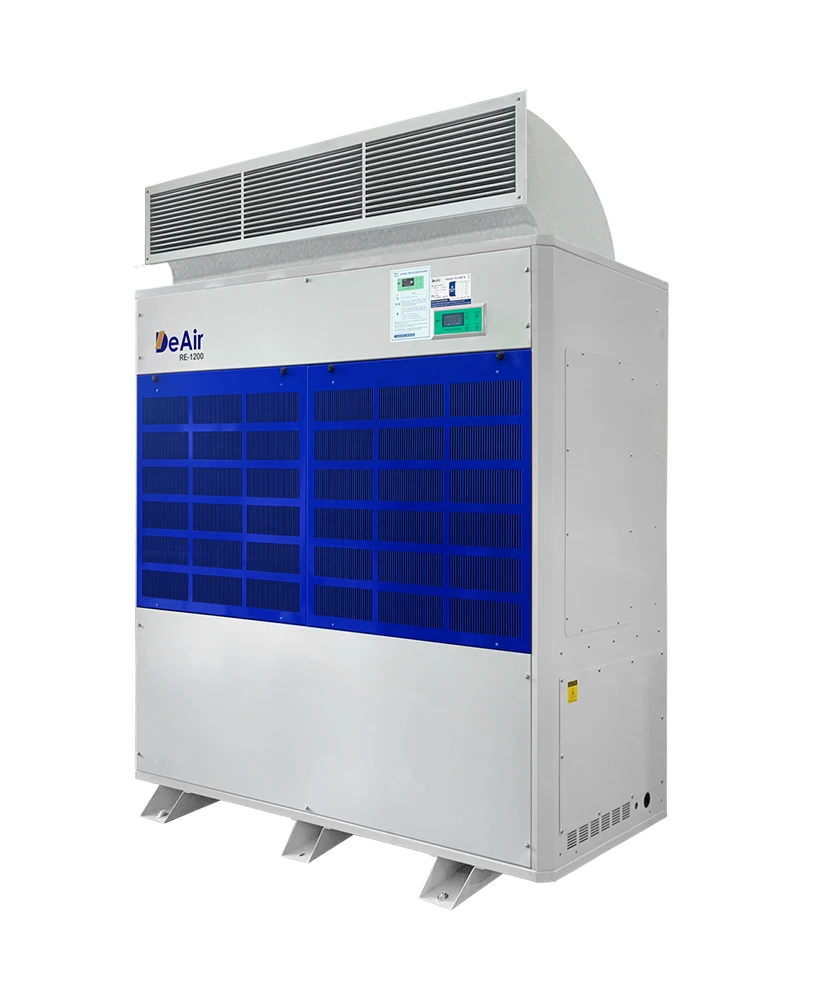 DeAir.RE
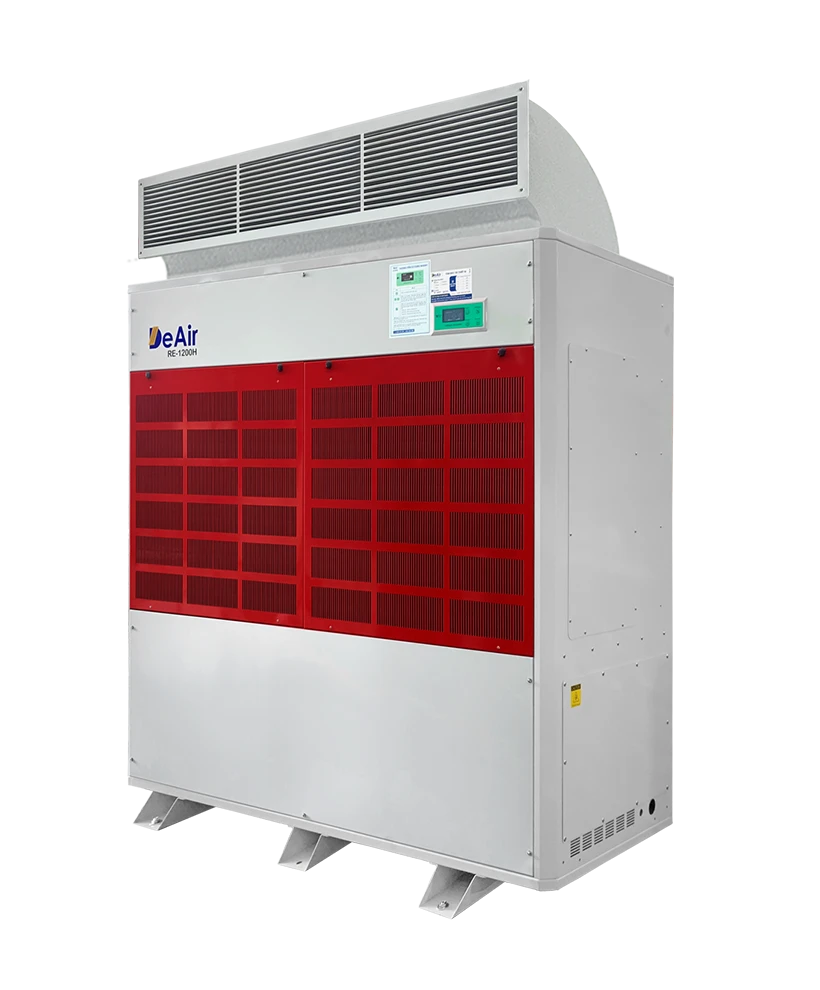 DeAir.RE-H
 DeAir.RE-INOX
 DeAir.CRE
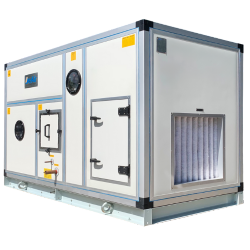 Dezenno
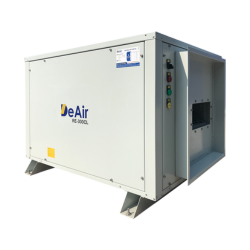 DeAir.RE-CL
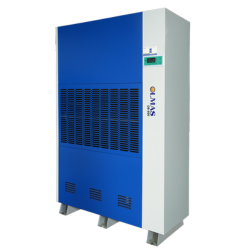 Olmas-OS
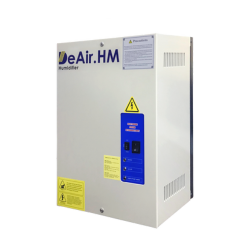 DeAir.HM
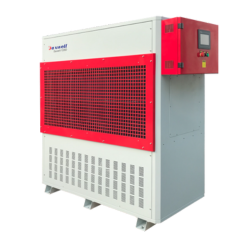 Daxwell
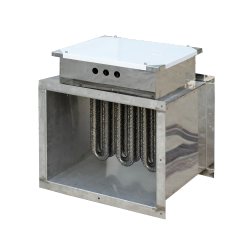 DeAir.Heat
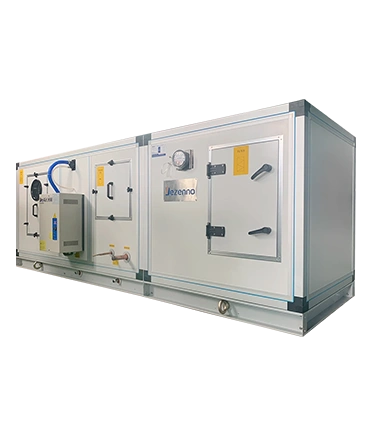 AHU
AHU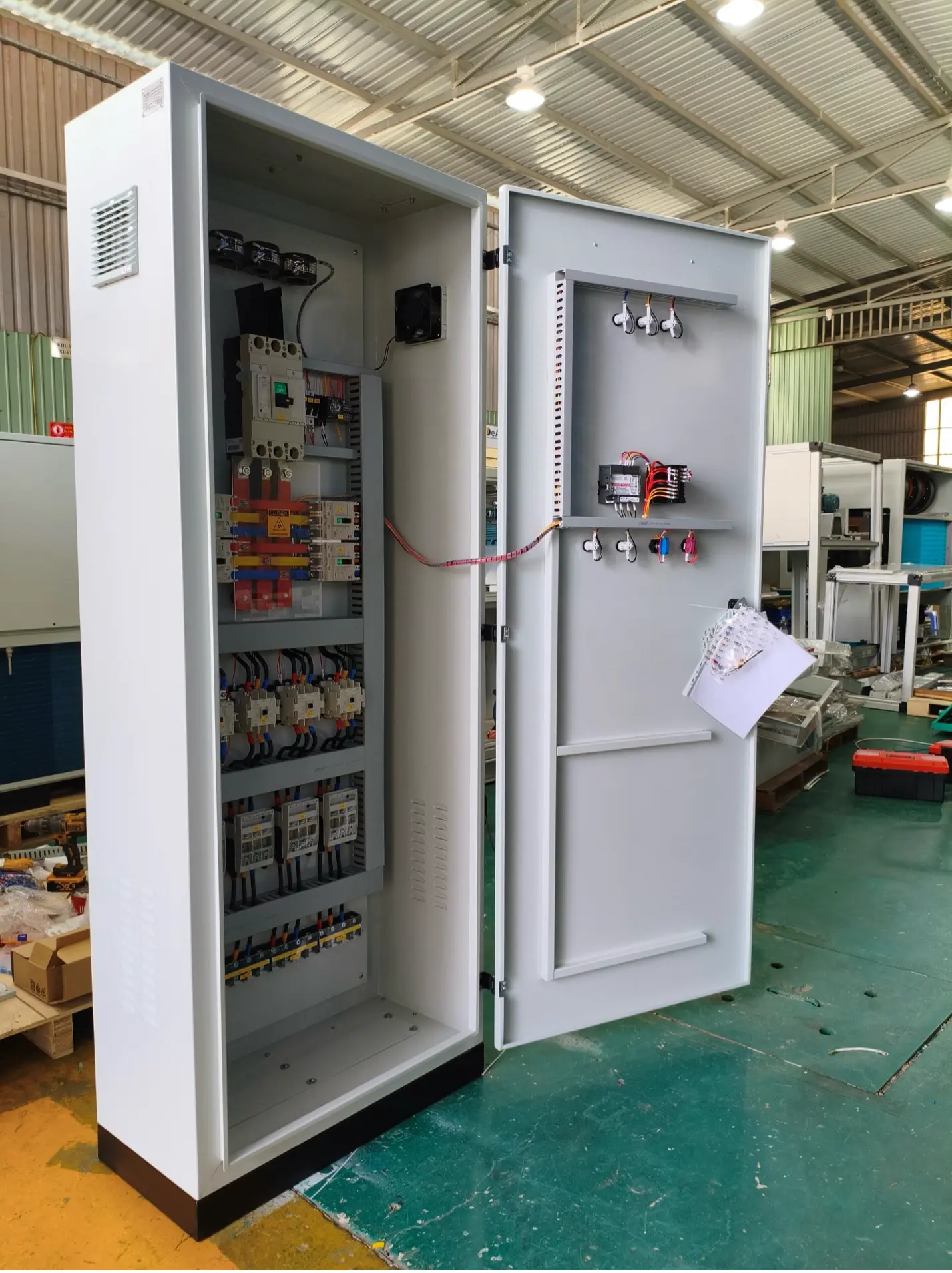






![[Case Study] DeAir Installs DeAir.De Rotor Humidity Control System for Pharmaceutical Plant in Binh Duong](https://deair.com.vn/thumbs/news/2023_04/ban_giao_may_cho_duoc_bd/[270x153-cr]image1-1024x772.jpg__cv.webp "[Case Study] DeAir Installs DeAir.De Rotor Humidity Control System for Pharmaceutical Plant in Binh Duong")
![[Review & Guide] Olmas OS-300: The New Humidity Control "Warrior" for Medium to Large Warehouses](https://deair.com.vn/thumbs/news/huong_dan_su_dung_may_olmas_21/[270x153-cr]vtm06440.png "[Review & Guide] Olmas OS-300: The New Humidity Control \"Warrior\" for Medium to Large Warehouses")