The Business of Soft-Dried Pineapple: Operational Costs, Packaging, and Supermarket Standards
16/03/2026
Producing Delicious Fruit is Hard, Selling Profitably is Even Harder!
Many agricultural processing startups begin with an incredibly delicious soft-dried pineapple recipe. However, upon entering the commercial market, they immediately stumble over three "fatal" business flaws: Skyrocketing production costs due to high electricity bills; inventory that becomes soggy and ferments after just a few weeks; and outright rejection by major supermarket chains due to a lack of legal certifications.
To turn batches of dried fruit into genuine "pure gold," investors must thoroughly resolve the economic puzzle right from the factory design phase. Let's analyze the 3 pillars of sustainable profitability with DeAir's experts when investing in the Daxwell Heat-Pump Drying System.
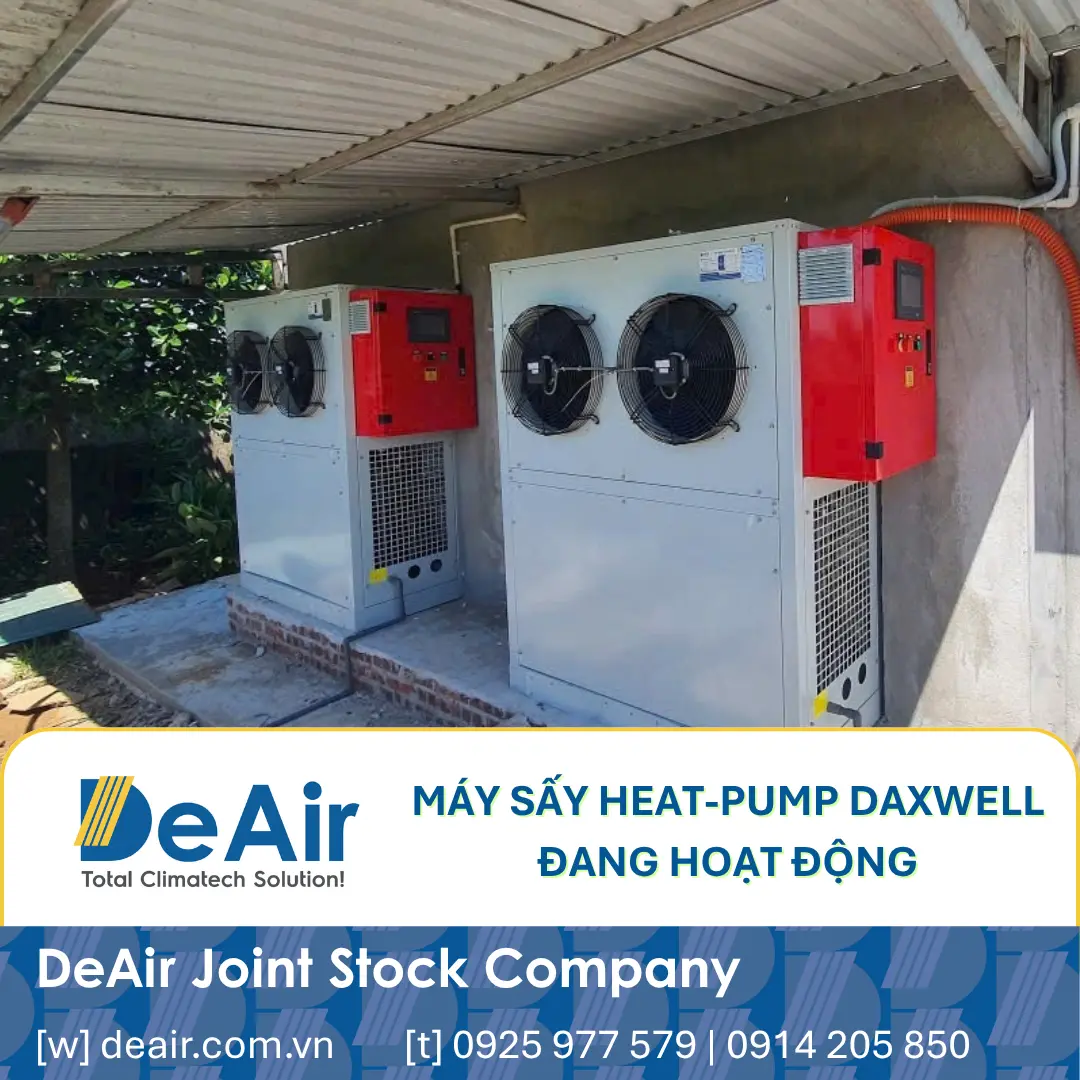
The high-capacity Daxwell Heat-pump dryer in continuous operation at a factory - The golden key to solving the energy cost dilemma for the agricultural industry.
The profitability of a dried fruit processing facility lies in its ability to control the Cost of Goods Sold (COGS). Energy costs and equipment depreciation are the two largest "leaks."
The Electricity Bill "Nightmare"
Drying pineapples is a lengthy process (typically 12-20 hours depending on thickness). If a facility uses a traditional electrical resistance heating oven, paying tens of millions of VND in monthly electricity bills will severely eat into the company's profit margins.
The Daxwell Solution: Heat-pump cold drying technology uses a refrigeration compressor to dehumidify and recovers condensation heat to warm the air. With a Coefficient of Performance (COP) of 3.0 - 4.0, the Daxwell drying system (like the DX-600D, DX-1200D) helps factories slash electricity bills by up to 75%, bringing the drying cost per kilogram of finished product to an extremely competitive market level.
Machine Depreciation in High-Acid Environments
Pineapples and citrus fruits have very strong acidity (containing high levels of citric and malic acid). If investors opt for cheap dryers made of galvanized iron or poorly powder-coated steel, the acidic vapors rising during the drying process will cause the chamber to rust and deteriorate into a pitted mess after just one year of use.
The Daxwell Solution: All drying trays, racks, and components directly exposed to the drying airflow in a Daxwell unit are fabricated from Food Grade 304 Stainless Steel. This material offers absolute resistance to acid corrosion. Investors only need to invest once, and the equipment depreciation can stretch over 10-15 years, providing an incredibly secure long-term financial model.
Your product might have the perfect color and chewiness, but a single mistake in the packaging phase can force you to discard an entire batch of inventory.
To prevent cross-contamination, dried products (like bananas, pineapples, jackfruit) must be cooled in sterile, closed-loop Panel rooms.
The Phenomenon of Moisture Regain & Fermentation (Yeast Odor)
Pineapples have a very high Fructose content. If workers immediately seal the pineapples in plastic bags right after they exit the dryer (when the surface temperature is still around 45°C), the escaping heat will condense into water droplets on the inside of the bag (the "sweating" phenomenon). This condensed water, combined with the sugar on the pineapple's surface, creates an ideal environment for natural yeast to thrive. After just a few weeks, the bag of dried pineapple will bloat (due to CO2 gas) and emit a strong alcohol odor.
The Mandatory Cooling Secret: Once removed from the Daxwell dryer, pineapples must be transferred to a Sterile Cooling Room (Cleanroom). Here, an industrial dehumidifier maintains room humidity below 40%, while cooling fans slowly bring the slices down to room temperature (25°C) without them absorbing external moisture. They must only be packaged once fully cooled.
3. Infographic: Comparing 2 Dried Fruit Packaging Methods
Depending on the distribution strategy (Retail vs. Export Storage), factories must select the appropriate packaging specifications to extend product shelf-life:
SOFT-DRIED PINEAPPLE PACKAGING CHOICES
🛍️
Zip Bags (Stand-up Pouch / Kraft Paper)
Pros: Elegant design, easy brand printing, convenient for consumers to open and reseal for multiple servings.
Cons: Air (Oxygen) remains trapped inside, causing the pineapple slices to slowly darken over time.
Mandatory Solution: You must insert 1 Food-Grade "Oxygen Absorber" and 1 "Silica Gel" (Desiccant) packet into every bag.
Shelf Life: 3 - 6 months (Domestic Retail).
📦
Vacuum Sealing (Thick PA/PE Bags)
Pros: Extracts 100% of the air, completely halting vitamin oxidation and yeast growth. The pineapple slices retain their original golden color.
Cons: The flattened appearance is less visually appealing on supermarket shelves compared to Zip bags. Vacuum machine costs are higher.
Solution: Best used for wholesale (B2B) distribution or boxing for export storage.
4. Pillar 3: The "Passport" to Enter Major Supermarket Chains
Having a delicious and affordable product is not enough to secure a spot on the shelves of major retail chains (like Go!, Winmart, Aeon, Lotte) or to export to the EU and US. You need Legal certifications proving absolute safety.
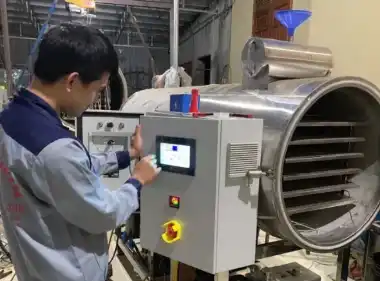
Whether drying pineapple or seafood, the process of loading goods into the Daxwell machine always strictly adheres to protective gear and food safety regulations.
Food Safety Eligibility Certificate: This is the bare minimum for legal operation. Utilizing DeAir's closed-loop Panel drying rooms combined with the Daxwell dryer thoroughly eliminates issues with flies, mosquitoes, dust, and coal smoke. A clean Epoxy floor and a One-way flow layout from the pre-processing area to the drying and packaging areas make it easy for factories to pass Food Safety Authority inspections.
Advanced Standards (HACCP & ISO 22000): Large supermarkets and export partners mandatorily require these certifications to trace material origins and control hazards (Physical, Chemical, Biological).
The Power of DeAir's Data Transparency: During HACCP certification audits, assessors will request to review the "Drying Temperature Logs" of previous batches. With the PLC electrical panel system integrated into the Daxwell dryer, all operational parameters (Temperature, Humidity, Real-time duration) are automatically stored (Data log) in a fully digital and transparent manner. This serves as invaluable evidence, empowering factories to confidently prove their drying process has eliminated 100% of harmful pathogenic bacteria (such as E.coli and Salmonella).
Conclusion: Investing in a Daxwell Heat-pump dryer is not merely purchasing a heat-generating device; you are investing in a Commercial-Standard Production Line. It optimizes energy costs, ensures long-term preservation, and opens wide the doors for Vietnamese agricultural products to enter international supermarket chains.
Get Your Free Fruit Drying Factory Investment Plan
Do you have the capital and want to start a soft-dried fruit production factory? Don't burn your money on low-quality equipment! Contact DeAir's engineering team today for a FREE machinery cost estimate and HACCP-standard floor plan design!


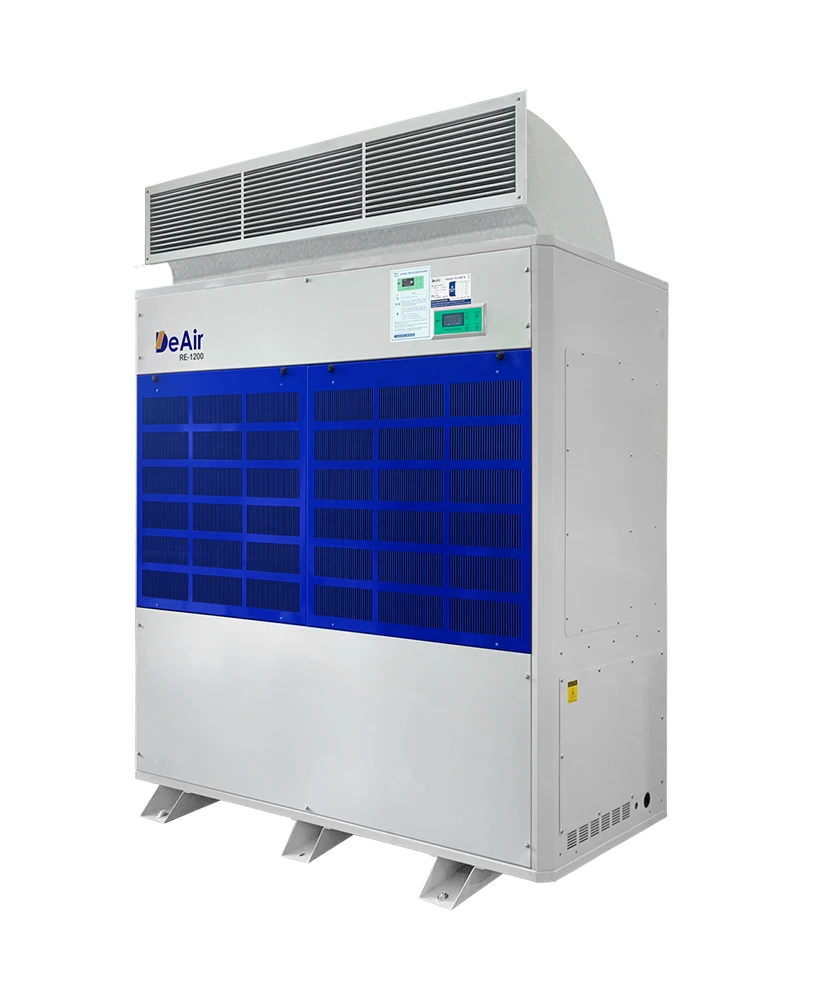 DeAir.RE
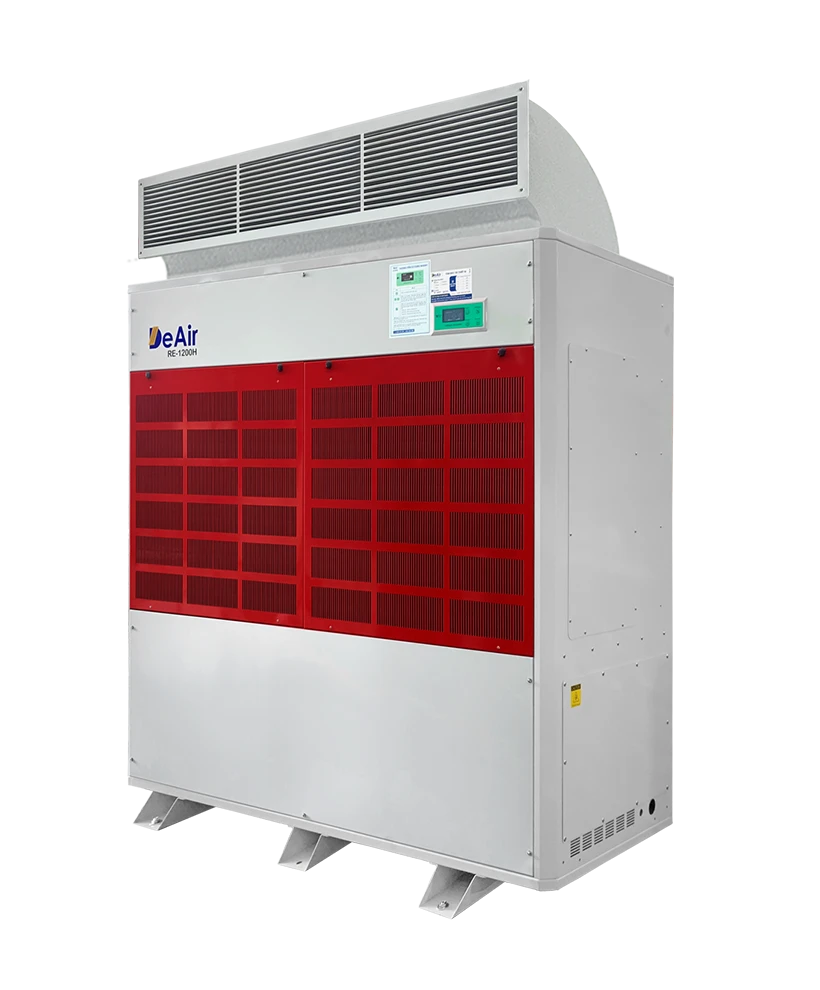 DeAir.RE-H
 DeAir.RE-INOX
 DeAir.CRE
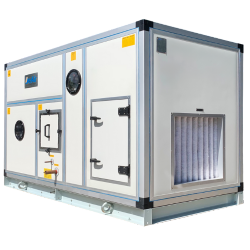 Dezenno
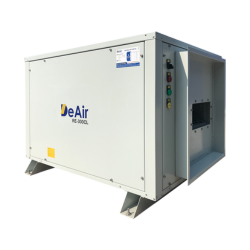 DeAir.RE-CL
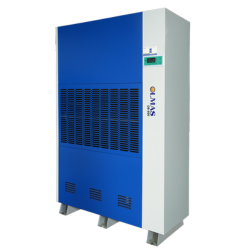 Olmas-OS
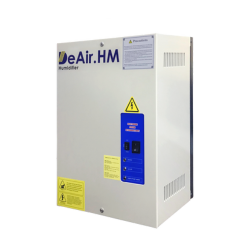 DeAir.HM
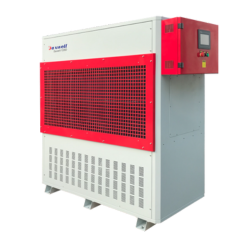 Daxwell
 DeAir.Heat
 AHU
AHU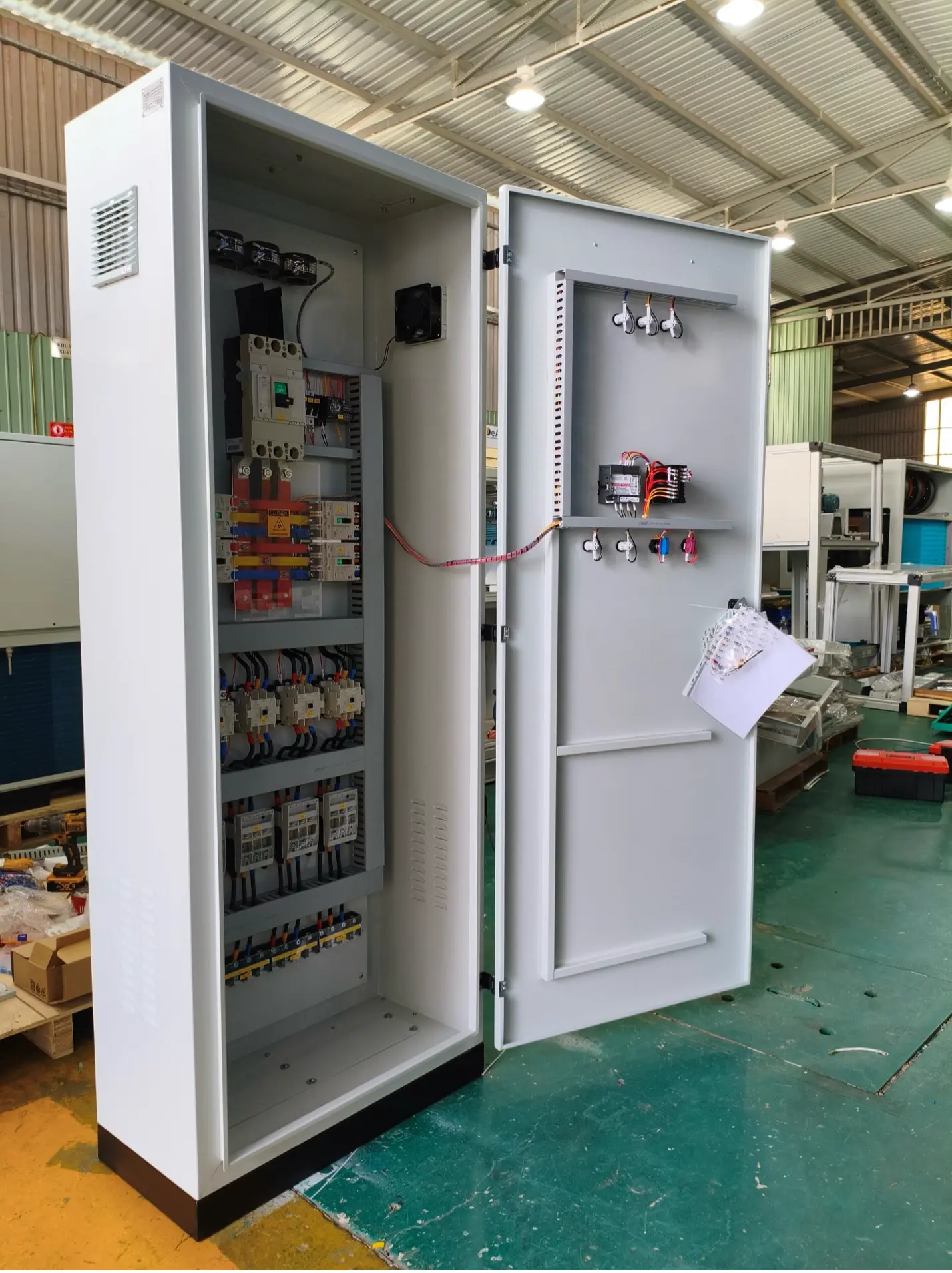








![[Case Study] DeAir Installs DeAir.De Rotor Humidity Control System for Pharmaceutical Plant in Binh Duong](https://deair.com.vn/thumbs/news/2023_04/ban_giao_may_cho_duoc_bd/[270x153-cr]image1-1024x772.jpg__cv.webp "[Case Study] DeAir Installs DeAir.De Rotor Humidity Control System for Pharmaceutical Plant in Binh Duong")
![[Review & Guide] Olmas OS-300: The New Humidity Control "Warrior" for Medium to Large Warehouses](https://deair.com.vn/thumbs/news/huong_dan_su_dung_may_olmas_21/[270x153-cr]vtm06440.png "[Review & Guide] Olmas OS-300: The New Humidity Control \"Warrior\" for Medium to Large Warehouses")